MyCountry AI Game
Every post is a window into a country. Food, culture, traditions, history — shared by the people who actually live it.
Start with a flag and discover local stories.
Compare your view with people worldwide.
Trivia and country-stat games add points.
Drop into the live global conversation.
One prompt, hundreds of local answers. It is the fastest way to compare daily life across countries.
🔥 Trending
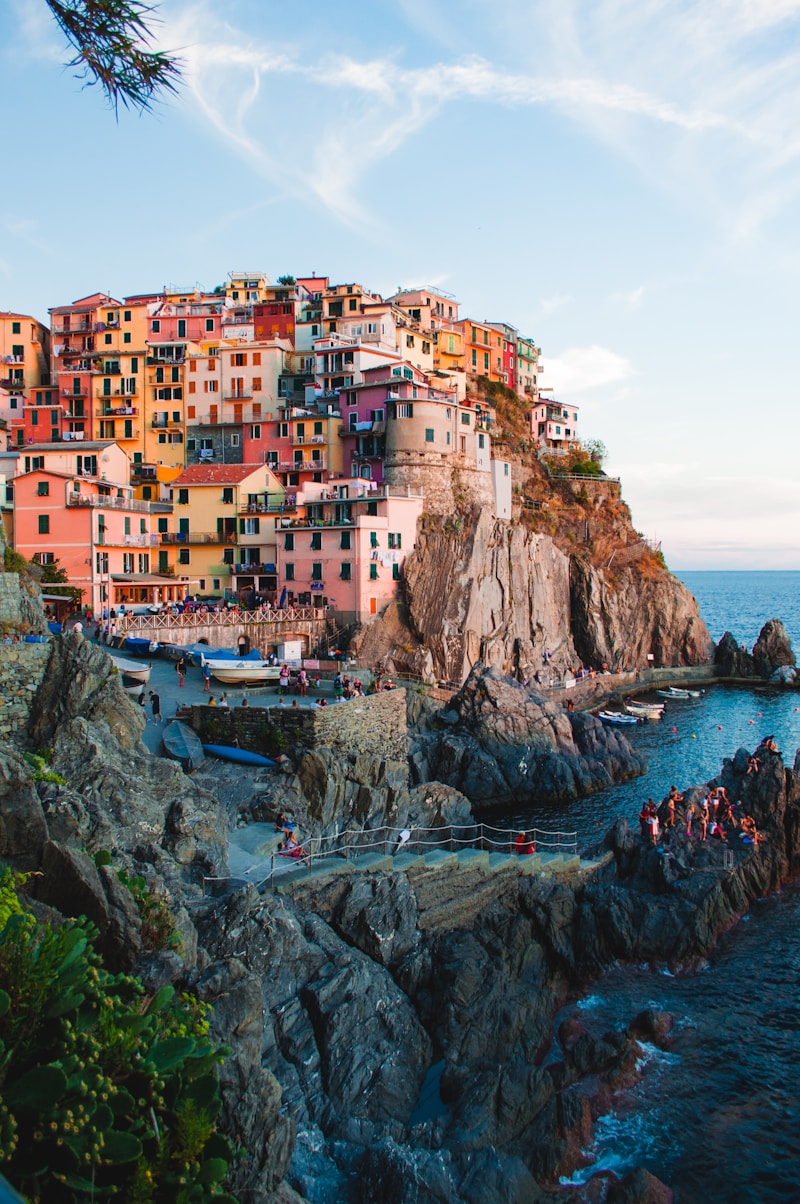
The Great Ancestral Pilgrimage of 2026: Why We Are All Going Home
The train station at Chiusi-Chianciano Terme is not exactly a grand architectural marvel, but on this Tuesday in June 2026, it feels like the center of the world. I am standing on the platform with a single worn leather suitcase and a piece of paper that has been folded and unfolded so many times it feels like velvet. On it is an address I have never visited, in a town my grandfather left in 1954 and never returned to. I am not alone. Looking around the platform, I see dozens of people my age — the digital generation, the ones who spent the early 20s behind screens and in virtual worlds — all carrying that same look of nervous anticipation. We are the pilgrims of 2026, and we are going home. For years, we were told that the world was getting smaller, that digital connectivity would make physical location irrelevant. We believed that we could be "global citizens" from the comfort of a coworking space in Bali or a high-rise in Lisbon. But something shifted as we moved into the mid-2020s. The infinite scroll began to feel like an infinite void. The more "connected" we were, the more untethered we felt. By early 2026, a quiet movement began to take shape. It wasn't about "digital detox" or "slow living" — those were 2010s concepts that felt like Band-Aids. This was something deeper. It was a hunger for continuity. A need to stand on ground that our ancestors had tilled, to breathe air that they had breathed, and to reconnect with a version of ourselves that existed before the algorithms started telling us who we were. My destination is a small village in the hills of Umbria called Panicale. It is a town that seems to defy the laws of gravity, perched on a limestone ridge overlooking Lake Trasimeno. As the local bus winds its way up the narrow roads, the air begins to change. It loses the metallic tang of the city and takes on the scent of sun-baked stone, wild rosemary, and the damp, cool promise of the olive groves. When I step off the bus in the Piazza Umberto I, the silence is the first thing that hits me. It isn't a dead silence; it is a layered, living quiet. You can hear the distant clink of a coffee spoon against porcelain, the soft murmur of the elders sitting on the stone benches, and the frantic, rhythmic chirping of the swifts as they dive through the medieval arches. I find the house easily. It is smaller than I imagined from my grandfather's stories, a tall, narrow structure made of honey-colored stone with a door of dark, weathered oak. An elderly woman, her face a map of ninety Italian summers, is watering geraniums in the window above. When I call out my last name, her eyes widen. She doesn't just recognize the name; she recognizes the jawline, the way I stand. Within ten minutes, I am sitting in her kitchen, a glass of cool, local white wine in my hand and a plate of sliced pecorino cheese in front of me. This is the sensory reality we have been missing. No high-definition screen can replicate the texture of that cheese, the way it crumbles and then melts, tasting of the dry grass and wild herbs of the Umbrian hills. No virtual reality headset can capture the specific, dusty warmth of a room that has seen five centuries of births, deaths, and Sunday lunches. As June 2026 progresses, the stories coming out of these villages are all remarkably similar. People are discovering that the "human touch" we thought we had digitized was actually irreplaceable. In the village bar, I meet a guy from Chicago who discovered his great-aunt still lives three doors down from where his father was born. I meet a woman from Sydney who is learning to restore stone walls using techniques her family had used for generations. We are not just tourists here; we are reclaimers. We are taking back our history from the archives and putting it back into our hands. The food, of course, is the great equalizer. In Panicale, eating is not a functional act; it is a communal ritual. There is a specific kind of pasta here called pici, hand-rolled fat spaghetti that feels like a labor of love in every bite. I spent an afternoon in a kitchen with three women who taught me the "aglione" sauce — a specific, mild garlic that only grows in this region. As we worked, they didn't ask about my social media following or my job title. They asked about my family. They told me stories about my grandfather as a boy, stories that had been preserved in the village memory like insects in amber. He was the one who could climb the tallest cherry trees. He was the one who played the accordion at the harvest festivals. Hearing these things, I felt a part of myself click into place. I wasn't just a user ID anymore; I was a grandson. I was a link in a chain. This trend of 2026 isn't a retreat from the world; it is an engagement with a more honest version of it. We still have our phones, but they stay in our pockets more. We use them to take photos not for the likes, but for the records. We realize that the most "viral" moments in life are the ones that only five people see — the way the light hits the lake at sunset, the taste of a peach picked straight from the tree, the feeling of a rough stone wall that your great-grandfather helped build. The elders in these villages are the heroes of this movement. They are the keepers of the flame. For decades, they watched the young people leave for the cities, for the promise of the future. Now, they are watching the grandchildren return, looking for the past. They don't judge us for our digital addictions; they just offer us a seat at the table and a bowl of soup. They teach us that time doesn't have to be measured in nanoseconds; it can be measured in seasons. They show us that "growth" isn't always about expansion; sometimes it is about deepening your roots. As I sit on the wall of the piazza tonight, watching the lights twinkle around the edge of Lake Trasimeno, I realize that the Great Ancestral Pilgrimage of 2026 is just beginning. We have spent so long looking forward, trying to build a future that was increasingly abstract and detached. Now, we are looking back to find the blueprints for a more grounded way of living. We are learning that you can't truly know where you are going until you know where you came from. The stone beneath me is cool, the air is sweet with the smell of jasmine, and for the first time in a very long time, I am not scrolling. I am just here. And "here" is exactly where I am supposed to be. The village of Panicale is one of those places that feels like it was designed by a poet rather than an urban planner. Its streets are a concentric spiral, drawing you slowly but surely toward the center, toward the heart of the community. Every corner reveals a new detail — a faded fresco on a wall, a hidden garden dripping with purple wisteria, a view of the rolling hills that makes you catch your breath. But the real beauty isn't in the views; it's in the connections. It's the way the baker knows exactly how you like your bread, the way the neighbors look out for each other, the way life is lived in the open, in the streets and the piazzas. In the world of 2026, where AI can write our emails and curate our music, this authenticity is the new gold. You can't simulate the character of a village that has survived wars, plagues, and the rise and fall of empires. You can't algorithmically generate the wisdom of a woman who has spent eighty years perfecting the art of the perfect tomato sauce. This is what we came for. This is what we were missing. We came for the things that are difficult, the things that take time, the things that can't be downloaded. I think about my grandfather often as I walk these streets. I imagine him as a young man, full of dreams and a bit of fear, leaving this place for a new world. He gave me the future by leaving; now I am giving him a presence by returning. It is a beautiful, cyclical exchange. I am the fruit of his journey, returning to the soil that nurtured the tree. And as I look around at all the others who have made similar pilgrimages this June, I see a generation that is finally finding its balance. We are the digital natives who have discovered the value of being analog citizens. We are the ones who are bringing the past into the future, making sure that as the world moves faster, we don't lose the things that make it worth living in. Tomorrow, I will start learning how to tend the olive trees. It will be hard work, my hands will get blistered, and I will probably make a hundred mistakes. But I will be doing it on land that belongs to my family, in a village that knows my name. And in June 2026, there is no greater luxury than that. The pilgrimage isn't over; it's just becoming a new way of life. We are home.
Read full article →
The Food of Afghanistan: 10 Dishes You Must Try
Afghanistan, a land of rugged mountains, sweeping valleys, and vibrant history, is often overlooked when it comes to its culinary offerings. Yet, the rich tapestry of Afghan culture weaves through its food, revealing stories of resilience, community, and tradition. Each dish is a celebration of flavors, blending the spices of the East with the heartiness of Central Asian fare. As I traversed through bustling markets and quiet villages, I discovered that Afghan cuisine is not just about nourishment; it is a reflection of the people and their enduring spirit. Join me on this gastronomic journey as I explore ten traditional dishes that you absolutely must try when discovering the food of Afghanistan. First on my list is Kabuli Pulao, or as the locals call it, "پلو". This dish is the crown jewel of Afghan cuisine and is often served at weddings and festive occasions. Kabuli Pulao consists of fragrant basmati rice, slow-cooked with tender chunks of lamb or chicken, and garnished with a medley of caramelized carrots, raisins, and slivers of pistachios. The first bite is a symphony of textures and flavors—the rice is fluffy, and the meat is succulent, while the sweetness of the carrots and raisins adds a delightful contrast. You’ll typically find this dish in its most authentic form at family-run restaurants in Kabul, where the ambiance is warm and inviting, echoing the communal spirit of sharing a meal together. Next, we encounter Mantu, the Afghan dumplings that have been adapted from the wider Central Asian culinary tradition. These delightful pockets are filled with spiced ground meat, often lamb or beef, mixed with onions and seasoned with a blend of spices. They are typically steamed to perfection and served with a rich tomato-based sauce, topped with a drizzle of yogurt and a sprinkle of dried mint. The experience of biting into a Mantu is akin to unwrapping a tiny gift—each dumpling bursting with flavor and warmth. You’ll often find these cherished morsels at street vendors or family gatherings, where they are crafted with love and shared among friends. Moving on, we cannot overlook the significance of Qabili Palau, another rice dish that represents the heart of Afghan hospitality. Each region has its interpretation, but the core remains consistent: long-grain rice cooked with lamb, dried fruits, and spices. Unlike Kabuli Pulao, Qabili Palau often features more pronounced layers of spice, creating an aromatic experience that envelops you with every mouthful. The dish is regularly served at celebrations, and I vividly recall watching a family prepare it over an open fire during a wedding feast, the rhythmic stir of the pot echoing the joy and excitement of the occasion. Next, we have the famed Ashak, which are dumplings filled with leeks and spices. These delicate parcels are typically topped with a rich ground meat sauce and a drizzle of yogurt, making them a beloved comfort food across Afghanistan. Each bite melts in your mouth, revealing the tender leeks mingling with the savory sauce. I had the pleasure of enjoying Ashak during a cozy evening in a small Kabul eatery, where the owner passionately shared tales of generations of his family perfecting this dish. It’s a meal that embodies the essence of togetherness, often enjoyed among friends and family. Then there’s Borani Banjan, a sumptuous eggplant dish that offers a vegetarian delight among the meat-heavy offerings of Afghan cuisine. Slices of eggplant are fried until golden and then layered with a spiced tomato sauce and topped with yogurt. The flavors meld beautifully, providing a creamy and savory experience. I stumbled upon Borani Banjan at a local market stall, where vendors passionately touted their secrets to perfecting the dish. It is commonly served as a side or starter, but I found it so delicious that I savored it as my main course, realizing that sometimes the simplest dishes hold the most profound flavors. Next, let’s explore the spicy realm of Kebab, locally known as “کباب”. Whether it’s lamb, beef, or chicken, Afghan Kebabs are marinated in a blend of spices and grilled to smoky perfection. The charred exterior gives way to juicy and tender meat, making every bite a celebration of flavor. I had the pleasure of indulging in Kebabs at a lively restaurant in Herat, where the ambiance buzzed with laughter and the aroma of grilling meat wafted through the air. Served with naan and fresh herbs, Kebabs represent both an everyday meal and a festive feast, symbolizing the Afghan love for gathering around food. We cannot forget Naan, the staple bread that accompanies nearly every meal in Afghanistan. This flatbread is baked in a traditional clay oven known as a tandoor. The texture is crispy on the outside while remaining soft and warm on the inside. I remember visiting a bustling market where bakers skillfully shaped and slapped dough onto the walls of the tandoor, the sound echoing through the stalls. Naan is often served with stews, kebabs, or simply enjoyed with a drizzle of ghee, showcasing its versatility and the role it plays in Afghan dining culture. For those with a sweet tooth, the Afghan dessert called Sheer Khurma is an absolute must. This rich, festive dish is made from vermicelli noodles cooked in milk, sweetened with sugar, and adorned with nuts and dried fruits. Traditionally served during special occasions like Eid, Sheer Khurma embodies the spirit of celebration. I was fortunate enough to taste this dessert at a family gathering, where the aroma of cardamom and the sweetness of dates filled the air. Each spoonful is a comforting reminder of the warmth of Afghan hospitality. Finally, let’s savor the exquisite flavor of Afghani Chai, an aromatic tea that often accompanies meals or serves as a comforting ritual throughout the day. Afghan tea is typically brewed with green or black tea leaves, flavored with cardamom, and sweetened to taste. Sharing a cup of tea is an essential part of Afghan culture, symbolizing friendship and connection. During my travels, I often found myself seated cross-legged on a rug, sipping tea with locals who welcomed me into their homes. The stories shared over a cup of Chai were as rich and warm as the beverage itself. As our culinary adventure comes to an end, you may wonder where you can find the best Afghan food. Markets and street stalls are undoubtedly the heart of the culinary experience, offering authentic flavors and a chance to engage with local vendors. In cities like Kabul, Herat, and Mazar-i-Sharif, you will find bustling bazaars where the air is thick with the scent of spices and grilled meats, and the vibrant colors of fresh produce beckon you to sample their delights. Small family-run restaurants also provide a cozy atmosphere, where you can enjoy homemade dishes that have been passed down through generations. In every dish, the essence of Afghanistan comes alive—a vibrant blend of flavors, rich history, and heartfelt hospitality. As I reflect on my journey through the country’s culinary landscape, I am reminded that food is not just sustenance, but also a bridge that connects us all, transcending borders and cultures. So the next time you find yourself craving something different, consider exploring the incredible flavors of Afghan cuisine. Each bite tells a story, and there’s no better way to experience a culture than through the food that defines it.
Read full article →
The Food of Albania: 10 Dishes You Must Try
As I wandered through the vibrant streets of Tirana, the capital city of Albania, a tantalizing aroma wafted through the air, beckoning me to explore the rich tapestry of the country's culinary culture. The fusion of Mediterranean and Balkan influences creates a unique gastronomic experience, where flavors collide, and traditions are woven into every dish. The colorful markets, bustling with energy, overflow with fresh ingredients from the land and sea, inviting locals and travelers alike to indulge in a feast for the senses. If you ever find yourself in this beautiful corner of the world, there are ten traditional dishes that you simply must try, each one a delicious story waiting to be savored. My culinary adventure began with the beloved Byrek, a flaky pastry that is a staple of Albanian cuisine. This savory treat typically features layers of thin, doughy pastry filled with a variety of ingredients such as spinach, cheese, or minced meat. The first bite revealed a delightful crunch followed by a burst of flavors that danced on my palate. I found myself in a cozy little bakery in Berat, where the locals gathered to enjoy their daily byrek. The owner shared that byrek is often made for celebrations, symbolizing prosperity and joy—there’s even a saying that "a home without byrek is like a house without love." Next on my culinary journey was Tavë Kosi, a dish that showcases the country’s love for dairy. This baked lamb and rice casserole is mixed with a creamy yogurt sauce, giving it a rich, tangy flavor that is incredibly comforting. I discovered this dish during a family dinner in Gjirokastër, where the warm atmosphere and laughter filled the room. As the dish was served, it felt like a warm hug in a bowl. I learned that Tavë Kosi is often prepared for special occasions and family gatherings, reflecting the Albanian tradition of sharing cherished moments over a hearty meal. Continuing my exploration, I encountered Fërgesë, a rustic dish that embodies the heartiness of Albanian cooking. Made with peppers, tomatoes, and cottage cheese, it’s baked to perfection, creating a warm and inviting aroma. The first spoonful transported me to the countryside, where this dish is often enjoyed as a fulfilling lunch. In a small village near Shkodër, I met an elderly woman who shared her family recipe with me, explaining that Fërgesë is often served with homemade bread, symbolizing the region’s agricultural roots and the importance of home-cooked meals. As I delved deeper into Albania's culinary delights, I stumbled upon Qofte, which are flavorful meatballs made from a blend of beef and lamb mixed with spices and herbs. These little morsels are often grilled or fried, then served with a side of tangy yogurt and fresh bread. I found myself at a lively street stall in the heart of Vlorë, where the sizzling sound of meat on the grill harmonized with the laughter of vendors calling out to passersby. The owner proudly told me that Qofte is commonly enjoyed during celebrations and gatherings, making it a dish that brings people together, much like the vibrant social scene in Albania. For a taste of the sea, I then tried Peshk i Zgare, grilled fish that captures the essence of Albania's stunning coastline. Each bite was a perfect combination of tender fish seasoned with local herbs and olive oil, evoking the fresh, salty air of the Adriatic Sea. I indulged in this dish at a seaside restaurant in Saranda, where the waves lapped gently against the shore. The owner explained that fishing has long been a vital part of Albanian culture, and enjoying fresh fish by the sea is a cherished tradition that connects locals with their maritime heritage. My culinary journey also led me to discover the flavorful dish called Plackë, a rustic stew made with various vegetables, beans, and often meat. The combination of fresh, seasonal ingredients creates a hearty and wholesome meal that warmed my soul. I tried Plackë in a quaint mountain village, where the community gathers after a long day of work to share stories over dinner. The locals emphasized that this dish not only nourishes the body but also reinforces the bonds of community, as it is often prepared in large quantities to feed friends and family. No visit to Albania would be complete without indulging in a taste of the famous Speca me Gliko, or stuffed peppers. These vibrant, bell-shaped vegetables are filled with a mixture of rice, meat, and spices, then baked until tender. I sampled this dish during a festive picnic in the countryside, surrounded by friends and laughter. The host explained that Speca me Gliko is a symbol of hospitality, often served to guests as a way to show appreciation and warmth. Each bite was a celebration of flavors, reminding me of the joyous spirit of the Albanian people. As my culinary exploration continued, I encountered another gem: Sarma, a dish featuring vine leaves stuffed with minced meat and rice, slowly cooked to perfection. The tender leaves enveloping the savory filling created a delightful contrast of textures that was simply irresistible. I enjoyed Sarma in a traditional restaurant in Tirana, where the ambiance was steeped in history. The waiter told me that Sarma is often served during winter holidays, bringing families together around the table, celebrating the warmth of togetherness despite the cold outside. Next, I found myself enchanted by the sweetness of Baklava, a dessert that has made its mark across many cultures, but in Albania, it takes on its unique flair. This decadent pastry is layered with nuts and honey, creating a delightful sweetness that melts in your mouth. I discovered this treat at a local café in Berat, where I indulged in a slice while sipping on traditional Turkish coffee. The café owner shared that Baklava is often prepared for special occasions, symbolizing abundance and happiness—perfectly encapsulating the spirit of Albanian hospitality. Finally, I concluded my culinary adventure with a sip of Raki, a traditional Albanian spirit made from distilled grapes or plums. This potent drink is often served as a welcome gesture, and it became a cherished ritual at every meal I enjoyed. I visited a rustic tavern in the mountains where locals gathered to share stories and laughter over glasses of Raki. The warm, communal atmosphere made it clear that this drink is not just a beverage; it is a bridge connecting generations and friends, embodying the essence of Albanian tradition. As my journey through the flavors of Albania came to a close, I found myself reflecting on the immense richness of this country's culinary landscape. Each dish I tasted told a story of tradition, culture, and community, reminding me that food is not just sustenance; it is a connection to the people and the land. From bustling markets to street stalls and charming restaurants, the best food in Albania can be found in every corner, waiting to be discovered and savored. Whether you seek the vibrant atmosphere of a local eatery or the warmth of a family kitchen, the culinary treasures of Albania promise an unforgettable experience that will linger in your heart long after your visit. So, pack your bags and ready your taste buds; Albania is calling, and its flavors are ready to be explored!
Read full article →
The Food of Algeria: 10 Dishes You Must Try
As I wandered through the sun-soaked streets of Algiers, the intoxicating aromas wafting from bustling kitchen windows wrapped around me like a warm embrace. The culinary culture of Algeria, rich with Berber, Arab, and Mediterranean influences, is a vibrant tapestry of flavors, colors, and stories that reflect the country’s diverse heritage. Each dish tells a tale that has been passed down through generations, echoing the traditions of nomadic tribes and the legacies of ancient civilizations. From the feasts of the Sahara to the coastal delights of the Mediterranean, Algeria’s food is as rich and varied as its landscapes. As I explored this enchanting land, I was eager to dive into its culinary delights, and along the way, I discovered ten must-try dishes that define Algerian cuisine. First on my culinary journey was couscous, known locally as "seksu." This staple dish transcends mere sustenance; it's a tradition steeped in history. Made from semolina wheat, couscous is steamed to fluffy perfection and typically served with a savory sauce made from lamb or chicken, vegetables, and a blend of spices. The first bite was an explosion of flavors - the tender meat, the sweet notes of caramelized onions, and the warmth of spices like cumin and coriander. I had the pleasure of enjoying it during a family gathering in Tizi Ouzou, where couscous was the centerpiece, lovingly prepared by the matriarch of the family. It was more than just food; it was a symbol of communal bonding, served alongside stories and laughter. Next, I encountered "chakhchoukha," a dish that embodies the heart of Algerian hospitality. This Berber specialty features pieces of flatbread soaked in a flavorful stew made with a mix of meat, chickpeas, and a variety of aromatic spices. The texture was a delightful contrast, with the bread absorbing all the rich flavors from the stew. I savored this dish at a small, local eatery in Ghardaïa, where the owner explained that chakhchoukha is often served during celebrations and gatherings, emphasizing its role as a dish for sharing and togetherness. Then there was "tagine," a dish that varies from region to region, but always showcases the slow-cooked goodness of tender meats and vegetables. In Algeria, the tagine is not just a cooking method; it’s an art form. During my stay in Oran, I was fortunate to try "tagine zgougou," made with a base of pine nuts and served with chicken and vegetables. The combination of flavors was both comforting and exotic, with the earthiness of the pine nuts balancing the tanginess of preserved lemons. This dish was typically served at family celebrations, and each family's recipe seemed to carry its own secrets and variations, making every bite a unique experience. As I roamed the streets of the coastal city of Annaba, I stumbled upon "machkouk," a dish that truly speaks to the love Algerians have for fresh seafood. This grilled fish, often marinated with spices and herbs, is typically served with a side of grilled vegetables and a drizzle of olive oil. The fish was succulent and flavorful, with a slight smokiness from the grill. What made this dish even more special was the ambiance of the open-air restaurant where I enjoyed it; the sound of the waves crashing against the shore was the perfect backdrop as I savored every bite, feeling more connected to the Mediterranean than ever. Then there was "boudin," a culinary treasure I discovered in the heart of Constantine. This spicy sausage is made from a mix of lamb or beef, rice, and a blend of spices, then stuffed into natural casings and grilled to perfection. The first bite released a burst of flavors, with hints of garlic and chili dancing across my palate. I enjoyed it at a local street vendor's stall, where the aroma was irresistible. Boudin is often served during festivals and celebrations, symbolizing the joy and vivacity of Algerian culture. In the town of Béjaïa, I encountered "mhadjeb," a delicious crepe-like dish that is a must-try for anyone visiting Algeria. Made from semolina dough, mhadjeb is filled with a mixture of sautéed onions, tomatoes, and spices, then folded and cooked on a hot griddle. The result is a crispy exterior with a soft, flavorful center. I relished this dish as a quick snack from a street vendor who had perfected the art of mhadjeb, with the warm, flaky bread practically melting in my mouth. This dish is a popular daytime snack, and its simplicity belies the depth of flavor that comes from high-quality ingredients. Another beloved dish I had the chance to savor was "harira," a traditional soup that warms the heart and soul. Often eaten during Ramadan, harira is packed with lentils, chickpeas, tomatoes, and a blend of spices, sometimes enriched with meat. I enjoyed a steaming bowl at a café in Algiers, where the locals gathered to break their fast. The soup was thick and hearty, with a complex flavor profile that was both comforting and invigorating – perfect for the cool evening air. The sharing of harira during Ramadan is a cherished tradition, uniting families and friends in gratitude as they partake in the communal meal. In the midst of my gastronomic journey, I discovered "dolma," a dish that showcases Algeria’s love for stuffed vegetables. Typically made with bell peppers, zucchini, or eggplants, dolma is filled with a mixture of minced meat, rice, and spices, then simmered in a savory sauce. I had the pleasure of tasting dolma at a family-run restaurant in Setif, where the chef took pride in using locally-sourced produce. The combination of tender vegetables and the savory filling created a delightful harmony of flavors. Dolma is a popular dish during festive occasions, symbolizing abundance and hospitality. Lastly, I couldn’t leave Algeria without indulging in "baklawa," the sweet delight that has transcended cultures and continents. This iconic dessert, made from layers of filo pastry filled with nuts and honey, is a staple at weddings and celebrations. I tried baklawa at a charming patisserie in Algiers, where the crisp layers melted in my mouth and the sweetness was perfectly balanced by the nuttiness of the filling. This dessert is more than just a treat; it's a testament to Algeria’s rich history of trade and cultural exchange, as it embodies flavors and techniques from various regions. As my culinary journey through Algeria came to an end, I reflected on the incredible flavors and stories I had encountered. Each dish was not only a feast for the senses but also a glimpse into the soul of the country. The warmth of the people, the vibrancy of the markets, and the rich traditions surrounding food left a lasting impression on my heart. To truly experience the best food in Algeria, I recommend exploring local markets and street stalls, where the richness of flavors is often at its peak. Markets like the bustling Souk El-Had in Algiers offer fresh ingredients, aromatic spices, and the chance to witness the lively atmosphere of daily life. Street vendors are often the soul of a city’s food culture, serving up traditional dishes made with love and care. For an elevated experience, seek out family-run restaurants that pride themselves on heritage recipes, where the stories behind the food are as rich as the dishes themselves. In Algeria, every meal is an invitation to connect, to share, and to celebrate the beauty of a culture that is as diverse as its cuisine.
Read full article →
The Food of Andorra: 10 Dishes You Must Try
Nestled high in the Pyrenees, between France and Spain, Andorra is a tiny principality that boasts breathtaking landscapes and vibrant culture. While you might think of Andorra as a ski destination or a tax-free shopping haven, the culinary scene here is a delightful secret waiting to be uncovered. The country's food is a tapestry woven from its rustic mountain heritage, interlaced with Spanish and French influences. As I wandered through charming villages and alpine hamlets, I discovered that Andorran cuisine is not just about sustenance; it’s a celebration of the local ingredients, traditions, and a profound connection to the land. From hearty stews to sweet pastries, here are ten dishes that truly encapsulate the essence of Andorran gastronomy. One of the first dishes I encountered was **Trinxat**, a comforting mountain dish that immediately warmed my soul. Made from potatoes, cabbage, and pork, Trinxat is a hearty nod to Andorra’s agricultural roots. The ingredients are boiled, then pan-fried until crispy, creating a delightful contrast of textures. When I took my first bite, I was enveloped in a warm, savory embrace, the sweetness of the cabbage perfectly complemented by the richness of the pork. You’ll typically find Trinxat in cozy mountain restaurants, especially in the winter months when the cold makes such comfort food irresistible. There’s a charming story behind it too; this dish was traditionally made by farmers who would prepare it in large quantities for long days in the fields, a testament to its nourishing qualities. Next up is **Escudella i Carn d’Olla**, a dish that is often referred to as Andorra’s national dish. This one-pot meal is a hearty stew that varies from family to family, but it generally consists of a rich broth made from beef, pork, and a mix of seasonal vegetables. The result is a dish that is both filling and flavorful, with the broth infused with the essence of the meats and vegetables simmered to perfection. I savored a bowl at a local festival, where families gathered to share their versions of this communal dish. The experience was magical; the aroma wafting through the air was enough to draw everyone together, creating a sense of belonging and shared heritage. Each spoonful tasted like a warm embrace, a true reflection of Andorran hospitality. Another delightful find was **Canelons**, a dish that speaks to the fusion of cultures in Andorra. These are not your average cannelloni; they are often made with leftover meats from the Escudella, making them a perfect example of resourcefulness and creativity in Andorran kitchens. Stuffed with a rich filling and covered in béchamel sauce, they are baked until golden and bubbling, offering a creamy, indulgent experience. I discovered Canelons in a quaint little bistro in Andorra la Vella, where the owner proudly shared the story of his grandmother’s recipe, passed down through generations. Each bite was a delicious reminder of the importance of family traditions and the stories tied to our meals. For those with a sweet tooth, **Xurros** (or churros) are a must-try! These deep-fried pastries are crispy on the outside and soft on the inside, often enjoyed with a steaming cup of hot chocolate for dipping. I stumbled upon a bustling street stall during a winter market, where the scent of frying dough beckoned me closer. The first bite was heavenly; the churros were dusted with sugar, and the rich chocolate was the perfect companion, creating a delightful contrast of flavors. Traditionally, Xurros are enjoyed during festive occasions, and it’s not uncommon to see families gathering around the stall, indulging in this delicious treat while sharing stories and laughter. Then there’s **Sopa de Farigola**, a fragrant thyme soup that embodies the essence of Andorra’s natural bounty. Made with fresh herbs, vegetables, and sometimes a sprinkle of rice or pasta, this light yet flavorful dish is perfect after a day spent hiking the stunning mountain trails. I savored a bowl in a rustic mountain hut, surrounded by breathtaking views of the Pyrenees. The earthy flavors of thyme danced on my palate, a reminder of the wild herbs that grow in abundance here. Locals often prepare this dish as a comforting remedy during the colder months, showcasing the deep connection between food and wellness in Andorran culture. **Crostini de Formatge**, or cheese toast, is another delightful treat that I couldn’t resist. Andorra is home to a variety of artisanal cheeses, and this dish highlights that local treasure beautifully. Thick slabs of rustic bread are topped with melted cheese, often drizzled with honey or served with a side of sautéed mushrooms. The taste was sublime; the gooey cheese paired with the sweetness of the honey created a comforting harmony. I enjoyed my Crostini de Formatge in a charming café overlooking the mountains, where the melting cheese seemed to symbolize the warmth and generosity of Andorran life. This dish is often enjoyed as a snack or appetizer, showcasing the local cheese’s quality and flavor. Another dish that caught my attention was **Bacallà a la Llauna**, a traditional cod dish that reflects the historical ties between Andorra and the Mediterranean. The cod is salted and then baked with a mixture of tomatoes, garlic, and sometimes olives, resulting in a richly flavored dish that pays homage to the sea. I had the pleasure of trying it in a family-run restaurant in the heart of Andorra la Vella. The first bite transported me to sun-drenched Mediterranean shores, with the tender fish melting in my mouth. Andorrans often prepare Bacallà during festive occasions, symbolizing abundance and celebration. You can’t visit Andorra without trying its **Butifarra**, a flavorful sausage that embodies the region’s tradition of charcuterie. Typically made from pork and seasoned with garlic and spices, Butifarra is often grilled or served alongside white beans, making for a fulfilling meal. I discovered this dish at a local food festival, where vendors gathered to showcase their artisanal products. The smoky flavor of the sausage paired beautifully with the creamy beans, creating a comforting dish that felt like home. Butifarra is a staple in Andorran households, often served during family gatherings or celebrations, bringing people together around the dinner table. Finally, to satisfy my sweet cravings, I indulged in **Pastís de Formatge**, a local cheesecake that is both light and satisfying. Made with fresh cheese, eggs, and a hint of lemon, this dessert has a delicate texture that melts in your mouth. I had the pleasure of enjoying it in a small patisserie, where the owner shared tales of how her grandmother had perfected the recipe, making it a beloved family tradition. Each bite was a celebration of local ingredients, leaving me with a sweet memory of my time in Andorra. As I reflect on my culinary journey through Andorra, I can’t help but feel grateful for the vibrant food culture that thrives in this tiny nation. From bustling markets to cozy street stalls and charming family-run restaurants, the best food in Andorra can be found everywhere. The local markets brim with fresh produce, cured meats, and artisanal cheeses, inviting you to explore the flavors of the region. Street stalls often serve up quick bites like Xurros and Crostini, while restaurants boast a range of traditional dishes that showcase the heart and soul of Andorran cuisine. In conclusion, Andorra offers a unique culinary experience that is deeply tied to its cultural heritage and stunning natural surroundings. Each dish tells a story, connecting you to the land and the people who call it home. Whether you’re enjoying a hearty bowl of Escudella in a family-owned restaurant or indulging in the sweet bliss of Pastís de Formatge at a local café, you’re sure to leave with a full belly and a heart warmed by the flavors of Andorra. So, pack your bags and your appetite, and set off on a culinary adventure in this enchanting mountain paradise!
Read full article →
The Food of Angola: 10 Dishes You Must Try
When one thinks of Angola, images of breathtaking landscapes, vibrant music, and a rich history often come to mind. Yet, nestled in the heart of this Southern African nation is a culinary culture that is as colorful and diverse as its people. After spending time wandering the bustling streets of Luanda, chatting with locals in quaint towns, and sampling dishes bursting with flavor, I can confidently say that Angolan cuisine is a beautiful tapestry woven from its indigenous roots, Portuguese influences, and the rich agricultural bounty of the land. With every bite, you can experience the stories of the people, their traditions, and the geography that shapes their culinary landscape. If you're ready to embark on a delectable journey, here are ten traditional Angolan dishes you simply must try. First on my list is **Muamba de Galinha**, a dish that feels like a warm embrace on a chilly evening. This fragrant chicken stew is infused with palm oil, garlic, and okra, creating a rich, stew-like consistency that perfectly complements a serving of rice or funge, a type of cassava porridge. The deep flavors of the palm oil meld beautifully with the tender chicken, while the okra adds a unique texture and a hint of earthiness. I found myself enjoying this dish at a small family-run restaurant in Luanda, where the owner told me that Muamba de Galinha is often served during special occasions and family gatherings, celebrated for its comforting qualities and as a dish that brings people together. Next up is **Caldeirada**, a traditional fish stew that reflects Angola’s coastal culture. Made with an array of fresh fish, tomatoes, onions, and spices, this vibrant dish is a celebration of the sea. Each spoonful was a burst of flavors, with the fish cooked to perfection and the spices dancing on my palate. I had the pleasure of sampling Caldeirada at a beachside café, where the ocean breeze mingled with the aroma of the stew. The locals explained that this dish is often made during fishing festivals, signifying the community’s connection to the sea. Eating Caldeirada while listening to the gentle waves crashing on the shore was nothing short of magical. **Kizaca**, a dish often hailed as the pride of Angolan cuisine, showcases the versatility of cassava leaves. Stewed with ground peanuts, palm oil, and often accompanied by meat or fish, Kizaca is a staple that transcends generations. The creamy texture and nutty flavor were unlike anything I had tasted before, and it quickly became one of my favorites. I encountered Kizaca during a village celebration, where the locals gathered to share food and stories. They told me that Kizaca is not just a meal; it is a symbol of hospitality, as it often graces the tables of families during communal feasts. For those with a penchant for spice, **Piri-Piri Chicken** is a dish that promises to ignite the senses. Marinated in a fiery blend of chili peppers, garlic, and lemon, this grilled chicken dish is a testament to the Portuguese influence on Angolan cuisine. I had the delight of tasting it at a local barbecue joint, where the smokiness of the grilled chicken paired impeccably with a side of tangy slaw. As I savored each bite, I learned that Piri-Piri Chicken is often enjoyed during festive occasions and is a favorite among Angolans who love to gather for hearty meals filled with laughter and camaraderie. Moving on to a dish that truly embodies the heart of Angolan simplicity, **Funge de Milho** is made from corn flour and water, creating a dough-like consistency that serves as a perfect accompaniment to stews. Sometimes I found it served with a sprinkle of salt or a drizzle of olive oil, but it truly shines when paired with dishes like Muamba de Galinha or Kizaca. I remember sitting in a bustling market, where vendors expertly crafted Funge de Milho, and I was awed by the communal spirit of the food culture. This dish is often eaten with the hands, symbolizing a deep connection to tradition and the joy of sharing meals together. Another delightful dish is **Feijoada**, a hearty black bean stew that is a staple across many Portuguese-speaking countries. In Angola, this variation is enriched with a variety of meats, including pork and beef, creating a robust flavor profile that warms the soul. I had the pleasure of enjoying Feijoada at a popular local eatery, where the owner passionately described how the dish is often served on Sundays as a family gathering meal. Each spoonful brought a taste of home, evoking feelings of community and togetherness that Angolans cherish. For a sweet interlude, I must mention **Bolo de Ananás**, a pineapple cake that highlights Angola's tropical fruits. This moist and flavorful cake, bursting with the sweetness of ripe pineapples, is often enjoyed during celebrations or simply as a delightful afternoon treat with a cup of tea. I stumbled upon a small bakery while exploring Luanda, where the sweet aroma of fresh cakes wafted through the air. The baker smiled as she told me that Bolo de Ananás is a family recipe passed down through generations, often served at birthday parties and weddings, symbolizing joy and festivity. If you’re a fan of snacks, then you cannot miss **Salgadinhos**. These savory pastries, filled with ingredients like chicken, fish, or vegetables, are a popular street food enjoyed by many Angolans. I found myself indulging in a freshly fried Salgadinho from a street vendor, the crispy exterior giving way to a flavorful filling that was both satisfying and addictive. Locals told me that these treats are often served at parties and gatherings and are a must-have for any social event, showcasing the lively spirit of Angolan culture. One cannot explore Angolan cuisine without mentioning **Cuca**, a traditional beer that has become a beloved staple. Made from corn or sorghum, Cuca has a slightly sweet taste and is perfect for washing down hearty dishes. I enjoyed a chilled bottle of Cuca while mingling with locals at a lively bar, where the atmosphere was charged with laughter and music. The people shared tales of how Cuca has played a significant role in social gatherings and celebrations, making it an essential part of the culinary experience in Angola. Last but certainly not least is **Cachupa**, a dish that holds a special place in the hearts of Angolans. This corn-based stew is often prepared with a medley of meats and vegetables, simmered to perfection. The flavors meld together beautifully, creating a hearty and filling meal. I encountered Cachupa in a rural village, where families were gathered around large pots, preparing the dish as part of a communal effort. They shared stories of how Cachupa is often enjoyed during festivals, symbolizing abundance and community spirit. The warmth of the dish mirrored the warmth of the people, making for an unforgettable experience. After exploring the colorful and tantalizing world of Angolan cuisine, I found that the best food can often be discovered in the most unexpected places. Markets buzz with life, where vendors sell fresh produce, spices, and prepared dishes that are simply irresistible. Street stalls offer a treasure trove of flavors, where you can savor everything from grilled meats to sweet pastries, all while soaking in the vibrant atmosphere. And don’t overlook the small family-run restaurants, where you’ll often find the most authentic dishes prepared with love and tradition. Each bite tells a story, and in every meal, there’s an invitation to share in the rich tapestry of Angolan culture. Angola’s culinary scene is a celebration of its history, geography, and the warmth of its people. From hearty stews to delightful pastries, every dish is a testament to the land and its traditions. So, if you find yourself in Angola, make it a point to indulge in these ten must-try dishes. Trust me, your taste buds will thank you, and your heart will be filled with the flavors of a nation that truly knows the art of cooking.
Read full article →Latest
The Great Ancestral Pilgrimage of 2026: Why We Are All Going Home
The train station at Chiusi-Chianciano Terme is not exactly a grand architectural marvel, but on this Tuesday in June 2026, it feels like the center of the world. I am standing on the platform with a single worn leather suitcase and a piece of paper that has been folded and unfolded so many times it feels like velvet. On it is an address I have never visited, in a town my grandfather left in 1954 and never returned to. I am not alone. Looking around the platform, I see dozens of people my age — the digital generation, the ones who spent the early 20s behind screens and in virtual worlds — all carrying that same look of nervous anticipation. We are the pilgrims of 2026, and we are going home. For years, we were told that the world was getting smaller, that digital connectivity would make physical location irrelevant. We believed that we could be "global citizens" from the comfort of a coworking space in Bali or a high-rise in Lisbon. But something shifted as we moved into the mid-2020s. The infinite scroll began to feel like an infinite void. The more "connected" we were, the more untethered we felt. By early 2026, a quiet movement began to take shape. It wasn't about "digital detox" or "slow living" — those were 2010s concepts that felt like Band-Aids. This was something deeper. It was a hunger for continuity. A need to stand on ground that our ancestors had tilled, to breathe air that they had breathed, and to reconnect with a version of ourselves that existed before the algorithms started telling us who we were. My destination is a small village in the hills of Umbria called Panicale. It is a town that seems to defy the laws of gravity, perched on a limestone ridge overlooking Lake Trasimeno. As the local bus winds its way up the narrow roads, the air begins to change. It loses the metallic tang of the city and takes on the scent of sun-baked stone, wild rosemary, and the damp, cool promise of the olive groves. When I step off the bus in the Piazza Umberto I, the silence is the first thing that hits me. It isn't a dead silence; it is a layered, living quiet. You can hear the distant clink of a coffee spoon against porcelain, the soft murmur of the elders sitting on the stone benches, and the frantic, rhythmic chirping of the swifts as they dive through the medieval arches. I find the house easily. It is smaller than I imagined from my grandfather's stories, a tall, narrow structure made of honey-colored stone with a door of dark, weathered oak. An elderly woman, her face a map of ninety Italian summers, is watering geraniums in the window above. When I call out my last name, her eyes widen. She doesn't just recognize the name; she recognizes the jawline, the way I stand. Within ten minutes, I am sitting in her kitchen, a glass of cool, local white wine in my hand and a plate of sliced pecorino cheese in front of me. This is the sensory reality we have been missing. No high-definition screen can replicate the texture of that cheese, the way it crumbles and then melts, tasting of the dry grass and wild herbs of the Umbrian hills. No virtual reality headset can capture the specific, dusty warmth of a room that has seen five centuries of births, deaths, and Sunday lunches. As June 2026 progresses, the stories coming out of these villages are all remarkably similar. People are discovering that the "human touch" we thought we had digitized was actually irreplaceable. In the village bar, I meet a guy from Chicago who discovered his great-aunt still lives three doors down from where his father was born. I meet a woman from Sydney who is learning to restore stone walls using techniques her family had used for generations. We are not just tourists here; we are reclaimers. We are taking back our history from the archives and putting it back into our hands. The food, of course, is the great equalizer. In Panicale, eating is not a functional act; it is a communal ritual. There is a specific kind of pasta here called pici, hand-rolled fat spaghetti that feels like a labor of love in every bite. I spent an afternoon in a kitchen with three women who taught me the "aglione" sauce — a specific, mild garlic that only grows in this region. As we worked, they didn't ask about my social media following or my job title. They asked about my family. They told me stories about my grandfather as a boy, stories that had been preserved in the village memory like insects in amber. He was the one who could climb the tallest cherry trees. He was the one who played the accordion at the harvest festivals. Hearing these things, I felt a part of myself click into place. I wasn't just a user ID anymore; I was a grandson. I was a link in a chain. This trend of 2026 isn't a retreat from the world; it is an engagement with a more honest version of it. We still have our phones, but they stay in our pockets more. We use them to take photos not for the likes, but for the records. We realize that the most "viral" moments in life are the ones that only five people see — the way the light hits the lake at sunset, the taste of a peach picked straight from the tree, the feeling of a rough stone wall that your great-grandfather helped build. The elders in these villages are the heroes of this movement. They are the keepers of the flame. For decades, they watched the young people leave for the cities, for the promise of the future. Now, they are watching the grandchildren return, looking for the past. They don't judge us for our digital addictions; they just offer us a seat at the table and a bowl of soup. They teach us that time doesn't have to be measured in nanoseconds; it can be measured in seasons. They show us that "growth" isn't always about expansion; sometimes it is about deepening your roots. As I sit on the wall of the piazza tonight, watching the lights twinkle around the edge of Lake Trasimeno, I realize that the Great Ancestral Pilgrimage of 2026 is just beginning. We have spent so long looking forward, trying to build a future that was increasingly abstract and detached. Now, we are looking back to find the blueprints for a more grounded way of living. We are learning that you can't truly know where you are going until you know where you came from. The stone beneath me is cool, the air is sweet with the smell of jasmine, and for the first time in a very long time, I am not scrolling. I am just here. And "here" is exactly where I am supposed to be. The village of Panicale is one of those places that feels like it was designed by a poet rather than an urban planner. Its streets are a concentric spiral, drawing you slowly but surely toward the center, toward the heart of the community. Every corner reveals a new detail — a faded fresco on a wall, a hidden garden dripping with purple wisteria, a view of the rolling hills that makes you catch your breath. But the real beauty isn't in the views; it's in the connections. It's the way the baker knows exactly how you like your bread, the way the neighbors look out for each other, the way life is lived in the open, in the streets and the piazzas. In the world of 2026, where AI can write our emails and curate our music, this authenticity is the new gold. You can't simulate the character of a village that has survived wars, plagues, and the rise and fall of empires. You can't algorithmically generate the wisdom of a woman who has spent eighty years perfecting the art of the perfect tomato sauce. This is what we came for. This is what we were missing. We came for the things that are difficult, the things that take time, the things that can't be downloaded. I think about my grandfather often as I walk these streets. I imagine him as a young man, full of dreams and a bit of fear, leaving this place for a new world. He gave me the future by leaving; now I am giving him a presence by returning. It is a beautiful, cyclical exchange. I am the fruit of his journey, returning to the soil that nurtured the tree. And as I look around at all the others who have made similar pilgrimages this June, I see a generation that is finally finding its balance. We are the digital natives who have discovered the value of being analog citizens. We are the ones who are bringing the past into the future, making sure that as the world moves faster, we don't lose the things that make it worth living in. Tomorrow, I will start learning how to tend the olive trees. It will be hard work, my hands will get blistered, and I will probably make a hundred mistakes. But I will be doing it on land that belongs to my family, in a village that knows my name. And in June 2026, there is no greater luxury than that. The pilgrimage isn't over; it's just becoming a new way of life. We are home.
Read full article →The Food of Afghanistan: 10 Dishes You Must Try
Afghanistan, a land of rugged mountains, sweeping valleys, and vibrant history, is often overlooked when it comes to its culinary offerings. Yet, the rich tapestry of Afghan culture weaves through its food, revealing stories of resilience, community, and tradition. Each dish is a celebration of flavors, blending the spices of the East with the heartiness of Central Asian fare. As I traversed through bustling markets and quiet villages, I discovered that Afghan cuisine is not just about nourishment; it is a reflection of the people and their enduring spirit. Join me on this gastronomic journey as I explore ten traditional dishes that you absolutely must try when discovering the food of Afghanistan. First on my list is Kabuli Pulao, or as the locals call it, "پلو". This dish is the crown jewel of Afghan cuisine and is often served at weddings and festive occasions. Kabuli Pulao consists of fragrant basmati rice, slow-cooked with tender chunks of lamb or chicken, and garnished with a medley of caramelized carrots, raisins, and slivers of pistachios. The first bite is a symphony of textures and flavors—the rice is fluffy, and the meat is succulent, while the sweetness of the carrots and raisins adds a delightful contrast. You’ll typically find this dish in its most authentic form at family-run restaurants in Kabul, where the ambiance is warm and inviting, echoing the communal spirit of sharing a meal together. Next, we encounter Mantu, the Afghan dumplings that have been adapted from the wider Central Asian culinary tradition. These delightful pockets are filled with spiced ground meat, often lamb or beef, mixed with onions and seasoned with a blend of spices. They are typically steamed to perfection and served with a rich tomato-based sauce, topped with a drizzle of yogurt and a sprinkle of dried mint. The experience of biting into a Mantu is akin to unwrapping a tiny gift—each dumpling bursting with flavor and warmth. You’ll often find these cherished morsels at street vendors or family gatherings, where they are crafted with love and shared among friends. Moving on, we cannot overlook the significance of Qabili Palau, another rice dish that represents the heart of Afghan hospitality. Each region has its interpretation, but the core remains consistent: long-grain rice cooked with lamb, dried fruits, and spices. Unlike Kabuli Pulao, Qabili Palau often features more pronounced layers of spice, creating an aromatic experience that envelops you with every mouthful. The dish is regularly served at celebrations, and I vividly recall watching a family prepare it over an open fire during a wedding feast, the rhythmic stir of the pot echoing the joy and excitement of the occasion. Next, we have the famed Ashak, which are dumplings filled with leeks and spices. These delicate parcels are typically topped with a rich ground meat sauce and a drizzle of yogurt, making them a beloved comfort food across Afghanistan. Each bite melts in your mouth, revealing the tender leeks mingling with the savory sauce. I had the pleasure of enjoying Ashak during a cozy evening in a small Kabul eatery, where the owner passionately shared tales of generations of his family perfecting this dish. It’s a meal that embodies the essence of togetherness, often enjoyed among friends and family. Then there’s Borani Banjan, a sumptuous eggplant dish that offers a vegetarian delight among the meat-heavy offerings of Afghan cuisine. Slices of eggplant are fried until golden and then layered with a spiced tomato sauce and topped with yogurt. The flavors meld beautifully, providing a creamy and savory experience. I stumbled upon Borani Banjan at a local market stall, where vendors passionately touted their secrets to perfecting the dish. It is commonly served as a side or starter, but I found it so delicious that I savored it as my main course, realizing that sometimes the simplest dishes hold the most profound flavors. Next, let’s explore the spicy realm of Kebab, locally known as “کباب”. Whether it’s lamb, beef, or chicken, Afghan Kebabs are marinated in a blend of spices and grilled to smoky perfection. The charred exterior gives way to juicy and tender meat, making every bite a celebration of flavor. I had the pleasure of indulging in Kebabs at a lively restaurant in Herat, where the ambiance buzzed with laughter and the aroma of grilling meat wafted through the air. Served with naan and fresh herbs, Kebabs represent both an everyday meal and a festive feast, symbolizing the Afghan love for gathering around food. We cannot forget Naan, the staple bread that accompanies nearly every meal in Afghanistan. This flatbread is baked in a traditional clay oven known as a tandoor. The texture is crispy on the outside while remaining soft and warm on the inside. I remember visiting a bustling market where bakers skillfully shaped and slapped dough onto the walls of the tandoor, the sound echoing through the stalls. Naan is often served with stews, kebabs, or simply enjoyed with a drizzle of ghee, showcasing its versatility and the role it plays in Afghan dining culture. For those with a sweet tooth, the Afghan dessert called Sheer Khurma is an absolute must. This rich, festive dish is made from vermicelli noodles cooked in milk, sweetened with sugar, and adorned with nuts and dried fruits. Traditionally served during special occasions like Eid, Sheer Khurma embodies the spirit of celebration. I was fortunate enough to taste this dessert at a family gathering, where the aroma of cardamom and the sweetness of dates filled the air. Each spoonful is a comforting reminder of the warmth of Afghan hospitality. Finally, let’s savor the exquisite flavor of Afghani Chai, an aromatic tea that often accompanies meals or serves as a comforting ritual throughout the day. Afghan tea is typically brewed with green or black tea leaves, flavored with cardamom, and sweetened to taste. Sharing a cup of tea is an essential part of Afghan culture, symbolizing friendship and connection. During my travels, I often found myself seated cross-legged on a rug, sipping tea with locals who welcomed me into their homes. The stories shared over a cup of Chai were as rich and warm as the beverage itself. As our culinary adventure comes to an end, you may wonder where you can find the best Afghan food. Markets and street stalls are undoubtedly the heart of the culinary experience, offering authentic flavors and a chance to engage with local vendors. In cities like Kabul, Herat, and Mazar-i-Sharif, you will find bustling bazaars where the air is thick with the scent of spices and grilled meats, and the vibrant colors of fresh produce beckon you to sample their delights. Small family-run restaurants also provide a cozy atmosphere, where you can enjoy homemade dishes that have been passed down through generations. In every dish, the essence of Afghanistan comes alive—a vibrant blend of flavors, rich history, and heartfelt hospitality. As I reflect on my journey through the country’s culinary landscape, I am reminded that food is not just sustenance, but also a bridge that connects us all, transcending borders and cultures. So the next time you find yourself craving something different, consider exploring the incredible flavors of Afghan cuisine. Each bite tells a story, and there’s no better way to experience a culture than through the food that defines it.
Read full article →The Food of Albania: 10 Dishes You Must Try
As I wandered through the vibrant streets of Tirana, the capital city of Albania, a tantalizing aroma wafted through the air, beckoning me to explore the rich tapestry of the country's culinary culture. The fusion of Mediterranean and Balkan influences creates a unique gastronomic experience, where flavors collide, and traditions are woven into every dish. The colorful markets, bustling with energy, overflow with fresh ingredients from the land and sea, inviting locals and travelers alike to indulge in a feast for the senses. If you ever find yourself in this beautiful corner of the world, there are ten traditional dishes that you simply must try, each one a delicious story waiting to be savored. My culinary adventure began with the beloved Byrek, a flaky pastry that is a staple of Albanian cuisine. This savory treat typically features layers of thin, doughy pastry filled with a variety of ingredients such as spinach, cheese, or minced meat. The first bite revealed a delightful crunch followed by a burst of flavors that danced on my palate. I found myself in a cozy little bakery in Berat, where the locals gathered to enjoy their daily byrek. The owner shared that byrek is often made for celebrations, symbolizing prosperity and joy—there’s even a saying that "a home without byrek is like a house without love." Next on my culinary journey was Tavë Kosi, a dish that showcases the country’s love for dairy. This baked lamb and rice casserole is mixed with a creamy yogurt sauce, giving it a rich, tangy flavor that is incredibly comforting. I discovered this dish during a family dinner in Gjirokastër, where the warm atmosphere and laughter filled the room. As the dish was served, it felt like a warm hug in a bowl. I learned that Tavë Kosi is often prepared for special occasions and family gatherings, reflecting the Albanian tradition of sharing cherished moments over a hearty meal. Continuing my exploration, I encountered Fërgesë, a rustic dish that embodies the heartiness of Albanian cooking. Made with peppers, tomatoes, and cottage cheese, it’s baked to perfection, creating a warm and inviting aroma. The first spoonful transported me to the countryside, where this dish is often enjoyed as a fulfilling lunch. In a small village near Shkodër, I met an elderly woman who shared her family recipe with me, explaining that Fërgesë is often served with homemade bread, symbolizing the region’s agricultural roots and the importance of home-cooked meals. As I delved deeper into Albania's culinary delights, I stumbled upon Qofte, which are flavorful meatballs made from a blend of beef and lamb mixed with spices and herbs. These little morsels are often grilled or fried, then served with a side of tangy yogurt and fresh bread. I found myself at a lively street stall in the heart of Vlorë, where the sizzling sound of meat on the grill harmonized with the laughter of vendors calling out to passersby. The owner proudly told me that Qofte is commonly enjoyed during celebrations and gatherings, making it a dish that brings people together, much like the vibrant social scene in Albania. For a taste of the sea, I then tried Peshk i Zgare, grilled fish that captures the essence of Albania's stunning coastline. Each bite was a perfect combination of tender fish seasoned with local herbs and olive oil, evoking the fresh, salty air of the Adriatic Sea. I indulged in this dish at a seaside restaurant in Saranda, where the waves lapped gently against the shore. The owner explained that fishing has long been a vital part of Albanian culture, and enjoying fresh fish by the sea is a cherished tradition that connects locals with their maritime heritage. My culinary journey also led me to discover the flavorful dish called Plackë, a rustic stew made with various vegetables, beans, and often meat. The combination of fresh, seasonal ingredients creates a hearty and wholesome meal that warmed my soul. I tried Plackë in a quaint mountain village, where the community gathers after a long day of work to share stories over dinner. The locals emphasized that this dish not only nourishes the body but also reinforces the bonds of community, as it is often prepared in large quantities to feed friends and family. No visit to Albania would be complete without indulging in a taste of the famous Speca me Gliko, or stuffed peppers. These vibrant, bell-shaped vegetables are filled with a mixture of rice, meat, and spices, then baked until tender. I sampled this dish during a festive picnic in the countryside, surrounded by friends and laughter. The host explained that Speca me Gliko is a symbol of hospitality, often served to guests as a way to show appreciation and warmth. Each bite was a celebration of flavors, reminding me of the joyous spirit of the Albanian people. As my culinary exploration continued, I encountered another gem: Sarma, a dish featuring vine leaves stuffed with minced meat and rice, slowly cooked to perfection. The tender leaves enveloping the savory filling created a delightful contrast of textures that was simply irresistible. I enjoyed Sarma in a traditional restaurant in Tirana, where the ambiance was steeped in history. The waiter told me that Sarma is often served during winter holidays, bringing families together around the table, celebrating the warmth of togetherness despite the cold outside. Next, I found myself enchanted by the sweetness of Baklava, a dessert that has made its mark across many cultures, but in Albania, it takes on its unique flair. This decadent pastry is layered with nuts and honey, creating a delightful sweetness that melts in your mouth. I discovered this treat at a local café in Berat, where I indulged in a slice while sipping on traditional Turkish coffee. The café owner shared that Baklava is often prepared for special occasions, symbolizing abundance and happiness—perfectly encapsulating the spirit of Albanian hospitality. Finally, I concluded my culinary adventure with a sip of Raki, a traditional Albanian spirit made from distilled grapes or plums. This potent drink is often served as a welcome gesture, and it became a cherished ritual at every meal I enjoyed. I visited a rustic tavern in the mountains where locals gathered to share stories and laughter over glasses of Raki. The warm, communal atmosphere made it clear that this drink is not just a beverage; it is a bridge connecting generations and friends, embodying the essence of Albanian tradition. As my journey through the flavors of Albania came to a close, I found myself reflecting on the immense richness of this country's culinary landscape. Each dish I tasted told a story of tradition, culture, and community, reminding me that food is not just sustenance; it is a connection to the people and the land. From bustling markets to street stalls and charming restaurants, the best food in Albania can be found in every corner, waiting to be discovered and savored. Whether you seek the vibrant atmosphere of a local eatery or the warmth of a family kitchen, the culinary treasures of Albania promise an unforgettable experience that will linger in your heart long after your visit. So, pack your bags and ready your taste buds; Albania is calling, and its flavors are ready to be explored!
Read full article →The Food of Algeria: 10 Dishes You Must Try
As I wandered through the sun-soaked streets of Algiers, the intoxicating aromas wafting from bustling kitchen windows wrapped around me like a warm embrace. The culinary culture of Algeria, rich with Berber, Arab, and Mediterranean influences, is a vibrant tapestry of flavors, colors, and stories that reflect the country’s diverse heritage. Each dish tells a tale that has been passed down through generations, echoing the traditions of nomadic tribes and the legacies of ancient civilizations. From the feasts of the Sahara to the coastal delights of the Mediterranean, Algeria’s food is as rich and varied as its landscapes. As I explored this enchanting land, I was eager to dive into its culinary delights, and along the way, I discovered ten must-try dishes that define Algerian cuisine. First on my culinary journey was couscous, known locally as "seksu." This staple dish transcends mere sustenance; it's a tradition steeped in history. Made from semolina wheat, couscous is steamed to fluffy perfection and typically served with a savory sauce made from lamb or chicken, vegetables, and a blend of spices. The first bite was an explosion of flavors - the tender meat, the sweet notes of caramelized onions, and the warmth of spices like cumin and coriander. I had the pleasure of enjoying it during a family gathering in Tizi Ouzou, where couscous was the centerpiece, lovingly prepared by the matriarch of the family. It was more than just food; it was a symbol of communal bonding, served alongside stories and laughter. Next, I encountered "chakhchoukha," a dish that embodies the heart of Algerian hospitality. This Berber specialty features pieces of flatbread soaked in a flavorful stew made with a mix of meat, chickpeas, and a variety of aromatic spices. The texture was a delightful contrast, with the bread absorbing all the rich flavors from the stew. I savored this dish at a small, local eatery in Ghardaïa, where the owner explained that chakhchoukha is often served during celebrations and gatherings, emphasizing its role as a dish for sharing and togetherness. Then there was "tagine," a dish that varies from region to region, but always showcases the slow-cooked goodness of tender meats and vegetables. In Algeria, the tagine is not just a cooking method; it’s an art form. During my stay in Oran, I was fortunate to try "tagine zgougou," made with a base of pine nuts and served with chicken and vegetables. The combination of flavors was both comforting and exotic, with the earthiness of the pine nuts balancing the tanginess of preserved lemons. This dish was typically served at family celebrations, and each family's recipe seemed to carry its own secrets and variations, making every bite a unique experience. As I roamed the streets of the coastal city of Annaba, I stumbled upon "machkouk," a dish that truly speaks to the love Algerians have for fresh seafood. This grilled fish, often marinated with spices and herbs, is typically served with a side of grilled vegetables and a drizzle of olive oil. The fish was succulent and flavorful, with a slight smokiness from the grill. What made this dish even more special was the ambiance of the open-air restaurant where I enjoyed it; the sound of the waves crashing against the shore was the perfect backdrop as I savored every bite, feeling more connected to the Mediterranean than ever. Then there was "boudin," a culinary treasure I discovered in the heart of Constantine. This spicy sausage is made from a mix of lamb or beef, rice, and a blend of spices, then stuffed into natural casings and grilled to perfection. The first bite released a burst of flavors, with hints of garlic and chili dancing across my palate. I enjoyed it at a local street vendor's stall, where the aroma was irresistible. Boudin is often served during festivals and celebrations, symbolizing the joy and vivacity of Algerian culture. In the town of Béjaïa, I encountered "mhadjeb," a delicious crepe-like dish that is a must-try for anyone visiting Algeria. Made from semolina dough, mhadjeb is filled with a mixture of sautéed onions, tomatoes, and spices, then folded and cooked on a hot griddle. The result is a crispy exterior with a soft, flavorful center. I relished this dish as a quick snack from a street vendor who had perfected the art of mhadjeb, with the warm, flaky bread practically melting in my mouth. This dish is a popular daytime snack, and its simplicity belies the depth of flavor that comes from high-quality ingredients. Another beloved dish I had the chance to savor was "harira," a traditional soup that warms the heart and soul. Often eaten during Ramadan, harira is packed with lentils, chickpeas, tomatoes, and a blend of spices, sometimes enriched with meat. I enjoyed a steaming bowl at a café in Algiers, where the locals gathered to break their fast. The soup was thick and hearty, with a complex flavor profile that was both comforting and invigorating – perfect for the cool evening air. The sharing of harira during Ramadan is a cherished tradition, uniting families and friends in gratitude as they partake in the communal meal. In the midst of my gastronomic journey, I discovered "dolma," a dish that showcases Algeria’s love for stuffed vegetables. Typically made with bell peppers, zucchini, or eggplants, dolma is filled with a mixture of minced meat, rice, and spices, then simmered in a savory sauce. I had the pleasure of tasting dolma at a family-run restaurant in Setif, where the chef took pride in using locally-sourced produce. The combination of tender vegetables and the savory filling created a delightful harmony of flavors. Dolma is a popular dish during festive occasions, symbolizing abundance and hospitality. Lastly, I couldn’t leave Algeria without indulging in "baklawa," the sweet delight that has transcended cultures and continents. This iconic dessert, made from layers of filo pastry filled with nuts and honey, is a staple at weddings and celebrations. I tried baklawa at a charming patisserie in Algiers, where the crisp layers melted in my mouth and the sweetness was perfectly balanced by the nuttiness of the filling. This dessert is more than just a treat; it's a testament to Algeria’s rich history of trade and cultural exchange, as it embodies flavors and techniques from various regions. As my culinary journey through Algeria came to an end, I reflected on the incredible flavors and stories I had encountered. Each dish was not only a feast for the senses but also a glimpse into the soul of the country. The warmth of the people, the vibrancy of the markets, and the rich traditions surrounding food left a lasting impression on my heart. To truly experience the best food in Algeria, I recommend exploring local markets and street stalls, where the richness of flavors is often at its peak. Markets like the bustling Souk El-Had in Algiers offer fresh ingredients, aromatic spices, and the chance to witness the lively atmosphere of daily life. Street vendors are often the soul of a city’s food culture, serving up traditional dishes made with love and care. For an elevated experience, seek out family-run restaurants that pride themselves on heritage recipes, where the stories behind the food are as rich as the dishes themselves. In Algeria, every meal is an invitation to connect, to share, and to celebrate the beauty of a culture that is as diverse as its cuisine.
Read full article →The Food of Andorra: 10 Dishes You Must Try
Nestled high in the Pyrenees, between France and Spain, Andorra is a tiny principality that boasts breathtaking landscapes and vibrant culture. While you might think of Andorra as a ski destination or a tax-free shopping haven, the culinary scene here is a delightful secret waiting to be uncovered. The country's food is a tapestry woven from its rustic mountain heritage, interlaced with Spanish and French influences. As I wandered through charming villages and alpine hamlets, I discovered that Andorran cuisine is not just about sustenance; it’s a celebration of the local ingredients, traditions, and a profound connection to the land. From hearty stews to sweet pastries, here are ten dishes that truly encapsulate the essence of Andorran gastronomy. One of the first dishes I encountered was **Trinxat**, a comforting mountain dish that immediately warmed my soul. Made from potatoes, cabbage, and pork, Trinxat is a hearty nod to Andorra’s agricultural roots. The ingredients are boiled, then pan-fried until crispy, creating a delightful contrast of textures. When I took my first bite, I was enveloped in a warm, savory embrace, the sweetness of the cabbage perfectly complemented by the richness of the pork. You’ll typically find Trinxat in cozy mountain restaurants, especially in the winter months when the cold makes such comfort food irresistible. There’s a charming story behind it too; this dish was traditionally made by farmers who would prepare it in large quantities for long days in the fields, a testament to its nourishing qualities. Next up is **Escudella i Carn d’Olla**, a dish that is often referred to as Andorra’s national dish. This one-pot meal is a hearty stew that varies from family to family, but it generally consists of a rich broth made from beef, pork, and a mix of seasonal vegetables. The result is a dish that is both filling and flavorful, with the broth infused with the essence of the meats and vegetables simmered to perfection. I savored a bowl at a local festival, where families gathered to share their versions of this communal dish. The experience was magical; the aroma wafting through the air was enough to draw everyone together, creating a sense of belonging and shared heritage. Each spoonful tasted like a warm embrace, a true reflection of Andorran hospitality. Another delightful find was **Canelons**, a dish that speaks to the fusion of cultures in Andorra. These are not your average cannelloni; they are often made with leftover meats from the Escudella, making them a perfect example of resourcefulness and creativity in Andorran kitchens. Stuffed with a rich filling and covered in béchamel sauce, they are baked until golden and bubbling, offering a creamy, indulgent experience. I discovered Canelons in a quaint little bistro in Andorra la Vella, where the owner proudly shared the story of his grandmother’s recipe, passed down through generations. Each bite was a delicious reminder of the importance of family traditions and the stories tied to our meals. For those with a sweet tooth, **Xurros** (or churros) are a must-try! These deep-fried pastries are crispy on the outside and soft on the inside, often enjoyed with a steaming cup of hot chocolate for dipping. I stumbled upon a bustling street stall during a winter market, where the scent of frying dough beckoned me closer. The first bite was heavenly; the churros were dusted with sugar, and the rich chocolate was the perfect companion, creating a delightful contrast of flavors. Traditionally, Xurros are enjoyed during festive occasions, and it’s not uncommon to see families gathering around the stall, indulging in this delicious treat while sharing stories and laughter. Then there’s **Sopa de Farigola**, a fragrant thyme soup that embodies the essence of Andorra’s natural bounty. Made with fresh herbs, vegetables, and sometimes a sprinkle of rice or pasta, this light yet flavorful dish is perfect after a day spent hiking the stunning mountain trails. I savored a bowl in a rustic mountain hut, surrounded by breathtaking views of the Pyrenees. The earthy flavors of thyme danced on my palate, a reminder of the wild herbs that grow in abundance here. Locals often prepare this dish as a comforting remedy during the colder months, showcasing the deep connection between food and wellness in Andorran culture. **Crostini de Formatge**, or cheese toast, is another delightful treat that I couldn’t resist. Andorra is home to a variety of artisanal cheeses, and this dish highlights that local treasure beautifully. Thick slabs of rustic bread are topped with melted cheese, often drizzled with honey or served with a side of sautéed mushrooms. The taste was sublime; the gooey cheese paired with the sweetness of the honey created a comforting harmony. I enjoyed my Crostini de Formatge in a charming café overlooking the mountains, where the melting cheese seemed to symbolize the warmth and generosity of Andorran life. This dish is often enjoyed as a snack or appetizer, showcasing the local cheese’s quality and flavor. Another dish that caught my attention was **Bacallà a la Llauna**, a traditional cod dish that reflects the historical ties between Andorra and the Mediterranean. The cod is salted and then baked with a mixture of tomatoes, garlic, and sometimes olives, resulting in a richly flavored dish that pays homage to the sea. I had the pleasure of trying it in a family-run restaurant in the heart of Andorra la Vella. The first bite transported me to sun-drenched Mediterranean shores, with the tender fish melting in my mouth. Andorrans often prepare Bacallà during festive occasions, symbolizing abundance and celebration. You can’t visit Andorra without trying its **Butifarra**, a flavorful sausage that embodies the region’s tradition of charcuterie. Typically made from pork and seasoned with garlic and spices, Butifarra is often grilled or served alongside white beans, making for a fulfilling meal. I discovered this dish at a local food festival, where vendors gathered to showcase their artisanal products. The smoky flavor of the sausage paired beautifully with the creamy beans, creating a comforting dish that felt like home. Butifarra is a staple in Andorran households, often served during family gatherings or celebrations, bringing people together around the dinner table. Finally, to satisfy my sweet cravings, I indulged in **Pastís de Formatge**, a local cheesecake that is both light and satisfying. Made with fresh cheese, eggs, and a hint of lemon, this dessert has a delicate texture that melts in your mouth. I had the pleasure of enjoying it in a small patisserie, where the owner shared tales of how her grandmother had perfected the recipe, making it a beloved family tradition. Each bite was a celebration of local ingredients, leaving me with a sweet memory of my time in Andorra. As I reflect on my culinary journey through Andorra, I can’t help but feel grateful for the vibrant food culture that thrives in this tiny nation. From bustling markets to cozy street stalls and charming family-run restaurants, the best food in Andorra can be found everywhere. The local markets brim with fresh produce, cured meats, and artisanal cheeses, inviting you to explore the flavors of the region. Street stalls often serve up quick bites like Xurros and Crostini, while restaurants boast a range of traditional dishes that showcase the heart and soul of Andorran cuisine. In conclusion, Andorra offers a unique culinary experience that is deeply tied to its cultural heritage and stunning natural surroundings. Each dish tells a story, connecting you to the land and the people who call it home. Whether you’re enjoying a hearty bowl of Escudella in a family-owned restaurant or indulging in the sweet bliss of Pastís de Formatge at a local café, you’re sure to leave with a full belly and a heart warmed by the flavors of Andorra. So, pack your bags and your appetite, and set off on a culinary adventure in this enchanting mountain paradise!
Read full article →The Food of Angola: 10 Dishes You Must Try
When one thinks of Angola, images of breathtaking landscapes, vibrant music, and a rich history often come to mind. Yet, nestled in the heart of this Southern African nation is a culinary culture that is as colorful and diverse as its people. After spending time wandering the bustling streets of Luanda, chatting with locals in quaint towns, and sampling dishes bursting with flavor, I can confidently say that Angolan cuisine is a beautiful tapestry woven from its indigenous roots, Portuguese influences, and the rich agricultural bounty of the land. With every bite, you can experience the stories of the people, their traditions, and the geography that shapes their culinary landscape. If you're ready to embark on a delectable journey, here are ten traditional Angolan dishes you simply must try. First on my list is **Muamba de Galinha**, a dish that feels like a warm embrace on a chilly evening. This fragrant chicken stew is infused with palm oil, garlic, and okra, creating a rich, stew-like consistency that perfectly complements a serving of rice or funge, a type of cassava porridge. The deep flavors of the palm oil meld beautifully with the tender chicken, while the okra adds a unique texture and a hint of earthiness. I found myself enjoying this dish at a small family-run restaurant in Luanda, where the owner told me that Muamba de Galinha is often served during special occasions and family gatherings, celebrated for its comforting qualities and as a dish that brings people together. Next up is **Caldeirada**, a traditional fish stew that reflects Angola’s coastal culture. Made with an array of fresh fish, tomatoes, onions, and spices, this vibrant dish is a celebration of the sea. Each spoonful was a burst of flavors, with the fish cooked to perfection and the spices dancing on my palate. I had the pleasure of sampling Caldeirada at a beachside café, where the ocean breeze mingled with the aroma of the stew. The locals explained that this dish is often made during fishing festivals, signifying the community’s connection to the sea. Eating Caldeirada while listening to the gentle waves crashing on the shore was nothing short of magical. **Kizaca**, a dish often hailed as the pride of Angolan cuisine, showcases the versatility of cassava leaves. Stewed with ground peanuts, palm oil, and often accompanied by meat or fish, Kizaca is a staple that transcends generations. The creamy texture and nutty flavor were unlike anything I had tasted before, and it quickly became one of my favorites. I encountered Kizaca during a village celebration, where the locals gathered to share food and stories. They told me that Kizaca is not just a meal; it is a symbol of hospitality, as it often graces the tables of families during communal feasts. For those with a penchant for spice, **Piri-Piri Chicken** is a dish that promises to ignite the senses. Marinated in a fiery blend of chili peppers, garlic, and lemon, this grilled chicken dish is a testament to the Portuguese influence on Angolan cuisine. I had the delight of tasting it at a local barbecue joint, where the smokiness of the grilled chicken paired impeccably with a side of tangy slaw. As I savored each bite, I learned that Piri-Piri Chicken is often enjoyed during festive occasions and is a favorite among Angolans who love to gather for hearty meals filled with laughter and camaraderie. Moving on to a dish that truly embodies the heart of Angolan simplicity, **Funge de Milho** is made from corn flour and water, creating a dough-like consistency that serves as a perfect accompaniment to stews. Sometimes I found it served with a sprinkle of salt or a drizzle of olive oil, but it truly shines when paired with dishes like Muamba de Galinha or Kizaca. I remember sitting in a bustling market, where vendors expertly crafted Funge de Milho, and I was awed by the communal spirit of the food culture. This dish is often eaten with the hands, symbolizing a deep connection to tradition and the joy of sharing meals together. Another delightful dish is **Feijoada**, a hearty black bean stew that is a staple across many Portuguese-speaking countries. In Angola, this variation is enriched with a variety of meats, including pork and beef, creating a robust flavor profile that warms the soul. I had the pleasure of enjoying Feijoada at a popular local eatery, where the owner passionately described how the dish is often served on Sundays as a family gathering meal. Each spoonful brought a taste of home, evoking feelings of community and togetherness that Angolans cherish. For a sweet interlude, I must mention **Bolo de Ananás**, a pineapple cake that highlights Angola's tropical fruits. This moist and flavorful cake, bursting with the sweetness of ripe pineapples, is often enjoyed during celebrations or simply as a delightful afternoon treat with a cup of tea. I stumbled upon a small bakery while exploring Luanda, where the sweet aroma of fresh cakes wafted through the air. The baker smiled as she told me that Bolo de Ananás is a family recipe passed down through generations, often served at birthday parties and weddings, symbolizing joy and festivity. If you’re a fan of snacks, then you cannot miss **Salgadinhos**. These savory pastries, filled with ingredients like chicken, fish, or vegetables, are a popular street food enjoyed by many Angolans. I found myself indulging in a freshly fried Salgadinho from a street vendor, the crispy exterior giving way to a flavorful filling that was both satisfying and addictive. Locals told me that these treats are often served at parties and gatherings and are a must-have for any social event, showcasing the lively spirit of Angolan culture. One cannot explore Angolan cuisine without mentioning **Cuca**, a traditional beer that has become a beloved staple. Made from corn or sorghum, Cuca has a slightly sweet taste and is perfect for washing down hearty dishes. I enjoyed a chilled bottle of Cuca while mingling with locals at a lively bar, where the atmosphere was charged with laughter and music. The people shared tales of how Cuca has played a significant role in social gatherings and celebrations, making it an essential part of the culinary experience in Angola. Last but certainly not least is **Cachupa**, a dish that holds a special place in the hearts of Angolans. This corn-based stew is often prepared with a medley of meats and vegetables, simmered to perfection. The flavors meld together beautifully, creating a hearty and filling meal. I encountered Cachupa in a rural village, where families were gathered around large pots, preparing the dish as part of a communal effort. They shared stories of how Cachupa is often enjoyed during festivals, symbolizing abundance and community spirit. The warmth of the dish mirrored the warmth of the people, making for an unforgettable experience. After exploring the colorful and tantalizing world of Angolan cuisine, I found that the best food can often be discovered in the most unexpected places. Markets buzz with life, where vendors sell fresh produce, spices, and prepared dishes that are simply irresistible. Street stalls offer a treasure trove of flavors, where you can savor everything from grilled meats to sweet pastries, all while soaking in the vibrant atmosphere. And don’t overlook the small family-run restaurants, where you’ll often find the most authentic dishes prepared with love and tradition. Each bite tells a story, and in every meal, there’s an invitation to share in the rich tapestry of Angolan culture. Angola’s culinary scene is a celebration of its history, geography, and the warmth of its people. From hearty stews to delightful pastries, every dish is a testament to the land and its traditions. So, if you find yourself in Angola, make it a point to indulge in these ten must-try dishes. Trust me, your taste buds will thank you, and your heart will be filled with the flavors of a nation that truly knows the art of cooking.
Read full article →
The Food of Antigua and Barbuda: 10 Dishes You Must Try
Antigua and Barbuda, a jewel nestled in the Caribbean Sea, boasts a vibrant culinary culture that reflects its rich history and diverse influences. With its stunning beaches, azure waters, and warm, welcoming people, this twin-island nation is a feast for the senses—not just for its breathtaking landscapes but also for its mouthwatering food. Every bite tells a story of tradition, culture, and the fusion of flavors brought by the indigenous peoples, European colonizers, and African heritage. As I wandered through the bustling markets and quaint villages, I discovered an array of dishes that embody the spirit of these islands, each one more tantalizing than the last. Join me as I take you on a culinary journey through Antigua and Barbuda, highlighting ten must-try dishes that capture the essence of Caribbean dining. Our adventure begins with a beloved staple: Fungee. This dish is as iconic to Antiguan cuisine as the sun is to the sky. Fungee is a cornmeal-based dumpling, almost like a polenta, often served alongside a rich, flavorful stew. The texture is dense yet smooth, and its subtle sweetness complements the savory flavors of its accompaniments. You’ll typically find it served with peppered shrimp or a hearty fish stew in local eateries. As I savored my first bite of funggee at a bustling beachside shack, the contrast between the firm dumpling and the zesty, spicy stew was a revelation. The locals often recount how funggee, inspired by the African dish of 'fufu,' has become a symbol of resilience and comfort—a dish to gather around, share stories, and celebrate life. Next up is Ducana, another cherished dish that speaks to the heart of Antiguan cooking. Made from grated sweet potatoes, coconut, and spices, this sweet dumpling is wrapped in banana leaves and boiled to perfection. The taste is a delightful mix of sweetness with hints of cinnamon and nutmeg, making it a popular addition to any meal. Ducana is often enjoyed with salt fish, allowing the sweet and salty flavors to dance together on your palate. I stumbled upon a local family gathering, where they served freshly made ducana alongside a vibrant saltfish stew. The aroma of coconut filled the air, and the tradition of sharing this dish brought smiles and laughter—a testament to the island’s communal spirit. As I continued my culinary exploration, I encountered a tantalizing dish known as Pepperpot. A hearty stew with deep roots in Antiguan history, pepperpot is typically made with a variety of meats—often including beef, pork, and chicken—slow-cooked in a spicy broth flavored with local seasonings and spices. The dish is often accompanied by rice or fried plantains, making it both filling and comforting. The first spoonful I tasted revealed a depth of flavor that was rich and complex, with just the right amount of heat to awaken my senses. Many locals take pride in their family recipes, often passed down through generations, with each household adding its own unique twist. At a lively local festival, the communal bowls of pepperpot were a highlight, bringing everyone together, celebrating not just the food but the stories and histories behind it. Moving on to something lighter, I discovered the delightful Antiguan Fish Cakes. These golden-brown fritters are made from fresh fish, herbs, and spices, then deep-fried until crispy. The result is a savory treat that bursts with flavor with every bite. The fish cakes are often served as an appetizer or snack, typically accompanied by a tangy dipping sauce. I found these little delights at a street vendor's stall during a vibrant market day, where the sizzling sounds and enticing aromas called me over. With each bite, I experienced the essence of the sea, and the local fishermen's pride in their catch was evident. These fish cakes are not just food; they’re a piece of the community, often enjoyed during festivals and gatherings. I couldn't visit Antigua and Barbuda without mentioning the famous Jerk Chicken. While Jamaica is widely recognized for this fiery dish, the Antiguan version has its own unique flair. Marinated in a spicy blend of herbs and seasonings, jerk chicken is grilled to perfection, resulting in a smoky, succulent flavor that keeps you coming back for more. I found myself at a popular barbecue spot, where the tantalizing aroma wafted through the air, drawing in locals and tourists alike. The first taste was a perfect blend of spices that ignited my palate. The locals swear by their favorite jerk recipes, with each family claiming theirs is the best. Sharing a plate of jerk chicken with newfound friends, we exchanged laughs and anecdotes, united by this delicious experience. Next on our culinary journey is a dish called Conch Fritters. These delightful bites are made from tender conch meat, combined with a mix of herbs, spices, and flour, then fried until golden brown. The first time I sampled conch fritters was at a beach bar, the ocean waves crashing in the background, and the sun setting in a kaleidoscope of colors. The fritters were crispy on the outside, with a tender, flavorful center that was a true taste of the Caribbean. Often served with a spicy dipping sauce, they are a staple at beach parties and gatherings, making them an essential part of the Antiguan experience. The story behind conch fritters is one of resourcefulness, as local fishermen have long used this abundant mollusk to create delicious, communal dishes. As we dive deeper into the local cuisine, we cannot overlook the traditional Antiguan Roti. This dish is the result of Indian influence on the islands and is a beloved treat among locals. Roti is a flatbread, typically stuffed with a savory filling of curried meats or vegetables, enveloped in a warm, flaky embrace. The flavors are a beautiful blend of spices, with the richness of the curry complementing the soft, pillowy roti. I found a cozy little eatery where the roti was made fresh daily, and each bite transported me to a world of warm spices and comforting flavors. The connection to the Indian diaspora makes roti a symbol of cultural fusion, showcasing how different traditions can blend to create something uniquely Antiguan. A sweet ending to our culinary adventure is the classic Black Pineapple Tart. This dessert is a delightful pastry filled with sweet and tangy pineapple, often baked to golden perfection. The black pineapple, known for its exceptional sweetness, is the star of this dish, making each bite a tropical delight. I indulged in a slice of this tart at a charming patisserie, where the flaky crust cradled the luscious filling perfectly. It was a moment of pure bliss, encapsulating the essence of the islands in a dessert. Pineapple tarts are often served during holidays and celebrations, symbolizing the sweetness of life and the joy of coming together as a community. To finish off your culinary journey in Antigua and Barbuda, don’t miss the opportunity to try the local Rum Punch. This refreshing drink, often made with local rums, fresh fruit juices, and a touch of sweetness, is a staple at any gathering or celebration. The first sip of a well-made rum punch is like a tropical vacation in a glass, with the perfect balance of flavors that reflect the laid-back island lifestyle. I enjoyed a glass while watching the sunset at a beach bar, surrounded by laughter and the sounds of the ocean. Rum punch is more than a drink; it's a representation of hospitality and friendship in Antiguan culture. As I journeyed through the islands, I discovered that the best food is found not just in the more upscale restaurants but also in vibrant markets, street stalls, and humble family-owned eateries. The local markets, brimming with fresh produce and spices, offer a glimpse into the daily lives of Antiguans, where you can taste the freshness of the ingredients used in their cooking. Street vendors serve up delicious snacks that reflect local flavors and traditions, allowing you to experience the spirit of the islands in every bite. Whether it’s a bustling market, a charming beach bar, or a family kitchen, the heart of Antiguan cuisine lies in its warmth and the stories shared over a meal. So, embrace the culinary journey that Antigua and Barbuda has to offer—you won't just savor the flavors but also the rich tapestry of history, culture, and community that makes these islands truly special.
Read full article →
The Food of Argentina: 10 Dishes You Must Try
Argentina, a land of breathtaking landscapes and vibrant culture, boasts a culinary scene that reflects its rich history and diverse influences. From the sun-kissed plains of the Pampas to the bustling streets of Buenos Aires, the food of Argentina tells a story of tradition, passion, and a deep-rooted love for sharing flavors of the land. As I wandered through the lively markets and quaint villages, the aroma of grilled meats and freshly baked pastries wafted through the air, coaxing me to indulge in the culinary delights that make Argentina a haven for food lovers. Join me as I explore ten traditional Argentine dishes that are not just meals, but experiences steeped in culture and history. First on my list is the beloved Asado, a culinary ritual more than merely a dish. Asado consists of various cuts of beef, often cooked on a parrilla (grill) or open flame. The flavors of the meat are enhanced by the smoky aroma of the wood or charcoal, creating a taste that is deeply satisfying and rich. As I sat at a long table surrounded by family and friends during a Sunday afternoon gathering, the laughter and warmth of the occasion were as integral to the experience as the food itself. Accompanied by chimichurri, a zesty sauce made of parsley, garlic, vinegar, and oil, each bite of asado was a celebration. This dish is best enjoyed at a family gathering or in a traditional parrilla, where the camaraderie and conviviality of Argentine culture come to life. Next up is Empanadas, a favorite snack that can be found across the country. These savory pastries are typically stuffed with a variety of fillings such as beef, chicken, cheese, or even sweet variations with fruits. I remember the first time I bit into a hot, flaky empanada, the crust crumbling beautifully as I savored the warm, seasoned filling. Each province boasts its own unique twist, with the Salteña empanada being the most famous for its juicy filling and slightly sweet dough. Street vendors and artisan bakeries are the best places to enjoy these delightful treats, often served with a side of salsa or chimichurri for added flavor. The empanada embodies the spirit of Argentine snacking – portable, flavorful, and always enjoyed in good company. Of course, no exploration of Argentine cuisine would be complete without mentioning Milanesa. This breaded and fried cutlet, usually made from beef or chicken, is a staple in many households. The golden, crispy exterior gives way to tender meat, creating a satisfying crunch with each bite. Often served alongside mashed potatoes or a simple salad, Milanesa is comfort food at its finest. I had the pleasure of enjoying a plate of Milanesa in a small bistro in San Telmo, where the owner regaled me with stories of his grandmother’s secret recipe passed down through generations. It’s not just a meal; it’s a connection to family heritage, often served during festive meals or as a weeknight favorite. When it comes to pasta, no one does it quite like Argentina with its deliciously cheesy, hearty Ñoquis. These potato dumplings are often served with a rich tomato sauce or a creamy cheese sauce, and they are traditionally eaten on the 29th of each month, a custom that stems from Italian immigrant influence. I savored my first plate of Ñoquis at a quaint trattoria in Buenos Aires, where I indulged in a luscious helping topped with fresh basil and a sprinkle of parmesan. The delicate texture paired with the robust sauce creates a harmony of flavors that’s truly unforgettable. Sharing a plate of Ñoquis with friends is considered a sign of good fortune, and it’s a meal that invites laughter and conversation. Then there’s the iconic Choripán, a street food that has captured the hearts of many. A simple yet delicious sandwich, Choripán consists of chorizo sausage served in a crusty bread roll and topped with chimichurri sauce. Navigating the bustling street stalls in Palermo, I couldn’t resist the allure of the sizzling sausages being grilled to perfection. One bite into the smoky, juicy chorizo, complemented by the tangy chimichurri, was an explosion of flavor that left me craving more. This dish is often enjoyed during sports events, making it an integral part of Argentine social culture. Grab a Choripán from a local vendor, and you’ll find yourself immersed in the vibrant life of the city. Another must-try is the traditional Locro, a hearty stew that warms the soul. Made with corn, beans, potatoes, and various meats, this dish is particularly popular on May 25th, Argentina’s national holiday. I recall attending a local celebration where Locro was served, enveloping the air with its comforting aroma. Each spoonful was a fusion of flavors, showcasing the agricultural abundance of the country. It’s a dish that speaks of unity and tradition, often prepared in large pots and shared among family and friends during festive gatherings. Locro is a true testament to the communal spirit that characterizes Argentine culture. As my culinary journey continued, I encountered the delightful Provoleta, a dish that’s a cheese lover's dream. This grilled provolone cheese is seasoned with oregano and served bubbling hot, often accompanied by crusty bread. The outer layer forms a crispy shell while the inside turns gooey and melty, perfect for dipping. I remember sharing a platter of Provoleta at a lively parrilla in Mendoza, the cheese stretching beautifully as we dug in with our bread. It’s a simple yet indulgent appetizer that perfectly complements an asado, making it a popular choice in gatherings. The communal aspect of sharing this dish brings friends and families closer together, enhancing the celebratory atmosphere that is so emblematic of Argentine dining. Next, I encountered the sweet delight of Dulce de Leche, a caramel-like spread that is a staple in Argentine desserts. This rich and creamy confection is often slathered on toast, drizzled over cakes, or used to fill alfajores, a popular cookie sandwich. My first taste of Dulce de Leche was during a visit to a local café, where I savored it in a slice of pastelito, a flaky pastry filled with the luscious spread. The depth of flavor and its velvety texture made each bite an irresistible treat. It’s a quintessential part of Argentine culture, often enjoyed in the company of friends over coffee, showcasing the country’s penchant for sweet indulgences. Finally, I must mention the refreshing and invigorating Yerba Mate, a traditional drink that transcends mere beverage status. This herbal tea, infused from the leaves of the yerba mate plant, is steeped in hot water and served in a gourd, traditionally shared among friends. The ritual of passing the gourd around is a symbol of friendship and community. I experienced this firsthand during a picnic in the beautiful parks of Buenos Aires, where the atmosphere buzzed with laughter and conversation. The earthy, slightly bitter flavor of Yerba Mate is an acquired taste, but it embodies an essential aspect of Argentine life, making it a must-try for anyone wanting to connect with the local culture. As I reflect on my culinary journey through Argentina, I can’t help but feel that the food I experienced was a gateway into the heart of its culture. Each dish tells a story of tradition, family, and the joy of sharing meals together. If you find yourself in Argentina, the best places to indulge in these culinary delights are the bustling markets, vibrant street stalls, and charming restaurants. The San Telmo Market in Buenos Aires is a fantastic spot to sample various dishes, while local parrillas offer an authentic asado experience. Don’t miss the opportunity to explore the quaint bakeries for freshly made empanadas and pastries, or the artisanal shops where you can savor the rich flavors of Dulce de Leche. In Argentina, food is not just nourishment; it’s a celebration of life, culture, and community. Every bite is an invitation to connect with the heart and soul of this beautiful country. So, whether you’re savoring the smoky goodness of asado or sharing a sweet moment over Dulce de Leche, remember that the essence of Argentine cuisine lies in the joy of sharing and the love that goes into every dish. Here’s to hoping you embark on your own culinary adventure in Argentina, discovering these ten must-try dishes and perhaps even creating your own delicious memories along the way.
Read full article →
The Food of Armenia: 10 Dishes You Must Try
The Food of Armenia: 10 Dishes You Must Try Nestled in the South Caucasus, Armenia is a land rich in history, culture, and breathtaking landscapes. But beyond its ancient churches and rolling hills lies a culinary tradition that is as vibrant as its stunning scenery. The food of Armenia tells the story of its people, their resilience, and their connection to the land. From the fragrant herbs that punctuate their dishes to the warmth of their hospitality, Armenian cuisine is an invitation to experience the heart of this beautiful country. Whether you find yourself in a bustling city or a quaint mountain village, the flavors of Armenia will linger long after your visit. So, let’s embark on a delicious journey through ten traditional dishes you simply cannot miss! First on our culinary adventure is **Khorovats**. This beloved Armenian barbecue is an essential part of any feast. Traditionally made with marinated pieces of pork, beef, or lamb, Khorovats is grilled to perfection over open flames. The result is a smoky, charred exterior that gives way to juicy, succulent meat within. It’s typically seasoned with a sprinkle of salt and a dash of sumac, lending it a tangy flavor that beautifully complements the meat. You can find Khorovats served at family gatherings or on the menu of many taverns across Armenia, especially during the summer months when the scent of grilling fills the air. The best part? It’s often accompanied by fresh lavash (a traditional Armenian flatbread) and a variety of side dishes, making it a communal experience that brings people together. Next, we must indulge in **Dolma**, which takes on a uniquely Armenian flair. This dish consists of grape leaves stuffed with a mixture of minced meat, rice, and a medley of spices like paprika, mint, and dill. The grape leaves are typically tender and slightly tangy, perfectly matching the savory filling. When cooked, Dolma is often presented with a drizzle of yogurt and a sprinkle of fresh herbs on top. You’ll find this dish in homes and restaurants alike, and it’s often a staple during celebrations and special occasions. Interestingly, the tradition of making Dolma has been passed down through generations, with each family adding their own secret ingredients, making it a cherished symbol of Armenian hospitality. Another dish that should not be overlooked is **Harissa**, a comforting porridge made from wheat and chicken or lamb, slow-cooked to creamy perfection. Harissa is often prepared during religious holidays and significant family gatherings, making it a dish steeped in tradition. The grains become tender and absorb the rich flavors of the meat, resulting in a satisfying and hearty meal. The texture is smooth, and the taste is subtly seasoned, allowing the natural flavors to shine through. Enjoying a bowl of Harissa feels like a warm hug on a chilly day, and it’s often enjoyed with a side of fresh vegetables or pickles. If you’re lucky enough to be in Armenia during a festive occasion, keep an eye out for this dish—it’s often prepared in large quantities to share with the community. One cannot talk about Armenian food without mentioning **Lahmacun**, often referred to as Armenian pizza, but trust me, it’s so much more than that. This thin, crispy flatbread is topped with a mixture of spiced ground meat, tomatoes, onions, and herbs, then baked until crispy. The result is a savory treat that’s bursting with flavor. Lahmacun is best enjoyed fresh out of the oven, often rolled up and eaten by hand. It’s a popular street food, perfect for grabbing a quick bite while exploring the vibrant streets of Yerevan. The origins of Lahmacun can be traced back centuries, and it’s a delightful example of how Armenian cuisine has been influenced by neighboring cultures while still maintaining its unique identity. Moving on, we arrive at **Manti**, Armenian dumplings that are a true labor of love. These small, doughy pockets are filled with spiced ground meat and then baked until golden brown. When served, they are typically topped with a dollop of yogurt and a drizzle of melted butter, often infused with garlic and paprika. The combination of flavors is nothing short of heavenly! Manti is often enjoyed during special occasions, and the process of making them can be a family affair, with everyone gathering to fold the dumplings. Whether you find them at a cozy home or a bustling restaurant, Manti brings a sense of warmth and togetherness that embodies Armenian culture. Let’s take a moment to savor **Cheese and Spinach Börek** next. This flaky pastry is a delightful combination of crispy layers filled with a savory mixture of cheese and fresh spinach. The texture is light and crunchy on the outside while the filling is creamy and flavorful on the inside. Börek is commonly found in bakeries and cafes across the country, often enjoyed as a snack or appetizer. Its history stretches back to the Ottoman Empire, but in Armenia, it has evolved into a beloved dish that speaks to the country’s agricultural heritage, showcasing its fresh produce and artisanal cheeses. For a sweet ending, we must indulge in **Gata**, a traditional Armenian pastry that is simply irresistible. Gata comes in many forms, but the most common is a sweet, soft bread filled with a mixture of sugar, butter, and flour, creating a delightful sweet filling. Gata is often served during holidays and celebrations, symbolizing prosperity and joy. The crust is golden brown, and when you take a bite, it crumbles slightly, revealing the rich filling within. It’s best enjoyed with a cup of Armenian coffee or tea, making it a perfect treat to share with friends and family over warm conversations. Each region in Armenia has its own variation of Gata, and discovering those differences can be a delightful experience during your culinary journey. Another dish that beautifully encapsulates the flavors of Armenia is **Kofta**, which are savory meatballs made from a mixture of ground meat, rice, and aromatic herbs. These tender meatballs are often grilled or baked and served with a side of tangy tomato sauce. The taste is hearty and satisfying, and they’re typically enjoyed with lavash or rice. Kofta can be found at many family-run restaurants and is often a crowd-pleaser during gatherings and celebrations. The dish is said to have a long history, with variations spread across the Middle East, yet the Armenian version holds its own, with unique spices and cooking techniques that reflect the country’s culinary heritage. Lastly, we can’t forget about **Tahn**, a drink that is both refreshing and nutritious. This yogurt-based beverage is often enjoyed on hot days, and it’s made by blending yogurt with water and a pinch of salt. The result is a tangy, creamy drink that perfectly complements spicy dishes and is often served alongside meals. Tahn is not only a staple in Armenian households but also a beloved part of the dining experience, reflecting the country’s agricultural bounty. Often served in traditional clay cups, sipping Tahn feels like a cultural immersion, connecting you to the roots of Armenian cuisine. As you explore the food culture of Armenia, you’ll find that the best places to experience these delightful dishes are often the bustling markets, street stalls, and family-run restaurants. The markets, like the famous GUM market in Yerevan, are vibrant hubs where you can sample an array of local delicacies, from pungent cheeses to fresh herbs. Street food stalls offer quick bites that are not only delicious but also a window into everyday Armenian life. Finally, family-owned restaurants provide a cozy atmosphere where you can enjoy homemade meals prepared with love and care. In Armenia, every meal is a celebration of flavors, history, and tradition. I hope this culinary journey inspires you to explore the rich food culture of this extraordinary country, where each dish tells its own story and invites you to savor the warmth of Armenian hospitality. So, pack your bags and your appetite, and get ready to embark on a delicious adventure!
Read full article →
The Food of Australia: 10 Dishes You Must Try
Australia’s culinary landscape is as diverse and vibrant as its stunning natural scenery, shaped by the country’s rich history and cultural influences. From the ancient traditions of the Indigenous peoples to the waves of settlers who brought their own recipes and flavors, Australian cuisine is a delightful tapestry of tastes, textures, and stories. As I’ve wandered through bustling markets, dined in charming cafés, and indulged at the country’s finest restaurants, I've come to appreciate the unique dishes that are not merely meals but reflections of Australia’s identity. If you ever find yourself on this sunburnt land, here are ten dishes you absolutely must try, each a delicious chapter in Australia’s culinary story. First on my list is the beloved “Vegemite on Toast.” For many Australians, this iconic spread is a breakfast staple, slathered generously on warm, buttered toast. Made from yeast extract, Vegemite has a bold, salty flavor that can be quite an acquired taste for those not raised on it. I remember my first bite—a rich umami experience that perfectly complemented the warm toast. You can find Vegemite on breakfast menus across the country, but I particularly enjoyed it at a quaint café in Melbourne’s bustling St Kilda district, where locals casually dip their spoons into jars before spreading it on their toast. Beyond breakfast, Vegemite holds a nostalgic place in the hearts of Australians, often bringing back fond memories of childhood lunches and family gatherings. Next, we journey to the crisp, golden world of “Pavlova.” This dessert—named after the famous Russian ballerina Anna Pavlova—is a light and airy meringue base topped with fresh whipped cream and a colorful array of seasonal fruits. The contrasting textures of the crunchy outer shell and the soft, marshmallow-like center create a delightful symphony of sweetness in each bite. As I savored a slice at a beachside café in Byron Bay, the tropical flavors of passionfruit and kiwi mingling with the cream transported me to summer picnics and celebratory gatherings. The origins of Pavlova are hotly debated between Australia and New Zealand, but one thing is certain: it’s a dish that epitomizes the joy of sharing good food with loved ones. Then there’s “Lamington,” a true Australian treat that you must try at least once. These sponge cakes are dipped in chocolate icing and rolled in desiccated coconut, creating a sweet and slightly chewy exterior that gives way to a light, fluffy interior. I discovered my love for Lamingtons at a local bakery in Brisbane, where the delicious combination of chocolate and coconut paired perfectly with a cup of strong, aromatic coffee. Often enjoyed with tea, Lamingtons are a popular choice for afternoon snacks or as a sweet accompaniment to celebrations, making them an integral part of Australia’s café culture. I learned that sometimes, they can even be filled with cream or jam, adding another layer of indulgence to this already delectable treat. Next up, I had to try the “Meat Pie,” a savory dish that is as quintessentially Australian as it gets. These hand-held delights feature a flaky pastry crust filled with minced meat, gravy, and sometimes vegetables or cheese. I enjoyed mine at a bustling roadside pie shop in Sydney, where the aroma of baking pastry wafted through the air. The first bite was a warm hug of comfort food—rich, hearty, and satisfying. Aussies often grab a meat pie for lunch or a quick snack, and at sporting events, you’ll find pies being sold with a side of tomato sauce, adding that extra zing. The meat pie has become a symbol of Australian culture, representing the laid-back, hearty spirit of the land. If you’re in search of something truly Australian, you must try “Barramundi,” a native fish that showcases the beauty of the country’s coastal waters. With its mild, buttery taste and flaky texture, Barramundi is often grilled, baked, or fried to perfection. During my travels up the Great Barrier Reef, I dined at a seaside restaurant where the Barramundi was seasoned with lemon myrtle and served with fresh, vibrant vegetables. The flavors were a celebration of the ocean, and I could see why it’s a favorite among chefs and foodies alike. Barramundi is not only delicious but also sustainable, making it a responsible choice for conscious diners looking to enjoy Australia’s rich seafood offerings. While we’re on the subject of seafood, I can’t overlook the famous “Sydney Rock Oysters.” I had the pleasure of tasting these succulent little morsels at a bustling seafood market, where they are often served fresh on the half shell with a squeeze of lemon or a dash of hot sauce. The taste is incredibly briny, reminiscent of the sea, with a creamy texture that makes them utterly irresistible. As I savored each oyster, I felt a deep connection to the ocean and the coastal lifestyle that is such a significant part of Australian culture. These oysters are a delicacy and are often enjoyed during special occasions or simply at a casual gathering with friends, making them a delightful way to experience Australia’s seafood scene. Another culinary gem is “Anzac Biscuits,” a sweet treat steeped in history. These biscuits, made primarily from oats, coconut, and golden syrup, were originally sent to soldiers during World War I due to their long shelf life. I was introduced to Anzac Biscuits at a local café in Adelaide, where the chewy, sweet delights paired perfectly with a cup of tea. Each bite offered a comforting taste of nostalgia, reminding me of the stories of resilience and camaraderie that are central to Australia’s national identity. Today, Anzac Biscuits are enjoyed year-round, symbolizing the spirit of the ANZACs and serving as a reminder of the sacrifices made by generations past. Then, there is “Fairy Bread,” a whimsical and nostalgic treat that is a staple at Australian children’s parties. It consists of white bread spread with butter and topped with colorful sprinkles or “hundreds and thousands,” creating a vibrant picture of childhood joy. I remember my first encounter with Fairy Bread at a small birthday celebration in a park, and I was immediately transported back to carefree days of cake and laughter. While it may seem simple, Fairy Bread holds a special place in the hearts of many Australians, evoking memories of innocence and community celebrations. As we explore the savory side of Australian cuisine, we can’t forget about “Sausage Rolls.” Much like meat pies, these flaky pastries are filled with seasoned minced meat, wrapped in pastry, and baked until golden brown. I discovered this delightful snack at a local bakery in Melbourne’s vibrant laneways, where the aroma of freshly baked goods lured me in. The first bite was a satisfying crunch followed by a savory explosion of flavor, perfectly complemented by a side of tomato sauce. Sausage rolls are perfect for a quick lunch, a picnic snack, or a late-night indulgence, embodying the essence of Australia’s casual yet hearty food culture. Last but not least is the indulgent “Damper,” a traditional Australian bread often baked over campfires by early settlers. This simple bread, made from flour, water, and a pinch of salt, has a rustic charm and is typically served with butter, jam, or golden syrup. I recall sitting around a campfire in the outback, savoring warm slices of Damper while swapping stories with fellow travelers. Each bite was a reminder of Australia’s pioneering spirit, connecting me to the land and its history. Damper is more than just a food; it’s an experience steeped in adventure, camaraderie, and the beauty of the Australian landscape. As I reflect on my culinary journey through Australia, it becomes clear that the country offers a diverse array of flavors that reflect its unique identity. From cozy cafés to bustling markets and street stalls, the best food can often be found where locals gather. If you’re seeking an authentic taste of Australia, head to markets like Sydney’s Paddy’s Market or Melbourne’s Queen Victoria Market, where fresh produce, artisanal products, and local delicacies abound. Street food vendors in cities like Brisbane and Adelaide also serve up mouthwatering snacks, often showcasing the multicultural influences that have shaped Australian cuisine. For a more formal experience, don’t miss out on some of the country’s renowned restaurants, where chefs creatively reinterpret traditional dishes, ensuring that every bite tells a story. In conclusion, the food of Australia is a journey through flavors, traditions, and communities. Each dish carries a piece of history and offers a glimpse into the heart of this incredible land. So, as you map out your culinary adventures, remember to embrace the warmth of sharing a meal and savor every delicious moment.
Read full article →
The Food of Austria: 10 Dishes You Must Try
As I stepped off the train in Vienna, the rich aroma of sizzling meats and fresh-baked pastries wafted through the air, beckoning me to explore the culinary treasures of Austria. This enchanting country, known for its majestic landscapes and storied history, also boasts a vibrant food culture that reflects its diverse influences and regional nuances. Austrian cuisine is a delightful tapestry woven with flavors that range from hearty to sweet, embodying the spirit of its people and their traditions. Each dish tells a story, inviting you to savor not just the taste, but the rich heritage behind it. Join me as I take you on a delectable journey through ten traditional dishes that you simply must try when visiting Austria. Let’s start with the iconic Wiener Schnitzel. This dish is so quintessentially Austrian that it feels like a rite of passage for anyone visiting the country. A Wiener Schnitzel consists of a thin slice of veal, pounded to tender perfection, then coated in breadcrumbs and fried until golden brown. The moment you cut into it, the crispy exterior gives way to succulent, juicy meat. Accompanied by a slice of lemon, potato salad, or lingonberry sauce, it’s a harmonious balance of flavors and textures. You can find this classic dish in any Viennese restaurant, but the best experience I had was at a charming local eatery, where the waiter boasted of their family recipe passed down through generations. As I savored each bite, I could almost feel the history of Austria unfold. Next on my culinary adventure was Tafelspitz, a dish fit for emperors. This hearty boiled beef dish, traditionally served with root vegetables and accompanied by a rich broth, is a staple in the Austrian diet. The meat is typically served with apple-horseradish sauce and a side of creamy spinach or potatoes. The first spoonful of the broth transported me to a cozy Austrian kitchen, filled with the warmth of home-cooked meals. In Vienna, I found a lovely restaurant that specializes in Tafelspitz, where it’s not just a meal but an experience, often enjoyed by families on Sundays. As I watched the locals share stories over their platters, I realized that food in Austria is not just about nourishment; it’s a way to connect with one another. Another dish that captured my heart was Sachertorte, the quintessential Austrian dessert. This delectable chocolate cake, with its signature apricot jam layer and rich dark chocolate icing, is a must-try for any sweet tooth. The first bite revealed a perfect balance of sweetness and bitterness, with a velvety texture that lingered long after the last morsel was gone. I found myself at Café Sacher, the birthplace of this iconic cake, where the atmosphere was as rich as the dessert itself. Surrounded by history and tradition, I felt as if I was savoring a piece of art, crafted with passion and perfection. The tale of its creation, stemming from a royal demand in the early 19th century, only added to its allure. As I wandered through the picturesque streets, I stumbled upon another culinary gem: Knödel, or dumplings. These versatile dough balls can be made from bread, potatoes, or even fruit, and they come in various forms. I tried both the savory Semmelknödel, made from stale bread and served as a side dish, and the sweet Topfenknödel, a delightful farmer's cheese dumpling coated in breadcrumbs and served with a dollop of fruit compote. The Semmelknödel was fluffy and soaked up the rich gravies beautifully, while the Topfenknödel was a delightful surprise, offering a sweet finish to my meal. At a cozy Gasthaus, the owner proudly shared how each family has their own unique way of preparing Knödel, making it a beloved dish that brings people together. Moving on, I encountered the comforting warmth of Gulasch, a hearty stew with roots tracing back to Hungary but embraced with open arms by Austrian kitchens. The traditional version features tender chunks of beef simmered in a rich paprika-based sauce, often served with a side of bread or dumplings to soak up the delicious juices. My taste buds danced with joy as I enjoyed a bowl at a rustic tavern, where the walls were adorned with memorabilia from the region’s rich culinary history. The thick, warming stew felt like a hug in a bowl, embodying the communal spirit of sharing a meal during the chilly Austrian winters. No culinary journey in Austria would be complete without indulging in a plate of Apfelstrudel, a dessert that holds a special place in the hearts of the locals. This flaky pastry, filled with spiced apples, raisins, and cinnamon, is often served warm with a dusting of powdered sugar and a side of vanilla sauce. Each bite was a delightful explosion of flavors and textures, an ode to the harvest season. I found my sweet escape at a quaint café tucked away in the mountains, where the strudel was freshly made daily. The baker shared the legend of how the dish became popular among the Habsburgs, and I felt a connection to the generations of Austrians who have savored this humble yet exquisite treat. As I ventured further into the culinary landscape, I discovered the savory delights of Leberkäse. This Bavarian-style meatloaf, made from a combination of minced meat, bacon, and spices, is baked until golden and served in thick slices, often in a bread roll or with mustard. The taste was a revelation—rich, hearty, and incredibly satisfying. I found myself at a bustling food market, where vendors served fresh Leberkäse straight from the oven. As I bit into the warm, savory slice, I was enveloped by the vibrant atmosphere, surrounded by locals and travelers alike, all coming together to enjoy this beloved street food. Then there was the delightful Käsekrainer, a type of sausage filled with cheese that oozes out when grilled to perfection. This culinary treasure is a favorite among locals, often enjoyed at street stalls during festivals or summer gatherings. The smoky flavor combined with the gooey cheese made for an irresistible treat, and I couldn’t resist ordering one from a vendor at a lively market. As I savored every bite, I learned that Käsekrainer is a symbol of casual dining in Austria, embodying the spirit of communal celebrations and simple pleasures. Another traditional dish that I fell in love with was the Palatschinken, Austrian crepes that can be filled with a variety of sweet or savory fillings. I opted for the sweet version, generously filled with apricot jam and topped with a dusting of powdered sugar. Each forkful melted in my mouth, reminding me of lazy Sunday mornings spent around the breakfast table. I found a charming café with a reputation for its Palatschinken, where the owner shared stories of her grandmother’s secret recipe, passed down through generations. This dish perfectly encapsulated the warmth of Austrian hospitality and the joy of sharing food with loved ones. Lastly, I want to highlight the simple yet meaningful Marillenknödel, or apricot dumplings, which hold a special place in the hearts of Austrians. These delicate dumplings, made from potato dough and wrapped around ripe apricots, are boiled until tender and then rolled in breadcrumbs and sugar. The experience of cutting into one is pure bliss, as the sweet fruit bursts forth, creating a perfect harmony of flavors. I enjoyed them in a small village café surrounded by lush orchards, where locals gather to celebrate the apricot harvest each summer. The tradition of making Marillenknödel is as much about the fruit as it is about the community, and I felt privileged to partake in this seasonal celebration. So, where can you find the best of Austrian cuisine? The answer lies in the vibrant markets, bustling street stalls, and family-run restaurants scattered throughout the country. From the famed Naschmarkt in Vienna, where you can sample everything from fresh produce to gourmet delicacies, to quaint village bakeries, each bite offers a glimpse into the heart of Austrian culture. Don't shy away from asking locals for recommendations; they take pride in their culinary heritage and are often eager to share their favorite spots. Whether you find yourself in a chic restaurant or a humble tavern, the warmth of Austrian hospitality and the passion for food will undoubtedly leave a lasting impression. As I traveled through Austria, I found that each dish beckoned me to connect with the culture, history, and people of this beautiful land. From savory to sweet, the culinary delights of Austria are a journey worth savoring, and I left with my heart and stomach full, forever captivated by the flavors of this wonderful country.
Read full article →
The Food of Azerbaijan: 10 Dishes You Must Try
Azerbaijan, a country nestled at the crossroads of Eastern Europe and Western Asia, boasts a culinary culture as rich and diverse as its history. From the verdant landscapes of the Caucasus Mountains to the shores of the Caspian Sea, every region tells a story through its food. The warmth of its people is mirrored in the way they prepare and serve meals, creating an inviting atmosphere that beckons travelers to indulge in the flavors of their cuisine. As I wandered through bustling bazaars and quaint villages, I found that each dish was not just a meal; it was a celebration of culture, tradition, and the land itself. Here are ten must-try dishes that encapsulate the essence of Azerbaijani food. First on my culinary journey was Plov, or “Pilaf,” the national dish of Azerbaijan. This luxurious rice dish is an exquisite blend of fluffy basmati rice, infused with saffron, and often accompanied by a medley of meat, vegetables, and dried fruits, such as apricots and raisins. Each bite is a harmony of flavors, where the fragrant rice dances with the subtle sweetness of the fruits and the savory richness of tender lamb or chicken. Plov can be enjoyed at special gatherings and celebrations, where it is often presented in a grand manner on a large platter. I had the pleasure of savoring Plov during a family feast in Baku, where it was served on a beautiful table adorned with fresh herbs and pomegranate seeds, showcasing the hospitable nature of Azerbaijani culture. Next, I encountered Dolma, delicious stuffed grape leaves. These tender leaves are filled with a savory mixture of minced meat, rice, onions, and an array of aromatic spices, then simmered to perfection. The first bite revealed a burst of flavors, each herb and spice adding depth to the dish. Dolma is often enjoyed as a mezze, a starter to be shared among friends and family. In the narrow alleys of Sheki, I found a small eatery where the owner proudly served her family’s recipe, which had been passed down through generations. The experience was further enhanced by the warm smiles of the locals, making it a meal I will always treasure. As I explored the markets, I couldn’t resist the allure of Kebabs, or “Shashlik.” These grilled skewers of marinated meat—be it lamb, chicken, or beef—are a staple in Azerbaijan, celebrated for their smoky flavor and tender texture. The meat is typically marinated in a blend of spices, onions, and sometimes yogurt, ensuring that every bite is succulent and packed with flavor. Watching the street vendors expertly grill the kebabs over open flames was a spectacle I won’t soon forget. At a lively bazaar in Gabala, I indulged in warm, freshly made kebabs served with fluffy flatbread and a side of tangy pickles. The combination was a mouthwatering experience, perfectly showcasing the vibrant street food culture of the region. For those with a penchant for pastries, I highly recommend trying Qutab, a traditional Azerbaijani flatbread stuffed with various fillings. The dough is rolled thin and filled with ingredients ranging from minced meat and herbs to pumpkin or cheese, then cooked on a hot griddle until crispy and golden. The result is a delightful treat that is both comforting and satisfying. I stumbled upon a charming café in Ganja, where I could watch the skilled hands of a grandmother making Qutab, her laughter echoing through the room as she shared stories of her childhood. Each bite of this dish brought a sense of nostalgia, as if I was partaking in a long-held family tradition. Another culinary gem is Dushbara, the beloved Azerbaijani dumplings. These tiny dumplings are filled with a mixture of ground lamb or beef, spices, and onions, then served in a savory broth. The first spoonful enveloped my senses with warmth, as the delicate dumplings floated gracefully in the fragrant broth. Dushbara is typically enjoyed during family gatherings, where everyone gathers to share stories over a steaming bowl. I had the pleasure of tasting it in a cozy restaurant in the heart of Baku, where the aroma wafted through the air, drawing in locals and tourists alike. The experience felt intimate, as though I was part of an ongoing celebration of community and togetherness. One cannot visit Azerbaijan without indulging in Piti, a traditional lamb stew that is as hearty as it is flavorful. Made in a clay pot, this dish combines tender chunks of lamb, chickpeas, and a blend of aromatic spices, slowly cooked until each ingredient melds beautifully. The first taste was a revelation; the rich broth and perfectly cooked lamb were comfort food at its finest. Piti is often served during special occasions and festive gatherings. I found myself at a local eatery in Sheki, where the owner proudly shared the secret of his family recipe, which had been simmering for generations. The experience made me feel like an honored guest, savoring a dish that encapsulated the essence of Azerbaijani hospitality. Another must-try is the deliciously sweet Sheki Halva, a dessert that hails from the picturesque town of Sheki. This layered pastry is filled with ground nuts, sugar, and spices, then baked to perfection. Each bite is a delightful combination of flaky texture and nutty sweetness, a true indulgence for anyone with a sweet tooth. I was lucky enough to visit a local patisserie, where the chef offered me a taste of his freshly made Sheki Halva, explaining the meticulous process behind its creation. The warmth of the pastry, combined with the rich flavors, made for a perfect ending to my culinary adventure. As I continued my journey, I found myself captivated by the vibrant colors and flavors of Ajapsandali, a traditional vegetable stew that is both hearty and wholesome. Made with eggplant, bell peppers, tomatoes, and a blend of spices, this dish captures the essence of Azerbaijani summer. The first taste was a fresh explosion of flavors, with the sweetness of the vegetables beautifully balanced by the spices. Ajapsandali is often enjoyed as a side dish or a vegetarian main course, showcasing the country’s agricultural bounty. I experienced this dish in a rustic village home, where the host prepared it with vegetables sourced directly from her garden, creating a meal that was both delicious and rooted in tradition. Last but certainly not least, I had to try the refreshing and tangy Tchudo, a popular soup made with yogurt and herbs. This cold soup features a delightful mix of yogurt, cucumber, and fresh herbs, making it a perfect dish to enjoy during the hot summer months. The first sip was like a burst of freshness, invigorating my senses and leaving me wanting more. Tchudo is often served as a starter or light meal, particularly during family gatherings. I was fortunate to enjoy this dish at a beautiful outdoor café in Baku, where the atmosphere was lively and the laughter of friends filled the air. It was the perfect accompaniment to the warm evening, reminding me that food is not just about taste; it’s about connection and shared experiences. As I reflect on my culinary journey through Azerbaijan, I must say that the best place to discover the amazing food culture is undeniably in the local markets, street stalls, and family-run restaurants. The energy of the markets filled with fresh produce, spices, and the intoxicating aroma of grilled meats is an experience that awakens the senses. Street vendors skillfully preparing dishes like kebabs and dolma offer an authentic taste of Azerbaijani flavors, while cozy restaurants often serve family recipes passed down through generations. Whether you're savoring a homemade meal in a local home or enjoying the vibrant atmosphere of a bustling café, the warmth and hospitality of Azerbaijan shine through in every dish. Azerbaijan’s culinary landscape is a vibrant tapestry woven with history, culture, and tradition. Each dish tells a unique story, inviting you to indulge in the flavors of a land that has embraced its heritage while welcoming the world. As I prepare to leave this beautiful country, I carry with me not just memories of incredible meals but a profound appreciation for the people who create them. So, the next time you find yourself in Azerbaijan, let your taste buds guide you on a delicious journey, and don't miss the chance to savor these ten extraordinary dishes that truly embody the soul of Azerbaijani cuisine.
Read full article →Stay longer
A better path than scrolling once
mycountry.io works best as a loop: learn one surprising thing, save it to your passport, then compare your country with someone else's.