No messages yet — be the first to share something about Bahamas!
Sign in to join the chat
The Food of Bahamas: 10 Dishes You Must Try
When I think of the Bahamas, my senses are immediately transported to the rhythmic sounds of waves crashing against golden sands, the gentle sway of palm trees, and, most enticingly, the rich and vibrant flavors of Bahamian cuisine. Here, food is not just sustenance; it is a celebration of culture, history, and the abundant gifts of the sea. The culinary landscape of the Bahamas boasts a delightful fusion of flavors influenced by African, Caribbean, and European traditions, each bite encapsulating the spirit of island life. From bustling markets to cozy beachside shacks, the local food scene invites you to embark on a gastronomic journey that’s more than just a meal; it’s a taste of Bahamian heritage. As I wandered through the colorful streets of Nassau and the lush landscapes of the Out Islands, I made it my mission to sample the ten must-try dishes that define Bahamian cuisine. Each dish tells its own story, steeped in local ingredients and cultural significance. So, grab a fork and join me as we dive into the heart of Bahamian flavors! First on the list is Conch Fritters, a beloved staple that showcases the Bahamas' most famous mollusk. These little golden-brown morsels are made from finely chopped conch meat mixed with a blend of spices, onions, and peppers, then fried to crispy perfection. The first bite reveals the tender conch inside, bursting with flavor and a hint of the sea. You can find these delicious fritters in almost every restaurant, but I recommend indulging in them at Arawak Cay, known as “Fish Fry.” Here, locals gather to enjoy the vibrant atmosphere, and the fritters are best enjoyed hot with a side of zesty dipping sauce. Next up is the iconic Bahama Mama, a cocktail that encapsulates the spirit of the islands. Made with rum, coconut cream, pineapple juice, and a splash of grenadine, this drink is sweet, tropical, and utterly refreshing. Sipping a Bahama Mama while lounging on the beach, the sun warming your skin, is a quintessential Bahamian experience. You can find this delightful concoction at nearly any beach bar, but I had an unforgettable one at the famous John Watling’s Distillery, where the views are as spectacular as the drinks. Now, let’s talk about the heartwarming dish called Crack Conch. This delicacy takes the conch to another level. The conch is tenderized, battered, and fried until golden brown, resulting in a crispy exterior and a soft, flavorful inside that is simply divine. I enjoyed mine at a small, family-owned shack on Eleuthera, where the husband and wife team served it with rice and peas. The love they poured into their cooking was evident in every bite, making it a truly memorable experience. The dish often comes with a side of coleslaw, which adds a refreshing crunch to the meal. Another must-try is the Bahamian Fish Chowder, a comforting and hearty soup that showcases the abundance of fresh fish found in Bahamian waters. This dish typically features snapper or grouper, simmered with tomatoes, onions, and a blend of spices, including a dash of hot pepper sauce for a kick. The warmth of the chowder envelops you like a cozy hug, perfect for those cooler evenings after a long day of exploring. I savored a bowl at a quaint little restaurant in Harbour Island, where the chowder was served with a side of Johnny cake, a sweet cornbread that complements the dish beautifully. As I continued my culinary adventure, I stumbled upon a local favorite: Peas ‘n’ Rice. This dish is a staple in Bahamian households, featuring pigeon peas or black-eyed peas cooked with rice and flavored with coconut milk, thyme, and onions. It’s a dish filled with soul and comfort, often served as a side alongside grilled meats or fried fish. I particularly enjoyed it during a festive family gathering, where the aroma of the peas ‘n’ rice wafted through the air, mingling with laughter and lively conversation. It’s a dish that truly embodies the spirit of togetherness in Bahamian culture. Then, there’s Rock Lobsters, a special treat that locals take great pride in. These delicious crustaceans are typically grilled or steamed, allowing their sweet, succulent meat to shine. The flavor of the sea is perfectly complemented by a simple seasoning of garlic, butter, and lime. I had the pleasure of enjoying rock lobster at a beachside restaurant on Grand Bahama Island, where the sound of the ocean provided the perfect backdrop. It was a meal to remember, with each bite reminding me of the deep connection between Bahamian culture and the ocean that surrounds them. If you’re looking for something a bit heartier, you must try the Bahamian Macaroni and Cheese. This dish is a unique twist on the classic comfort food, incorporating a blend of cheeses, butter, and spices baked to golden perfection. The result is a creamy, rich, and surprisingly addictive dish that often accompanies festive meals, especially during holidays like Christmas. I encountered the most mouthwatering version at a local potluck, where families gathered to share their favorite recipes. The warm, cheesy goodness melted in my mouth, and I was reminded of how food brings people together in the most beautiful way. No trip to the Bahamas would be complete without indulging in a bowl of Souse, a traditional Bahamian soup made with pickled meats, usually chicken, pork, or sometimes even conch. The savory broth is filled with lime juice, onions, and spices, creating a tantalizing explosion of flavors that dances on your palate. Souse is often enjoyed as a refreshing dish on hot days, and I found it particularly delightful during a picnic at a local beach. The tangy broth and tender meat were the perfect antidote to the midday heat, and I couldn't help but smile as I savored each spoonful. Next on the list is Bahamian Callaloo, a dish bursting with nutrition and flavor. Callaloo is a leafy green vegetable similar to spinach, sautéed with onions, tomatoes, and spices. It’s often served as a side dish and is a great accompaniment to grilled fish or fried plantains. I discovered this vibrant dish at a local family eatery on Andros Island, where the greens were freshly picked from their garden. The earthy flavors and tender texture made it a delightful addition to the meal, and I left with a newfound appreciation for this nutrient-packed green. Finally, I couldn’t resist trying the famed Bahamian Desserts, particularly the Guava Duff. This delightful treat is a steamed sponge cake made with guava, served warm, and often drizzled with a sweet rum sauce. The combination of sweet guava and rich rum creates a heavenly dessert that’s hard to resist. I enjoyed a slice at a local café in Nassau, where the atmosphere was filled with laughter and the sweet aroma of baked goods. It was the perfect ending to a sumptuous meal, leaving me with a sweet taste of the islands lingering on my lips. As I reflect on my culinary journey through the Bahamas, I am left with a deep appreciation for the rich tapestry of flavors and stories each dish holds. The warmth and hospitality of the Bahamian people, combined with the abundance of fresh ingredients from land and sea, create a food culture that is vibrant and inviting. Whether you’re sampling conch fritters at a beachside shack or enjoying a bowl of souse during a family gathering, each bite is a connection to the island’s heritage. For those eager to explore the best of Bahamian cuisine, I highly recommend venturing into local markets, where you can find fresh fish, produce, and spices that form the foundation of so many beloved dishes. The Fish Fry at Arawak Cay is a must-visit for an authentic taste of conch, fish, and more, all while soaking in the lively atmosphere. Don’t shy away from street stalls, either; they often serve hidden gems that reflect the true essence of island life. And, of course, you can’t go wrong with charming local restaurants that offer traditional dishes passed down through generations. In the Bahamas, food is a celebration of life, love, and the sea. It is a window into the culture and community that welcomes travelers with open arms. So, whether it’s your first visit or your tenth, let your taste buds guide you through this culinary paradise—you won’t be disappointed!
Read full article →The History of Bahamas: From Ancient Times to Today
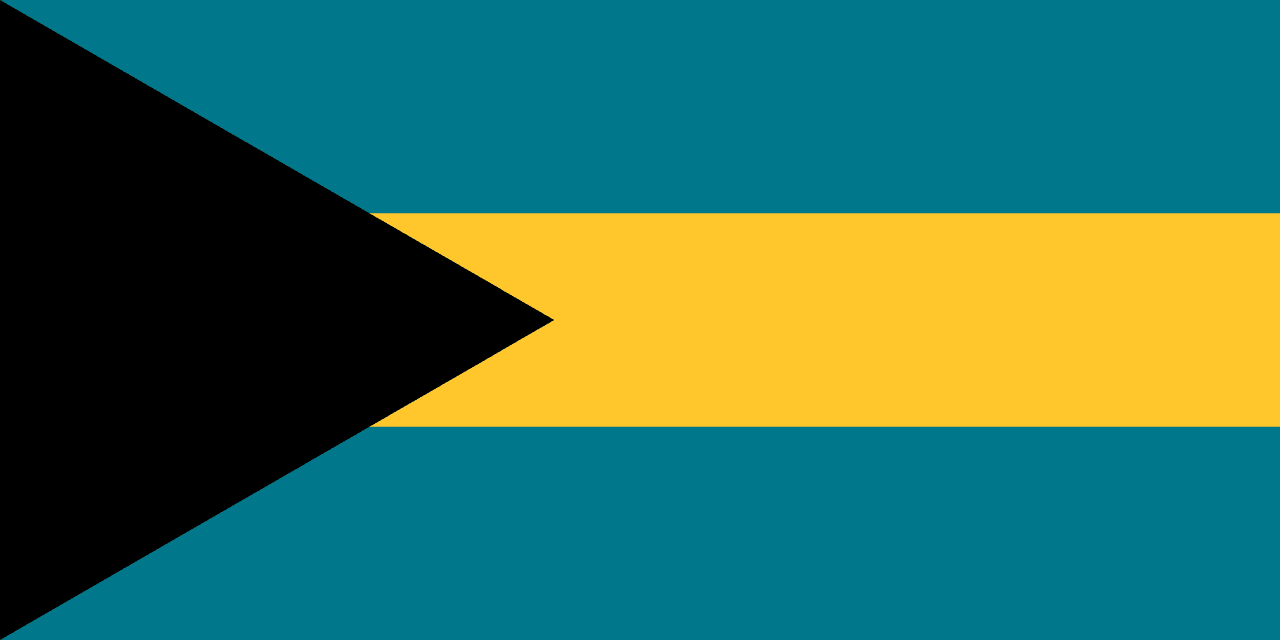
# The History of Bahamas: From Ancient Times to Today Nestled in the vibrant blue embrace of the Atlantic Ocean, the Bahamas is an archipelago that boasts a rich tapestry of history, culture, and resilience. Its story unfolds across millennia, from the settlements of ancient peoples to the emergence of a modern nation. Join us as we explore the captivating history of the Bahamas, a journey that reveals the interplay of indigenous cultures, colonial ambitions, and the quest for independence. ## The Ancient and Indigenous History Long before European explorers set foot on Bahamian soil, the islands were populated by indigenous peoples whose lives were intricately woven with the land and sea. The Lucayans, a subgroup of the Taíno people from Hispaniola, were the most notable inhabitants of the Bahamas prior to European contact. Arriving around 1000 A.D., the Lucayans thrived in this tropical paradise, living in small, communal groups and practicing agriculture, fishing, and hunting. The Lucayans developed a rich culture, marked by intricate pottery, basketry, and a belief system that reverberated with their natural surroundings. They worshipped a pantheon of gods, while their spiritual practices often revolved around the sea, which provided sustenance and served as a pathway to their afterlife. The islands were interconnected by their maritime routes, fostering a sense of community among the Lucayans, who traded with neighboring islands and cultivated a deep connection to the ocean. However, this idyllic existence was abruptly shattered in the late 15th century. When Christopher Columbus embarked on his fateful journey across the Atlantic in 1492, he made landfall in the Bahamas, believing he had discovered a new route to the riches of Asia. His arrival marked the beginning of a tragic era for the Lucayans. Seeking gold and resources, Columbus and subsequent European explorers decimated the indigenous population through violence, enslavement, and the spread of diseases to which the Lucayans had no immunity. By the mid-16th century, the Lucayan population had dwindled to near extinction, coerced into servitude or driven from their homes. The once-thriving culture faded into obscurity, and the islands were left largely uninhabited until the next wave of settlers arrived. ## The Colonial Period The Bahamas' colonial history began in earnest in the early 17th century when the British established their first permanent settlement on the island of Eleuthera in 1647. Seeking refuge from religious persecution in England, a group of Puritans laid the foundation for what would become one of the first British colonies in the Americas. The island's name, Eleuthera, derives from the Greek word for "freedom," hinting at the settlers' aspirations for liberty. However, the Bahamas truly flourished as a British colony after the establishment of Nassau, the capital, in 1695. Situated on New Providence Island, Nassau's strategic location made it a key port for trade and commerce. The island soon attracted privateers and pirates, including the infamous Blackbeard, who saw the Bahamas as a haven for their nefarious activities. The golden age of piracy brought both wealth and lawlessness, and the British crown struggled to maintain order. In 1718, recognizing the need for governance, the British appointed Woodes Rogers as the first royal governor of the Bahamas. Rogers sought to restore order and encourage legitimate commerce by offering pardons to pirates willing to abandon their life of crime. His efforts led to a gradual decline in piracy and a revitalization of the economy. The Bahamas became an agricultural society, cultivating crops such as cotton, sugar, and tobacco, and establishing plantations that would shape the islands' social fabric. The slave trade played a pivotal role in the Bahamas’ colonial economy. Enslaved Africans were forcibly brought to the islands to work on plantations, and their cultural influences began to permeate Bahamian identity. Despite the brutalities of slavery, enslaved individuals forged vibrant communities, blending African traditions with remnants of indigenous culture and European influences. Music, dance, and folklore thrived, laying the groundwork for the rich cultural heritage that defines the Bahamas today. ## The Road to Independence As the 19th century unfolded, the Bahamas witnessed significant changes driven by global currents. The abolition of slavery in the British Empire in 1834 marked a turning point, though the path to equality and social justice remained fraught with challenges. Formerly enslaved people fought for their rights, advocating for land ownership and political representation. The push for greater self-governance gained momentum in the early 20th century, as the Bahamas began to establish a political identity separate from British rule. In 1940, the country introduced its first constitution, granting limited self-governance. The Bahamas formed its first political parties, and the call for full independence grew louder. A pivotal moment came in 1967 when Lynden Pindling, the leader of the Progressive Liberal Party (PLP), became the first black Premier of the Bahamas. Pindling championed the cause of independence, leading efforts to negotiate the nation’s future with Britain. His vision resonated with the masses, and the Bahamas gained its independence on July 10, 1973, becoming a sovereign nation within the Commonwealth of Nations. The journey to independence was not merely political; it was a profound cultural awakening. The Bahamas embraced its diverse heritage, celebrating the contributions of its African roots and the legacies of its indigenous peoples. The national anthem, "March On, Bahamas," and the flag, adorned with a black triangle representing the strength of the people, reflected the nation’s identity and aspirations. ## The Bahamas Today Today, the Bahamas is a thriving nation known for its stunning landscapes, vibrant culture, and resilient spirit. Comprising over 700 islands, the archipelago continues to attract millions of tourists each year, drawn by its pristine beaches, crystal-clear waters, and rich history. Nassau remains a bustling hub, offering a blend of colonial architecture, modern resorts, and a lively arts scene. However, the Bahamas also grapples with contemporary challenges. Economic reliance on tourism exposes the nation to fluctuations in global markets and environmental vulnerabilities. Climate change presents an existential threat, with rising sea levels and hurricanes becoming more frequent. The devastating impact of Hurricane Dorian in 2019, which ravaged parts of the Abacos and Grand Bahama, underscored the urgency for sustainable development and disaster preparedness. Culturally, the Bahamas thrives, celebrating its heritage through music, dance, and festivals. Junkanoo, a vibrant festival featuring elaborate costumes and energetic parades, showcases the unique blend of African and Bahamian traditions. It remains a symbol of national pride, embodying the creativity and resilience of a people who have overcome adversity. In recent years, there has been a renewed focus on preserving the islands’ history and heritage. Museums, cultural centers, and historical sites offer visitors a glimpse into the Bahamas' past, shedding light on its indigenous roots, colonial struggles, and the journey toward independence. Efforts to honor the legacy of the Lucayans and recognize the contributions of enslaved Africans reflect a commitment to inclusivity and reconciliation. ## Conclusion The history of the Bahamas is a tale of resilience, transformation, and cultural richness. From the ancient Lucayans who first inhabited the islands to the modern nation that stands today, each chapter of this story reveals the indomitable spirit of a people shaped by their environment and history. As the Bahamas navigates the challenges of the 21st century, it carries forward the lessons of its past, embracing a future rooted in unity, pride, and hope. The journey continues, and the Bahamas remains a vibrant testament to the power of culture, perseverance, and the enduring quest for freedom.
Read full article →Hidden Gems of Bahamas: Places Most Tourists Miss
When you think of the Bahamas, images of pristine beaches, vibrant blue waters, and luxury resorts often come to mind. While it’s true that the most popular islands like Nassau and Paradise Island attract throngs of tourists, there's a treasure trove of hidden gems waiting to be discovered. These lesser-known spots offer a chance to experience the authentic Bahamian culture, breathtaking natural beauty, and unforgettable adventures far away from the crowded beaches. If you're ready to dive deeper into the heart and soul of the Bahamas, pack your bags and prepare for an unforgettable journey to the off-the-beaten-path wonders of this stunning archipelago. One of the first hidden gems worth exploring is the quaint island of Eleuthera. Located just a short flight from Nassau, Eleuthera is known for its stunning pink sand beaches, but what makes it truly special is its charming local villages and laid-back vibe. Head to the small settlement of Governor’s Harbour, where you can enjoy the warmth of the local community and visit the iconic Haynes Library, which houses a collection of unique artifacts and offers a glimpse into the island’s history. Don’t miss the chance to dine at the famous 1648 Restaurant and Lounge, known for its fresh seafood and breathtaking views of the sunset over the harbor. The best way to explore Eleuthera is by renting a car, allowing you to wander freely and discover the island’s hidden beaches and charming roadside stands selling local crafts. Next on the list is the enchanting island of Long Island, often overlooked by tourists in favor of its more famous neighbors. Long Island boasts some of the most captivating natural wonders in the Bahamas, including Dean’s Blue Hole, one of the deepest blue holes in the world. For the adventurous traveler, this is a must-visit spot for snorkeling and diving while surrounded by stunning marine life. The island’s other half is equally breathtaking, as you can discover the dramatic cliffs of the Atlantic coast. To truly immerse yourself in the local culture, visit the annual Long Island Regatta, where you can mingle with locals and witness the exhilarating sloop races that celebrate Bahamian sailing traditions. Getting to Long Island requires a short flight from Nassau or a ferry ride from nearby islands, making it an easy addition to your itinerary. For a taste of authentic Bahamian life, head to the small island of Bimini, known as the “Gateway to the Bahamas.” This small island is rich in history and has been a favorite escape for famous figures like Ernest Hemingway. Explore the charming streets of Alice Town, where you can immerse yourself in local culture at the Bimini Craft Center and sample some delicious conch fritters from the local eateries. Don’t forget to visit the iconic Healing Hole, a natural spring believed to have therapeutic properties. Bimini is easily accessible from Miami via ferry or a short flight, making it a perfect day trip or weekend getaway. If you're interested in diving into the vibrant culture of the Bahamas, a visit to Exuma Cays is essential. This stunning archipelago is renowned for its crystal-clear waters and picturesque cays, but the real magic lies beneath the surface. Here, you can swim with the famous Exuma pigs, a unique and whimsical experience that draws visitors from around the globe. Beyond the pigs, the cays offer incredible snorkeling opportunities at the Thunderball Grotto, where you can swim amidst colorful fish and explore underwater caves. Exuma is best accessed by flying into George Town or taking a boat tour from Nassau, allowing you to explore several cays in one trip. While most visitors flock to the bustling streets of Nassau, the nearby island of Harbour Island offers a serene escape into timeless beauty. Famous for its pink sand beaches, this charming island is home to the historic Dunmore Town, where vibrant colonial architecture tells the story of its rich past. Wander the cobblestone streets and pop into local boutiques and art galleries. For an unforgettable experience, rent a bicycle and explore the island at your own pace, stopping at local eateries to savor traditional Bahamian dishes. Harbour Island can be reached by a short ferry ride from Eleuthera or by a small plane, making it a convenient yet enchanting side trip. The remote island of Cat Island remains one of the best-kept secrets of the Bahamas. Known for its rugged landscapes and stunning beauty, Cat Island is a paradise for nature lovers and those seeking tranquility. The island is home to Mount Alvernia, the highest point in the Bahamas, where you can hike to the top for breathtaking panoramic views of the surrounding islands. The unspoiled beaches here are perfect for sunbathing, and the friendly locals are always happy to share stories about their island’s traditions, including the annual Cat Island Junkanoo Festival, a colorful celebration of music and dance. Reaching Cat Island typically requires a short domestic flight from Nassau, making it an ideal destination for those craving solitude and natural beauty. For an authentic culinary experience, a visit to the island of Andros is a must. Known as the “Breadbasket of the Bahamas,” Andros is famous for its lush agriculture and delicious seafood. Here, you can explore the island's local markets and farmer’s stands, sampling fresh fruits, vegetables, and the island's signature dish, rock lobster. For the adventurous foodie, consider joining a local cooking class where you can learn to prepare traditional Bahamian dishes using locally sourced ingredients. Andros is best accessed by a short flight from Nassau, providing a perfect opportunity to experience the flavors of the Bahamas while enjoying the island’s untouched beauty. Not far from Nassau, the island of New Providence has its own hidden gem— the serene neighborhood of Lyford Cay. This exclusive enclave offers a glimpse into the luxurious side of Bahamian living, featuring beautiful homes and private beaches. While Lyford Cay may be known for its affluent residents, it’s worth taking a stroll along the coastline and soaking in the picturesque views of the ocean. For a unique experience, visit the nearby Clifton Heritage National Park, where you can explore historical sites, nature trails, and stunning coastal scenery. This park is a perfect blend of history, culture, and nature, providing a refreshing contrast to the bustling city life in Nassau. As your journey through the hidden gems of the Bahamas comes to an end, it’s important to keep a few practical tips in mind. First, consider traveling during the off-peak season, typically from late April to mid-December, to avoid crowds and enjoy a more authentic experience. Renting a car is highly recommended, especially on islands like Eleuthera and Long Island, where public transportation is limited and the best spots are often tucked away from the main roads. Lastly, don’t hesitate to engage with the locals—whether it’s at a roadside food stall or during a festival, the stories and insights they share will enrich your experience and deepen your appreciation for the vibrant culture of the Bahamas. In conclusion, the Bahamas is much more than its popular beaches and luxury resorts. The hidden gems and off-the-beaten-path experiences scattered throughout the islands offer a unique opportunity to connect with the true essence of this beautiful destination. Whether you're seeking adventure, culture, or simply a quiet place to unwind, the lesser-known spots in the Bahamas promise a journey filled with memorable moments and unforgettable discoveries. So, step off the well-trodden path and embrace the adventure that awaits you in this tropical paradise.
Read full article →What It's Really Like to Live in Bahamas
Living in the Bahamas is a unique experience that offers a delightful blend of stunning natural beauty, vibrant culture, and a slower pace of life that many dream of. As someone who has called this paradisiacal archipelago home for several years, I’ve had the chance to immerse myself in everyday life here, and I want to share what it's really like to live in the Bahamas beyond the postcard images of swaying palm trees and turquoise waters. Daily life in the Bahamas is characterized by a laid-back attitude that permeates every aspect of existence. Mornings begin with the sun rising around 6:30 AM, casting a warm glow over the island. The first thing many locals do is brew a strong cup of Bahamian coffee, usually made from local beans, paired with a slice of Johnny Cake – a sweet cornbread that’s a staple on breakfast tables. The aroma of breakfast wafts through the air, often mingling with the briny scent of the sea, a reminder of the island life that surrounds us. Cost of living can vary significantly depending on which island you reside on, with New Providence, where Nassau is located, being one of the pricier options. Housing prices can range dramatically; for instance, a modest apartment in a decent neighborhood may cost you around $1,200 a month, while a luxurious beachfront property can easily exceed $5,000. Groceries tend to be on the expensive side too, with imported goods often carrying a premium. A gallon of milk might cost around $7, and a loaf of bread can be upwards of $4. However, fresh local produce and seafood are often more affordable, with fresh fish such as snapper or grouper available at the local markets. Food culture in the Bahamas is a vibrant tapestry woven from African, European, and indigenous influences. The culinary scene is rich with flavor and tradition. Conch, a local mollusk, is a beloved staple, prepared in various forms: conch fritters, conch salad, or simply cracked conch, breaded and fried to golden perfection. On any given day, you’ll find roadside stalls selling these delicacies, often paired with a refreshing glass of Goombay Punch, a fruity local beverage. The atmosphere is always lively, with the sounds of laughter and chatter filling the air. Families often gather for cookouts on weekends, with grills sizzling away as they enjoy dishes like peas n’ rice, Bahama Mama cocktails, and, of course, more conch. Social customs are an essential part of life here, deeply rooted in tradition and community. Bahamians are known for their warmth and friendliness, greeting each other with a hearty "How ya doin’?" or “Wah gwaan?” (What’s going on?). There’s a strong sense of community, where neighbors look out for one another, and social gatherings are frequent. Festivals like Junkanoo, a vibrant street parade filled with music, dance, and elaborate costumes, are a testament to the cultural pride felt by locals. These celebrations create a beautiful sense of unity and showcase the artistic talents of the Bahamian people. Family life in the Bahamas is generally close-knit, with strong bonds that extend beyond the nuclear family. It’s common for multiple generations to live together or nearby, sharing in the joys and responsibilities of daily life. Sunday is traditionally a day for family, with many attending church services followed by a large family meal. The significance of family is reflected in the emphasis on spending quality time together, often involving outings to the beach or family-friendly events. When it comes to work culture, life in the Bahamas has its own rhythm. While some may find the pace a bit too slow, the laid-back attitude often translates into a more relaxed work environment. The standard workweek typically runs from Monday to Friday, with some businesses closing early on Fridays, allowing employees to kick off the weekend a little sooner. The tourism industry dominates the economy, with many locals working in hospitality, which means that customer service is a priority for many. It’s not uncommon for locals to greet visitors with genuine smiles and a desire to ensure they have a memorable experience. Weekends are a cherished time in the Bahamas, with many locals taking full advantage of the stunning natural surroundings. On Saturdays, you’ll find families visiting local beaches or organizing barbecues. Popular spots like Cable Beach or Pink Sands Beach become filled with laughter and life, as children play in the surf while adults relax with a drink in hand. Fishing is also a favored weekend pastime, with many locals heading out on boats to catch dinner. The sound of laughter, music, and the sizzling of food on the grill fills the air, creating an atmosphere of joy and celebration. Weather is a pivotal factor in daily life here, characterized by a tropical climate that is warm and sunny for most of the year. Temperatures hover around 80°F (27°C) during the day, with cool breezes from the ocean providing a comfortable relief. However, the hurricane season from June to November can bring challenges, with locals preparing for the possibility of severe weather. Despite these challenges, most Bahamians embrace the summer heat, spending their days outdoors and enjoying the beauty of their surroundings. Living in the Bahamas comes with its challenges, one of which is accessibility to certain goods and services. While local markets offer fresh produce and seafood, specialty items, particularly imported products, can be hard to find and often come at a high price. Additionally, while larger islands like New Providence have a variety of amenities, smaller islands may lack certain conveniences, which can require a bit of adaptation for those used to urban living. Healthcare services are another consideration; while there are hospitals and clinics, accessing specialized care may require travel to larger islands or even abroad. Yet, despite these challenges, the positives of living in the Bahamas far outweigh the negatives. The lifestyle is generally more relaxed, with a focus on enjoying life rather than getting caught up in the daily grind. The breathtaking natural beauty found in the Bahamas is a constant reminder of the simple pleasures – whether it's watching the sunset over the ocean, walking along the beach, or diving into the vibrant underwater world of coral reefs. The sense of community, the celebration of cultural traditions, and the joy that comes from living in such a beautiful place make the Bahamas an incredibly special place to call home. One of the most surprising aspects of life in the Bahamas for foreigners is the deep-rooted sense of pride among locals. Even though some may view the Bahamas as a vacation destination, those who live here are fiercely protective of their culture and traditions. Understanding local slang can also be an eye-opener; phrases like “I’m feeling the way” can mean that someone is feeling a bit off, while “shouting” can refer to someone talking loudly or making a fuss. Embracing the unique dialect and customs reveals a richness that is often overlooked by those just visiting. In conclusion, living in the Bahamas offers a unique blend of beauty, community, and cultural richness. Life here is a tapestry woven from the vibrancy of daily interactions, the flavor of delicious food, and the warmth of the sun and the sea. While there are challenges, the positives far outweigh them, making the Bahamas a truly enchanting place to call home. Whether it's the thrill of a Junkanoo parade, the taste of fresh conch, or the joy of a quiet afternoon at the beach, every day in the Bahamas is a chance to embrace the beauty of life and the warmth of its people.
Read full article →Why Visit the Bahamas
The Bahamas is an archipelago of 700 islands and 2,400 cays scattered across 260,000 square kilometres of the Atlantic Ocean, beginning just 80 kilometres east of Miami and trailing southeast toward the Turks and Caicos. This island nation sits on a shallow limestone platform that produces some of the clearest, most luminously coloured water in the world — a shifting palette of turquoise, aquamarine, and deep blue that seems almost artificially vivid under the Caribbean sun. Nassau, the capital on New Providence Island, is the country's commercial and cultural hub. Colonial architecture along Bay Street reflects three centuries of British rule, while the colourful Straw Market and bustling Fish Fry at Arawak Cay give the city its genuine Bahamian heartbeat. The historic forts of Charlotte and Fincastle offer perspectives over the harbour and the turquoise channel that separates New Providence from Paradise Island, where Atlantis resort rises in pink extravagance from the shore. The Out Islands — the Family Islands that make up most of the Bahamian chain beyond Nassau — are where the archipelago's real soul lives. The Exumas are a string of 365 cays with waters so shallow and clear that boats appear to float on glass. Here, swimming pigs at Big Major Spot beach have become a phenomenon of their own, while swimming with nurse sharks at Compass Cay and snorkelling through the Thunderball Grotto cave made famous by James Bond are experiences genuinely hard to match anywhere in the world. Harbour Island off the northeast coast of Eleuthera is celebrated for its Pink Sand Beach — iron-rich coral fragments from a particular species of foraminifera tint the sand a delicate pink that deepens at sunrise. The island's colonial architecture, painted in pastels, and its absence of cars on the main streets make it feel like a Caribbean village from another era. Long Island in the south offers dramatic cliff faces, the deepest blue hole in the world at Dean's Blue Hole, and a pace of life entirely removed from the resort experience. Bahamian cooking features cracked conch, conch salad — raw conch marinated in citrus and peppers — rock lobster, peas 'n' rice, and johnnycake. Kalik beer and rum cocktails are the drinks of choice at any beach bar. December through April is peak season with reliably dry, warm weather. The Bahamas offers a breadth of experience well beyond its resort reputation.
Read full article →The Bahamas: Beyond the Beach — Junkanoo and the Soul of the Islands
The Bahamas is 700 islands and 2,000 cays spread across 100,000 square miles of the Atlantic — though only 30 islands are inhabited. Most visitors see Nassau and Paradise Island, which is fine but partial. The real Bahamas lives in the Out Islands: Eleuthera's pink sand beaches, the Exuma Cays Land and Sea Park, Long Island's dramatic cliffs, and the Abacos where a sailing culture descended from American Loyalists persists to this day. Junkanoo is the national festival — a street parade of extraordinary intensity that runs through the night on Boxing Day and New Year's Day. Participants spend the entire year building their costumes, elaborate constructions of cardboard, crepe paper, and sequins that can weigh hundreds of pounds and tower overhead. Groups of hundreds march together in choreographed formations, playing goatskin drums, cowbells, and horns. The sound is unlike anything else in the Caribbean. The competition between groups is fierce and taken completely seriously. Bahamian food centres on conch — the large shellfish harvested throughout the islands, served raw in conch salad, fried as fritters, or stewed in soup. The skill of cracking a conch shell cleanly and extracting the animal intact is a mark of competence that Bahamians acquire young. Tourists watch it done at roadside stalls. Locals simply expect it to be right.
Read full article →