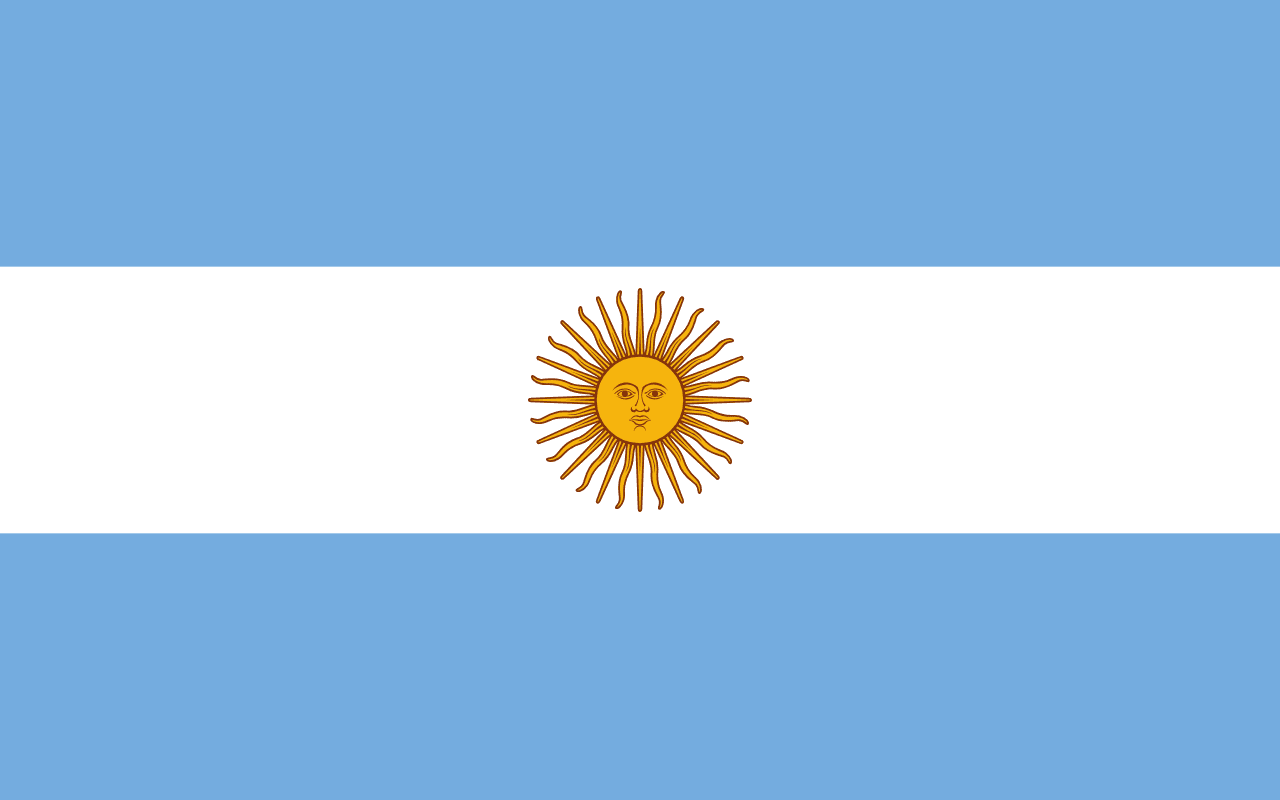
Argentina
Posts, videos and blogs from Argentina · Chat with people about Argentina
Post about ArgentinaNo messages yet — be the first to share something about Argentina!
Sign in to join the chat
The Food of Argentina: 10 Dishes You Must Try
Argentina, a land of breathtaking landscapes and vibrant culture, boasts a culinary scene that reflects its rich history and diverse influences. From the sun-kissed plains of the Pampas to the bustling streets of Buenos Aires, the food of Argentina tells a story of tradition, passion, and a deep-rooted love for sharing flavors of the land. As I wandered through the lively markets and quaint villages, the aroma of grilled meats and freshly baked pastries wafted through the air, coaxing me to indulge in the culinary delights that make Argentina a haven for food lovers. Join me as I explore ten traditional Argentine dishes that are not just meals, but experiences steeped in culture and history. First on my list is the beloved Asado, a culinary ritual more than merely a dish. Asado consists of various cuts of beef, often cooked on a parrilla (grill) or open flame. The flavors of the meat are enhanced by the smoky aroma of the wood or charcoal, creating a taste that is deeply satisfying and rich. As I sat at a long table surrounded by family and friends during a Sunday afternoon gathering, the laughter and warmth of the occasion were as integral to the experience as the food itself. Accompanied by chimichurri, a zesty sauce made of parsley, garlic, vinegar, and oil, each bite of asado was a celebration. This dish is best enjoyed at a family gathering or in a traditional parrilla, where the camaraderie and conviviality of Argentine culture come to life. Next up is Empanadas, a favorite snack that can be found across the country. These savory pastries are typically stuffed with a variety of fillings such as beef, chicken, cheese, or even sweet variations with fruits. I remember the first time I bit into a hot, flaky empanada, the crust crumbling beautifully as I savored the warm, seasoned filling. Each province boasts its own unique twist, with the Salteña empanada being the most famous for its juicy filling and slightly sweet dough. Street vendors and artisan bakeries are the best places to enjoy these delightful treats, often served with a side of salsa or chimichurri for added flavor. The empanada embodies the spirit of Argentine snacking – portable, flavorful, and always enjoyed in good company. Of course, no exploration of Argentine cuisine would be complete without mentioning Milanesa. This breaded and fried cutlet, usually made from beef or chicken, is a staple in many households. The golden, crispy exterior gives way to tender meat, creating a satisfying crunch with each bite. Often served alongside mashed potatoes or a simple salad, Milanesa is comfort food at its finest. I had the pleasure of enjoying a plate of Milanesa in a small bistro in San Telmo, where the owner regaled me with stories of his grandmother’s secret recipe passed down through generations. It’s not just a meal; it’s a connection to family heritage, often served during festive meals or as a weeknight favorite. When it comes to pasta, no one does it quite like Argentina with its deliciously cheesy, hearty Ñoquis. These potato dumplings are often served with a rich tomato sauce or a creamy cheese sauce, and they are traditionally eaten on the 29th of each month, a custom that stems from Italian immigrant influence. I savored my first plate of Ñoquis at a quaint trattoria in Buenos Aires, where I indulged in a luscious helping topped with fresh basil and a sprinkle of parmesan. The delicate texture paired with the robust sauce creates a harmony of flavors that’s truly unforgettable. Sharing a plate of Ñoquis with friends is considered a sign of good fortune, and it’s a meal that invites laughter and conversation. Then there’s the iconic Choripán, a street food that has captured the hearts of many. A simple yet delicious sandwich, Choripán consists of chorizo sausage served in a crusty bread roll and topped with chimichurri sauce. Navigating the bustling street stalls in Palermo, I couldn’t resist the allure of the sizzling sausages being grilled to perfection. One bite into the smoky, juicy chorizo, complemented by the tangy chimichurri, was an explosion of flavor that left me craving more. This dish is often enjoyed during sports events, making it an integral part of Argentine social culture. Grab a Choripán from a local vendor, and you’ll find yourself immersed in the vibrant life of the city. Another must-try is the traditional Locro, a hearty stew that warms the soul. Made with corn, beans, potatoes, and various meats, this dish is particularly popular on May 25th, Argentina’s national holiday. I recall attending a local celebration where Locro was served, enveloping the air with its comforting aroma. Each spoonful was a fusion of flavors, showcasing the agricultural abundance of the country. It’s a dish that speaks of unity and tradition, often prepared in large pots and shared among family and friends during festive gatherings. Locro is a true testament to the communal spirit that characterizes Argentine culture. As my culinary journey continued, I encountered the delightful Provoleta, a dish that’s a cheese lover's dream. This grilled provolone cheese is seasoned with oregano and served bubbling hot, often accompanied by crusty bread. The outer layer forms a crispy shell while the inside turns gooey and melty, perfect for dipping. I remember sharing a platter of Provoleta at a lively parrilla in Mendoza, the cheese stretching beautifully as we dug in with our bread. It’s a simple yet indulgent appetizer that perfectly complements an asado, making it a popular choice in gatherings. The communal aspect of sharing this dish brings friends and families closer together, enhancing the celebratory atmosphere that is so emblematic of Argentine dining. Next, I encountered the sweet delight of Dulce de Leche, a caramel-like spread that is a staple in Argentine desserts. This rich and creamy confection is often slathered on toast, drizzled over cakes, or used to fill alfajores, a popular cookie sandwich. My first taste of Dulce de Leche was during a visit to a local café, where I savored it in a slice of pastelito, a flaky pastry filled with the luscious spread. The depth of flavor and its velvety texture made each bite an irresistible treat. It’s a quintessential part of Argentine culture, often enjoyed in the company of friends over coffee, showcasing the country’s penchant for sweet indulgences. Finally, I must mention the refreshing and invigorating Yerba Mate, a traditional drink that transcends mere beverage status. This herbal tea, infused from the leaves of the yerba mate plant, is steeped in hot water and served in a gourd, traditionally shared among friends. The ritual of passing the gourd around is a symbol of friendship and community. I experienced this firsthand during a picnic in the beautiful parks of Buenos Aires, where the atmosphere buzzed with laughter and conversation. The earthy, slightly bitter flavor of Yerba Mate is an acquired taste, but it embodies an essential aspect of Argentine life, making it a must-try for anyone wanting to connect with the local culture. As I reflect on my culinary journey through Argentina, I can’t help but feel that the food I experienced was a gateway into the heart of its culture. Each dish tells a story of tradition, family, and the joy of sharing meals together. If you find yourself in Argentina, the best places to indulge in these culinary delights are the bustling markets, vibrant street stalls, and charming restaurants. The San Telmo Market in Buenos Aires is a fantastic spot to sample various dishes, while local parrillas offer an authentic asado experience. Don’t miss the opportunity to explore the quaint bakeries for freshly made empanadas and pastries, or the artisanal shops where you can savor the rich flavors of Dulce de Leche. In Argentina, food is not just nourishment; it’s a celebration of life, culture, and community. Every bite is an invitation to connect with the heart and soul of this beautiful country. So, whether you’re savoring the smoky goodness of asado or sharing a sweet moment over Dulce de Leche, remember that the essence of Argentine cuisine lies in the joy of sharing and the love that goes into every dish. Here’s to hoping you embark on your own culinary adventure in Argentina, discovering these ten must-try dishes and perhaps even creating your own delicious memories along the way.
Read full article →The History of Argentina: From Ancient Times to Today
# The History of Argentina: From Ancient Times to Today Argentina, a land of vast landscapes and vibrant cultures, has a history as rich and diverse as its geography. From the ancient indigenous peoples to the modern nation-state we recognize today, Argentina's journey through time is marked by resilience, conflict, and transformation. Here, we traverse the captivating timeline of this South American gem, exploring its ancient roots, colonial encounters, the quest for independence, and its evolution into a contemporary powerhouse. ## Ancient and Indigenous History Long before the arrival of Europeans, Argentina was home to a plethora of indigenous cultures, each contributing to the intricate tapestry of its history. The earliest known inhabitants of the region were hunter-gatherers who roamed the plains and forests, leaving behind evidence of their existence in cave paintings and artifacts. By around 4000 BCE, the indigenous groups began to form more permanent settlements, notably in the northwest regions. The Diaguita, for example, established sophisticated agricultural practices, cultivating crops like maize, beans, and squash. They were renowned for their intricate ceramics and textiles, showcasing a rich cultural life that thrived long before European contact. In the central regions, the peoples of the Pampas, such as the Mapuche, lived as nomadic herders, expertly navigating the expansive grasslands with their horses. Their warrior culture and strong sense of community forged identities that would be crucial in the fight against colonial encroachments in later years. ## The Era of Empires As we move through the centuries, the southern part of South America witnessed the rise and fall of several empires and kingdoms. The Inca Empire, which flourished in the 15th century, extended its influence into northwestern Argentina. The Incas brought with them advanced agricultural techniques and a complex political structure, leaving a lasting impact on the regions they governed. However, the Inca presence in Argentina was short-lived, as the Spanish conquest began in the early 16th century. The conquest of the Inca Empire by Francisco Pizarro and his compatriots opened the door for further exploration and colonization in South America, including what would become Argentina. ## The Colonial Period In 1536, Pedro de Mendoza founded the first Spanish settlement in Argentina, named Nuestra Señora Santa María del Buen Aire, in what is now Buenos Aires. Unfortunately, this settlement failed due to attacks from indigenous tribes and the harsh realities of the environment. The Spanish returned in 1580 under Juan de Garay, establishing a more permanent presence that would become the capital of the Viceroyalty of Peru. During this colonial period, the city of Buenos Aires emerged as a crucial port for trade. The Spanish Crown imposed strict regulations, limiting commerce to designated ports and creating a system that alienated local merchants. This tension simmered under the surface of colonial life, as resentment grew among the Creoles—those of Spanish descent born in the Americas—who began to demand greater autonomy and recognition. The colonial era also saw the spread of Catholicism through missionary efforts. The Jesuits, in particular, established missions that integrated indigenous peoples into the colonial economy, albeit often through coercive means. These missions, notably in the north, facilitated a cultural exchange but also led to the suppression of indigenous traditions and practices. ## The Road to Independence The quest for independence from Spanish rule began to take shape in the early 19th century. Inspired by revolutions in North America and France, the desire for self-governance spread among the people of the Viceroyalty of the Río de la Plata. Tensions reached a boiling point in 1810, when the May Revolution in Buenos Aires marked the beginning of the independence movement. Key figures emerged during this tumultuous period, most notably José de San Martín, a military leader and liberator who played a pivotal role in Argentina's fight for independence. San Martín, alongside Simón Bolívar, would become one of the prominent leaders of the broader South American independence movements. His strategic brilliance culminated in the crossing of the Andes in 1817, a remarkable feat that brought liberation to Chile and eventually led to the consolidation of independence for several South American nations. By the time the Declaration of Independence was proclaimed on July 9, 1816, the fight was far from over. Argentina's path to becoming a unified nation was riddled with internal strife between federalists and unitarians, creating a landscape of political fragmentation that would last for decades. ## Nation-Building and Civil Strife The decades following independence were marked by civil wars, political upheaval, and the struggle to define national identity. The 19th century was a period of intense factionalism, primarily between federalists, who favored regional autonomy, and unitarians, who sought a strong central government. This division led to a series of conflicts known as the Argentine Civil Wars, culminating in the Battle of Caseros in 1852, which established the federal system that would characterize Argentina’s governance. The Constitution of 1853 laid the foundation for modern Argentina, providing a framework for political rights, freedom of expression, and representative governance. However, the struggle for true unification and national identity continued, with provincial leaders often challenging the authority of Buenos Aires. Amidst this tumult, Argentina experienced significant economic growth in the latter part of the 19th century, largely driven by agricultural exports. The introduction of European immigrants transformed the cultural landscape, resulting in a unique blend of traditions that still shapes Argentine identity today. The influx of Italians and Spaniards, in particular, influenced everything from cuisine to language, creating a vibrant cultural mosaic. ## The Golden Age and Its Aftermath The early 20th century is often referred to as Argentina's "Golden Age." The nation's economy boomed, propelled by agricultural exports, particularly beef and grain. Buenos Aires transformed into a cosmopolitan city, earning the nickname "Paris of South America" for its European-style architecture and cultural institutions. This era saw the rise of tango, a passionate dance that reflected the struggles and joys of the working class. However, the prosperity of the Golden Age could not shield Argentina from political instability. The rise of Juan Domingo Perón in the 1940s marked a turning point in the nation’s political landscape. Perón, initially a labor minister, became president and championed the rights of workers, establishing a welfare state that provided health care, education, and workers' rights. His wife, Eva Perón, became an iconic figure, advocating for women's suffrage and social justice. Despite their popularity, Perón's government faced opposition and was eventually overthrown in a military coup in 1955. This initiated a period of political turmoil, characterized by a seesaw of military and civilian governments, with Perón returning to power in 1973, only to be ousted again shortly thereafter. ## The Dirty War The most harrowing chapter in Argentina's recent history is the period known as the "Dirty War" (1976-1983), during which a military dictatorship ruled the nation. The government engaged in brutal repression of suspected dissidents, leading to the forced disappearance of thousands of Argentines. Families still seek justice and accountability for the atrocities committed during this dark era, and the legacy of the victims remains a poignant part of Argentina's collective memory. Throughout this time, the Madres de Plaza de Mayo, a group of mothers whose children were disappeared, emerged as a powerful symbol of resistance. Their relentless pursuit of truth and justice has become an enduring part of Argentina's struggle for human rights. ## Argentina Today As we journey into the present, Argentina stands at a crossroads, facing both challenges and opportunities. The country has experienced significant economic fluctuations, often marked by inflation, debt crises, and social unrest. Yet, amidst the struggles, Argentina remains a nation replete with cultural richness and diversity. The 21st century has seen the rise of progressive movements advocating for social change, including the legalization of same-sex marriage in 2010, making Argentina the first country in Latin America to do so. More recently, the fight for reproductive rights has gained momentum, reflecting a society that is increasingly vocal about social justice and equality. Today, Argentina is a vibrant democracy, with a citizenry eager to engage in shaping their future. While the challenges of the past still echo in the corridors of history, the spirit of resilience and cultural pride that defines Argentina continues to inspire hope and progress. ## Conclusion The history of Argentina is a testament to the strength of its people, a narrative woven with threads of indigenous heritage, colonial encounters, revolutionary fervor, and modern struggles for identity and justice. As the nation navigates the complexities of the present, it does so with a rich legacy of resilience and a commitment to forging a brighter future. Through the lens of history, Argentina tells a story not just of survival, but of vibrant cultural evolution—a story that continues to unfold with each passing day.
Read full article →Hidden Gems of Argentina: Places Most Tourists Miss
When it comes to travel, Argentina is often painted with broad strokes, featuring the vibrant streets of Buenos Aires, the majestic peaks of the Andes, and the stunning landscapes of Patagonia. Yet, beyond these iconic sights, the country holds a wealth of hidden gems that remain largely undiscovered by the typical tourist crowd. Many travelers stick to the well-trodden paths, missing out on the enchanting villages, breathtaking nature, and unique cultural experiences that truly embody the spirit of Argentina. If you're ready to go beyond the surface and delve into the heart of this magnificent country, here are some lesser-known places that promise to transform your Argentine adventure into an unforgettable journey. First on our itinerary is the quaint village of Cachi nestled in the Salta Province, an overlooked treasure that beautifully showcases the stunning landscape of the Andes. Cachi is characterized by its charming whitewashed adobe buildings, set against a backdrop of soaring mountains and vast deserts. The village is famous for its picturesque plaza, where locals gather under the shade of ancient trees, and for its artisanal craft markets, where you can find handwoven textiles and pottery. The real beauty of Cachi lies in its surroundings, including the nearby Los Cardones National Park, where giant cacti rise from the arid earth. To reach Cachi, you can take a scenic drive from Salta City, which takes you through breathtaking mountain passes and curvy roads, or opt for a guided bus tour to explore the region at a leisurely pace. Next, let us journey to the little-known town of Tilcara, located in the Quebrada de Humahuaca, a UNESCO World Heritage site. This vibrant town is steeped in history, showcasing the rich culture of the indigenous peoples of the region. Tilcara is famous for its colorful houses, artisan markets, and the ancient Pucará de Tilcara, a pre-Hispanic fortress that offers stunning views of the surrounding valley. The town serves as a perfect base for exploring the region's striking landscapes, including the Hill of Seven Colors in Purmamarca and the salt flats of Salinas Grandes. It's accessible by bus from larger cities like Jujuy or Salta, making it a delightful stop on your journey through northwest Argentina. As we venture further into the heart of Argentina, we arrive at the lesser-known town of Valle Viejo, located in the Catamarca Province. This hidden gem is perfect for those seeking to experience authentic Argentine rural life. Valle Viejo is surrounded by a stunning landscape of mountains, valleys, and vineyards. The region is famous for its local wines, and you can visit family-run bodegas that offer tastings and tours, allowing you to sample the best of the area's viticulture. The town itself is charmingly rustic, with traditional houses and friendly locals eager to share their stories. You can reach Valle Viejo by taking a bus from the provincial capital, Catamarca City, which is well-connected to other major cities. Next on our list is the enchanting region of Los Glaciares National Park, home to the stunning Perito Moreno Glacier. While many tourists flock to see this remarkable natural wonder, few venture beyond its well-trodden paths. The nearby town of El Chaltén, often referred to as the trekking capital of Argentina, offers a plethora of hiking trails that promise breathtaking views and an intimate connection with nature. The Fitz Roy mountain range looms nearby, providing a stunning backdrop for adventures. From El Chaltén, you can embark on numerous hiking routes, like the Laguna de los Tres trek, which rewards you with surreal views of glacial lakes and jagged peaks. To get to El Chaltén, take a bus from El Calafate, where most travelers arrive to see the glacier. In stark contrast to the rugged mountains and glaciers lies the coastal charm of Puerto Madryn, a lesser-visited coastal town that serves as a gateway to the stunning Valdés Peninsula. This UNESCO World Heritage site is renowned for its rich marine life, including southern right whales, sea lions, and penguins. While many tourists flock to Patagonia, Puerto Madryn remains relatively under the radar, offering visitors the chance to enjoy breathtaking beaches and incredible wildlife watching in a tranquil setting. The best time to visit is from May to December when whales can be seen breaching just off the coast. You can reach Puerto Madryn by bus from Trelew, which is connected to major cities like Buenos Aires and Comodoro Rivadavia. As we explore more hidden corners, we find ourselves in the charming village of San Martín de los Andes. While nearby Bariloche often steals the limelight with its stunning lakes and mountains, San Martín offers a more laid-back alternative. This picturesque village is surrounded by the stunning Lanín National Park and boasts a beautiful lake where you can enjoy kayaking, fishing, or simply relaxing on the shore. The surrounding mountains offer excellent hiking opportunities, including the famous 7 Lakes Route, which takes you through lush forests and past shimmering lakes. To get to San Martín de los Andes, you can take a bus from Bariloche, allowing you to soak in the scenic views along the way. For an authentic cultural experience, consider visiting the town of Gualeguaychú, known for its lively Carnival festival celebrated each February. This vibrant city is home to one of the largest and most colorful carnivals in Argentina, rivaling the famous Rio Carnival. The streets come alive with samba rhythms, dazzling costumes, and elaborate floats, creating an atmosphere of joy and celebration. While many tourists miss this fantastic event, it offers a glimpse into Argentina's rich cultural heritage and the festive spirit of its people. Gualeguaychú is easily accessible by bus from Buenos Aires, making it a perfect getaway for those looking to immerse themselves in local culture. Lastly, we cannot overlook the charming town of Colonia del Sacramento, situated just across the Río de la Plata from Buenos Aires. While it may not be entirely off the radar, many tourists simply pass through on day trips, missing the chance to truly explore its cobblestone streets and colonial architecture. The historic quarter of Colonia is a UNESCO World Heritage site, filled with charming cafes, art galleries, and fascinating museums. Spend your days wandering through the picturesque streets, sipping mate in the parks, and soaking in the serene atmosphere along the riverbank. Colonia del Sacramento is easily accessible by ferry from Buenos Aires, making it a delightful escape for those looking to relax and appreciate the slower pace of life. Before embarking on your adventure to these hidden gems, here are some practical tips to enhance your experience. First, consider traveling during the shoulder seasons (spring and fall), when the weather is pleasant, and tourist crowds are thinner. This will not only allow you to connect more intimately with the local culture but also provide a more serene experience in the stunning natural landscapes. When visiting smaller towns and villages, always take the time to engage with locals. They often have fascinating stories to share and can point you toward experiences that guidebooks may overlook. Learn a few basic phrases in Spanish, as it will go a long way in building rapport with the friendly residents. Lastly, embrace spontaneity! Some of the best experiences are born from wandering off the beaten path and allowing yourself to get lost in the magic of Argentina. Whether it's stumbling upon a local festival, discovering a hidden beach, or sharing a meal with a family, these moments often become the highlights of your journey. As you set off to explore the hidden gems of Argentina, remember that the true essence of travel lies in the experiences that connect us with the people, places, and stories we encounter along the way. Each overlooked corner of this vast and diverse country holds the potential for adventure, and as you venture beyond the surface, you may just find the heart and soul of Argentina waiting to be discovered.
Read full article →What It's Really Like to Live in Argentina
What It's Really Like to Live in Argentina Living in Argentina is like stepping into a vibrant tapestry woven with rich history, diverse culture, and the enticing aroma of asado wafting through the air. As someone who has called this beautiful country home for several years, I’ve had the privilege of experiencing its multifaceted life firsthand. From the bustling streets of Buenos Aires to the serene landscapes of Patagonia, the daily rhythm of life unfolds in a way that’s both familiar and uniquely enchanting. Daily life in Argentina begins with a sense of leisurely ease that is often foreign to those from more fast-paced countries. Most Argentines wake up around 7 or 8 a.m., but it’s not uncommon for the early hours to be filled with a steaming cup of mate, a traditional herbal drink that is both a social ritual and a daily necessity. You’ll find friends gathering in parks or at home, sharing this gourd and sipping from a shared bombilla (straw). The warmth and camaraderie that comes from this ritual is palpable and sets the tone for the day. As the day progresses, breakfast often takes a backseat to lunch, which is traditionally the largest meal of the day. Cafés brim with people enjoying medialunas (croissants), toast with dulce de leche, and the obligatory café con leche. Economically, eating out can be very reasonable. A full meal at a local restaurant can range from 1,500 to 2,500 ARS (approximately $4 to $7), making it quite affordable to enjoy the culinary delights of Argentine cuisine, especially when compared to many Western countries. When it comes to the cost of living, Argentina often surprises many expats. The currency, the Argentine peso, can fluctuate significantly, making budgeting a bit of a challenge at times. Rent can vary dramatically depending on the city. In Buenos Aires, a one-bedroom apartment in a trendy neighborhood like Palermo might cost between 70,000 and 110,000 ARS ($200 to $300) per month, while the same apartment in a more rural area may drop to around 40,000 ARS ($120). Groceries are also affordable, with essentials like bread costing around 300 ARS ($0.80) per loaf, while fresh produce, particularly fruits and vegetables, can be found at local markets at incredibly low prices. Food culture is perhaps one of the most vibrant aspects of Argentine life. Asado, or barbecue, is not merely a meal but a celebration. Families gather in backyards or parks to grill various cuts of meat, often accompanied by chimichurri sauce and a bottle of Malbec. On Sundays, it's common for families to come together for an asado that can last for hours, with laughter and storytelling filling the air. The first time I was invited to an asado, I was amazed not only by the array of delicious food but also by how central it was to family and friendship. The phrase “¡A comer!” (“Let’s eat!”) is a familiar call that resonates throughout these gatherings. Social customs in Argentina are marked by a strong sense of connection and warmth. Greetings are always accompanied by a kiss on the cheek, even among acquaintances. Argentines love to share their lives, and conversations are often rich with humor and candor. This openness can sometimes be surprising for foreigners, who might be accustomed to more reserved interactions. The phrase “¿Todo bien?” (“All good?”) is often used, but it goes beyond a simple inquiry about well-being; it’s an invitation to engage. Family life is deeply valued in Argentina, and it is common for families to maintain close ties throughout their lives. Children often live with their parents until their late twenties or even early thirties, creating a strong familial bond that is reflected in daily life. Family dinners are a cherished tradition, and it’s not unusual for multiple generations to gather around the dinner table, sharing stories and laughter long into the night. This strong emphasis on family creates a supportive environment that many expats find both comforting and inspiring. The work culture in Argentina can be laid-back, but it also has its own set of challenges. The workday typically begins around 9 a.m. and stretches into the late afternoon. Many businesses close for a long lunch break, allowing workers to enjoy a leisurely meal and socialize before returning to the office. However, the hustle and bustle of city life can often lead to late nights, with many people working until 7 p.m. or later. The phrase “Después de las 5, todo se puede negociar” (“After 5, everything can be negotiated”) highlights the flexibility that many workplaces embrace. Weekends in Argentina are a time for relaxation and socializing. On Saturdays and Sundays, you’ll find parks filled with picnics, street fairs, and outdoor markets. The Feria de Mataderos, for example, is a lively market that showcases traditional crafts, food, and music, providing a glimpse into Argentina’s folklore. Many people also take this time to escape to nearby country houses known as “quintas,” where they can enjoy nature and spend quality time with friends and family. I fondly remember weekends spent sipping wine by the pool, playing games, and sharing stories with new friends. The weather in Argentina plays a significant role in shaping life here, varying dramatically from region to region. In Buenos Aires, summers are hot and humid, while winters can become quite chilly, often dipping to around 5°C (41°F). The changing seasons influence not only daily activities but also local cuisine. During the summer months, lighter dishes filled with fresh vegetables and fruits become popular, while hearty stews and hot beverages dominate the winter menus. Moreover, festivals and events are often tied to the seasons, with harvest celebrations in the fall and springtime fairs that showcase the beauty of blooming flowers. Living in Argentina is not without its challenges, particularly in the face of economic instability. Inflation rates can be astronomical, leading to a sense of uncertainty for both locals and expats. Prices for goods can fluctuate dramatically from week to week, which can be frustrating. However, this volatility has also fostered a culture of resilience and adaptability among Argentines. The spirit of “vivir al día” (“live for today”) reflects a mindset that embraces life in the moment, focusing on experiences rather than material possessions. Despite the challenges, the positives of living in Argentina are plentiful. The warmth of the people, the richness of the culture, and the beauty of the landscapes create a balance that is hard to match. The country boasts stunning natural wonders, from the majestic Andes Mountains to the breathtaking Iguazu Falls. Moreover, the vibrant arts scene in Buenos Aires, with its theaters, galleries, and live music, offers endless opportunities for creative expression and exploration. Foreigners often find themselves surprised by many aspects of Argentine life. For one, the collective spirit of Argentina can be disarming. The casualness of social interactions often leads to deep friendships that can develop quickly. Additionally, many are taken aback by the importance of soccer in the culture. The fervor surrounding local teams, especially Boca Juniors and River Plate, is palpable, with game days transforming entire neighborhoods into vibrant celebrations. And let’s not forget the deep-rooted traditions surrounding food; the way meals are savored rather than rushed is a delightful cultural shift. In conclusion, life in Argentina is a mosaic of experiences that blend warmth, tradition, and a touch of chaos. The rhythm of daily life, the richness of the food culture, and the tight-knit family ties create a living tapestry that is both beautiful and complex. While challenges exist, they are often outweighed by the joys of connection and community that define Argentine culture. For those willing to embrace its intricacies, Argentina offers a life that is endlessly rewarding, filled with surprises, and rich with the kind of experiences that make every day a little more extraordinary.
Read full article →Why Visit Argentina
Argentina is one of the world's great travel destinations — a country of continental scale that stretches from the subtropical jungles of the north to the wind-scoured tip of South America at Tierra del Fuego. Bordered by Chile, Bolivia, Paraguay, Brazil, and Uruguay, and blessed with an Atlantic coastline that runs for nearly 5,000 kilometres, Argentina contains within its borders an astonishing variety of landscapes, climates, and cultures. Buenos Aires, the capital, is justifiably called the Paris of South America. Its European-style boulevards, ornate theatres, passionate football culture, and world-famous steak restaurants make it one of the most seductive cities on the continent. The neighbourhoods of San Telmo and La Boca preserve a tangible sense of the city's immigrant past, while Palermo and Recoleta are cosmopolitan, tree-lined, and full of excellent restaurants, bookshops, and coffee culture. Tango, born in the working-class tenements of Buenos Aires in the late nineteenth century, is still danced in milonga halls every night of the week. The wine region of Mendoza, at the foot of the Andes, produces some of South America's finest Malbec. The vineyards stretch across an arid plain irrigated by Andean snowmelt, with the jagged white peaks of Aconcagua — the highest mountain outside Asia at 6,961 metres — providing a backdrop that winemakers elsewhere can only dream of. Further south, the Lake District around Bariloche is a landscape of glacial lakes, beech forests, and volcanic peaks that recalls Patagonia's Swiss immigrant heritage. Patagonia itself, shared with Chile across the Andes, is among the world's last true wildernesses. Torres del Paine and Los Glaciares national parks offer trekking routes past azure lakes, hanging glaciers, and granite towers that are genuinely among the most spectacular landscapes on earth. The Perito Moreno glacier, which advances and calves into Lake Argentino in a continuous slow drama, is one of the few glaciers in the world that is still growing. Argentine cuisine centres on beef — the country's grass-fed cattle produce exceptional meat, best experienced at a traditional parrilla grill. Empanadas, dulce de leche, and mate tea are woven into daily life. October through April covers the best season for most of the country, though Mendoza's harvest in March is a highlight in itself. Argentina rewards travellers with passion, scale, and an intensity of experience that lingers long after the journey ends.
Read full article →
Mate: The Drink That Argentina Shares But Never Explains
In Argentina, mate is everywhere. On the morning commute, someone is carrying a thermos and a gourd. On a park bench, a group is passing the same cup between them. In offices, in homes, at football matches, on hiking trails. The drink is omnipresent, but what strikes visitors more than the drink itself is the ritual around it. Mate is an infusion made from the dried leaves of the yerba mate plant, drunk through a metal straw called a bombilla that filters the leaves as you sip. It is intensely bitter. It is not sweetened. The first taste for most foreigners is a shock — vegetal, strong, astringent. Most take several attempts before they understand why Argentines drink it by the litre. But mate is not primarily about the taste. It is about the sharing. When a group drinks mate together, one person — the cebador — is responsible for preparing and serving it. They fill the gourd, add water from the thermos, and pass it to the first person in the circle. That person drinks the entire gourd, hands it back. The cebador refills it and passes it to the next. The same gourd. The same bombilla. The same temperature. No personal cups, no individual servings. Sharing the bombilla with someone is an act of intimacy and trust. You do not drink mate with strangers the same way you might offer a stranger a sip of your bottle of water. You drink mate with people you are comfortable with, people you are choosing to connect with. The ritual is, in effect, a social contract materialised in a gourd. If an Argentine offers you mate, accepting is not just polite. It is participation in something that matters to them.
Read full article →