Burkina Faso
Posts, videos and blogs from Burkina Faso · Chat with people about Burkina Faso
Post about Burkina FasoNo messages yet — be the first to share something about Burkina Faso!
Sign in to join the chat
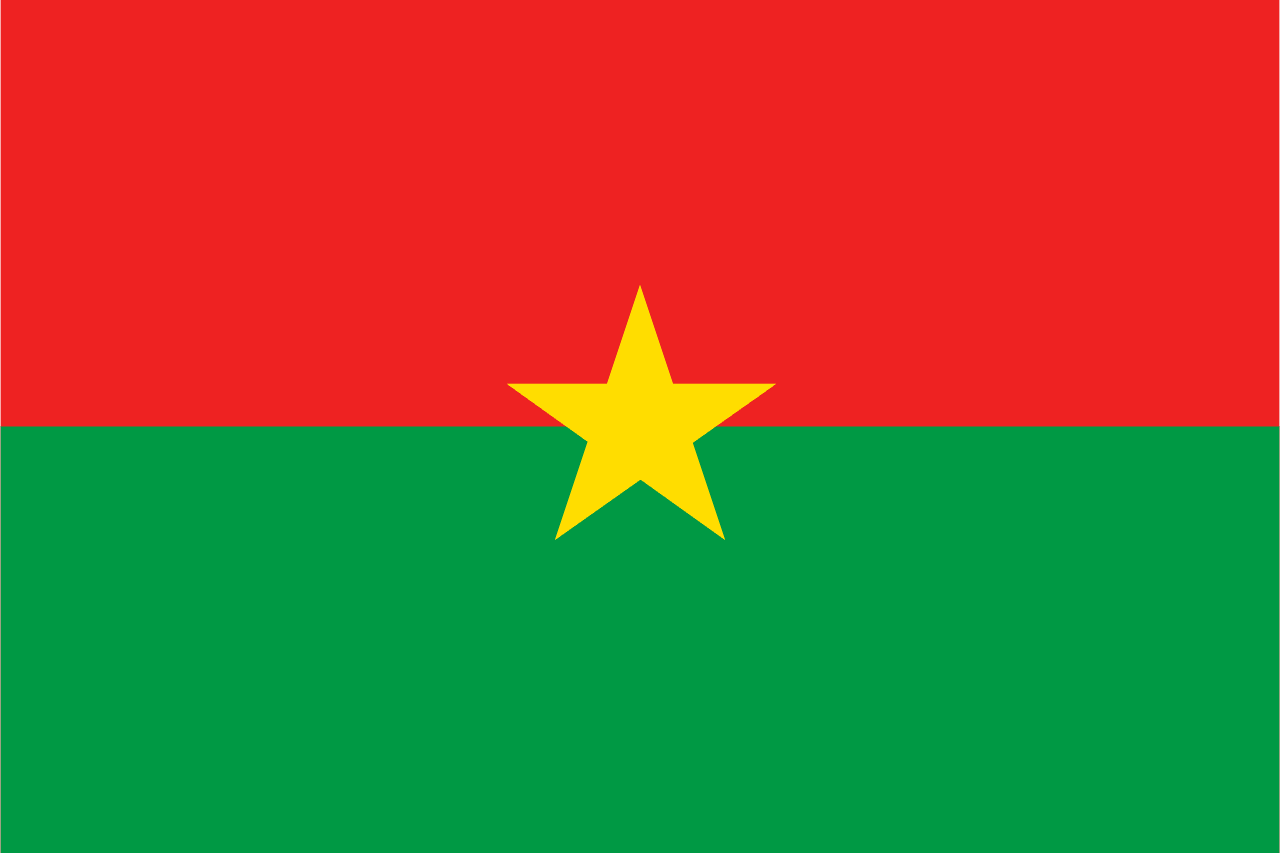
The Food of Burkina Faso: 10 Dishes You Must Try
Burkina Faso, nestled in the heart of West Africa, is a country rich in culture and tradition, and its culinary scene is a reflection of this vibrancy. With a tapestry of influences woven from its many ethnic groups—most notably the Mossi, Gourounsi, and Bobo—Burkina Faso’s cuisine is both diverse and deeply rooted in the agricultural practices of its people. As I wandered through the bustling markets and vibrant streets, I was immediately captivated by the rich aromas wafting through the air and the colorful stalls brimming with fresh produce. The food of Burkina Faso tells a story of resilience, community, and the land itself. Here are ten dishes that I discovered during my culinary journey, each one a delightful expression of the country’s culture and heritage. The first dish that won my heart was **Riz Gras**. This staple dish, whose name translates to "greasy rice," is a true celebration of flavors. Made with rice cooked in a savory sauce that often includes vegetables like carrots, tomatoes, and bell peppers, Riz Gras can also feature chicken, fish, or beef, depending on what’s available. The taste is a delightful blend of spiciness and sweetness, with the sauce coating each grain of rice in a mouthwatering embrace. I enjoyed this dish at a lively restaurant in Ouagadougou, where the ambiance was filled with laughter and chatter. It’s often served during family gatherings or celebrations, symbolizing togetherness and abundance. Next on my journey was a dish that I found to be as comforting as it is delicious: **To**. This thick porridge, usually made from millet or sorghum, is often enjoyed at breakfast or as a side dish. Its texture is smooth, with a subtly nutty flavor that pairs beautifully with a variety of sauces. The locals often serve it with a spicy tomato sauce or a rich groundnut (peanut) sauce that elevates its taste. I had the pleasure of tasting To at a family home where it was served alongside a spicy sauce made from local peppers and herbs. The experience of sharing a meal with a Burkinabé family, who explained the importance of To in their daily diet, made it all the more special. A dish that truly embodies the spirit of Burkina Faso is **Benga**. This traditional meal consists of boiled cassava leaves mixed with groundnuts, providing a unique nutty flavor and a rich source of nutrients. The dish is often served with rice or with maize porridge, making it both hearty and satisfying. I stumbled upon Benga at a local food stall in Bobo-Dioulasso, where the vendor passionately explained how the dish is often prepared during communal feasts. The warmth of the people and their pride in sharing this beloved dish was evident, and the flavors resonated with the country’s agricultural heritage. If you find yourself in need of a quick snack, **Chips de Patate Douce** is the perfect option. Sweet potato chips, lightly fried to a golden crisp, make for a delightful treat that is both sweet and savory. Vendors often sell them in paper cones at roadside stalls, where locals gather to enjoy them alongside a cold drink. The crunchiness of these chips paired with the soft sweetness of the sweet potatoes was simply irresistible. I couldn’t help but indulge in several cones while strolling through the vibrant streets, each bite reminding me of the joy found in simple pleasures. Another must-try dish is **Sorgho Porridge**, known locally as **Tô** or **Bounsi**. This nourishing dish is made from fermented sorghum, giving it a unique tangy flavor that is both refreshing and filling. Often enjoyed in the morning, it is typically served with milk or a spicy sauce, making it a versatile meal. I visited a small café where an elderly woman prepared Bounsi fresh every morning, sharing stories about how her grandmother passed down the recipe. Her passion for the craft transformed this simple dish into a culinary experience, reminding me of the importance of tradition in food. For meat lovers, **Grillade de Mouton** offers a taste of Burkina Faso’s culinary richness. This dish features skewered lamb marinated in a blend of local spices and grilled to perfection. The smoky, charred flavor combined with the spices creates a sensational dish that is often served with a side of spicy sauce and vegetables. I had the pleasure of enjoying Grillade de Mouton during a vibrant street festival, surrounded by music and dancing. The atmosphere enhanced the experience, making the succulent meat even more delectable. Another exciting dish that I encountered was **Nafoun**, a vegetable stew made with a variety of locally grown produce such as okra, eggplant, and carrots, cooked in a rich sauce often made with groundnuts. The result is a hearty, flavorful dish that celebrates the region’s agricultural bounty. I savored Nafoun at an outdoor restaurant where locals gathered after a long day, sharing laughs and stories over their evening meals. The sense of community, paired with the vibrant flavors of the stew, made it a memorable culinary experience. If you’re looking for something sweet, you must try **Boulangerie**. This delightful pastry, made from a dough enriched with milk, sugar, and often flavored with vanilla, is a beloved treat throughout Burkina Faso. The golden-brown crust gives way to a fluffy, sweet interior that pairs perfectly with a cup of tea. I discovered Boulangerie at a bakery in Ouahigouya, where the baker shared that these pastries are enjoyed during celebrations and special occasions. The warm, sweet aroma filling the air as I took my first bite was nothing short of heavenly. I couldn’t leave Burkina Faso without tasting **Kedjenou**, a flavorful chicken stew that is slow-cooked to perfection with various vegetables and spices. What sets Kedjenou apart is the method of cooking—traditionally, it is prepared in a sealed pot, allowing the flavors to meld beautifully. I enjoyed Kedjenou at a modest eatery where the owner emphasized the importance of patience in preparing the dish. The tender meat and rich sauce were simply divine, and I couldn’t help but savor each bite as I learned about the dish’s significance in local culture. Finally, I had to indulge in **Fritters**, locally known as **Akara**. These deep-fried bean cakes are crispy on the outside and soft on the inside, often seasoned with onion and spices. They make a popular street food snack, frequently enjoyed with a spicy dipping sauce. I found a vendor selling Akara at a bustling market, and the sheer number of people lined up for a taste spoke volumes about its popularity. Each bite was a delightful explosion of flavor, and I loved how it brought people together over a shared love for food. As I reflect on my culinary journey through Burkina Faso, I can't help but feel grateful for the experiences I had and the flavors I encountered. The best places to find authentic Burkinabé food are often bustling markets, where the air is filled with the enticing aromas of various dishes being prepared right before your eyes. Street stalls are another treasure trove of flavors, offering everything from sweet potato chips to hearty stews. For a more sit-down experience, local restaurants serve traditional meals where you can immerse yourself in the culture while dining among friendly locals. The food of Burkina Faso is not just about sustenance; it’s about connection, tradition, and the stories woven into every dish. Each meal is a reminder of the country’s rich heritage, and every bite is a celebration of the people and land that make it possible. Whether you’re sharing a plate of Riz Gras with friends or enjoying Akara on the go, you’ll discover that the essence of Burkina Faso is truly found in its food.
Read full article →The History of Burkina Faso: From Ancient Times to Today
# The History of Burkina Faso: From Ancient Times to Today Burkina Faso, a landlocked country nestled in the heart of West Africa, tells a rich tapestry of history woven from indigenous traditions, powerful empires, colonial incursions, and the quest for independence. Its name, which translates to "the land of honest men," reflects the spirit of its people. To understand the present-day nation, we must journey through its past, exploring the ancient times, the rise and fall of kingdoms, the impact of colonialism, and the emergence of a sovereign state. ## Ancient and Indigenous History Long before the advent of written records, the region that is now Burkina Faso was inhabited by various ethnic groups, each with its own cultural heritage. The first settlers were predominantly hunter-gatherers who gradually transitioned to agricultural societies around 3000 BCE. They cultivated staple crops like millet and sorghum, laying the foundation for permanent settlements. As centuries passed, the area became a melting pot of ethnicities and languages, primarily the Mossi, who would become one of the dominant groups. The Mossi people established powerful kingdoms, with the most notable being the Kingdom of Ouagadougou. This kingdom, founded by the legendary figure Naba Ouédraogo in the 15th century, served as a central hub for trade and culture. The Mossi rulers, known as Naba, were both political leaders and spiritual figures, revered for their wisdom and connection to ancestral spirits. The ancient traditions of the Mossi were rich in art, music, and dance, reflecting their connection to the land and spirituality. Folk tales, passed down through generations, provide a glimpse into the lives of these early inhabitants and highlight their values, struggles, and triumphs. ## The Era of Empires The medieval period saw the rise of several powerful empires in West Africa, deeply impacting the history of Burkina Faso. The most significant of these was the Mali Empire, which flourished from the 13th to 16th centuries. At its zenith, the Mali Empire controlled vast territories and was known for its wealth, especially during the reign of Mansa Musa, whose legendary pilgrimage to Mecca showcased the empire's riches. While the Mossi kingdoms remained relatively autonomous, they had to navigate the influence of larger empires like Mali and later the Songhai Empire. The trade routes that crisscrossed the region fostered exchanges of goods, culture, and ideas. The bustling markets became melting pots of diversity, where merchants from different backgrounds mingled, and the Islamic faith began to take root among some groups. By the 18th century, the Mossi kingdoms, particularly Ouagadougou and Tenkodogo, were firmly established, exhibiting a blend of indigenous beliefs and Islamic practices. The Mossi elite, eager to consolidate power and influence, engaged in both warfare and diplomacy with neighboring states, carving out their own niche in West African history. ## The Colonial Period: Struggle and Resistance The 19th century marked a significant turning point for Burkina Faso as European powers began to scramble for control of Africa. In 1896, France, seeking to expand its colonial empire, initiated military campaigns against the Mossi kingdoms. Led by the ambitious General Louis Archinard, these forces faced fierce resistance from the Mossi warriors, who fought valiantly to defend their territory. Despite their bravery, the military might of the French ultimately prevailed, and by 1919, the region was officially annexed as part of French West Africa. The colonial era brought profound changes to Burkina Faso. The French imposed new administrative structures, transforming the political landscape. They introduced cash crops, such as cotton and groundnuts, which altered the economic fabric of the society. While some individuals prospered, many were forced into labor under harsh conditions. The colonial government also attempted to impose a Western education system, which often marginalized indigenous languages and cultures. Yet, resistance to colonial rule simmered beneath the surface. A notable figure during this period was the Mossi leader, Naba Koom II, who organized uprisings against the French in the 1930s. Although these movements were met with brutal repression, they laid the groundwork for future generations to challenge colonial rule. ## The Road to Independence After World War II, a wave of independence movements surged across Africa, fueled by a desire for self-determination and the end of colonial oppression. In Burkina Faso, the struggle for independence gained momentum, with young intellectuals and activists rising to the forefront of the movement. Among them was the influential leader Maurice Yaméogo, who became a prominent figure in advocating for political and social rights. In 1958, under growing pressure from nationalist movements, France granted limited autonomy to Burkina Faso, then known as Upper Volta. This pivotal moment allowed for the establishment of a local government and a semblance of self-governance. The following year, on August 5, 1960, Upper Volta achieved full independence, with Yaméogo becoming the country’s first president. However, the early years of independence were fraught with challenges. Economic struggles, political instability, and ethnic tensions plagued the young nation. Yaméogo's government faced criticism for its authoritarian tendencies, leading to widespread discontent among the populace. ## A Nation Transformed: The Revolution of 1983 The tide of discontent culminated in a dramatic coup in 1983, led by a charismatic young officer named Thomas Sankara. Often referred to as "Africa's Che Guevara," Sankara became the face of a revolutionary movement that sought to transform Burkina Faso into a model of self-reliance and progress. Upon taking power, he adopted sweeping reforms aimed at eradicating poverty, improving education, and promoting women's rights. Sankara's government emphasized grassroots participation and sought to empower the marginalized. He launched ambitious programs for health care, education, and agricultural development, campaigning for a national identity rooted in African values. His policies were met with both admiration and criticism, as many hailed his vision while others viewed his radical approach as divisive. Sankara's tenure, however, was cut short in 1987 when he was assassinated in a coup orchestrated by his former ally, Blaise Compaoré. Compaoré’s rise to power marked a new chapter in Burkina Faso’s history, as he shifted the focus away from Sankara's revolutionary ideals, ultimately leading the country into a more authoritarian regime. ## Modern Burkina Faso: Challenges and Resilience Blaise Compaoré's rule lasted for 27 years, during which Burkina Faso experienced periods of relative stability and economic growth. However, discontent simmered beneath the surface as corruption and human rights abuses became rampant. The Arab Spring in 2011 ignited a wave of protests across the country, fueled by demands for political reform and greater accountability. In 2014, longstanding frustrations erupted into widespread protests against Compaoré’s attempt to extend his presidency. The people of Burkina Faso took to the streets, demanding change. Ultimately, Compaoré was forced to flee, marking a significant turning point in the nation’s history. In the aftermath of Compaoré's departure, Burkina Faso embarked on a tumultuous path toward democracy. A transitional government was established, laying the groundwork for elections in 2015. Roch Marc Christian Kaboré emerged as the country’s new president, emphasizing a commitment to national unity and reform. However, the years since have not been without challenges. Burkina Faso has faced escalating security concerns, particularly from extremist groups linked to Al-Qaeda and ISIS, leading to violence and displacement. Yet, through it all, the resilience of the Burkinabè people shines through. They continue to work toward a future marked by stability, democracy, and economic opportunity. ## Conclusion The history of Burkina Faso is a testament to the enduring spirit of its people, shaped by centuries of resilience, resistance, and transformation. From ancient kingdoms to colonial struggles, and from revolutionary fervor to contemporary challenges, the narrative of Burkina Faso is one of survival against the odds. Today, as the nation grapples with both old and new challenges, it remains a place of rich cultural heritage and untapped potential. The legacy of figures like Thomas Sankara and the collective memory of the Burkinabè people fuel a vision for a brighter future, one where honesty, integrity, and hope prevail in the land of honest men. As Burkina Faso continues to carve its path in the modern world, its history serves as both a guide and a reminder of the strength that lies within its people.
Read full article →Hidden Gems of Burkina Faso: Places Most Tourists Miss
Burkina Faso, a landlocked country nestled in West Africa, is often overlooked in favor of its more famous neighbors. While tourists flock to Morocco’s vibrant souks or the savannas of Tanzania, Burkina Faso remains a hidden treasure trove of culture, history, and natural beauty. Most travelers are only exposed to the surface—brief visits to Ouagadougou or Bobo-Dioulasso, where they catch glimpses of colorful markets and bustling streets. However, if you venture off the beaten path, you’ll discover the heart and soul of this West African gem. Here, I invite you to explore some of the country's hidden gems—places that are steeped in authenticity, rich in tradition, and bursting with breathtaking landscapes. One of the most captivating places to start your journey is the village of Tiebele. Nestled in the southwest near the border with Ghana, this village is renowned for its unique architecture and vibrant murals. The houses in Tiebele are built using a traditional technique called “nuna,” which involves weaving together mud and straw to create striking structures adorned with colorful, painted designs. Each home tells a story, depicting local legends and cultural symbols. Visitors are welcome to wander through the narrow lanes, interact with the friendly locals, and even participate in pottery-making or traditional weaving. To get there, take a bus from Ouagadougou towards Gaoua, and then hire a local guide to navigate the village. The experience is nothing short of enchanting, offering a glimpse into the daily lives of the Kassena people. Traveling northeast, you’ll find the enchanting Arboretum of Laba. Situated just outside the town of Ouahigouya, this sprawling botanical garden is a peaceful retreat from the bustling cities. Home to a diverse array of trees, plants, and wildlife native to the region, the arboretum is a splendid place for nature lovers and those seeking solitude. Visitors can explore well-marked trails that meander through the lush landscape, perfect for birdwatching or simply relaxing under the shade of ancient trees. The arboretum is accessible via a short taxi or motorbike ride from Ouahigouya, making it an ideal escape for a day trip. Next, immerse yourself in the cultural tapestry of Burkina Faso by visiting the town of Koudougou. While many tourists rush past on their way to more popular destinations, Koudougou boasts a rich history and vibrant community life. Known for its lively street scenes and friendly people, Koudougou is home to the annual Naki festival, a celebration of traditional music, dance, and crafts. Attending this festival gives you a unique chance to engage with local artisans and musicians, who showcase their talents. To reach Koudougou, you can take a bus from Ouagadougou, a journey that showcases the beautiful rural landscape along the way. For those who seek a touch of adventure, consider exploring the natural wonders of the Cascades de Karfiguéla, located near Banfora in the southwest. These breathtaking waterfalls tumble down rocky cliffs into vibrant pools, surrounded by lush vegetation. The sound of rushing water and the sight of cascading falls create a serene atmosphere, offering an ideal spot for picnicking or swimming. The area is also a great base for hiking, with various trails leading through the stunning scenery of the surrounding region. To visit the cascades, take a bus from Bobo-Dioulasso to Banfora, and then hire a local guide for an unforgettable day of exploration. Continuing your journey towards the east, you’ll encounter the remarkable village of Sabou. This charming settlement is famous for its traditional wrestling, a sport that holds significant cultural importance among the local Bobo people. Wrestling matches often take place on weekends, and the vibrant atmosphere draws spectators from near and far. Beyond wrestling, Sabou is also known for its friendly hospitality and local crafts, particularly pottery and bead-making. To experience the full essence of Sabou, stay overnight in a guesthouse and partake in a traditional meal with a local family. The village is easily reachable via a shared taxi or bus from Ouagadougou, making it a convenient yet enriching detour. Another hidden gem is the spectacular Laongo Sculpture Park, located just 30 kilometers northeast of Ouagadougou. This outdoor art installation showcases the creative talents of local artists who have carved stunning sculptures from the region’s granite boulders. The park is not only a feast for the eyes but also a peaceful place to meditate amidst nature’s beauty. As you stroll through the park, you’ll be struck by the variety of styles and themes, each reflecting the rich cultural heritage of Burkina Faso. A visit to Laongo can be easily arranged by hiring a taxi or joining a small tour group from Ouagadougou, making it a perfect day trip. Venturing further into the cultural heartland, you’ll find yourself in the vibrant city of Bobo-Dioulasso. While it is better known than some other locations, the nearby neighborhood of Sya is often overlooked by tourists. Sya is a bustling area that showcases the true essence of local life. From lively markets brimming with fresh produce to traditional workshops where artisans create beautiful handicrafts, Sya is a sensory delight. It's also a fantastic place to taste local delicacies, with street vendors serving up mouthwatering dishes like riz gras and tô. To explore Sya, simply wander through the neighborhood, soak up the atmosphere, and don’t hesitate to strike up conversations with the welcoming locals. Your journey through Burkina Faso wouldn’t be complete without experiencing the vibrant Dogon culture in the village of Koumbia. Located in the northeast, Koumbia is famous for its fascinating cave dwellings and stunning rock formations that serve as a backdrop for the traditional customs and rituals of the Dogon people. Visitors can embark on guided hikes to explore the surrounding cliffs, visit ancient shrines, and witness traditional ceremonies that highlight the rich spiritual beliefs of the Dogon community. The village is best accessed via a combination of bus and guided transport from Ouagadougou, giving you ample opportunity to appreciate the ever-changing landscape along the way. Lastly, don’t miss the chance to attend the Festival of Masks in Dédougou. This extraordinary event, which takes place annually, showcases the rich traditions of mask-making and dance that are integral to the cultural identity of various ethnic groups. Artists and performers come together to create a dazzling spectacle of colorful masks, intricate costumes, and rhythmic music, celebrating the diversity of Burkina Faso’s culture. The festival typically occurs in February or March, so plan your visit accordingly. Dédougou can be easily reached by taking a bus from Ouagadougou, making it a great weekend getaway for cultural enthusiasts. As you explore these hidden gems of Burkina Faso, it’s essential to keep a few practical tips in mind. Firstly, learning a few phrases in French or one of the local languages, such as Moore or Dioula, can go a long way in connecting with the locals. Burkinabé people are incredibly hospitable and appreciate any effort to communicate in their native tongue. Secondly, be sure to dress modestly and respect the cultural norms of the communities you visit. Burkina Faso is a predominantly Muslim country, and dressing respectfully will help you integrate more seamlessly into local life. Lastly, travel with an open heart and mind. The beauty of Burkina Faso lies not only in its landscapes but also in the warmth of its people and the richness of its traditions. Embrace the unexpected, engage with locals, and don’t hesitate to stray from your itinerary. Whether you’re sipping tea in a local household, watching a wrestling match, or marveling at the artistry of a mask festival, the memories you create in Burkina Faso will be etched in your heart forever. By discovering these hidden gems, you’ll not only enrich your travel experience but also contribute to the preservation of the vibrant cultures that make Burkina Faso truly special. So pack your bags, hit the road, and get ready for an adventure that goes far beyond the surface. The heart of Burkina Faso awaits you.
Read full article →What It's Really Like to Live in Burkina Faso
What It's Really Like to Live in Burkina Faso When I first set foot in Burkina Faso, I was immediately struck by the warmth of the sun and the even warmer smiles of the people. It was a land steeped in rich culture and history, where vibrant markets thrummed with life and the scent of spices lingered in the air. Living in Burkina Faso is an experience unlike any other, shaped by its unique geography, climate, and the resilient spirit of its people. Let me take you on a journey through everyday life in this West African nation. Daily life in Burkina Faso often begins early. The sun rises around 6 a.m., but people are up long before that, readying themselves for the day ahead. You’ll frequently hear the call to prayer echoing through neighborhoods as mosques announce the dawn. By 7 a.m., the streets are already bustling with activity. Vendors set up their stalls, offering everything from fresh produce to handmade crafts. The local markets, such as the bustling Grand Marché in Ouagadougou, are a sensory delight filled with colors, sounds, and aromas that invite exploration. The cost of living in Burkina Faso is relatively low, which makes it an attractive destination for expatriates and locals alike. Rent for a modest one-bedroom apartment in the capital can range from 100,000 to 200,000 CFA francs (approximately $180 to $360), depending on the neighborhood. Utilities are generally affordable, though it’s wise to budget for electricity and water, especially during the dry season when temperatures can soar. Groceries are surprisingly inexpensive. A local market visit often yields fresh fruits and vegetables for just a few hundred CFA francs. A bag of rice costs around 1,000 CFA francs, while a loaf of bread is typically 200 CFA francs. Street food is also a staple of everyday life; you can enjoy a plate of delicious tô (a local dish made from millet or corn) for as little as 300 CFA francs. Food culture in Burkina Faso is rich and diverse, reflecting the country’s agricultural landscape. Staple foods include rice, millet, sorghum, and a variety of legumes. One of my favorite dishes is riz gras, a flavorful rice dish cooked with tomatoes, onions, and spices, often served with a side of grilled chicken or fish. Meals are typically communal affairs, with families gathering around a large bowl to share food. A common phrase you’ll hear is “Na so yé,” which means “Let’s eat.” The act of sharing food is deeply ingrained in the social fabric, highlighting the importance of community and togetherness. Social customs in Burkina Faso are rooted in respect and tradition. Greetings are essential and can often take several minutes, as people inquire about each other's well-being and family. A typical greeting will start with “Bonjour,” followed by a series of questions such as “Comment ça va?” (How are you?) and “Nin na?” (How’s your family?). It’s common to ask about health, work, and even the weather, as these topics are integral to social interaction. The handshake is a common form of greeting, often accompanied by a light touch on the shoulder, which adds an element of warmth. Family life in Burkina Faso is at the heart of the culture. The family structure is often extended, with several generations living together under one roof. Respect for elders is paramount; they are seen as the guardians of tradition and wisdom. Family gatherings are frequent, filled with laughter, storytelling, and, of course, plenty of food. Children are cherished and play a significant role in household chores from an early age, instilling a sense of responsibility and cooperation. Parents often emphasize education, understanding that knowledge is a pathway out of poverty. When it comes to work culture, the environment can be quite different from what expatriates might be used to. The 8-to-5 workday is standard, but flexibility is key. Punctuality is not as rigidly enforced as in many Western cultures, and it’s not uncommon for meetings to start late or for work schedules to shift. Communication is typically informal, rooted in relationships rather than rigid hierarchies. The concept of “tontine,” a group savings and loan system, is prevalent in business practices, fostering a strong sense of community and mutual support among entrepreneurs. As the weekend rolls around, life takes on a different rhythm. Many locals take this time to relax and recharge. Markets are still vibrant, but there’s a more leisurely pace. Parks and open spaces become gathering places for families and friends. One of my favorite weekend activities was visiting the Parc Urbain Bangr-Weoogo, a lush green space where people stroll, picnic, and enjoy music and dance performances. You might also hear the rhythmic beats of djembe drums echoing through the air as local artists showcase their talents. The weather in Burkina Faso plays a crucial role in shaping daily life. The country experiences a tropical savanna climate, characterized by a distinct dry and wet season. The dry season, which lasts from November to March, brings hot, dusty winds and temperatures that can climb above 40 degrees Celsius (104 degrees Fahrenheit). It’s during this time that many agricultural activities come to a halt, and families may prioritize water conservation. The wet season, from June to October, transforms the landscape into a lush, green paradise, but it also brings challenges such as flooding and crop damage. Locals often say, “La pluie est une bénédiction” (“The rain is a blessing”), as it is essential for agriculture and sustenance. Living in Burkina Faso is not without its challenges. Access to healthcare can be limited, particularly in rural areas, where facilities may be few and far between. Education is improving, but there are still disparities between urban and rural access. Infrastructure development is ongoing, and while roads are being improved, many remain in poor condition, making travel difficult during the rainy season. However, these challenges are often met with resilience and innovation. Local communities are coming together to find solutions, whether it’s through building new schools or improving access to clean water. Despite these difficulties, there are countless positives about living in Burkina Faso. The sense of community is profound. Neighbors look out for one another, and there’s a palpable spirit of solidarity. The country’s rich cultural heritage is celebrated through festivals, music, and dance, such as the vibrant Fespaco film festival, which showcases African cinema. The Burkinabé are known for their hospitality; as a foreigner, I always felt welcome. Invitations to weddings, birthdays, and religious celebrations were common, and I was often greeted with open arms and hearty meals. Foreigners visiting or living in Burkina Faso often find themselves surprised by the vibrancy and dynamism of daily life. The contrast between the bustling markets and the serene landscapes can be jarring but beautiful. Many are taken aback by the depth of community ties and the importance placed on relationships. The openness with which locals share their lives and stories is heartwarming. As one local told me, “Life is not just about what you have, but about who you share it with.” In conclusion, living in Burkina Faso is an adventure filled with both challenges and rewards. It’s a place where the beauty of daily life is found in the simplest moments—sharing a meal with friends, greeting neighbors on the street, or listening to the stories of elders. The warmth of the people is infectious, and the rich tapestry of culture is a never-ending source of inspiration. Whether it’s the call of the market, the rhythm of the drums, or the vibrant colors of the landscape, Burkina Faso is a place that stays with you long after you leave.
Read full article →Why Visit Burkina Faso
Burkina Faso is a landlocked West African nation that sits at the southern edge of the Sahara — a country of savanna, laterite plains, baobab trees, and a cultural vitality that has made it one of the continent's most significant centres of contemporary art, film, and traditional craft. Bordered by Mali and Niger to the north and east, Benin and Togo to the southeast, Ghana to the south, and Côte d'Ivoire to the southwest, Burkina Faso has forged a distinct national identity since its independence in 1960 — the name itself, chosen in 1984, means Land of Incorruptible People in the Mossi and Dioula languages. Ouagadougou, the capital — universally known as Ouaga — is the cultural heart of French-speaking West Africa. The city hosts FESPACO, the Pan-African Film and Television Festival, held every two years and considered the most important film festival on the continent. The craft market of Ouaga, particularly the artisan village near the city centre, is one of the best places in West Africa to find bronze castings, leather goods, woven blankets, and carved wooden masks. The Grand Marché is a sensory experience of colour, sound, and commerce with few equals. The Mossi people, who make up nearly half the population, have preserved elaborate mask ceremonies and animist traditions that coexist with Islam in a syncretic religious landscape of considerable complexity and depth. The village of Tiébélé near the southern border with Ghana is home to the Kassena people, whose compound houses are painted with extraordinary geometric murals in white, red, and black — an artistic tradition maintained by women that transforms entire village walls into monumental canvases. It is one of the most visually striking indigenous artistic traditions in Africa. The W National Park, shared with Benin and Niger as a UNESCO Biosphere Reserve, protects one of the largest contiguous areas of West African savanna, with elephants, hippopotamuses, lions, cheetahs, and over 350 bird species. Banfora, in the southwest, offers the Cascades de Karfiguéla waterfall, the Tengrela Lake with its seasonal hippopotamus population, and the extraordinary rock formations of the Sindou Peaks — dramatic eroded sandstone pillars rising from the forest floor. Burkinabè cuisine features tô (a millet or sorghum porridge eaten with sauces), riz gras rice cooked with vegetables, and grilled brochettes. November through February is the most comfortable season. Despite its challenges, Burkina Faso offers cultural encounters of rare authenticity.
Read full article →Burkina Faso: The Film Capital of Africa Nobody Talks About
Every two years, Ouagadougou hosts FESPACO — the Pan-African Film and Television Festival of Ouagadougou — the largest film festival in Africa and one of the most significant in the world for cinema from the Global South. Since 1969, filmmakers from across the continent and its diaspora have gathered in Burkina Faso's capital to screen, debate, and celebrate African storytelling. The fact that this happens in one of the world's poorest countries is not an anomaly. It is a statement about what Burkinabè culture prioritises. The Mossi people, the largest ethnic group in Burkina Faso, built a series of kingdoms in the central plateau from the 11th century onward that resisted both Islam and later European colonisation longer than most surrounding societies. The Mossi nagha — the traditional chief — remains a significant social institution. Traditional authority and modern governance coexist in ways that create genuine complexity. A village dispute may be resolved by both the local mayor and the local chief, in that order or the reverse, depending on its nature. The name Burkina Faso means Land of Upright People in the Mooré and Dioula languages — a name given by revolutionary leader Thomas Sankara when he renamed the country from Upper Volta in 1984. Sankara's four-year presidency — marked by anti-corruption drives, women's rights campaigns, mass vaccination, and a refusal of foreign aid — made him one of Africa's most beloved revolutionary figures. He was assassinated in 1987. His image appears on walls across the country. He is still being talked about.
Read full article →