No messages yet — be the first to share something about Algeria!
Sign in to join the chat
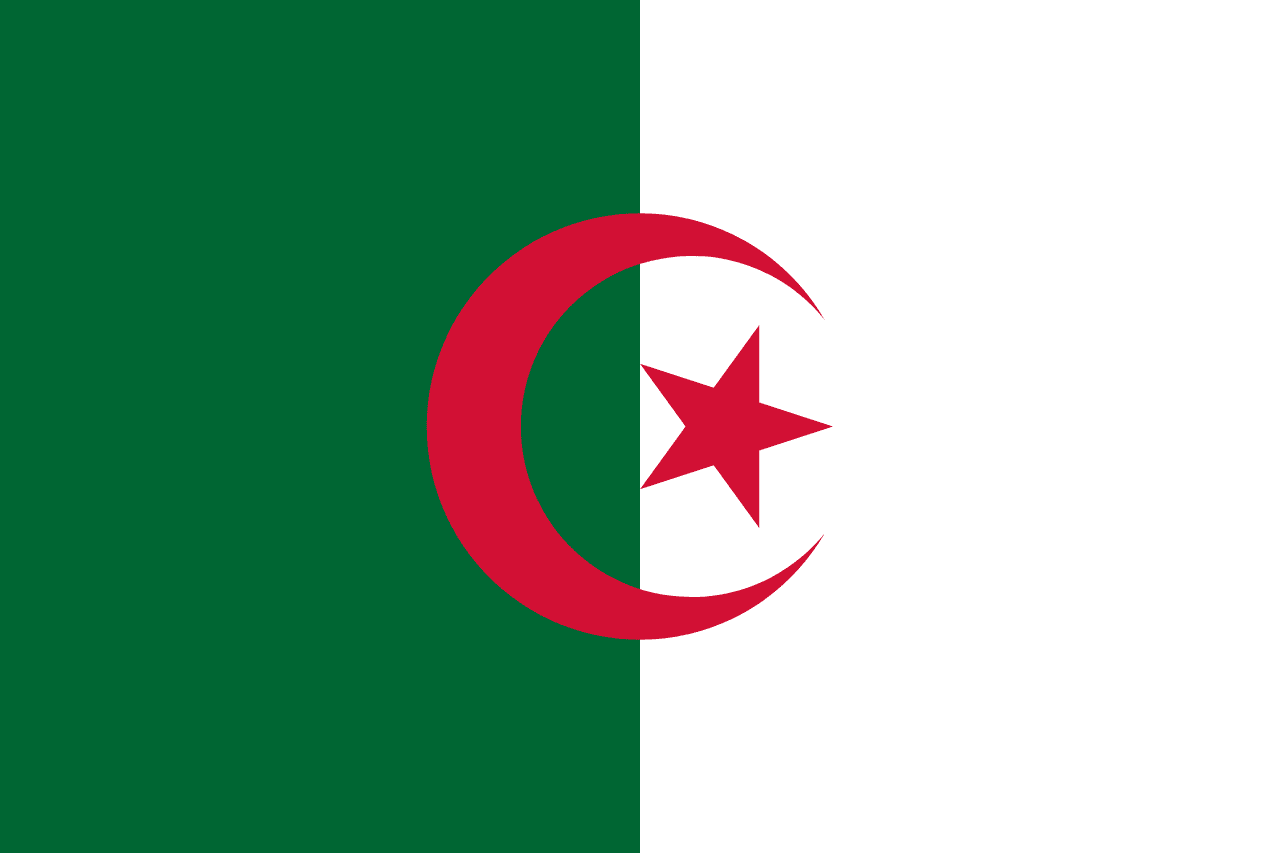
The Food of Algeria: 10 Dishes You Must Try
As I wandered through the sun-soaked streets of Algiers, the intoxicating aromas wafting from bustling kitchen windows wrapped around me like a warm embrace. The culinary culture of Algeria, rich with Berber, Arab, and Mediterranean influences, is a vibrant tapestry of flavors, colors, and stories that reflect the country’s diverse heritage. Each dish tells a tale that has been passed down through generations, echoing the traditions of nomadic tribes and the legacies of ancient civilizations. From the feasts of the Sahara to the coastal delights of the Mediterranean, Algeria’s food is as rich and varied as its landscapes. As I explored this enchanting land, I was eager to dive into its culinary delights, and along the way, I discovered ten must-try dishes that define Algerian cuisine. First on my culinary journey was couscous, known locally as "seksu." This staple dish transcends mere sustenance; it's a tradition steeped in history. Made from semolina wheat, couscous is steamed to fluffy perfection and typically served with a savory sauce made from lamb or chicken, vegetables, and a blend of spices. The first bite was an explosion of flavors - the tender meat, the sweet notes of caramelized onions, and the warmth of spices like cumin and coriander. I had the pleasure of enjoying it during a family gathering in Tizi Ouzou, where couscous was the centerpiece, lovingly prepared by the matriarch of the family. It was more than just food; it was a symbol of communal bonding, served alongside stories and laughter. Next, I encountered "chakhchoukha," a dish that embodies the heart of Algerian hospitality. This Berber specialty features pieces of flatbread soaked in a flavorful stew made with a mix of meat, chickpeas, and a variety of aromatic spices. The texture was a delightful contrast, with the bread absorbing all the rich flavors from the stew. I savored this dish at a small, local eatery in Ghardaïa, where the owner explained that chakhchoukha is often served during celebrations and gatherings, emphasizing its role as a dish for sharing and togetherness. Then there was "tagine," a dish that varies from region to region, but always showcases the slow-cooked goodness of tender meats and vegetables. In Algeria, the tagine is not just a cooking method; it’s an art form. During my stay in Oran, I was fortunate to try "tagine zgougou," made with a base of pine nuts and served with chicken and vegetables. The combination of flavors was both comforting and exotic, with the earthiness of the pine nuts balancing the tanginess of preserved lemons. This dish was typically served at family celebrations, and each family's recipe seemed to carry its own secrets and variations, making every bite a unique experience. As I roamed the streets of the coastal city of Annaba, I stumbled upon "machkouk," a dish that truly speaks to the love Algerians have for fresh seafood. This grilled fish, often marinated with spices and herbs, is typically served with a side of grilled vegetables and a drizzle of olive oil. The fish was succulent and flavorful, with a slight smokiness from the grill. What made this dish even more special was the ambiance of the open-air restaurant where I enjoyed it; the sound of the waves crashing against the shore was the perfect backdrop as I savored every bite, feeling more connected to the Mediterranean than ever. Then there was "boudin," a culinary treasure I discovered in the heart of Constantine. This spicy sausage is made from a mix of lamb or beef, rice, and a blend of spices, then stuffed into natural casings and grilled to perfection. The first bite released a burst of flavors, with hints of garlic and chili dancing across my palate. I enjoyed it at a local street vendor's stall, where the aroma was irresistible. Boudin is often served during festivals and celebrations, symbolizing the joy and vivacity of Algerian culture. In the town of Béjaïa, I encountered "mhadjeb," a delicious crepe-like dish that is a must-try for anyone visiting Algeria. Made from semolina dough, mhadjeb is filled with a mixture of sautéed onions, tomatoes, and spices, then folded and cooked on a hot griddle. The result is a crispy exterior with a soft, flavorful center. I relished this dish as a quick snack from a street vendor who had perfected the art of mhadjeb, with the warm, flaky bread practically melting in my mouth. This dish is a popular daytime snack, and its simplicity belies the depth of flavor that comes from high-quality ingredients. Another beloved dish I had the chance to savor was "harira," a traditional soup that warms the heart and soul. Often eaten during Ramadan, harira is packed with lentils, chickpeas, tomatoes, and a blend of spices, sometimes enriched with meat. I enjoyed a steaming bowl at a café in Algiers, where the locals gathered to break their fast. The soup was thick and hearty, with a complex flavor profile that was both comforting and invigorating – perfect for the cool evening air. The sharing of harira during Ramadan is a cherished tradition, uniting families and friends in gratitude as they partake in the communal meal. In the midst of my gastronomic journey, I discovered "dolma," a dish that showcases Algeria’s love for stuffed vegetables. Typically made with bell peppers, zucchini, or eggplants, dolma is filled with a mixture of minced meat, rice, and spices, then simmered in a savory sauce. I had the pleasure of tasting dolma at a family-run restaurant in Setif, where the chef took pride in using locally-sourced produce. The combination of tender vegetables and the savory filling created a delightful harmony of flavors. Dolma is a popular dish during festive occasions, symbolizing abundance and hospitality. Lastly, I couldn’t leave Algeria without indulging in "baklawa," the sweet delight that has transcended cultures and continents. This iconic dessert, made from layers of filo pastry filled with nuts and honey, is a staple at weddings and celebrations. I tried baklawa at a charming patisserie in Algiers, where the crisp layers melted in my mouth and the sweetness was perfectly balanced by the nuttiness of the filling. This dessert is more than just a treat; it's a testament to Algeria’s rich history of trade and cultural exchange, as it embodies flavors and techniques from various regions. As my culinary journey through Algeria came to an end, I reflected on the incredible flavors and stories I had encountered. Each dish was not only a feast for the senses but also a glimpse into the soul of the country. The warmth of the people, the vibrancy of the markets, and the rich traditions surrounding food left a lasting impression on my heart. To truly experience the best food in Algeria, I recommend exploring local markets and street stalls, where the richness of flavors is often at its peak. Markets like the bustling Souk El-Had in Algiers offer fresh ingredients, aromatic spices, and the chance to witness the lively atmosphere of daily life. Street vendors are often the soul of a city’s food culture, serving up traditional dishes made with love and care. For an elevated experience, seek out family-run restaurants that pride themselves on heritage recipes, where the stories behind the food are as rich as the dishes themselves. In Algeria, every meal is an invitation to connect, to share, and to celebrate the beauty of a culture that is as diverse as its cuisine.
Read full article →The History of Algeria: From Ancient Times to Today
# The History of Algeria: From Ancient Times to Today The story of Algeria is a tapestry woven from the threads of ancient civilizations, powerful empires, and the indomitable spirit of its people. Stretching across North Africa, Algeria is a land of diverse landscapes, rich culture, and a tumultuous history that has seen it evolve from ancient tribes to a modern nation. Join us as we embark on a journey through time, uncovering the pivotal eras and figures that have shaped this fascinating country. ## Ancient and Indigenous History Long before Algeria became a modern nation-state, it was home to various indigenous peoples known as the Berbers or Amazigh. These ancient tribes, with their unique languages and traditions, have inhabited the region for thousands of years. They lived in harmony with the rugged landscapes, from the Arid Sahara to the lush mountains of Kabylie. The Berbers were skilled farmers, herders, and traders, establishing their own social structures and engaging in trade with neighboring cultures. As early as 3000 BCE, the Berbers constructed megalithic tombs, a testament to their complex society. The region's fertile coastal plains attracted trade and cultural exchange. In the first millennium BCE, the Phoenicians, known for their seafaring prowess, arrived on the shores of present-day Algeria, establishing trading posts and cities like Carthage and Tipasa. This interaction with the Mediterranean world would lay the groundwork for future cultural exchanges. By the 3rd century BCE, the Kingdom of Numidia emerged as a significant power under King Masinissa, who united various Berber tribes. Numidia became a formidable ally of Rome during the Punic Wars, showcasing the strategic importance of Algeria in ancient Mediterranean politics. The Romans, recognizing the region's potential, established a strong presence in Algeria, constructing cities like Timgad and Djemila, remnants of which still amaze visitors today. ## The Roman Era and Aftermath The Roman conquest brought profound changes to Algeria as the region became part of the vast Roman Empire. Known for its grand architecture, Algeria flourished under Roman rule, with cities thriving around agriculture and trade. Trade routes crisscrossed the region, cementing Algeria's position as a vital link in the Mediterranean economy. However, the decline of the Roman Empire in the 4th century CE opened the door to new influences. The Vandals, a Germanic tribe, invaded and established a short-lived kingdom in North Africa, only to be replaced by the Eastern Roman Empire, also known as the Byzantine Empire, a century later. During this tumultuous period, the indigenous Berbers resisted foreign domination, displaying their resilience amidst changing powers. In the 7th century, the arrival of Islam marked a profound transformation in Algeria. The Berbers began to embrace this new religion, and by the end of the century, the region was firmly integrated into the Islamic caliphate. The Umayyad and later the Abbasid caliphates left a significant cultural legacy, influencing the people, language, and identity of Algeria. ## The Rise of Empires: Fatimids to the Ottoman Era As the Islamic world expanded, Algeria became a battleground for competing powers. The Fatimids, an Ismaili dynasty, established control in the 10th century, founding the city of Algiers. This era saw advancements in trade and culture, as the city became a bustling center of commerce. The Fatimids also contributed to the spread of knowledge and arts, establishing libraries and institutions. The 12th century heralded the rise of the Almohads, a Berber dynasty that united North Africa and parts of Spain. Under their rule, architecture flourished, with grand structures like the Koutoubia Mosque in Marrakesh serving as notable examples of Almohad artistry. However, by the 13th century, the Almohad Empire began to decline, leading to the fragmentation of power in the region. The Ottoman Empire, emerging in the late 14th century, brought another wave of transformation to Algeria. By the 16th century, Algiers became a pivotal port city under Ottoman rule, serving as a base for privateers and a hub for Mediterranean trade. The Dey of Algiers, a local ruler, wielded significant autonomy while still recognizing Ottoman suzerainty. This unique political structure allowed Algeria to cultivate a distinct identity and retain its cultural heritage amidst foreign dominance. ## The Colonial Era: French Conquest The mid-19th century brought a seismic shift in Algeria's history as French colonial ambitions turned towards North Africa. In 1830, France launched an invasion, marking the beginning of a brutal colonization process that would last for over a century. The French systematically dismantled the social, political, and economic structures of indigenous society. Land was seized from Berber farmers, and cities were rebuilt in the French image, transforming urban landscapes. The resistance was fierce and widespread. Leaders like Emir Abdelkader emerged as symbols of defiance against colonial rule. Abdelkader united various tribes in a struggle against French forces, employing guerrilla tactics and inspiring a sense of nationalism among his people. After years of conflict, he was ultimately captured in 1847, but his legacy continued to inspire future generations. The French instituted policies aimed at assimilating Algeria into France, promoting the French language and culture at the expense of local traditions. This led to deep-seated tensions and unrest, as the indigenous population grew increasingly discontented with their oppression. ## The Road to Independence: The Algerian War The struggle for independence reached its climax in the mid-20th century. The Algerian War of Independence erupted in 1954, igniting a fierce and bloody conflict between Algerian nationalists and French colonial forces. The National Liberation Front (FLN) emerged as the vanguard of the independence movement, rallying the population with a vision of a free Algeria. The war was marked by brutal tactics on both sides, with the French employing torture and repression to quell the uprising, while the FLN resorted to guerrilla warfare. The conflict drew international attention, shining a spotlight on colonial atrocities and garnering sympathy for the Algerian cause. Key figures like Frantz Fanon and Jean-Paul Sartre spoke out against colonialism, framing Algeria's struggle as a fight not just for national sovereignty but also for human rights. The war ultimately culminated in the Evian Accords of 1962, granting Algeria independence after nearly eight years of conflict. On July 5, 1962, Algeria emerged as an independent nation, a moment celebrated by millions who had fought valiantly for their freedom. ## Post-Independence: Nation-Building and Challenges The euphoria of independence was soon tempered by the challenges of nation-building. Ahmed Ben Bella, the first president, sought to establish a socialist framework, implementing sweeping reforms that aimed to redistribute land and wealth. However, political instability and economic difficulties plagued the new government, leading to a military coup in 1965 that ushered in the era of Houari Boumédiène. Boumédiène's leadership focused on industrialization and modernization, but it was accompanied by authoritarian measures that stifled political dissent. While Algeria made strides in education and healthcare, the lack of political freedom left a scar on the nation's democratic aspirations. The late 1980s saw a surge in popular discontent, culminating in the 1988 riots that forced the government to adopt political reforms. This newfound openness paved the way for the first multiparty elections in 1990. However, the victory of the Islamic Salvation Front (FIS) led to a harsh crackdown by the military, plunging the country into a brutal civil war that lasted for over a decade. The conflict claimed hundreds of thousands of lives and caused immense suffering, leaving deep scars on Algerian society. ## Algeria Today: A Nation in Transition Today, Algeria stands at a crossroads. The legacy of the civil war still looms large, but the country has made significant progress in rebuilding its institutions and fostering a sense of national identity. The people are eager for political reform and economic diversification, seeking to break free from the over-reliance on oil and gas revenues. The Hirak movement, which began in 2019, has seen thousands of Algerians take to the streets to demand democratic reforms and an end to corruption. The voices of a new generation are echoing the struggles of their forebearers, reminding the world that the spirit of resistance and the quest for freedom remain alive in Algeria. As the nation navigates its present challenges, it must also embrace its rich history, drawing strength from the resilience of its people. The story of Algeria, from its ancient roots to contemporary struggles, is a testament to the enduring spirit of a nation that has weathered storms and continues to rise with hope for a brighter future. In conclusion, the history of Algeria is not just a tale of conquest and colonization, but one of resilience, identity, and the quest for freedom. As Algeria moves forward, it carries with it the echoes of its past, a reminder of the strength and determination that define its people.
Read full article →Hidden Gems of Algeria: Places Most Tourists Miss
When most travelers think of Algeria, they often conjure images of the majestic Sahara Desert, the sprawling ruins of ancient Carthage, or the vibrant streets of Algiers. While these iconic sites undoubtedly deserve recognition, they only scratch the surface of the country’s rich cultural tapestry and stunning landscapes. Beyond the well-trodden tourist paths lie countless hidden gems waiting to be discovered; breathtaking natural wonders, charming villages, and immersive experiences that offer a deeper understanding of this North African treasure. This blog post invites you to explore some of the most enchanting off-the-beaten-path destinations in Algeria, places that embody the heart and soul of a country filled with surprises. Let’s begin our journey in the Kabylie region, an area that boasts a unique blend of Berber culture, picturesque landscapes, and a sense of timelessness. One of the most captivating places here is the village of Yénni. Nestled high in the rugged Kabylie mountains, Yénni is renowned for its striking stone houses that cling to the mountainsides, blending seamlessly with the natural surroundings. What makes this village particularly special is its rich heritage. The locals, primarily Berbers, are known for their intricate crafts, particularly in weaving and pottery. Visitors can engage with artisans, observe their craft, and even participate in workshops to create their own souvenirs. To get to Yénni, travelers can take a bus from Algiers to Tizi Ouzou and then embark on a scenic taxi ride up the mountains, revealing breathtaking views along the way. Next, we venture to the coastal town of Tipasa, which, despite its proximity to Algiers, remains a hidden gem. While the Roman ruins in Tipasa are somewhat known, the true charm lies in the local fishing harbor and the stunning shoreline dotted with coves. This is where you can find fresh fish grilled to perfection, served with a side of the sea breeze. The rocky beaches are less crowded, offering a tranquil escape perfect for sunbathing or swimming. Visitors can easily take a train from Algiers to Tipasa, and once there, it’s worth spending a day simply wandering along the coast, indulging in local delicacies, and enjoying the sunset over the Mediterranean. For those intrigued by the Saharan landscape but seeking a less commercialized experience, the oasis town of Ghardaïa is an absolute must-visit. Located in the M'zab Valley, a UNESCO World Heritage site, Ghardaïa is a stunning example of traditional architecture and a fascinating center of Ibadism, a unique sect of Islam. The town is characterized by its whitewashed houses and narrow winding streets, making it feel like stepping into a different era. What sets Ghardaïa apart is its vibrant markets, where locals sell everything from spices to textiles. Here, you can witness the daily life of the M'zab people, taste local delicacies, and shop for authentic handicrafts. To reach Ghardaïa, travelers can fly to the nearby city of Biskra and take a bus or taxi to this enchanting oasis. Continuing into the heart of Algeria, we arrive at the town of Timgad, often overshadowed by its more famous Roman counterparts. This ancient site, known as the "Pompeii of Africa," is home to remarkably preserved ruins including a well-preserved Roman theater, temples, and an ancient arch. While many tourists flock to the more prominent sites, Timgad offers a quieter opportunity to explore history without the crowds. Walking through the ruins, you can almost hear the echoes of the past. Getting to Timgad is convenient; it’s just a short bus ride from the nearby city of Batna, making it an easy day trip for history enthusiasts. For a taste of authentic Algerian culture, head to the town of El Oued, often referred to as the "City of the Palm Trees." This lesser-known desert town is surrounded by a breathtaking landscape of sand dunes and palm groves, making it a perfect spot for those seeking adventure and tranquility. El Oued is famous for its unique architecture, built from mud and palm fronds, creating a distinctive and picturesque skyline. The local souk (market) is a vibrant hub of activity where you can find traditional handicrafts, spices, and delicious local sweets. To get there, you can take a domestic flight to Ouargla and then catch a bus to El Oued, immersing yourself in the desert scenery along the way. Another enchanting experience awaits in the coastal town of Bejaia, where the stunning Kabylie coast meets the Mediterranean. While many travelers stick to the beaches, the real treasure lies in exploring the surrounding mountains and discovering local villages like Souk El Tenine. This quaint village is nestled in the hills and offers magnificent views of the coast below. Visitors can hike through the lush landscape, visit local farms, and sample traditional Kabyle dishes. To reach Bejaia, take a bus from Algiers to the town, and from there, local taxis can take you to the village, making it a perfect day of exploration. For those interested in cultural experiences, the town of Ouargla offers a unique glimpse into the traditions of the Sahara. Known for its music and festivals, Ouargla hosts the Festival of the Sahara each summer, celebrating the region's rich cultural heritage through music, dance, and traditional arts. Visiting during the festival provides an immersive experience where you can mingle with locals, taste traditional dishes, and enjoy the vibrant atmosphere. Ouargla is accessible via domestic flights from Algiers, and the warm hospitality of the locals makes it a memorable stop on your journey. Exploring the stunning Tassili n'Ajjer National Park should be on every adventurer's list. This UNESCO World Heritage site is known for its surreal rock formations, prehistoric cave paintings, and rich biodiversity. The park is a hiker's paradise, with trails that lead to hidden oases and breathtaking views of the Sahara. A guided tour is often recommended, as local guides can share their extensive knowledge about the flora, fauna, and ancient rock art. To get there, visitors typically fly to Djanet, the nearest town, and then embark on a guided trip into the park, ensuring a safe and enriching experience. Lastly, we cannot forget the mesmerizing beauty of the Hoggar Mountains, a highland region in the southern part of the country. This remote area, home to the Tuareg people, offers stunning landscapes characterized by rugged peaks and vast desert stretches. Visiting the Hoggar allows for authentic cultural exchanges with the Tuareg nomads, who are known for their striking blue robes and rich storytelling traditions. The town of Tamanrasset serves as the gateway to this enchanting region, where travelers can organize guided treks to explore its wonders. Reaching Tamanrasset typically requires a flight from Algiers, but the journey is well worth it for those seeking adventure and cultural immersion. As you set off on your adventure through Algeria, here are some practical tips to keep in mind: 1. **Respect Local Customs**: Algeria is a predominantly Muslim country, and it’s essential to be mindful of local customs and traditions. Dress modestly, especially in rural areas, and be respectful when taking photographs of people. 2. **Learn Basic Arabic or Berber Phrases**: While French is widely spoken, learning a few basic phrases in Arabic or Berber can go a long way in connecting with locals and enhancing your experience. 3. **Transportation**: Public transportation is available, but renting a car can provide more flexibility to explore remote areas. Always check road safety and conditions, especially in rural regions. 4. **Stay Hydrated**: In the hot desert regions, staying hydrated is crucial. Always carry water, especially when hiking or exploring remote areas. 5. **Connect with Local Guides**: Engaging with local guides not only helps you navigate the regions safely but also enriches your understanding of the culture and history of the places you visit. 6. **Travel Off-Peak**: If possible, visit during the shoulder seasons (spring or autumn) when the weather is more temperate and tourist crowds are smaller. Algeria, with its hidden gems and off-the-beaten-path experiences, offers a wealth of adventures waiting to be discovered. By venturing beyond the surface, you will unveil the true essence of this magnificent country, filled with history, culture, and breathtaking landscapes. So pack your bags, embrace the spirit of adventure, and set out to discover the lesser-known wonders of Algeria.
Read full article →What It's Really Like to Live in Algeria
Living in Algeria is like stepping into a vibrant tapestry woven with colors, sounds, and tastes that tell stories of a rich history and a diverse culture. As someone who has spent years in this North African gem, I can assure you that everyday life here is as exhilarating as it is challenging. From the bustling streets of Algiers to the tranquil sands of the Sahara, Algeria offers a unique blend of tradition and modernity that shapes the lives of its people. Daily life in Algeria begins early, especially during the holy month of Ramadan, when mornings are filled with the aroma of fresh pastries and the sound of bustling markets. The call to prayer echoes from the minarets, and it’s common to see families gathered for suhoor, the pre-dawn meal. Breakfast is often simple; many locals enjoy a bowl of "lben" (fermented milk) or "khobz" (bread) with honey. The markets come alive soon after, with vendors selling everything from fresh produce to artisanal crafts. It’s not unusual to see a father carrying a colorful basket of tomatoes or a child trailing behind, clutching a handful of figs. The cost of living in Algeria is relatively low compared to many Western countries. A modest apartment in Algiers can range from 30,000 to 60,000 DZD (around $220 to $440) per month, depending on the neighborhood. Groceries are quite affordable; a liter of milk costs about 120 DZD (less than $1), while a kilogram of tomatoes is around 80 DZD. Street food is a delightful way to eat on a budget, with "mahjouba" (a savory crepe filled with vegetables) costing about 50 DZD, making it an easy snack for anyone on the go. Food culture in Algeria is deeply rooted in traditions that reflect the country’s diverse heritage. The cuisine is a blend of Berber, Arab, Mediterranean, and French influences. Couscous, the national dish, is often served during family gatherings, and it's customary to eat with your hands from a communal plate. Fridays are special; families gather to enjoy a steaming pot of couscous, often prepared with succulent lamb or chicken and a variety of vegetables. You’ll also find "chakhchoukha," a dish made with torn flatbread and topped with a rich, spicy broth, symbolizing the warmth of Algerian hospitality. Social customs in Algeria are fascinating, imbued with respect and warmth. Greetings are an essential part of daily life. When meeting someone, you might hear phrases like "Salam Alaikum" (peace be upon you) and respond with "Wa Alaikum Salam" (and peace be upon you too). Handshakes are common among men, while women may exchange soft kisses on the cheeks. Family is at the heart of Algerian society, and it’s not unusual to see extended families living in close proximity, sharing responsibilities and joys alike. Sunday dinners are particularly important, as they offer a chance for families to come together, share stories, and strengthen bonds. Family life in Algeria has a strong emphasis on values and respect for elders. Children are cherished, and there is a sense of community in raising them. Families often gather in the evenings, sharing laughter and stories, with grandparents playing a pivotal role in teaching traditions and values. Education is highly valued, with parents striving to provide the best opportunities for their children. Many children attend school in the morning and then take private lessons in the afternoon, as education is seen as a pathway to a better future. Work culture in Algeria can be a bit of a mixed bag. The job market is competitive, particularly for young graduates. While many aspire to work in fields such as engineering and finance, the public sector remains the largest employer. The workweek typically runs from Sunday to Thursday, with Fridays and Saturdays being the weekend. The pace of work can sometimes be slow, and it's common to engage in long conversations over coffee with colleagues. This camaraderie is essential, as building relationships is key to navigating the workplace successfully. However, the economic situation can pose challenges, and many young professionals find themselves waiting for opportunities that may take time to materialize. Weekends are cherished in Algeria, often filled with family outings or social gatherings. Fridays are particularly special, as they mark the end of the workweek and the beginning of a more relaxed pace. Many families head to coastal towns like Tipaza or El Madania, where they can enjoy the sun and fresh seafood. Barbecues are a favorite pastime, with people grilling meats and enjoying traditional dishes. For those who prefer a more urban experience, the cafes in Algiers buzz with animated discussions over coffee and "baklava," a sweet pastry. The weather in Algeria plays a significant role in shaping daily life. The coastal regions enjoy a Mediterranean climate, with mild, wet winters and hot, dry summers. In the summer, temperatures can soar above 40°C (104°F), prompting locals to take siestas during the hottest parts of the day. In contrast, the northern mountains experience cooler temperatures, allowing for hiking and outdoor activities. The Sahara Desert, with its breathtaking dunes and unique landscapes, offers an entirely different experience. Here, the nights can be chilly, highlighting the contrast between day and night in this vast expanse. Living in Algeria comes with its share of challenges. The economic situation can be precarious, with inflation affecting daily expenses and employment opportunities sometimes hard to come by. Bureaucratic hurdles can complicate processes, whether it’s obtaining permits or navigating the healthcare system. However, despite these challenges, there is a palpable sense of resilience among the people. The warmth of Algerian hospitality often shines through, as neighbors look out for one another, creating a supportive community that stands together in tough times. One of the biggest surprises for foreigners living in Algeria is the richness of cultural traditions. Many arrive with preconceived notions of a desert nation, only to find a country brimming with history, art, and music. The annual "Festival of Amazigh Culture," for example, showcases traditional music, dance, and crafts, allowing both locals and visitors to immerse themselves in the country’s heritage. The vibrant arts scene, particularly in Algiers, is a testament to Algeria’s creative spirit, with galleries and exhibitions highlighting contemporary artists who weave the past into modern expressions. Another aspect that often surprises newcomers is the level of engagement in political discussions among locals. Algerians are passionate about their country and its future, and it’s common to find lively debates in cafes or during family gatherings. The youth, in particular, are vocal about their aspirations for change, and this collective energy fosters a sense of hope and possibility. In conclusion, life in Algeria is a beautiful amalgamation of tradition and modernity, joy and struggle, community and individuality. Whether it’s in the bustling markets of Algiers, the serene mountains, or the expansive deserts, the experiences are profound and enriching. Each day offers an opportunity to connect with history and people in ways that are both enlightening and humbling. Yes, there are challenges, but the warmth of the Algerian spirit and the vibrancy of its culture make everyday life a unique adventure that is hard to forget. As a foreigner who has learned to navigate this world, I can attest that Algeria is a place that invites exploration and embraces those who come to appreciate its beauty.
Read full article →Why Visit Algeria
Algeria is Africa's largest country by land area, a vast and varied nation stretching from the Mediterranean coast in the north to the heart of the Sahara in the south. Bordered by Tunisia, Libya, Niger, Mali, Mauritania, Morocco, and the Western Sahara, Algeria occupies a pivotal position at the crossroads of the Mediterranean world and sub-Saharan Africa. It is a country of immense natural drama and archaeological riches that remains remarkably undervisited by international tourists. The northern coast is Mediterranean in character — fertile, green, and lined with beaches. Algiers, the capital, cascades down hillsides to the sea, its white-washed buildings earning it the nickname La Blanche. The ancient Casbah of Algiers is a UNESCO World Heritage Site, a maze of Ottoman-era palaces, mosques, and narrow stairways that once sheltered resistance fighters during the War of Independence. Oran in the west has a distinct character shaped by Spanish and French colonial history, with a relaxed pace and a famous musical tradition: raï music was born here. Inland and to the east, the Roman ruins of Timgad and Djemila rank among the best-preserved Roman cities in the entire world. Timgad was founded by Emperor Trajan in 100 CE as a military colony and its grid plan, triumphal arch, and forum are extraordinarily intact. These sites draw classical history enthusiasts from around the world. The true revelation for many visitors is the Algerian Sahara. The Tassili n'Ajjer plateau in the deep south is a UNESCO site of haunting beauty — a moonscape of sandstone arches, ancient dried riverbeds, and cave paintings that are among the oldest and most important prehistoric art in the world, depicting animals, herders, and rituals from thousands of years ago. The Hoggar Mountains rise dramatically from the desert floor, and the town of Tamanrasset serves as a gateway to vast, silent ergs where sand dunes roll to the horizon. Algerian cuisine reflects its layered history. Couscous with lamb and vegetables, chorba soup, and the pasta-like berkoukes all appear on family tables. Merguez sausage, sweet mint tea, and deep-fried sfenj doughnuts complete the street food picture. October through April is the best window for visiting, avoiding the extreme summer heat in the south. Algeria rewards those willing to venture off the well-worn path with some of the most spectacular scenery and history in the world.
Read full article →Algeria: Where the Sahara Meets the Mediterranean
Algeria is the largest country in Africa by area and one of the most geographically dramatic on earth. The northern strip along the Mediterranean coast is green, temperate, and culturally layered by centuries of Berber, Arab, Ottoman, and French influence. The southern nine-tenths is Sahara — not scrubland, but the full towering-dune Sahara, including the Hoggar Mountains where volcanic peaks rise from the desert floor like something from another world. Algeria's Berber population, the Amazigh people, are among the oldest continuous inhabitants of North Africa. Their culture — language, music, weaving traditions — was suppressed under colonial and post-independence governments before being officially recognised in 2002. Today Tamazight is a national language alongside Arabic. The pride with which Algerians from Kabylie and the Aurès carry their Amazigh identity is vivid and politically charged. Raï music was born in the working-class port city of Oran — a genre built on Bedouin musical forms, French colonial influence, and a distinctly Algerian willingness to say what polite society would rather leave unsaid. Singers like Khaled and Cheb Mami took it global. Inside Algeria, raï remains a language of the street, the young, and the honest.
Read full article →