No messages yet — be the first to share something about Andorra!
Sign in to join the chat
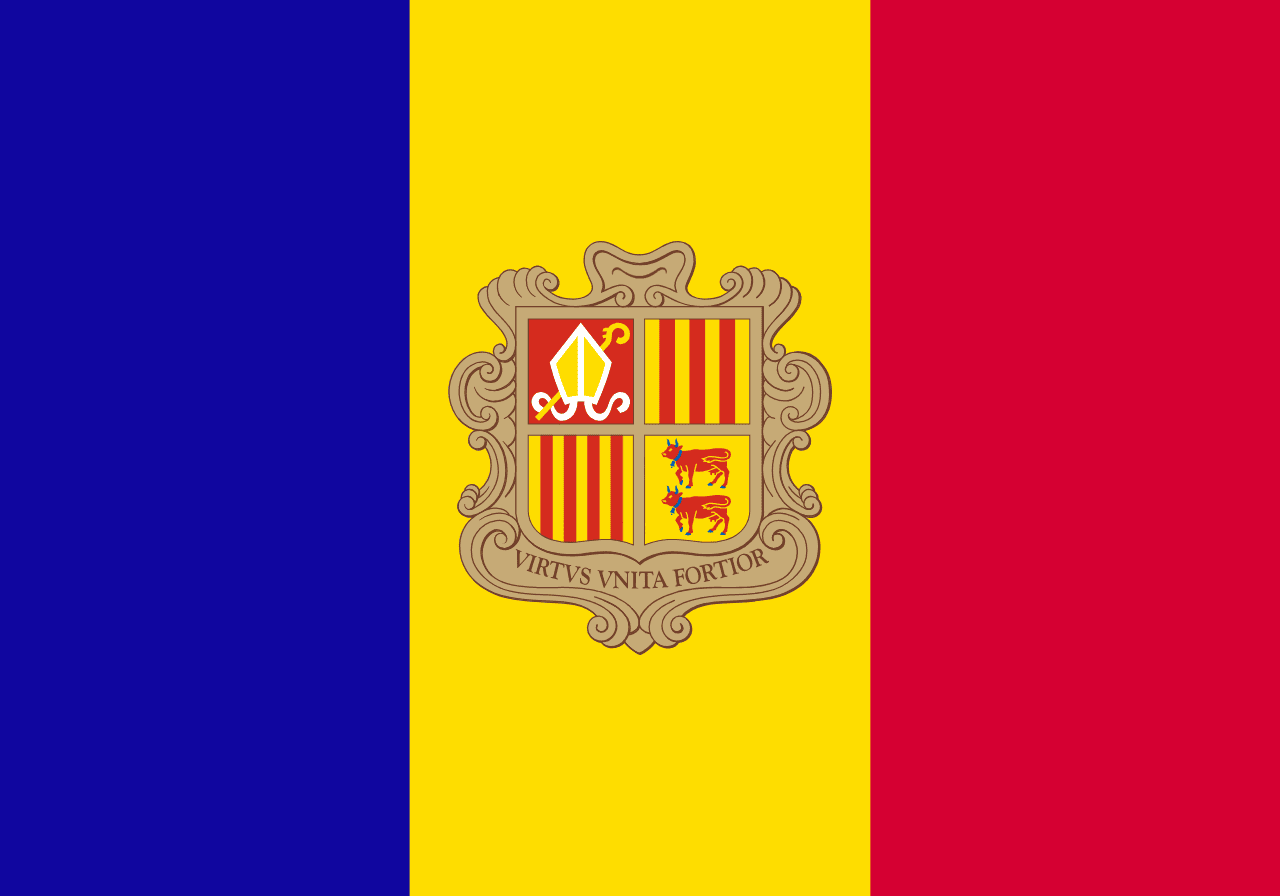
The Food of Andorra: 10 Dishes You Must Try
Nestled high in the Pyrenees, between France and Spain, Andorra is a tiny principality that boasts breathtaking landscapes and vibrant culture. While you might think of Andorra as a ski destination or a tax-free shopping haven, the culinary scene here is a delightful secret waiting to be uncovered. The country's food is a tapestry woven from its rustic mountain heritage, interlaced with Spanish and French influences. As I wandered through charming villages and alpine hamlets, I discovered that Andorran cuisine is not just about sustenance; it’s a celebration of the local ingredients, traditions, and a profound connection to the land. From hearty stews to sweet pastries, here are ten dishes that truly encapsulate the essence of Andorran gastronomy. One of the first dishes I encountered was **Trinxat**, a comforting mountain dish that immediately warmed my soul. Made from potatoes, cabbage, and pork, Trinxat is a hearty nod to Andorra’s agricultural roots. The ingredients are boiled, then pan-fried until crispy, creating a delightful contrast of textures. When I took my first bite, I was enveloped in a warm, savory embrace, the sweetness of the cabbage perfectly complemented by the richness of the pork. You’ll typically find Trinxat in cozy mountain restaurants, especially in the winter months when the cold makes such comfort food irresistible. There’s a charming story behind it too; this dish was traditionally made by farmers who would prepare it in large quantities for long days in the fields, a testament to its nourishing qualities. Next up is **Escudella i Carn d’Olla**, a dish that is often referred to as Andorra’s national dish. This one-pot meal is a hearty stew that varies from family to family, but it generally consists of a rich broth made from beef, pork, and a mix of seasonal vegetables. The result is a dish that is both filling and flavorful, with the broth infused with the essence of the meats and vegetables simmered to perfection. I savored a bowl at a local festival, where families gathered to share their versions of this communal dish. The experience was magical; the aroma wafting through the air was enough to draw everyone together, creating a sense of belonging and shared heritage. Each spoonful tasted like a warm embrace, a true reflection of Andorran hospitality. Another delightful find was **Canelons**, a dish that speaks to the fusion of cultures in Andorra. These are not your average cannelloni; they are often made with leftover meats from the Escudella, making them a perfect example of resourcefulness and creativity in Andorran kitchens. Stuffed with a rich filling and covered in béchamel sauce, they are baked until golden and bubbling, offering a creamy, indulgent experience. I discovered Canelons in a quaint little bistro in Andorra la Vella, where the owner proudly shared the story of his grandmother’s recipe, passed down through generations. Each bite was a delicious reminder of the importance of family traditions and the stories tied to our meals. For those with a sweet tooth, **Xurros** (or churros) are a must-try! These deep-fried pastries are crispy on the outside and soft on the inside, often enjoyed with a steaming cup of hot chocolate for dipping. I stumbled upon a bustling street stall during a winter market, where the scent of frying dough beckoned me closer. The first bite was heavenly; the churros were dusted with sugar, and the rich chocolate was the perfect companion, creating a delightful contrast of flavors. Traditionally, Xurros are enjoyed during festive occasions, and it’s not uncommon to see families gathering around the stall, indulging in this delicious treat while sharing stories and laughter. Then there’s **Sopa de Farigola**, a fragrant thyme soup that embodies the essence of Andorra’s natural bounty. Made with fresh herbs, vegetables, and sometimes a sprinkle of rice or pasta, this light yet flavorful dish is perfect after a day spent hiking the stunning mountain trails. I savored a bowl in a rustic mountain hut, surrounded by breathtaking views of the Pyrenees. The earthy flavors of thyme danced on my palate, a reminder of the wild herbs that grow in abundance here. Locals often prepare this dish as a comforting remedy during the colder months, showcasing the deep connection between food and wellness in Andorran culture. **Crostini de Formatge**, or cheese toast, is another delightful treat that I couldn’t resist. Andorra is home to a variety of artisanal cheeses, and this dish highlights that local treasure beautifully. Thick slabs of rustic bread are topped with melted cheese, often drizzled with honey or served with a side of sautéed mushrooms. The taste was sublime; the gooey cheese paired with the sweetness of the honey created a comforting harmony. I enjoyed my Crostini de Formatge in a charming café overlooking the mountains, where the melting cheese seemed to symbolize the warmth and generosity of Andorran life. This dish is often enjoyed as a snack or appetizer, showcasing the local cheese’s quality and flavor. Another dish that caught my attention was **Bacallà a la Llauna**, a traditional cod dish that reflects the historical ties between Andorra and the Mediterranean. The cod is salted and then baked with a mixture of tomatoes, garlic, and sometimes olives, resulting in a richly flavored dish that pays homage to the sea. I had the pleasure of trying it in a family-run restaurant in the heart of Andorra la Vella. The first bite transported me to sun-drenched Mediterranean shores, with the tender fish melting in my mouth. Andorrans often prepare Bacallà during festive occasions, symbolizing abundance and celebration. You can’t visit Andorra without trying its **Butifarra**, a flavorful sausage that embodies the region’s tradition of charcuterie. Typically made from pork and seasoned with garlic and spices, Butifarra is often grilled or served alongside white beans, making for a fulfilling meal. I discovered this dish at a local food festival, where vendors gathered to showcase their artisanal products. The smoky flavor of the sausage paired beautifully with the creamy beans, creating a comforting dish that felt like home. Butifarra is a staple in Andorran households, often served during family gatherings or celebrations, bringing people together around the dinner table. Finally, to satisfy my sweet cravings, I indulged in **Pastís de Formatge**, a local cheesecake that is both light and satisfying. Made with fresh cheese, eggs, and a hint of lemon, this dessert has a delicate texture that melts in your mouth. I had the pleasure of enjoying it in a small patisserie, where the owner shared tales of how her grandmother had perfected the recipe, making it a beloved family tradition. Each bite was a celebration of local ingredients, leaving me with a sweet memory of my time in Andorra. As I reflect on my culinary journey through Andorra, I can’t help but feel grateful for the vibrant food culture that thrives in this tiny nation. From bustling markets to cozy street stalls and charming family-run restaurants, the best food in Andorra can be found everywhere. The local markets brim with fresh produce, cured meats, and artisanal cheeses, inviting you to explore the flavors of the region. Street stalls often serve up quick bites like Xurros and Crostini, while restaurants boast a range of traditional dishes that showcase the heart and soul of Andorran cuisine. In conclusion, Andorra offers a unique culinary experience that is deeply tied to its cultural heritage and stunning natural surroundings. Each dish tells a story, connecting you to the land and the people who call it home. Whether you’re enjoying a hearty bowl of Escudella in a family-owned restaurant or indulging in the sweet bliss of Pastís de Formatge at a local café, you’re sure to leave with a full belly and a heart warmed by the flavors of Andorra. So, pack your bags and your appetite, and set off on a culinary adventure in this enchanting mountain paradise!
Read full article →The History of Andorra: From Ancient Times to Today
**The History of Andorra: From Ancient Times to Today** Nestled high in the eastern Pyrenees mountains, sandwiched between France and Spain, lies the tiny principality of Andorra. With an area of just 468 square kilometers, it may be one of the smallest nations in Europe, but its rich history is anything but insignificant. From the echoes of ancient tribes to the complexities of modern governance, Andorra's story is one of resilience, autonomy, and a unique blend of cultures. Join us as we traverse back through time to explore the fascinating history of this mountainous enclave. ### Ancient and Indigenous History The history of Andorra begins long before the first written records. Archaeological evidence suggests human habitation in the region dating back to the Neolithic period, around 3000 BCE. These early inhabitants left behind remnants of their existence, including tools and pottery, indicating a lifestyle that revolved around hunting, gathering, and rudimentary agriculture. The region's isolation and rugged terrain proved advantageous for the preservation of indigenous cultures. By the time the Romans arrived, Andorra was home to the Iberians, a group of tribes known for their agricultural practices and craftsmanship. The Romans, realizing the strategic importance of the Pyrenees as a trade route, incorporated Andorra into their empire around 200 BCE. They established settlements and roads, which would influence the development of the region for centuries to come. The Romans also brought with them the Latin language, laying the foundation for the Andorran language, Catalan. As the Roman Empire began to crumble in the 5th century, Andorra's fate took another turn. The region became a contested territory among various tribes, including the Visigoths, who ruled parts of the Iberian Peninsula. With the fall of the Roman Empire, local governance shifted, and the Andorran people found themselves under the influence of powerful neighbors. ### The Rise of the Countship In the 8th century, during the Muslim conquest of the Iberian Peninsula, Andorra became a refuge for Christians fleeing persecution. It was during this tumultuous time that the region solidified its identity as a Christian stronghold. In 805 CE, Charlemagne, the king of the Franks, is said to have granted the Andorrans a charter that recognized their autonomy in exchange for their loyalty. This early form of governance foreshadowed the unique political structure that would define Andorra for centuries. By the 9th century, Andorra was established as part of the County of Urgell, a Catalan territory. The Count of Urgell granted the Andorrans certain privileges, including the right to self-governance through a council known as the "Consell de la Terra." This council would play a significant role in Andorra's political evolution, giving voice to the local population and allowing them to participate in decision-making processes. A key turning point in Andorra's history occurred in 1095 when the Count of Urgell granted Andorra a charter known as the "Document of the Privileges." This document enshrined the rights and privileges of the Andorran people and established the framework for their governance. It also marked the beginning of Andorra's unique dual sovereignty, with both the Count of Urgell and the Bishop of Urgell claiming authority over the region. ### The Dual Principality As the centuries rolled on, Andorra's political structure evolved into what is known today as the "Co-principality." This unique governance model emerged in the 13th century when the Bishop of Urgell and the French king began to share power over Andorra. The first recorded co-prince was the Bishop of Urgell, while the French title was represented by the King of France. This dual system remains in place to this day, making Andorra a rarity in European governance. During the Middle Ages, Andorra enjoyed relative stability, despite the broader conflicts occurring in Europe, including the Hundred Years' War and the Wars of Religion. The Andorran people continued to govern themselves through their council, maintaining their customs and traditions. The famous Andorran "parlament" developed, where local representatives convened to discuss matters of state, thus laying the groundwork for the modern democratic practices seen today. The 16th century brought religious tensions to Andorra, as the Protestant Reformation swept across Europe. Andorra, being predominantly Catholic, stood against the tide of Protestantism, reinforcing its traditional values and sense of identity. The nation’s commitment to Catholicism would shape its culture, rituals, and festivals for generations to come. ### The Colonial Period and Modern Formation As Europe entered the Age of Enlightenment, Andorra began to modernize. The 19th century saw significant changes in the governance and economy of the principality. In 1812, the Andorran parliament passed a series of reforms and established a more structured legal system, which would be a precursor to future reforms. The 20th century brought further modernization to Andorra, particularly after the Spanish Civil War and World War II. As Europe rebuilt, Andorra transformed from an agrarian society into a tourist destination. The establishment of ski resorts in the 1950s and '60s capitalized on the region’s mountainous terrain, bringing an influx of visitors eager to experience its natural beauty. Around the same time, the principality began to assert its independence more vigorously, even as it maintained its historical ties with France and Spain. The 1993 Constitution marked a watershed moment in Andorran history, formally establishing itself as a parliamentary democracy and providing a legal framework for the nation’s governance. Andorra embraced principles such as freedom of speech, equality before the law, and human rights, aligning itself with modern democratic ideals. Key figures during this time included Joan Marti, who played a pivotal role in the drafting of the constitution, and numerous Andorran citizens who contributed to the democratic process. This movement towards modernity was not without challenges; the country faced economic shifts and questions about its place in the global economy. ### Andorra Today Today, Andorra is a thriving microstate, celebrated for its breathtaking landscapes and status as a tax haven. With a population of around 77,000, it boasts a unique blend of Catalan, French, and Spanish influences, reflected in its culture, architecture, and cuisine. The capital, Andorra la Vella, is a bustling hub of activity, known for its shopping, historical sites, and vibrant nightlife. One of the lesser-known facts about Andorra is its commitment to sustainability. As the world grapples with climate change, Andorra has positioned itself as a leader in environmental protection. The government promotes eco-tourism, sustainable farming practices, and renewable energy initiatives, ensuring that the beauty of its landscapes is preserved for future generations. Moreover, Andorra has continued to navigate the complexities of international relations. As a member of the United Nations since 1993, it has worked to bolster its global presence while maintaining its unique governance model. The principality has also engaged in negotiations with the European Union to establish trade agreements, reflecting its desire to remain relevant in a rapidly changing world. In recent years, Andorra has embraced technological advancements, with efforts to improve its digital infrastructure and attract tech companies to the region. The future looks bright for this small yet significant nation as it balances the preservation of its rich heritage with the demands of modernity. ### Conclusion The history of Andorra is a testament to the resilience and adaptability of a small nation that has weathered centuries of change. From its ancient roots to its dual principality, the evolution of Andorra is marked by a unique blend of cultural influences and a strong sense of identity. Today, as it stands at the crossroads of tradition and modernity, Andorra continues to inspire curiosity and admiration. Its story reminds us that even the smallest places can hold great significance in the tapestry of history. With its stunning landscapes, rich culture, and vibrant democracy, Andorra is not just a destination; it is a living testament to the enduring spirit of its people.
Read full article →Hidden Gems of Andorra: Places Most Tourists Miss
When most people think of Andorra, the tiny principality nestled in the Pyrenees mountains between France and Spain, they often visualize a picturesque ski resort or a bustling shopping hub. Indeed, the capital, Andorra la Vella, draws in tourists with its duty-free stores and access to ski slopes. Yet, beyond these well-trodden paths lies a treasure trove of hidden gems that reveal the heart and soul of this enchanting landscape. For those willing to venture just a little farther, there are stunning natural wonders, quaint villages, and authentic experiences waiting to be uncovered. Here’s a guide to some of Andorra's lesser-known places, each inviting you to explore the rich tapestry of culture and beauty that most visitors miss. First on our journey is the charming village of Ordino. Nestled in a picturesque valley, Ordino is often overlooked in favor of larger towns. However, this village is a showcase of traditional Andorran architecture with its stone houses adorned with wooden balconies. The highlight of Ordino is the Casa d'Areny-Plandolit, a museum housed in a 17th-century mansion that tells the story of Andorra’s history and its aristocracy. To get there, simply take the bus from Andorra la Vella, or if you prefer a scenic drive, the winding mountain roads offer stunning views along the way. The village is also surrounded by hiking trails, such as the beautiful La Cortinada path, where you can immerse yourself in nature while enjoying breathtaking views of the lush landscape. Next, let’s head to the lesser-known village of Arinsal. While its ski slopes draw crowds in winter, the summer months showcase its true splendor. Here, you can explore stunning trails that lead to the Vall de Pal, a valley filled with wildflowers and crystal-clear streams. Arinsal is not just about breathtaking scenery; it also hosts the annual Festa de Sant Antoni in June, a vibrant celebration featuring traditional music, dance, and local delicacies. To reach Arinsal, take the local bus or drive from Andorra la Vella; the trip takes about 30 minutes, making it an easy escape into the mountains. A short drive further leads us to La Massana, a quaint parish known for its artistic flair. It’s home to the Museu de l'Electricitat, which offers a fascinating glimpse into Andorra’s innovative energy history through interactive exhibits. Moreover, La Massana provides access to the epic Coma Pedrosa, Andorra's highest peak, where hikers can challenge themselves with a day trek that rewards you with awe-inspiring views of the surrounding mountains. To get there, take the bus from Andorra la Vella to La Massana, and begin your adventure into the heart of the Pyrenees. For those seeking a more tranquil experience, the small village of Canillo is a hidden gem that often flies under the radar. This idyllic location is perfect for exploring Andorra’s spiritual side, as it is home to the grand Sant Joan de Caselles Church, an 11th-century Romanesque treasure. Nearby, the stunning views from the Mirador del Roc del Quer will leave you speechless, offering a panoramic vista of the surrounding valleys. You can access Canillo by taking the bus from the capital, and the journey is well worth it for the serenity this village provides. If you're in search of breathtaking natural beauty, don’t miss the stunning Estany de les Fonts. Tucked away in the La Massana valley, this serene lake is a perfect spot for a peaceful picnic or a leisurely afternoon of fishing. The area is teeming with wildlife, making it a great destination for bird watchers and nature lovers alike. The lake is accessible via a walking trail that starts from the nearby parking area, making it an easy hike for families and casual explorers. The tranquil atmosphere and stunning surroundings provide a welcome retreat from the tourist crowds. For a taste of Andorra's rich cultural heritage, visit the village of Encamp, where you can immerse yourself in local traditions. Here, you can experience the annual Festa del Poble, a local festival that showcases traditional Andorran music, dance, and cuisine. Explore the village's fascinating history at the Museu Nacional de l'Automòbil, which features an impressive collection of vintage cars, offering a unique perspective on Andorra's development. Encamp is easily reachable via bus from Andorra la Vella, and the journey only takes about 15 minutes, making it a convenient option for an afternoon escape. Another delightful stop on your journey is the beautiful village of Les Escaldes. While it may be close to the capital, it often gets overshadowed by its more famous neighbor. This charming spot is known for its hot springs, which have been cherished for centuries. Take a dip in the Caldea Spa, Europe’s largest thermal spa, where you can relax and rejuvenate in the soothing waters. The scenic surroundings make it a perfect place to unwind after a day of exploration. To reach Les Escaldes, simply walk from Andorra la Vella, and enjoy the scenic views along the way. For those seeking adventure, the Vallnord Bike Park in La Massana is a must-visit. This biking paradise features a variety of trails ranging from beginner to expert levels, providing an adrenaline-filled experience for cycling enthusiasts. The park is open during the summer months, and you can rent bikes on-site if you didn’t bring your own. The scenic trails offer breathtaking views of the mountains, making every pedal worth the effort. To access Vallnord, take a bus from Andorra la Vella to La Massana, and let the adventure begin! Last but certainly not least is the hidden gem of the Tristaina Lakes, a stunning series of glacial lakes located near the border with France. The hike to reach the lakes is moderately challenging but incredibly rewarding, as you’ll be greeted by the stunning alpine scenery and the shimmering turquoise waters. Each lake offers a unique view and is surrounded by rugged peaks, making it perfect for photography enthusiasts. To get there, take a bus to Ordino and then follow the trailhead from the parking area; the hike usually takes about an hour, depending on your pace. As you plan your adventure through Andorra, here are some practical tips to enhance your experience: 1. **Transportation:** While Andorra has a limited public transport system, buses connect major towns and villages, making it relatively easy to navigate. Renting a car can also be a great option if you want the flexibility to explore at your own pace. 2. **Timing Your Visit:** To avoid crowds, consider visiting during the shoulder seasons of late spring or early autumn. The weather is still pleasant, and you’ll have the chance to enjoy many of the hidden gems without the throngs of tourists. 3. **Local Cuisine:** Don’t miss the chance to try traditional Andorran dishes, such as trinxat (a hearty potato and cabbage dish) and esbotz (a hearty stew). Visit local markets or family-run restaurants for an authentic taste of the region. 4. **Cultural Etiquette:** Andorrans are friendly and welcoming, but it’s always appreciated if you greet them in Catalan, the official language. A simple "Bon dia" (Good day) can go a long way. 5. **Respect Nature:** As you explore Andorra’s stunning natural landscapes, remember to follow Leave No Trace principles. Stay on marked trails, pack out your trash, and respect wildlife. In conclusion, while Andorra may be small, its hidden gems are vast and varied. From charming villages and breathtaking natural sites to vibrant local festivals, the principality offers an array of experiences waiting to be discovered. So, step off the beaten path and allow the magic of Andorra to unfold before you—one hidden gem at a time.
Read full article →What It's Really Like to Live in Andorra
Nestled in the eastern Pyrenees mountains between France and Spain, Andorra is often seen as a hidden gem, a tiny principality that offers an extraordinary blend of natural beauty, vibrant culture, and a unique lifestyle. Having lived in this charming country for several years now, I have had the privilege to immerse myself in its daily rhythms, traditions, and quirks. Let me take you through what everyday life is truly like in Andorra, painting a picture that, I hope, captures its essence. Living in Andorra presents a lifestyle steeped in a mild pace, characterized by stunning landscapes and a deep sense of community. With a population of about 77,000 people, most of whom are friendly and welcoming, life here feels intimate. The pace of life is relaxed, and daily routines often revolve around the natural surroundings—whether it’s skiing in the winter or hiking and mountain biking in the summer. The cost of living in Andorra is surprisingly affordable compared to other European countries, particularly its neighbors. Rent for a cozy one-bedroom apartment in the capital, Andorra la Vella, can range from €600 to €900 per month, depending on the location and amenities. Groceries are relatively inexpensive, with local markets offering fresh produce at reasonable prices. For instance, a loaf of bread costs around €1.20, while a liter of milk is about €1.20. Dining out is also a treat; a meal at a mid-range restaurant might set you back around €15 to €25, allowing for a delightful evening without breaking the bank. Food culture in Andorra is a delightful fusion of Spanish and French influences, with a local twist. Traditional dishes like “trinxat” (potato and cabbage hash), “escaldums” (chicken stew), and “canelons” (stuffed pasta) are staples in many households. The Andorran culinary scene is also vibrant, with a growing number of restaurants serving international fare, from Italian to Asian cuisine. I fondly recall my first taste of “canelons” during a family gathering, the dish being a beloved tradition, especially after the winter holidays when families often have leftovers to repurpose. Andorrans take great pride in their local cuisine, and social customs often revolve around food. It’s common to gather with friends or family for leisurely meals that can last for hours. The phrase “Menjar bé, viure bé” translates to “Eat well, live well,” and it perfectly encapsulates the Andorran philosophy toward dining. Weekends often feature barbecues or picnics in the mountains, where locals set up grills and share food with laughter echoing through the valleys. Family life in Andorra is tightly knit. Many families have lived in the area for generations, and there’s a strong emphasis on maintaining close relationships. It’s not uncommon for families to gather every Sunday for a big meal, reinforcing bonds and traditions. Children are typically raised in a close-knit environment, with parents actively involved in their education and extracurricular activities. Local schools are well-regarded, and with a bilingual education system in place featuring Catalan, Spanish, and French, children grow up with a rich linguistic foundation. The work culture in Andorra is strikingly different from many other countries. The workweek generally runs from Monday to Friday, with many businesses closing for a few hours in the afternoon for “siesta,” particularly in smaller towns. This midday break offers a chance for employees to relax and recharge. Andorrans value a healthy work-life balance, and while the economy is heavily reliant on tourism and retail, there’s a growing emphasis on remote work and entrepreneurship. The flexibility of working hours allows many locals to enjoy the outdoors—whether it’s skiing in winter or hiking in summer—during the week when the slopes and trails are less crowded. Weekends in Andorra are an overall joyous occasion. With stunning landscapes as a backdrop, many locals take advantage of the great outdoors. In winter, skiing is the go-to activity, and popular resorts such as Grandvalira and Vallnord attract families and friends alike. You can often find groups of friends enjoying the slopes, with a break for hot chocolate and “coca” (a local pastry) at cozy mountain huts. As the snow melts away, weekends shift towards hiking, cycling, or simply enjoying picnics in the many parks dotting the landscape. The hiking trails range from gentle walks to challenging ascents, with breathtaking views at every turn. Andorra’s weather plays a major role in shaping daily life. The mountainous climate means that winters are often cold and snowy, while summers are pleasantly mild. As someone who has experienced both extremes, I can attest to the beauty of Andorra in all seasons. Snowy days invite a sense of coziness, often spent indoors with friends or family, exchanging stories over steaming mugs of local hot chocolate. In contrast, the summer months see locals flocking outdoors to bask in the sun, enjoying the lush greenery and clear skies. However, life in Andorra is not without its challenges. The small size of the country can sometimes feel limiting, especially for those used to the vibrancy of larger cities. While Andorra la Vella offers a selection of shops, restaurants, and cultural events, the options can feel sparse compared to bigger urban centers. Additionally, while the country is famous for its tax benefits, the job market can be competitive, particularly in specialized fields. Foreigners may find it challenging to integrate into the job market, especially if they don’t speak Catalan, which is the official language. Despite these challenges, the positives of living in Andorra shine brightly. The sense of community here is palpable; neighbors know one another, and there’s a collective spirit of helping each other out. Additionally, the natural beauty surrounding the country makes for a stunning backdrop to everyday life. From spontaneous hikes to family gatherings in the mountains, there’s always a way to embrace the outdoors. For many foreigners, the biggest surprise is the level of respect for tradition and culture. Andorra has a rich history, and its residents take pride in their heritage, which is evident during local festivals such as the “Festa de la Mare de Déu de Meritxell” in September, which celebrates Andorra’s patron saint. These events bring the community together and offer a glimpse into the deep-rooted customs that define Andorran life. Furthermore, the strong sense of safety and security is often a revelation for newcomers. Andorra consistently ranks among the safest countries in the world, allowing residents to feel at ease while going about their daily lives. The low crime rate fosters a sense of freedom that many find refreshing. In conclusion, living in Andorra is an experience marked by its rich culture, breathtaking landscapes, and a warm sense of community. The daily life here, while simple, is deeply fulfilling, filled with laughter, good food, and outdoor adventures. The challenges are outweighed by the positives—a slower pace that encourages connection with nature and one another. As a resident of this stunning principality, I can confidently say that life in Andorra is a unique adventure, one that invites you to embrace both the beauty of your surroundings and the warmth of its people.
Read full article →Why Visit Andorra
Andorra is one of Europe's smallest and most unusual nations — a tiny principality of just 468 square kilometres tucked high in the Pyrenees between France and Spain. Despite its miniature size, Andorra packs in dramatic mountain scenery, world-class skiing, some of the best hiking in the Pyrenees, and a unique political status as a co-principality governed jointly by the Bishop of Urgell and the President of France, a medieval arrangement that has survived unchanged for over 700 years. The landscape is almost entirely mountainous, with peaks rising above 2,900 metres and deep forested valleys cutting between them. Andorra la Vella, the capital and highest capital city in Europe at 1,023 metres, sits at the confluence of two mountain rivers. The setting is genuinely spectacular — the city is surrounded on all sides by steep slopes that turn green in summer and white in winter. Skiing is the primary reason most visitors arrive. Grandvalira is the largest ski area in the Pyrenees, offering over 200 kilometres of marked runs suited to all levels, with reliable snow from December through March. Vallnord, the second major resort, is known for excellent off-piste terrain and a lively atmosphere. The combination of quality skiing, tax-free shopping, and lower prices than French or Swiss resorts makes Andorra a genuinely compelling winter destination. In summer the mountains transform. Hundreds of kilometres of marked hiking trails connect lakes, mountain passes, and stone-built villages. The Coma Pedrosa, Andorra's highest peak at 2,942 metres, is a popular one-day ascent with superb panoramic views. The network of Romanesque churches scattered through the valleys — built between the ninth and twelfth centuries — makes a walking tour of the country's heritage both beautiful and historically rich. Andorra's tax-free status has made it a serious shopping destination, particularly for electronics, alcohol, tobacco, and perfume. The main commercial strip in Andorra la Vella buzzes with activity year-round. Dining here blends Catalan and French traditions — escudella stew, trinxat potato-and-cabbage cake, and locally cured meats are staples of the mountain table, often accompanied by excellent wines from nearby Spanish and French appellations. December through March suits skiers, while June through September is ideal for hiking. Whatever the season, Andorra's combination of mountain grandeur, relaxed atmosphere, and genuine European character makes it a destination that consistently surprises those who dismiss it simply as a tax haven.
Read full article →Andorra: The Tiny Country That Survived By Being Useful to Everyone
Andorra is 468 square kilometres nestled in the Pyrenees between France and Spain — one of the smallest countries in the world, and one of the most successful at turning its geographic position into a functional state. For over seven hundred years it has been a co-principality jointly governed by the Bishop of Urgell and the French head of state. This unusual arrangement means Andorra has never been absorbed by either of its much larger neighbours. The country survived the medieval period as a neutral buffer zone. It survived the modern era by becoming a tax haven and ski destination. Andorra has no income tax, no inheritance tax, and very low sales tax — making Andorra la Vella essentially a long avenue of electronics shops, perfumeries, and duty-free wine that attracts millions of shoppers annually. What visitors who look beyond the commerce discover is genuinely beautiful. Andorra's mountains host terrain used by elite athletes for high-altitude training. Its medieval stone churches are among the best-preserved Romanesque architecture in Europe. The Andorrans themselves are a people of Catalan heritage with a quiet, confident national identity. They are neither Spanish nor French. They have been successfully Andorran since 1278.
Read full article →