No messages yet — be the first to share something about Nepal!
Sign in to join the chat
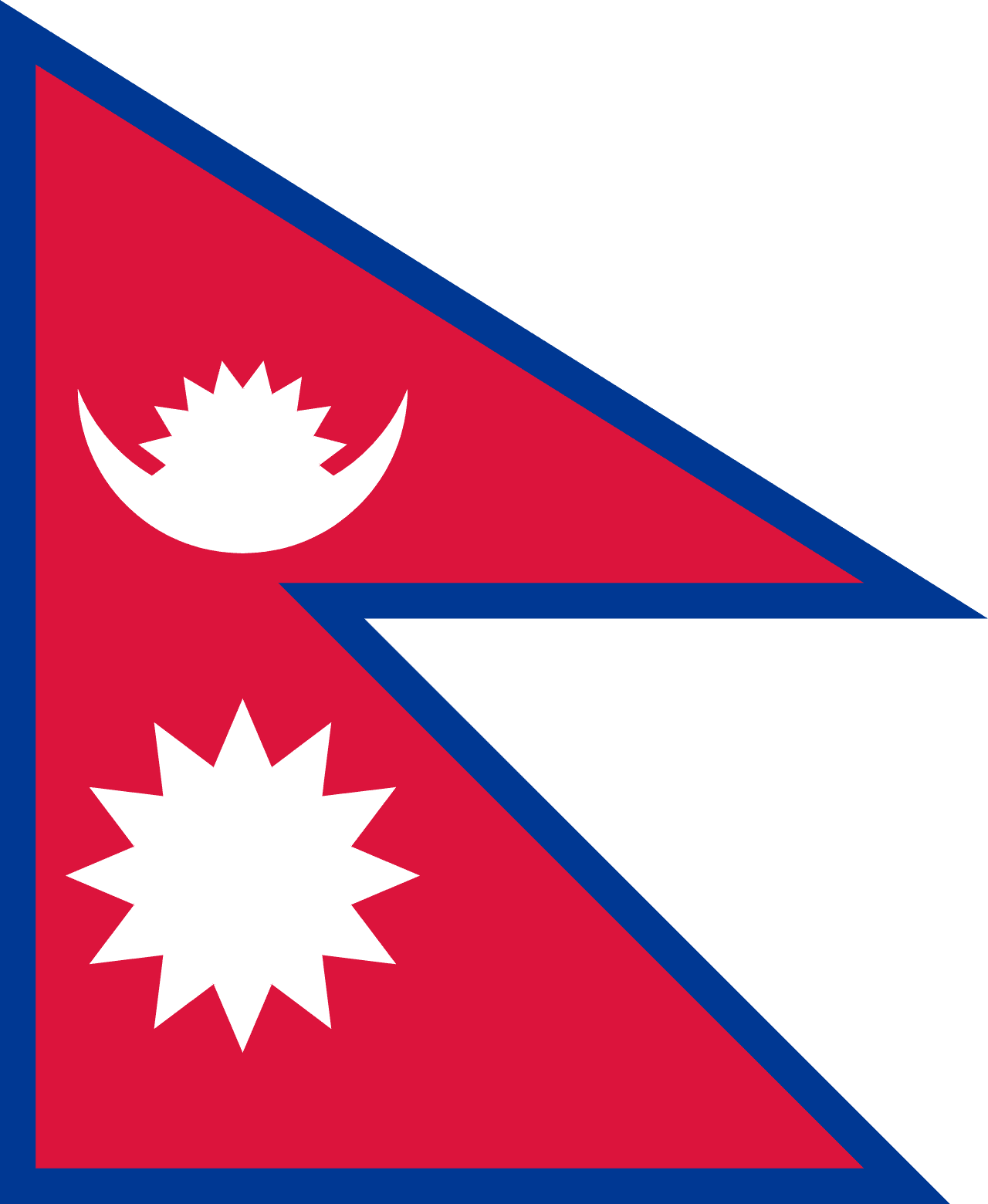
The Food of Nepal: 10 Dishes You Must Try
Nestled between the majestic Himalayas and the bustling cities of South Asia, Nepal is a country that captivates the senses with its breathtaking landscapes and rich cultural tapestry. While the snow-capped peaks of the Annapurna and Everest draw adventurers from around the globe, it’s the country’s vibrant cuisine that offers a journey of its own. The flavors of Nepal are as diverse as its regions – a delightful blend of spices, fresh ingredients, and traditional cooking methods that tell the story of a land shaped by its ethnic diversity and geographical wealth. From the bustling streets of Kathmandu to the serene villages of the countryside, the food you encounter in Nepal is an exploration of history, community, and the simple joys of sharing a meal. As I wandered through the narrow alleys of Thamel in Kathmandu, the air was thick with the tantalizing aromas of spices, lentils, and sizzling meats. The vendors cried out their offerings, while locals and tourists alike gathered around steaming plates of food. Each dish seemed to have a unique story, a narrative woven through time and culture. Here are ten traditional dishes that encapsulate the essence of Nepali cuisine, each one a must-try for anyone looking to immerse themselves in the culinary heart of this remarkable country. First on my list is Dal Bhat, a staple that forms the foundation of Nepali meals. Known locally as "Dal Bhat Tarkari," this dish consists of steamed rice (bhat) served with lentil soup (dal) and a variety of vegetable curries (tarkari). The delightful combination is often accompanied by pickles (achar) and sometimes even meat. The taste is a comforting medley of earthy lentils and vibrant vegetables, with the spicy pickles adding a delightful kick. You’ll find this dish served in households across Nepal, but it's especially popular in the Terai region. Eating dal bhat is more than just a meal; it’s a daily ritual that emphasizes the importance of sharing and family, often enjoyed with loved ones gathered around the table. Next up is Momo, a dish that has quickly become a culinary symbol of Nepal. These delightful dumplings are typically filled with minced meat (often chicken or buffalo) or vegetables, seasoned with a mix of spices and herbs, and then steamed or fried. The first bite reveals a soft, pillowy exterior that gives way to a savory filling, often accompanied by a tangy dipping sauce called achar. Momo stalls are ubiquitous in cities like Pokhara and Kathmandu, where you can enjoy them fresh and hot, especially after a long day of trekking. The origins of momo can be traced back to Tibetan cuisine, but over the years, they have evolved into a uniquely Nepali dish, embodying the spirit of fusion and adaptation that characterizes the country’s food culture. The next dish that beckons your taste buds is Gorkhali Lamb, or "Gorkhali Khasi," a hearty and flavorful preparation that hails from the hilly regions of Nepal. Lamb or goat meat is marinated with spices such as cumin, coriander, and turmeric, then slow-cooked until tender. The result is a rich, aromatic dish that bursts with flavor, showcasing the robust culinary traditions of the Gurkha people. The warmth of the spices is balanced by the tender meat, making it a comforting option for anyone looking to experience authentic Nepali fare. You can often find Gorkhali Khasi in traditional eateries or at family gatherings, where it is served with rice or roti. The dish is a celebration of camaraderie, often prepared during festive occasions and special celebrations, bringing people together over a shared love for good food. Next, let's savor the taste of Sel Roti, a traditional Nepali rice-based doughnut. This crispy, sweet treat is made from rice flour mixed with sugar, milk, and a touch of spices, then deep-fried until golden brown. The outside is crunchy, while the inside remains soft and slightly chewy, offering a delightful contrast in textures. Sel Roti is particularly popular during festivals like Dashain and Tihar, where it is often prepared in large batches and shared among family and friends. You can find this beloved snack at street stalls across the country, especially during festive seasons, where it is enjoyed alongside a cup of hot tea. The process of making Sel Roti itself is a time-honored tradition, requiring skill and patience, making every bite a symbol of love and celebration. If you have a penchant for spicy food, then you must try Sukuti, or "Sukuti Sadeko." This dish features dried, spiced meat, typically buffalo, that is marinated with a blend of spices and then air-dried. The dried meat is rehydrated and stir-fried with onions, tomatoes, and a variety of spices, resulting in a dish that's both chewy and bursting with flavor. The rich, smoky notes combined with the heat of chilies create a taste sensation that is impossible to resist. Sukuti is often enjoyed as a snack with beer or raksi (a traditional liquor) during gatherings and celebrations. It’s a dish that encapsulates the spirit of hospitality in Nepali culture, where sharing food is a way of connecting with others. Another dish that deserves a place on this list is Dhido, a traditional alternative to rice and bread. Made from buckwheat or millet flour, dhido is cooked with water, resulting in a dense, sticky consistency. It’s usually served with a side of vegetables and lentil soup, resembling the versatility of its more popular counterparts. The taste is subtle yet satisfying, with a nutty flavor that pairs beautifully with spicy curries. Dhido is often consumed in rural communities, where it is considered a wholesome meal that sustains hardworking individuals. The preparation of dhido is a communal activity, often involving family members who come together to make this beloved dish, fostering a sense of unity and togetherness. Next, we have a dish that embodies the essence of celebration: Newari Khaja Set. This traditional platter comes from the Newar community, known for their exquisite culinary skills. A typical Khaja Set includes various items like Bara (fried lentil patties), Yomari (sweet dumplings filled with coconut and jaggery), and various types of pickles and salads. Each component of the platter offers a unique taste, from savory to sweet, creating a harmonious balance on the palate. You can find the Newari Khaja Set in the streets of Bhaktapur and Lalitpur, especially during festivals and community gatherings. The dish represents the rich cultural heritage of the Newars, who take immense pride in their culinary traditions, making it a must-try for anyone looking to explore the depth of Nepali cuisine. If you’re in search of something sweet, don’t miss out on Kheer, a delightful rice pudding made with rice, milk, sugar, and flavored with cardamom and nuts. This creamy dessert is often garnished with raisins and almonds, creating a delightful contrast between the rich texture of the pudding and the crunch of the nuts. Kheer is traditionally prepared during festivals and special occasions, symbolizing prosperity and abundance. You can find it served in homes during celebrations or at local restaurants that offer traditional Nepali desserts. With each spoonful, you can taste the love and care that goes into making this beloved dish, a sweet ending to any meal. Finally, no culinary journey in Nepal would be complete without indulging in the iconic Yomari. These delightful steamed dumplings are made from rice flour and filled with sweetened coconut and jaggery, often shaped into a beautiful, intricate form resembling a fish or a shell. The soft, chewy exterior gives way to a luscious filling that dances on the palate with its sweetness. Yomari is typically made during the festival of Yomari Punhi, celebrated by the Newar community, where it is offered to deities and enjoyed by families. You can find yomari at local sweet shops or during festivals, where they are often freshly made and served warm. Each bite is a celebration of culture and tradition, embodying the joyous spirit of the festivities. After exploring these incredible dishes, I can confidently say that the best food in Nepal can be found in its bustling markets, street stalls, and local restaurants. Thamel’s narrow lanes are a treasure trove of culinary delights, offering everything from steaming plates of momo to freshly made Sel Roti. For a more authentic experience, venture into family-run eateries and local joints where recipes have been passed down through generations. Don't shy away from striking up a conversation with the locals, as they often have the best recommendations and stories to share about the food that defines their culture. Whether you're savoring a comforting bowl of dal bhat or indulging in the sweetness of yomari, every meal in Nepal is a feast for the senses, a reminder of the country's vibrant heritage, and a celebration of the bonds that food creates. So come, journey into the heart of Nepali cuisine, and let each dish tell you a story of its own.
Read full article →The History of Nepal: From Ancient Times to Today
# The History of Nepal: From Ancient Times to Today Nestled in the lap of the Himalayas, Nepal is a country defined by its majestic mountains, rich culture, and tumultuous history. With a tapestry woven from the threads of diverse ethnic groups and cultures, Nepal’s saga is one of resilience and transformation. To fully appreciate this captivating land, we must journey through its ancient roots, majestic empires, colonial encounters, and modern-day evolution. ## Ancient Beginnings The story of Nepal begins in the mists of prehistory, where the earliest known inhabitants were likely nomadic tribes that roamed the lush valleys and towering hills. Evidence of this ancient life can be traced back to the Stone Age, with archaeological sites such as those found in the Kathmandu Valley hinting at a rich tapestry of human activity. The earliest communities were primarily agrarian, cultivating fertile lands along the banks of rivers like the Bagmati and the Gandaki. As time flowed like the rivers themselves, these tribes began to coalesce into more structured societies. By the 5th century BCE, the region was touched by the philosophical waves of Buddhism and Hinduism, both of which would leave an indelible mark on its cultural and spiritual landscape. Siddhartha Gautama, known as the Buddha, was born in Lumbini, Nepal, around 563 BCE, marking the nation as a significant birthplace of one of the world’s major religions. Lumbini, now a UNESCO World Heritage Site, draws pilgrims and tourists alike, eager to walk the same grounds as a figure who would change the course of human thought. ## The Rise of Ancient Kingdoms As centuries turned, the small tribal communities evolved into powerful kingdoms. By the 3rd century CE, the Licchavi dynasty emerged, marking the Golden Age of Nepal. This dynasty not only fostered artistic development but also engaged in trade across the Indian subcontinent, establishing Kathmandu as a trading hub. The Licchavis are credited with building some of the earliest temples and monuments that still resonate with the spirit of Nepal today. They left behind a legacy visible in the intricate stone carvings and architectural marvels that adorn the valley. The Licchavi reign was followed by the Malla kings during the medieval period, who further enriched the cultural tapestry of Nepal. The Malla era, spanning from the 12th to the 18th centuries, is often referred to as a renaissance of art and culture. The Malla kings were great patrons of art and architecture, constructing stunning temples, palaces, and plazas. The Kathmandu Valley became a crucible of creativity, with its streets bustling with artists, poets, and scholars. The remarkable Durbar Squares of Kathmandu, Bhaktapur, and Patan today stand as testaments to this epoch, with their ornate carvings and intricate woodwork. ## The Unification of Nepal As these vibrant kingdoms thrived, they were also marked by conflicts. The power struggles between the Malla kings led to a fractured landscape, a situation ripe for consolidation. Enter Prithvi Narayan Shah, the founder of modern Nepal. Born in the mid-18th century, he was a visionary leader who dreamed of uniting the small principalities into a single nation. His military campaigns were bold and strategic, leading to the eventual conquest of Kathmandu in 1768, and his vision culminated in the formation of the Kingdom of Nepal. Prithvi Narayan Shah’s unification efforts were not merely military; they were also cultural. He emphasized the importance of a unified identity, bridging the diverse ethnic and cultural groups within the newly formed nation. His proclamation, “A single nation, a single identity,” became a guiding principle, one that would echo throughout Nepal’s history. Upon his death in 1775, his legacy continued through his descendants, who would navigate both internal strife and external threats. ## The Colonial Encounter The 19th century brought significant challenges to Nepal. As the British Empire expanded its influence across the Indian subcontinent, Nepal found itself caught in the crosshairs. Misunderstandings escalated into the Anglo-Nepalese War (1814-1816), which ultimately resulted in the Treaty of Sugauli. This treaty saw Nepal cede significant territories to the British, including parts of Sikkim and Kumaon, while establishing a precarious relationship with the British Raj. Despite these losses, the British recognized Nepal’s strategic significance, enabling the country to retain a degree of autonomy compared to its neighbors. The British also utilized Nepali soldiers in their armies, particularly the Gurkhas, renowned for their bravery and loyalty. This relationship would influence Nepal’s political landscape for years to come, as the Gurkhas became a source of national pride and identity. ## The Road to Democracy Fast forward to the mid-20th century, the winds of change began to stir in Nepal. The Rana regime, which had taken control in the late 19th century, was marked by autocratic rule. The Ranas ruled like feudal lords, with the king reduced to a mere puppet. However, the desire for democracy simmered beneath the surface, fueled by the educated elite and civil society, leading to the political movements of 1951 that ultimately culminated in the overthrow of the Rana dynasty. The end of the Rana rule marked a pivotal moment for Nepal, ushering in a new era governed by a constitutional monarchy. Tribhuvan Bir Bikram Shah Dev returned from exile, symbolizing hope and a newfound sense of national identity. However, political instability soon followed, with power struggles leading to a series of governmental changes, often accompanied by civil unrest. The decade of the 1990s became a turning point for democracy in Nepal. Amidst widespread protests, the people demanded a return to multiparty democracy, leading to the 1990 People's Movement (Jana Andolan), which resulted in the reinstatement of democracy and the promulgation of a new constitution. Yet, this period of hope was short-lived, as the nation soon plunged into a decade-long civil war between Maoist insurgents and government forces. ## The Civil War and its Aftermath The Maoist insurgency, which began in 1996, was fueled by grievances over poverty, inequality, and political exclusion. The conflict claimed over 17,000 lives and left the nation deeply scarred. The impact of the war reshaped society, introducing new political dynamics and giving voice to marginalized groups. In 2006, a comprehensive peace agreement was brokered, marking the end of the conflict and promising a transitional path towards democracy. The peace agreement paved the way for significant constitutional changes. In 2008, Nepal declared itself a federal democratic republic, officially ending over two centuries of monarchy. This transition was fraught with challenges as political factions vied for power in the new republic. The promulgation of the new constitution in 2015, which aimed to enshrine rights for various ethnic groups, marked another milestone, although it was met with criticism from some communities who felt marginalized. ## A Nation Resilient in Adversity Nepal's contemporary narrative has been shaped by resilience in the face of adversity. The devastating earthquake of April 2015 shook the nation, causing widespread destruction and loss of life. Yet, in the aftermath, the Nepali spirit shone through as communities banded together to rebuild. International aid poured in, and the Nepalese people demonstrated remarkable tenacity, showcasing their capacity for resilience. Today, Nepal is an intricate amalgamation of ancient traditions and modern aspirations. The bustling streets of Kathmandu echo with a blend of history, spirituality, and innovation. The tourism sector, while significantly impacted by the pandemic, has seen a resurgence as travelers flock to experience the breathtaking landscapes and rich cultural heritage. The legacy of the Gurkhas continues to shape Nepal's place in the world, with the brave soldiers serving in international forces and gaining recognition for their valor. Yet, challenges remain. Political instability continues to pose hurdles to development, while issues of poverty and inequality still linger. The government grapples with the need for inclusive policies that can heal the scars of the past and build a cohesive future. Climate change also looms large, threatening the glacial landscapes and delicate ecosystems that form the backbone of Nepal’s natural beauty. ## Conclusion As we traverse the rich history of Nepal, we see a land that has weathered storms, both natural and man-made. From ancient kingdoms to the struggles for democracy, Nepal’s journey is one of strength, adaptability, and an unwavering spirit. This small yet resilient nation, cradled by the Himalayas, continues to forge its path, drawing on the wisdom of its past to shape a brighter future. As we look ahead, we are reminded that Nepal is not just a geographical entity, but a living testament to the enduring human spirit that thrives against all odds. The mountains may stand tall, but it is the heart of its people that truly defines Nepal.
Read full article →Hidden Gems of Nepal: Places Most Tourists Miss
Nestled between the majestic peaks of the Himalayas and the vibrant cultures of South Asia, Nepal is often seen through a narrow lens of famous landmarks like Mount Everest, the bustling streets of Thamel in Kathmandu, and the serene lakes of Pokhara. While these iconic spots certainly have their charms, they barely scratch the surface of what this enchanting country has to offer. The hidden gems of Nepal — the lesser-known villages, breathtaking landscapes, and authentic cultural experiences — are often overlooked by the average tourist. These are the places where you can truly connect with the heart of Nepal and its warm, hospitable people. So, let’s embark on a journey to explore some of these off-the-beaten-path treasures. One of the first hidden gems that deserves a mention is the enchanting village of Ghandruk. Located in the Annapurna region, Ghandruk is a picturesque Gurung village that offers stunning views of the Annapurna mountain range. Unlike the more crowded trekking routes, Ghandruk is a serene escape, where you can wander the narrow, stone-paved streets lined with traditional wooden houses adorned with vibrant flowers. The village is a cultural hub, showcasing the rich heritage of the Gurung people through their delicious cuisine and traditional handicrafts. To reach Ghandruk, you can take a scenic drive from Pokhara to Nayapul, followed by a short trek of about 2-3 hours. The trek is adorned with lush terraced fields and blooming rhododendron forests, making every step a visual delight. Next on the list is the remote village of Bandipur, which offers a unique blend of natural beauty and rich history. Nestled between the hills of Tanahun District, Bandipur was once an important trading post along the ancient trade routes. Today, it retains its charm with preserved Newari architecture and cobblestone streets. The village is set against a backdrop of stunning Himalayan views, and the local cuisine is as inviting as the scenery. Bandipur is also home to the stunning Siddha Cave, one of the largest caves in Nepal, which is just a short hike from the village. To get there, you can take a bus from Pokhara or Kathmandu to Dumre, followed by a short drive to Bandipur. The peaceful ambiance and gorgeous vistas make this an ideal spot for those seeking tranquility away from the tourist crowds. If you're yearning for a taste of the wild, head to the serene region of Rara Lake in the remote Mugu District. This hidden gem stands as Nepal’s largest lake, surrounded by snow-capped peaks and lush forests. The brilliant blue waters of Rara Lake create a breathtaking landscape that feels straight out of a fairytale. The area is a haven for nature lovers, offering opportunities for hiking, bird watching, and exploring the pristine wilderness. The journey to Rara Lake can be a bit challenging, requiring a flight from Kathmandu to Nepalgunj, followed by another flight to Mugu. Alternatively, adventurous travelers can trek through the stunning landscapes, but this requires careful planning and a good level of fitness. Once you arrive, the tranquility and raw beauty of Rara Lake will make the journey worthwhile. For those interested in experiencing the vibrant culture of Nepal, the festival of Indra Jatra in Bhaktapur is a hidden cultural gem. This ancient festival, held in September, celebrates the harvest and honors the goddess Bhadrakali. The streets of Bhaktapur come alive with colorful processions, traditional music, and intricate dances. The centerpiece of the festival is the Kumari Jatra, where the living goddess, or Kumari, is paraded through the streets. The energy is infectious, and witnessing this event provides a rare glimpse into the traditions and spirituality of the Newar community. Bhaktapur is easily accessible from Kathmandu, just a short bus ride away, allowing you to immerse yourself in this rich cultural experience. Another fantastic off-the-beaten-path destination is the quaint village of Tansen. Located in the Palpa district, Tansen is famed for its beautiful architecture, rich history, and panoramic views of the Himalayas, including a distant view of Dhaulagiri. The town is steeped in tradition, with artisan shops where you can watch local craftsmen at work, producing exquisite metalwork and traditional textiles. Don’t miss the opportunity to visit the Tansen Durbar, a palace that showcases stunning traditional Newari architecture. Getting to Tansen involves a bus or jeep ride from either Pokhara or Butwal, and the journey through the rolling hills is an adventure in itself. Once you arrive, take your time exploring the town's narrow alleys and savoring the local delicacies at the charming cafes that dot the landscape. For an authentic experience of rural life, the village of Nagarkot should not be overlooked. While it’s often mentioned as a viewpoint for sunrise over the Himalayas, many travelers rush in and out without experiencing its rich local culture. A short distance from Kathmandu, Nagarkot offers stunning vistas, trekking trails, and an opportunity to stay in local homestays. Engage with the friendly locals who are eager to share their way of life, and don’t forget to indulge in the homemade local dishes. To reach Nagarkot, you can take a local bus or hire a taxi from Kathmandu, making it a perfect day trip or weekend getaway. Next, venture to the lesser-known region of Makwanpur, where the village of Daman awaits you with its breathtaking views of the Himalayas, including a spectacular panorama of the Langtang and Annapurna ranges. Daman is a hidden gem for those who appreciate solitude and untouched nature. The area is surrounded by lush forests and is perfect for hiking, bird watching, and even paragliding for the more adventurous souls. The serene atmosphere is ideal for relaxation and reflection. Reaching Daman requires a drive from Kathmandu, and the winding roads through the hills offer stunning views along the way. Once there, take some time to soak in the breathtaking scenery and enjoy the peaceful surroundings. A unique cultural experience can be found in the village of Kirtipur. Just a short distance from Kathmandu, Kirtipur is often overlooked by tourists who flock to more famous sites. This ancient city is home to a rich tapestry of history, Newar culture, and stunning temples. The locals are warm and welcoming, and wandering through the streets, you'll discover traditional shops, local eateries, and the famous Bagh Bhairab temple. Kirtipur is an excellent place to experience local festivals, traditional music, and dance. To get there, you can take a local bus or taxi from Kathmandu, making it an easy addition to your itinerary. Last but not least, the magical region of Dolpo is a remote paradise for adventurous travelers. Known for its stunning landscapes, unique Tibetan culture, and pristine lakes, Dolpo offers an experience like no other. The region is still relatively untouched by modern tourism, allowing you to connect with nature and the local communities in a profound way. The famous Shey Phoksundo National Park is located here, home to the stunning Phoksundo Lake, which is a vibrant turquoise color surrounded by soaring cliffs. However, reaching Dolpo is no small feat; it typically requires a flight or a lengthy trek, so it’s best for those seeking a true adventure. The isolation of Dolpo adds to its allure, offering a glimpse into a world that feels both timeless and enchanting. In conclusion, while Nepal is often celebrated for its well-trodden paths, the hidden gems scattered across the country beckon the adventurous traveler. From serene lakes to ancient villages, each destination tells a story that contributes to the rich tapestry of Nepali culture. As you plan your journey, consider stepping off the beaten track to discover the warmth of local communities, the beauty of untouched landscapes, and the depth of tradition that often goes unnoticed. Practical tips for exploring these hidden gems include doing some preliminary research to understand the logistics of each location. Always check the current travel advisories and conditions, particularly for remote areas. It’s advisable to pack light, bring along cash for local purchases, and be respectful of local customs and traditions. Learning a few basic phrases in Nepali can go a long way in connecting with the locals. With these tips in mind, you’re well on your way to uncovering the captivating hidden gems of Nepal — where every corner has a story waiting to be discovered.
Read full article →What It's Really Like to Live in Nepal
Living in Nepal is an experience that envelops you in a tapestry of vivid colors, sounds, and scents, each day presenting a unique blend of beauty and challenge that can be both exhilarating and humbling. I’ve spent several years in this enchanting country, and the rhythm of daily life here is unlike anything I’ve ever encountered. From the bustling streets of Kathmandu to the serenity of rural villages, every corner of Nepal has a story, and I’d like to share with you what life is truly like in this remarkable nation. Each day in Nepal begins with the soft light of the sun creeping over the Himalayas, casting a golden hue over the landscape. In cities like Kathmandu, mornings are often punctuated by the sounds of honking horns and the aroma of street-side tea stalls brewing chai. The locals have a saying, “Chiya piuney ho?,” which translates to “Will you drink tea?” Not only is tea a significant part of daily life, but it also serves as a social lubricant; you can find people gathering around these stalls, exchanging gossip, and discussing the day ahead. Cost of living in Nepal can be shockingly low compared to Western standards. A decent meal at a local eatery can cost as little as 150 NPR (about $1.25), while a hearty plate of dal bhat, the traditional rice and lentil dish, can be found for around 200 NPR ($1.70). Rent can vary significantly depending on location. In Kathmandu, a modest one-bedroom apartment can be rented for around 15,000 NPR ($125) per month, while rural areas are even cheaper. However, the cost of living in touristy areas will inevitably be higher, reflecting the demand for services and amenities. Food culture is an integral part of life in Nepal. Meals are often communal, and sharing is a deeply-rooted tradition. Dal bhat is a staple, but local variations abound, and you'll find a rich tapestry of flavors across different regions. In the Terai, for example, you might enjoy a spicy fish curry, while in the mountainous areas, you could savor a dish made from locally grown potatoes. Street food is abundant, with options ranging from momos—delicious dumplings filled with vegetables or meat—to sel roti, a sweet, fried rice donut that’s particularly popular during festivals. You can find momos for around 250 NPR ($2) at food stalls, and they are a quick, satisfying snack. Social customs in Nepal are characterized by a mixture of traditional and modern influences. Respect for elders is paramount, and you’ll often hear young people addressing older individuals with honorifics. The phrase “Jai Nepal” is frequently used, which means “Victory to Nepal,” and reflects the deep sense of pride and identity that many locals carry. Festivals are a vibrant aspect of life here, with Dashain and Tihar being two of the grandest celebrations. During Dashain, families gather over the course of several days to honor their deities and ancestors, often traveling long distances to be together. The vibrant energy of these events is palpable, with intricate decorations, elaborate meals, and traditional dances bringing communities together. Family life is incredibly important in Nepal, and the concept of family extends beyond the nuclear unit to include extended relatives. Most households are multi-generational, with grandparents, parents, and children living together. This setup fosters a strong support network, allowing families to share responsibilities and resources. Children are expected to care for their parents as they age, and this reciprocal nurturing is a cornerstone of Nepali culture. It's common to see families enjoying their evenings together, whether it’s playing games, watching television, or simply sharing stories about their day. Work culture in Nepal varies significantly across different sectors. In urban areas, the professional landscape is becoming increasingly modern, with many young people seeking jobs in IT, hospitality, and tourism. However, traditional sectors like agriculture still employ a large portion of the population. The workday typically begins around 9 AM and stretches until 5 PM, with many businesses closing for a few hours in the afternoon for lunch. The pace can be relaxed, and meetings often unfold with a casualness that might surprise foreign professionals used to a more structured environment. The workplace hierarchy is evident, and respect for seniority is crucial; it’s not uncommon for younger employees to defer to their elders on decisions. Weekends in Nepal are a delightful mix of rest and activity. Many locals flock to nearby parks or hiking trails, taking advantage of the stunning natural beauty that surrounds them. The Shivapuri National Park, just a short drive from Kathmandu, is a popular weekend escape, where families can enjoy picnics amidst the pine trees, or embark on a hike to the top of the hill for breathtaking views of the city and the Himalayan range. Alternatively, you might find friends congregating at a local café, sipping coffee or enjoying a cold beer. The craft beer scene is burgeoning in Nepal, with several breweries offering local brews that are gaining popularity among both locals and expatriates. The weather in Nepal is a significant factor in shaping daily life. The country experiences a range of climates, from the humid subtropical conditions in the Terai to the alpine climate of the Himalayas. The monsoon season, typically from June to September, brings heavy rains that can disrupt daily routines, but also nourish the extensive agricultural lands. Winters, especially in the mountainous regions, can be frigid, but they also provide a stunning landscape covered in snow. As a result, you’ll often see locals donning warm woolen clothing during these months, while lighter fabrics are prevalent in the summer heat. Living in Nepal comes with its share of challenges, often stemming from infrastructure and economic factors. The roads can be bumpy and poorly maintained, and public transport is often overcrowded and unpredictable. Power cuts are not uncommon, especially in rural areas, where electricity might be available only a few hours a day. However, locals have adapted to these conditions with resilience and creativity—solar panels are increasingly popular in rural communities, and many families keep a stock of candles and lanterns for when the lights go out. Despite these challenges, there are numerous positives to living in Nepal. The sense of community is strong, and the warmth of the people is often cited as one of the country's greatest assets. There’s an intrinsic kindness in daily interactions—whether it’s a neighbor offering you a plate of food or a stranger helping you find your way. The rich cultural heritage, with its myriad festivals, dances, and traditional practices, makes everyday life vibrant and rewarding. The natural beauty is awe-inspiring, and the opportunities for adventure, whether it's trekking in the Annapurnas or exploring ancient temples, are endless. Foreigners often find themselves surprised by the resilience and adaptability of the Nepali people. The ability to find joy in simplicity, whether it's through a shared meal or a group hike, is something that stands out. Additionally, the strong sense of identity and pride among locals is palpable; they cherish their culture and are often more than willing to share it with visitors. Learning a few local phrases, such as “Namaste” (a respectful greeting) or “Dhanyabad” (thank you), can go a long way in forging connections. In conclusion, living in Nepal is an adventure that combines the charm of tradition with the vibrancy of modern life. The daily routines, the warmth of community, and the stunning landscape make it a uniquely enriching experience. While there are challenges to navigate, the positives often outweigh the negatives, providing a rich tapestry of life that is steeped in culture, resilience, and connection. For anyone considering a move or a visit, prepare to be embraced by the spirit of Nepal—a place that teaches you to slow down, appreciate the moment, and cherish the relationships that make life meaningful.
Read full article →Why Visit Nepal
Nepal is home to the highest place on Earth and an extraordinary concentration of human and natural heritage compressed into a mountainous sliver between India and Tibet. Eight of the world's fourteen peaks above 8,000 meters lie within its borders, including Everest, Kanchenjunga, Lhotse, Makalu, Cho Oyu, Dhaulagiri, Manaslu, and Annapurna — making Nepal the undisputed capital of high-altitude mountaineering. The Everest Base Camp trek is the world's most famous long-distance walk. The classic route from Lukla airport through Namche Bazaar to Base Camp at 5,364 meters passes through the Khumbu valley of the Sherpa people, past Buddhist monasteries, prayer flag-strewn ridges, and the dramatic peaks of Ama Dablam, Nuptse, and Lhotse. The views from Kala Patthar, the highest point on the standard trekking route, of Everest's south face rising above the Khumbu Icefall are incomparable. The Annapurna Circuit, a classic multi-week loop around the Annapurna massif, crosses the Thorong La pass at 5,416 meters and transitions dramatically from subtropical forest in the south to the stark Tibetan plateau landscape of Mustang in the north. The Annapurna Sanctuary, a natural amphitheater ringed by nine peaks above 6,000 meters, offers an almost spiritual landscape. Kathmandu, Nepal's capital, is a UNESCO-listed city of extraordinary Hindu and Buddhist heritage. Swayambhunath (the Monkey Temple) and Boudhanath, one of the world's largest stupas, draw pilgrims from across the Buddhist world. Pashupatinath, a cremation ghats complex on the Bagmati River, is one of Hinduism's most sacred sites. The medieval squares of Patan and Bhaktapur, just outside Kathmandu, are preserved collections of pagoda temples, palace courtyards, and hand-carved woodwork that took centuries to create. Chitwan National Park in the Terai lowlands shelters the one-horned Indian rhinoceros, Bengal tigers, and gharial crocodiles in a jungle accessible by elephant or on foot. Nepali food centers on dal bhat — lentil soup and rice served with vegetable curries and pickles — eaten twice daily. Momo dumplings, Newari feasts, and Tibetan-influenced bread and noodle dishes vary by region. The best time to visit is October through November for post-monsoon clarity, or March through May for spring rhododendron blooms on the trekking routes.
Read full article →Nepal: Sherpa Culture and the Real Story Behind Everest
The Sherpa people — whose name has become synonymous in English with the act of guiding or carrying — are a Tibetan ethnic group who migrated to the Solu-Khumbu region of northeastern Nepal roughly 400 to 500 years ago. Their ability to function at altitude — the result of a specific genetic adaptation that increases oxygen efficiency at high altitude — made them indispensable to Himalayan expeditions. Tenzing Norgay, who reached the summit of Everest with Edmund Hillary in 1953, was Sherpa. The first ascent of the highest point on earth was not an individual achievement. It was a partnership. Nepal contains eight of the world's fourteen peaks over 8,000 metres, including Everest, Kangchenjunga, Lhotse, and Makalu — a concentration of extreme altitude found nowhere else on earth. The routes to these summits pass through some of the most extraordinary mountain landscapes on the planet: the Khumbu Icefall, the Western Cwm, the Hillary Step. These are not features visible from photographs. They must be approached on foot over days to be understood. The Kumari — the Living Goddess — is a pre-pubescent girl selected from the Newar community through a series of tests and installed in the Kumari Ghar in Kathmandu, where she is worshipped as the earthly manifestation of the goddess Taleju. She performs public appearances on festival days, receives petitions, and is believed to bestow blessings through her gaze. When she reaches puberty, she is replaced by a new selection. Former Kumaris return to ordinary life. It is a system with no equivalent elsewhere.
Read full article →