Turkmenistan
Posts, videos and blogs from Turkmenistan · Chat with people about Turkmenistan
Post about TurkmenistanNo messages yet — be the first to share something about Turkmenistan!
Sign in to join the chat
The Food of Turkmenistan: 10 Dishes You Must Try
As I stepped off the plane and into the vastness of Turkmenistan, I was immediately struck by the rugged beauty of the landscape — a mixture of vast deserts, rugged mountains, and the shimmering Caspian Sea. But even more captivating was the warmth of the people and the inviting aroma wafting through the air, hinting at the rich culinary tapestry that awaited me. Turkmenistan's food is a vibrant fusion of history and tradition, deeply rooted in the nomadic lifestyle of its people. Influenced by Silk Road flavors, Persian spices, and Russian techniques, Turkmen cuisine is a testament to the country's cultural heritage. From hearty stews that warm the soul to sweet pastries that dance on your palate, the culinary delights of Turkmenistan beckoned me to explore their layers of flavor and history. One of the most iconic dishes I encountered during my culinary journey was Plov, or as the locals would call it, "Osh." This hearty rice dish is a staple in Turkmen households, and it's often prepared for special occasions. The base of Plov is fluffy, fragrant rice, typically infused with a mix of spices like cumin and coriander, which lends a warm earthiness to the dish. It's combined with tender pieces of lamb or beef, sautéed onions, and sometimes carrots. As I took my first bite of Plov, I was enveloped by the comforting flavors that danced on my tongue, a perfect balance of savory and aromatic. You’ll often find Plov served at family gatherings or in restaurants, accompanied by a side of fresh salad. Next on the list is Manti, a delicious stuffed dumpling that’s beloved across the region. These tender pockets of joy are filled with minced lamb or beef, combined with onions and a touch of spices, then steamed to perfection. Each bite bursts with flavor, enhanced by a drizzle of tangy yogurt or a sprinkle of red pepper. I found myself savoring Manti at local eateries, where the steam wafting from the kitchen lured me in. There’s something deeply satisfying about savoring Manti, a dish often enjoyed during celebrations or family gatherings, reflecting the strong community bond that defines Turkmen culture. Then there's Shashlyk, the skewered meat that shines at any outdoor gathering or festival. Grilled to perfection, these marinated pieces of lamb are seasoned with salt and pepper and cooked over an open flame, creating a smoky flavor that’s hard to resist. I remember sitting at a bustling street vendor, savoring Shashlyk straight off the grill, the juicy meat paired with a refreshing side of fresh vegetables. This dish is not just a meal; it’s a social experience, symbolizing friendship and hospitality as loved ones gather around to share laughter and good food. For those with a sweet tooth, Baklava is a must-try. This decadent pastry is made from layers of thin phyllo dough, filled with a mixture of nuts, honey, and sugar, then baked until golden and crispy. The rich sweetness is perfectly balanced by the nuttiness of the filling, and I couldn’t resist indulging in a piece (or two!) with my afternoon tea. You'll find Baklava in many cafés and bakeries, often enjoyed with friends while sharing stories of life in this enchanting country, a tradition that reflects the importance of hospitality in Turkmen culture. As the sun set over the sprawling landscapes, I found myself enchanted by the simplicity yet depth of the next dish — Çörek. This traditional bread is often baked in a tandoor, giving it a unique flavor and texture. Çörek is typically enjoyed warm, with a soft and fluffy inside and a slightly crunchy crust. Often served with Plov or alongside a warm bowl of soup, this bread is a staple at every meal and symbolizes the heart of Turkmen hospitality. I remember breaking bread with locals at a family gathering, where sharing Çörek became a gesture of friendship and togetherness, uniting everyone around the table. Continuing my culinary exploration, I discovered the delightful taste of Dograma, a dish that showcases the resourcefulness of Turkmen cooking. This dish is essentially a bread salad, made by tearing stale bread into pieces and mixing it with sautéed meat, onions, and spices, often garnished with fresh herbs. The flavors meld beautifully, creating a hearty meal that is both comforting and satisfying. I stumbled upon Dograma at a quaint roadside café, where it was served with a side of tangy yogurt, highlighting the creativity of the Turkmen people in utilizing every ingredient they have. No culinary journey through Turkmenistan would be complete without sampling the unique flavors of Ashlyam-Fu. This cold soup is a refreshing blend of herbs, vegetables, and a hint of vinegar, served over a base of starch made from potato or rice. It is often topped with spicy chili oil, providing a kick that complements the freshness of the vegetables. I enjoyed Ashlyam-Fu on a hot afternoon at a bustling market, where the cheerful locals served it with a smile, revealing its popularity during the warmer months. It’s a dish that captures the essence of Turkmen summer, embodying the freshness of the land. Then there’s the lesser-known but equally delicious Gokje, a dish that celebrates the bounty of Turkmenistan’s agricultural heritage. Gokje is a vegetable stew, often made with seasonal produce such as eggplant, tomatoes, and peppers, slowly cooked with spices until harmoniously blended. As I savored the flavors of Gokje at a family-run restaurant, I was reminded of the importance of fresh ingredients in Turkmen cooking, where meals reflect the changing seasons and the land’s offerings. It’s a dish that embodies the connection between the people and their environment, showcasing the simplicity and beauty of Turkmen cuisine. As my culinary adventure in Turkmenistan neared its end, I couldn’t resist the charms of Vinaigrette, a colorful salad that captures the essence of the country’s culinary diversity. Made with beets, carrots, potatoes, and often dressed in a light vinegar dressing, Vinaigrette is not only a feast for the eyes but also a celebration of flavors, combining earthiness with a tangy twist. I found this salad served at various gatherings, a vibrant addition to the table that brought together both locals and travelers alike, symbolizing the joy of sharing good food. Throughout my journey, I was continually amazed by the warmth and hospitality of the Turkmen people. Whether I was enjoying a meal at a bustling restaurant, sampling street food from a friendly vendor, or being invited into a local home for dinner, the food was always accompanied by stories, laughter, and a sense of community. The best places to find authentic Turkmen cuisine are the local markets, where vendors proudly display their handmade offerings, and the traditional restaurants that exude a welcoming atmosphere. Street stalls, too, are treasure troves of delightful snacks and meals, where the aromas of grilled meats and fresh breads fill the air, inviting you to indulge. As I reflect on my culinary exploration of Turkmenistan, I am reminded that food is more than just sustenance; it is a reflection of culture, history, and community. The dishes I’ve shared are just a glimpse into the rich tapestry of flavors that define Turkmen cuisine, each bite telling a story that connects the past with the present. If you ever find yourself wandering through this beautiful country, be sure to savor every moment and every dish — for in Turkmenistan, food is not just a meal, but a heartfelt celebration of life itself.
Read full article →The History of Turkmenistan: From Ancient Times to Today
# The History of Turkmenistan: From Ancient Times to Today Nestled between the Caspian Sea and the vast steppes of Central Asia, Turkmenistan is a land steeped in rich history and cultural heritage. With a geography that has seen the rise and fall of empires, the story of Turkmenistan unfolds like a tapestry woven from the threads of ancient trade routes, nomadic traditions, colonial ambitions, and modern independence. Explore this captivating journey through the epochs that have shaped the heart of Turkmenistan. ## Ancient Roots: The Land of the Silk Road Turkmenistan’s history stretches back thousands of years, with evidence of human settlement dating to the Paleolithic era. However, its prominence began to rise in the 6th century BCE, when it became a crucial player along the Silk Road, the legendary trade route connecting the East to the West. The region was characterized by the lush lands of the Amu Darya River, providing fertile soil and an abundance of resources that attracted traders, travelers, and adventurers. The ancient city of Merv, one of the oldest in the world, was a cornerstone of this trade network. At various points throughout history, Merv served as a bustling hub, where the cultures of Persia, Greece, and Arabia converged. The city's architecture, inspired by diverse influences, showcased intricate tilework and grand mosques, marking it as a center of learning and culture. Among the notable figures of this era was the Persian conqueror Cyrus the Great, who integrated the region into the Achaemenid Empire in the 6th century BCE. Under such empires, the Turkmen people forged their identity, rich with traditions that would endure through the ages. The region was also home to Zoroastrianism, one of the world’s oldest religions, which flourished before Islam arrived in the 7th century CE, further influencing cultural development. ## The Rise of Kingdoms and Empires As we leap forward, the 10th to 12th centuries marked an era of flourishing dynasties, such as the Seljuks, who rose from the Turkmen tribes and established a vast empire stretching from Anatolia to Persia. This period was characterized by remarkable advancements in science, literature, and architecture, with figures like Omar Khayyam, the renowned mathematician and poet, contributing to the intellectual legacy of the region. However, this golden age was not without its challenges. The Mongol invasions of the 13th century decimated many cities, including Merv, reducing them to ruins. This marked a period of upheaval, with the Turkmen people often retreating into the nomadic lifestyle of herding and horse breeding, a tradition that remains significant today. As the Mongol Empire eventually fragmented, new powers emerged, including the Timurid Empire founded by Timur (Tamerlane) in the 14th century. Timur’s conquests revived the Silk Road and brought wealth to the region, transforming cities like Samarkand and Bukhara into cultural bastions. The legacy of this era is evident in the grand architectural masterpieces that still captivate visitors today. ## The Formation of Turkmenistan: Colonization and Resistance Fast forward to the 19th century, when the Russian Empire began its expansion into Central Asia. The Russian conquest of Turkmenistan was marked by fierce resistance from the local tribes, most notably the Tekke tribe led by the legendary leader, Bukhara Khan. The Battle of Gök Tepe in 1881 was a significant turning point, where Turkmen forces fought valiantly against overwhelming odds, ultimately succumbing to Russian artillery. This battle became a symbol of national pride and resistance. By the late 19th century, Turkmenistan was fully integrated into the Russian Empire, which sought to exploit the region's resources and assert control over its people. The colonial period brought significant changes, including the establishment of new administrative structures, roads, and railways, but it also resulted in a loss of autonomy and cultural imposition. Despite the oppressive regime, the Turkmen people preserved their cultural identity through oral traditions, folklore, and music. The epic poetry of the "Gorogly" hero celebrated resilience and bravery, reminding the people of their proud lineage amidst foreign domination. ## The Soviet Era: Transformation and Struggle The early 20th century was marked by immense upheaval, with the Russian Revolution of 1917 shaking the foundations of the empire. After a brief period of independence, Turkmenistan became one of the republics of the Soviet Union in 1924. This transition promised modernization and development, but it came at a substantial cost. Under Soviet rule, the government implemented policies that sought to reshape the social fabric of Turkmen society. The collectivization of agriculture disrupted traditional nomadic lifestyles, leading to waves of migration and dislocation. However, this era also saw infrastructural development and educational advancements, as the Soviet regime invested in education, healthcare, and industry to integrate Turkmenistan into the broader economy of the USSR. Key figures like Saparmurat Niyazov, known as Turkmenbashi, emerged during this time. Initially a loyal Soviet supporter, he later shifted to promoting a distinctly Turkmen identity, culminating in his rise to power as the first president of independent Turkmenistan after the dissolution of the Soviet Union in 1991. ## Independence and the Era of Niyazov Turkmenistan declared its independence from the Soviet Union on October 27, 1991, a momentous occasion marked by celebrations that reverberated throughout the nation. However, the newly independent state faced a plethora of challenges, including economic instability and the need to establish a coherent national identity. Niyazov’s presidency was characterized by an authoritarian regime that emphasized nationalism and a cult of personality. The country's constitution enshrined Niyazov as "Turkmenbashi," or "Leader of All Turkmen," and he implemented policies to promote the "Rukhnama," a spiritual guide that blended folklore, history, and state ideology. His tenure saw the construction of grand monuments, including the iconic Neutrality Monument in Ashgabat, which towers over the capital as a testament to his vision of a peaceful Turkmenistan. The economic challenges persisted, compounded by the reliance on natural gas exports. Despite possessing one of the largest reserves of natural gas in the world, the country struggled to diversify its economy and attract foreign investment. Niyazov's passing in 2006 marked the end of an era, and the nation was left grappling with the way forward. ## A New Era: The Post-Niyazov Period Following Niyazov's death, Gurbanguly Berdimuhamedow ascended to power, initially promising to reform the political landscape while maintaining a strong grip on the reins of governance. He continued the policy of neutrality in foreign affairs, promoting Turkmenistan as a mediator in regional conflicts while fostering relationships with countries like China, Russia, and Iran. Berdimuhamedow also sought to modernize the country’s infrastructure, with ambitious projects aimed at enhancing transportation, education, and healthcare. The capital, Ashgabat, underwent a transformation, with gleaming white marble buildings, fountains, and parks that reflect both the aspirations of a modern state and the luxurious vision of its leaders. Yet, challenges abound in contemporary Turkmenistan, where economic dependence on oil and gas continues to pose risks. Freedom of speech, political dissent, and human rights remain pressing issues, with the government maintaining strict control over media and civil society. ## Turkmenistan Today: A Nation of Contrasts Today, Turkmenistan stands at a crossroads, a nation with a proud history and a complex present. The country is marked by its rich cultural heritage, as seen in its traditional carpet weaving, music, and the famous Akhal-Teke horses that symbolize grace and endurance. The ancient customs remain entrenched in daily life, offering a glimpse into the past amidst the modern transformations. However, the geopolitical landscape remains challenging as Turkmenistan navigates its role in a rapidly changing world. The delicate balance between maintaining neutrality and engaging with global powers is a constant theme in its foreign policy. As the world increasingly focuses on renewable energy, Turkmenistan’s vast natural resources place it in a unique position—a potential contributor to global energy needs while also wrestling with the need for diversification. In conclusion, the history of Turkmenistan is a rich tapestry woven from the threads of ancient civilizations, resilient cultures, and contemporary aspirations. From its beginnings as a crossroads of trade to its modern-day challenges, Turkmenistan is a nation that embodies the spirit of endurance, reflecting the indomitable will of its people to navigate the tides of history. As it strides into the future, the story of Turkmenistan continues to unfold, one chapter at a time.
Read full article →Hidden Gems of Turkmenistan: Places Most Tourists Miss
Turkmenistan, a country often overshadowed by its more popular Central Asian neighbors, boasts a treasure trove of hidden gems waiting to be discovered. Most tourists who venture into this enigmatic land often stick to the well-trodden paths of Ashgabat's opulent monuments or the ancient ruins of Merv. Yet, beyond these highlights lies a world teeming with unique experiences, breathtaking landscapes, and vibrant local culture. For intrepid travelers willing to look beyond the surface, Turkmenistan offers a wealth of destinations that promise to immerse you in its rich history and stunning natural beauty. Here, we delve into some of the lesser-known wonders of Turkmenistan, each one a doorway to a deeper understanding of this fascinating country. One of the most enchanting experiences lies in the remote village of Nokhur, nestled in the Kopet Dag mountain range. Located about 90 kilometers from Ashgabat, this quaint settlement is characterized by its terraced gardens, traditional stone houses, and breathtaking mountain scenery. The allure of Nokhur lies in its preservation of ancient customs and unique architecture, which reflects the region’s rich cultural heritage. Here, you can witness the time-honored practices of the Nokhur people, who are renowned for their skills in weaving and handicrafts. Interacting with the locals provides a glimpse into a world where age-old traditions thrive amid stunning landscapes. To reach Nokhur, you can hire a taxi from Ashgabat or join a guided tour that includes this picturesque village. If your spirit yearns for nature, head to the Yangykala Canyon in the Balkan Region. This lesser-known geological wonder, located about 100 kilometers from the city of Turkmenbashi, features dramatic cliffs and vibrant hues of red, orange, and yellow that change with the shifting light of the day. The canyon's formations are truly otherworldly, reminiscent of the American Southwest, yet still untouched and serene. It’s an ideal spot for hiking, photography, and enjoying the silence of nature far away from urban chaos. Accessing Yangykala Canyon typically requires a 4x4 vehicle, so arranging a trip through a local travel agency or guided tour is advisable. Not far from the canyon, you’ll find the charming village of Gokdepe, famous for its historical significance. Located about 40 kilometers northeast of Ashgabat, Gokdepe is renowned for the Battle of Gokdepe, where the Turkmen fiercely resisted Russian expansion in the late 19th century. Today, visitors can explore the Gokdepe Fortress and the surrounding area while understanding the rich narratives that shaped Turkmen identity. The heart of Gokdepe is its bustling bazaar, where you can indulge in freshly baked bread, traditional sweets, and vibrant textiles. Getting to Gokdepe is simple; you can take a marshrutka (minibus) from Ashgabat, making it an accessible day trip for those looking to delve into local history. For a truly unique experience, visit the ancient city of Nisa, a UNESCO World Heritage site located just a short drive from Ashgabat. This historical gem is often overlooked by tourists who flock to more famous sites. Nisa served as an essential hub of the Parthian Empire and is peppered with fascinating ruins that tell the story of its ancient past. As you wander through the remnants of temples and fortifications, the imagination is ignited, revealing the grandeur that once was. The site is easily accessible by taxi or public transport from Ashgabat, making it a perfect spot for a half-day excursion steeped in history. Another hidden gem is the village of Mary in the Mary Region, known for its friendly locals and vibrant agricultural landscape. About 350 kilometers east of Ashgabat, Mary is often seen as just a stopover on the way to the ancient city of Merv, but it holds its own charm. The town is surrounded by lush fields and orchards, making it an excellent place for those looking to experience the agricultural lifestyle of Turkmenistan. Engage with local farmers, participate in seasonal harvests, or simply savor the fresh produce sold at the lively markets. Getting to Mary is straightforward via train or bus from Ashgabat, and if you’re lucky, you may even catch one of the local festivals celebrating harvest time or traditional music. If adventure calls to you, consider a visit to the Caspian Sea's serene shores at Turkmenbashi. This coastal city, often overlooked for its more famous counterparts, offers pristine beaches and a chance to experience local life by the sea. Spend your days lounging on the sandy shores, swimming in the Caspian's warm waters, or exploring the charming local cafes where you can savor fresh fish dishes. The nearby ancient site of Old Gozli Ata, a sacred pilgrimage destination, adds a touch of historical intrigue to your beach getaway. Turkmenbashi is easily accessible from Ashgabat via a domestic flight or a scenic train journey along the coast. A visit to Turkmenistan would not be complete without experiencing its traditional festivals, which often go unnoticed in guidebooks. One such festival is the Gurban Bayram, an important religious holiday celebrated with great enthusiasm across the country. The festivities include communal prayers, feasting, and performances showcasing traditional dance and music. If your travel dates align with this festival, you’ll witness the vibrant spirit of Turkmen culture firsthand. The best way to experience the festival is to connect with locals or tour operators who can help you find the right events to attend. For those intrigued by unique landscapes, the Kugitang Nature Reserve is a must-visit. This pristine area, located in the eastern part of Turkmenistan, is home to striking limestone formations, lush valleys, and rare wildlife. It’s an ideal destination for hiking and nature photography, as well as discovering the region’s ancient petroglyphs etched into the rocks. To explore Kugitang, you will need to arrange transportation from the nearest city, Turkmenabat, and consider hiring a local guide to navigate the terrain and share insights about the reserve’s ecology. Lastly, a journey to the remote village of Koneurgench, located near the borders of Uzbekistan and Turkmenistan, offers a unique glimpse into Turkmenistan's diverse cultural tapestry. Known for its historical significance as the ancient capital of the Khwarezmian Empire, Koneurgench is dotted with fascinating ruins and monuments, like the impressive minaret of Turabek Khanum. This lesser-explored site allows visitors to step back in time and explore the remnants of a once-thriving civilization. Koneurgench can be accessed via a long-distance bus or taxi from Dashoguz, making it a rewarding adventure for those willing to venture off the beaten path. To make the most of your exploration in Turkmenistan, a few practical tips can enhance your experience. Firstly, learning a few basic phrases in Turkmen can go a long way in connecting with locals and enriching your journey. Most people are friendly and willing to help, and your efforts will be appreciated. Secondly, consider hiring local guides when venturing into remote areas or historical sites; they can provide invaluable insights and ensure a smoother experience. Lastly, pack appropriately for the varying climates across regions, especially if you plan to explore mountainous areas or the desert. Turkmenistan's weather can be unpredictable, so layers and sturdy footwear are essential. In conclusion, Turkmenistan is a land of hidden gems waiting to be explored by those willing to venture beyond the conventional tourist trails. From breathtaking natural landscapes to vibrant local cultures and historical treasures, each of these lesser-known destinations offers a unique perspective on this captivating country. Embrace the adventure, and you may find a deeper connection to the heart of Turkmenistan that most visitors miss. The allure of this hidden paradise lies not only in its sights but also in its people, traditions, and the stories that unfold in its uncharted corners.
Read full article →What It's Really Like to Live in Turkmenistan
Title: What It's Really Like to Live in Turkmenistan Living in Turkmenistan is like stepping into a vibrant tapestry of history, culture, and a unique way of life that is both traditional and modern. Located in Central Asia, this country is often overlooked by travelers, but those who call it home experience a distinctive daily existence shaped by its distinct customs, climate, and social norms. Having lived in Turkmenistan for several years, I’ve had the opportunity to immerse myself in its daily rhythms, which offer a fascinating glimpse into a world that feels both timeless and refreshingly unique. When you wake up in Turkmenistan, the first thing you might notice is the way the sun dances across the landscape, painting the sky in hues of orange and pink. Mornings in the capital city, Ashgabat, are filled with the sounds of life stirring. As the day begins, you might hear the distant calls of muezzins inviting the faithful to prayer, a reminder of the country's strong Islamic heritage. The streets are quiet early on, with many people still at home savoring breakfast. Breakfast is usually a simple affair; many locals enjoy a flatbread called “chorek” accompanied by tea. A typical breakfast might cost around 10,000 to 15,000 Turkmen manat, roughly equivalent to $3 to $5. As the sun climbs higher, the pace of life quickens. Streets fill with people heading to work, and the atmosphere is charged with energy. The cost of living in Turkmenistan is quite affordable compared to many Western countries. Basic groceries can be obtained for a song—fresh fruits and vegetables from local markets are plentiful and inexpensive. For instance, a kilogram of potatoes might cost around 3,000 manat ($0.85), while a kilogram of apples could be about 5,000 manat ($1.50). However, foreign goods can be much pricier, and items like cheese or imported snacks can set you back significantly. Food culture in Turkmenistan is rich and diverse, influenced by the country’s nomadic heritage and agricultural abundance. Lunch often consists of hearty dishes like “plov,” a rice pilaf cooked with meat, carrots, and spices, or “döner,” a type of meat wrap. Dining out is common, and a meal at a modest restaurant typically ranges from 30,000 to 60,000 manat ($8 to $17). Street food is also popular, with vendors offering savory pastries and kebabs that are perfect for a quick bite. In the evenings, the streets come alive again as families gather in parks or visit the bazaars. Social customs in Turkmenistan are steeped in hospitality and respect. When friends meet, they often exchange warm greetings, asking each other about their families, health, and well-being. A common phrase you will hear is “salam, sag bol,” meaning “hello, be healthy.” This exchange is indicative of the importance placed on community and relationships. Family life is central to Turkmen culture, and gatherings are often elaborate affairs. Weddings are a major celebration, characterized by vibrant attire, traditional dances, and a feast that can last for days. The roles within families are often traditional, with clear expectations regarding gender roles—this is particularly pronounced in rural areas. Men are generally seen as the breadwinners, while women often manage the household and care for children. However, the dynamics are slowly changing, especially in urban areas like Ashgabat, where women increasingly pursue careers and education. The work culture in Turkmenistan can be quite distinct, heavily influenced by the state’s control over the economy. Government jobs are prevalent, and many citizens work in sectors like education, healthcare, or agriculture. The typical workday runs from 9 AM to 6 PM, with a two-hour lunch break. While the work atmosphere can be less competitive than in many Western countries, there is a strong emphasis on loyalty and conformity. Foreigners might find it surprising how long-lasting employment relationships are, with many individuals staying in the same role for decades. Weekends in Turkmenistan are a time for relaxation and family bonding. Many locals head to the countryside or the Caspian Sea for picnics, barbecues, or to enjoy the natural beauty of the region. The weather plays a significant role in shaping weekend activities; summers are scorching, with temperatures soaring above 40°C (104°F), while winters can be surprisingly cold, with temperatures dropping to -10°C (14°F). During the summer months, it’s common to see families enjoying iced drinks or cooling off in the shade of trees. In contrast, winter weekends are often spent indoors, with families gathering around warm meals and stories. Living in Turkmenistan has its challenges, but it also comes with a unique set of positives. One of the most significant challenges is navigating the bureaucratic systems in place. Obtaining permits or dealing with government offices can be a marathon of patience and paperwork. Furthermore, the media environment is heavily regulated, and access to international news can be restricted. This aspect can leave many feeling somewhat cut off from the global conversation. On the brighter side, the sense of community in Turkmenistan is one of its most endearing qualities. Neighbors often know each other by name, and acts of kindness are commonplace. Whether it’s sharing a meal or offering assistance during tough times, the spirit of solidarity is palpable. Additionally, the breathtaking landscapes—from the deserts to the mountains—offer a backdrop for an adventurous lifestyle, with plenty of opportunities for exploration. One of the biggest surprises for foreigners visiting or moving to Turkmenistan is the level of hospitality they receive. Guests are treated with honor, and refusing food or drink can be seen as impolite. It’s not unusual for a stranger to invite you into their home for tea, regardless of how well they know you. This warmth is often disarming for those used to more reserved cultures, and it’s one of the aspects that makes living in Turkmenistan so rewarding. Language can also be a barrier for newcomers. While many younger people in urban areas speak some English, it is not universally spoken, which can make daily life a bit challenging for non-Turkmen speakers. Learning a few basic phrases in Turkmen can go a long way—simple greetings and expressions of gratitude are greatly appreciated by locals. For example, saying “rakhmat” (thank you) or “goshy gelin” (welcome) can open doors and foster friendships. In conclusion, life in Turkmenistan is an intricate blend of rich traditions and the gentle push of modernity. It is a place where community ties run deep, where food is celebrated as a central aspect of social life, and where the challenges of daily existence are outweighed by the warmth of human connections. It is a land of contrasts, where the old ways exist alongside the new, and where every day offers a chance to experience something unexpectedly beautiful. For those willing to embrace its quirks and intricacies, Turkmenistan is a place that leaves a lasting impression, one cup of tea at a time.
Read full article →Why Visit Turkmenistan
Turkmenistan is one of the most isolated and least visited countries in the world — a vast, authoritarian state in the heart of Central Asia where 80% of the land is covered by the Karakum Desert, where the government controls almost every aspect of daily life, and where tourism is deliberately limited. And yet it contains one of the most jaw-dropping natural phenomena on Earth, two magnificent ancient Silk Road cities, and a surreal national personality cult that makes it simultaneously disturbing and fascinating. The Darvaza gas crater — known informally as the Door to Hell — is the single most astonishing feature in Turkmenistan and one of the most remarkable sights in the world. When Soviet geologists drilled into what appeared to be a promising gas field in 1971, the ground collapsed into a crater roughly 70 metres wide and 30 metres deep. To prevent toxic gas escaping, they set it alight, expecting it to burn out in weeks. It is still burning. The crater glows orange against black desert sky, its walls dripping fire, its pit radiating heat you can feel from 50 metres away. Standing at the edge at night, watching the gas flame from hundreds of cracks and fissures, with the Karakum desert stretching silent and dark in every direction, is a deeply strange experience that stays with every visitor. Merv, near the town of Mary, is a UNESCO World Heritage Site and one of the most important sites on the ancient Silk Road. At its peak in the 12th century, it was one of the world's largest cities, with a population estimated between 200,000 and 500,000. The Mongol invasion of 1221 destroyed it almost completely. What remains — the Sultan Sanjar mausoleum with its restored turquoise dome, the outer walls of multiple city layers spanning millennia, and the vast emptiness of a once-great metropolis — gives a powerful sense of civilisational rise and fall. Kunya-Urgench, further north near the Uzbek border, was the capital of the medieval Khwarezm kingdom. Its collection of Islamic monuments — minarets, mausoleums and towers in finely worked brick with glazed tile detail — is another UNESCO-listed concentration of architectural achievement in an almost completely unvisited setting. Ashgabat, the capital, is the strangest city in the world. After independence from the Soviet Union in 1991, the country's eccentric first leader Saparmurat Niyazov rebuilt it largely in white marble — it holds a Guinness World Record for the most white marble-clad buildings in a single city. Giant gold statues of him stood throughout the city, including a rotating one always pointing toward the sun. He renamed months of the year after himself and members of his family. His successor continued the monumental building programme. The result is an enormous city of empty boulevards, gold-domed government buildings and fountains in a desert, with an eerie absence of street life — citizens stay indoors or use private transport rather than walking in public. Getting into Turkmenistan requires either a tourist visa (rarely granted independently) or a transit visa. Most visitors join organised tours or use specialist agencies who navigate the complex permission requirements. A local guide is mandatory. For travellers drawn to the world's edges — places where geopolitics, geography and human absurdity combine into something genuinely unique — Turkmenistan is unmatched. You will not see anything else like it.
Read full article →Turkmenistan: The Eternal Flame, the Carpet Culture and the Closed Country
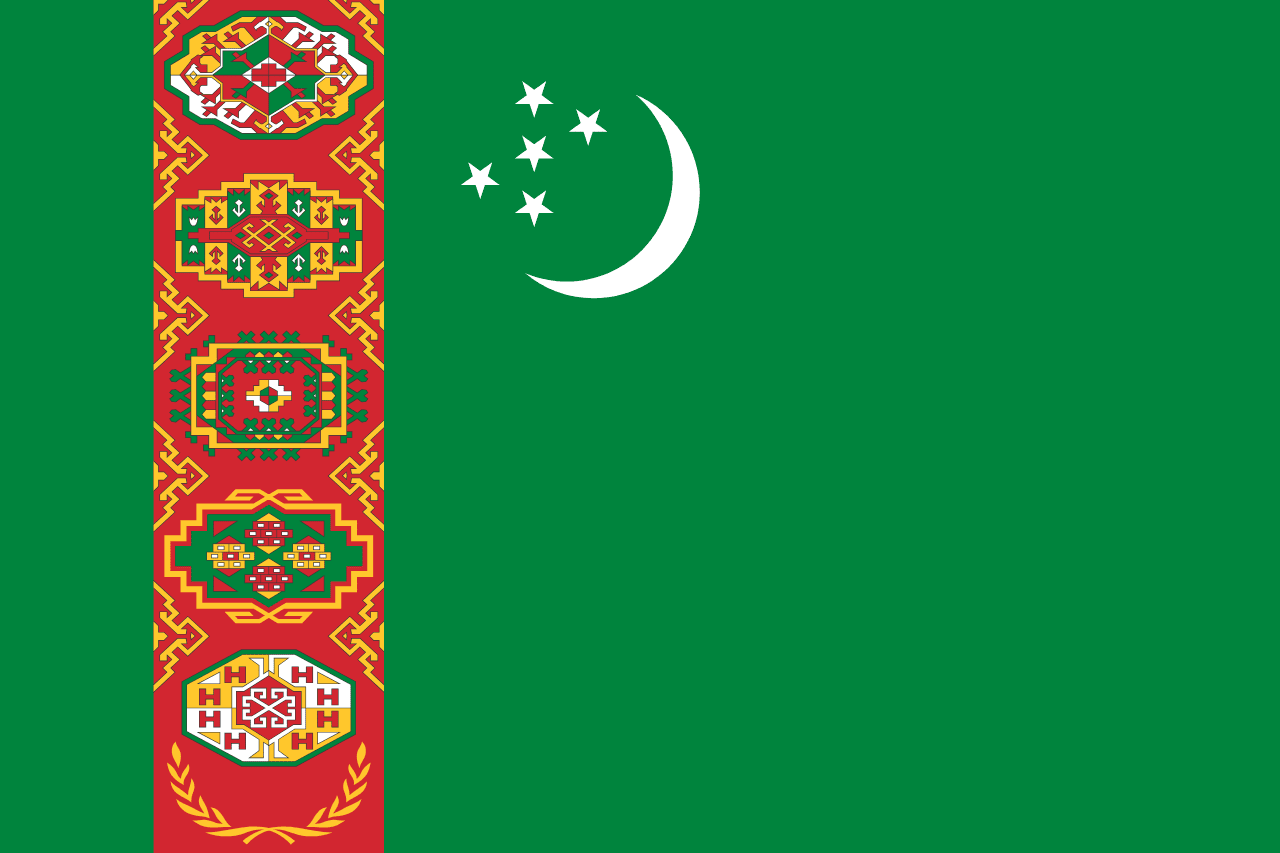
The Darvaza gas crater — the Door to Hell — is a natural gas field that collapsed into a crater approximately 70 metres wide in 1971. Soviet engineers, believing the gas would burn off quickly, set it on fire to prevent methane from spreading. It has been burning continuously since. The flames rise metres above the rim of the crater, lighting the surrounding Karakum Desert in an orange glow at night that is visible from kilometres away. Turkmenistan's government announced in 2022 that it would extinguish the fire. The announcement received global attention. The fire is still burning. Turkmenistan is one of the world's most closed countries — foreign visitors require visas that are difficult to obtain, freedom of movement is restricted, and the government maintains tight control over information and daily life. The country's first post-Soviet president, Saparmurat Niyazov, who called himself Turkmenbashi — Father of all Turkmen — renamed months after himself and his mother, banned opera and ballet as un-Turkmen, and erected a 12-metre gold-plated rotating statue of himself that faced the sun. His successor has been considerably less eccentric. Turkmen carpet weaving is among the world's great textile traditions — the deep red geometric carpets of the Tekke and Yomut tribes, woven on horizontal looms using a technique involving a specific double-weft knot that produces exceptional density and durability, are recognised globally as the Bukhara carpet even though they are more correctly Turkmen. The carpet appears on the national flag. A museum in Ashgabat claims to house the world's largest handmade carpet.
Read full article →