Thailand
Posts, videos and blogs from Thailand · Chat with people about Thailand
Post about ThailandNo messages yet — be the first to share something about Thailand!
Sign in to join the chat

The Food of Thailand: 10 Dishes You Must Try
Nestled in the heart of Southeast Asia, Thailand is a vibrant tapestry of culture, color, and, most importantly, cuisine. The moment you step into this beautiful country, your senses are awakened by the tantalizing aromas wafting from bustling street vendors, the sizzle of food being cooked to perfection, and the colorful displays of fresh ingredients that beckon you to explore. Thai food is more than just a meal; it’s a celebration of flavors, traditions, and communal experiences that reflect the warm and welcoming spirit of the Thai people. From the fragrant herbs and spices to the fresh ingredients, every dish tells a story, and today, I’m excited to share ten traditional Thai dishes that you absolutely must try. First on my list is Pad Thai, or ผัดไทย, a dish that many outside of Thailand consider the quintessential Thai experience. Made from stir-fried rice noodles, shrimp or chicken, eggs, and a medley of vegetables, Pad Thai is often garnished with crushed peanuts, lime wedges, and fresh bean sprouts. The dish strikes a perfect balance between sweet, savory, and tangy, and it’s often served with a side of chili flakes for those who crave an extra kick. You can find an incredible Pad Thai at any bustling street food stall, but my favorite spot was in the heart of Bangkok, where a friendly vendor tossed the noodles skillfully in a hot wok. Watching him work his magic as I waited, I savored the anticipation of the flavorful meal about to unfold. Next up is Tom Yum Goong, or ต้มยำกุ้ง, a hot and sour soup that is as iconic as it is aromatic. The broth brims with fresh lemongrass, galangal, kaffir lime leaves, and juicy prawns, creating a vibrant medley of flavors that dance on your palate. The combination of spicy chili and the sourness of lime makes this soup a delightful experience that’s perfect for those seeking a culinary adventure. I enjoyed a steaming bowl of Tom Yum Goong at a riverside restaurant in Chiang Mai while the sun dipped below the horizon, painting the sky in shades of orange and purple. Each spoonful transported me to a realm of zesty goodness that left me craving more. If you’re a fan of curries, then Massaman Curry, or แกงมัสมั่น, is a must-try. This rich and creamy curry is made with tender chunks of beef or chicken, potatoes, and roasted peanuts simmered in coconut milk and a blend of warm spices such as cinnamon and cardamom. Unlike other Thai curries, Massaman has Persian influences and is slightly sweeter, making it a comforting dish that warms the soul. I stumbled upon a quaint family-run eatery in Ayutthaya, where I was served this delectable dish in a clay pot. The aromas alone were enough to draw me in, and I savored each bite while chatting with the owner about her grandmother’s recipe handed down through generations. No exploration of Thai cuisine would be complete without mentioning Som Tum, or ส้มตำ, a spicy green papaya salad that’s both refreshing and fiery. Made from shredded unripe papaya, tomatoes, green beans, peanuts, and a dressing of fish sauce, lime juice, and chili, Som Tum is a feast for the senses. The crunchiness of the papaya combined with the zesty dressing creates a delightful explosion of flavors. I found one of the best Som Tum versions on a sticky afternoon in a local market in Isaan, where an elderly lady prepared the salad right in front of me using a mortar and pestle. Her skillful movements and infectious laughter made the experience truly unforgettable. Next, we venture into the realm of street food with Khao Soi, or ข้าวซอย, a dish hailing from Northern Thailand. This coconut curry noodle soup is a warm hug on a cold day, featuring egg noodles bathed in a creamy curry broth topped with crispy noodles, pickled mustard greens, and a sprinkling of shallots and lime. The layers of textures and tastes create a delightful contrast that makes Khao Soi an essential meal during your travels. I discovered a charming little restaurant in Pai that specialized in this dish, and as I slurped up the comforting noodles, I felt a connection to the locals who cherish this dish as part of their heritage. For those with a sweet tooth, I highly recommend indulging in Mango Sticky Rice, or ข้าวเหนียวมะม่วง. This simple yet delightful dessert features glutinous rice cooked in coconut milk, served with ripe mango slices, and drizzled with a sweet coconut sauce. The creamy and chewy texture of the rice paired with the juicy mango creates a harmonious blend that is pure bliss. I enjoyed this iconic dessert at a night market in Phuket, where the vibrant atmosphere and the sound of laughter filled the air as I savored every morsel, feeling grateful for this divine treat. Another dish that stole my heart is Larb, or ลาบ, a northeastern Thai salad that’s packed with flavor and texture. Made from minced meat (usually chicken or pork) mixed with fresh herbs, lime juice, fish sauce, and toasted rice powder, Larb is a dish that’s both zesty and spicy. It’s often served with sticky rice and fresh vegetables, making it a wholesome meal. I first tasted Larb at a small eatery in Ubon Ratchathani, where the owner proudly explained that it’s a staple for family gatherings and celebrations, bringing people together over a shared love for good food. Next on the list is Pad Krapow Moo Saap, or ผัดกะเพราหมูสับ, a dish that’s beloved among locals for its bold flavors and quick preparation. Featuring minced pork stir-fried with Thai basil, garlic, and chili, Pad Krapow is often served over rice and topped with a fried egg—a comforting meal that embodies the essence of Thai street food. I had the pleasure of tasting this dish at a bustling food stall in Bangkok’s Chinatown, where the energy was infectious, and the locals gathered to savor their favorite comfort food. The explosion of flavors in every bite made it clear why this dish is a beloved choice for late-night cravings. No journey through Thai cuisine would be complete without the iconic Green Curry, or แกงเขียวหวาน. This vibrant curry is made from green chilies, coconut milk, and a medley of vegetables and meat (often chicken or tofu), resulting in a dish that’s both spicy and fragrant. The luscious, creamy texture of the curry envelops each bite, creating a truly satisfying experience. I savored a bowl of Green Curry at a luxurious restaurant in Bangkok, where they expertly paired it with jasmine rice that absorbed all the rich flavors of the dish. The elegance of the setting complemented the complexity of the curry, making it a memorable dining experience. Finally, I can’t end this culinary journey without mentioning Thai iced tea, or ชาเย็น. This sweet and creamy beverage, made from black tea, sugar, and evaporated milk, is the perfect antidote to the heat of Thai cuisine. Sipping on a glass of this refreshing drink while munching on spicy dishes is a ritual I embraced wholeheartedly. I found the best Thai iced tea at a small café in Krabi, where the friendly barista crafted each cup with love and care, making it the perfect companion for my culinary explorations. As you embark on your own journey through Thailand, you’ll find that the best food often lies in the unassuming places—street stalls, bustling markets, and family-run eateries. Places where the locals gather, share stories, and enjoy the simple pleasure of good food. In cities like Bangkok, Chiang Mai, and Phuket, you can lose yourself in the vibrant night markets that come alive with the enticing smells of grilled meats, fresh fruits, and an array of delectable dishes just waiting to be savored. Each bite tells a story, and the connections you forge with the people and flavors will leave you with memories that linger long after the last taste has faded. So, pack your bags and your appetite, and get ready to experience the rich, diverse, and utterly delicious world of Thai cuisine. Each dish is an invitation to a shared cultural heritage, and I can promise you that once you take that first bite, you will be hooked!
Read full article →The History of Thailand: From Ancient Times to Today
# The History of Thailand: From Ancient Times to Today Nestled in the heart of Southeast Asia, Thailand has a rich tapestry of history woven through millennia. Its path from ancient civilization to a contemporary nation is adorned with the brilliance of empires, the struggle against colonialism, and the vibrant culture that defines it today. As we embark on a journey through the historical landscapes of Thailand, we will encounter majestic kingdoms, notable figures, and pivotal moments that have shaped the identity of this remarkable nation. ## Ancient Civilizations and Indigenous Roots The story of Thailand begins long before it was known by its current name. Archaeological evidence traces human presence in the region back to the Paleolithic era, with the discovery of ancient tools and artifacts in northern Thailand. By the Neolithic period, around 4,000 years ago, settled communities had formed, evidenced by rice cultivation and the establishment of trade routes. Thailand's early civilization flourished under the influence of the Mon and Khmer cultures. The Mon established the Dvaravati Kingdom around the 6th century AD, known for its sophisticated art and advanced irrigation systems. This kingdom played a crucial role in the spread of Theravada Buddhism, which would later become the dominant religion in Thailand. The Khmer Empire, which extended across modern-day Cambodia and parts of Thailand, brought architectural marvels and a centralized political structure during its peak from the 9th to the 15th centuries. The splendor of Angkor Wat and other temples reflected the grandeur of Khmer culture while influencing the artistic expression of Thailand, particularly in the region of present-day Ayutthaya. ## The Rise of the Thai Kingdoms As the Khmer Empire began to wane, the Tai peoples migrated southwards from southern China, eventually settling in the region that would become Thailand. By the 13th century, the Sukhothai Kingdom emerged, marking the dawn of the Thai nation. Founded by King Ramkhamhaeng, Sukhothai is often referred to as the cradle of Thai civilization, where the Thai script was created, and the foundations of Thai culture were laid. Ramkhamhaeng, a pivotal figure in Thai history, is revered not only for his military prowess but also for his promotion of Buddhism and the arts. Under his rule, Sukhothai prospered, becoming a hub of trade and culture. The kingdom's influence spread throughout the region, leading to a golden age of Thai literature and art. The famous stone inscription that bears his name is a testament to his legacy. However, like all great kingdoms, Sukhothai faced challenges. By the 14th century, power shifted to the Ayutthaya Kingdom, which would dominate the region for over four centuries. Established in 1351, Ayutthaya became a flourishing center of commerce, diplomacy, and culture, with merchants from around the world flocking to its bustling markets. The kingdom’s strategic location along the Chao Phraya River allowed it to engage in lucrative trade with China, India, and Europe. The reign of King Naresuan in the late 16th century stands out as a turning point in Ayutthaya's history. Known for his military campaigns against the Burmese, Naresuan is celebrated as a national hero, embodying the spirit of Thai resistance and independence. His victories solidified Ayutthaya's status as a formidable power in Southeast Asia. ## The Colonial Era: Threats and Resilience The 18th century brought a new wave of challenges as European powers began to expand their reach in Asia. The fall of Ayutthaya to Burmese forces in 1767 marked a significant turning point, leading to the establishment of the Thonburi Kingdom by King Taksin. His reign, although brief, was marked by a remarkable effort to reunite the fragmented land and restore national pride. Shortly thereafter, King Rama I ascended the throne, founding the Chakri Dynasty and moving the capital to Bangkok in 1782. This dynasty would go on to play a crucial role in shaping modern Thailand. The Chakri kings embraced modernization and diplomacy, skillfully navigating the pressures of colonialism while maintaining Thailand’s sovereignty. Notably, King Rama IV, also known as King Mongkut, and his son King Rama V, or King Chulalongkorn, implemented a series of reforms that transformed Thailand into a modern state. They abolished slavery, established a public education system, and introduced Western legal and administrative practices. These reforms were pivotal in ensuring Thailand's independence, as it became the only Southeast Asian nation to avoid colonization during the 19th century. However, foreign influence was ever-present. The Bowring Treaty of 1855 with Britain opened Thai markets to foreign investment and trade, leading to significant economic changes. While this treaty allowed for growth, it also highlighted the delicate balance Thailand had to maintain to preserve its sovereignty amidst encroaching Western powers. ## The Birth of Modern Thailand As the 20th century dawned, Thailand faced internal challenges alongside external pressures. The death of King Chulalongkorn in 1910 sparked a period of political unrest and demands for modernization. In 1932, a bloodless coup led by a group of young military officers known as the Khana Ratsadon transformed Thailand from an absolute monarchy to a constitutional monarchy. This period marked the beginning of Thailand’s contemporary political landscape. The new government initiated a series of reforms, including the adoption of the name "Prathet Thai," meaning "Land of the Free." This change not only reflected national pride but also a commitment to independence and sovereignty. The rise of nationalism during this time was coincident with global events, particularly World War II, which saw Thailand navigating alliances with both Japan and the Allies. Post-war Thailand experienced rapid economic growth, which was often accompanied by political instability. The Cold War influenced the country’s foreign policy, aligning Thailand with the United States in the fight against communism. This alignment led to increased military spending and a series of military coups, creating a turbulent political environment that would persist for decades. ## Contemporary Thailand: A Nation of Resilience In the late 20th century, Thailand became a hub of tourism and trade, showcasing its rich cultural heritage and natural beauty to the world. The 1997 Constitution, drafted in response to popular demands for democracy, symbolized a new era of political engagement. However, the subsequent political landscape remained fraught with tension, as the country grappled with issues of corruption, inequality, and political division. The 2000s were marked by the rise of populist movements, most notably under former Prime Minister Thaksin Shinawatra, whose policies aimed to uplift marginalized communities. However, his administration faced backlash and was ultimately ousted in a military coup in 2006. This event unleashed a cycle of protests, counter-protests, and further coups that have defined Thailand’s political landscape in recent years. Despite these challenges, Thailand has demonstrated remarkable resilience. The country has continued to grow economically and culturally while maintaining its unique identity. Festivals such as Songkran (Thai New Year) and Loy Krathong showcase the rich traditions and customs that have been passed down through generations. The vibrant street food scene, traditional dance, and unique arts reflect Thailand's commitment to preserving its heritage. Today, Thailand stands at a crossroads. The nation is grappling with the balance between modernization and tradition, democratic processes and military influence. The recent youth-led protests have echoed the sentiments of previous generations, demanding reforms and greater representation in governance. Thailand's journey through history is a testament to its enduring spirit. From ancient kingdoms to modern democracy, the nation has shaped itself while navigating the complexities of internal and external influences. As we look to the future, Thailand continues to be a vibrant tapestry of history, culture, and resilience—a land where the past, present, and future converge in a harmonious dance. In understanding Thailand’s history, we not only appreciate its unique identity but also recognize the strength of its people and their unwavering commitment to independence and cultural heritage. As the world continues to change, Thailand's historical legacy remains a powerful reminder of the importance of resilience and adaptability in the face of adversity.
Read full article →Hidden Gems of Thailand: Places Most Tourists Miss
**Hidden Gems of Thailand: Places Most Tourists Miss** When most people think of Thailand, images of bustling markets, tropical beaches, and ornate temples come to mind. Bangkok’s vibrant street life, Chiang Mai’s ancient temples, and the stunning islands of Phuket and Koh Samui dominate the travel itineraries of countless tourists. While these destinations are undeniably captivating, they often overshadow the many hidden gems that lie off the beaten path, waiting to be discovered. If you're the kind of traveler who seeks authenticity and adventure, then you're in for a treat. Let’s dive into some of Thailand’s lesser-known places that are sure to enrich your travel experience and provide a glimpse into the country’s rich culture and natural beauty. One such hidden gem is the small village of **Pai**, nestled in the mountains of Northern Thailand. Just a three-hour drive from Chiang Mai, Pai is often overlooked by those rushing to check off their travel lists. This bohemian paradise offers stunning landscapes, hot springs, and a laid-back atmosphere that feels worlds away from the busy tourist hubs. As you wander along the quaint streets lined with charming cafes and artisan shops, you’ll find a vibrant arts scene thriving amidst the lush backdrop of rolling hills. Don’t miss the Pai Canyon, a natural wonder where you can hike through narrow ridges and enjoy breathtaking sunset views. To reach Pai, you can rent a scooter in Chiang Mai or take a minibus that weaves through the picturesque mountainous terrain. Next, head south to the picturesque coastal town of **Koh Lanta**, located in Krabi Province. While many travelers flock to the more famous islands, Koh Lanta remains an understated gem known for its tranquil beaches and friendly locals. With miles of soft sand and clear waters, it’s the perfect destination for those looking to unwind. Explore the island by motorbike, visiting hidden coves and remote beaches. The Lanta Old Town, steeped in history, offers a glimpse into the island’s past with its traditional wooden houses and quaint shops. You can also venture to the nearby Koh Rok islands for some of the best snorkeling in Thailand. To get to Koh Lanta, take a ferry from Krabi or a bus combined with a ferry ride from Phuket. For a deeper connection to Thai culture, consider spending a few days in **Sukhothai**, the ancient capital of the Sukhothai Kingdom during the 13th and 14th centuries. Although it has gained some recognition for the Sukhothai Historical Park, many travelers still overlook this UNESCO World Heritage Site. Here, you can explore the magnificent ruins, dotted with impressive Buddhas and historical relics, often with fewer crowds than the more famous Ayutthaya. Cycling through the park allows you to soak in the serene atmosphere as you take in the beauty of the lotus-filled ponds and palm trees that frame the ruins. To visit Sukhothai, take a bus or a domestic flight to Sukhothai Airport from Bangkok. Not far from Sukhothai lies **Kamphaeng Phet**, another UNESCO-recognized historical site that remains largely undiscovered by tourists. The Kamphaeng Phet Historical Park is filled with ancient temples that rival those found in Sukhothai but without the bustling crowds. The park is split into two sections: the old city, surrounded by a massive moat, and the ruins that can be explored on foot or by bicycle. The peaceful environment and rich history make it a perfect stop for those who appreciate ancient architecture and the serenity of nature. To get to Kamphaeng Phet, you can take a bus from Sukhothai or drive by car. Further south, the charming town of **Nakhon Si Thammarat** offers a taste of southern Thailand that is often overlooked. Known for its rich culture, this town features stunning old temples, including Wat Phra Mahathat, which dates back to the 7th century. The town’s vibrant markets, such as the Nakhon Si Thammarat Walking Street, showcase local handicrafts and delicious street food. For adventure seekers, head to Khao Luang National Park, where you can hike to waterfalls and explore the dense jungle. The best way to reach Nakhon Si Thammarat is to fly from Bangkok or take a sleeper train for a unique travel experience. For a unique festival experience, consider timing your visit to **Surin** for the annual Elephant Roundup held in November. This lesser-known festival showcases the deep bond between elephants and humans in Thai culture. Witness the majestic animals performing a variety of tasks, from traditional dances to games that highlight their intelligence and strength. While the festival attracts a crowd, the town itself is relatively quiet and offers a chance to explore local markets and enjoy authentic northern Thai cuisine. To get to Surin, you can take a direct train from Bangkok or a bus from nearby provinces. Another enchanting spot is **Koh Yao Noi**, an island that feels like an untouched paradise. Situated midway between Phuket and Krabi, Koh Yao Noi offers stunning views of Phang Nga Bay and has managed to maintain its traditional way of life. The island is perfect for those looking to escape the tourist scene and experience authentic village life. You can rent a bicycle to explore the island’s beauty, visit local farms, or simply relax on the pristine beaches. The island is accessible via a 30-minute ferry ride from Phuket or Krabi. If you’re looking for a unique cultural experience, don’t miss the opportunity to visit the **Hill Tribes of Chiang Rai**. While Chiang Mai is well-known for its indigenous communities, Chiang Rai offers a different and often less commercialized experience. Trekking through the lush mountains, you can visit villages inhabited by the Akha, Karen, and Lahu tribes, where you’ll learn about their customs and way of life. The journey through the rugged terrain is as rewarding as the destination itself, with stunning views and the chance to connect with locals. Various trekking companies in Chiang Rai offer guided tours; simply inquire about their itineraries. Finally, head to **Nong Khai**, a charming town along the Mekong River that offers a mix of Thai and Laotian cultures. Known for the annual Naga Fireball Festival, where mysterious glowing orbs rise from the river, Nong Khai is a lesser-explored treasure. Spend your days strolling along the riverfront, visiting the intriguing Sala Kaew Ku sculpture park, and enjoying delicious local cuisine. The town has a relaxed vibe that feels worlds away from the bustling cities. You can easily reach Nong Khai by train from Bangkok or by bus from nearby Udon Thani. As you explore these hidden gems, keep in mind a few practical tips to enhance your travel experience. First, be respectful of local customs and traditions. Many of these off-the-beaten-path locations feature intimate communities that thrive on tourism, so being a mindful traveler can help preserve their way of life. Second, learning a few basic phrases in Thai can go a long way in connecting with locals. A simple “sawasdee” (hello) or “khop khun” (thank you) can elicit smiles and create a warm atmosphere. Finally, consider traveling during the shoulder seasons (between the peak and low seasons) for fewer crowds and more favorable weather. Ultimately, Thailand is a country rich in culture, history, and natural beauty, and its hidden gems provide a profound glimpse into its diverse tapestry. By venturing beyond the typical tourist trails, you’ll not only enrich your own experience but also support local communities and preserve the authenticity of this remarkable land. So pack your bags, embark on an adventure, and uncover the treasures that await you in Thailand’s lesser-known corners.
Read full article →What It's Really Like to Live in Thailand
What It's Really Like to Live in Thailand When I first set foot in Thailand over a decade ago, I was swept away by the vivid colors, the delightful aromas wafting through the air, and the warm smiles of the locals. Now, after years of living in this beautiful country, I can share insights into what everyday life is really like in Thailand—what it feels like to navigate the streets, savor the food, and connect with the people. Living in Thailand is an experience steeped in rich culture, vibrant community life, and a unique blend of modernity and tradition. As the sun rises each morning, the day begins with a chorus of sounds: the gentle calls of street vendors setting up shop, the sizzle of breakfast cooking on portable stoves, and the rhythmic hum of scooters buzzing past. The morning ritual typically involves a bowl of steaming rice porridge or a plate of crispy street food. A hearty breakfast might cost you around 30-50 baht (about $1-1.50), and the taste is often far superior to the price. Daily life varies significantly from the bustling city of Bangkok to the more laid-back vibes of Chiang Mai or the coastal beauty of Phuket. In Bangkok, the city never sleeps. My mornings often began with a trip to the local market. Markets are the lifeblood of Thai culture and are an excellent place for fresh produce, meats, and regional specialties. You'll hear vendors calling out, "Kha, kha!" to attract customers, which is a polite way of saying, "Excuse me!" The sense of community in these markets is palpable; the vendors know regulars by name, and bargaining is not just expected—it's part of the fun! As for the cost of living, it is astonishingly affordable compared to many Western countries. You can rent a modest one-bedroom apartment in Bangkok for around 8,000 to 12,000 baht ($240 to $360) a month, depending on the area. Utilities are quite reasonable, averaging about 2,000 baht ($60) monthly. Public transportation is efficient and inexpensive, with a ride on the BTS Skytrain costing as little as 15 baht (about 50 cents). The low cost of living allows for a lifestyle where one can dine out frequently, which is a cornerstone of Thai culture. Food isn’t just sustenance in Thailand; it’s a way of life. Street food vendors sell everything from spicy papaya salad (som tum) to mouth-watering pad Thai. Breakfast is often a simple affair—most locals enjoy noodle soup or fried rice with a boiled egg. Lunch is usually a quick meal, with rice and curries or stir-fried dishes available at every corner. Dinner, however, can be a more social affair, often enjoyed with family or friends. Eating out is incredibly affordable, with a meal costing between 40 to 100 baht ($1.20 to $3). Social customs are woven deeply into the fabric of Thai life. You’ll notice the “wai”, a traditional gesture of greeting that involves pressing your palms together and bowing slightly. It’s a mark of respect, and when you learn to use it, you’ll feel welcomed into the community. Elders are revered, and it’s common to see young people showing respect by using the polite suffix “khun” when addressing anyone older. Family plays a central role in Thai society. It’s not uncommon for multiple generations to live together under one roof. Family gatherings are frequent, and meals shared with loved ones are cherished moments. Thai people celebrate various festivals together, highlighting the importance of unity. The Songkran festival, for example, marks the Thai New Year and is celebrated with water fights, symbolizing the washing away of sins and bad luck. In terms of work culture, Thailand strikes a balance between professionalism and a relaxed atmosphere. Offices often have a more casual dress code, especially in creative industries. The workweek typically runs from Monday to Friday, with many businesses closing around noon on Saturdays. Thai people value relationships highly, and work often operates on a “face” system—maintaining one's dignity and reputation in social interactions. This means that meetings may start with small talk and pleasantries, reflecting the emphasis on building trust and camaraderie. When the weekend rolls around, locals have an array of leisurely pursuits. The most popular weekend activities include visiting temples, indulging in spa treatments, or enjoying a meal with friends at an open-air market. In tourist hotspots, you’ll find bustling night markets, where locals and tourists alike come to shop and feast on delicacies like mango sticky rice and grilled skewers. The beaches in the south are also a weekend retreat for many city-dwellers, where they escape to the sun, sand, and sea. Weather in Thailand plays a significant role in shaping daily life. The tropical climate means you can expect hot and humid conditions year-round, with a rainy season that typically runs from May to October. The heat can be intense, especially in the afternoons, leading many people to take a siesta or seek refuge in air-conditioned spaces. The rain, while sometimes heavy, brings a refreshing change and usually doesn’t last long, allowing outdoor activities to resume quickly. Adapting to the weather involves learning the art of hydration and always carrying an umbrella, not just for the rain but also for occasional sun protection. While life in Thailand is vibrant and rich, there are challenges, too. The language barrier can be daunting for many foreigners. While many Thais, especially in urban areas, speak English, it’s not universally understood. Learning basic Thai phrases—like “sawatdee kha” (hello) and “khop khun kha” (thank you)—can go a long way in establishing rapport. Additionally, navigating bureaucracy can be a challenge; obtaining the right visas and understanding local laws requires patience and due diligence. Despite these challenges, the positives of living in Thailand often outweigh the drawbacks. The warmth and kindness of the Thai people create a sense of belonging that is hard to replicate. The culture fosters a laid-back lifestyle, where the phrase “mai pen rai” (no worries) perfectly encapsulates the local approach to life. Even in moments of stress, there’s a pervasive sense of optimism and a belief that things will work out in the end. For many foreigners, some surprises come with living in Thailand. You might be taken aback by the sheer diversity of food options—everything from spicy street curries to Western cafes—each reflecting different regional influences. The level of health consciousness is also unexpected; fresh fruits and vegetables are abundant, with many locals opting for a diet rich in healthful ingredients. Another delightful surprise is the extent of local festivals and celebrations, where you can immerse yourself in vibrant parades, traditional music, and dance. The annual Loy Krathong festival is particularly enchanting, with people floating beautifully crafted lotus-shaped baskets on waterways to symbolize letting go of negativity and welcoming good fortune. Living in Thailand means embracing a beautiful blend of tradition and modernity. It is about waking up to the aroma of street food, engaging in captivating conversations, and finding peace amidst the chaos of bustling streets. Whether you’re sipping a fresh coconut on a beach or sharing laughter with a group of friends at a night market, life in Thailand is a tapestry of experiences that enriches your soul. In conclusion, life in Thailand is a journey filled with adventure, discovery, and connection. It challenges you to step outside your comfort zone while inviting you to embrace a culture that values kindness, respect, and community. As you navigate the daily rhythms of this enchanting country, you’ll find that every moment contributes to a life well-lived, one that dances to the beat of its own unique drum.
Read full article →Why Visit Thailand
Thailand has been one of Asia's most visited countries for decades, and it retains that position not through inertia but because it genuinely delivers across almost every dimension of travel. Great food, ancient temples, tropical islands, welcoming people, affordable prices and a tourist infrastructure that balances accessibility with the ability to find genuine depth — Thailand has it all, and knows how to share it. Bangkok is one of the world's great cities of sensory overload — in the best possible way. The Grand Palace, built in 1782, is a complex of gold-spired temples, tiled courtyards and royal halls that makes even seasoned Asian travellers stop mid-step. Wat Pho houses a 46-metre reclining Buddha whose mother-of-pearl-inlaid feet alone are taller than most buildings. The Temple of Dawn, Wat Arun, rises in a prang (tower) encrusted with thousands of pieces of broken Chinese porcelain across the Chao Phraya River. The same city offers Michelin-starred restaurants, street food that sets the world standard — pad thai, green curry, som tam (papaya salad), mango sticky rice, boat noodles — floating markets, rooftop bars, and the chaos of Khao San Road. Navigating by tuk-tuk, river ferry and Skytrain, Bangkok is the kind of city you can explore for two weeks and feel you have barely started. Northern Thailand, centred on Chiang Mai, offers a completely different mood. Buddhist temples sit in forested hills. An ethical elephant sanctuary near the city allows close encounters with elephants in a natural setting without riding them. Sunday Walking Street fills old city streets with handicraft stalls, lantern makers and northern Thai food vendors. The hill tribes — Karen, Hmong, Akha — maintain distinct cultures in mountain villages accessible on trekking routes north and west of the city. Thailand's islands split into two coasts. The Gulf of Thailand (Koh Samui, Koh Phangan, Koh Tao) and the Andaman Sea (Phuket, Koh Lanta, Koh Phi Phi, Koh Lipe) offer different conditions at different times of year. Koh Tao is one of Asia's best and most affordable dive certification destinations. Koh Lipe in the Tarutao Marine Park offers reef snorkelling in protected, clear water. The Phi Phi Islands, despite their fame, still produce the cliffs-rising-from-turquoise-water scenery that launched a thousand posters. The ancient capital Ayutthaya, 80 kilometres north of Bangkok, was the Kingdom of Siam's seat for over 400 years before Burmese armies destroyed it in 1767. The ruins — headless Buddhas, crumbling prangs and lotus-filled ponds in a flat river-island setting — carry the pathos of sudden loss with great quiet beauty. Sukhothai, further north, was the first Thai kingdom, and its historical park preserves temples in a serene, lotus-scented landscape. Muay Thai boxing is more than a sport — it is a national tradition with ritual and spiritual dimensions that bear no relation to the tourist-show versions. Watching genuine professional fights at Rajadamnern or Lumpinee stadiums in Bangkok connects with something raw and serious. Thai hospitality (kreng jai — consideration for others' feelings) is real and shapes every interaction. The mai pen rai (never mind) attitude to life, the reflexive graciousness and the ready smile are cultural, not performed. Thailand's infrastructure is excellent, food is extraordinary at every price point, and transport — trains, buses, ferries, budget airlines — makes moving around straightforward. It is the Southeast Asian destination that delivers the most reliably because it has thought carefully about what visitors need and provided it, while somehow maintaining a culture that still feels authentically its own.
Read full article →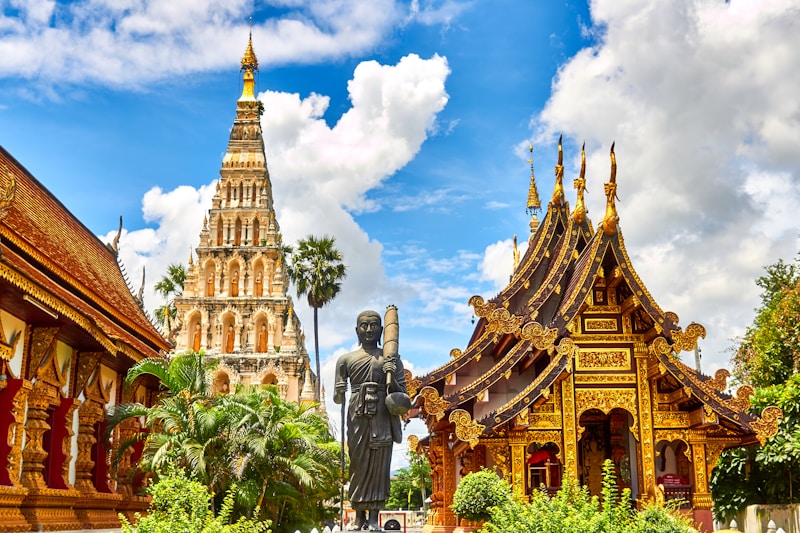
The Wai: Everything You Need to Know About Thailand's Most Important Gesture
In Thailand, the first thing you notice is the hands. People press their palms together in front of their face, fingers pointed upward, and lower their head in a slight bow. This is the wai — Thailand's primary greeting, gesture of respect, and social signal all in one. Learning to read it correctly takes years. Getting it wrong, or not doing it at all, sends a message you probably did not intend. The wai is not a single gesture. It is a system. The height of your hands, the depth of your bow, and who initiates the wai all depend on the relative status of the people involved. A monk receives the highest wai — hands raised above the brow. An elder or a teacher receives hands raised to the nose or mouth. A peer receives hands at chest height. A child is not wai-ed by an adult — the child wais first and the adult acknowledges it with a lighter gesture. Getting it wrong in either direction creates awkwardness. Giving a monk-level wai to someone ordinary implies they hold a status they have not earned. Giving a perfunctory wai to a monk is a quiet insult. Thais are generally forgiving of foreigners who get the gradations wrong — but they notice. The wai is also used beyond greeting. It expresses thanks, apology, farewell, and reverence for sacred objects or images. You wai a spirit house as you pass it. You wai the Buddha image before entering a temple. The gesture is a continuous thread through daily life. The deeper meaning is simpler than the rules suggest. The wai says: I see you. I acknowledge your presence. I come in peace. In that sense it is universal even when the specific gradations are not.
Read full article →