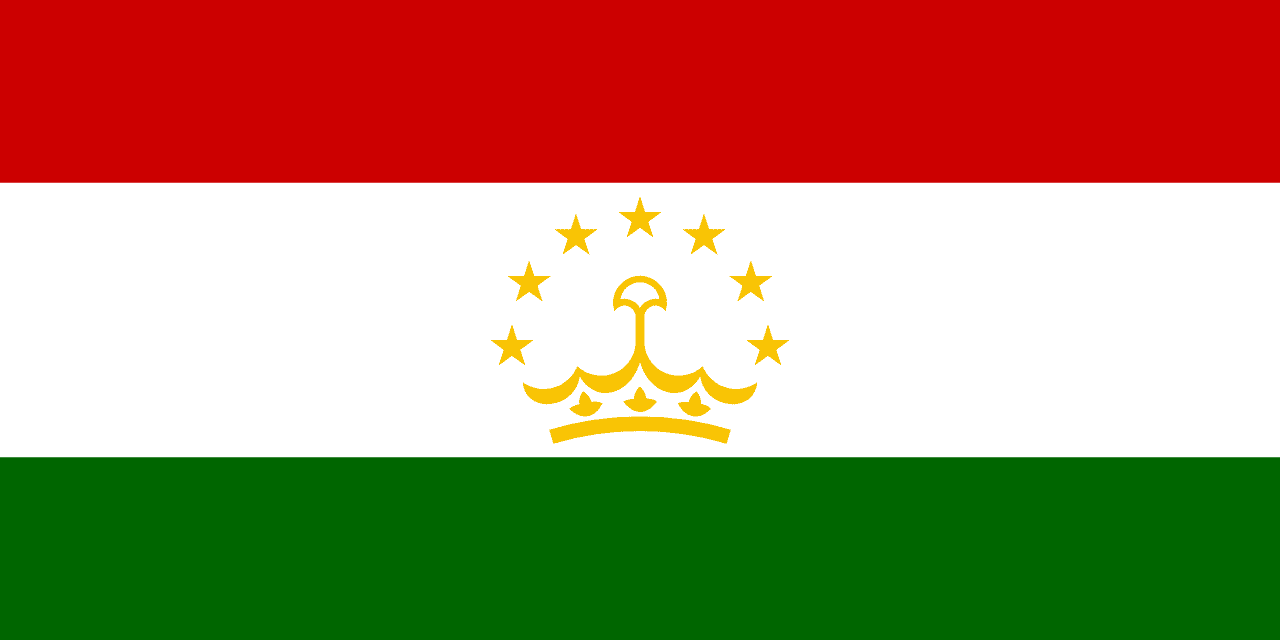
Tajikistan
Posts, videos and blogs from Tajikistan · Chat with people about Tajikistan
Post about TajikistanNo messages yet — be the first to share something about Tajikistan!
Sign in to join the chat
The Food of Tajikistan: 10 Dishes You Must Try
Nestled in the heart of Central Asia, Tajikistan is a hidden gem that boasts a rich tapestry of culture, history, and, most importantly, food. Every meal here tells a story—a narrative woven through generations of nomadic traditions and the influences of neighboring countries. As I strolled through the vibrant streets of Dushanbe, the capital, and beyond, I was enveloped in the tantalizing aroma of spices, grilled meats, and fresh bread. The culinary culture of Tajikistan is a warm embrace, inviting travelers to explore a land where every dish is a celebration of community, hospitality, and the breathtaking landscapes that surround them. Join me as I take you through ten traditional Tajik dishes that you absolutely must try! First on my culinary adventure was Plov, or as the locals call it, Oshi Palov. This iconic dish is the heart and soul of Tajik cuisine, often served at weddings and family gatherings. Plov consists of tender lamb or beef cooked with rice, carrots, and a medley of spices, all layered in a giant pot. The taste is a delightful harmony of savory and sweet, with the carrots adding a subtle sweetness that complements the richness of the meat. I had the pleasure of trying Plov at a local restaurant in Dushanbe, where the chef prepared it in a traditional kazan, a large cast-iron pot. Watching him deftly stir the ingredients together was a performance in itself, and the resulting dish was nothing short of spectacular. Each bite felt like a warm hug, grounding me in the essence of Tajik culture. Next up was the refreshing and zesty Salad O'livye, known to many as Olivier Salad. This beloved dish is a staple at any celebration, featuring diced boiled potatoes, carrots, peas, eggs, and pickles, all bound together with creamy mayonnaise. The texture is a delightful contrast—soft and crunchy, with a burst of flavor in every mouthful. I enjoyed this salad at a wedding feast, where it was served alongside a grand spread of other dishes. The joy of sharing food with extended family and friends made every bite even more special. Interestingly, the origins of Olivier Salad trace back to France, but it has been lovingly adapted into Tajik cuisine, showcasing the unique fusion of cultures. For those craving something heartier, I highly recommend trying Mantu. These delectable dumplings, filled with spiced minced meat and onions, are a staple in Tajik homes. The dumplings are traditionally steamed, resulting in a tender outer layer that beautifully envelops the savory filling. The first bite I took was a revelation—juicy and fragrant, the Mantu are typically served with a drizzle of tangy yogurt sauce and a sprinkle of fresh herbs. I found myself at a charming street stall in Dushanbe, where the owner proudly shared stories of how her grandmother taught her the art of making Mantu. The love infused in each dumpling was palpable, exemplifying the deep familial bonds Tajiks hold dear. No exploration of Tajik cuisine would be complete without the iconic Samosa, or Sambusa, as it is known in Tajikistan. These pastry pockets are filled with various ingredients, most commonly spiced meat or potatoes, and then deep-fried to golden perfection. The result is a crisp exterior that gives way to a warm and flavorful filling. I stumbled upon a bustling market where vendors were frying Sambusa in large woks, and the enticing aroma drew me in like a moth to a flame. As I bit into one, I was greeted with a crunch followed by the earthy warmth of spices. Each Sambusa was a little slice of heaven, and they made for a perfect snack while exploring the vibrant stalls of the bazaar. Next, I had the opportunity to savor Shurbo, a traditional meat soup that warms the soul. This hearty dish typically contains chunks of lamb, potatoes, and a variety of vegetables, all simmered together in a fragrant broth. The flavors meld beautifully, creating a comforting and nourishing meal. I enjoyed Shurbo at a roadside café while traveling through the scenic Fann Mountains. As I sat outside, captivated by the breathtaking views, the warmth of the soup and the hospitality of the café owner made for an unforgettable experience. Stories of generations preparing Shurbo for their families surrounded me, and it felt like I was part of a rich culinary lineage. Another dish that left a lasting impression was Qurutob, a traditional Tajik salad that highlights the importance of bread in the culture. This dish consists of crumbled flatbread soaked in a tangy yogurt sauce, often topped with fresh vegetables and herbs. The flavors are bright and refreshing, creating a delightful contrast to the heavier dishes I had tried so far. I discovered Qurutob at a family-owned eatery where the owner explained that it was a dish often prepared during harvest time. The combination of bread and yogurt symbolizes the hospitality of Tajik culture, where sharing meals is an expression of love and community. For those with a sweet tooth, I highly recommend indulging in Chak-Chak. This traditional dessert is made from dough that is deep-fried and then drizzled with honey, creating a sticky, sweet treat that is simply irresistible. The texture of Chak-Chak is crunchy yet chewy, and the honey glaze adds an intense sweetness that perfectly balances the fried dough. I found this delightful dessert at a local pastry shop, where the owner shared that Chak-Chak is often prepared for special occasions and celebrations, making it a cherished part of Tajik festivities. Each piece was a delightful bite of joy! Having explored savory dishes, I was eager to try Kabob, a classic that truly embodies the essence of Tajik eating culture. These skewered and grilled meats, typically lamb or chicken, are marinated with a blend of spices and served with fresh bread, onions, and herbs. The smoky flavor from the grill combined with the tender, juicy meat creates an unforgettable taste experience. I was lucky enough to enjoy Kabob at a vibrant outdoor barbecue spot, where locals gathered to share laughter and stories over sizzling skewers. As I bit into the flavorful meat, I couldn’t help but feel a sense of belonging—a reminder of the communal spirit that food fosters. Last but certainly not least is the delicate and fragrant Non, Tajik bread that is an integral part of every meal. This round, flat bread is baked in a tandoor, imparting a smoky flavor and a perfect crust. The texture is crisp on the outside and soft on the inside, making it the ideal accompaniment to any dish. I visited a local bakery where the bakers skillfully shaped the dough and slid it into the hot tandoor. The aroma that wafted through the air was intoxicating. As I tore off pieces of the warm Non to enjoy with my Plov, I felt a deep connection to the traditions of Tajikistan—bread, after all, is a symbol of sustenance and community. As I reflect on my culinary journey through Tajikistan, I realize that the true essence of this country is found in its food. Each dish tells a story of love, family, and the rich cultural heritage that continues to thrive. While there are countless flavors to explore, the warmth of Tajik hospitality is what makes each meal memorable. To truly experience the best food in Tajikistan, I recommend visiting local markets, vibrant street stalls, and family-owned restaurants. These authentic settings allow you to connect with the people and their traditions, making every bite a celebration of life in this beautiful country. So, pack your bags and embark on a culinary adventure that will leave your taste buds dancing and your heart full. Tajikistan awaits!
Read full article →The History of Tajikistan: From Ancient Times to Today
# The History of Tajikistan: From Ancient Times to Today Nestled in the heart of Central Asia, Tajikistan is a land of stunning mountains, rich cultural heritage, and a history that spans millennia. Its past is woven into the very fabric of the Silk Road, the cradle of ancient empires, and the complex tapestry of modern geopolitics. To truly understand this country, one must embark on a journey through time, exploring its ancient roots, the rise and fall of great empires, the struggles of colonialism, and the fervent desire for independence that ultimately shaped its modern identity. ## Ancient Roots: The Dawn of Civilization The history of Tajikistan dates back thousands of years, with its territory once inhabited by various nomadic tribes and ancient civilizations. Archaeological evidence suggests that the region was part of the Oxus Civilization, which flourished around 2000 BCE along the banks of the Amu Darya River. The rich agriculture, advanced metallurgy, and robust trade networks laid the foundation for a vibrant culture that would flourish in the centuries to come. The Iranian-speaking peoples, specifically the Sogdian merchants, became the prominent inhabitants of this region, playing a crucial role in the Silk Road trade from the 6th century BCE. Sogdiana, as it was known, was a significant cultural and commercial hub, connecting the East and West through the exchange of goods, ideas, and philosophies. It was during this period that the foundations of the Tajik identity began to take shape, marked by the Persian language and Zoroastrian religious practices that would influence the region for centuries. ## The Rise of Great Empires As time marched forward, Tajikistan found itself at the crossroads of some of the greatest empires in history. The Persian Empire, under the Achaemenids, absorbed the region, as did the subsequent empires of Alexander the Great and the Greeks. The conquest of Alexander in the 4th century BCE left a profound impact, intertwining Hellenistic culture with local traditions. Centuries later, during the 6th century CE, the region would again change hands with the rise of the Hephthalite Empire. Known as the White Huns, they brought a wave of new cultural influences and trade networks. However, the most monumental shift came with the advent of Islam in the 7th century. The Arab conquests introduced the Islamic faith, which would become a cornerstone of Tajik identity. In the 8th century, the Umayyad Caliphate solidified its control over the region, and with it, the Persian language and culture began to flourish once more. The Samanid Empire, which emerged in the 9th century, became a beacon of cultural revival, fostering literature, science, and art. It was during this era that the great Persian poet Rudaki, often hailed as the father of Persian literature, emerged, penning verses that would echo through the ages. ## The Turbulent Middle Ages As the centuries unfolded, Tajikistan experienced a tumultuous history marked by invasions, conquests, and fragmentation. The Mongol invasions of the 13th century shattered the region and reshaped its demographic landscape. Genghis Khan's forces swept through, leaving devastation in their wake and resulting in the decline of the Samanid Empire. The subsequent Timurid Empire, founded by the legendary Timur (Tamerlane), brought about a new era of prosperity and architectural marvels. Under Timur’s reign in the 14th century, the capital of Samarkand became a dazzling center of culture and learning, renowned for its magnificent mosques and madrasas. The Tajik legacy flourished during this time, with scholars and artisans contributing to a renaissance that would impact the entire Islamic world. However, the 16th and 17th centuries saw the disintegration of the Timurid Empire, leading to further fragmentation of power among regional khanates. The region oscillated between various influences, including Persian, Uzbek, and Russian, as it struggled to maintain its unique cultural identity amidst the chaos of competing powers. ## Colonial Shadows: The Russian Empire By the 19th century, the Russian Empire turned its eyes toward Central Asia, seeking to expand its territory and influence. The conquest of Tajikistan began in earnest in the 1860s, as Russian forces moved into the region, gradually absorbing the various khanates and principalities. The Russian colonial period was marked by significant changes to the economic, social, and political landscape of Tajikistan. While infrastructure developed—railways were built, and towns modernized—local traditions often took a backseat to the assimilative policies of the colonizers. The imposition of Russian culture and language created rifts in the traditional fabric of society, and many Tajiks found themselves caught between their historical identity and the pressures of modernization. This period also saw the rise of nationalist sentiments among the Tajiks, who began to advocate for their rights and the preservation of their cultural heritage. The early 20th century witnessed the emergence of prominent figures such as Mirzo Tursunzadeh, who championed the cause of Tajik identity and heritage. Yet, the revolution of 1917 brought about further upheaval, leading to the eventual establishment of Soviet control over the region. ## Independence and Modern Formation Following the Russian Revolution, Tajikistan became part of the Soviet Union in the 1920s. Initially, it was a part of the Uzbek Soviet Socialist Republic, but in 1929, it was established as the Tajik Soviet Socialist Republic. This period was marked by significant social and economic transformations, as the Soviet regime attempted to modernize the region through education, industrialization, and collectivization. While many advancements were made, the era was also characterized by repression and the suppression of local culture. The dissolution of the Soviet Union in 1991 marked a pivotal turning point in Tajikistan's history. On September 9, 1991, Tajikistan declared its independence, a moment celebrated by many as a long-awaited return to sovereignty. However, the euphoria was short-lived as civil war erupted in 1992, resulting from a power struggle among various factions and political groups. The conflict lasted until 1997 and claimed tens of thousands of lives, leaving a deep scar on the nation. The post-war period was fraught with challenges as Tajikistan navigated its way toward rebuilding and establishing stability. Emomali Rahmon, who became president in 1994, played a crucial role in the peace process and efforts to unify the country. His leadership, although sometimes authoritarian, brought a degree of stability to the nation, allowing it to recover from the ravages of war. ## Tajikistan Today: A Land of Resilience and Hope Fast forward to the present, and Tajikistan stands as a testament to resilience and cultural richness. The nation has made significant strides, with improvements in infrastructure, education, and economic development. Tajikistan is known for its breathtaking landscapes, including the towering Pamir Mountains, which attract adventurers and travelers seeking the beauty of nature. Culturally, the Tajik identity remains vibrant, blending ancient traditions with modern influences. The Persian language, which is central to Tajik culture, continues to thrive, and the arts, including literature, music, and dance, are celebrated and cherished. Tajikistan is also increasingly engaging with the global community, participating in international organizations and regional collaborations to promote peace and development. However, challenges remain. The country continues to grapple with economic issues, environmental concerns, and political tensions. The efforts to maintain stability and foster a sense of national unity are ongoing, as the government aims to build a brighter future for its citizens. In conclusion, the history of Tajikistan is a complex narrative of resilience, cultural richness, and the indomitable spirit of its people. From ancient civilizations to the modern era, Tajikistan has endured trials and tribulations that have shaped its identity. As it strides into the future, it does so with a rich heritage and a commitment to overcoming challenges, ensuring that the legacy of its past continues to inspire generations to come.
Read full article →Hidden Gems of Tajikistan: Places Most Tourists Miss
Tajikistan, often overshadowed by its more famous Central Asian neighbors, is a treasure trove of breathtaking landscapes, rich culture, and warm hospitality. While many travelers flock to iconic locations like the Pamir Mountains or the capital city of Dushanbe, a wealth of hidden gems awaits those willing to venture off the beaten path. Here, the spirit of adventure melds with the allure of discovery as we explore lesser-known places that capture the essence of Tajikistan, inviting you to experience the country in a deeper, more authentic way. One of the most enchanting hidden gems of Tajikistan is the village of Iskanderkul, named after Alexander the Great and nestled within the stunning Fann Mountains. Known primarily for its magnificent blue lake, Iskanderkul offers a serene escape from the hustle and bustle of urban life. Hiking trails abound, leading visitors through lush valleys dotted with wildflowers, steep cliffs, and cascading waterfalls. The village itself is a tapestry of traditional Tajik culture, where you can immerse yourself in the local way of life. To reach Iskanderkul, take a shared taxi from Dushanbe to the small town of Penjikent, and then hire a local driver or take a bus to the lake, a journey of approximately 3 hours. Another remarkable destination is the town of Khorog, the capital of the Gorno-Badakhshan Autonomous Region. While Khorog may not be entirely off the tourist radar, its surrounding areas are often overlooked. The region is blessed with breathtaking landscapes, from the towering mountains to the lush valleys of the Panj River. What makes Khorog special is its unique blend of cultures, where Pamiri traditions intertwine with Afghan influences, just a stone's throw away from the border. Here, you can explore the Botanical Garden, which boasts an impressive collection of Himalayan flora, or stroll through the vibrant local market. To get to Khorog, you can take a flight from Dushanbe or embark on an adventurous six-hour drive through the picturesque Pamir Highway. For those interested in history, the ancient city of Penjikent is a must-visit. While many tourists pass through en route to the Fann Mountains, few take the time to explore its archaeological wonders. Founded in the 5th century, Penjikent is home to fascinating ruins, including the remains of ancient fortresses and temples. The nearby archaeological museum houses artifacts that tell the story of the Sogdian civilization, once a vital trade hub along the Silk Road. The site’s stunning views of the surrounding mountains and the Zervashan River Valley only add to its charm. To reach Penjikent, you can take a shared taxi from Dushanbe, which takes roughly 4 to 5 hours, making it an ideal day trip for those seeking to delve into Tajikistan’s historical roots. As you continue your journey, don’t miss the opportunity to experience the quaint village of Norak. Located near the immense Norak Reservoir, this hidden gem is often overlooked by tourists. The reservoir itself is a stunning sight, resembling a turquoise jewel set against the rugged mountains. Visitors can enjoy a peaceful day by the water, go fishing, or even take a boat ride to appreciate the views from the lake. Norak is also home to the local community, where you can engage with friendly villagers and discover their traditional crafts. Getting to Norak is simple; a short 2-hour drive from Dushanbe will lead you to this serene getaway. For a truly immersive experience, consider visiting the remote village of Jizeu. Nestled high in the mountains, Jizeu is a small, traditional settlement that offers an authentic glimpse into the life of the Tajik mountain people. Very few tourists make it here, so you’ll likely find yourself welcomed with open arms, where locals will share stories over cups of steaming green tea. The surrounding nature is nothing short of spectacular, with towering peaks and deep valleys ready to be explored. To reach Jizeu, you’ll need to take a combination of public transport and hiking, starting from Dushanbe to the town of Rasht, followed by a local driver or a trek through the stunning landscapes. Another overlooked beauty is the Pyanj River valley, offering an unparalleled look into Tajikistan’s natural and cultural diversity. This region, which borders Afghanistan, provides breathtaking views of the river that serves as a lifeline for both countries. The valley is home to several small, traditional villages where life moves at a leisurely pace. Here, you can explore the local culture, participate in seasonal festivities, and enjoy hiking or horseback riding through the lush landscapes. You can reach the Pyanj River valley via Khorog, where local taxis or even homestays can guide you to lesser-known areas along the river. For those seeking adventure, the tiny village of Langar is a paradise. Tucked away near the Wakhan Corridor, Langar is a starting point for some of the most stunning treks in Tajikistan. The area is renowned for its ethereal landscapes, featuring dramatic mountain ranges and the crystal-clear waters of the Wakhan River. Here, you can meet nomadic shepherds, learn about their way of life, and taste the delightful local cuisine, which often includes freshly made bread and creamy yogurt. To get to Langar, you can take a shared taxi or hire a driver from Khorog, embarking on a journey that showcases some of the most jaw-dropping scenery in the country. As we journey through these hidden gems, it’s also essential to highlight the cultural tapestry woven throughout Tajikistan. One cannot overlook the vibrant festivals that occur throughout the year, such as the Navruz celebration in March. Navruz, the Persian New Year, is celebrated with great fervor across the country, and lesser-known towns often host local festivities that showcase traditional music, dance, and culinary delights. Participating in such festivities in smaller towns provides a glimpse into the local spirit and allows for deeper connections with the people. To maximize your experience while exploring these hidden gems, keep in mind a few practical tips. First, be respectful of local customs and traditions; each village has its own unique way of life, and showing appreciation goes a long way. Second, learn a few basic phrases in Tajik or Russian; locals will appreciate your effort to communicate. Third, be prepared for varying levels of infrastructure; some areas may lack modern amenities, so it's wise to carry essentials like water, snacks, and a first aid kit. Lastly, embrace the unexpected; the beauty of traveling off the beaten path lies in spontaneous adventures and the chance to make unique memories. In conclusion, Tajikistan is a land of hidden gems waiting to be uncovered. From the breathtaking landscapes of Iskanderkul to the cultural richness of Khorog and the serene beauty of Norak, these off-the-beaten-path experiences provide a glimpse into the heart and soul of this remarkable country. By stepping away from the usual tourist trails, you not only enrich your journey but also create lasting connections with the people and places that make Tajikistan truly special. So pack your bags, grab your sense of adventure, and embark on a journey to discover the hidden wonders of Tajikistan.
Read full article →What It's Really Like to Live in Tajikistan
What It's Really Like to Live in Tajikistan Living in Tajikistan is like being woven into a tapestry of rich history, diverse culture, and breathtaking landscapes. Nestled in the heart of Central Asia, this small, mountainous country is often overshadowed by its more famous neighbors. But for those of us who call it home, it offers an experience like no other. I have spent several years in Tajikistan, and I want to share with you the vivid details of everyday life here — from the local food to the warmth of family gatherings, the challenges we face, and the surprises that await foreign visitors. Daily life in Tajikistan is characterized by a unique blend of tradition and modernity. Mornings often begin early, as the call to prayer reverberates through the streets. In cities like Dushanbe, the capital, and smaller towns such as Khujand, you might find vendors setting up their stalls as dawn breaks, selling fresh bread, fruits, and vegetables. I remember my first morning in Dushanbe; I was greeted by the tantalizing aroma of freshly baked non — round bread that is a staple in Tajik cuisine. A loaf costs around 2 somoni (about $0.20), and you can see people queueing up with their woven bags, chatting amicably as they await their turn. The cost of living in Tajikistan is relatively low, especially compared to Western countries. Rent for a modest apartment in Dushanbe can range from 1,500 to 3,500 somoni per month (around $140 to $320), depending on the neighborhood. Utilities are affordable, usually around 300 somoni ($30) for a small apartment. When it comes to groceries, a trip to the bazaar is an adventure. Local markets are filled with colorful displays of fruits and vegetables; you can buy a kilogram of oranges for about 5 somoni ($0.50) or a bunch of fresh herbs for just a couple of somoni. Shopping at the bazaar is not just transactional; it’s a social experience. Haggling is common, and you’ll often hear locals greet each other with phrases like “Salom, khush omadi!” (Hello, welcome!) as they barter for the best price. Food culture in Tajikistan is incredibly rich and deeply rooted in tradition. One of the most popular dishes is plov — a fragrant rice dish cooked with carrots, onions, and pieces of meat, typically lamb or chicken. A plate of plov at a local café might cost around 25 somoni ($2.30). Sharing meals is an integral part of Tajik life; it’s common for families to gather around a large platter of plov, with everyone digging in using their right hand. The first bites are often reserved for guests, an embodiment of the local hospitality. During my first plov experience, I was honored to be served first, a gesture that made me feel truly welcomed. Social customs in Tajikistan are influenced by a blend of Islamic traditions and a unique cultural heritage. Greetings are warm and heartfelt; it’s customary to inquire about each other’s well-being. Handshakes are common among men, while women may embrace or kiss each other on the cheeks. When visiting someone’s home, it’s polite to bring a small gift, such as sweets or fruits. In larger cities, it’s also common to see more modern customs, especially among the younger generation, who often embrace social media and contemporary fashions while still respecting traditional values. Family life in Tajikistan is close-knit and often revolves around the extended family unit. It’s not uncommon for multiple generations to live under one roof, sharing responsibilities and nurturing strong bonds. Family gatherings are frequent, especially during holidays and special occasions. During my time here, I attended several weddings, which are grand affairs that can last for days. Traditional Tajik weddings are vibrant, filled with music, dance, and, of course, an abundance of food. The bride and groom are often treated like royalty, and guests are expected to bring gifts, often in the form of money, to help the couple start their new life together. Work culture in Tajikistan has its own rhythm. The typical workday runs from 9 AM to 5 PM, but many employees find themselves working longer hours, especially in the public sector. Office culture can be hierarchical, and showing respect to superiors is essential. Despite these formalities, there is a wonderful sense of camaraderie among coworkers. It’s not unusual for colleagues to go out for tea or lunch together, and conversations often extend beyond work-related topics. Weekends in Tajikistan provide a welcome break from the workweek. Many locals enjoy spending their Saturdays visiting family or taking leisurely strolls in parks, particularly in Dushanbe, where you can find beautiful green spaces like the Rudaki Park. On Sundays, families often gather for picnics in the mountains, a common pastime that allows them to enjoy the breathtaking landscapes and fresh air. Tajikistan is blessed with stunning natural beauty, from the towering Pamir mountains to serene lakes like Iskanderkul. I often found myself hiking on weekends, surrounded by locals who were eager to share stories and food from their backpacks. The weather in Tajikistan plays a significant role in shaping daily life. The country experiences a continental climate, with cold winters and hot summers. Winter temperatures in Dushanbe can drop to around -5°C (23°F), while summers can soar above 40°C (104°F). The stark seasonal changes dictate daily routines; during the summer months, you will find people socializing outdoors in the cooler evenings, while winter brings families closer together indoors. It’s fascinating to see how people adapt — in winter, you might find locals clad in thick woolen shawls, sipping hot green tea, while summer brings a burst of energy, with people setting up chaykhana (tea houses) in parks to enjoy refreshing beverages. Living in Tajikistan presents its own set of challenges. Infrastructure can be inconsistent, with roads in rural areas needing improvement. Access to reliable internet can also be hit or miss, which can be frustrating for expats trying to stay connected with family and work. Healthcare services, while improving, may not always meet the standards one might expect in more developed countries. However, the resilience and resourcefulness of the people here are incredible, and many locals have developed a strong sense of community to navigate these challenges together. Yet, Tajikistan is also filled with positives that make living here incredibly rewarding. The hospitality of the people is second to none. You can walk into a stranger’s home and be welcomed with open arms and an offer of tea, bread, and sweets. The sense of community is palpable, with neighbors looking out for one another and helping each other out in times of need. The rich cultural heritage, from traditional music to art forms, is a source of pride for many locals, and you can often witness performances or art exhibitions showcasing Tajik talent. Foreigners frequently express surprise at the depth of hospitality and warmth they encounter in Tajikistan. Many come expecting a stark, underdeveloped landscape but leave with a sense of appreciation for the country’s rich culture and the kindness of its people. Visitors often remark on the stunning mountainous scenery and how they initially underestimated the beauty of the region. Living in Tajikistan has been a transformative experience for me. It has taught me the value of community, the importance of family, and the joy found in everyday moments. Tajikistan may not be a typical travel destination, but for those willing to embrace its charm, it offers a unique perspective on life and an opportunity to connect with a culture that is both ancient and vibrant. Whether it’s sharing a meal of plov with a family or hiking through the majestic mountains, each day presents a chance to discover something new and beautiful.
Read full article →Why Visit Tajikistan
Tajikistan is Central Asia's mountain kingdom — a landlocked country where more than 90% of the land is mountainous, where the Pamir Mountains form a roof of the world that travellers describe as life-changing, and where the ancient Silk Road left traces of culture that the modern world has barely touched. It is not an easy destination. It is an extraordinary one. The Pamir Highway — officially the M41, one of the world's highest roads — crosses the Wakhan Valley and the Great Pamir Plateau at altitudes above 4,000 metres. Driving it is an adventure in the full sense of the word: unpaved sections, river crossings, military checkpoints, and a landscape of such desolate, enormous beauty that it reduces most travellers to silence. The Hindu Kush rises to the south into Afghanistan; the Karakoram is visible across the border into Pakistan. Yak graze on high meadows. Pamiri villages of stone houses and carved wooden doors appear beside glacial rivers. The Wakhan Corridor — the narrow strip of Afghanistan visible from the Tajik side — is one of the most historically resonant geographical features in Asia. Marco Polo sheep with their vast spiral horns roam both sides of the border. Marco Polo himself passed through here on his way to China in the 13th century, and the silence of the valley feels barely changed from what he described. Lake Karakul sits at 3,914 metres above sea level near the Kyrgyz border, its deep blue set in a volcanic crater surrounded by bare, windswept mountains. There are no trees, no crops, barely any signs of human habitation around it. The isolation is extreme and the visual experience is genuinely alien — visitors describe it as like standing on another planet. Iskandarkul, lower and more accessible in the Fann Mountains near Dushanbe, offers a completely different mood: turquoise water, forested slopes, waterfalls and hiking trails through meadows where horses graze free. The Fann Mountains are a trekking destination of growing reputation, with routes through villages where the pace of life has changed little in generations. Dushanbe, the capital, is a city of Soviet-era boulevards and Persian cultural heritage navigating a post-Soviet identity. The National Museum houses artefacts from the ancient Bactrian civilisation, including gold jewellery and Buddhist statues predating the arrival of Islam. The carpet market near the city centre sells handwoven Pamiri rugs with geometric patterns that go back centuries. Khujand in the north was once Alexandria on the Jaxartes — a city founded by Alexander the Great on the banks of the Syr Darya River. Its ancient citadel and bazaar retain historical character, and the surrounding Ferghana Valley connects into Uzbekistan and Kyrgyzstan's Silk Road cities. Tajik culture is warmly hospitable. Guests are welcomed with green tea, non flatbread and dried fruit. Shared meals in yurt guesthouses on the Pamir Plateau are spontaneous and generous. The Pamiri people — ethnically and linguistically distinct from lowland Tajiks — maintain Ismaili Muslim traditions and a culture with ties to Persian antiquity. The visa and permit process requires preparation — a special permit is required for the Wakhan Valley and Pamir Highway — and road conditions can make some routes inaccessible after heavy snow. Infrastructure varies from basic to very basic. But Tajikistan is the kind of destination that serious travellers talk about for the rest of their lives. The mountains, the solitude, and the feeling of genuine remoteness are increasingly rare in today's connected world. Here, they are still fully available.
Read full article →Tajikistan: The Roof of the World and the Polo Played With a Goat
Tajikistan is the most mountainous country in Central Asia — over 90 percent of its territory is mountain, and the Pamir range in the east, called the Roof of the World, contains some of the highest and most remote terrain on earth. The Wakhan Corridor, a narrow strip of Afghan territory that separates Tajikistan from Pakistan, was the most remote section of the ancient Silk Road. The passes through the Pamirs at 4,000 to 5,000 metres altitude were used by traders for centuries, and the caravanserais that sheltered them are still visible as ruins in the landscape. Buzkashi — polo played with a headless goat carcass — is the traditional sport of Tajikistan, Afghanistan, and parts of Central Asia. Riders compete to carry the carcass to a goal, against teams who attempt to take it. The sport requires extraordinary horsemanship and physical strength; the horses are trained specifically for buzkashi. The game is played at celebrations, at Nowruz (the Persian New Year), and at festivals throughout the year in rural Tajikistan. The rules vary by region. The essential contest — who can control the carcass — does not. Tajik culture is Persian in its literary and musical traditions — Tajikistan is the Central Asian country most closely connected to the Persian cultural sphere, sharing language, classical poetry (Rumi and Hafez are claimed by Tajiks as much as by Iranians), and a musical tradition of sophisticated classical forms. The shashmaqam — six-mode classical music — is the most formal expression of this tradition, performed by master musicians who spend years learning its intricacies.
Read full article →