No messages yet — be the first to share something about Sweden!
Sign in to join the chat
The Food of Sweden: 10 Dishes You Must Try
As I stepped off the train in Stockholm, the crisp Nordic air wrapped around me like a cozy blanket, the scent of rich spices and baking bread wafting through the streets. Sweden is a country that takes pride in its gastronomic heritage, where culinary traditions have been shaped by the land’s bounty and the changing seasons. Food in Sweden isn’t just about sustenance; it’s a reflection of the country’s history, a communal activity centered around warmth and hospitality. From rustic countryside kitchens to sleek urban eateries, the culinary culture here is vibrant and deeply rooted in tradition. Join me on this delicious journey as we explore ten dishes you simply must try when wandering through the charming streets of Sweden. First on my list is the beloved “Köttbullar,” or Swedish meatballs. These little gems are made from a mixture of ground beef and pork, seasoned with onions, breadcrumbs, and spices, then fried to golden perfection. The moment I took my first bite, the flavors melded beautifully, with a tender, juicy interior and a crispy exterior that had me longing for more. Often served with creamy mashed potatoes, lingonberry sauce, and a rich gravy, meatballs are a staple in Swedish households. You can find them in cozy cafes or upscale restaurants alike, but for the real experience, I recommend visiting a traditional Swedish “kök,” where you can enjoy them alongside quaint decor and friendly locals. Legend has it that these meatballs were inspired by King Charles XII, who encountered a similar dish during his travels to Turkey. Next up is “Gravlax,” a dish that embodies the essence of Scandinavian cuisine. This is not your average smoked salmon; gravlax is cured with a mixture of salt, sugar, and fresh dill, resulting in a beautifully delicate flavor that enchants the palate. I remember savoring it on a slice of dark rye bread, topped with a dollop of mustard sauce that balanced the richness perfectly. This dish is typically served as an appetizer in restaurants or at smörgåsbord-style gatherings, where friends and family come together to indulge in various dishes. The origins of gravlax date back to the Middle Ages when fishermen would cure their catch in the sand by the shore, a method that has been lovingly preserved through the centuries. If you’re in the mood for something heartier, don’t overlook “Raggmunk,” or Swedish potato pancakes. These crispy delights are made with grated potatoes mixed with flour and eggs, fried until golden brown, and typically served with a side of lingonberries and sour cream. The first bite is a delightful crunch that gives way to a soft, comforting interior — a perfect harmony of textures. You can find raggmunk in many traditional restaurants, especially in rural areas, where they’re often served with crispy bacon. This dish dates back to the 17th century and was originally favored by farmers who needed a filling, energy-packed meal after a hard day’s work in the fields. As I delved deeper into Swedish cuisine, I stumbled upon “Surströmming,” or fermented herring, a dish that truly tests the adventurous spirit. This delicacy is made by fermenting herring in a brine solution, and the result is a pungent, salty fish that is often served with thin flatbreads, potatoes, and onions. The first time I took a whiff of surströmming, I was taken aback by its strong aroma, but the taste was surprisingly complex — salty, tangy, and briny, with a unique umami quality. Traditionally eaten during a “surströmmingsskiva” (fermented herring party), this dish is seen as a rite of passage for locals, and it’s usually enjoyed outdoors, as the smell can be overwhelming. Surströmming has a long history, dating back to the 16th century, when fishermen discovered that herring could be preserved longer through fermentation. Another must-try is “Falukorv,” a traditional Swedish sausage that has its roots in the town of Falun, where copper mining was a prominent industry. Made from a blend of pork and beef, this mildly flavored sausage is typically served sliced and fried, often with a side of macaronikost, a creamy macaroni and cheese dish. The first time I tasted falukorv, I was enchanted by its smoky, savory flavors and juicy texture. It’s a dish that warms the soul, often enjoyed in homes across Sweden, and it’s particularly popular among children. The story goes that miners created this sausage as a way to have a hearty meal that would sustain them during their long working hours underground. No discussion of Swedish cuisine would be complete without mentioning “Janssons frestelse,” a creamy potato casserole that is a staple at holiday gatherings and special occasions. This dish layers thinly sliced potatoes with onions, anchovies, and a rich cream sauce, then baked until golden and bubbly. The first time I tried it, I was captivated by the comforting combination of flavors — the sweetness of the potatoes balanced by the umami of the anchovies. You can find this dish at family gatherings, particularly during Christmas, where it holds a special place on the festive table. The origins of Janssons frestelse are somewhat murky, but it is believed to have been named after a Swedish opera singer, who was fond of the dish. Moving on to desserts, I couldn’t resist trying “Kanelbullar,” or cinnamon buns, which are a Swedish favorite. These sweet, spiral-shaped pastries are filled with a mixture of butter, sugar, and cinnamon, then topped with coarse sugar for that perfect crunch. The first bite brought a rush of warmth and sweetness, and the aroma of freshly baked cinnamon buns wafting from the local bakery was enough to pull me in. You can find kanelbullar in bakeries and cafes across the country, but they are especially popular during “kanelbullens dag,” or cinnamon bun day, celebrated every October 4th. This pastry has a rich history, dating back to the early 20th century, and has become a cherished part of Swedish fika culture, where coffee breaks are an opportunity to gather and share stories with friends. If you’re looking for something truly indulgent, “Semla” is a must-try. This cream-filled pastry consists of a cardamom-spiced bun filled with almond paste and topped with a generous dollop of whipped cream. The first time I enjoyed a semla, I was in a small café during Lent, where it is traditionally consumed — a delicious way to celebrate the lead-up to Easter. The combination of sweet, creamy filling and soft bun creates a heavenly bite that I’ll never forget. You can find semla in bakeries across Sweden during the Lenten season, but many locals enjoy it all year round. The origins of semla are said to date back to medieval times when it was a way to use up leftover bread before Lent. Lastly, I have to mention “Pitepalt,” a lesser-known gem of Swedish cuisine. These are potato dumplings filled with a mixture of meat, typically pork or beef, that are boiled to perfection. The first bite of pitepalt revealed a delightful balance of flavors, with the soft dumpling giving way to the savory meat filling. Traditionally served with melted butter and lingonberries, this dish is a comforting reminder of home for many Swedes. You can find pitepalt in the northern regions of Sweden, often enjoyed as a hearty meal after a day spent outdoors. This dish has its roots in the rural communities of Norrbotten and has been passed down through generations. As I wrapped up my culinary journey through Sweden, I couldn’t help but reflect on the warmth and hospitality that permeated every meal. From bustling markets filled with fresh produce and artisanal foods to charming street stalls dishing out traditional favorites, there’s no shortage of delicious experiences to be had. I found myself wandering through Östermalm’s Saluhall in Stockholm, a historic food hall where vendors offer everything from cured meats to freshly baked breads. The vibrant atmosphere was infectious, drawing me in to sample various delicacies and chat with passionate food artisans. Whether you’re dining at a high-end restaurant or enjoying a casual meal at a local café, the food of Sweden is a celebration of culture, tradition, and community. Each dish tells a story, inviting you to savor the flavors and share in the rich tapestry of Swedish life. So, pack your bags and prepare your taste buds — Sweden’s culinary treasures await!
Read full article →The History of Sweden: From Ancient Times to Today
# The History of Sweden: From Ancient Times to Today Sweden, a land of stunning landscapes that range from rugged mountains to serene coastlines, boasts a history that is as varied and rich as its geography. This Nordic nation has undergone remarkable transformations, from the days of ancient tribes to its current status as a modern welfare state. To explore Sweden's history is to embark on a journey through time, filled with tales of fierce warriors, ambitious kings, and a society that has evolved through resilience and innovation. ## Ancient and Indigenous History: The Birth of a People The story of Sweden begins in the mists of prehistory. Around 12,000 BC, the last Ice Age receded, paving the way for the first settlers who traversed the icy lands. These hunter-gatherers laid the foundation for what would become the Swedish populace. Over millennia, these early inhabitants formed tribes, and by the Iron Age (around 500 BC), they had developed a more complex society. They established trade routes and were influenced by the broader European Bronze and Iron Age cultures. The legendary Sami people, indigenous to the northern regions of Scandinavia, are among the earliest known groups in Sweden. They lived in harmony with nature, practicing reindeer herding, fishing, and hunting. Their unique language and rich spiritual traditions are vital threads in the tapestry of Sweden's history, contributing to the nation's diverse cultural heritage. ## The Viking Age: Warriors of the North One of the most captivating periods in Swedish history is the Viking Age (circa 800-1050 AD). Sweden, along with its Scandinavian neighbors, produced some of the most fearless seafarers of the time. Viking warriors, known for their longships, ventured out into the seas, raiding, trading, and exploring as far as North America, the Mediterranean, and the eastern reaches of Russia. The Swedish Vikings, or Varangians, primarily focused on trade routes rather than conquest. They traveled along the rivers of Eastern Europe, connecting the Baltic to the Byzantine Empire and beyond. These ventures brought wealth and cultural exchange back to Sweden. Notable figures during this time include Olof Skötkonung, the first Christian king of Sweden, who ruled around the turn of the 11th century. His conversion to Christianity marked a significant cultural shift, as pagan traditions began to wane. In 1066, with the Battle of Stamford Bridge marking the end of the Viking Age, Sweden began transitioning from a collection of tribes to a more unified kingdom. This unification was not without conflict, and the historical sagas of blood feuds and power struggles continue to captivate us. ## The Kingdom of Sweden: Rise and Rivalries The formation of a unified kingdom occurred around the 12th century under the reign of King Sverker I. The following centuries saw Sweden grapple with external threats and internal conflicts. The Kalmar Union (1397-1523) united the kingdoms of Denmark, Norway, and Sweden under a single monarch. However, this union was fraught with tension, particularly due to Denmark’s dominance, which led to a growing sense of Swedish nationalism. Gustav Vasa emerged as a key figure during this tumultuous time. In the early 16th century, he led a successful revolt against Danish rule, culminating in the dissolution of the Kalmar Union in 1523. Gustav Vasa's ascension to the throne marked the beginning of the Vasa dynasty, which played a crucial role in the establishment of a strong, centralized Swedish state. His reign also introduced the Protestant Reformation to Sweden, further shaping the nation’s identity. ## The Age of Greatness: Empire and Expansion The 17th century ushered in the so-called Age of Greatness for Sweden, a period characterized by military prowess and territorial expansion. Under the leadership of King Gustavus Adolphus, known as the "Lion of the North," Sweden became a major European power. His military reforms and strategic brilliance during the Thirty Years' War (1618-1648) positioned Sweden as a formidable force in European politics. Sweden acquired vast territories during this time, including parts of present-day Finland, the Baltic States, and northern Germany. However, this expansion came at a cost. The Great Northern War (1700-1721) marked the decline of Sweden's empire. The conflict saw a coalition of powers, including Russia, Denmark, and Poland, challenge Swedish dominance. The defeat at the Battle of Poltava in 1709 was a turning point, leading to the eventual loss of many acquired territories. ## The Age of Enlightenment and the Birth of Modern Sweden After the Great Northern War, Sweden entered a period of peace and internal reform known as the Age of Enlightenment. The 18th century was marked by significant cultural and intellectual advancements. Figures like Carl Linnaeus revolutionized the natural sciences, while the burgeoning ideas of democracy and individual rights began to take root. The 19th century brought further changes as Sweden transitioned from an agrarian society to one driven by industry and commerce. The country began embracing modernization, with infrastructure improvements like railways facilitating the movement of goods and people. The political landscape was also shifting, leading to the 1809 constitution that established a parliamentary democracy. ## The 20th Century: Wars, Neutrality, and Welfare As Europe plunged into the chaos of the two World Wars, Sweden maintained a policy of neutrality. This choice was not without its challenges; during World War II, Sweden faced pressure from both Nazi Germany and the Allies. The nation navigated these turbulent waters by making compromises, allowing Nazi troops to transit through its territory while offering refuge to thousands of Jewish people fleeing persecution. The post-war period saw Sweden embrace its role as a humanitarian leader, promoting peace and diplomacy on the global stage. The establishment of the welfare state in the 1960s transformed Sweden into one of the most egalitarian societies in the world. The "Swedish Model," characterized by high taxes and extensive social programs, became a point of national pride. Figures like Olof Palme, Sweden's prime minister during the 1960s and 70s, championed these ideals and became an iconic symbol of Swedish social democracy. In contemporary times, Sweden has continued to thrive as a modern welfare state, balancing economic growth with a strong commitment to social equality and environmental sustainability. However, the country faces challenges, including debates over immigration, integration, and the impact of globalization. ## Sweden Today: A Nation of Innovation and Tradition As we step into the 21st century, Sweden exemplifies a harmonious blend of tradition and modernity. Known for its commitment to human rights, innovation, and sustainability, the nation consistently ranks high on global indexes for quality of life and happiness. Stockholm, the capital, is a vibrant hub of culture, technology, and creativity, often dubbed the "Venice of the North" for its stunning waterways and rich history. Sweden's contributions to technology and design are globally recognized, with companies like Spotify and IKEA leading the charge in innovation. The country's commitment to environmental sustainability has positioned it as a leader in combating climate change, with ambitious goals for carbon neutrality by 2045. Moreover, Sweden continues to uphold its reputation as a peaceful nation, actively participating in international diplomacy and humanitarian efforts. The legacy of figures like Dag Hammarskjöld, former Secretary-General of the United Nations, resonates today as Sweden strives to maintain its moral compass in a complex world. ## Conclusion: A Tapestry of Resilience and Innovation The history of Sweden is a tapestry woven from the threads of ancient tribes, Viking explorers, powerful kings, and modern innovators. Each era has left an indelible mark, shaping the nation into what it is today. From the icy shores of the past to the vibrant cities of the present, Sweden stands as a testament to the resilience and adaptability of its people. As we look ahead, the journey of Sweden continues, driven by its rich heritage and a steadfast commitment to progress. The story of this remarkable country reminds us that history is not just a collection of dates and events; it is a living narrative that shapes our identities, our communities, and our futures.
Read full article →Hidden Gems of Sweden: Places Most Tourists Miss
Sweden, a land of serene landscapes, innovative design, and rich history, often finds itself overshadowed by its more famous cities like Stockholm and Gothenburg. While these metropolitan hubs brim with attractions, hidden treasures lie in the nooks and crannies of the country, waiting for the adventurous traveler to uncover them. There’s a certain charm in wandering off the beaten path, and in Sweden, that charm is magnified by the beauty of its untouched nature, the warmth of its local communities, and the unique experiences that remain largely undiscovered. If you’re yearning to explore the lesser-known facets of this Scandinavian paradise, join me as we delve into some of Sweden’s hidden gems. One of the first stops on our journey is the enchanting village of Mölle, perched on the edge of the Kullaberg Peninsula in Skåne. Mölle is a picturesque fishing village that seems to have been plucked straight from a storybook. Its charming wooden houses are set against the rugged coastline, offering breathtaking views of the Oresund Strait. What sets Mölle apart is not only its visual allure but also its rich history as a haven for artists and writers in the 19th century. The area boasts numerous walking trails, allowing visitors to explore the stunning cliffs and lush forests. To reach Mölle, you can take a train from Malmö to Höganäs and then hop on a local bus. Once there, don’t miss the chance to hike the Kullaberg Nature Reserve for panoramic views and an encounter with diverse wildlife. Next, we venture to the marvelous island of Gotland, specifically the medieval town of Visby. While Gotland has gained popularity for its beaches and summer festivals, many tourists overlook the quieter, hidden corners of Visby. This UNESCO World Heritage site is remarkable for its well-preserved medieval buildings, cobblestone streets, and enchanting ruins. The town is especially magical during the annual Medieval Week in August, when locals and visitors alike don traditional garb, attend jousting tournaments, and feast on hearty fare. To get to Visby, you can take a ferry from the mainland or fly into Visby Airport. Beyond the town walls, explore the scenic coastal paths or take a bike ride through the island's serene countryside, dotted with sheep and blooming wildflowers. For a taste of authentic Swedish life, head to the small town of Åre in Jämtland, often hailed as Sweden's top ski destination. However, the true allure of Åre extends far beyond winter sports. This vibrant community offers stunning hiking trails in the warmer months, with breathtaking views of the surrounding mountains and lakes. Discover the charming local shops, cozy cafés, and the fascinating ski museum that chronicles the town’s history. To reach Åre, you can take a train from Stockholm to Åre station, which allows you to soak in the scenery as you travel. For those seeking adventure, consider trying the Via Ferrata climbing route that hugs the mountainsides, providing a thrilling experience for both novices and seasoned climbers. Heading further north, we arrive at the stunning region of Abisko, which is often left off the tourist radar. Located within the Arctic Circle, Abisko is a nature lover’s paradise, known for its majestic landscapes, including the famous Abisko National Park. It is an exceptional spot for witnessing the Northern Lights during the winter months, with clear skies and minimal light pollution enhancing the celestial display. In summer, the park transforms into a vibrant tapestry of wildflowers and lush greenery, offering numerous hiking opportunities, including the legendary Kungsleden trail. To reach Abisko, you can take a train from Kiruna, which provides not only a direct route but also spectacular views of the Swedish Lapland. Don’t forget to visit the iconic Abisko Sky Station, where you can savor a meal while gazing at the breathtaking panorama. Next, we wander to the coastal village of Fjällbacka in Bohuslän, a hidden gem that has captured the hearts of many Swedish locals. This charming community is famous for its stunning archipelago, colorful boathouses, and the cliffs that surround it. What makes Fjällbacka particularly special is its close association with the Swedish author Camilla Läckberg, whose popular crime novels are set in this idyllic location. Visitors can explore the narrow streets, enjoy fresh seafood at waterfront restaurants, and hike to Vetterberget for breathtaking views of the archipelago. To reach Fjällbacka, take a train to either Strömstad or Tanum, and then a local bus will bring you to this serene hideaway. If you’re in the mood for adventure, consider kayaking through the pristine waters, allowing you to connect with nature in an intimate way. Another undiscovered treasure is the island of Öland, specifically the quaint village of Borgholm. This island is known for its stunning landscapes, including sandy beaches, limestone cliffs, and lush fields. Borgholm is home to the historic Borgholm Castle, a magnificent ruin overlooking the sea. The island also hosts the annual Öland Harvest Festival in September, showcasing local foods and crafts. To reach Öland, take a train to Kalmar and then drive across the bridge that connects the island to the mainland. Spend some time cycling around the island to discover its hidden beaches and charming villages, where you can interact with locals and learn about their traditions. The town of Umeå in Västerbotten County is often dismissed in favor of larger cities, yet it offers a unique cultural experience that shouldn’t be missed. As the cultural capital of 2014, Umeå is home to several museums, galleries, and a vibrant music scene. The Umeå Arts Campus is particularly noteworthy, housing creative studios and exhibitions that showcase both local and international talent. The town also hosts the Umeå Jazz Festival each summer, attracting musicians from around the world. To reach Umeå, you can fly directly into Umeå Airport or take a train from Stockholm. Exploring the town by bike is a great way to immerse yourself in its artistic spirit while enjoying the lush parks and riverside paths. Traveling south again, we find ourselves in the heart of Småland, where the village of Vimmerby awaits. Known primarily as the birthplace of Astrid Lindgren, the beloved author of Pippi Longstocking and many other cherished children's books, Vimmerby is a magical place for families. The Astrid Lindgren’s World theme park brings her stories to life, with actors performing beloved tales in an enchanting outdoor setting. Outside of the park, the surrounding countryside offers stunning lakes and forests, perfect for hiking and picnicking. To access Vimmerby, you can take a train from Stockholm to Vimmerby station or drive through the picturesque Småland landscape. Don’t forget to visit the charming shops and local eateries in the village, which often feature homemade pastries and traditional Swedish dishes. Finally, we conclude our exploration in the small town of Sigtuna, located just a short train ride from Stockholm. Sigtuna is Sweden’s oldest town, founded in the 10th century, and it exudes a fascinating blend of history and charm. Its cobblestone streets are lined with quaint shops, cafés, and historic buildings, including the remnants of medieval churches. The town hosts a variety of festivals throughout the year, such as the Sigtuna Christmas Market, which draws visitors with its festive atmosphere and artisanal crafts. Reaching Sigtuna is simple; take a train from Stockholm to Märsta, followed by a short bus or taxi ride. Once there, enjoy a leisurely stroll along the shores of Lake Mälaren or rent a bike to explore the surrounding nature trails. As you embark on your Swedish adventure, remember that the beauty of travel lies in the experiences that go beyond the usual tourist trails. Each of these hidden gems holds a unique story, inviting you to connect with the local culture, savor the natural beauty, and create lasting memories. When visiting, respect the local customs, try to learn a few Swedish phrases, and indulge in traditional cuisine. Make sure to pack layers, as the weather can be unpredictable, particularly in the northern regions. Whether you're hiking through national parks, mingling with locals at festivals, or simply soaking in the peaceful surroundings, Sweden’s hidden treasures await you. Embrace the spirit of adventure and allow yourself to be enchanted by the less-traveled paths of this remarkable country.
Read full article →What It's Really Like to Live in Sweden
What It's Really Like to Live in Sweden Living in Sweden, with its breathtaking landscapes, rich history, and social welfare system, presents a unique blend of challenges and delights that shapes the everyday experience of its residents. As someone who has called this Scandinavian gem home for several years, I want to invite you into the rhythm of daily life here, highlighting what it’s like to wake up in Sweden, navigate its culture, and embrace its quirks. Life in Sweden begins with the early morning light filtering through the ever-present clouds. Early risers will find the sun peeking through, especially in the summer months when Sweden enjoys nearly 18 hours of daylight. I usually start my day around 7 AM, which is typical here. The first task is making a steaming cup of coffee — Swedes take their coffee seriously, and many households boast a coffee machine that rivals their kitchen appliances. With coffee comes the beloved ‘fika’, a concept central to Swedish society that signifies taking a break for coffee and snacks, often with colleagues or friends. Expect to see cinnamon buns or ‘kanelbullar’ on the table, and don’t be surprised if your co-workers invite you for a break. It’s a moment of connection that Swedes value deeply. Living in Sweden includes navigating the cost of living, which can be a shock at first. Rent in cities like Stockholm and Gothenburg can be exorbitant; a one-bedroom apartment in the capital might set you back around 13,000 SEK (approximately $1,200) a month. However, if you’re willing to live in a suburb or a smaller city, you can find more affordable options. Groceries are reasonably priced, but imported goods can be pricey. A typical grocery bill for one person hovers around 2,500 SEK ($230) a month, assuming you cook at home, which I often do. Swedes are also big on sustainability, so you’ll find an abundance of organic options in supermarkets. Food culture in Sweden is a delightful aspect of daily life that reflects a rich blend of tradition and modern influences. Traditional Swedish fare includes meatballs, herring, and crispbread, but the culinary scene in cities is diverse and dynamic. Eating out varies dramatically; a meal in a mid-range restaurant can cost around 300 SEK ($28), while a coffee and a pastry at a café will usually be around 70 SEK ($6.50). I’ve enjoyed countless ‘smörgåsbord’ (buffets) during family gatherings, where a variety of cold and hot dishes are served. The culinary landscape also champions local ingredients, with seasonal vegetables being a staple. Social customs in Sweden are equally fascinating and can be quite different from what many foreigners are accustomed to. One of the most surprising aspects is the Swedes’ approach to personal space. While Swedes are friendly, they often prefer maintaining a certain distance during conversations. Expect handshakes or polite nods rather than hugs until you know someone well. Moreover, directness is valued; Swedes tend to communicate openly and honestly, which can sometimes come across as bluntness to outsiders. The phrase “Lagom” encapsulates the Swedish ethos, meaning “just the right amount,” and it influences everything from work-life balance to social interactions. Family life in Sweden is structured yet surprisingly laid-back. The country is well-known for its generous parental leave policies — up to 480 days that can be shared between parents. Many Swedes prioritize spending time with their families, and it’s not uncommon to see parents pushing strollers or enjoying playgrounds after work. Schools are highly regarded, with free education from preschool through university. During my time here, I’ve seen how families value outdoor activities, leading to weekend hikes or visits to the nearby forests, which are often just a short drive away. Work culture in Sweden is refreshing and often a breath of fresh air compared to other countries. The 40-hour workweek is common, but flexibility is a hallmark. Many companies embrace remote work, allowing employees to balance professional and personal lives. Meetings often start with a casual chat, and Swedes tend to avoid hierarchical structures, promoting a collaborative environment. I’ve often marveled at how my colleagues would arrive at the office with a ‘lagom’ attitude towards work, ensuring not to overburden themselves while still being productive. Weekends are a cherished time, and Swedes know how to make the most of them. Many locals venture outdoors to enjoy nature, especially during the warmer months. Popular activities include hiking, cycling, or simply lounging by the lakes that dot the landscape. In the winter, skiing and ice skating take center stage, with families often heading to nearby resorts for a weekend getaway. The famous ‘kräftskiva’, or crayfish party, is a much-anticipated summer event where friends gather to feast on boiled crayfish, sing traditional songs, and wear funny hats. The weather in Sweden has a profound impact on daily life. While summers can be pleasantly warm, winters are long, dark, and often cold, especially in northern regions. As someone who has experienced both extremes, I can attest that Swedish winters can be challenging, with temperatures dipping below -20°C (-4°F) in some areas. The darkness can be difficult to adjust to, but the ‘mys’ (coziness) of winter evenings shared with friends and family, cuddled up with blankets and candles, are a highlight. Swedes embrace the season by making use of ‘friluftsliv’ (open-air life), encouraging outdoor activities year-round. You’ll often hear phrases like “Det finns inget dåligt väder, bara dåliga kläder,” meaning “There’s no bad weather, only bad clothing,” which perfectly encapsulates the Swedish approach to the elements. Despite its many positives, living in Sweden is not without its challenges. The high cost of living can be daunting, particularly for newcomers. Furthermore, the social fabric can feel exclusive to those unfamiliar with cultural norms. Building close relationships requires time and effort, as Swedes typically take longer to open up compared to other cultures. The language barrier can also be a hurdle; while most Swedes speak excellent English, learning Swedish helps to integrate and navigate social circles more comfortably. However, the positives far outweigh the negatives. Sweden’s commitment to equality, social welfare, and quality of life is evident everywhere — from public transportation to healthcare, which is subsidized and accessible. The emphasis on work-life balance is liberating, allowing one to prioritize personal wellness alongside career goals. The sense of community is palpable, especially in smaller towns, where neighbors often know one another and lend a helping hand. One of the surprises for many foreigners is the concept of ‘jante lag,’ a cultural construct that discourages boasting and promotes humility. This can be jarring for newcomers who may be used to a more assertive approach to self-promotion in professional settings. The polite nature of Swedes also means that you might encounter a tendency to avoid confrontation, which can lead to passive communication. Foreigners often marvel at the overwhelming beauty of nature, especially the ease of accessing pristine lakes and forests. The appreciation for outdoor activities and sustainability is a refreshing change for many. Living in Sweden offers a unique blend of coexistence with nature, vibrant culture, and a commitment to social welfare. As I navigate my day-to-day life here, I find myself continuously discovering the subtleties and complexities of Swedish living. Whether it’s enjoying a quiet afternoon with a book by the lake, engaging in lively discussions during ‘fika’, or embracing the coziness of winter, each moment is steeped in the rich tapestry of this beautiful country. While it may take time to acclimate, the experience of creating a life in Sweden is undoubtedly rewarding and inspiring.
Read full article →Why Visit Sweden
Sweden is a long country — stretching from the plains of Skane in the south to the Arctic tundra of Lapland in the north — and that geography drives an experience that changes dramatically with the seasons. In summer it barely gets dark. In winter, the northern lights dance across frozen sky. In between, there are forests, fjords, lake-dotted islands, Viking rune stones, ABBA museums and cities with perhaps the most considered approach to quality of life anywhere in the world. Stockholm is one of Europe's most beautiful capitals. Built across fourteen islands at the point where Lake Malaren meets the Baltic Sea, it is a city of water, bridges and light. Gamla Stan — the old town — is a warren of amber and ochre medieval buildings rising from the water's edge, its cobblestones worn smooth by centuries of footfall. The Royal Palace, Stortorget square and the Nobel Museum are all within a short walk. The Vasa Museum houses a 17th-century warship raised from the harbour floor in 1961, almost perfectly preserved after 333 years underwater — an astonishing artefact that visitors routinely describe as unexpectedly moving. Djurgarden island, connected to central Stockholm by ferry, holds several of Sweden's best museums, Skansen open-air folk museum and Grona Lund amusement park in a wooded parkland setting. The waterside Sodermalm neighbourhood — Stieg Larsson territory, the setting for the Millennium novels — is where Stockholm's creative and culinary edge lives. Sweden's food culture has risen dramatically in global reputation over recent decades. New Nordic cuisine — pioneered in Scandinavia and now influential worldwide — emphasises seasonal, foraged and fermented ingredients: cured salmon, cloudberries, reindeer, elk, chanterelle mushrooms, crispbread, and the lingonberry that accompanies almost everything. Smorgasbord, the original Swedish buffet concept, is still the correct way to approach a Sunday lunch. Fika — the coffee-and-cake break taken mid-morning and mid-afternoon — is a near-sacred ritual that says a great deal about Swedish values: pause, conversation, pastry. In the far north, Swedish Lapland offers one of Europe's most distinctive travel experiences. The Swedish Icehotel near Jukkasjarvi is rebuilt every winter from blocks of ice and snow — a hotel where you sleep in a room sculpted by international artists in an environment where your breath freezes and the temperature inside stays around -5 degrees Celsius. Dog sledding, snowmobile safaris and reindeer herding with the indigenous Sami people complete a landscape of frozen rivers, birch forest and open tundra under winter skies that can turn green and violet with the northern lights. In summer, the same region sits under the midnight sun — continuous daylight where you can hike at 2am in warm light and forget what night means. The 440-kilometre Kungsleden (King's Trail) is one of Europe's great long-distance hikes, passing through Sarek and Abisko national parks with mountain huts spaced a day's walk apart. Sweden has around 270,000 lakes — swimming in them is free and culturally important. The right to roam (Allemannsratten) allows anyone to walk, camp and forage on private land as long as you respect it, making outdoor life a democratic rather than exclusive experience. The Swedish west coast around Gothenburg and the Bohuslan archipelago offers a different mood: granite islands, lobster fishing villages, kayaking between skerries and some of Sweden's finest seafood. Sweden moves at a considered pace. Design, sustainability and wellbeing are not aspirations here — they are embedded in the way things are built, organised and lived.
Read full article →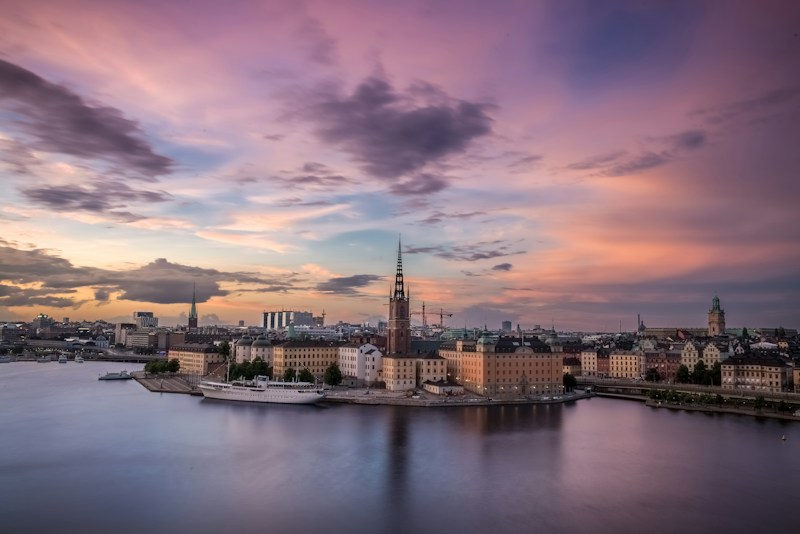
Lagom: The Swedish Philosophy That Explains Why Sweden Works
Lagom is a Swedish word with no direct English translation. The closest approximations are "just the right amount", "not too much, not too little", or "appropriate". None of these capture it fully. Lagom is less a descriptor and more a worldview — a deep cultural preference for balance, moderation and sufficiency that shapes Swedish behaviour in ways visitors find striking. The word's etymology is disputed, but one popular explanation traces it to "laget om" — around the team — referring to the Viking-era practice of passing a shared drinking horn around a group, each person taking a sip that left enough for everyone else. Whether accurate or not, the story captures the communal ethic embedded in the concept. You take what you need, no more. In practice lagom shows up everywhere in Swedish life. Swedish work culture strongly resists overworking — arriving early and leaving late signals poor time management, not dedication. Meetings are expected to start and end on time. Decisions are made by consensus, not imposed by authority. Individual achievement is acknowledged quietly, not celebrated loudly. Standing out too far in either direction — too much success, too visible failure — creates social discomfort. Swedish homes reflect lagom in their design. The aesthetic that has spread globally under the IKEA banner — functional, uncluttered, scaled to actual need — is an expression of the same philosophy. You do not buy furniture to impress. You buy what you need, well made, and stop there. Critics of lagom argue it can suppress ambition and punish genuine excellence. Proponents point to Sweden's consistently high scores on happiness, equality and quality of life indices. The tension between those two positions is itself a Swedish conversation — conducted, typically, at a moderate volume.
Read full article →