No messages yet — be the first to share something about Somalia!
Sign in to join the chat
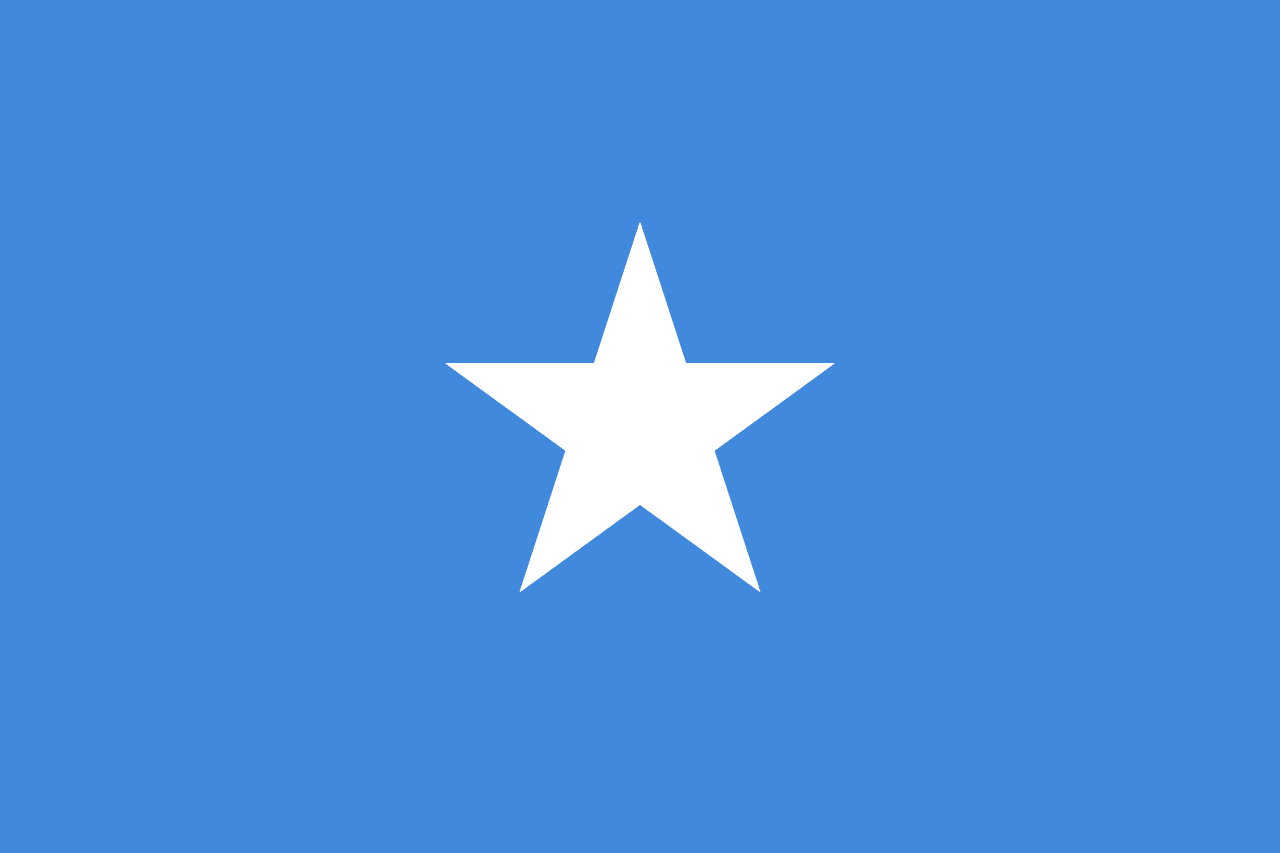
The Food of Somalia: 10 Dishes You Must Try
The Food of Somalia: 10 Dishes You Must Try Nestled along the Horn of Africa, Somalia is a country often overlooked when it comes to culinary exploration. Yet, its flavors tell a rich story of tradition, culture, and the beautiful blend of influences that have shaped its cuisine over centuries. Somalia's food reflects not just the bountiful ingredients from the land and sea but also the deep-rooted customs of hospitality and community. As I strolled through the bustling markets and lively streets of Mogadishu, the aroma of spices, grilled meats, and fresh bread wafted through the air, inviting me to dive into the heart of Somali gastronomy. Join me as I take you on a flavorful journey through ten traditional dishes that you must try when visiting this captivating country. First on my list is **Bariis Iskukaris**, a fragrant rice dish that forms the cornerstone of many Somali meals. The name translates to “spiced rice,” and it truly lives up to its title. Bariis Iskukaris is made using long-grain basmati rice cooked with a medley of spices, including cardamom, cinnamon, and cloves. The dish often features chunks of tender meat—typically lamb or chicken—that simmer in the rice, allowing their flavors to infuse every grain. This dish is usually served with a side of tangy tomato sauce, adding a delightful zest. You’ll often find Bariis Iskukaris at family gatherings or during special occasions, where it embodies the essence of sharing and celebration. Next, we have **Suqaar**, a flavorful Somali stir-fry that is as colorful as it is delicious. This dish consists of diced meat—often beef or goat—that is sautéed with a vibrant mix of vegetables like bell peppers, onions, and tomatoes. Seasoned with spices like cumin and coriander, Suqaar is typically served with either rice or flatbread, making it a versatile meal. As I sat in a small eatery in Mogadishu, indulging in this dish, I learned that Suqaar is a common choice for lunch among locals, providing the perfect fuel for a busy day of work and socializing. The combination of tender meat and fresh vegetables created a satisfying harmony that lingered long after my plate was cleared. Then there’s **Canjeero**, the Somali version of a traditional pancake or flatbread. Made from fermented dough, Canjeero has a unique, slightly tangy flavor and a soft, spongy texture that makes it perfect for scooping up stews or dipping into sauces. I had the pleasure of sampling Canjeero at a street stall, where it was served warm with a side of honey and ghee for breakfast. This dish is not just a meal; it embodies the warmth of Somali breakfast culture, where families gather to share stories and laughter over their morning meal. The aroma of freshly made Canjeero is a memory I’ll cherish, as it painted the start of my day in beautiful strokes of flavor and tradition. Another must-try dish is **Maraq**, a hearty Somali stew that warms both the body and soul. Maraq can be made with various ingredients, including chicken, beef, or fish, and is enriched with a variety of vegetables and spices. The slow-cooked nature of this dish allows the flavors to meld together beautifully, resulting in a rich and savory broth that is perfect for spooning over rice or serving with bread. I enjoyed Maraq at a family-run restaurant, where I was welcomed like family and encouraged to savor every drop of the delicious stew. This dish is often served during celebrations and gatherings, reinforcing the communal aspect of Somali dining. As I continued my culinary exploration, I encountered **Sambusa**, the Somali take on the classic samosa. These delightful pastries are filled with spiced meat, lentils, or vegetables and are deep-fried to golden perfection. The crispy exterior gives way to a flavorful filling that bursts with spices like cumin and coriander, making each bite an explosion of taste. Sambusa is a popular snack during Ramadan and other festive occasions, often served with spicy dipping sauces. I couldn’t resist munching on a few as I wandered through the streets, the crunching sound echoing my delight. No meal is complete without a side of **Basbousa**, a sweet semolina cake that is a beloved dessert across Somalia. Made from semolina, sugar, and yogurt, the cake is baked until golden and soaked in a sweet syrup infused with rosewater. The result is a moist, fragrant cake that is both delightful and indulgent. I had the pleasure of enjoying Basbousa at a family gathering, where it was served alongside cups of fragrant Somali tea. This dessert encapsulated the warmth of Somali hospitality, making me feel like part of the family as I savored the sweet end to a hearty meal. Moving on, we encounter **Kaluun**, or Somali fish, which holds a special place in the hearts of coastal communities. The fish is marinated with spices and grilled to perfection, often served alongside a fresh salad or rice. The taste is simply exquisite—smoky from the grill, tender, and flaky. I visited a seaside restaurant where the catch of the day was always a highlight. The local fishermen brought in fresh fish, and the aroma mingled with the salty sea breeze, creating an unforgettable dining experience. Kaluun embodies the rich marine resources of Somalia and reflects the deep connection between the people and the ocean. Next up is **Halwa**, a sweet treat that brings joy to many celebrations. This gelatinous confection is made from a mixture of sugar, cornstarch, and various flavorings like cardamom and nuts. It’s often cut into squares and served during weddings and special occasions. I was lucky enough to witness a wedding where Halwa was served, and the joy it brought to the guests was palpable. The sweetness of Halwa, complemented by its chewy texture, made it a delightful end to the festive feast, leaving everyone with smiles on their faces. Let’s not forget about the ubiquitous **Shaah**, or Somali tea, which is a staple in every household. This spiced tea is brewed with black tea leaves, milk, and a blend of spices, including cardamom and cinnamon. The result is a creamy, aromatic beverage that warms the soul. I experienced the joy of Shaah during a traditional Somali coffee ceremony, where the tea was served in small cups, inviting conversation and connection. The ritual of tea-drinking in Somali culture is deeply rooted in hospitality, often accompanied by stories, laughter, and the comforting scent of spices that linger in the air. Lastly, I must mention **Bariis Bajiye**, a unique variant of rice that incorporates fried plantains. The dish is visually stunning, with vibrant yellow rice layered with crispy plantains, creating a delightful contrast of flavors and textures. The sweetness of the plantains complements the savory spices of the rice, making it a favorite at festive gatherings. I found Bariis Bajiye served at a local restaurant, where it was the centerpiece of a sumptuous feast. The communal spirit around this dish, often shared among family and friends, made it a memorable highlight of my culinary journey. As I reflect on my time in Somalia, I can't help but marvel at the depth of flavors and the sense of community that each dish represents. The cuisine is a tapestry woven from the threads of history, culture, and the land itself. Whether it's the warmth of a bowl of Maraq shared among friends or the sweetness of Halwa enjoyed during celebrations, Somali food brings people together, fostering connections that transcend time and borders. For those eager to experience the vibrant cuisine of Somalia, you will find an array of delightful options. Head to bustling markets where vendors proudly display their culinary creations, or seek out street stalls where the tantalizing scents beckon you closer. Local restaurants also offer traditional dishes cooked with love and care, allowing you to savor the authentic flavors of Somali cuisine. Each bite you take will not only satisfy your hunger but also connect you to the rich cultural heritage of this remarkable nation. So pack your bags, ready your taste buds, and embark on a culinary adventure that will leave you with cherished memories and a heart full of warmth.
Read full article →The History of Somalia: From Ancient Times to Today
# The History of Somalia: From Ancient Times to Today Nestled on the Horn of Africa, Somalia is a land of rich cultural heritage, diverse landscapes, and a history that stretches back thousands of years. Its narrative is woven with tales of ancient civilizations, prosperous trade routes, and modern struggles that shape the lives of its people today. To understand Somalia is to embark on a journey through time, where every chapter reveals the resilience and tenacity of a people deeply connected to their land and traditions. ## Ancient and Indigenous History The story of Somalia begins in prehistoric times. Archaeological evidence suggests that humans have inhabited the region for at least 100,000 years. The earliest known inhabitants were hunter-gatherers who roamed the lush grasslands and savannas before the climate shifted toward the arid conditions seen today. As the environment changed, communities adapted, turning to pastoralism and establishing a profound relationship with their livestock, particularly camels, which remains central to Somali culture. By the first millennium BCE, Somalia was home to several indigenous groups, each contributing to the region's rich oral traditions. The Cushitic-speaking peoples settled across the territory, establishing small communities and engaging in trade. The coastal areas became bustling hubs, attracting traders from the Arabian Peninsula, Persia, and even India. This era marked the beginning of Somalia's role as a vital link in the trade networks that spanned the Indian Ocean. ## The Rise of Kingdoms and Empires As trade flourished, so did the emergence of powerful kingdoms and city-states. One of the most notable was the Kingdom of Aksum, which, from the first to the seventh centuries CE, extended its influence into the northern regions of Somalia. Aksumite merchants connected the Mediterranean with the East African coast, trading ivory, gold, and myrrh. The introduction of Christianity in Aksum during the reign of King Ezana also influenced the religious landscape of the region. By the 7th century, the Islamic faith began to take root in Somalia, primarily through traders who settled in coastal towns like Mogadishu, Zeila, and Barawa. Islam rapidly spread among the Somali people, reshaping their cultural identity and establishing a religious foundation that would endure for centuries. During the medieval period, Somalia became home to powerful sultanates that played crucial roles in regional politics and trade. The Sultanate of Mogadishu emerged as a prominent player in maritime commerce, while the Ajuran Sultanate, which flourished from the 13th to the 17th century, was known for its sophisticated governance and agricultural practices. The Ajuran people crafted impressive irrigation systems that transformed the arid landscape, demonstrating their ingenuity and resilience. The 15th century saw the rise of the Adal Sultanate, a formidable force that sought to expand its territory into Ethiopia. Led by the legendary military commander Ahmad ibn Ibrahim al-Ghazi, known as "Gurey," Adal engaged in a series of conflicts with the Christian kingdom of Ethiopia. This period of warfare, while initially successful for the Adal forces, ultimately led to the involvement of foreign powers, including the Portuguese, who supported the Ethiopians. The conflicts in this era highlighted the complexities of power dynamics in East Africa and marked a turning point in Somali history. ## The Colonial Period As the 19th century dawned, European powers turned their gaze to Africa, seeking new territories and resources. Somalia, with its strategic position along the Indian Ocean, became a target for colonial ambitions. In 1884, the British established a protectorate over the northern regions, known as British Somaliland. The Italians followed suit, laying claim to the southern parts of the territory, which they called Italian Somaliland. Colonial rule brought significant changes to Somali society. The British and Italians introduced new administrative systems, infrastructure, and education, but they also imposed foreign governance that often disregarded traditional Somali structures. Resistance to colonial rule was widespread; notable figures like Sayyid Mohammed Abdullah Hassan, also known as the "Mad Mullah," led revolts against both British and Italian forces in the early 20th century. Hassan's struggle became a symbol of Somali nationalism, and his legacy is remembered as a fight for independence and autonomy. The struggle against colonial rule was marked by a series of uprisings and revolts, but it was not until the mid-20th century that the tide began to change. As global movements for independence gained momentum after World War II, Somalia's aspirations for self-determination intensified. ## Independence and Modern Formation On July 1, 1960, Somalia achieved independence, merging the British Somaliland and Italian Somaliland into the Somali Republic. This momentous occasion ignited hope and optimism among Somalis, who envisioned a unified nation free from colonial rule. The country adopted a democratic system, and Aden Abdullah Osman was elected as the first president. However, the nascent republic faced numerous challenges, including tribal divisions, economic struggles, and political instability. In 1969, a military coup led by General Mohamed Siad Barre marked a significant turning point in Somalia's history. Barre established a socialist state, promoting a vision of "scientific socialism" while suppressing dissent and political opposition. Under his regime, major infrastructural projects were initiated, including the construction of roads, schools, and hospitals. Yet, the centralization of power and the neglect of traditional clan dynamics sowed discord among various Somali groups. The 1970s and 1980s were turbulent years for Somalia. Barre's government engaged in a territorial dispute with Ethiopia over the Ogaden region, leading to the Ogaden War in 1977. Although initially successful, the conflict eventually exposed weaknesses in the Somali military and led to significant losses. As internal strife escalated, opposition movements began to emerge, fueled by grievances over Barre's authoritarian rule. By the late 1980s, the country was on the brink of collapse. A civil war erupted, fueled by clan rivalries and the desire for autonomy. The once-unified nation fractured into factions, each vying for power. The chaos that ensued led to widespread violence, displacement, and humanitarian crises. The international community struggled to respond effectively, with interventions often leading to further complications. ## Somalia Today In 1991, the collapse of Barre's regime marked the beginning of a prolonged period of instability. The country descended into lawlessness, with warlords and militia groups battling for control. Mogadishu became a battleground, and the humanitarian consequences were dire. Starvation and disease ravaged the population, drawing the attention of international organizations and governments. The 1990s saw various attempts at peacebuilding, but these efforts were often hampered by the fragmentation of power and the absence of a central government. The humanitarian crisis reached its peak in the early 2000s, prompting the United Nations to intervene. However, the situation remained precarious, with sporadic violence continuing to disrupt daily life. The early 21st century brought some rays of hope. In 2004, a transitional federal government was established, aiming to unite the fractured nation. While progress was slow, initiatives to rebuild institutions and restore order began to take shape. The African Union also played a vital role, deploying peacekeeping forces to support stability. By 2012, Somalia celebrated a significant milestone with the adoption of a new federal constitution and the establishment of a federal government. Although challenges persisted, including the threat posed by extremist groups like Al-Shabaab, efforts to promote peace and reconciliation continued. The Somali people, resilient and determined, embarked on a journey of rebuilding their nation, drawing strength from their rich history and cultural heritage. Today, Somalia is a country in transition, striving to overcome the scars of its past while embracing the promise of a brighter future. Economic initiatives, particularly in sectors like telecommunications and agriculture, are gaining momentum, offering hope for a diverse and sustainable economy. The Somali diaspora, which has spread across the globe, plays a crucial role in supporting development efforts through remittances and investments. As we look toward the future, the story of Somalia is not merely a chronicle of conflict and struggle; it is a testament to the resilience and determination of a people who continue to strive for unity, peace, and prosperity. The journey is ongoing, and the echoes of the past will undoubtedly shape the path ahead, reminding us all of the enduring spirit of Somalia. In this rich tapestry of history, filled with triumphs and tribulations, one thing remains clear: the essence of Somalia is not just found in its past but in the aspirations of its people, united in their quest for a better tomorrow.
Read full article →Hidden Gems of Somalia: Places Most Tourists Miss
### Hidden Gems of Somalia: Places Most Tourists Miss When you think of travel in Somalia, the first images that might come to mind are those often portrayed in the media: bustling markets in Mogadishu, the haunting beauty of its coastline, or maybe even the remnants of a complicated history. While these images are compelling and certainly worth exploring, they often overshadow the more delicate and intimate experiences that lie just beneath the surface. For the intrepid traveler willing to dig a little deeper, Somalia offers hidden gems that tell stories of resilience, community, and breathtaking natural beauty, often missed by the average tourist. Here’s an invitation to step away from the well-trodden path and discover the lesser-known wonders of this fascinating country. Begin your journey in the serene village of Luuq, located in the southwestern region of Gedo. Often overlooked due to its location, Luuq is a hidden treasure along the banks of the Juba River. This quaint village is known for its rich agricultural heritage and vibrant local markets, overflowing with fresh produce, spices, and handmade crafts. Visit during the harvest season when the villages come alive with colorful festivities, and you’ll find yourself swept up in local celebrations that connect you to the heart of Somali culture. To reach Luuq, fly into the nearest major city, Baidoa, and hire a local guide to navigate the beautiful yet rugged terrain. Next, let’s head northeast to the captivating landscapes of the Karkar Mountains, an area that remains largely undiscovered by most travelers. Nestled in the northern part of Somalia, this mountain range offers a stark contrast to the arid plains surrounding it. The rugged hills are adorned with unique flora and provide a habitat for wildlife, including the elusive Somali wild ass. Hiking here is not just a physical adventure; it's a journey through breathtaking valleys and serene highlands. To get to the Karkar Mountains, take a flight to Hargeisa, the capital of Somaliland, and arrange for a local guide who knows the best trails and hidden spots that showcase the region’s natural beauty. Continuing our adventure, we arrive at the beautiful coastal town of Berbera, which, while gaining some attention for its beaches, still holds many secrets. Beyond the sandy shores lies a rich tapestry of culture and history. The town’s charming old port is a testament to its historical significance as a trading hub, with remnants of ancient stone buildings and bustling markets. Don’t miss the opportunity to explore the nearby Laas Geel cave paintings, some of the oldest rock art in Africa, which date back thousands of years. To visit Berbera, you can fly into Hargeisa and take a scenic drive along the coast, an experience filled with stunning ocean views and local encounters along the way. For those seeking a deeper connection to Somali traditions, the town of Burao should be on your itinerary. This is where the heart of Somaliland’s cultural identity beats strongest, particularly during the annual Burao International Festival. This vibrant celebration showcases music, dance, poetry, and traditional crafts, pulling in locals and travelers alike. It's an incredible opportunity to immerse yourself in the rich tapestry of Somali culture. The festival usually takes place in the summer months, but even outside of the festival season, Burao offers local markets and friendly faces that make it easy to feel at home. Getting to Burao is straightforward; simply fly into Hargeisa and take a comfortable taxi or arrange for local transport. A lesser-known but essential stop is the ancient coastal city of Zeila, which lies near the border with Djibouti. This historical town was once a thriving center for trade long before European colonialism. The remnants of ancient mosques, the ruins of old castles, and the stunning views of the Red Sea create a sense of timelessness. What makes Zeila special is its peaceful atmosphere, where you can stroll along the shores and engage with friendly locals who are eager to share stories of their heritage. To reach Zeila, travel by road from Hargeisa, a journey that will lead you through breathtaking landscapes, offering a taste of the country’s natural beauty. As we venture further into the heart of the country, the village of Jowhar presents another captivating experience. Known as the “breadbasket” of Somalia, Jowhar is surrounded by fertile lands that yield an abundance of crops. The local farmers take pride in their produce, and visiting this area allows you to understand the agricultural backbone of the Somali economy. The village is also famous for its lively markets where the community gathers to sell fresh fruits, vegetables, and handmade goods. To visit Jowhar, a short drive from Mogadishu will bring you to this bustling agricultural hub, inviting you to savor the flavors of Somalia and engage with its hardworking farmers. No exploration of Somalia would be complete without a visit to the stunning landscape of the Golis Mountains in Somaliland. Here, the rugged terrain is punctuated by lush valleys and high peaks that offer some of the most spectacular views in the country. The Golis Mountains are also home to unique biodiversity, including rare plant species and endangered wildlife. There are limited pathways for hiking, and thus, hiring a knowledgeable local guide is essential for discovering the best spots while ensuring your safety. The best way to access this enchanting region is to travel from Hargeisa and find a local guide who can help navigate the more remote trails. If you’re interested in cultural experiences, the town of Las Anod, located in the Sool region, is not to be missed. Known for its rich history and cultural significance, Las Anod has been a meeting point for various tribes and cultures throughout history. Engaging with the local community here provides insight into the diverse cultural practices that define Somalia. The locals are welcoming and often willing to share their stories, from traditional music to tribal customs. To reach Las Anod, you can take a road trip from Hargeisa, enjoying the scenic vistas along the way. Finally, round off your journey with a visit to the coastal city of Mogadishu. While it may not be off the beaten path for long-term residents, certain neighborhoods like Lido Beach and the surrounding areas are often overlooked by quick stopovers. The beaches here are not only beautiful but are also where you’ll find a vibrant local scene. Enjoy fresh seafood from local vendors, mingle with friendly beachgoers, or simply relax under the sun. The best way to explore Mogadishu is to connect with a local guide who can provide insights into the city’s ongoing renaissance and hidden spots. Traveling to Somalia is undeniably filled with challenges, but the rewards are equally remarkable. As you embark on this journey, keep a few practical tips in mind. Always prioritize safety by staying informed about the regions you plan to visit and seeking advice from local sources or travel advisories. Hiring local guides not only enhances your experience but also supports the community economically. Respect local customs and traditions, maintaining an open mind and heart as you navigate spaces unfamiliar to you. Finally, don’t forget to document your experiences and share them with others, helping to dispel misconceptions and showcase the beauty that lies beyond the headlines. Somalia is a country filled with hidden gems waiting to be discovered, each telling their own unique story. From the serene villages along the Juba River to the majestic mountains of Golis, these off-the-beaten-path locations offer a glimpse into the rich tapestry of Somali life, culture, and history. So pack your bags, keep your spirit adventurous, and prepare to embark on a journey filled with warmth, hospitality, and unforgettable moments.
Read full article →What It's Really Like to Live in Somalia
What It's Really Like to Live in Somalia When people think of Somalia, their minds often wander to conflict and chaos, influenced by decades of media coverage focusing on the struggles the country has faced. However, there’s so much more to this vibrant nation that is often overlooked. Having lived in Somalia for several years, I can attest to the warmth of its people, the richness of its culture, and the everyday realities that shape life in this Horn of Africa nation. Let me take you through a day in the life here—it's a journey filled with resilience, community, and a unique way of living. A typical day in Somalia often begins early, as the sun rises over the horizon, illuminating the expansive desert landscapes and bustling cities. The call to prayer echoes through the streets around 5:00 AM, signaling the start of the day for many. It's a sound that resonates deeply in the community, and you'll often find people waking up to make their way to the mosque for the morning prayer, or Fajr. The first meal of the day typically consists of chai (tea) and bread, often served with a side of fresh dates or a slice of Somali flatbread called canjeero, which resembles Ethiopian injera. As the sun rises higher, daily life kicks into full gear. In urban areas like Mogadishu, the capital city, the streets come alive with vendors setting up their stalls, colorful fruits and vegetables on display. The cost of living is relatively low compared to many Western countries; a plate of delicious rice and goat meat at a local restaurant may only set you back about 50,000 Somali shillings (roughly $1.25), and you can find fresh fruit like mangoes and bananas for as little as 5,000 shillings (around 12 cents). Food culture in Somalia is a beautiful blend of flavors and traditions influenced by trade with Arab and Indian cultures. Spices such as cumin, coriander, and cardamom are staples in Somali cooking, making dishes like camel meat stew and xawaash (a spice mix) a cherished part of everyday meals. While eating out is common, many families prefer to cook at home, often making large pots of food to share with extended family—a testament to the communal spirit that thrives here. The Somali custom of sharing meals fosters a sense of unity that transcends individual households. Family life is incredibly important in Somalia, and the concept of extended family is deeply ingrained in the culture. In many households, you’ll find multiple generations living under one roof, reinforcing bonds and providing support. This interconnectedness is reflected in social customs, where family gatherings are frequent, especially during holidays like Eid and weddings. During such occasions, it's customary to dress in traditional attire; women often wear colorful diracs, flowing dresses that exude elegance, while men might don a macawis, a sarong-like garment. The work culture in Somalia is dynamic yet challenging. Many people are self-employed, running small businesses or working as vendors in the bustling marketplaces. A day might start early with a trip to the local market to procure goods, followed by hours spent interacting with customers. The concept of bartering is still prevalent, and it’s not uncommon to see lengthy negotiations take place over the price of a bunch of bananas or a piece of clothing. For those who work in offices, the environment tends to be more relaxed than in Western contexts. The pace of life is slower, and meetings may come with a fair amount of casual conversation before serious topics are addressed. During the weekends, many locals find joy in simple pleasures. Friday is considered a holy day, and after attending prayers, families might gather for a picnic at the beach overlooking the Indian Ocean. The coastal city of Mogadishu boasts some stunning beaches, with crystal-clear waters and soft, sandy shores. Barbecuing fresh fish and enjoying the ocean breeze while sharing laughter and stories is a cherished way to unwind. As the sun sets, you might find families around bonfires, sharing traditional music and dance, with the rhythms of the drum echoing through the night. The weather in Somalia plays a significant role in shaping life here. With a predominantly hot and arid climate, temperatures can soar well above 40°C (104°F) during the day, especially in the summer months. Locals have adapted to the heat by embracing a lifestyle that revolves around early mornings and late evenings—the hottest parts of the day are often spent indoors. The rainy season, known as Gu, brings relief and is celebrated with joy, as it revitalizes the arid land and fills rivers. During this time, you might hear the phrase "Roob ma da'ayo," meaning "The rain is falling," and it’s often met with excitement. However, life in Somalia is not without its challenges. The scars of the past linger, and the country still faces issues related to infrastructure, security, and governance. While there has been substantial progress in recent years, many areas still struggle with basic services such as healthcare and education. Traveling outside urban centers can be risky, and the need for caution is a constant reminder of the complexities that come with living in a nation that has faced turmoil. Yet, despite these challenges, there are countless positives to living in Somalia. The sense of community is unparalleled; you’re rarely a stranger for long. Neighbors look out for each other, and social gatherings are filled with laughter, storytelling, and shared meals. The resilience and optimism of the Somali people are inspiring; they have an incredible ability to find happiness and joy in everyday life, even amidst adversity. What often surprises foreigners the most about Somalia is the hospitality and friendliness of its people. Many visitors are taken aback by the genuine warmth extended to them. It’s not uncommon for strangers to greet you with a smile and offer you tea, even if you’ve only just met. The phrase "Aad baad u mahadsan tahay," meaning "Thank you very much," is frequently exchanged in moments of kindness. This sense of hospitality is rooted deeply in Somali culture, where welcoming guests is not just a custom but a point of pride. In conclusion, living in Somalia is a tapestry woven with threads of rich culture, community, and resilience. Daily life is a blend of tradition and modernity, filled with moments that reflect the tenacity of its people and their ability to thrive despite the odds. While challenges exist, they are met with a spirit that embraces hope and joy. For anyone willing to look beyond the headlines, Somalia offers an incredible opportunity to witness the beauty of everyday life, where the heart of the nation beats strong in the laughter of its children, the aroma of spices in the air, and the unwavering bonds of family and friendship. Somalia is a land of stories, and living here is a chance to be a part of one that is still being written.
Read full article →Why Visit Somalia
Somalia occupies the Horn of Africa — the easternmost point of the African continent — with coastlines on both the Indian Ocean and the Gulf of Aden that stretch for over 3,300 kilometers, the longest coastline of any mainland African country. Though the country has faced decades of conflict and instability that have made travel to many areas extremely difficult, Somalia's history, landscape, and culture represent one of the ancient world's great civilizations, and parts of the country — particularly the self-declared republic of Somaliland in the north — are increasingly accessible and welcoming to visitors. Somaliland, which declared independence from Somalia in 1991 though it is not internationally recognized, has maintained relative stability for three decades and has developed functioning government institutions and a growing economy centered on the port city of Berbera on the Gulf of Aden. Hargeisa, Somaliland's capital, is a bustling city where the outdoor money market, the war memorial (a downed jet aircraft that was used to bomb the city in 1988), and the Hargeisa Cultural Center provide insight into this remarkable and undervisited territory. The Laas Geel cave complex near Hargeisa contains some of the best-preserved prehistoric cave paintings in Africa, dating to 9,000-3,000 BCE, depicting cattle, humans, and wild animals in vivid red, orange, and white pigments in superb condition. Berbera, on the Gulf of Aden coast, has one of the world's largest natural harbors and beaches of extraordinary length and beauty that are nearly entirely undeveloped. The turquoise water, warm temperatures, and complete absence of other tourists make Berbera's beach extraordinary for those who reach it. Somalia's ancient history is deep and significant. The land of Punt, mentioned in ancient Egyptian texts as a trading partner from whom incense, gold, and exotic animals were obtained, is believed to have been located in the Horn of Africa region. Zeila, near the Ethiopian border in Somaliland, contains the ruins of one of the oldest cities in sub-Saharan Africa — mosques dating to the 7th century and Ottoman-era architecture in a port town accessible by road. The wildlife of Somalia includes gerenuk (long-necked gazelle), Grevy's zebra in border areas, and significant marine life along its Indian Ocean coast where whale sharks and sea turtles are found. Somali cuisine is one of East Africa's most distinctive — Isku-dheh karis (mixed rice with meat and spices), sambusa (fried pastries), and fresh grilled fish are staples. Camel milk, consumed fresh, is a traditional delicacy. Travel advice should be checked carefully before any visit, with Somaliland being the most accessible region.
Read full article →Somalia: Ancient Trade Routes, Oral Poetry and the World's Longest Coastline in Africa
Somalia has the longest coastline of any African country — 3,333 kilometres on the Indian Ocean and the Gulf of Aden — a geography that has made it a maritime trading culture for thousands of years. The Land of Punt, mentioned in ancient Egyptian texts as a source of frankincense, myrrh, gold, and ivory, is identified by most historians as the Somali coast. Arab traders established routes through Somali ports that connected East Africa, Arabia, Persia, and India for centuries before European contact. Somali oral poetry is one of the world's great literary traditions and has been the primary medium of Somali intellectual and political life for centuries. The genre of gabay — formal poetry on political and philosophical subjects — was the vehicle through which Somali public figures argued, persuaded, declared war, and negotiated peace. Poets were the journalists, historians, and political commentators of Somali society. The tradition continues — Somali poets compose and perform on radio, at community gatherings, and online, maintaining a form that predates writing on this coast by a thousand years. The Somali diaspora — one of the largest in the world, with substantial communities in the United States, the United Kingdom, Canada, the Nordic countries, and the Gulf — has produced remarkable achievements in business, politics, literature, and athletics. Mo Farah, the long-distance runner who won four Olympic gold medals for Britain, was born in Somalia. Ilhan Omar, the US Congresswoman, is Somali-American. The Somali story is not only a story of crisis. It is also a story of people who arrived in new places and built new things.
Read full article →