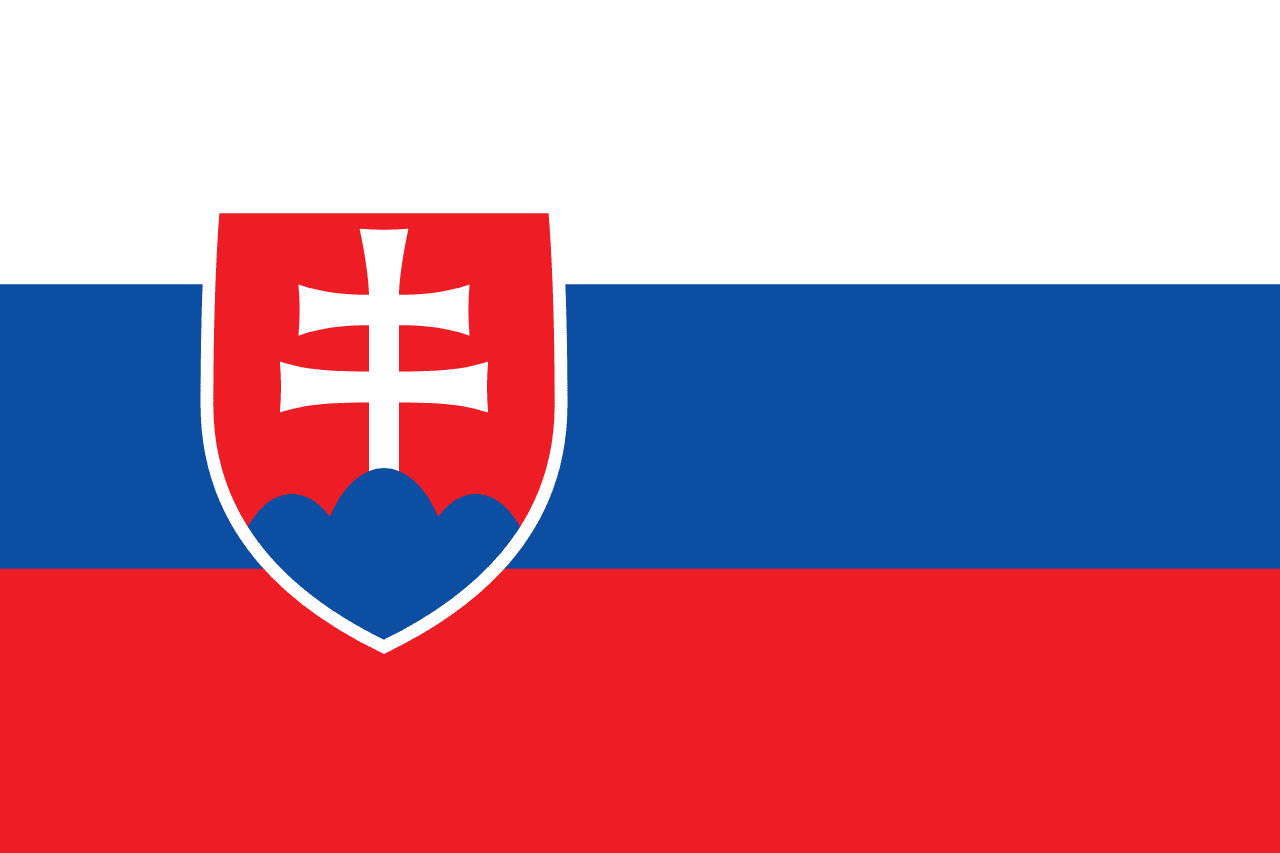
Slovakia
Posts, videos and blogs from Slovakia · Chat with people about Slovakia
Post about SlovakiaNo messages yet — be the first to share something about Slovakia!
Sign in to join the chat
The Food of Slovakia: 10 Dishes You Must Try
Slovakia, a small but enchanting country nestled in the heart of Central Europe, is a hidden gem when it comes to culinary delights. With its diverse landscapes, ranging from the majestic High Tatras mountains to lush valleys, Slovakia’s food reflects the land's rich agricultural roots and cultural tapestry. The warmth of Slovak hospitality is palpable in every bite, and the flavors are a beautiful amalgamation of regional influences, traditional recipes passed down through generations, and a deep connection to the soil. As I wandered through charming villages and vibrant cities, I found that Slovak cuisine is not just about eating; it’s a celebration of life, history, and community. Join me on this delicious journey as I unveil ten must-try dishes that capture the essence of Slovakia’s gastronomic heritage. Let’s start with bryndzové halušky, perhaps the most iconic dish in Slovakia. This comforting classic consists of potato dumplings smothered in a creamy sheep cheese known as bryndza. The halušky are soft and pillowy, offering a delightful chewiness that pairs perfectly with the tanginess of the cheese. Topped with crispy bits of bacon, the dish is hearty and rich, sure to satisfy any appetite. You can often find bryndzové halušky in traditional Slovak pubs or family-run restaurants, where the atmosphere is as warm as the food. Legend has it that this dish originated in the Tatra mountains, where shepherds would prepare it using ingredients readily available in their alpine surroundings; today, it remains a beloved staple that brings families together around the dinner table. Next on our culinary adventure is kapustnica, a robust sauerkraut soup that is particularly popular during the Christmas season. This flavorful concoction typically includes smoked meats, such as sausage or ham, and a variety of spices that create a warming, savory broth. The taste is a beautiful balance of sour and smoky, with the tanginess of the fermented cabbage lending an unmistakable depth of flavor. You’ll often find kapustnica being served in family homes, especially during festive gatherings, as it is said to symbolize prosperity and good health for the coming year. The soup embodies the spirit of Slovak hospitality, making it a perfect dish for sharing and bonding over good conversation and laughter. For a bit of sweetness, let’s indulge in trdelník, a beloved pastry that has captured the attention of both locals and tourists alike. Often referred to as " chimney cake," this delightful treat is made by wrapping dough around a wooden cylinder and roasting it over an open flame until golden brown. The result is a crispy exterior with a soft, fluffy interior. Traditionally, it is rolled in a mixture of sugar and nuts, but today you can find countless variations filled with ice cream, chocolate, or fruit. I stumbled upon a delightful street stall in Bratislava’s Old Town, where the aroma of freshly baked trdelník wafted through the air. As I took my first bite, the combination of textures and flavors transported me to a world of comfort and indulgence. While its origins are debated, many believe it hails from the region of Transylvania, yet it has become a symbol of Slovak street food culture. Another traditional dish you must experience is pirohy, which are stuffed dumplings that come in various fillings, from savory to sweet. The dough is made with flour and water, rolled out thin, and then filled with ingredients like potatoes, cheese, mushrooms, or even fruit like plums for dessert versions. Each bite is a delightful explosion of flavors, where the doughy exterior meets the rich, savory filling. Pirohy are often served with sour cream and chives for a refreshing contrast. You can find them at family-owned eateries or local markets, where vendors proudly showcase their handmade creations. The origins of pirohy can be traced to Slavic traditions, where they were made to celebrate special occasions and gatherings, symbolizing unity and community. Now, let’s delve into another beloved dish: zemiakové placky, or potato pancakes. These crispy delights are made from grated potatoes mixed with flour and spices, then fried until golden brown. The texture is wonderfully crunchy on the outside while remaining tender inside. Often served with sour cream or applesauce, zemiakové placky are a popular street food and comfort dish enjoyed by many. I discovered a small food stall at a local festival, where the owner whipped up fresh batches to order. The joy of biting into a warm, crispy pancake was enhanced by the lively atmosphere of the festival, where people gathered to celebrate Slovak traditions. These pancakes have a long history, often associated with harvest celebrations, and they remain a testament to the resourcefulness of Slovak cooking. When it comes to meat dishes, one cannot overlook the hearty and flavorsome vyprážaný syr, or fried cheese. This delightful dish features a thick slice of cheese—typically Edam—coated in breadcrumbs and deep-fried to golden perfection. The exterior is crispy and crunchy, while the inside is ooey-gooey and indulgently rich. It is often served with tartar sauce and a side of fries or a simple salad, making it a delightful meal or snack. I remember enjoying vyprážaný syr at a quaint café in Košice, where locals gathered over plates of this comfort food. The cheese is not just a dish; it embodies the Slovak penchant for hearty, simple foods that bring joy and satisfaction. Originally a staple in Czech cuisine, it has found its rightful place in Slovak hearts and tables. Moving on to one of my personal favorites, we have lokše, which are traditional Slovak potato flatbreads. These delightful pancakes can be enjoyed sweet or savory, often filled with ingredients like poppy seeds, jam, or even duck meat. The taste is subtly earthy, with a hint of sweetness when prepared with fruit fillings. Locals often enjoy lokše during holidays, particularly in autumn when potatoes are abundant. A memorable experience for me was at a village feast, where these flatbreads were made fresh on-site, the aroma filling the air as they cooked on a hot griddle. Each bite felt like a warm hug, a reminder of the deep connections that food fosters among families and communities. As we continue our culinary exploration, we encounter the rich and satisfying dish known as guláš, or goulash. This savory stew is typically made with tender pieces of beef, slow-cooked in a rich broth of vegetables and aromatic spices, often served with dumplings or bread. The flavors meld together beautifully, creating a hearty meal that warms the soul. I was fortunate enough to savor a bowl of guláš during a chilly evening at a rustic mountain lodge, where the crackling fire and laughter of friends added to the experience. Goulash is more than just a meal; it’s a symbol of comfort, often served during gatherings to nourish both body and spirit. No exploration of Slovak cuisine would be complete without the mention of štrúdľa, or strudel, a beloved dessert that showcases the country’s baking prowess. This delicate pastry is filled with a variety of ingredients, from traditional apple and cinnamon to poppy seeds and cherries. The dough is rolled thin, enveloping the sweet filling in layers of flaky goodness. I encountered štrúdľa at a charming bakery in a small village, where the owner took pride in her family recipe. With each bite, the combination of textures and flavors was exquisite; the warmth of the filling contrasted beautifully with the crispiness of the pastry. Strudel has roots in Central European traditions, yet it has become a cherished dessert that brings a sense of nostalgia and comfort to many Slovaks. Lastly, we cannot overlook the traditional beverage that complements many meals: borovička, a juniper-flavored spirit often enjoyed as an aperitif. This potent drink is made from distilled grain and flavored with juniper berries, resulting in a unique and aromatic flavor profile that can be both refreshing and invigorating. I was treated to a glass of borovička at a small tavern in the mountains, where locals gathered to enjoy hearty meals and share stories. It is customary to sip borovička slowly, savoring its flavors and embracing the social aspect of drinking together. This spirit is not just a drink; it embodies camaraderie and the joy of celebrating life’s moments, big and small. As you venture into the heart of Slovakia, you’ll find that the best food is often tucked away in bustling markets, charming street stalls, and family-run restaurants. The vibrant markets, such as Bratislava’s Central Market, offer a cornucopia of fresh produce, artisanal cheeses, and traditional meats, perfect for sampling local flavors and ingredients. Street stalls throughout cities like Košice and Prešov serve up quick bites of comfort food, while cozy eateries invite you to sit and savor a meal crafted with love and tradition. No matter where you go, the warmth of Slovak hospitality, paired with the delicious cuisine, is sure to leave a lasting impression on your heart and palate. So, whether you’re exploring the cobblestone streets of Bratislava, hiking the picturesque trails of the High Tatras, or mingling with locals at a village festival, make sure to indulge in these ten unforgettable dishes. Each plate tells a story, rich with history and culture, and reflects the soul of Slovakia—a country where food is not just sustenance but a celebration of life, love, and togetherness.
Read full article →The History of Slovakia: From Ancient Times to Today
# The History of Slovakia: From Ancient Times to Today Nestled in the heart of Central Europe, Slovakia's history is a tapestry woven from diverse threads of cultures, empires, and nations. From its ancient roots to its modern-day identity, Slovakia has undergone extraordinary transformations that reflect the resilience and spirit of its people. In this journey through time, we’ll explore the key eras that have shaped this beautiful nation, revealing its rich heritage and the pivotal moments that have defined its path. ## Ancient Roots and Indigenous History The story of Slovakia begins in the depths of prehistory. Archaeological findings indicate that the territory has been inhabited since the Paleolithic era, with evidence showing human presence dating back to the Upper Paleolithic period around 30,000 years ago. By the Neolithic period, approximately 6,000 years ago, the first agricultural communities emerged, cultivating crops and domesticating animals. These early Slavic tribes laid the groundwork for the cultural identity that would flourish in the centuries to come. As time progressed, the area witnessed a significant influx of various tribal groups, including the Celts, who arrived around the 4th century BCE. They established fortified settlements and traded with nearby civilizations, leaving behind a legacy of impressive hill forts. The Romans, who expanded their empire into the region, encountered these Celtic tribes but never fully conquered the territory that is now Slovakia. The arrival of the Slavs around the 6th century marked a critical turning point in Slovakia's history. These migrants would come to form the backbone of the Slovak nation. By the 9th century, the Slavic tribes had united under the Great Moravian Empire, the first significant political entity in the region. Great Moravia is often viewed as a precursor to the modern Slovak state; it was during this time that Christianity was introduced, largely attributed to the mission of Saints Cyril and Methodius, who brought the Slavic alphabet and literacy to the area. ## The Rise and Fall of Kingdoms Following the decline of Great Moravia in the early 10th century, the territory of present-day Slovakia became part of the Kingdom of Hungary, which was established by the Árpád dynasty. For nearly a millennium, Slovakia would be integral to Hungarian history, profoundly influencing its cultural and political landscape. The region became known for its vibrant towns and fortified castles, many of which still stand today as testaments to a time when Slovakia was a significant player in Central European politics. The medieval period saw the rise of powerful noble families that controlled vast estates. One such family, the Csák dynasty, emerged as a dominant force in the 13th century, asserting their influence over much of Slovakia. The era was marked by a flourishing of arts and architecture, with Gothic cathedrals and castles adorning the landscape. Notable figures from this period include the brave King Sigismund of Luxembourg, who, despite being a Hungarian king, had a profound impact on the development of Slovakia. However, the glory days of the Kingdom of Hungary would face challenges, particularly from the Ottoman Empire during the 16th century. The Ottomans launched a relentless campaign into Central Europe, leading to the Battle of Mohács in 1526, which resulted in a significant defeat for the Hungarians. This battle caused a power vacuum in the region, leading to the partition of Hungary between the Ottomans and the Habsburgs, with Slovakia falling under Habsburg rule. Under Habsburg rule, Slovakia experienced a cultural renaissance, particularly during the Enlightenment. The 18th century saw the rise of a national consciousness fueled by a sense of Slovak identity. Intellectuals such as Ján Kollár and Ľudovít Štúr emerged, advocating for the Slovak language and culture, which would lay the groundwork for future movements toward independence. ## A Struggle for Identity and Independence The 19th century was a tumultuous time for Slovakia as the struggle for national identity intensified. Amidst the backdrop of the Austro-Hungarian Empire, Slovaks began to assert their distinct cultural identity, fueled by the nationalist movements sweeping across Europe. In 1848, a wave of liberal revolutions erupted, and Slovaks took to the streets demanding autonomy within the empire. The Slovak National Council was established, and the movement bore the seeds of a burgeoning national consciousness. Yet, the desire for autonomy was met with resistance from the Austrian authorities, who were determined to maintain control over their diverse empire. The 1867 Austro-Hungarian Compromise solidified the dual monarchy, and Slovaks found themselves further marginalized. Despite this, they continued to work towards cultural revival, with the establishment of educational institutions and cultural organizations dedicated to promoting the Slovak language and heritage. The First World War, which culminated in 1918, presented a unique opportunity for Slovaks to reassess their national aspirations. As the Austro-Hungarian Empire crumbled, Slovak leaders, including Tomáš Masaryk and Milan Rastislav Štefánik, sought to unite Slovaks and Czechs into a single state. This vision culminated in the founding of Czechoslovakia on October 28, 1918, officially marking the birth of a new nation. However, this union was not without its challenges, as significant cultural and political differences between Czechs and Slovaks often led to tensions. ## The Interwar and WWII Years The interwar period was marked by efforts to integrate the Slovak population into the broader Czechoslovak state, but regional disparities continued to fuel dissatisfaction. The rise of nationalism and a yearning for autonomy among Slovaks grew stronger, leading to the establishment of the autonomy movement by the late 1930s. In 1939, amidst the backdrop of World War II, Slovakia declared independence, becoming a puppet state of Nazi Germany. This era was one of darkness, characterized by collaboration with the Nazis and the persecution of Jews, Roma, and political dissidents. The Slovak National Uprising of 1944, a courageous revolt against Nazi rule, signified a pivotal moment in Slovakia's fight for freedom. While ultimately unsuccessful, the uprising demonstrated the resilience of the Slovak spirit and the desire for self-determination. In 1945, as the war came to a close and Czechoslovakia was liberated, the country was reestablished, and Slovakia was once again part of a united state. ## Communist Rule and the Velvet Revolution The post-war period saw Czechoslovakia fall under the influence of communism, becoming a satellite state of the Soviet Union. The Communist Party gained control of the government in 1948, imposing a regime marked by repression and economic struggles. While Slovakia underwent industrialization, it often came at the expense of its cultural identity. Many Slovaks felt alienated as Prague's centralized government dominated political and economic decision-making. The roots of a counter-narrative began to take shape during the Prague Spring of 1968, a brief period of liberalization and reform that was crushed by Soviet intervention. Nevertheless, the desire for greater autonomy continued to simmer beneath the surface. It would take another thirty years for the people of Slovakia to reclaim their voice. The Velvet Revolution of 1989 was a watershed moment in Czechoslovak history. A peaceful uprising led by students and dissidents, including the charismatic Václav Havel, marked the end of communist rule. The nation emerged from the shadows of oppression, but the question of national identity resurfaced, this time with renewed urgency. The peaceful dissolution of Czechoslovakia in 1993 marked the birth of the Slovak Republic on January 1, making Slovakia an independent nation for the first time in centuries. ## Slovakia Today: A Nation Reclaimed Today, Slovakia stands as a proud and vibrant country, having carved out its own identity on the European stage. Since gaining independence, Slovakia has made significant strides in various domains. It joined NATO in 2004 and became a member of the European Union the same year, marking its commitment to democratic values and economic development. Slovakia's rich cultural tapestry is reflected in its festivals, art, and traditions. The country is renowned for its folk music, intricate handicrafts, and stunning landscapes, with the High Tatras and the Danube River drawing visitors from around the world. Cities like Bratislava, with its charming old town and vibrant café culture, showcase a blend of old and new, while the majestic castles scattered throughout the countryside whisper tales of the past. As the 21st century progresses, Slovakia faces new challenges and opportunities. The recent surge of nationalism in Europe, combined with economic disparities and political divisions, continues to shape the nation’s journey. Yet, the spirit of resilience that has defined Slovakia's history remains strong. The people of Slovakia continue to celebrate their rich heritage while looking towards the future with hope and determination. In conclusion, the history of Slovakia is a testament to the resilience and tenacity of its people—a story marked by ancient roots, vibrant cultures, struggles for independence, and a journey of self-discovery. From ancient tribes to modern statehood, Slovakia continues to evolve, embracing its past while forging ahead into an uncertain but promising future. The story of Slovakia is still being written, and it is one that deserves to be told and celebrated.
Read full article →Hidden Gems of Slovakia: Places Most Tourists Miss
Slovakia, a jewel nestled in the heart of Central Europe, often finds itself overshadowed by its more prominent neighbors like Prague and Vienna. When travelers flock to this enchanting country, many are drawn to its famous landmarks: the majestic Bratislava Castle, the dramatic High Tatras, or the quaint streets of Banská Štiavnica. However, beyond these well-trodden paths lies an array of hidden gems waiting to be discovered. For those willing to venture off the beaten track, Slovakia offers a treasure trove of lesser-known destinations that reveal the country’s rich tapestry of culture, history, and natural beauty. Join me as we explore eight of these enchanting locales that will add depth and adventure to your Slovakian journey. First on our journey is the charming village of Čičmany, located in the hills of the Žilina region. Renowned for its beautifully preserved wooden houses adorned with intricate, geometric folk patterns, Čičmany is a living museum of Slovakian folk architecture. As you stroll through the village, you can almost hear the whispers of the artisans who crafted these homes. The village is also home to the Čičmany Museum, where visitors can learn about traditional crafts and folk culture. To get there, take a train from Bratislava to Žilina, then catch a local bus to this picturesque settlement. Don’t forget to sample the local delicacy, the “bryndzové halušky,” a delicious dish of potato dumplings served with sheep cheese. Next, we journey to the remote and stunning Slovak Paradise National Park, known as Slovenský raj. This lesser-known gem offers a breathtaking array of gorges, waterfalls, and lush forests. The park is particularly famous for its hiking trails that feature ladders and chains, creating an exhilarating experience as you navigate through its rugged terrain. One of the highlights is the Suchá Belá gorge, where you can witness cascading waterfalls and nature's raw beauty. To reach Slovenský raj, fly into Košice and take a train or bus to the town of Hrabušice, which serves as a gateway to the park. Prepare for a day of adventure; pack a picnic and make sure to wear sturdy shoes! Our next stop is the enchanting town of Levoča, tucked away in the Prešov region. Often overlooked, this UNESCO World Heritage site boasts a beautifully preserved medieval old town with the stunning St. James Church, which houses the tallest wooden altar in the world, crafted by the renowned artist Master Paul of Levoča. The atmosphere is palpable as you wander the cobbled streets, where history seems to echo with every step. Just a short drive from the town is the majestic Spiš Castle, one of the largest castle complexes in Central Europe, offering panoramic views of the surrounding landscape. To reach Levoča, take a train from Košice or Poprad, and experience the charm of this hidden historical treasure. If you’re seeking a more tranquil escape, look no further than the picturesque village of Terchová, located in the Malá Fatra mountains. This vibrant village is the birthplace of the famous Slovak national hero, Juraj Jánošík, and every October, it hosts a lively festival in his honor, celebrating folklore through music, dance, and traditional crafts. Beyond the festivities, the surrounding mountains offer hiking routes of varying difficulty, making this a perfect destination for nature lovers. To reach Terchová, travel by bus from Žilina, and don't miss the chance to try local specialties such as “pirohy,” delightful dumplings that are a staple in Slovak cuisine. As we continue our journey, we find ourselves in the quaint village of Vlkolínec, another UNESCO World Heritage site that seems to have been frozen in time. Nestled in the hills near Ružomberok, this traditional Slovak village features 45 wooden houses dating back to the 19th century, showcasing the unique architectural style of the region. The tranquility of Vlkolínec is palpable, with its stunning mountain backdrop and breathtaking views. The best way to reach Vlkolínec is to drive or take a bus from Ružomberok; it’s a short but steep walk from the parking area to the village. Spend a few hours wandering the peaceful streets, and be sure to capture the beauty of this serene destination on your camera. For those keen on immersing themselves in Slovakian culture, the village of Častá, located near the capital, Bratislava, offers an authentic local experience often missed by tourists. This small village is known for its traditional folk architecture and the annual Častá Folklore Festival, which showcases vibrant performances of Slovak music and dance. The warm hospitality of the locals and the delicious homemade food will leave a lasting impression on your heart. You can reach Častá by taking a local train or bus from Bratislava, making it an easy day trip for a taste of traditional Slovak culture. A trip to Slovakia wouldn’t be complete without experiencing the stunning beauty of the Orava region, particularly the Orava Castle perched on a hill overlooking the scenic landscape. This dramatic fortress, dating back to the 13th century, captivates visitors not just with its imposing structure but also with its fascinating history. A guided tour through the castle reveals tales of nobility and intrigue. Nearby, the picturesque village of Oravský Podzámok offers charming accommodations and a chance to explore the surrounding area, including the serene Orava Reservoir. To get there, take a bus from the town of Dolný Kubín, and prepare for a journey through some of the most stunning countryside Slovakia has to offer. As we near the end of our exploration, we must mention the charming town of Bardejov, a UNESCO World Heritage site often overlooked by travelers. With its well-preserved medieval square, ancient Jewish cemetery, and impressive Gothic church of St. Egidius, Bardejov is a history enthusiast's dream. The town's thermal baths offer a chance to unwind after a day of sightseeing. To reach Bardejov, take a train from Prešov or Košice, and allow yourself to get lost in the history and charm of this hidden gem. Finally, our journey brings us to the natural beauty of the Little Carpathians, specifically the enchanting village of Pezinok. This area is famed for its vineyards and wine production, making it a delightful stop for wine lovers. The annual Pezinok Wine Festival celebrates local wines and traditional Slovak culinary delights, offering a perfect opportunity to sample the region's best. The village is easily accessible via a train from Bratislava, and the scenic vineyards that surround it make for a beautiful hike or leisurely bike ride. Exploring Slovakia’s lesser-known corners not only unveils breathtaking landscapes and rich cultural experiences but also allows travelers to connect more authentically with the local people and traditions. As you plan your journey, consider these hidden gems, as they offer a glimpse into the true spirit of Slovakia that many tourists miss. When embarking on your adventure to these off-the-beaten-path destinations, a few practical tips will enhance your experience. Firstly, consider traveling during the shoulder seasons of spring and autumn. This way, you can enjoy milder weather and fewer crowds, allowing for a more intimate experience. Always learn a few basic Slovak phrases; the locals will appreciate your effort, and it may lead to more enriching interactions. Finally, pack comfortable shoes and a sense of adventure, as many of these destinations require some exploration on foot. In the heart of Central Europe, Slovakia remains a captivating destination for those willing to wander off the tourist trails. From charming villages to breathtaking landscapes, each hidden gem tells a story waiting to be discovered. So, whether you’re hiking through the Slovak Paradise or sipping wine in Pezinok, let the allure of Slovakia’s hidden gems inspire your next adventure.
Read full article →What It's Really Like to Live in Slovakia
What It's Really Like to Live in Slovakia Slovakia, a small yet enchanting country nestled in the heart of Central Europe, often flies under the radar of many travelers. However, having spent several years living in this beautiful nation, I can attest that Slovakia offers a rich tapestry of experiences that make everyday life here both unique and rewarding. From daily routines to the subtleties of social customs, the Slovak way of life is filled with charm and surprises. Picture waking up in a quaint apartment in Bratislava, the capital city, surrounded by the picturesque landscape of the Carpathian Mountains. The morning sun streams through the window, and the aroma of freshly brewed coffee wafts through the air. A typical Slovak morning begins with a simple breakfast, often consisting of a slice of bread with butter and a sprinkle of salt or a sweet pastry called “trdelník,” which is particularly popular in touristy areas. Coffee culture is thriving in Slovakia, with a cup of robust Slovak coffee costing around €1.50, which you can enjoy at any local café while people-watching or reading the morning news. When it comes to daily life, Slovakia benefits from a slower pace, especially compared to many Western European countries. Public transport is efficient and affordable, making it easy to navigate urban areas. A monthly public transport pass in Bratislava costs around €35, allowing you unlimited travel on buses, trams, and trolleybuses. The infrastructure is well-maintained, and locals pride themselves on punctuality. If you plan to visit someone’s home, it is polite to arrive on time, as being late can be seen as disrespectful. The cost of living in Slovakia is generally lower than in many Western European countries, which is a breath of fresh air for expats. Rent for a one-bedroom apartment in the heart of Bratislava can range from €500 to €700, depending on the neighborhood, while smaller towns like Nitra or Prešov offer even more affordable options. Groceries are reasonably priced, with a loaf of bread costing around €0.80 and a liter of milk about €1.00. Dining out is also quite economical; a meal at a local restaurant can set you back between €6 to €10. Traditional Slovak dishes, such as “halušky” (potato dumplings) or “sviečková” (marinated beef in cream sauce), are not only delicious but also easy on the wallet. Food culture in Slovakia is deeply rooted in tradition and family. Slovaks take pride in their culinary heritage, which features hearty, comforting dishes. Sunday family lunches are a cherished tradition and often include a spread of local specialties. During holidays, you’ll find festive meals that showcase the region's produce, such as smoked meats and rich pastries. The Slovak love for food is also reflected in the numerous food festivals celebrated throughout the year, where locals and visitors alike gather to sample regional dishes and enjoy live music. Social customs in Slovakia can be both warm and formal. Greetings typically involve a firm handshake, and it’s customary to address people using their titles and surnames until invited to do otherwise. Slovaks are known for their hospitality; if you’re invited to someone’s home, it’s polite to bring a small gift, such as flowers or a bottle of wine. It’s also common to offer a toast when drinking, with the phrase “Na zdravie!” meaning “To health!” echoing through many social gatherings. As you mingle with locals, you’ll quickly discover a strong sense of community, especially in smaller towns where everyone knows each other's names. Family life holds significant importance in Slovak culture. Many families prioritize spending time together, whether it’s enjoying a meal, participating in outdoor activities, or attending local events. Children are often seen playing outside in parks or engaged in organized sports. Family gatherings during holidays are elaborate affairs, where traditions are passed down through generations. Slovaks take pride in their children’s education, often helping them with homework or engaging them in cultural activities, from music lessons to folklore dance classes. Work culture in Slovakia reflects a blend of traditional values and modern influences. The workweek typically runs from Monday to Friday, with weekends reserved for relaxation and family time. Slovaks generally enjoy a balanced work-life dynamic, and while the work environment can sometimes feel formal, there’s often a friendly camaraderie among colleagues. Expect to see coffee breaks as an essential part of the day, during which employees gather to chat and unwind. The average monthly salary in Slovakia is around €1,300, but this varies significantly between different professions and regions. As the weekend rolls around, Slovaks know how to unwind. Many locals venture to the mountains for hiking or skiing, as Slovakia is blessed with stunning natural landscapes. The High Tatras, a majestic mountain range, offers an array of outdoor activities year-round, drawing both locals and tourists. For those preferring a more leisurely weekend, city life offers plenty of entertainment options, from vibrant street markets to cultural festivals showcasing local music and art. Bratislava’s Danube riverbanks become lively spots for picnics and outdoor concerts during the warmer months, creating an inviting atmosphere for both locals and newcomers. Slovakia’s weather can vary significantly throughout the year, influencing daily life in various ways. Winters can be harsh, with temperatures often dropping below freezing, while summers offer warm, sunny days perfect for outdoor activities. The changing seasons are embraced by locals, with winter bringing opportunities for skiing and cozy evenings by the fire, while spring and summer are celebrated with festivals and outdoor gatherings. People often adapt their wardrobes to reflect the seasons, with heavier clothing giving way to lighter, colorful attire as the weather warms. Living in Slovakia comes with its challenges, as it does in any country. The language barrier can be daunting for newcomers, as Slovak is not widely spoken outside the country, and it can be quite different from other Slavic languages. However, many Slovaks speak English, especially the younger generations, which eases the transition for expats. Adapting to local customs may also require some patience; for example, the concept of "personal space" can be different, with locals often standing closer during conversations than what some foreigners might be accustomed to. Despite these challenges, the positives of living in Slovakia are abundant. The sense of community is palpable, and the slower pace of life allows for a deeper appreciation of everyday moments. The breathtaking landscapes, rich history, and vibrant culture foster a lifestyle that encourages connection—be it with family, friends, or nature. The affordability of living and the delicious local cuisine only add to the appeal, making Slovakia an increasingly popular destination for expats and digital nomads. What surprises foreigners most about living in Slovakia is the warmth and genuine hospitality of the people. Many newcomers find that once they take the time to learn the language and immerse themselves in local customs, they are welcomed with open arms. The Slovak penchant for storytelling and folklore is also a delightful surprise; locals often share tales of ancient traditions or historical events, enriching your understanding of the culture. In conclusion, living in Slovakia offers a wonderfully rich experience marked by strong community ties, beautiful landscapes, and delightful traditions. Whether you’re sipping coffee in a Bratislava café, exploring the High Tatras, or enjoying a family meal, the everyday life in Slovakia is a blend of simplicity and depth that invites you to truly savor each moment. If you’re considering a move or just curious about this lesser-known gem in Europe, be prepared for a journey filled with warmth, charm, and endless discoveries.
Read full article →Why Visit Slovakia
Slovakia is Central Europe's hidden treasure — a small, landlocked country in the heart of the continent where the Western Carpathian mountain ranges dominate the landscape with dramatic gorges, high peaks, ancient forests, and medieval castle ruins. Overshadowed by its more famous neighbors Austria, Hungary, and the Czech Republic, Slovakia offers an authenticity and affordability that has been diluted elsewhere, and its natural landscapes are among the finest in the region. The High Tatras — the highest range of the Carpathians — rise abruptly from the northern Slovak plain to peaks above 2,600 meters. Rysy peak, at 2,499 meters, is the highest point accessible to hikers and offers views across the rooftop of Central Europe. The resort towns of Strbske Pleso, Stary Smokovec, and Tatranska Lomnica provide bases for summer hiking and winter skiing among glacial lakes, waterfalls, and alpine meadows. The Tatra chamois, brown bears, wolves, and lynx inhabit the forests and rocky heights. Slovak castles are some of Europe's most dramatic. Spis Castle, a UNESCO World Heritage Site and one of the largest castle complexes in Central Europe, crowns a limestone hill above the Spis region with an imposing silhouette of white towers and ramparts. Bojnice Castle, reflected in its lake and surrounded by parkland, looks like it emerged from a fairy tale — and indeed it hosts a famous ghost and phantom festival each spring. Oravsky Hrad, clinging to a narrow rock above the Orava River, is the most photographed castle in Slovakia. Banska Stiavnica, another UNESCO site, is a remarkably preserved historic mining town in central Slovakia where the grid of baroque churches, historic mine shafts, and artificial reservoir lakes (tajchy) built to power the 18th-century silver mining operations are maintained as living heritage. Bratislava, the capital, is compact and charming — the old town is easily walkable, anchored by a hilltop castle overlooking the Danube and filled with baroque fountains, sidewalk cafes, and the eclectic street art of its UFO bridge observation deck. The Blue Church (Church of St. Elisabeth) is an extraordinary art nouveau building covered entirely in pale blue ceramic tiles. Slovak cuisine is hearty highland food — bryndzove halusky (potato dumplings with sheep's cheese and bacon), kapustnica (sauerkraut soup), svickova (beef in cream sauce), and klobasa sausage are winter staples. The best time to visit is May through September for hiking; December through February for skiing.
Read full article →Slovakia: Caves, Castles and the Folk Tradition Underneath the Tourism
Slovakia has more caves per square kilometre than almost anywhere on earth. The Slovak Karst region in the south contains the Domica cave system — connected to the Baradla caves of Hungary, forming the longest cave system in Central Europe. The Dobšinská Ice Cave, with its permanent ice formations built up over centuries, is UNESCO World Heritage. The Ochtinská Aragonite Cave contains crystalline formations unique in the world. Slovakia's underground is as dramatic as its above-ground landscape of mountain ranges, river valleys, and medieval fortresses. Čičmany is a village in western Slovakia where the wooden houses are painted with white geometric patterns on dark wood — a tradition dating to the 18th century that makes the village look like something from a folk embroidery pattern translated into architecture. The patterns were originally practical — whitewash preserving the wood — but became ornamental and then symbolic. The village was nearly destroyed by fire in 1921 and rebuilt with the same patterns. It is one of the few places in Europe where vernacular architectural decoration has been maintained as a living practice. Slovak folk music — particularly the fujara, a bass overtone flute over two metres tall that produces haunting harmonics — is UNESCO Intangible Cultural Heritage. The instrument requires significant physical technique and produces sounds found nowhere else in folk music. The tradition of decking young women's costumes in elaborate folk embroidery for festivals — each region with its own distinctive colour and motif combinations — continues in Slovak villages where younger generations are choosing to maintain what their grandparents practised.
Read full article →