No messages yet — be the first to share something about Senegal!
Sign in to join the chat
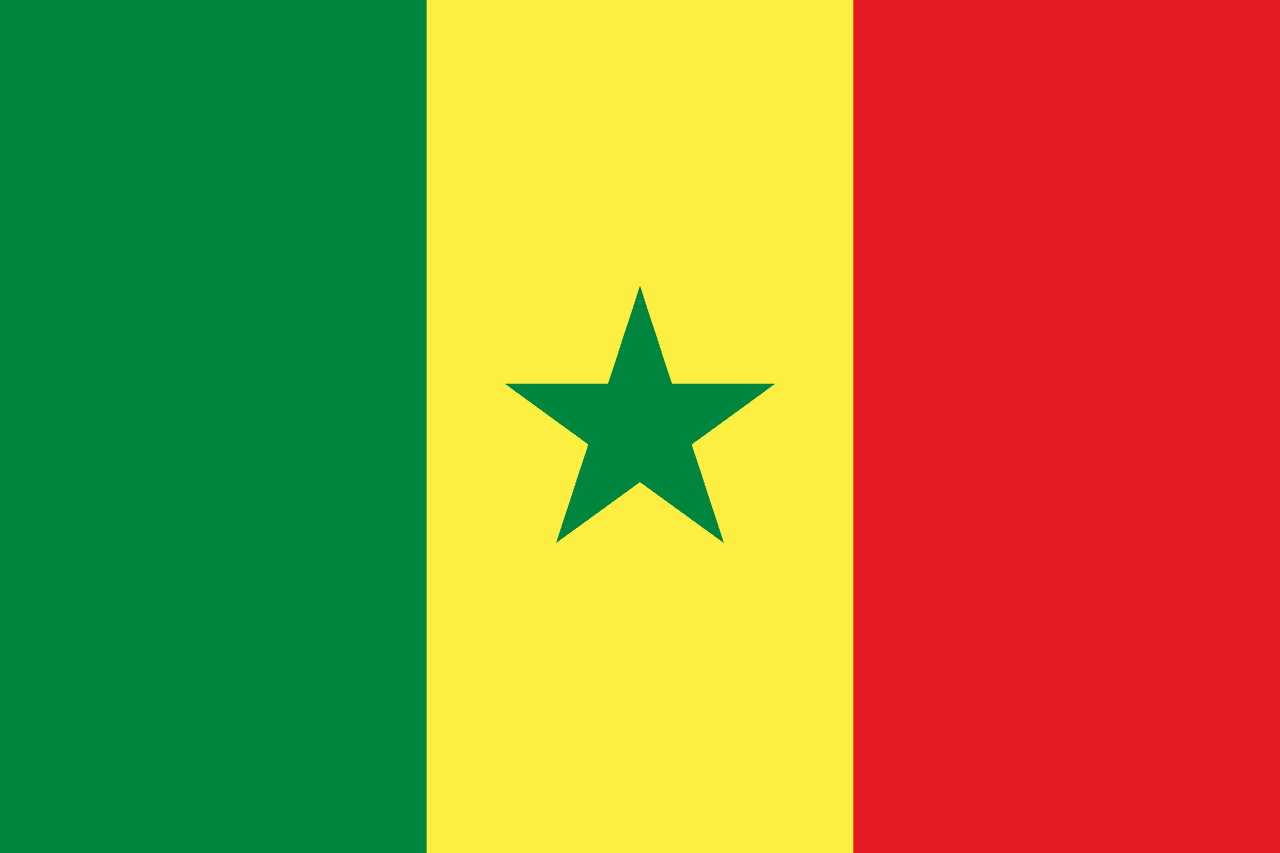
The Food of Senegal: 10 Dishes You Must Try
When I first set foot in Senegal, the vibrant energy of its streets buzzed with the sounds of laughter, music, and the tantalizing aromas of spices wafting through the air. Senegal is a country where food is not merely sustenance; it’s an expression of culture, family, and tradition. Every meal tells a story, often steeped in history, infused with the warmth of shared experiences and community spirit. The rich culinary landscape is a beautiful tapestry woven from the influences of West African, French, and even Portuguese cuisines. As I traveled through bustling markets and quiet coastal villages, I was thrilled to discover the ten must-try dishes that encapsulate the heart and soul of Senegal. First on my list is Thiéboudienne, the national dish of Senegal, which I quickly learned is a dish that every local takes immense pride in. Thiéboudienne is a delightful combination of fish—often red snapper—cooked with a medley of vegetables like carrots, cabbage, and eggplant. The dish is served over a bed of broken rice, which absorbs the flavors of a rich tomato sauce infused with various spices, including garlic and chili. The first bite transported me to the bustling fishing ports of Dakar, where Thiéboudienne is a staple, often enjoyed by families on Sunday afternoons. It’s a dish that evokes a sense of togetherness, traditionally enjoyed around a communal bowl, as generations share laughter and stories. Next, I had to try Yassa, a dish that highlights the love Senegalese people have for chicken and citrus. Yassa is marinated chicken cooked in a zesty onion sauce, featuring tangy lemon or lime juice that cuts through the richness of the dish. Served with rice or sometimes potatoes, Yassa has a remarkable balance of flavors—sharp, savory, and utterly comforting. I found myself seated at a small roadside eatery in the town of Kaolack, where the locals enthusiastically recommended this dish. As I savored each bite, I learned that Yassa has a special place in the hearts of Senegalese people, often served during celebrations such as weddings or family gatherings, symbolizing a warm welcome. As my culinary adventure continued, I discovered the delightfully flavorful Maffe, also known as groundnut stew. This dish features tender meat—commonly chicken or beef—slowly simmered in a creamy peanut sauce enriched with tomatoes and spices. The first spoonful enveloped me in an embrace of nutty goodness and aromatic spices, a true testament to the West African love affair with peanuts. Enjoyed with rice, Maffe is particularly popular in the Casamance region, where peanuts are a staple crop. The dish’s origins trace back to the traditional Senegalese belief that it embodies abundance and hospitality, making it a cherished part of family gatherings and celebrations. Another staple that caught my attention was Boulettes de Poisson, or fish balls. These delightful bites of fried fish, typically made with mashed fish mixed with spices and herbs, are a popular street food. Crispy on the outside and succulent on the inside, they usually come served with a spicy dipping sauce that adds an extra kick. I stumbled upon a vendor in the heart of Dakar’s vibrant streets, where the locals lined up, drawn by the heavenly aroma. As I munched on these tasty morsels, I learned that they are often served at family celebrations and festive gatherings, showcasing the community’s love for sharing good food. Next on my culinary journey was the deliciously comforting Ndambe, a hearty dish that blends lentils and vegetables with a rich tomato sauce. Often complemented by rice or millet, Ndambe is a favorite among vegetarians and those seeking a lighter meal. I savored the flavors of this dish at a small family-run restaurant in Saint-Louis, where it was lovingly prepared with spices that sang of tradition. The dish’s name translates to “the good thing,” reflecting its wholesome nature and the joy it brings to those who share it. As I enjoyed the warmth of this meal, I felt the spirit of Senegalese hospitality enveloping me. One cannot explore Senegalese cuisine without experiencing the iconic Asac, a dish consisting of sorrel leaves cooked with spices and served with rice. The fresh, slightly tangy flavor of the sorrel is a pleasant surprise, reminiscent of a summer garden. I found this dish in a charming little café in Dakar, where it was served alongside grilled fish. Locals often enjoy Asac as a light yet refreshing meal during warm afternoons, and its bright flavors made it an instant favorite of mine. The dish is a beautiful representation of the country’s commitment to utilizing fresh, seasonal ingredients, and it’s a must-try for anyone visiting. As I ventured further into the culinary landscape, I encountered the aromatic and flavorful Ceebu Jen, a rice dish cooked with fish and a delicious blend of spices, including onions, tomatoes, and various vegetables. What sets Ceebu Jen apart is its careful preparation, where the rice absorbs the fish stock, making every bite a burst of flavor. I stumbled upon this dish at a family-run restaurant in the coastal town of Mbour, where it was served with a side of fresh vegetables. The dish embodies the essence of Senegalese culture, often enjoyed during family gatherings and celebrations, reflecting the importance of sharing meals with loved ones. For something sweet, I couldn’t resist trying the popular sweet treat known as Bouye, or baobab fruit juice. This refreshing beverage is made from the pulp of the baobab fruit, mixed with water and sugar, and sometimes flavored with mint or ginger. The first sip was like a burst of sunshine—a sweet, tangy delight that danced on my tongue. I discovered Bouye at a local market in Dakar, where vendors proudly displayed vibrant bottles of this refreshing drink. It’s a popular choice on hot days and is often enjoyed with meals, showcasing the Senegalese love for balancing flavors—a true culinary masterpiece. I also had the pleasure of trying Tieboudienne, which is another iteration of the beloved Thiéboudienne. This version, often made with a different type of fish or even chicken, showcases the versatility of the dish. The vibrant colors and generous portions of vegetables made it a feast for the eyes and the palate. I discovered Tieboudienne at a charming beachside restaurant in Saly, where it was served with a side of spicy chili sauce. This version of the dish is popular among fishermen and beachgoers, making it a perfect meal to enjoy while gazing at the stunning Atlantic Ocean. Finally, I couldn’t leave Senegal without indulging in some delicious Senegalese pastries. One of my favorites was the famous Pastel, a flaky pastry filled with a variety of options, from sweet to savory. Each bite was a delightful crunch followed by a burst of flavor, whether it was a sweet coconut filling or spiced meat. I found these delectable treats at a small café in Dakar, where locals gathered to enjoy them with a cup of tea. Pastels are often served during celebrations and gatherings, showcasing the importance of sharing food and community in Senegalese culture. As my culinary adventure in Senegal came to an end, I realized that the best places to experience authentic Senegalese cuisine are often found in its vibrant markets, bustling street stalls, and cozy family-run restaurants. The lively atmosphere, combined with the tantalizing aromas of spices and the warmth of the people, creates a unique dining experience that resonates with the heart and soul of this beautiful country. From the bustling streets of Dakar to the serene coastal towns, every meal was a celebration of culture and tradition, and I couldn’t help but leave with a heart full of memories and a stomach full of the delightful flavors of Senegal. If you ever find yourself wandering the streets of this magnificent country, don’t hesitate to dive into its culinary treasures; you’re sure to leave with a newfound appreciation for the art of Senegalese cuisine.
Read full article →The History of Senegal: From Ancient Times to Today
# The History of Senegal: From Ancient Times to Today Senegal, a vibrant nation located on the westernmost tip of Africa, is steeped in a rich tapestry of history that goes back thousands of years. This land, where the Atlantic Ocean kisses golden sands and the Senegal River meanders through lush landscapes, has been shaped by diverse cultures, powerful empires, colonial exploits, and a relentless quest for independence. To understand Senegal’s present, we must embark on a journey through its past, exploring the epochs that have defined its identity. ## Ancient and Indigenous History Long before the arrival of Europeans, Senegal was inhabited by a variety of indigenous groups, each with its own customs and traditions. The earliest evidence of human presence dates back to prehistoric times, with tools and artifacts found in the region suggesting a long history of habitation. This land was not merely a geographical space; it was a cradle of civilization, bustling with the activities of the Serer, Wolof, and Tukulor peoples, among others. By the 3rd century AD, the area had become a melting pot of cultural exchanges, driven by trade routes that connected sub-Saharan Africa with the Mediterranean world. Traders from the north brought with them goods and ideas, fostering a dynamic exchange of culture and knowledge. The indigenous populations developed rich oral traditions, music, and art that reflected their deep connection to the land and their ancestors. ## The Rise of Powerful Kingdoms As centuries passed, Senegal witnessed the rise of powerful kingdoms that would shape its political landscape. Among these, the Kingdom of Ghana, not to be confused with the modern nation of Ghana, was one of the first significant empires in West Africa. From around the 6th to the 12th century, the Kingdom of Ghana thrived, controlling key trade routes and becoming a hub for gold and salt trade. However, it was the emergence of the Jolof Empire in the 14th century that would leave a lasting imprint on Senegalese history. The Jolof Empire, which unified several smaller kingdoms, became a dominant force in the region. Its capital, the city of Toucouleur, became a center of commerce and culture, attracting traders and scholars from across the region. The empire thrived until the late 16th century, when it began to fracture into smaller states due to internal conflicts and external pressures. During this time, the Serer and Wolof kingdoms rose to prominence. The Serer people, known for their agricultural expertise and spiritual beliefs, established powerful kingdoms such as Sine and Saloum. Meanwhile, the Wolof, with their warrior culture, gradually expanded their influence. The blending of these cultures created a rich tapestry of traditions that continue to define Senegal’s identity today. ## The Colonial Period The tides of history shifted dramatically in the 15th century when European explorers arrived on the shores of Senegal. The Portuguese were the first to anchor off its coasts, drawn by the allure of trade but later followed by the French. In 1659, the French established a trading post on the island of Gorée, which would become a crucial node in the transatlantic slave trade. Gorée Island is now a UNESCO World Heritage site, a haunting reminder of the time when millions of Africans were forcibly taken from their homeland. The French colonial era profoundly impacted Senegal’s social, economic, and political structures. By the 19th century, Senegal had become a French colony, and the policies of assimilation aimed to integrate Senegalese society into French culture. This period was marked by resistance; key figures such as El Hadj Oumar Tall emerged as leaders in the struggle against colonial oppression. Oumar Tall, a Fulani cleric and military leader, sought to establish a theocratic state and resist French invasion, yet his efforts ultimately led to his downfall and the consolidation of French control. Despite the harsh realities of colonial rule, the seeds of nationalism began to germinate. The Senegalese began to organize politically and socially, forming associations that would later evolve into movements seeking independence. The Senegalese political landscape began to change, and by the early 20th century, figures such as Léopold Sédar Senghor emerged as voices for reform. ## The Path to Independence The aftermath of World War II was a turning point for many colonized nations, including Senegal. The war had exposed the weaknesses of colonial powers and ignited a spirit of independence among colonized peoples. In 1946, Senegal became a member of the French Union, and by 1956, the country was granted greater autonomy. This political momentum laid the groundwork for Senegal’s ultimate independence. On April 4, 1960, Senegal stood tall as it proclaimed its independence from France, a landmark event marked by celebrations and a sense of hope. Léopold Sédar Senghor, an influential poet and philosopher, became the first president of independent Senegal. Senghor's presidency was characterized by a vision of a nation that embraced both African heritage and European influences. He championed a philosophy known as "Négritude," celebrating black culture and identity while advocating for education and development. Under Senghor’s leadership, Senegal became a model of stability in West Africa, often contrasted with the tumultuous political climate of its neighbors. The nation embraced democratic values, promoting a multi-party system and engaging in dialogue. However, the road was not devoid of challenges, including economic hardships and political tension. ## Senegal Today Fast forward to the 21st century, and Senegal continues to navigate the complexities of modern governance and development. The country has established itself as a beacon of democracy in a region often plagued by instability. In 2012, Macky Sall was elected president, succeeding Abdoulaye Wade, marking a significant political transition that underscored the strength of Senegalese democracy. Senegal’s economy, once primarily reliant on agriculture, has diversified significantly. The country is now a hub for fishing, tourism, and burgeoning industries, including a growing information technology sector. The capital city, Dakar, pulsates with energy, showcasing a blend of modern skyscrapers and colonial architecture, vibrant markets, and lively cultural festivals. Culturally, Senegal is a treasure trove. The country is renowned for its music, particularly the vibrant sounds of mbalax, influenced by traditional rhythms and global genres. The legendary Youssou N'Dour, one of Africa's most celebrated musicians, hails from Senegal and has used his platform to advocate for social change and cultural pride. Moreover, Senegal is a nation of profound resilience. The country has embraced its cultural heritage while adapting to global changes. Festivals such as the Dakar Biennale celebrate the richness of African art and creativity, while initiatives to preserve the environment and promote sustainable development reflect a commitment to the future. Lesser-known, yet significant, is Senegal's status as a leader in peacekeeping missions across Africa. The Senegalese military has contributed to various international peacekeeping efforts, showcasing the nation's commitment to stability and cooperation on the global stage. ## Conclusion The history of Senegal is a narrative woven with threads of resilience, creativity, and a profound sense of identity. From its ancient kingdoms to the struggles of colonialism and the triumph of independence, Senegal’s journey reflects the complexities of the human experience. Today, as it navigates the challenges of the modern world, Senegal stands as a testament to the enduring spirit of its people — a spirit that celebrates its past while boldly forging its future. As visitors and citizens alike stroll through the streets of Dakar, they walk through history, where every corner tells a story, and the echoes of ancestors resonate in the vibrant culture of Senegal today.
Read full article →Hidden Gems of Senegal: Places Most Tourists Miss
Senegal is a vibrant tapestry of colors, cultures, and landscapes that beckon travelers from around the globe. Yet, despite its magnetic allure, many visitors often find themselves confined to the well-trodden paths of Dakar, Gorée Island, or the pink waters of Lake Retba. While these sites are undoubtedly spectacular, they represent just a fraction of what this West African nation has to offer. For the intrepid traveler willing to delve deeper, Senegal is a treasure trove of hidden gems waiting to be unearthed. From secluded villages and unspoiled beaches to vibrant local festivals and breathtaking natural wonders, the true essence of Senegal lies in its lesser-known destinations, where authentic experiences and warm hospitality await. Take a journey with us as we explore some of Senegal's hidden gems, each with its own unique charm, character, and story to tell. These are places that most guidebooks overlook but are worth the adventure to discover. Let’s begin in the enchanting region of Casamance, which is often overshadowed by the more popular northern coast. Here, nestled between the Casamance River and the Atlantic Ocean, lies the little-known village of Oussouye. Oussouye is the heart of the Diola people, renowned for their rich traditions and vibrant culture. The village is famous for its beautiful traditional mud houses adorned with colorful murals. Visitors can engage with locals, witness traditional ceremonies, and even participate in a Diola wrestling event that showcases strength and community spirit. To get there from Dakar, take a flight to Ziguinchor and then a short taxi ride to Oussouye. This is a chance to experience the slower pace of life and immerse yourself in the authentic rhythms of Senegalese village life. Just a short drive from Oussouye, you’ll find the stunning beaches of Cap Skirring. Unlike the crowded resorts along the northern coast, Cap Skirring offers pristine stretches of sandy beaches and crystal-clear waters, perfect for sunbathing, swimming, and relaxation. What makes this place truly special is the lack of commercialization. You can wander along the shore, meet local fishermen, and even join them on their voyages if you’re feeling adventurous. A boat ride on the calm waters of the Atlantic will introduce you to the vibrant marine life and offer you a glimpse into the daily lives of the fishing communities. To reach Cap Skirring, continue your journey from Oussouye by taxi or rent a bicycle for a leisurely ride along the coastline. Another hidden gem awaits in the heart of Senegal's rural landscape: the village of Toubakouta. This charming village lies near the Sine Saloum Delta, a UNESCO Biosphere Reserve that is an ecosystem of mangroves, islands, and lagoons teeming with wildlife. Toubakouta is renowned for its eco-tourism initiatives, where travelers can engage in bird watching, canoeing through mangrove forests, and visiting nearby islands. The village is also known for its lively cultural festivals that celebrate local traditions, music, and dance. To reach Toubakouta, you can take a taxi-brousse (shared taxi) from Dakar to Kaolack and then continue by local transport. Spending time here offers a serene escape and a chance to contribute to sustainable tourism efforts. Venturing further north, the quaint town of Lompoul is a hidden oasis in the Sahara. Known for its stunning desert landscapes, Lompoul is home to golden sand dunes and an enchanting atmosphere that feels like stepping into another world. This small village is often overlooked by tourists who flock to the more famous dunes of the Sahara, making Lompoul a peaceful retreat. Visitors can experience traditional Mauritania-style tents, ride camels at sunset, and enjoy a traditional meal under the stars. The desert is alive with stories, and the locals are friendly, eager to share their culture with visitors. Lompoul is accessible from Dakar via a five-hour drive, making it a perfect weekend getaway for adventurous souls looking to escape the hustle and bustle of city life. Moving west towards the coastline, the town of Joal-Fadiouth is a captivating blend of land and sea. This unique destination is comprised of two parts: Joal, the mainland, and Fadiouth, a charming island connected by a wooden bridge. Fadiouth is famous for its picturesque shell island, where thousands of seashells are used to create paths and homes. This place is particularly special as it embodies the harmony between the Christian and Muslim communities living side by side. Visitors can stroll through the village, enjoy fresh seafood at local eateries, and learn about the island’s unique culture. To visit Joal-Fadiouth, take a bus or taxi from Dakar to the town of Joal, and then walk across the bridge to Fadiouth. This is an enchanting experience that combines the beauty of nature and the warmth of community. For those seeking something more adventurous, the remote Bandia Wildlife Reserve offers an unforgettable experience. Situated just a short drive from Dakar, Bandia is a haven for wildlife enthusiasts. This reserve is home to giraffes, zebras, rhinos, and various bird species amidst lush landscapes. While many tourists head to the more popular national parks, Bandia offers a more intimate setting where you can explore the wildlife on foot or by jeep. Guided tours can provide insights into the conservation efforts in the region, as well as the cultural significance of the land. To reach Bandia, take a taxi from Dakar, and prepare for an exhilarating day in the heart of Senegal's natural beauty. As we continue our exploration of hidden gems, the vibrant town of Saint-Louis emerges as a destination steeped in history and culture. Often overshadowed by its modern counterpart, Dakar, Saint-Louis is the former capital of French West Africa and boasts a unique blend of colonial architecture and rich cultural heritage. The town is famous for its colorful buildings, lively markets, and the annual Saint-Louis Jazz Festival, which attracts musicians and enthusiasts from around the globe. Here, visitors can wander through the narrow streets of the island, savor local cuisine, and explore the nearby Langue de Barbarie National Park, home to diverse birdlife and stunning coastal scenery. Saint-Louis is easily accessible by bus or train from Dakar, making it a worthwhile addition to your Senegal adventure. For a truly unique experience, the village of Keur Bakar offers the opportunity to participate in the annual “Fête de la Musique” festival, typically held in June. This lively celebration of music is a reflection of the nation’s rich musical traditions, from traditional drumming to contemporary sounds. The festival brings together local musicians, dancers, and artists, creating a vibrant atmosphere filled with rhythm and joy. Visitors are encouraged to join in the festivities, dance with locals, and learn about the significance of music in Senegalese culture. To reach Keur Bakar, take a taxi-brousse from Dakar to the nearby town of Mbour and then arrange for local transportation to the village. Attending this festival is a chance to experience Senegal’s artistic spirit and connect with the community in a profound way. Last but not least, the serene region of the Niokolo-Koba National Park is a true gem for nature lovers and adventure seekers. While it may be known to some, its vastness and diversity of wildlife mean that it often feels like a hidden paradise. This UNESCO World Heritage site is home to elephants, lions, hippos, and countless bird species, all set against a backdrop of stunning landscapes. The park offers guided safari tours, hiking trails, and opportunities for bird-watching that allow visitors to immerse themselves in the natural beauty of Senegal. Getting to Niokolo-Koba requires a bit of travel, as it is best accessed by road from Dakar to the town of Kedougou, followed by local transportation to the park entrance. Spending time here is an unforgettable experience that showcases Senegal’s incredible biodiversity. As you plan your journey through Senegal’s hidden gems, keep in mind a few practical tips to enhance your adventure. Learning a few words of Wolof, the widely spoken local language, will go a long way in connecting with the communities you visit. Respect local customs and traditions, especially in rural areas, where cultural practices may differ from those in urban settings. It’s also wise to travel with a local guide when exploring remote regions, as they can provide invaluable insights and ensure your safety. Senegal is a land of hidden treasures, waiting to be discovered by those willing to venture beyond the well-trodden paths. From the warm hospitality of its people to the breathtaking natural landscapes, the experiences that unfold in these lesser-known destinations will leave you with memories to cherish for a lifetime. So pack your bags, embark on this adventure, and uncover the beauty that lies off the beaten path in Senegal.
Read full article →What It's Really Like to Live in Senegal
What It's Really Like to Live in Senegal Living in Senegal is an immersive experience that combines rich cultural traditions with everyday realities that can be both challenging and rewarding. Having spent several years in this vibrant West African country, I’ve come to appreciate its unique blend of warmth, community, and the occasional chaos that characterizes daily life here. From the bustling streets of Dakar to the tranquil shores of Saint-Louis, every corner of Senegal has its own rhythm, and understanding this rhythm is essential to truly grasp what it’s like to call this place home. The day in Senegal typically begins early, as the sun rises over the horizon, casting a warm glow on the vibrant streets. The call to prayer, or "adhan," can be heard echoing across neighborhoods, signaling the start of a new day. For many, mornings are not complete without a cup of "attaya," a sweet, minty green tea that is an integral part of Senegalese social life. You can find vendors on almost every street corner selling this brew, and it’s common to see groups of men (and increasingly women) gathering to enjoy the ritual of preparing and sipping tea together. A small cup of attaya usually costs around 50 CFA (about $0.09), making it an affordable daily indulgence. Daily life in Senegal is characterized by a strong sense of community and familial ties. People often greet one another with "Nanga def?" which means "How are you?" in Wolof, one of the most widely spoken languages in the country. This exchange is more than just a formality; it’s a genuine inquiry into each other’s well-being. It’s not uncommon for greetings to extend into longer conversations, even if you’re just passing by on the street. This interconnectedness fosters a sense of belonging and warmth that can be refreshing, especially for those coming from more individualistic cultures. The cost of living in Senegal can be quite manageable, especially compared to Western countries. Rent for a modest one-bedroom apartment in Dakar can range from 150,000 CFA to 350,000 CFA (approximately $250 to $600) per month, depending on the neighborhood. In comparison, utilities can cost between 30,000 CFA and 50,000 CFA ($50 to $85) monthly, which includes electricity, water, and internet. It’s not uncommon for expatriates and locals alike to share living spaces, which helps to cut down on costs while fostering a communal atmosphere. Food culture in Senegal is one of the cornerstones of daily life. The national dish, "thieboudienne," is a flavorful blend of rice, fish, and vegetables, usually seasoned with an array of spices and served with a spicy sauce. You can find it in nearly every restaurant or food stall, and the price can vary widely. A hearty serving might cost you anywhere from 1,000 CFA to 3,000 CFA ($1.80 to $5.50). Street food is also incredibly popular, with items like "sambusa" (savory pastries) and "brioche" (sweet bread) available for a handful of CFA. Meals are often communal, reflecting the Senegalese belief that food is best enjoyed together, and it’s customary to eat with one's right hand, a practice rooted in tradition. Family life in Senegal is deeply intertwined with cultural customs and values. The family unit extends beyond the nuclear family, encompassing a broader network of relatives, and respect for elders is paramount. Children are often raised in a communal environment, where everyone plays a part in their upbringing. It’s common for children to call not only their parents but also aunts, uncles, and even family friends "tante" or "oncle" as a sign of respect. On weekends, families often gather for large meals, celebrations, or simply to spend time together, reinforcing bonds that can last generations. Work culture in Senegal can be a mix of formal and informal environments, with a significant portion of the population engaged in small businesses or trades. The typical workday starts around 8 AM, with many businesses closing for a long lunch break between 12 PM and 3 PM. The pace of work can be laid-back, with an emphasis on relationships and building trust rather than strict deadlines. This can be frustrating for foreigners used to a more fast-paced work environment, but it also allows for stronger interpersonal connections. In recent years, the tech scene has been growing, particularly in Dakar, where young entrepreneurs are creating startups that address local needs. Weekends in Senegal often revolve around family and community. Many Senegalese people attend religious services on Sundays, whether at a mosque or church, followed by family gatherings or outings. The beach, particularly in Dakar, becomes a lively gathering spot where families and friends come together to enjoy the sun, fresh seafood, and the soothing sound of the waves. The local specialty "yassa," a zesty marinated chicken or fish dish served with onions and rice, is often enjoyed during these outings. Some people take this time to engage in weekend markets, where they buy fresh produce, clothing, and crafts from local artisans. The weather in Senegal is another defining aspect of life here. The country has a tropical climate, with a distinct rainy season from June to October and a dry season that lasts for the remaining months. The heat can be intense, with temperatures often soaring above 30°C (86°F) during the dry season. This influences daily routines; many people take to the streets early in the morning or later in the evening to avoid the midday sun. The arrival of the rains, while often welcomed, can also bring challenges, such as flooding in certain areas. However, the lush greenery that follows is a beautiful reward, transforming the landscape into a vibrant tapestry of colors. Living in Senegal is not without its challenges. Infrastructure can be inconsistent, with unreliable electricity and water supply in some areas. Traffic congestion is a daily reality, particularly in Dakar, where narrow streets and a high volume of vehicles can lead to frustrating delays. Healthcare, while improving, can still present challenges, particularly in rural areas where facilities may be limited. Despite these hurdles, the resilience and optimism of the Senegalese people shine through, fostering a spirit of hope and perseverance that is truly inspiring. What often surprises foreigners most about living in Senegal is the profound sense of hospitality. Visitors are invariably welcomed with open arms, and locals often go out of their way to ensure that newcomers feel at home. A simple invitation to share a meal or partake in a celebration can turn an unfamiliar place into a welcoming community. The phrase "Teranga," which translates to hospitality, encapsulates this ethos, emphasizing the importance of kindness and generosity in Senegalese culture. In summary, living in Senegal is a rich tapestry woven with threads of culture, community, and tradition. From shared meals to heartfelt greetings, every interaction carries the weight of history and the promise of connection. The challenges of daily life are balanced by the rewards of belonging to a vibrant society that values family, friends, and the simple joys of life. Whether you find yourself sipping attaya with neighbors or savoring a plate of thieboudienne at a local restaurant, the experience of living in Senegal is one that leaves an indelible mark on the heart, forever impacting how you see the world.
Read full article →Why Visit Senegal
Senegal is West Africa's most accessible and visitor-friendly destination, a country of vivid color, vibrant music, world-class cuisine, and genuine warmth where the concept of teranga — Wolof for hospitality — is not a tourism slogan but a lived cultural value. Jutting into the Atlantic at the westernmost point of the African continent, Senegal connects the Sahara Desert to lush tropical forests and offers extraordinary natural and cultural diversity within a relatively compact geography. Dakar, the capital, is one of Africa's most dynamic cities. Perched on the Cap-Vert peninsula, it combines a buzzing medina, contemporary African art scene, and some of the continent's best restaurants with a coastal setting of crashing Atlantic waves. The Dakar Art Gallery and the Village des Arts represent a vibrant contemporary creative community. The IFAN Museum of African Arts houses an outstanding collection of masks, sculptures, and ceremonial objects from across the continent. The city's markets — Sandaga and HLM — overflow with fabric, crafts, and daily life. Goree Island, a 15-minute ferry ride from Dakar, is a UNESCO World Heritage Site and one of Africa's most significant memorial sites. The Maison des Esclaves — the House of Slaves — with its Door of No Return facing the Atlantic, commemorates the millions of Africans who passed through Senegambian ports into the transatlantic slave trade. The island's colonial architecture and car-free streets hold a bittersweet beauty. The Sine-Saloum Delta in central Senegal is a UNESCO Biosphere Reserve — a labyrinth of mangrove channels, oyster banks, and small traditional villages where pirogue boat trips deliver birdwatching among pelicans, flamingos, and herons. Casamance in the deep south, separated from the rest of Senegal by the Gambia, is Senegal's most lush and tropical region, known for its forests, beaches, and the distinctive animist traditions of the Diola people. Senegalese food is widely recognized as among the finest in West Africa. Thieboudienne — rice cooked in tomato and fish broth with vegetables — is the national dish. Yassa (chicken or fish marinated in lemon and mustard), mafe (peanut stew), and attaya (ceremonial three-glass sweet mint tea service) define the food culture. The best time to visit is November through May during the dry season when the Harmattan dust has cleared and temperatures are manageable.
Read full article →Senegal: Teranga, Wrestling and the Music That Defined West Africa
Teranga — the Wolof word for hospitality, generosity, and welcome — is the defining concept of Senegalese culture. It is not simply politeness. It is an active disposition toward the other: the assumption that a stranger deserves welcome, that sharing what you have is the correct response to someone who has less, and that the quality of a society is measured by how it treats those who arrive in need. Senegal's football team is known as the Lions of Teranga. The word is on the lips of politicians and taxi drivers. It is the thing Senegalese most want to be known for. Dakar is one of West Africa's great cities — westernmost point of the African continent, a peninsula city of music, art, fashion, and intellectual energy that has produced some of the continent's most significant cultural figures. Léopold Sédar Senghor, Senegal's first president, was a poet and philosopher who co-developed the concept of Négritude — a Pan-African literary and intellectual movement asserting the value and beauty of African culture against European colonial dismissal. The president was also an Académie française member. The combination was entirely Senegalese. Sabar music — built on a family of drums of different pitches, played at celebrations, naming ceremonies, and community events — is the rhythmic foundation of Senegalese culture. The music is interactive: a master drummer and dancer communicate through improvisation, the drummer responding to the dancer's moves and vice versa, in a conversation that can go on for hours. Youssou N'Dour, who developed mbalax from the sabar tradition and achieved global fame, remains Senegal's greatest cultural export and a genuine national hero.
Read full article →