San Marino
Posts, videos and blogs from San Marino · Chat with people about San Marino
Post about San MarinoNo messages yet — be the first to share something about San Marino!
Sign in to join the chat
The Food of San Marino: 10 Dishes You Must Try
Nestled high atop the rolling hills of the Apennine Mountains, San Marino is a jewel of a country whose culinary landscape is as rich and varied as its storied history. With its medieval fortresses, cobblestone streets, and stunning panoramic views, this tiny republic offers much more than just breathtaking vistas; it is a haven for food lovers eager to delve into its unique gastronomic offerings. The cuisine of San Marino, influenced by both Italian and its own distinctive heritage, is a delightful exploration of flavors, traditions, and local ingredients. As I wandered the charming streets of San Marino, I found myself enchanted not only by its sights but also by the aromatic scents wafting from kitchens and street vendors. Here are ten dishes you absolutely must try when you visit this extraordinary microstate. First on my list is the beloved Piada, or Piadina, a traditional flatbread that encapsulates the heart of San Marino's culinary identity. Made with flour, water, and a pinch of salt, this simple yet delightful bread is cooked on a hot griddle, resulting in a crispy exterior and a soft, chewy interior. The beauty of piadina lies in its versatility; it can be filled with an array of delicious ingredients such as prosciutto, squacquerone cheese (a creamy cheese unique to this region), and arugula. The rustic flavors of the piada truly shine through, and it’s best enjoyed at a local piadiner, perhaps while lounging in the sun at the Piazza della Libertà. Many locals claim that the best piadina can be found from the humble street vendors, where you can delight in the authentic taste of San Marino. Next, I encountered the rich and hearty Torta Tre Monti, a dessert that is as much a feast for the eyes as it is for the palate. This iconic cake, named after San Marino’s three towers, consists of layers of crispy wafers filled with a luscious chocolate and hazelnut cream. The texture is wonderfully crunchy, while the sweetness of the chocolate perfectly balances the nuttiness of the hazelnuts, creating an indulgent experience that is hard to resist. I found myself treating my sweet tooth to a slice at a local café, enjoying the traditional dessert with a cup of espresso. Interestingly, Torta Tre Monti is often made to celebrate special occasions and is a symbol of pride for the Sammarinese people. Another noteworthy dish is the local favorite, Cappelletti. These delightful pasta pockets are filled with a mixture of meats, cheese, and spices and are typically served in a rich broth or topped with a savory sauce. The flavors are comforting and homey, evoking a sense of tradition and family gatherings. I enjoyed a steaming bowl of cappelletti at a family-run trattoria, where the owners proudly shared stories about how their grandmother’s recipe had been passed down through generations. In San Marino, cappelletti is not just a dish; it’s a heartwarming experience of connection and heritage. Of course, no exploration of San Marino's cuisine would be complete without tasting the famed San Marino Cheese, or Formaggio di Fossa. This unique cheese is made from sheep’s milk and is aged in pits, giving it a distinct flavor that is sharp yet creamy. The aging process is steeped in tradition, and the cheese is often served with local honey or jams, creating a delightful contrast of flavors. I sampled this exquisite cheese at a local market, where artisans proudly displayed their products. It was fascinating to learn about the passion and dedication that goes into crafting this special cheese, which reflects the country’s agricultural heritage. As I continued my culinary journey, I was eager to try the delightful Sgombro Marinato, or marinated mackerel. This dish showcases the fresh fish caught along the Adriatic coast, marinated in a mixture of vinegar, olive oil, and herbs. The mackerel is tender and flaky, with a tangy and slightly sweet flavor that dances on the palate. I savored this dish at a seaside restaurant, where the ambiance was complemented by the soothing sound of waves crashing against the shore. This dish is particularly popular during the summer months, making it a refreshing choice on a warm day. Another dish that caught my attention was the traditional Polenta, a staple in many Italian and Sammarinese households. This hearty dish is made from ground cornmeal and has a comforting, creamy texture. It can be served in various ways, from creamy and soft to grilled and crispy. I tasted polenta served with a rich mushroom ragu at a rustic osteria, where the earthy flavors paired beautifully with the dish's comforting base. The warmth of the polenta is a reminder of the simple pleasures of life, and eating it in the cozy setting of an osteria felt like being welcomed into a home. I then ventured to indulge in a dish called Coniglio in Porchetta, or rabbit in porchetta style. This dish features rabbit marinated with garlic, rosemary, and spices, then slow-cooked until it becomes tender and flavorful. The technique of cooking rabbit in the style of porchetta, which is usually reserved for pork, adds a unique twist to the dish. I enjoyed this culinary delight at a family-owned restaurant that prides itself on using traditional cooking methods. The warmth of the rabbit paired with aromatic herbs created a rich and satisfying flavor, making it a perfect dish to savor with a glass of local wine. Moving on to something lighter, I found myself enchanted by the Insalata di Farro, or spelt salad. This refreshing salad combines farro—a nutty, chewy grain—with fresh vegetables, herbs, and sometimes even cheese. The combination of flavors and textures creates a delightful dish that is both nutritious and satisfying. I enjoyed this salad at a charming café, where the ingredients were sourced from local farms. It was a perfect accompaniment to a warm summer day, and it felt good to partake in a dish that celebrated the region’s agricultural bounty. As I continued my culinary exploration, I couldn't resist trying the comforting dish of Frittelle di Mele, or apple fritters. These deep-fried treats are made with fresh apples, flour, and a touch of sugar, resulting in a crispy outer layer and a warm, fruity center. The aroma of cinnamon wafted through the air as I bit into one, and I was immediately transported to my childhood, evoking memories of apple-picking days. I found these delightful fritters at a local festival, where vendors showcased their homemade treats. It became clear to me that in San Marino, food is not just sustenance, but a cherished part of cultural celebrations. Lastly, I must mention the regional wine that perfectly complements every meal: Sangiovese. This bold red wine, with its fruity notes and hints of spice, pairs beautifully with many Sammarinese dishes. I enjoyed a glass at dinner, and it elevated my dining experience, weaving together flavors and enhancing the authenticity of each bite. Wine is an integral part of local culture, and visiting a vineyard or winery to sample Sangiovese and learn about its production is a must for any food enthusiast. As I reflect on my culinary journey through San Marino, I realize that the essence of its food lies not just in the dishes themselves, but in the stories and traditions behind them. Each meal shared, each gathering celebrated around the table, speaks to the warmth and hospitality of the Sammarinese people. If you find yourself in this enchanting microstate, seek out local markets and family-run restaurants, where the scents of cooking linger in the air, and the stories of generations are passed down with every dish. From street stalls serving sizzling piadina to the cozy ambiance of traditional osterias, the best food of San Marino awaits—each bite a delicious chapter in the country’s rich culinary narrative.
Read full article →The History of San Marino: From Ancient Times to Today
# The History of San Marino: From Ancient Times to Today Nestled like a jewel in the heart of Italy, San Marino is one of the world’s oldest republics and a remarkably resilient nation. Often overshadowed by its more prominent neighbors, this tiny enclave boasts a rich history that spans over 1,700 years. From its ancient roots and medieval glory to its modern-day status as a sovereign state, San Marino's journey is a tapestry woven with tales of fortitude, independence, and unique governance. ## Ancient Foundations: The Birth of a Republic The story of San Marino begins in the shadows of the distant past. According to legend, in the year 301 AD, a stonecutter named Marinus from the island of Rab (present-day Croatia) sought refuge from religious persecution. He climbed Mount Titano, where he founded a small community that would evolve into the Republic of San Marino. This foundation myth is not merely anecdotal; it is emblematic of the country's enduring values of liberty and sanctuary. Archaeological evidence suggests that the area surrounding Mount Titano was inhabited long before Marinus arrived. Remnants from the Bronze Age, along with traces of Roman settlements, reveal a rich tapestry of life in a land that served as a crossroads for various cultures. The Romans recognized the strategic significance of Mount Titano, using it as a lookout point during their expansion, leading to a diverse cultural exchange that would shape San Marino's identity. ## The Rise of Medieval San Marino As the Roman Empire crumbled in the 5th century, the small community founded by Marinus gained prominence as a refuge for those fleeing the chaos of the times. By the 13th century, San Marino was firmly established as a self-governing entity, governed by a council known as the Arengo, which allowed citizens to participate in decision-making. This pioneering democratic practice, rooted in the principle of equality, would become a hallmark of San Marino's governance. During the Middle Ages, San Marino found itself entangled in the turbulent politics of the surrounding regions. Despite being surrounded by powerful Italian city-states and kingdoms—most notably, the expanding ambitions of the Malatesta family and the Papal States—San Marino managed to maintain its independence through a combination of diplomatic cunning and military strategy. It was during this period that San Marino began to develop its unique identity. The city-state fortified its defenses, erecting formidable towers on Mount Titano. The Guaita, Cesta, and Montale towers became symbols of San Marino's resilience and are now iconic landmarks that grace the skyline. By the late 1400s, the Republic had adopted a constitution, further solidifying its governance structure and setting it apart from other Italian city-states that were falling under the sway of powerful monarchs. ## The Renaissance and the Influence of Major Empires The Renaissance brought a wave of cultural and artistic flourishing that swept through Italy, and San Marino was not immune to its influence, though it remained an isolated entity. During this era, the Republic continued to bolster its diplomatic relations, engaging with the Papal States and the Kingdom of Naples. The protective nature of these relationships would prove crucial during the turbulent conflicts of the 16th century, including the Italian Wars, when San Marino was a bastion of peace amidst the clamor of larger conflicts. A notable figure during this time was Francesco Maria II della Rovere, who ruled as the Duke of Urbino and was instrumental in mediating the tensions between San Marino and surrounding powers. His respect for the Republic’s independence led to a formal recognition of San Marino’s sovereignty, a rare acknowledgment for a small state during a time of great upheaval. This period also marked the beginning of San Marino's official diplomatic relations with other nations, laying the groundwork for its future political maneuvers. ## The Napoleonic Era and the Preservation of Independence The 18th and 19th centuries were transformative for many European nations, and San Marino was no exception. The rise of Napoleon Bonaparte posed a unique challenge for the Republic. In 1797, Napoleon’s forces marched into San Marino, leading to fears of annexation. However, in a surprising twist, the French leader recognized the Republic’s independence and even offered it protection, allowing San Marino to maintain its autonomy in the face of larger imperial ambitions. Following the fall of Napoleon, San Marino faced new challenges as the Italian unification movement gained momentum. In the mid-19th century, the Republic was caught in the ideological crossfire between the liberal, nationalist forces that sought a united Italy and the conservative machinations of the Papal States. Yet, through a combination of shrewd diplomacy and a strong sense of national identity, San Marino managed to navigate these turbulent waters, affirming its sovereignty even as Italy was largely unified in 1861. During this time, the country adopted several reforms, modernizing its political structures while maintaining its historical traditions. Its constitution, enacted in 1865, emphasized civil rights, representative governance, and the importance of citizenship, further entrenching democracy in its societal fabric. ## The 20th Century: Challenges and Resilience The 20th century brought both challenges and opportunities for San Marino. World War I had a limited impact on the Republic, but the aftermath saw a rise in nationalism and a desire to assert its identity in an increasingly complex world. With the rise of Fascism in Italy, tensions began to mount. San Marino's position as a small republic often left it vulnerable to the whims of its more powerful neighbor. During World War II, San Marino found itself in a precarious position once again. In 1944, as the Allies advanced through Italy, the Republic was inadvertently bombed, leading to significant destruction. However, the resilience of its citizens shone through, and San Marino emerged from the war with its sovereignty intact. The post-war years ushered in a new era of growth and development. The Republic embraced modernization, expanding its economy and infrastructure while preserving its cultural heritage. San Marino became known not only for its stunning landscapes and medieval architecture but also as a thriving hub for tourism and commerce. ## San Marino Today: A Unique Identity Today, San Marino stands as a testament to the endurance of its people and their unwavering commitment to independence. It boasts a population of around 34,000, making it one of the smallest countries in the world. Despite its size, San Marino wields a significant cultural and historical influence. The Republic is often celebrated for its unique governance system: a parliamentary republic led by two Captains Regent, who serve six-month terms. This dual leadership reflects the principles of equality and shared power that have been central to San Marino's identity since its inception. Modern San Marino faces contemporary challenges, such as economic pressures and the need to adapt to a rapidly changing global landscape. However, the Republic has embraced these challenges with the same tenacity that has allowed it to thrive for centuries. Its legal system, based on a blend of constitutional and customary law, ensures that the voices of its citizens are heard and valued. Tourism remains a vital part of the San Marino economy, drawing visitors from around the world eager to explore its rich history. The historic city center, a UNESCO World Heritage Site, attracts thousands each year who come to marvel at its medieval architecture, quaint streets, and breathtaking views from the mountaintop. Perhaps one of the lesser-known facts about San Marino is its commitment to sustainability and environmental conservation. The Republic has established protected areas and promotes eco-tourism, ensuring that its natural beauty remains untouched for future generations. As San Marino approaches its 1,700th anniversary, it stands not only as a beacon of historical significance but also as a model of resilience, unity, and the enduring power of democracy. Its journey from a small refuge founded by a stonecutter to an independent republic is not just a story of survival but a vibrant narrative of a people who have thrived against the odds. In a world often dominated by larger nations and sweeping political changes, San Marino remains an inspiring reminder of the strength found in community, tradition, and the relentless pursuit of freedom. Its story continues, rich with the promise of tomorrow, as it marches forward while cherishing its remarkable past.
Read full article →Hidden Gems of San Marino: Places Most Tourists Miss
Nestled within the Italian peninsula, San Marino is often overshadowed by its vibrant neighbors like Italy and Switzerland. Many travelers breeze through this tiny, independent republic, attracted mainly by its famous three towers and picturesque views from its capital, San Marino City. However, to truly appreciate the beauty and culture of San Marino, one must venture beyond the well-trodden paths and uncover the hidden gems that tell a more intimate story of this enchanting land. Whether it’s a quiet village brimming with local charm, a breathtaking natural site, or a vibrant festival that evokes centuries of tradition, San Marino is ripe for exploration. So, pack your curiosity and let’s embark on a journey to discover the lesser-known treasures of this captivating country. First on our list is the charming village of Serravalle, located just a short drive from the capital. This quaint locale often goes unnoticed by tourists who flock to the more famous sites. Serravalle boasts an enchanting old town with narrow, winding streets, where time seems to have stood still. What makes Serravalle unique is its rich history, which can be traced back to the Roman Empire. Here, you can wander through ancient stone streets, visit the beautiful Church of San Michele Arcangelo, and soak in the tranquil atmosphere. To get there, simply take a bus from San Marino City; the journey takes about 20 minutes and is worth every moment for a taste of local life. Next, we venture to the small town of Domagnano, known for its authentic Sanmarinese ambiance and stunning countryside. Just a 15-minute drive from the capital, this hidden gem offers panoramic views that stretch across the rolling hills of the Montefeltro region. The town is also home to breathtaking vineyards and olive groves, making it an excellent spot for wine enthusiasts and anyone looking to experience San Marino’s agricultural roots. Don’t miss the chance to indulge in a wine tasting at one of the family-run wineries, where you can sample local varietals accompanied by homemade cheeses. To reach Domagnano, take the bus or enjoy a leisurely drive through the picturesque countryside. For those who appreciate art, the village of Falciano is a must-visit. This small settlement is renowned for its vibrant street art scene that showcases the creativity of local and international artists. Here, colorful murals adorn the walls of buildings, transforming the village into an open-air gallery. As you stroll through Falciano, you’ll notice how art and daily life intertwine, creating an atmosphere that is both lively and welcoming. The best way to get to Falciano is by bus from San Marino City, which takes approximately 15 minutes. Don’t forget your camera; the artistic expressions you’ll encounter are Instagram gold. If you’re seeking a dose of nature, head to the stunning Mount Titano. While many tourists summit for the views, few take the time to explore the surrounding trails that weave through dense forests and offer a glimpse of the region's diverse flora and fauna. Hiking the trails around Mount Titano will reward you with breathtaking vistas and a serene escape from the bustling tourist spots. One of the best routes is the Sentiero delle Scalette, leading you through lush landscapes and ancient stone steps. To get there, you can start from San Marino City and follow the signs to the trailhead, which is easily accessible and well-marked. Another enchanting experience can be found in the village of Verucchio, located just a short distance from San Marino's borders. Known as the birthplace of the Malatesta family, this town is steeped in history and boasts a medieval charm that captivates visitors. Explore its ancient fortress, the Rocca Malatestiana, which offers sweeping views of the surrounding landscape. Verucchio is also famous for its gastronomic offerings, particularly the local olive oil and wines. To get there, take a bus or drive from San Marino City; it's only about a 30-minute trip. Make sure to stop by a local trattoria to savor the flavors of traditional Sammarinese cuisine. As the sun sets, the village of Borgo Maggiore comes alive with its vibrant atmosphere and local festivities. Every Thursday evening during the summer months, the town hosts a market where local artisans and farmers showcase their goods. It’s a fantastic place to mingle with the locals, sample delicious street food, and discover unique crafts. The market exudes a sense of community that is difficult to find in larger tourist destinations. To reach Borgo Maggiore, take a short cable car ride from San Marino City, which not only saves time but also offers stunning views of the surrounding landscape. No exploration of San Marino would be complete without experiencing the beauty of the countryside. The village of Montegiardino is a hidden treasure that promises tranquility and stunning landscapes. This small town is perfect for those looking to escape the tourist crowds and immerse themselves in nature. The surrounding hills provide ample opportunities for hiking and cycling, while the village itself is home to picturesque streets and charming homes. To reach Montegiardino, a short drive from the capital or a bus ride will do. Pack a picnic and enjoy a meal surrounded by the stunning vistas of this lesser-known gem. If you find yourself in San Marino during the month of September, don't miss the opportunity to experience the historical Palio di San Marino, a traditional festival that showcases the country’s rich heritage. This colorful event features a thrilling horse race, parades of medieval costumes, and lively performances that bring the streets to life. The festival attracts locals and visitors alike, creating an atmosphere filled with energy and excitement. To enjoy the festivities, plan your visit around the first weekend of September and immerse yourself in the vibrant culture of San Marino. Getting to the festival is simple; just make your way to San Marino City, where the main events are held. Lastly, for those who appreciate the arts, a visit to the Museo di Stato in the capital is a rewarding experience. This often-overlooked museum houses a diverse collection of Sammarinese art and artifacts, dating back to prehistoric times. Here, you can admire works by local artists, intricate sculptures, and historical pieces that provide insight into the country’s cultural heritage. The museum is a great way to spend a leisurely afternoon, away from the busier tourist attractions. It’s conveniently located in the heart of San Marino City, making it easy to add to your itinerary. As you explore these hidden gems, it’s essential to keep a few practical tips in mind. First, consider visiting during the shoulder seasons—spring and fall—when the weather is pleasant and the crowds are thinner. This allows for a more immersive experience as you interact with locals and discover the true essence of San Marino. Secondly, get a San Marino card, which offers discounts on public transportation and access to several attractions, making your exploration easier and more affordable. Lastly, don’t forget to embrace the local language and customs. Although many people speak English, a simple “buongiorno” or “grazie” can go a long way in endearing you to the locals. San Marino is a place where history and culture thrive, and engaging with its people will enrich your experience beyond measure. In conclusion, while San Marino may be small, it is home to a wealth of hidden gems that offer a deeper understanding of its culture and history. From charming villages and breathtaking natural landscapes to lively festivals and artistic expressions, the off-the-beaten-path experiences await those willing to explore. So, venture beyond the usual tourist spots and discover the enchanting secrets of San Marino that will leave you with unforgettable memories and a yearning to return.
Read full article →What It's Really Like to Live in San Marino
Living in San Marino is a unique experience that few people get to fully appreciate. Nestled atop Mount Titano, this tiny enclave surrounded by Italy offers a lifestyle that is both charming and challenging. As someone who has called San Marino home for several years, I want to take you through the rhythms of daily life here—what it feels like to navigate the cobblestone streets, enjoy a meal with friends, and raise a family in this extraordinary land. To begin, let’s talk about daily life. Imagine waking up each morning to the sound of church bells ringing from the nearby Guaita, one of San Marino's three towers. The air is crisp and fresh, often carrying the aroma of freshly baked bread wafting from the local bakery. Everyday life carries a relaxed pace, reminiscent of a simpler time. However, don’t let the small size of San Marino fool you; there’s always something happening, whether it’s a community festival or a simple gathering in one of the piazzas. The cost of living in San Marino is surprisingly affordable compared to many larger cities in Italy and other parts of Europe. While housing can vary, a one-bedroom apartment in the historic center averages around €600-€800 per month. Groceries also tend to be reasonably priced, with staples like bread costing around €1, a liter of milk for €1.50, and fresh produce from local markets providing excellent value. Eating out is a pleasure here; a meal at a local trattoria may set you back around €15-€25, depending on the restaurant and what you order. Dining out isn’t just about food; it’s an experience. The smaller, family-run establishments often have lovingly prepared food, reflecting traditional recipes passed down through generations. Food culture is central to life in San Marino, with the local cuisine reflecting its Italian roots but also showcasing unique Sammarinese flavors. Traditional dishes like “torta tre monti,” a layered cake filled with chocolate and hazelnut, are a must-try. On weekends, you’ll often find locals gathering for a leisurely lunch, enjoying plates of handmade pasta, or savoring “piadina,” a delicious flatbread typically filled with meats, cheeses, and vegetables. On special occasions, you might even be treated to “fritto misto,” a dish of fried seafood that is perfect for sharing with friends and family. Social customs in San Marino are steeped in tradition and community spirit. Greetings are warm and friendly, often involving a firm handshake or a light kiss on both cheeks among acquaintances. As you stroll through the narrow streets, you’ll hear locals exchanging pleasantries, often using phrases like “Come va?” (How are you?) or “Tutto bene?” (Everything good?). The sense of community here is palpable; everyone knows their neighbors, and it’s not uncommon for people to stop and chat for a few moments. Family life in San Marino is incredibly important. Families often gather for meals, especially on Sundays when many shops close for the day. Children are cherished, and it’s common for parents to spend quality time with them, whether that’s visiting local parks or participating in community events. Schools here are small, fostering a close-knit environment where teachers know their students personally. The education system is largely influenced by Italy, with a focus on a well-rounded curriculum that includes not just academics, but also art and sports. When it comes to work culture, life in San Marino has its own unique flavor. The majority of the workforce is employed in the service industry, particularly in tourism, given the country’s rich history and beautiful landscapes. The workweek generally runs from Monday to Friday, with most businesses opening around 8 AM and closing around 6 PM. While the pace of work may not be as frenetic as in larger urban centers, there’s a strong emphasis on quality and personal connection in business dealings. The locals take pride in their craftsmanship, whether it’s in artisanal goods or hospitality, and this is evident when you speak with them about their work. Weekends in San Marino are another chapter of life here. The small size of the country means that adventures are often just a stone’s throw away. Many locals take the opportunity to hike the trails on Mount Titano, enjoying breathtaking views of the surrounding landscape. The well-marked paths lead to hidden spots and quaint picnic areas that are perfect for a family day out. On Saturdays, the local market buzzes with activity, where you can find fresh produce, handmade crafts, and even live music. It’s a place where locals mingle, and you can often catch a glimpse of impromptu performances from talented musicians. The weather in San Marino plays a significant role in shaping daily life. The four distinct seasons offer a beautiful backdrop, with summer temperatures often reaching 30°C (86°F) and winter bringing a cozy chill, usually hovering around 5°C (41°F). Spring and fall are particularly picturesque, with blooming flowers and vibrant foliage. The weather dictates not just the activities of the day, but also the food you enjoy—hearty stews and polenta in the colder months give way to fresh salads and seafood in the summer. Despite its charm, living in San Marino comes with its own set of challenges. The small size can sometimes lead to a feeling of isolation, especially for newcomers who may struggle to find a job in a competitive market. The bureaucratic processes can also be cumbersome. For example, establishing residency or starting a business often involves navigating a complex maze of paperwork. Additionally, while the scenic views are stunning, the lack of public transport can make it difficult to travel outside of the country, as locals often rely on cars for commuting. Yet, the positives of living in San Marino far outweigh the challenges. There’s a strong sense of safety and community here that is hard to find elsewhere. The crime rate is low, and people look out for one another. You can walk through the streets at night without fear, knowing that you’re part of a tight-knit society. There’s also a vibrant cultural scene; museums, galleries, and theaters offer a plethora of activities for those who appreciate the arts. If you’re a foreigner considering a move to San Marino, prepare to be surprised by the warmth of the people. While the local dialect may be challenging to navigate at first, you’ll find that most Sammarinese are eager to engage with newcomers, often practicing their English to bridge the gap. Another surprise is the resilience of the local traditions; many festivals celebrate the country’s rich history, such as the “Festa di San Marino” in September, which showcases parades, music, and traditional games. In conclusion, living in San Marino is a tapestry woven from the threads of culture, tradition, and community. Each day here offers a unique blend of tranquility and vibrancy, where the past meets the present in a way that feels both timeless and contemporary. From enjoying a morning coffee with friends overlooking the stunning landscape to celebrating family milestones with the community, San Marino provides a quality of life that is hard to replicate elsewhere. It may be small in size, but the heart of San Marino beats strongly, inviting you to be a part of its story.
Read full article →Why Visit San Marino
San Marino is the world's oldest republic and one of its smallest countries — a tiny enclave completely surrounded by Italy, perched on the summit and slopes of Mount Titano in the Apennine Mountains of the Emilia-Romagna region. With a history reaching back to 301 CE when the Christian stonemason Marinus founded a small community on the mountaintop, San Marino has maintained its independence through remarkable political longevity, surviving every wave of Italian unification and European upheaval. The historic center of San Marino City crowns the three peaks of Mount Titano at around 740 meters, providing extraordinary panoramic views across the plains of Romagna toward the Adriatic Sea and the distant peaks of the Dolomites. On clear days, the Croatian coast is visible across the water. The Three Towers of San Marino — Guaita, Cesta, and Montale — are medieval fortifications perched on the mountain's three crags and connected by a ridge-top path. All three are recognizable symbols of the republic and have stood for centuries. The historic center and Mount Titano are collectively designated a UNESCO World Heritage Site, recognized for their outstanding universal value as a living example of a perfectly preserved medieval city-state. The city's narrow lanes, stone buildings, and fortified walls convey a sense of stepping back into the Middle Ages, though the shops selling duty-free goods, ceramics, crossbows, and replica medieval weaponry firmly anchor you in the present. The Palazzo Pubblico — the government palace facing the main square, Piazza della Liberta — is the seat of the country's government, guarded by ceremonially dressed soldiers in plumed helmets who stage a changing of the guard ceremony that is a popular attraction. The State Museum houses an impressive collection of coins, stamps, ancient artifacts, and paintings that trace the republic's long history. San Marino has no airport and is reached only by road from Rimini on the Adriatic coast, 25 kilometers away. Its independence allows it to issue its own stamps and coins — coveted collectibles — and to set its own tax rates, making it a popular shopping destination for Italians seeking duty-free goods. The cuisine reflects its Italian neighbors — fresh pasta, piadina flatbread, grilled meats, and the local Sangiovese wine. Torta Tre Monti (a layered wafer cake decorated with the three towers) is the traditional sweet. The best time to visit is April through October.
Read full article →San Marino: The World's Oldest Republic and Its Three Towers
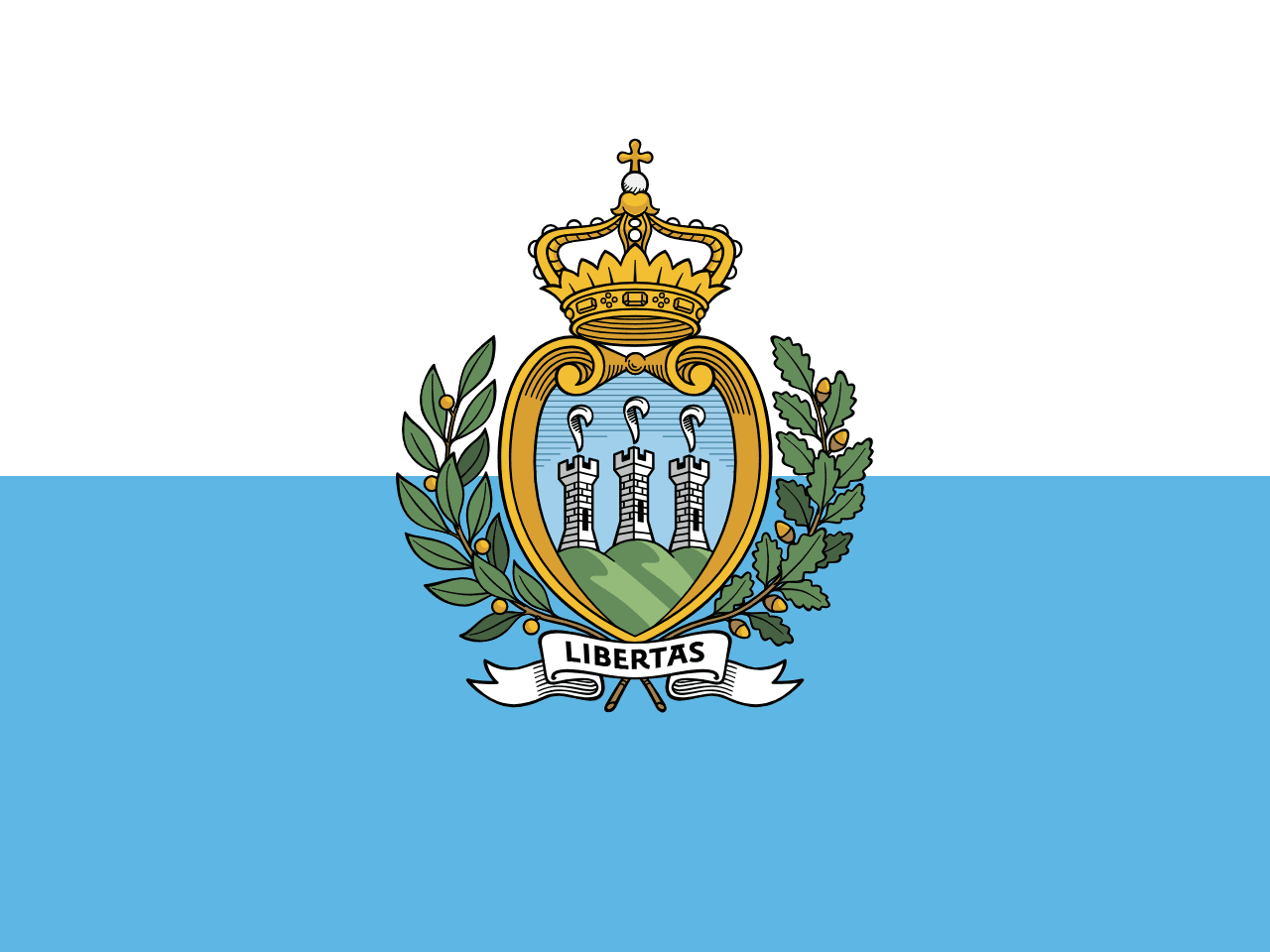
San Marino claims to be the world's oldest republic, having been founded — according to tradition — in 301 AD by Marinus, a Christian stonemason from the island of Rab in modern-day Croatia who fled Roman persecution and established a small community on Monte Titano. The claim cannot be verified against contemporaneous records, but the republic has been continuously self-governing since at least the early medieval period, making it the oldest surviving constitutional republic in the world regardless of the precise founding date. The republic is entirely enclosed within Italy — 61 square kilometres on and around Monte Titano in the Emilia-Romagna region, with a population of 34,000. The three towers of San Marino — Guaita, Cesta, and Montale — sit on the three peaks of Monte Titano and are visible for kilometres across the surrounding Italian plain. They are the country's defining image and appear on the flag. From their walls, on clear days, the Adriatic coast is visible fifty kilometres to the east. San Marino has survived centuries of Italian unification pressure, Napoleon's offer to extend its borders (politely declined), and every other external pressure that has ended the sovereignty of every other small medieval Italian republic. The explanation offered by San Marino's historians is a combination of political flexibility — switching allegiances quickly when necessary — and genuine goodwill from neighbouring powers who respected the republic's longevity and its lack of aggressive ambition. San Marino has never tried to become larger. It has always tried to remain itself.
Read full article →