Portugal
Posts, videos and blogs from Portugal · Chat with people about Portugal
Post about PortugalNo messages yet — be the first to share something about Portugal!
Sign in to join the chat
The Food of Portugal: 10 Dishes You Must Try
Portugal is a land where the sun kisses the Mediterranean waters, and the air is imbued with the fragrant aromas of spices, fresh seafood, and rich pastries. Its diverse geography, from coastal cliffs to rolling hills, has nurtured a culinary tradition deeply rooted in its history, influenced by seafaring explorations and the mingling of cultures over centuries. As I wandered through bustling markets, charming villages, and coastal towns, I became enchanted by Portugal’s food scene, which tells stories of its people and their love for honest, flavorful ingredients. Here are ten dishes that captured my heart and taste buds, each a delightful testament to Portugal's vibrant culinary culture. The first dish that graced my palate was Bacalhau à Brás, a classic that showcases Portugal’s beloved bacalhau, or codfish. This dish is a delightful mishmash of shredded cod, onions, and finely chopped fried potatoes bound together with scrambled eggs. The flavors are rich and comforting, with a hint of creaminess that comes from the eggs. I savored it at a quaint tavern in Lisbon’s Alfama district, where the walls seemed to hum with fado music. As I enjoyed the dish's hearty textures, I learned that bacalhau is often said to have 365 different ways of preparation—one for each day of the year—making it a beloved staple of Portuguese cuisine. Next on my culinary journey was Caldo Verde, a simple yet soul-warming soup that embodies the essence of home. Made with finely shredded kale, potatoes, onions, and chorizo, this dish delivers a delightful balance of earthy flavors with a kick from the sausage. I encountered this dish at a local festival in a small village in the north, where families gathered around long tables, sharing laughter and stories. Each spoonful of the silky green broth was like a warm embrace, and I learned that Caldo Verde has roots in the Minho region, where it is traditionally served during festivities, symbolizing community and togetherness. As I ventured further into the heart of Portuguese cuisine, I discovered the delightful Piri-Piri Chicken, a dish that sets taste buds ablaze with its fiery marinade. The chicken is marinated in a spicy blend of chili, garlic, and lemon, then grilled to perfection, resulting in a juicy, smoky flavor that sings of summer barbecues. I found myself at a family-run eatery in the Algarve, where locals gathered for an evening meal. The tangy heat of the dish was tempered by a side of cooling rice and crisp salad, creating a symphony of flavors on my plate. The origins of Piri-Piri chicken are often traced back to the influence of African and Portuguese cultures, particularly from the former colonies, making it a dish rich in history. In the realm of seafood, I encountered Arroz de Marisco, a luxurious seafood rice dish that is nothing short of heavenly. This dish combines a variety of shellfish—mussels, clams, shrimp, and sometimes crab—cooked in a rich, savory broth with rice, creating a creamy, comforting meal that feels like a coastal hug. I tasted Arroz de Marisco at a seaside restaurant in Cascais, where the waves crashed soothingly against the shore. Each mouthful of this dish was infused with the essence of the ocean, and I learned that it’s often prepared for special occasions, celebrated for its communal nature, inviting friends and family to gather around the table. While in the mood for something sweet, I couldn’t resist the temptation of Pastéis de Nata, those iconic Portuguese custard tarts that have gained worldwide fame. These little pastries are filled with a creamy custard and encased in a flaky, buttery crust, often dusted with cinnamon or powdered sugar. I found myself standing in line at the famous Pastéis de Belém bakery, the birthplace of this beloved treat, where the air was thick with the sweet scent of freshly baked tarts. With each bite, the velvety custard melted in my mouth, leaving a warm, delightful sweetness that lingered long after. Legend has it that these tarts were created by monks at the Jerónimos Monastery in the 19th century, a sweet testament to Portugal's knack for blending history with deliciousness. Another delightful surprise came in the form of Francesinha, a sandwich that can only be described as a feast on a plate. Originating from Porto, this dish features layers of cured meats and sausage, topped with a thick slice of steak, all smothered in a spicy tomato and beer sauce. The sandwich is often served with a side of crispy fries, making it a hearty meal that is perfect after a long day of exploring. I enjoyed Francesinha in a bustling café in Porto, where locals indulged in this beloved comfort food. As I sunk my teeth into this decadent creation, I learned that the name translates to “little Frenchie,” a nod to its inspiration from the French croque-monsieur but transformed into a uniquely Portuguese delight. As I journeyed southward, I discovered the vibrant dish of Açorda, a traditional bread soup that warms both the body and soul. Made primarily from stale bread, garlic, olive oil, and cilantro, this dish is often enriched with poached eggs or seafood for added flavor. I had the pleasure of enjoying Açorda in the picturesque fishing village of Sesimbra, where the sea breeze wafted through the open windows. Each spoonful was imbued with the essence of the Mediterranean, bringing comfort with its simplicity. This dish, I discovered, is often associated with frugality, showcasing how the Portuguese have historically transformed humble ingredients into something magical. My culinary adventure also led me to the rich, hearty dish of Feijoada, a bean stew that reflects the heartiness of Portuguese cuisine. Traditionally made with black beans and an assortment of meats, including pork and sausages, Feijoada is slow-cooked to allow the flavors to meld beautifully. I found a delightful version in a cozy restaurant tucked away in a Lisbon alley, where the atmosphere was filled with laughter and the clinking of wine glasses. The combination of tender meat and savory beans, served with a side of rice and orange slices, created a comforting meal that felt like a warm hug. As I savored each bite, I learned that Feijoada is often associated with gatherings and celebrations, a dish that brings people together. To wrap up my culinary exploration, I stumbled upon the comforting dish of Polvo à Lagareiro, or octopus baked with garlic and olive oil. The octopus is tender and succulent, often served alongside roasted potatoes and a drizzle of olive oil. I experienced this dish at a rustic eatery in the Douro Valley, surrounded by stunning landscapes of terraced vineyards. The octopus was cooked to perfection, its flavors elevated by the fragrant olive oil and the zest of garlic. I learned that this dish is a favorite in coastal regions, celebrating Portugal's love for fresh seafood and showcasing the country’s culinary traditions. With my taste buds thoroughly delighted, I couldn’t leave Portugal without sharing some top tips on where to find the best food. Markets like Mercado da Ribeira in Lisbon and Mercado do Bolhão in Porto are culinary treasures, overflowing with fresh produce, local cheeses, cured meats, and vibrant spices. Street stalls and food trucks offer a taste of authentic Portuguese flavors, serving everything from grilled sardines to sweet pastries. And for a more immersive experience, don’t shy away from family-run restaurants where the warmth of hospitality is as rich as the flavors on the plate. Here, you’ll find dishes prepared with love, each bite an echo of Portugal’s rich history and culture. As I reflect on my journey through Portugal’s cuisine, I’m reminded that food is not just sustenance; it’s a celebration of heritage, a connection to the land, and an invitation to gather. The dishes I encountered were not just meals; they were stories of the people, places, and traditions that have shaped this beautiful country. Each bite was a reminder that, in Portugal, food is a love language, spoken through flavors that invite us to share, savor, and celebrate life.
Read full article →The History of Portugal: From Ancient Times to Today
# The History of Portugal: From Ancient Times to Today Nestled at the southwestern tip of Europe, Portugal boasts a rich and diverse history that spans thousands of years. From its ancient roots to its role as a maritime empire and modern nation, the story of Portugal is one of resilience, exploration, and cultural evolution. As we embark on this historical journey, we'll uncover the layers of this fascinating country, highlighting key figures, pivotal moments, and lesser-known facts that have shaped its identity. ### Ancient and Indigenous History The history of Portugal begins long before it became a nation. Prehistoric settlers roamed these lands, leaving behind impressive megalithic structures like the Almendres Cromlech near Évora, a testament to their spiritual beliefs and social organization. The region was inhabited by various ancient peoples, including the Iberians, Celts, and Phoenicians, each contributing to the cultural tapestry of what would eventually become Portugal. By the 3rd century B.C., the Romans arrived, bringing with them not only military might but also advanced infrastructure, trade networks, and a system of governance. The territory was integrated into the Roman Empire as part of the province of Lusitania. The Romans established cities like Olissipona (modern-day Lisbon) and Emerita Augusta (Mérida), which became centers of commerce and culture. The influence of Roman architecture, language, and law would lay the groundwork for the future of the region. However, as the Roman Empire crumbled, the Visigoths invaded in the 5th century A.D. and established a kingdom that flourished until the arrival of the Moors in the 8th century. This period saw the introduction of sophisticated irrigation techniques and agricultural practices, which transformed the landscape and laid the foundation for future prosperity. ### The Formation of Portugal The establishment of Portugal as a defined political entity can be traced back to the 12th century. In 1139, Afonso Henriques, a nobleman with aspirations for autonomy, declared himself king of Portugal after a series of successful military campaigns against the Moors. His crowning as Afonso I marked the beginning of the Kingdom of Portugal. Under his reign, the territory expanded, and the Christian Reconquista gained momentum, leading to the gradual retaking of land from Muslim rule. The Treaty of Zamorra in 1143 recognized Portugal as a kingdom independent from León, marking a pivotal moment in its early history. However, it wasn’t until the 13th century that Portugal's borders began to stabilize, solidifying its identity. The establishment of the University of Coimbra in 1290 further signified the nation's growing importance in the realms of education, culture, and governance. ### The Age of Exploration The 15th century heralded what is often referred to as the Age of Exploration, a period when Portugal emerged as a formidable maritime power. Pioneering navigators like Prince Henry the Navigator, although not a sailor himself, played a crucial role in promoting exploration. His establishment of a navigation school in Sagres attracted the best minds of the time, leading to advances in cartography and shipbuilding. Portugal's explorers, such as Vasco da Gama, embarked on perilous voyages that would change the course of history. In 1498, da Gama reached India by sailing around the southern tip of Africa, opening sea routes that would facilitate the spice trade and establish Portugal as a global trading empire. The discoveries made during this period not only brought immense wealth but also led to the establishment of colonies in Africa, Asia, and Brazil. The Treaty of Tordesillas in 1494, brokered with Spain, divided the newly discovered lands outside Europe between the two nations. This agreement granted Portugal the rights to territories in Africa, Brazil, and parts of Asia, including Goa and Macau. The wealth generated from these colonies fueled the Portuguese economy and allowed for cultural exchanges that enriched both Portugal and its colonies. ### A Time of Decline However, the golden age of exploration did not last indefinitely. The 16th and 17th centuries saw the rise of rival powers, most notably the Dutch and the British, which began to chip away at Portugal’s dominance in global trade. The disastrous loss of the Portuguese fleet at the Battle of Alcácer Quibir in 1578 led to a succession crisis and ultimately to the Iberian Union, where Portugal fell under Spanish rule from 1580 to 1640. This period of foreign domination was marked by social unrest, economic decline, and a loss of autonomy. The Portuguese people yearned for independence, and their desires culminated in the Restoration War. In 1640, a group of nobles staged a successful revolt, leading to the establishment of the Braganza dynasty and the restoration of Portuguese sovereignty. ### The Rise and Fall of Colonial Empire The 18th century saw a resurgence in Portuguese power, marked by the establishment of more colonies and the cultivation of lucrative cash crops in Brazil. The discovery of gold in Brazil led to a massive influx of wealth, and the country became the centerpiece of the Portuguese empire. The lavish lifestyles of the elites contrasted sharply with the hardships faced by the indigenous populations and enslaved Africans who were forced to work on plantations. However, the empire began to decline in the 19th century as Brazil gained independence in 1822, reducing Portugal's global influence. The subsequent Liberal Wars in the 1820s and 1830s led to internal strife and instability, further weakening the nation’s political structure. Throughout the late 19th century and early 20th century, Portugal held on to its remaining colonies in Africa and Asia, but the tide of decolonization began to rise after World War II. The Carnation Revolution of 1974 was a turning point, leading to a peaceful coup that overthrew the authoritarian Estado Novo regime and heralded a new era of democracy. This revolution also marked the beginning of the end of the Portuguese colonial empire, leading to the independence of Angola, Mozambique, Guinea-Bissau, and other territories. ### The Modern Era In the years following the Carnation Revolution, Portugal aggressively redefined itself on the global stage. Joining the European Economic Community (EEC) in 1986 marked a significant step in its modernization, facilitating economic growth and development. The influx of European funds led to extensive infrastructure improvements and an increase in living standards. Portugal's role in the European Union has also been pivotal in shaping its contemporary identity. The adoption of the Euro in 2002 and the subsequent financial crisis of 2008 presented challenges that tested the resilience of the Portuguese economy. Austerity measures and economic reforms were implemented, leading to recovery and a renewed focus on innovation and sustainability. Today, Portugal stands as a vibrant and diverse nation. Its rich cultural heritage is celebrated through festivals, music, art, and cuisine. Fado, a soulful genre of music, echoes the melancholic beauty of Portuguese history, while contemporary art and architecture reflect the country’s forward-looking spirit. The nation is also recognized for its commitment to environmental sustainability, with initiatives aimed at renewable energy and conservation. The picturesque landscapes of the Douro Valley, the beaches of the Algarve, and the architectural marvels of Lisbon and Porto draw millions of tourists annually, further solidifying Portugal’s place in the global economy. ### Conclusion From its origins as a collection of tribes to its emergence as a maritime empire and modern democracy, the history of Portugal is a captivating saga of exploration, conquest, and resilience. It is a story woven with threads of triumph and tragedy, marked by the indomitable spirit of its people. As Portugal continues to navigate the challenges of the modern world, its legacy remains a testament to the power of perseverance and adaptation. In understanding its past, we can better appreciate the vibrant culture and dynamic identity of this beautiful nation today.
Read full article →Hidden Gems of Portugal: Places Most Tourists Miss
When planning a trip to Portugal, most travelers envision the sun-kissed beaches of the Algarve, the historic charm of Lisbon, or the picturesque streets of Porto. While these destinations undoubtedly possess their own unique allure, they often overshadow the country's many hidden gems—places where the essence of Portuguese culture, history, and natural beauty thrive away from the tourist throngs. For those with a spirit of adventure and a desire to delve deeper into this captivating nation, Portugal offers a wealth of lesser-known treasures waiting to be discovered. Nestled between the mountains and the sea, the enchanting village of Sortelha is a prime example of Portugal’s off-the-beaten-path wonders. Located in the Serra da Estrela region, Sortelha boasts a medieval charm that feels like stepping back in time. Its cobblestone streets wind through ancient stone houses and lead to a stunning castle that offers breathtaking views of the surrounding countryside. The village's history stretches back to the 12th century, and it retains a sense of authenticity that many larger towns have lost. To reach Sortelha, you can drive or take a bus from the city of Guarda, which is about 30 kilometers away. Spend a day wandering through its narrow alleys, exploring the remnants of its castle, and savoring a traditional meal at one of the local taverns. Just a short drive from Lisbon, the village of Óbidos is often overlooked by tourists heading straight to the capital. This charming walled town is famous for its well-preserved medieval architecture and vibrant streets adorned with bougainvillea and colorful tiles. One of its highlights is the Óbidos Castle, which dates back to the 12th century and now houses a small hotel, giving you the unique opportunity to stay within its ancient walls. Óbidos is also known for its cherry liqueur, ginjinha, served in a chocolate cup—a must-try for visitors. You can easily reach Óbidos via a train ride from Lisbon, making it an ideal day trip for those looking to escape the city’s hustle and bustle. Continuing our journey, we find ourselves in the Alentejo region, a vast expanse of rolling hills, cork oak forests, and olive groves that many tourists overlook. The town of Évora is a UNESCO World Heritage site, rich in history and home to the impressive Roman Temple of Diana. However, just off the beaten path lies the lesser-known village of Monsaraz, perched atop a hill with sweeping views of the surrounding landscape. Its narrow streets are lined with whitewashed houses and artisan shops, perfect for leisurely exploration. The village is also adjacent to the Alqueva Lake, the largest artificial lake in Europe, offering opportunities for kayaking, sailing, and stargazing in one of the darkest skies in the continent. Monsaraz can be reached by car from Évora, making it an easy half-day trip. One of Portugal's most stunning coastal areas can be found in the lesser-visited Costa Vicentina Natural Park. Stretching along the Alentejo coast, this rugged region is a haven for nature lovers and adventure seekers. Towering cliffs, pristine beaches, and hidden coves create a dramatic landscape perfect for hiking, surfing, and birdwatching. One of the park’s highlights is the Praia do Amado, a beautiful beach popular with surfers but still relatively unknown to many tourists. The best way to explore this area is by car, allowing you to stop at various viewpoints and secluded beaches along the way. Pack a picnic and enjoy a day of sun and surf, or take a hike along the Rota Vicentina, a network of walking trails that showcase the region’s natural beauty. For those interested in authentic cultural experiences, the village of Aldeia Nova de São Bento offers a glimpse into traditional rural life in Portugal. Located in the Beiras region, this small village is known for its vibrant festivals and community spirit. In July, the village hosts the Festa de São Bento, a lively celebration featuring music, dance, and delicious local cuisine. Visitors can immerse themselves in the festivities, savoring traditional dishes prepared by locals and joining in the revelry. To reach Aldeia Nova, you can take a bus from the nearby town of Seia, allowing you to experience the picturesque countryside along the way. In the northern part of Portugal, the village of Piodão is another hidden gem that feels straight out of a fairy tale. Nestled in the Aço Valley, Piodão is famed for its slate-roofed houses, which appear to cascade down the hillside. The village’s unique architecture and stunning mountain backdrop make it a photographer’s dream. Take a stroll through its narrow streets, visit the charming church, and savor the regional delicacy of queijo da serra, a creamy sheep's cheese that pairs perfectly with the local wine. Piodão is accessible by car, and a visit to the surrounding Serra do Açor is highly recommended for those who want to explore the beautiful natural landscapes. If you happen to be in the Algarve, don’t miss the opportunity to visit the village of Alte, often referred to as the "most traditional village in the Algarve." Located inland, Alte is characterized by its charming streets, traditional whitewashed houses, and a serene atmosphere that contrasts sharply with the bustling beach towns. The village is home to several natural springs, where you can relax and take in the peaceful surroundings. Alte is also known for its local handicrafts and produces traditional items like pottery and woven goods. To get there, take a bus or drive from Faro, and make sure to stop by the nearby Cascata da Alte, a picturesque waterfall perfect for a refreshing dip. For art and history enthusiasts, the town of Tomar is an unmissable destination. While it is perhaps best known for the Convent of Christ, a UNESCO World Heritage site, the town itself offers a rich tapestry of culture that often goes unnoticed. The narrow streets of Tomar are lined with charming cafés, boutiques, and workshops where artisans craft traditional goods. One of the most enchanting experiences is visiting during the Festa dos Tabuleiros, a unique festival held every four years, where locals create elaborate floral displays and carry them through the streets in a vibrant parade. Tomar is easily accessible by train from Lisbon, making it a perfect day trip for those looking to immerse themselves in Portuguese history and culture. Lastly, we cannot overlook the stunning beauty of the Azores, an archipelago located in the Atlantic Ocean. While many travelers flock to the mainland, the islands of São Miguel and Pico offer unparalleled natural wonders that are often missed. São Miguel is home to the famous Sete Cidades, a twin lake set in a volcanic crater with vibrant blue and green waters. Hiking trails abound, providing stunning vistas and opportunities to connect with nature. Pico, known for its volcanic peak, is renowned for its wine production, with vineyards that are a UNESCO World Heritage site. The best way to explore the Azores is by flying from Lisbon to Ponta Delgada and then taking a ferry or a short flight to Pico. As you embark on your journey through Portugal, these hidden gems beckon with promises of adventure, culture, and unforgettable experiences. Whether you’re wandering through the medieval streets of Sortelha, savoring local delicacies in Aldeia Nova, or hiking along the stunning cliffs of Costa Vicentina, you’ll find that Portugal’s lesser-known treasures hold the key to understanding the heart and soul of this remarkable country. Before you set off, here are some practical tips to make the most of your adventure. Consider renting a car for greater flexibility in exploring these hidden gems. Public transport is available, but having your own vehicle allows you to stop at unexpected sights along the way. Always check local festivals and events, as they can provide a unique insight into Portuguese culture and traditions. Finally, don’t forget to engage with locals; they often have the best recommendations for places to eat and explore. Embrace the spirit of adventure, and you’ll find that Portugal’s hidden gems will leave an indelible mark on your heart.
Read full article →What It's Really Like to Live in Portugal
What It's Really Like to Live in Portugal Portugal, with its golden coastlines, vibrant cities, and rich history, has been captivating the hearts of many, drawing in tourists and expats alike. As someone who has made this beautiful country my home, I can tell you that life here is a tapestry woven with sunshine, tradition, and a profound sense of community. The reality of everyday life in Portugal is often more nuanced than what you might read in travel brochures. So come with me as I walk you through a typical day, the cost of living, the delicious food culture, and the social fabric that binds us all. A typical day in Portugal often begins with the gentle sound of the local church bells ringing at around 8 AM. It’s a sound that has become a comforting part of my daily routine, marking the end of a night’s rest and the start of another beautiful day. With the sun peeking through the curtains, I often begin my mornings with a “bica,” the local term for an espresso that’s as strong and bold as the Portuguese spirit. A bica costs around €1 in most cafes, and it’s customary to stand at the bar while sipping it. The small but bustling café around the corner from my flat buzzes with locals exchanging friendly banter, and I find joy in the ritual of greeting the barista, who knows my name and order by heart. As I step outside, I am greeted by the warm Mediterranean sun, which tends to shine for more than 300 days a year in many parts of the country. The weather plays a significant role in shaping life here. In Lisbon, summer days can be quite warm, often reaching temperatures of 30°C (86°F), while winters are mild, with temperatures rarely dropping below 10°C (50°F). This favorable climate encourages outdoor living; locals will often take their meals alfresco, enjoying the vibrant atmosphere of the streets and plazas. The cost of living in Portugal is relatively affordable compared to other Western European countries. Rent for a one-bedroom apartment in the city center of Lisbon can range from €800 to €1,200, while smaller cities like Porto or Faro can be significantly lower at around €500 to €800. Utilities, including electricity and internet, typically add another €100 to €150 per month, making it feasible for expats like me to enjoy a comfortable lifestyle without breaking the bank. Groceries are quite reasonable, with a loaf of bread costing around €1, eggs around €2 for a dozen, and a liter of locally produced wine as low as €3. Food culture in Portugal is more than just sustenance; it’s a social experience that brings people together. Lunch is typically the main meal of the day, often enjoyed around 1 PM or 2 PM. Many locals indulge in a leisurely two-hour lunch, which is a delightful reprieve from the hustle of daily life. Restaurants offer “prato do dia” (dish of the day) menus that provide hearty, home-cooked meals at affordable prices, usually ranging from €8 to €12. A typical meal might include “bacalhau à brás” (cod with scrambled eggs and potatoes) or “caldo verde” (green soup made with kale and potatoes). Dinner is often a lighter affair, usually enjoyed later in the evening—around 8 PM or 9 PM. The food philosophy here embraces fresh, seasonal ingredients, and I’ve developed a deep appreciation for local markets where I can find everything from ripe tomatoes to fresh fish. My favorite market in Lisbon, Mercado da Ribeira, is a feast for the senses, showcasing the best Portugal has to offer in terms of produce and artisanal products. This vibrant food culture extends into social customs, which are centered on hospitality and warmth. If you’re invited to someone’s home, it’s customary to bring a small gift, perhaps a bottle of wine or some pastries. The phrase “fique à vontade” (make yourself at home) is often used to welcome guests, emphasizing the importance of comfort and relaxation. Family life is another cornerstone of Portuguese culture. Family relationships are strong, and multi-generational households are common. Families often gather for Sunday lunches, which can last for hours, filled with laughter and stories shared over a table laden with food. Children are cherished, and there’s a palpable sense of community as neighbors look out for one another, a practice deeply rooted in Portuguese culture. When it comes to work culture, the Portuguese tend to value a good work-life balance. The standard workweek is around 40 hours, with most people working from 9 AM to 6 PM. While punctuality is respected, there’s also a laid-back attitude that often permeates the workplace. Meetings are generally relaxed, and it’s not unusual for conversations to veer off-topic, often leading to deeper connections among colleagues. “Saudade,” a uniquely Portuguese word that embodies a sense of longing or nostalgia, also reflects the local attitude towards life and work—embracing the present while cherishing the past. As the weekend approaches, the vibrancy of life in Portugal comes alive. Fridays and Saturdays are bustling with activity as locals move from work to socialize. Many head to cafés and bars to enjoy “petiscos,” the Portuguese version of tapas, which can include everything from marinated olives to chorizo. A popular spot in Lisbon is “Time Out Market,” a lively space filled with various food stalls where you can sample the best of Portuguese cuisine in a vibrant atmosphere. On Sundays, it’s common to see families strolling through beautiful parks or along the waterfront, taking in the fresh air and sunshine. The beaches, especially those in the Algarve region or Cascais, attract sun-seekers and surfers alike. Locals often spend the day relaxing on the beach, enjoying a “sardinhas assadas” (grilled sardines) or a “francesinha” (a hearty sandwich layered with meats and covered in a rich sauce) at a nearby restaurant. However, life in Portugal isn’t without its challenges. While the cost of living is reasonable, salaries tend to be lower than in many other Western European countries, often averaging around €1,200 to €1,500 per month. This can make it difficult for some to afford housing in larger cities, especially for younger people starting their careers. Additionally, bureaucracy can be a headache for expats dealing with legal matters; the process can often be slow and convoluted, making patience a virtue. Despite these challenges, the positives of living in Portugal are abundant. The stunning landscapes, rich history, and the warmth of the people make it a unique place to call home. The locals are genuinely friendly, and the sense of community is palpable. It’s common for strangers to greet you on the street with a smile or a nod, and the overall pace of life encourages connection and conversation. One of the biggest surprises for many foreigners is the concept of “café culture.” While many countries place a strong emphasis on coffee, in Portugal, it’s not just about the drink; it’s about the experience. Cafés are social hubs where people gather to chat, read, or catch up on life. The coffee culture here fosters a sense of belonging, whether you’re a local or an expat. Another surprising aspect is the prevalence of the “afternoon siesta,” particularly in smaller towns and rural areas. Shops and restaurants may close for a couple of hours during the hottest part of the day, allowing everyone to rest and recharge. This practice may seem foreign to some but speaks to the importance of community and well-being. Overall, living in Portugal is a blend of rich history, culinary delights, and a community-oriented lifestyle that makes every day feel like an adventure. From the warmth of the sun to the kindness of the people, the vibrant culture and everyday rituals create a fulfilling experience for anyone lucky enough to call this country home. In Portugal, life moves at a gentle pace, allowing you to savor every moment, whether it’s sharing a meal or simply enjoying the beauty of the sunset over the Tagus River. As I reflect on my time here, I realize that it’s not just the stunning landscapes or the delicious food that make Portugal special—it's the heart of the people that truly makes it a remarkable place to live.
Read full article →Why Visit Portugal
Portugal sits at Europe's southwestern edge, a small country with a disproportionately large legacy. The nation that launched the Age of Discovery — sending Vasco da Gama around Africa to India, Magellan around the world, and Cabral to Brazil — shaped the modern world from its Atlantic shores. Today Portugal is one of Europe's most beloved destinations, offering ancient history, brilliant sunshine, extraordinary food and wine, and some of the continent's most dramatic coastlines at prices that remain refreshingly reasonable. Lisbon is one of the world's great capital cities. Built across seven hills above the Tagus estuary, it combines spectacular viewpoints (miradouros), crumbling tile-covered facades, the mournful music of fado, and the finest grilled fish in Europe into a uniquely melancholic yet joyful urban experience. The Belem district contains the Torre de Belem and Jeronimos Monastery, both magnificent examples of Manueline architecture — a Portuguese style that weaves maritime motifs into Gothic stonework. The LX Factory, a converted industrial complex in Alcantara, exemplifies Lisbon's thriving creative scene. Porto, Lisbon's northern rival, enchants visitors with its crumbling baroque churches, steep lanes tumbling toward the Douro River, and the great wine lodges of Vila Nova de Gaia where port wine matures in dim cellars. The Livraria Lello bookshop, with its art nouveau staircase, is among the world's most beautiful bookstores and reportedly inspired J.K. Rowling during her years living in the city. The Algarve in the south offers 300 days of sunshine and some of Europe's most spectacular coastal scenery — golden limestone cliffs sculpted into arches, grottos, and sea stacks at Ponta da Piedade, and long west-facing beaches that deliver serious surf at Sagres and Praia do Amado. The Douro Valley, where port wine grapes grow on dramatically terraced schist hillsides above one of Europe's most beautiful rivers, can be explored by boat, by road, or by the historic Linha do Douro railway that threads through the valley. Portuguese cuisine is built on extraordinary ingredients treated with restraint. Bacalhau (salted cod prepared in hundreds of ways), pastel de nata (custard tarts dusted with cinnamon), grilled sardines, suckling pig from Mealhada, and bifanas (pork sandwiches) deserve pilgrimage. The best time to visit is April through June or September through October when the heat is pleasant and crowds thinner.
Read full article →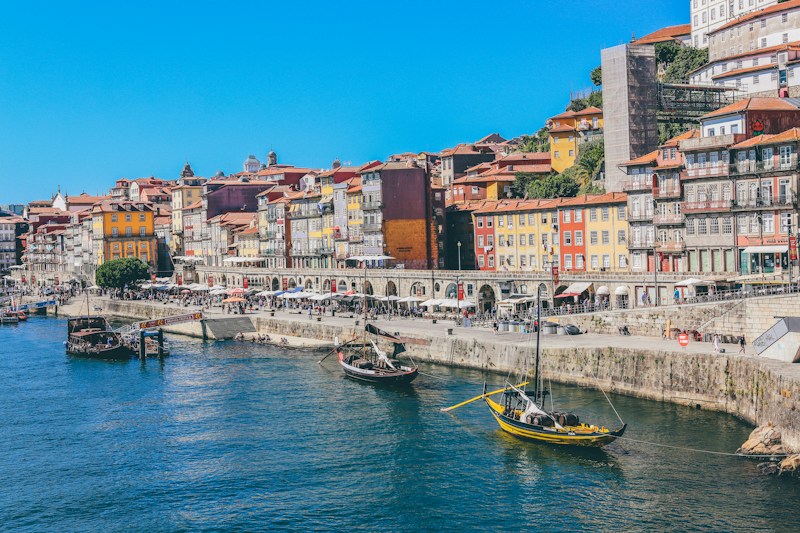
Fado: The Portuguese Music That Turns Longing Into an Art Form
Fado is the sound of Portugal accepting that some things cannot be recovered. The word itself comes from the Latin fatum — fate. The music is built around saudade, a Portuguese emotion that has no equivalent in English — a melancholic longing for something loved and lost, combined with an acceptance that it will not return. It is the specific feeling of missing something you know is gone forever, and finding that feeling beautiful rather than unbearable. A fado performance is intimate by design. One singer, a Portuguese guitar — a twelve-string instrument with a bright, piercing tone quite unlike a Spanish guitar — and a viola baixo providing the bass. The singer, called the fadista, stands still. They do not move dramatically or perform for the audience. They go somewhere internal and bring back what they find. The audience is expected to listen in silence. Conversation during fado is considered deeply disrespectful. Fado has two distinct traditions. Lisbon fado is urban, working-class, darker in tone — it emerged from the port districts of Alfama and Mouraria, among sailors, fishermen and the poor. Coimbra fado is academic, more formal, traditionally sung only by men and associated with the ancient university city of the same name. The greatest fadista of the 20th century was Amália Rodrigues, who turned the music from a regional tradition into a worldwide phenomenon. After her death in 1999, Portugal declared three days of national mourning. Her voice, and the music it carried, had become indistinguishable from the national identity. UNESCO recognised fado as Intangible Cultural Heritage in 2011. Lisbon's casas de fado continue to perform every night. The music does not pretend things will get better. It just makes them bearable.
Read full article →