No messages yet — be the first to share something about Peru!
Sign in to join the chat

The Food of Peru: 10 Dishes You Must Try
As I wandered through the bustling streets of Lima, the capital of Peru, I was greeted by an explosion of colors and aromas wafting through the air. The vibrant markets, filled with the freshest ingredients, and street vendors sizzling up a storm, painted a picture of a culinary paradise. Peru's gastronomic culture is a beautiful tapestry woven from the diverse influences of indigenous traditions, Spanish colonialism, and waves of immigrant flavors. From the Andes mountains to the coastal shores, each region boasts unique ingredients and cooking techniques that make Peruvian cuisine a treasure trove for adventurers and food lovers alike. As I set out to explore this gastronomic wonderland, I knew there were certain dishes that I simply had to try. Here are ten traditional Peruvian dishes that captivated my taste buds and left me craving for more. First on my list is ceviche, Peru's most famous dish. Locally known as ceviche, this dish consists of fresh raw fish marinated in a tangy mixture of lime juice, onions, and aji (Peruvian chili). The fish, often sea bass or tilapia, is transformed by the acidity of the lime juice, creating a delightful contrast between the tender flesh and the zesty marinade. What truly sets Peruvian ceviche apart is the addition of sweet potatoes and corn, which offer a pleasant sweetness to balance the dish. I found myself savoring ceviche at a charming seaside restaurant in Miraflores, where chefs expertly prepared it right in front of me. The lively atmosphere and the sound of the waves crashing against the rocks only enhanced the experience. Legend has it that ceviche has ancient roots, dating back to the pre-Columbian era when fishermen would use the coastal bounty for their meals. Next up is lomo saltado, a dish that beautifully reflects Peru’s fusion of cultures. This hearty stir-fry combines marinated strips of beef, onion, tomatoes, and fries, all sautéed together and served with a side of rice. The combination of flavors and textures creates a satisfying, savory dish that feels both comforting and indulgent. I stumbled upon a small, family-run restaurant in the historic district of Barranco, where the owner proudly shared stories of how his grandmother used to prepare it. The warm, inviting atmosphere and the aroma of sizzling beef made this meal memorable. The dish exemplifies the Chinese influence on Peruvian cuisine, a testament to the waves of Chinese immigrants who brought their culinary traditions to the country in the 19th century. No culinary journey through Peru would be complete without trying causa. This colorful dish consists of layers of yellow mashed potatoes, seasoned with lime juice and aji amarillo, layered with fillings like tuna, chicken, or avocado. The presentation is often stunning, with vibrant colors that make it a feast for the eyes as well as the palate. I had the pleasure of enjoying causa at a quaint eatery overlooking the Plaza de Armas in Cusco. The combination of the creamy filling and the zesty potato is refreshing, making it a popular choice for warm-weather meals. Causa has a rich history, often associated with the indigenous peoples who would prepare it as an offering to their gods during harvest festivals. For a delightful and unexpected twist, I highly recommend trying huancaina sauce over boiled potatoes. Known simply as papa a la huancaina, this dish features a creamy sauce made from aji amarillo, cheese, and milk, poured over sliced boiled potatoes. The combination delivers a comforting creaminess with a slight kick, making it the perfect starter or side dish. I enjoyed this dish during a visit to a family-run restaurant in Arequipa, where they proudly shared that it originated from the Huancayo region. The simplicity of the ingredients belies the deep-rooted cultural significance of this dish, often served during festivities and family gatherings. Another dish that left a lasting impression on my palate is anticuchos. These are skewers of marinated heart, typically beef heart, grilled to perfection and served with a spicy salsa. Anticuchos are a popular street food, and I found myself enjoying them from a bustling food stall late one night in Lima. The smoky, charred flavor of the meat paired with the tangy sauce created an explosion of taste that was both unique and thrilling. The origins of anticuchos trace back to the Andean people, who would use every part of the animal, demonstrating a culture of resourcefulness and respect for the ingredients. Moving on, I discovered rocoto relleno, a local favorite that is sure to tantalize adventurous eaters. This dish features rocoto peppers, a spicy variety native to Peru, stuffed with a savory filling of minced meat, olives, and spices, then baked in the oven. The balance of flavors between the heat of the pepper and the richness of the filling was extraordinary. I tried rocoto relleno in the colonial city of Arequipa, where the dish has a special place in the hearts of the locals. It's often served with a side of potatoes and is a testament to the Peruvian love for bold flavors and hearty comfort foods. As my culinary journey continued, I couldn't resist trying the delicious chupe de camarones, a shrimp chowder that is a staple on the southern coast of Peru. This creamy soup is made with a mix of shrimp, potatoes, cheese, and spices, resulting in a comforting dish that warms the heart. I visited a delightful restaurant in the coastal town of Pisco, where I savored every spoonful of this rich and hearty chowder while overlooking the beautiful beach. Chupe de camarones has roots in the coastal fishing communities of Peru and reflects the country's connection to the sea. A visit to Peru would be incomplete without experiencing the unique flavors of quinoa. Quinoa is a staple grain in the Andean region, and I had the pleasure of trying quinotto, a Peruvian twist on risotto made with quinoa instead of rice. This creamy dish typically includes vegetables, cheese, and seasonings, creating a hearty and nutritious meal. I enjoyed quinotto in a charming café in the Sacred Valley, where the serene surroundings complemented the wholesome flavors. The Inca civilization revered quinoa, considering it a sacred crop, and its resurgence in modern cuisine speaks to the growing appreciation for ancient ingredients. Next, I was introduced to adobo, a flavorful marinated pork dish that is slow-cooked in a rich sauce made with chicha (fermented corn drink), spices, and ají panca. The result is a tender, succulent pork dish bursting with flavor. I found myself enjoying adobo at a local festival in Trujillo, where families gathered to celebrate with laughter and music, sharing plates of this beloved dish. The connection to tradition and community made this meal even more special, as it is often prepared during holidays and special occasions. Finally, I simply couldn’t leave Peru without indulging in a sweet treat: alfajores. These delightful cookies are made from two crumbly biscuits sandwiched together with a generous layer of dulce de leche and dusted with powdered sugar. I discovered these treats at a charming café in Lima, where I watched as locals enjoyed them with a steaming cup of coffee. The combination of buttery cookies and sweet caramel is irresistible, and they are often enjoyed during celebrations and family gatherings. The history of alfajores dates back to the Moorish influence on Spanish cuisine, and they have since become a beloved snack throughout Latin America. As I reached the end of my culinary adventure through Peru, I not only savored the diverse flavors but also experienced the warmth and hospitality of the Peruvian people. The best food can be found in lively markets, where vendors offer traditional dishes that showcase their culinary heritage. Street stalls and family-run eateries serve up comforting favorites that tell the story of the region and its people. Whether you're exploring upscale restaurants or snacking on a freshly grilled anticucho from a street vendor, the heart of Peru's food scene lies in its rich traditions and the passion of those who prepare it. With every bite, I felt a connection to the land, its history, and its people—a reminder that food is not just sustenance but a celebration of culture and community. So, if you ever find yourself in Peru, make it a mission to explore the culinary landscape. Each dish is a story waiting to be tasted, and I can assure you that your taste buds will thank you for the adventure.
Read full article →The History of Peru: From Ancient Times to Today
# The History of Peru: From Ancient Times to Today Nestled in the heart of South America, the nation of Peru is a tapestry woven with the threads of diverse cultures, rich traditions, and profound histories. From the ancient civilizations that thrived long before European contact to the vibrant society of modern Peru, the journey of this remarkable country is one of resilience, transformation, and relentless spirit. ## Ancient Civilizations: The Birth of a Culture The story of Peru begins thousands of years ago, long before the arrival of the Spanish conquistadors. Archaeological evidence suggests that the region was inhabited as early as 12,000 BCE, with hunter-gatherer societies evolving into more complex agricultural communities by 3000 BCE. The fertile valleys of the Andes and coastal plains provided perfect conditions for the cultivation of crops, such as potatoes and maize, which would later become staples of the Andean diet. Among the earliest civilizations to flourish in Peru were the Norte Chico, also known as the Caral-Supe civilization, around 3000 BCE. They constructed monumental architecture, including pyramids and complex urban centers, demonstrating advanced agricultural and architectural skills. But the most renowned of Peru's ancient empires was the Inca civilization, which emerged in the early 15th century. ## The Inca Empire: A Pinnacle of Civilization The Inca Empire, known as Tawantinsuyu, meaning "the four regions," was a marvel of engineering and governance that spanned from present-day Colombia to Chile at its height. The Incas, renowned for their sophisticated agriculture, advanced architecture, and impressive road systems, created a cohesive empire through a combination of military strength, diplomacy, and cultural integration. At the helm of this extraordinary empire was Pachacuti, a visionary ruler who expanded Inca territory and transformed Cusco into the political and spiritual capital of the empire. His reign, beginning in 1438, marked a turning point in Inca history. The Incas developed an impressive network of roads that connected diverse regions, facilitating trade and communication. The Inca society was highly organized, with a unique system of labor known as the mit'a, where citizens contributed to state projects such as agriculture, construction, and military service. They also worshiped a pantheon of gods, with Inti, the sun god, holding particular significance. Cusco became a center for religious activity, with the Coricancha temple dedicated to Inti, showcasing the Inca's architectural prowess. However, the Inca Empire was not without its challenges. Internal strife and power struggles weakened the empire, making it vulnerable to external threats. This vulnerability would come to fruition with the arrival of the Spanish conquistadors in the early 16th century. ## The Colonial Period: Conquest and Transformation In 1532, the Inca Empire faced its greatest challenge when Spanish conquistador Francisco Pizarro arrived. Pizarro, seizing the opportunity of a civil war between rival Inca factions, captured the Inca emperor Atahualpa and demanded a staggering ransom. Although the ransom was paid, Pizarro executed Atahualpa, marking the beginning of the Spanish conquest. The subsequent years witnessed a devastating transformation as Spanish colonizers imposed their rule, religion, and culture upon the indigenous populations. The introduction of European diseases ravaged the native communities, decimating populations that had no immunity. Forced labor systems, such as the encomienda, exploited indigenous peoples for mining and agricultural work, leading to resistance and rebellion against Spanish rule. As the Spanish established their colonial authority, Lima was founded in 1535 and became the capital of the Viceroyalty of Peru. The city flourished as a center of trade and culture but was marked by stark inequalities between the Spanish elite and the indigenous majority. Throughout the colonial period, indigenous uprisings, such as the 1780 uprising led by Tupac Amaru II, highlighted the resistance against oppression. Although ultimately suppressed, these uprisings laid the groundwork for a growing sense of identity among native peoples and fueled aspirations for freedom. ## The Road to Independence: A Tumultuous Journey The winds of change began to blow across South America in the early 19th century. The Age of Enlightenment had sparked revolutionary ideas, and the desire for independence grew among the colonies. Peru, under the leadership of figures like José de la Riva-Agüero and Simón Bolívar, joined the wave of independence movements sweeping the continent. In 1821, José de la Riva-Agüero declared Peru's independence from Spanish rule, though the struggle for sovereignty would continue for many years. Notable battles, such as the Battle of Ayacucho in 1824, marked turning points in the fight for freedom. This decisive victory, led by Antonio José de Sucre, effectively ensured the liberation of Peru from Spanish control. However, independence did not bring the immediate stability that many had hoped for. The post-independence era was fraught with political turmoil, as rival factions vied for power. The struggle between conservatives and liberals created a volatile political landscape, leading to a series of coups and changes in leadership. ## A Nation in Flux: The 19th and Early 20th Centuries The latter half of the 19th century was marked by territorial conflicts with neighboring countries, particularly Chile. The War of the Pacific (1879-1884) resulted in a significant loss for Peru, as it ceded territory to Chile, deepening national wounds and sparking debates about national identity. In the early 20th century, Peru experienced economic growth fueled by the export of raw materials, particularly guano and later, silver. However, this wealth was unevenly distributed, leading to social unrest. The rise of labor movements and the push for reform reflected the growing discontent among the working class and indigenous populations, who sought better living conditions and rights. The political landscape continued to evolve, with the establishment of a series of military and civilian governments. José Carlos Mariátegui emerged as a prominent intellectual figure, advocating for socialist ideas and addressing the plight of indigenous peoples. His writings laid the groundwork for future movements, emphasizing the need for social justice and cultural recognition. ## The Mid-20th Century: A Period of Change The 1960s and 1970s marked a period of intense social and political upheaval in Peru. The government, under President Juan Velasco Alvarado, implemented sweeping agrarian reforms aimed at redistributing land and empowering marginalized communities. While some progress was made, these policies were met with resistance from landowners and the military, leading to instability. During this era, the emergence of guerrilla movements, such as the Shining Path (Sendero Luminoso), introduced violence and terror into the political landscape. Founded in the late 1970s, the Shining Path aimed to overthrow the government through violent means, leading to a brutal civil conflict that lasted for decades. The violence primarily affected rural communities, resulting in significant loss of life and further disenfranchisement of indigenous populations. ## The Path to Democracy: The Late 20th Century The 1980s and 1990s were marked by the struggle for democracy amidst the ongoing violence. In 1990, Alberto Fujimori was elected president, promising to combat terrorism and economic instability. His administration implemented drastic neoliberal economic reforms that shifted the focus towards privatization and deregulation. While these measures initially stabilized the economy, they came at a cost to social welfare and civil liberties. Fujimori's controversial tactics in dealing with the Shining Path, including human rights violations and authoritarian measures, led to his eventual downfall. In 2000, he fled to Japan amid corruption scandals and an electoral crisis, ushering in a new era of democratic transition. ## Modern Peru: A Country of Diversity and Resilience Today, Peru stands as a testament to resilience and cultural richness. The nation is a vibrant mosaic of indigenous, mestizo, and European influences, reflected in its languages, traditions, and cuisine. The legacy of ancient civilizations is still palpable, with the iconic ruins of Machu Picchu drawing visitors from around the world. Peru's contemporary society grapples with challenges such as poverty, inequality, and political instability. However, a burgeoning middle class, a growing tourism industry, and efforts towards sustainable development signal hope for the future. The election of leaders committed to addressing social and economic disparities reflects a desire for progress and inclusivity. Culturally, Peru continues to thrive, celebrating its heritage through festivals, music, and art. The revival of indigenous languages and customs serves as a reminder of the country's rich past and the ongoing journey towards cultural recognition and empowerment. ## Conclusion: A Tapestry of History The history of Peru is a tapestry woven with triumphs and tragedies, resilience and resistance. From the ancient civilizations that laid the groundwork for a rich cultural heritage to the struggles for independence and social justice, each chapter has contributed to the identity of this diverse nation. As Peru moves forward, it carries with it the lessons of its past, a past that informs its present and shapes its future. The journey continues, and with it, the vibrant spirit of the Peruvian people endures.
Read full article →Hidden Gems of Peru: Places Most Tourists Miss
When travelers think of Peru, their minds often drift to the ethereal ruins of Machu Picchu, the vibrant streets of Cusco, or the sprawling depths of the Amazon rainforest. These iconic destinations, while breathtaking, represent only a fraction of what this remarkable country has to offer. Beneath the well-trodden paths lies a treasure trove of hidden gems, waiting to be discovered by those willing to wander off the beaten path. From serene villages where time seems to stand still to vibrant local festivals that pulse with life, Peru is brimming with experiences that reveal its true soul. Let’s explore some of these lesser-known wonders that will ignite your sense of adventure and deepen your connection to this rich land. One such hidden gem is the village of Pisac, located in the Sacred Valley. While many travelers flock to the bustling market on Sundays, few venture beyond the stalls of artisanal goods. Ascend the hillside to discover the ancient Incan ruins that overlook the village. The terraced agricultural site, which dates back to the 15th century, offers a glimpse into the agricultural sophistication of the Incas. What makes Pisac truly special, though, is its sense of community. Stroll through the cobblestone streets, and you'll encounter local artisans crafting their wares, musicians playing traditional Andean music, and families enjoying a leisurely afternoon. To reach Pisac from Cusco, take a collectivo (shared taxi) which will whisk you away through the stunning landscapes of the Sacred Valley in about 30 minutes. Another off-the-beaten-path treasure is the picturesque town of Chivay, the gateway to the majestic Colca Canyon, one of the world's deepest canyons. While many travelers head to the canyon for the spectacular views of the Andean condors soaring overhead, few take the time to explore Chivay itself. This charming town is rich in culture, with adobe houses, local hot springs, and a bustling market where you can taste delicious regional dishes like alpaca stew or quinoa soup. The locals are warm and welcoming, often inviting visitors to join in their festivities. To get to Chivay from Arequipa, hop on a bus, which takes around four hours and offers stunning views of the Andean landscape. For those yearning for a more remote experience, the town of Sillustani should be on your radar. Located near Puno, Sillustani is home to a fascinating pre-Incan burial site featuring towering chullpas—cylindrical stone tombs that rise majestically above the shores of Lake Umayo. The site offers breathtaking views not only of the tombs but also of the surrounding landscape, where the Andes meet the shimmering lake. The rich history and serene environment make Sillustani a perfect spot for introspection and photography. To reach Sillustani, take a taxi or a guided tour from Puno, which is just about 30 kilometers away. Venturing into the heart of the Amazon rainforest leads us to the lesser-known town of Puerto Maldonado, a gateway to the awe-inspiring Tambopata National Reserve. While many tourists head straight to the more commercialized lodges, a visit to this small town gives you a chance to connect with local indigenous communities and experience their way of life. Spend a day exploring the lush jungle, embarking on guided walks where you’ll discover the incredible biodiversity of the Amazon. Don't miss the chance to visit a local community, where you can learn about traditional medicine and sustainable practices. To reach Puerto Maldonado, take a flight from Lima or Cusco, followed by a short drive to the town. In the north of Peru, the coastal town of Mancora is often overlooked in favor of more famous beaches. However, this laid-back destination offers a perfect escape for sun-seekers and surfers alike. With its stunning sunsets, warm waters, and vibrant nightlife, Mancora has a unique bohemian charm. Spend your days lounging on the beach, exploring nearby coves, or indulging in fresh seafood at local eateries. The vibe here is relaxed, and you’ll often find locals and travelers mingling at beach bonfires. To reach Mancora, take a bus from Piura, which is approximately a three-hour journey. If you’re a fan of ancient history and archaeology, then the site of Kuelap should be at the top of your must-see list. Often referred to as the "Machu Picchu of the North," Kuelap is a massive fortress built by the Chachapoya culture before the Incas. Perched high on a mountain ridge, the site offers breathtaking views and an impressive collection of stone structures surrounded by lush cloud forest. Unlike its more famous counterpart, Kuelap is relatively uncrowded, allowing for an intimate exploration of its ruins. To visit, fly into Chachapoyas and take a bus or guided tour to the site—a journey that takes about an hour and is well worth the effort. For a truly immersive experience, consider attending the Inti Raymi festival in the town of Ollantaytambo, which celebrates the Incan sun god. While Cusco is the festival's epicenter, Ollantaytambo offers a more intimate atmosphere, where you can see the processions and rituals unfold against a stunning backdrop of ancient ruins. Engage with the local community, witness traditional dances, and enjoy the festive spirit that envelops the town during this time. The festival usually takes place in late June, so plan your visit accordingly. To reach Ollantaytambo from Cusco, take a train or a collectivo, which takes about two hours. A hidden paradise lies in the form of the Rainbow Mountain, or Vinicunca, located just outside of Cusco. While it has gained popularity in recent years, it’s still often overshadowed by other attractions. The mountain’s stunning color palette, created by mineral deposits, creates a surreal landscape that leaves visitors awestruck. The trek to the summit requires a moderate level of fitness but rewards hikers with panoramic views that are simply breathtaking. To get to Rainbow Mountain, participate in a guided tour from Cusco, which typically includes transportation, meals, and a knowledgeable guide to enrich your experience. Lastly, the serene beauty of the Amazonian village of Iquitos offers a unique cultural experience. Known for its vibrant market and rich biodiversity, Iquitos is the largest city in the world that cannot be reached by road, making it a fascinating destination. Explore the bustling Belén market, where you can find exotic fruits, traditional crafts, and medicinal plants. Take a boat tour along the Amazon River to visit nearby communities, where you'll learn about their customs and daily lives. To reach Iquitos, fly from Lima, and prepare to immerse yourself in the rich tapestry of Amazonian culture. As you embark on your journey through Peru, remember that the true essence of the country lies not only in its famous landmarks but also in its hidden corners, where authentic experiences and connections await. Embrace the warmth of its people, the richness of its traditions, and the stunning landscapes that often go unnoticed. Here are a few practical tips to enhance your adventure: 1. **Travel Light:** Many of these hidden gems require some trekking or walking, so a light backpack with essentials will make your journey easier. 2. **Learn Basic Spanish:** While many locals speak Quechua or Spanish, knowing some key phrases can enhance your interactions and help you navigate small towns. 3. **Respect Local Customs:** Each region has unique traditions—take the time to learn and engage respectfully with local cultures. 4. **Stay Flexible:** Some of the best experiences come from spontaneous adventures, so allow room in your itinerary for unexpected detours. 5. **Embrace the Local Flavors:** Try local dishes wherever you go; the culinary diversity is as rich as the landscapes. 6. **Bring Cash:** In smaller towns and markets, cash is often preferred, so have some soles on hand for purchases. With an open heart and a sense of curiosity, you’ll discover that the true magic of Peru lies in its hidden gems—places where stories unfold, friendships blossom, and unforgettable memories are woven into the fabric of your journey. Prepare for adventure; your Peruvian odyssey awaits!
Read full article →What It's Really Like to Live in Peru
Living in Peru is an experience unlike any other; it’s a beautiful tapestry of cultures, traditions, and landscapes that shape the lives of its people. My journey began in the vibrant capital city of Lima, with its buzzing streets and tantalizing aromas wafting from street vendors. Over time, I ventured into the Andean highlands, experienced the Amazon jungle, and soaked in the coastal beaches, each region offering a unique flavor of Peruvian life. Daily life in Peru begins early. Most Peruvians wake up around 6 AM when the sun begins to bathe the streets with golden light. While the mornings can be chilly, especially in the highlands, the promise of a warm day ahead is palpable. As a foreigner, I quickly learned to embrace the rhythm of life here. Many people start their day with a hearty breakfast of bread, butter, and a hot drink, often made from locally grown coffee or an herbal infusion like mate de coca. The cost of living in Peru varies greatly depending on where you are. Lima is the most expensive city, but it’s still affordable compared to many Western cities. For instance, a modest apartment can be rented for around $300 to $500 a month in a decent neighborhood, while the same apartment in a city like New York could easily cost over $2,000. Groceries are also inexpensive, with fresh produce like avocados, tomatoes, and potatoes available for just a few soles at local markets. Eating out can be a delight, too; a delicious meal at a local restaurant might cost around $5 to $10, while a three-course meal at a mid-range restaurant could be around $25. I often found myself indulging in a plate of lomo saltado, a savory stir-fry dish that perfectly represents the fusion of cultures in Peru. Food culture in Peru is an exciting journey in itself. The country is often deemed a gastronomic paradise, thanks to its diverse culinary heritage. You’ll find a myriad of flavors influenced by indigenous ingredients, Spanish colonization, and immigrant communities from Asia and Europe. Ceviche, a dish of marinated raw fish, is perhaps the most famous Peruvian dish, and it’s best enjoyed at a seaside restaurant in Miraflores, where the ocean breeze complements the dish's zest. Eating is a social affair, and locals often gather with friends and family to share meals and celebrate together. During weekends, markets are bustling, and food stalls offer everything from anticuchos (grilled beef hearts) to dulce de leche desserts, showcasing the country’s culinary richness. Social customs in Peru are deeply rooted in tradition and community. Greetings are warm and genuine; a simple "¡Hola!" or "¡Buenos días!" is often accompanied by a friendly kiss on the cheek, even when meeting someone for the first time. Family is central to life here, and it’s common for multiple generations to live under one roof, sharing responsibilities and joys. This close-knit family structure creates a sense of belonging and support that is palpable. I’ve often been invited to family gatherings where the atmosphere is filled with laughter, music, and, of course, plenty of food. Work culture varies between urban and rural areas. In Lima, the work environment can be fast-paced and competitive, especially in sectors like finance and technology. Hours can be long, with many businesses operating from 9 AM to 6 PM. However, there’s also a strong sense of community in workplaces, with colleagues often forming tight bonds. In contrast, in the highlands, life is more laid-back, with a focus on agriculture or artisan crafts, where people might start their day at dawn and finish by early afternoon to spend time with family. A phrase I often heard, “trabajar para vivir, no vivir para trabajar” (work to live, not live to work), encapsulates this more relaxed approach to life outside the bustling cities. Weekends in Peru are a time for relaxation, family, and fun. Many locals escape to the countryside or coastal areas, taking advantage of the stunning landscapes. The beaches of Punta Hermosa or the scenic hillsides of the Sacred Valley become populated with families enjoying picnics, barbecues, and outdoor games. In Lima, the Parque Kennedy area in Miraflores is a popular gathering spot, especially on Sundays, when artisans display their crafts and street performers entertain the crowds. I’ve spent countless weekends wandering through local markets, sampling street food, or simply lounging in a park with friends, soaking up the vibrant atmosphere around me. The weather in Peru plays a significant role in shaping daily life. The country boasts a diverse climate, from the arid deserts of the coast to the humid rainforests of the Amazon and the chilly heights of the Andes. In Lima, the coastal weather is mild, with temperatures averaging around 65°F year-round, known for its foggy mornings. The highlands, on the other hand, can be quite cold, especially at night, making warm clothing essential for evening activities. The Amazon is hot and humid, with a rainy season that can lead to flooding, affecting transportation and daily routines. Peruvians adapt to these conditions with remarkable resilience, creating a lifestyle that harmonizes with nature. However, living in Peru is not without its challenges. One of the most pressing issues is the disparity between urban and rural areas. While Lima and other major cities have experienced rapid development, many rural communities still struggle with poverty and lack access to basic services like education and healthcare. The political landscape can also be tumultuous, with frequent protests and strikes that can disrupt daily life. Yet, despite these challenges, there’s an undeniable spirit of hope and perseverance among the people. Community initiatives and grassroots organizations are continually working toward positive change, showcasing the resilience of the Peruvian heart. What surprises many foreigners most about living in Peru is the warmth and hospitality of its people. Peruvians are incredibly welcoming, often going out of their way to help a stranger or share a meal. The sense of community here is palpable — I remember getting lost in a small town and being approached by a family who not only provided me directions but also invited me to join them for lunch. I was treated to homemade empanadas and refreshing chicha morada, a traditional sweet beverage made from purple corn. These small acts of kindness are what make Peru feel like home, even for those of us who are far from our own. In conclusion, living in Peru offers a rich tapestry of experiences that meld daily life with tradition, community, and adventure. From the delicious food that brings people together to the stunning landscapes that inspire awe, every moment is imbued with a sense of connection to the land and its people. It’s a place where family bonds are cherished, social customs thrive, and the spirit of resilience is celebrated. Whether you’re navigating the bustling streets of Lima or wandering through the serene beauty of the Sacred Valley, life in Peru is a vibrant journey filled with warmth, passion, and endless surprises.
Read full article →Why Visit Peru
Peru is one of the world's great travel destinations, a country of staggering contrasts where the world's driest desert, the highest navigable lake, the densest rainforest, and the most awe-inspiring ancient ruins occupy the same national territory. Few countries pack this density of wonder into a single border. Machu Picchu is the undisputed crown jewel — the 15th-century Inca citadel perched on a mist-wreathed mountain ridge above the Urubamba River is one of humanity's greatest architectural achievements. Arriving at the Sun Gate after four days on the Inca Trail, with the citadel spread below you in the morning mist, is a transformative experience. The Sacred Valley surrounding Cusco contains additional Inca ruins at Pisac, Ollantaytambo, and Moray, each revealing new facets of this remarkable civilization. Cusco itself is magnificent. The Spanish conquistadors built their colonial city atop Inca foundations, and the contrast — Spanish baroque churches rising from precisely fitted Inca stonework — is visible throughout the city. The Plaza de Armas is one of South America's grandest main squares, and the Qorikancha temple, once sheathed in gold, demonstrates Inca engineering sophistication. The San Pedro Market is an extraordinary sensory experience where vendors sell every variety of potato (Peru has over 3,000 native varieties), colorful chili peppers, and highland herbs. Lake Titicaca, shared with Bolivia at 3,812 meters above sea level, is the world's highest navigable lake and home to the Uros people, who live on islands constructed entirely from totora reeds. The floating islands are inhabited, functional communities, not tourist recreations. The island of Taquile maintains a weaving tradition recognized by UNESCO. Peru's Amazon basin covers nearly 60 percent of the country. Iquitos, accessible only by air or river, is the world's largest city with no road access and serves as the gateway to pristine jungle lodges where pink river dolphins, macaws, and giant river otters can be encountered. Peruvian cuisine has been named the world's best multiple times. Ceviche — fresh fish cured in lime juice with red onion, aji amarillo chili, and cilantro — is the national dish. Lomo saltado, anticuchos, and causa are essential. Lima's Miraflores and Barranco districts have become a global culinary destination. The best time to visit the highlands and Machu Picchu is the dry season from May through October. The Amazon is best from June through September.
Read full article →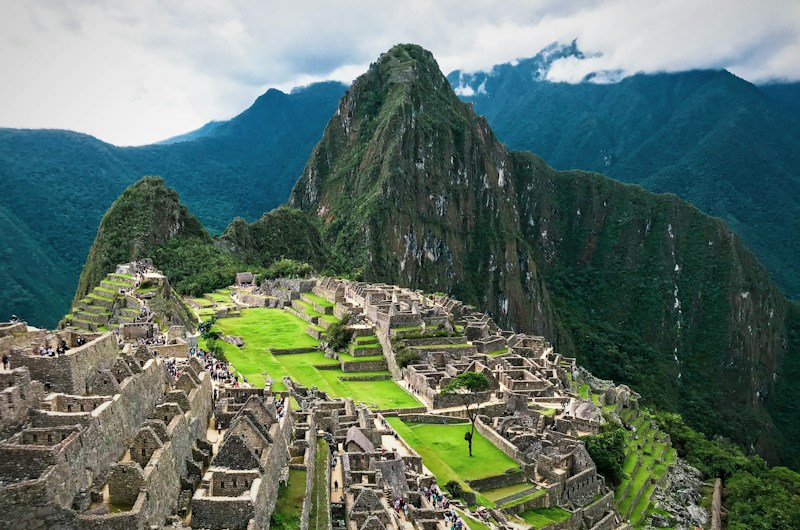
Machu Picchu and the Inca Legacy That Peru Still Lives With
Machu Picchu was built in the 15th century, rediscovered by the outside world in 1911, and has been overwhelmed by visitors ever since. The site receives roughly a million tourists per year, and the Peruvian government has spent decades trying to manage access without destroying what people come to see. But the focus on the ruins can obscure something more interesting: the civilisation that built them never really ended. The Inca Empire at its peak was the largest in pre-Columbian America, stretching from what is now southern Colombia to central Chile — a distance of over four thousand kilometres connected by an extraordinary road system built entirely without wheeled vehicles. The Spanish arrived in 1532 and the empire collapsed within a generation. But the people did not. Roughly half of Peru's forty million people identify as Indigenous, most of them descendants of the Quechua and Aymara peoples who built and lived within the Inca world. The Quechua language, once the administrative language of the entire Inca Empire, is still spoken by around eight million people. It is Peru's second official language alongside Spanish. In the highlands around Cusco and in the communities near Machu Picchu, Inca agricultural techniques — including the terrace farming that made mountain agriculture possible — are still in active use. Festivals that predate the Spanish conquest are still celebrated. The Inti Raymi, festival of the sun, draws tens of thousands of participants to Cusco every June for a celebration that has been running for centuries. Peru is a country that did not simply inherit an ancient civilisation. It is still, in many significant ways, living inside it.
Read full article →