No messages yet — be the first to share something about Panama!
Sign in to join the chat
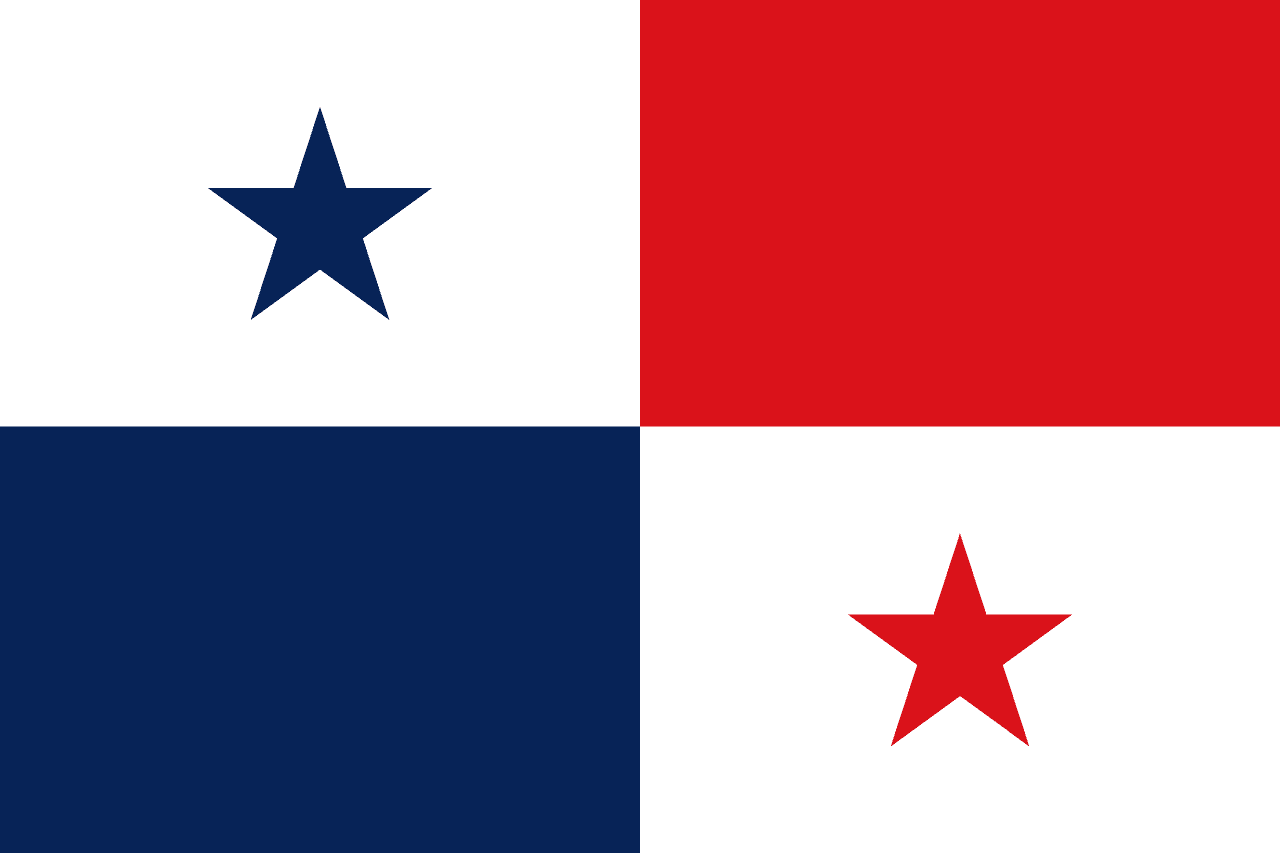
The Food of Panama: 10 Dishes You Must Try
Stepping into Panama's vibrant culinary landscape feels like diving into a colorful mosaic of flavors, aromas, and rich histories. Nestled between the Caribbean and the Pacific, this small Central American gem boasts a diverse range of culinary influences, from indigenous traditions to Afro-Caribbean and Spanish colonial heritage. You can taste the stories of the land in each dish, where the ingredients tell tales of the ocean, the jungle, and the farmers who cultivate the earth. As someone who has wandered through the bustling markets and cozy eateries of Panama, I can assure you that the food here is more than just sustenance; it’s a celebration of life and culture. Join me as I take you through ten traditional dishes that you absolutely must try when you visit this enchanting country. One of the most beloved dishes in Panama is sancocho, a flavorful chicken soup that warms the soul. Traditionally made with chicken, root vegetables like yucca and ñame, and herbs such as culantro, this dish is a staple in Panamanian households. The broth is rich and comforting, with a spicy kick that awakens the palate. You'll often find sancocho served on Sundays, a day when families gather to enjoy hearty meals together. Imagine sitting at a wooden table in a local eatery, the scent of simmering spices wafting through the air, as you savor each spoonful of this homestyle dish. Sancocho isn’t just food; it’s a communal experience that embodies the warmth of Panamanian hospitality. Next up is ceviche, a dish that showcases Panama's love affair with fresh seafood. Made from marinated raw fish, usually corvina, ceviche in Panama is elevated with lime juice, chopped onions, and a sprinkle of cilantro. The tangy and zesty flavors dance on your tongue, making it a refreshing appetizer perfect for the coastal climate. Head to a seaside restaurant or a local cevichería, where you can enjoy it served with crispy plantain chips. Each bite is a taste of the ocean, and the ambience of the coastal breeze adds to the experience. Ceviche is often enjoyed during celebrations and is a must-try during Panama’s famous Carnaval festivities, where the celebration of life and culture culminates in joyous feasting. No exploration of Panamanian cuisine would be complete without mentioning arroz con pollo, a beloved chicken and rice dish that has become a national favorite. This dish is prepared with seasoned rice, tender pieces of chicken, and a medley of vegetables such as peas and bell peppers, all simmered together to create a symphony of flavors. The aroma of the spices filling the kitchen is simply irresistible. You can find arroz con pollo at family gatherings, birthday parties, and even at street food stalls offering generous portions for a few dollars. This dish represents the spirit of togetherness, as families gather around the table to share stories and enjoy a hearty meal. Another delightful dish that reflects Panama's diversity is patacones, which are twice-fried green plantains. They are crispy on the outside and soft on the inside, often served as a side or a snack. Patacones are typically topped with a variety of ingredients, such as shredded beef, guacamole, or seafood. Each bite delivers a satisfying crunch, and they're perfect for sharing with friends over a cold drink. You can find patacones at any local eatery or street stall, where the atmosphere is lively and filled with laughter. This dish embodies the spirit of Panamanian street food culture, where friends gather to enjoy good food and good company. For a sweet touch, make sure to try tres leches cake, a dessert that has a special place in the hearts of Panamanians. This moist cake is soaked in three types of milk—evaporated milk, sweetened condensed milk, and heavy cream—creating a rich and creamy treat that melts in your mouth. Often topped with whipped cream and fresh fruit, tres leches is a popular choice for celebrations, from birthday parties to weddings. The layers of flavor represent the union of different cultures in Panama, making it a fitting dessert for any occasion. Whether indulging in a slice at a local bakery or enjoying it at a family gathering, this cake is a sweet reminder of the country’s joyous spirit. Fried fish, known as pescado frito, is a dish that embodies the coastal charm of Panama. Typically made with fresh catch from the ocean, such as snapper or tilapia, the fish is marinated with spices and then fried to perfection. The crispy skin gives way to tender, flaky flesh that pairs wonderfully with coconut rice and a side of tangy salsa. You can find pescado frito at beachfront shacks or local restaurants that cater to seafood lovers. Eating this dish while listening to the sound of waves crashing nearby evokes a sense of paradise. It's not just a meal; it's a moment to savor the beauty of Panama's seaside vibe. Moving on to a dish that captures the heart of Panama’s indigenous heritage is the hearty caldo de gallina, or hen soup. This comforting dish features a whole hen simmered with vegetables and spices, resulting in a flavorful broth that nourishes both body and soul. Often served with rice and avocado, caldo de gallina is a common comfort food enjoyed during family gatherings and holidays. The preparation of this dish is often a labor of love, requiring time and care to develop its deep flavors. You might find it served at local markets, where vendors proudly showcase their culinary skills. Each spoonful tells a story of tradition and warmth, making it a must-try for anyone looking to connect with the roots of Panamanian cuisine. A delight for breakfast is hojaldre, a fried dough that resembles a doughnut but is savory and flaky. Typically enjoyed with a side of scrambled eggs or topped with cheese, hojaldre is a popular choice to kickstart the day. The dough is crispy on the outside and soft on the inside, providing a delightful texture that pairs perfectly with a steaming cup of coffee. You can find this delicious treat at local breakfast spots or street vendors, where the aroma of frying dough fills the air. Hojaldre is more than just a meal; it’s a cherished morning ritual that brings people together over good food and great conversation. Finally, I must introduce you to the empanada, a savory pastry that's filled with a variety of ingredients, including cheese, meat, or vegetables. The dough is typically made from corn or wheat flour, creating a satisfying bite that is both flaky and crispy. Depending on the filling, empanadas can be sweet or savory, making them versatile snacks for any time of the day. You'll find empanadas at street stalls or bakeries, often enjoyed as a quick snack while exploring the city. Each region in Panama has its own take on empanadas, showcasing the local flavors and culinary creativity. Whether you’re on a leisurely stroll or in need of a quick bite, empanadas are the perfect choice to satisfy your cravings. As I reflect on my culinary journey through Panama, I've come to appreciate not just the diverse flavors, but the connections that food creates. From the bustling markets of Casco Viejo to the lively street stalls of David, the best food can be found everywhere. Markets are a feast for the senses, with vibrant displays of fresh produce, spices, and prepared foods that invite you to sample the local delights. Street food stalls serve up authentic dishes full of history and flavor, allowing you to enjoy a meal that is both affordable and delicious. And don’t overlook the family-run restaurants that offer a warm, inviting atmosphere where you can savor traditional recipes passed down through generations. In Panama, food is more than just a meal; it’s a way to engage with the culture, connect with the people, and create lasting memories. So, when you visit, don’t just eat to fill your stomach—eat to savor the stories that each dish has to tell.
Read full article →The History of Panama: From Ancient Times to Today
# The History of Panama: From Ancient Times to Today Nestled like a narrow isthmus between two great oceans, Panama has long been a crossroads of culture, commerce, and conflict. This small yet strategically vital country boasts a rich tapestry of history, woven from the threads of ancient civilizations, colonial power struggles, and modern nation-building. Join us on a journey through time as we explore Panama's past, from its earliest inhabitants to its vibrant contemporary identity. ## Ancient Indigenous Civilizations Long before European explorers set their sights on the Americas, the land we now know as Panama was inhabited by a variety of indigenous groups. The region was home to some of the most advanced pre-Columbian societies in Central America, including the Ngäbe-Buglé, Kuna, and Emberá tribes. These communities thrived in the lush rainforests and along the coastlines, developing a deep connection to the land and resources around them. Archaeological evidence suggests that some of these groups were engaged in agriculture as early as 2500 BCE, cultivating crops such as maize, beans, and squash. The ancient Panamanians were masterful artisans, creating intricate pottery and jewelry from gold and other materials. The striking gold artifacts found in burial sites, such as those at the famous cemetery of Sitio Conte, hint at a society rich in cultural practices and spiritual beliefs. One of the most notable civilizations to flourish in pre-Columbian Panama was the Kuna, who are known for their vibrant textile arts and matriarchal social structure. The Kuna people, who still inhabit the region today, have managed to preserve much of their traditional lifestyle, making them a living testament to Panama’s ancient heritage. ## The Arrival of the Spanish Empire In the early 16th century, European explorers began to arrive in the Americas, forever altering the course of history. In 1501, the Spanish navigator Rodrigo de Bastidas became one of the first Europeans to explore the Panamanian coast. The arrival of the Spanish marked the beginning of a significant chapter in Panama's history—one characterized by conquest, colonization, and upheaval. The most famous of these early explorers was Vasco Núñez de Balboa, who, in 1513, became the first European to cross the Isthmus of Panama and sight the Pacific Ocean. Balboa's journey, which involved arduous trekking through dense jungles and numerous hardships, culminated in a momentous discovery that would reshape trade and exploration in the New World. His exploits led to Panama being recognized as a vital transit point for Spanish treasure fleets that would transport gold and silver from the Pacific to Spain. However, the greed of colonizers brought devastation and hardship to the indigenous peoples. The Spanish forced many tribes into labor, decimating their populations through violence and disease. The cultural and social structures of these communities were irrevocably altered, leading to a profound loss of traditions that still resonates today. ## The Colonial Period The establishment of Panama City in 1519 marked the beginning of a new era. This city, founded by Pedro Arias de Ávila, became a crucial hub for Spanish maritime trade. As the city grew, it became the launching point for expeditions to Peru, where vast quantities of gold and silver were plundered from the Inca Empire. The wealth generated by these ventures turned Panama into a significant colonial outpost, albeit one fraught with challenges. Throughout the 16th and 17th centuries, Panama was besieged by pirates seeking to capture the treasure-laden ships returning to Spain. Notable figures such as Sir Francis Drake mounted daring raids, and the Spanish had to fortify their settlements to protect against these threats. The construction of fortifications like the San Lorenzo Fort and the Castillo de la Inmaculada Concepción was vital in defending Panama's riches against marauding seafarers. Despite the challenges, the colonial period led to a cultural blending that would shape Panama's identity. The Spanish introduced their language, religion, and customs, which intermingled with indigenous traditions, resulting in a unique culture that reflects both heritages. This period also saw the establishment of the Catholic Church as a dominant institution, influencing education, governance, and daily life for generations to come. ## The Road to Independence By the 19th century, the winds of change were sweeping across Latin America. Inspired by independence movements in neighboring countries, Panama began to seek its own path. In 1821, Panama declared its independence from Spain and joined the newly formed Republic of Gran Colombia, which included present-day Colombia, Venezuela, Ecuador, and Panama itself. However, the relationship between Panama and the central government in Bogotá proved to be unstable. The vast distances, geographical barriers, and differing economic interests fostered a sense of isolationism in Panama. In 1830, Panama became one of the first regions to attempt secession from Gran Colombia, although it was unsuccessful at that time. The discontent simmered for decades, and in 1903, under the influence of both local leaders and U.S. interests, Panama finally achieved independence from Colombia. The circumstances surrounding this move were complex; the United States, interested in constructing a canal to facilitate maritime trade, played a crucial role in supporting Panama's secession. The Hay-Bunau-Varilla Treaty, signed shortly after independence, granted the U.S. control over a 10-mile-wide zone for the construction of the Panama Canal, effectively making Panama a pawn in the larger geopolitical game of the early 20th century. ## The Panama Canal: A Turning Point The construction of the Panama Canal, which began in the early 20th century, marked a turning point in both Panama's history and global commerce. After a failed French attempt in the 1880s, the U.S. took over the project in 1904 and completed it in 1914. The canal revolutionized maritime trade, allowing ships to traverse between the Atlantic and Pacific Oceans without the arduous journey around the southern tip of South America. The canal's completion brought both economic growth and significant challenges for Panama. While the canal generated substantial revenue and opened up new opportunities, it also solidified U.S. control over Panamanian territory. For decades, the canal was administered by the United States, and the presence of American military bases led to tensions between the two nations. In the latter half of the 20th century, Panamanian nationalism grew, culminating in widespread protests against U.S. control and military presence. The period saw the rise of Noriega, a military dictator who initially cooperated with the U.S. but later fell out of favor. In 1989, the U.S. launched Operation Just Cause, ousting Noriega and restoring a civilian government. ## Modern Panama: Sovereignty and Growth The handover of the Panama Canal to Panamanian control on December 31, 1999, marked the beginning of a new era of sovereignty and self-determination. The transition was celebrated as a triumph of national pride and independence. Under the stewardship of various administrations, Panama has embarked on a path of economic growth and development, leveraging its geographic location to become a global logistics hub. The canal continues to be a cornerstone of Panama's economy, bolstered by significant investments in infrastructure and modernization. The expansion of the canal in 2016, which allowed for the passage of larger vessels known as "New Panamax," further solidified its position in international shipping. Today, Panama is often regarded as a beacon of stability in a region marked by political and economic turmoil. Its vibrant economy is fueled by sectors such as banking, commerce, tourism, and logistics. The capital, Panama City, is a vibrant metropolis characterized by a skyline of modern skyscrapers juxtaposed against historical architecture. Panama's diverse cultural landscape reflects its complex history, with influences from indigenous traditions, Spanish colonialism, and Afro-Caribbean heritage. The annual celebrations, such as Carnaval and the Festival de la Mejorana, showcase the rich tapestry of traditions that define modern Panamanian identity. ## Conclusion From ancient indigenous civilizations to the challenges of colonialism, and from the monumental achievement of the Panama Canal to its modern-day resurgence, Panama's history is a testament to resilience and adaptability. The interplay of cultures, the quest for independence, and the ongoing journey toward self-discovery continue to shape the nation today. As we reflect on Panama’s rich and complex history, it becomes clear that this small yet mighty country is not just a bridge between two oceans, but a bridge between past and present, tradition and modernity. Its story is ongoing, one that invites exploration, understanding, and appreciation for the diverse threads that comprise the fabric of Panamanian identity.
Read full article →Hidden Gems of Panama: Places Most Tourists Miss
When most travelers think of Panama, they often conjure up images of the iconic Panama Canal, bustling Panama City, or the pristine beaches of Bocas del Toro. While these well-trodden paths certainly hold their charm, they skim only the surface of what this Central American gem has to offer. For those willing to venture beyond the usual tourist hotspots, Panama unveils a tapestry of hidden treasures that encapsulate the country’s rich culture, breathtaking landscapes, and authentic experiences. Let’s embark on a journey through the lesser-known locales that promise to leave a lasting impression on the most intrepid of travelers. One such hidden gem is the charming town of **Boquete**. Nestled in the highlands of Chiriquí Province, about a 45-minute drive from David, this quaint town is a coffee lover's paradise. Surrounded by lush mountains and fertile soil, Boquete is renowned for its world-class coffee plantations. Here, you can take a guided tour of a local coffee farm, where you'll learn about the intricate process of coffee production, from bean to brew, all while savoring the rich flavors of freshly roasted coffee. The town itself is also a hub for outdoor activities, offering hiking trails like the famous Quetzal Trail, where you might catch a glimpse of the rare resplendent quetzal bird. The cool mountain air and vibrant flower gardens make Boquete a refreshing respite and a perfect spot for nature lovers. If you continue your journey westward, make a stop at **Las Lajas**, a beach destination often overshadowed by Bocas del Toro. Located in the Chiriquí Province, Las Lajas boasts miles of pristine, golden sand and turquoise waters, but what sets it apart is its tranquil atmosphere. Unlike the busy beaches of Bocas, Las Lajas remains relatively undiscovered by tourists, making it the perfect getaway for those seeking solitude and relaxation. You can enjoy long walks along the beach, surf the gentle waves, or simply lounge under a palm tree with a good book. To get there, rent a car in David and take the scenic route along the coast; the drive itself is a delight, with stunning ocean views and lush landscapes. Another hidden gem is **El Valle de Antón**, located in the crater of an extinct volcano about two hours from Panama City. This picturesque village offers a unique blend of nature and culture, with a vibrant local market selling fresh produce, crafts, and traditional Panamanian food. The valley is surrounded by lush mountains, making it ideal for hiking, with trails leading to stunning waterfalls like El Chorro El Macho. Don’t miss the opportunity to visit the nearby **Zoo El Nispero**, which rehabilitates injured wildlife and provides a home for many native species. Getting to El Valle is easy; simply take a bus from Albrook Terminal in Panama City, and you’ll find yourself immersed in a serene and beautiful environment. For a truly off-the-beaten-path experience, venture to the **Guna Yala (formerly known as San Blas Islands)**. This autonomous indigenous territory, located on the Caribbean coast, consists of over 300 islands, many of which are uninhabited. The Guna people maintain their traditions and way of life, making it a fascinating cultural experience. You can take a boat tour to explore these idyllic islands, swim in crystal-clear waters, and interact with the Guna community, learning about their customs and traditions. The journey to Guna Yala can be a bit challenging, as it typically involves a bumpy ride from Panama City to Cartí, followed by a boat transfer. However, the breathtaking beauty of the islands and the warmth of the Guna people make it all worthwhile. As you continue your exploration, make a detour to the small coastal village of **Punta Chame**. Located just an hour from Panama City, this hidden gem is a kiteboarding haven. The constant winds and shallow waters create the perfect conditions for both beginners and experienced kiteboarders. If you’re not into kiteboarding, Punta Chame also offers stunning beaches and a laid-back vibe, making it an excellent spot for a weekend getaway. To get there, you can rent a car or take a bus from the city, with easy access to the picturesque beaches along the way. If you are intrigued by Panama’s rich history, consider visiting the **Aguadulce** region in Coclé Province. This small town is known for its colonial architecture and historical significance. Aguadulce is often overlooked by tourists, but it offers a glimpse into Panama's past, with charming streets lined with colonial-style houses. The region is also famous for its local seafood, particularly its ceviche, which you can sample at one of the many seaside restaurants. To visit Aguadulce, take a bus from Panama City to the town of Penonomé and then catch a local ride to Aguadulce. The journey is scenic and takes you through the heart of the Panamanian countryside. For a taste of authentic Panamanian culture, don’t miss the **Festival de la Mejorana** in the town of **Las Tablas**. Celebrated in mid-July, this festival showcases the local folklore, music, and dance of the region. Visitors can enjoy traditional performances, delicious food, and craft markets, all while connecting with the local community. The festival highlights the vibrant traditions of the Panamanian people and is a perfect opportunity to immerse yourself in the culture. Las Tablas is approximately a three-hour drive from Panama City, and you can take a bus or rent a car for a more flexible journey. Another lesser-known destination is the **Isla Coiba National Park**, a UNESCO World Heritage site located off the Pacific coast of Panama. Once a notorious penal colony, Coiba is now a sanctuary for wildlife, boasting some of the best diving and snorkeling spots in the world. The park is home to diverse marine life, including sea turtles, rays, and vibrant coral reefs. To access Coiba, you can take a boat from the nearby town of **Sonsón**; guided tours are also available for those looking to explore the underwater wonders with the help of a local expert. The tranquility and untouched beauty of the island make it a paradise for nature enthusiasts. Finally, a visit to the **Embera Village** offers a unique cultural experience that many travelers miss out on. Located in the lush jungles of the Chagres National Park, the Embera community provides visitors with an authentic glimpse into their traditional way of life. You can take a guided canoe tour along the Chagres River to reach the village, where you’ll be welcomed with dance, music, and storytelling. This experience allows you to learn about the Embera's customs, crafts, and connection to the rainforest, all while supporting their efforts to preserve their culture. Tours can be arranged through local eco-tourism companies in Panama City, ensuring a respectful and enriching experience. As you delve into the hidden gems of Panama, it’s essential to keep a few practical tips in mind. Firstly, consider renting a car for greater flexibility in reaching these off-the-beaten-path destinations. While public transportation is available, having your own vehicle allows you to explore at your own pace and discover even more hidden treasures along the way. Secondly, be sure to carry cash, as some remote areas may not accept credit cards. It's also wise to learn a few basic Spanish phrases, as English may not be widely spoken in lesser-known locales. Lastly, embrace the spontaneity of travel; sometimes, the most memorable experiences arise from unplanned adventures. In conclusion, while Panama has its fair share of tourist attractions, the true magic lies in the hidden gems waiting to be discovered. From the tranquil beaches of Las Lajas to the cultural richness of Embera villages, these lesser-known locales offer authentic experiences that capture the essence of Panama. So, pack your bags, embark on an adventure, and let the off-the-beaten-path wonders of Panama enchant you. Your journey will uncover not only the beauty of the landscape but also the warmth of its people and the richness of its culture, leaving you with memories that will last a lifetime.
Read full article →What It's Really Like to Live in Panama
Living in Panama is an experience that often defies expectations, a tapestry woven from vibrant colors, rich cultures, and the inimitable rhythm of daily life. As someone who has called this Central American gem home for several years, I’ve come to appreciate not just the stunning landscapes and warm weather but also the intricate details that shape everyday life here. Let’s start with the foundation of daily life in Panama. The mornings often begin early; the sun rises with a gentle warmth around 6 a.m., and the sounds of the world waking up fill the air. Roosters crow, street vendors start setting up their stalls, and the aroma of fresh coffee wafts through the neighborhoods. Coffee is not just a beverage here; it’s a ritual. You can find local varieties for as little as $2 a cup at roadside cafes, and many Panamanians take pride in brewing their own with beans sourced from the highlands. Once the morning coffee has been savored, daily routines kick into high gear. Many people commute to work in Panama City, where the mix of modern skyscrapers and colonial architecture creates a stunning skyline. Public transportation, especially the Metro, is a popular choice, costing just 35 cents per ride. Buses, known as “diablos rojos,” are also a colorful and lively option, though they can be a bit chaotic. The daily commute is not just about getting from point A to point B; it’s a social affair, a chance to exchange pleasantries with neighbors or strike up conversations with strangers. The cost of living in Panama is one of its significant draws. While it has risen in recent years, especially in cosmopolitan areas like the capital, it still remains affordable compared to many places in North America and Europe. Rent for a decent one-bedroom apartment in the city center can vary between $600 and $1,200, depending on the neighborhood. Out in the suburbs or smaller towns, you can find charming homes for much less. Groceries are reasonably priced as well; a weekly shopping trip might set you back around $40 to $60, and local markets offer fresh fruits like mangoes, papayas, and avocados at fantastic prices. A dozen eggs might cost $2, while a few pounds of fresh fish can be had for around $10. Food culture is one of the most vibrant aspects of life in Panama. The culinary scene reflects a fusion of indigenous, African, and Spanish influences, resulting in a delightful array of flavors. Traditional dishes like sancocho (a hearty chicken soup), ceviche (fresh fish marinated in citrus), and patacones (fried green plantains) are staples. Eating out is common; a meal at a local “fondita” can cost as little as $5. On Sundays, families often gather for a home-cooked feast, showcasing the communal aspect of dining. When it comes to social customs, Panamanians are known for their warmth and hospitality. Greetings are heartfelt; a warm “buenos días” accompanied by a smile is standard. People often take the time to chat, even if they are strangers. There’s a saying in Panama: “Poco a poco,” which means “little by little,” reflecting the laid-back attitude toward life. Time is flexible here, and schedules may not be as rigid as in North America, allowing for a more relaxed lifestyle. Family life is at the heart of Panamanian culture. Families are typically close-knit, with multiple generations often living together or in close proximity. Children are cherished, and their education is taken seriously. Parents invest in their children’s future, often prioritizing private schooling, which can range from $200 to $1,000 per month. Celebrations are frequent, from birthdays to religious holidays, and family gatherings often involve music and dancing, with salsa and reggaeton being the preferred genres. Work culture can seem a bit different than what many foreigners might be used to. The business environment in Panama is increasingly modern, yet it retains a casual vibe. The traditional 9-to-5 workday is common, but lunches can last an hour or longer, filled with conversations and camaraderie. “La hora del almuerzo” is sacred, and many colleagues take this time to bond over a meal at a local eatery. Dress codes have relaxed; while some offices demand formal attire, many professionals opt for smart-casual wear. Weekends in Panama are a joyous affair, often spent with family and friends. Saturdays might see locals flocking to the beach, especially during the dry season from December to April. Popular spots like San Blas or Bocas del Toro offer idyllic views and crystal-clear waters, perfect for a day of sunbathing and fun. Alternatively, many Panamanians enjoy weekend excursions to the lush highlands, where cool breezes and picturesque landscapes provide a refreshing escape from the city’s heat. Markets spring up during the weekends, filled with local artisans showcasing their crafts, and finding handmade jewelry or colorful textiles is commonplace. Weather undoubtedly plays a crucial role in shaping life in Panama. With a tropical climate, temperatures hover around 80°F (27°C) year-round, but the wet season from May to November brings heavy rains, particularly in the afternoons. This pattern influences daily life as well; many locals plan their activities accordingly, opting for outdoor adventures in the mornings and enjoying cozy afternoons indoors as the rain pours. It’s not uncommon to see people jumping into the nearest café with a good book during these downpours, savoring the moment. Despite its many charms, life in Panama also comes with its challenges. Traffic congestion in Panama City can be a daily headache, especially during rush hours. The roads, while improving, can be crowded and chaotic. Safety is another concern; while many areas are safe, it’s wise to stay vigilant and avoid less populated neighborhoods after dark. Additionally, cultural differences may catch some expatriates off guard. For instance, the relaxed attitude toward punctuality can be frustrating for those used to a more structured schedule. On the flip side, the positives of living in Panama are abundant. The country’s growing economy, bolstered by the Panama Canal and burgeoning tourism, offers numerous opportunities for business and investment. The health care system is another highlight; it combines modern medical facilities with affordable costs. A doctor’s visit might cost $20, making it accessible for everyone. What often surprises foreigners the most about living in Panama is the sense of community. The Panamanian spirit is infectious, and it’s not uncommon for newcomers to feel embraced by their neighbors. The blend of cultures—from indigenous roots to Afro-Caribbean influences—creates a unique social fabric that celebrates diversity. Local festivals, such as the Carnaval, are exuberant displays of music, dance, and colorful costumes, drawing people together in celebration. In conclusion, living in Panama offers a unique blend of experiences shaped by culture, community, and a laid-back lifestyle. From the warmth of its people to the richness of its culinary delights, every day brings new surprises and joys. Whether you’re sitting in a bustling market, sharing a meal with friends, or simply soaking in the beauty of nature, life in Panama is a mosaic of experiences that truly enriches the soul. For those considering a move or just curious about this enchanting country, the promise of adventure and connection awaits in every corner.
Read full article →Why Visit Panama
Panama sits at one of the most strategically significant crossroads on Earth, the narrow land bridge connecting North and South America, flanked by the Caribbean Sea to the north and the Pacific Ocean to the south. This small country packs extraordinary diversity into its borders — dense rainforests, pristine beaches on two oceans, vibrant city life, and the engineering marvel that changed global trade forever. The Panama Canal is the country's most iconic attraction, a 80-kilometer waterway that allows ships to pass between the Atlantic and Pacific without rounding South America. The Miraflores Visitor Center provides grandstand views of massive vessels being raised and lowered through the locks, and the experience of watching the engineering at work is genuinely thrilling. The expanded Neopanamax locks, opened in 2016, now accommodate some of the world's largest container ships. Panama City itself is a fascinating urban contrasts: the gleaming skyscrapers of the financial district rise above the Pacific coast, while Casco Viejo — the colonial old town — is a UNESCO-listed neighborhood of crumbling Spanish colonial architecture, boutique hotels, rooftop bars, and excellent restaurants. The Biomuseo, designed by Frank Gehry, explores how the formation of the Isthmus of Panama transformed life on Earth by connecting two continents. The surrounding rainforests teem with wildlife. Pipeline Road in Soberania National Park is one of the world's top birdwatching sites, where toucans, harpy eagles, and dozens of tanager species can be spotted in a single morning. Barro Colorado Island in Gatun Lake is a Smithsonian research station surrounded by howler monkeys and sloths. The San Blas Islands (Guna Yala) offer a completely different Panama — hundreds of coral-fringed islands governed by the indigenous Guna people, where colorful mola textile art, turquoise water, and simple beachside cabins create an escape from the modern world. Bocas del Toro on the Caribbean coast delivers surfing, snorkeling, and lively island nightlife in equal measure. Panamanian food is hearty and comforting. Sancocho, a chicken and root vegetable stew, is the national dish. Carimañola (stuffed fried yuca), fresh ceviche, and ropa vieja are staples worth seeking out. The best time to visit the Pacific side is December through April during the dry season.
Read full article →Panama: The Canal, the Guna and the Country Where Two Oceans Meet
The Panama Canal is one of the great engineering achievements of the 20th century — a 77-kilometre waterway connecting the Atlantic and Pacific Oceans across the Isthmus of Panama, reducing the sailing distance between New York and San Francisco by 13,000 kilometres. The canal carries roughly 5 percent of world trade. When it was dug between 1904 and 1914 by the United States after France had tried and failed, it required the excavation of 232 million cubic metres of earth. The effort killed 5,600 workers, mostly from the Caribbean. The Guna Yala — the indigenous people of the San Blas Islands on Panama's Caribbean coast — govern their own autonomous territory under a traditional authority structure that has successfully maintained cultural continuity through centuries of colonial pressure. Guna women produce molas — fabric panels made by reverse appliqué, layers of brightly coloured cloth cut and stitched to reveal intricate patterns — that are among the most sophisticated textile art traditions in the Americas. The designs encode spiritual and natural world knowledge. The Guna sell them to visitors; the deeper meaning travels with the knowledge to interpret it. Panama City contains one of the most unusual urban skylines in the Americas: a cluster of modern skyscrapers overlooking the ruins of Panama Viejo, the original colonial city destroyed by the pirate Henry Morgan in 1671. New Panama and Old Panama occupy the same visual frame, the modern towers and the 350-year-old ruins visible simultaneously from the coastal road. The city has been reinventing itself since the day it was founded.
Read full article →