No messages yet — be the first to share something about Nigeria!
Sign in to join the chat

The Food of Nigeria: 10 Dishes You Must Try
Nigeria is a land of vibrant cultures, stunning landscapes, and incredibly diverse cuisines. From the bustling streets of Lagos to the serene villages of the north, the food of Nigeria reflects the country’s rich heritage and the myriad influences that have shaped its culinary landscape. Nigerian cuisine is a delightful tapestry woven from indigenous practices, colonial legacies, and the traditions of various ethnic groups, each adding their unique flavors and techniques. As you wander through markets filled with sizzling street food and enter modest eateries where recipes have been passed down through generations, you begin to understand that food in Nigeria is not just a meal; it's a communal experience, an expression of identity, and a celebration of life. Here are ten must-try dishes that showcase the extraordinary flavors of this West African nation. First up is Jollof Rice, known locally as Jollof. This vibrant dish is a cornerstone of Nigerian cuisine, and no celebration is complete without it. Jollof Rice is a one-pot dish made with long-grain rice, tomatoes, onions, and a variety of spices. The essence of Jollof lies in its smoky flavor, which comes from cooking it slowly over an open flame. As you take your first bite, the soft, fluffy rice bursts with the rich, tangy taste of the tomatoes, perfectly balanced by the spices. You’ll find Jollof served at weddings, birthdays, and festive gatherings, typically accompanied by fried plantains and grilled chicken. The friendly banter that accompanies the sharing of a Jollof dish is as integral to the experience as the food itself, with families often engaging in lively debates over who makes the best version. Next, we have Egusi Soup, a dish that has become a staple across Nigeria. Egusi is made from ground melon seeds, which give the dish its distinct, hearty texture. This thick, hearty soup is usually cooked with leafy greens, tomatoes, and a variety of meats or fish. The flavor is rich and slightly nutty, with a creamy consistency that makes it utterly comforting. It’s traditionally served with pounded yam or fufu, which is used to scoop up the soup. You’ll likely find this dish served at family gatherings or in local “buka” restaurants, where the atmosphere is lively and the aroma of spices fills the air. The communal nature of sharing Egusi soup emphasizes togetherness, as everyone gathers around a large bowl, each person playing a part in the meal. Another dish that deserves a spot on your plate is Suya, a street food favorite that encapsulates the essence of Nigerian grilling. Suya consists of skewered and grilled meat, usually beef or chicken, marinated in a spicy peanut sauce and served with sliced onions and tomatoes. When you bite into a piece of perfectly cooked Suya, you’re met with a smoky, spicy kick that is both addictive and invigorating. You can find Suya sold by street vendors in every corner of the city, especially in the evenings when the aroma of grilled meat fills the air. The ritual of grabbing a quick bite of Suya while chatting with the vendor or other patrons is a quintessential part of the Nigerian urban experience. Next on our culinary journey is Pounded Yam and Egusi Soup, a dynamic duo that is a beloved staple in many Nigerian homes. Pounded yam is made by boiling yam until soft and then pounding it into a smooth, stretchy dough-like consistency. It serves as the perfect companion to Egusi Soup, providing a satisfying contrast to the rich, hearty flavor of the soup. The experience of tearing a piece of the pounded yam and using it to scoop up the soup is not just about taste; it’s a tactile experience that embodies the communal spirit of dining in Nigeria. You can enjoy this dish at family gatherings, street food stalls, or local restaurants, where the atmosphere is filled with laughter and the sounds of clinking dishes. Next up is Akara, a popular breakfast dish made from black-eyed peas. These deep-fried bean cakes are crispy on the outside and soft on the inside, often flavored with onions and pepper. The first bite reveals a delightful crunch, followed by the earthy taste of the beans and the heat of the pepper. Akara is typically enjoyed in the morning with a side of pap (fermented corn pudding) or as a snack throughout the day. Street vendors often sell Akara in the early mornings, and the sight of eager customers lined up for their morning fix is a common one. The dish is symbolic of the entrepreneurial spirit prevalent in Nigeria, where street food culture thrives and vendors often serve generations of loyal customers. Next, let’s dive into Moi Moi, a savory steamed bean pudding made from blended black-eyed peas, peppers, onions, and spices. This dish is usually served as a side with rice or on its own, and it’s packed with flavor and nutrition. The texture is smooth and creamy, and the taste is a wonderful combination of earthy beans with a hint of spice. Moi Moi is often featured at parties and special occasions, and its preparation can be a communal event in itself, with friends and family gathering to help blend the beans and mix in the ingredients. You can find Moi Moi at local eateries or street vendors, and it’s a dish that embodies the creativity of Nigerian cooking. For the seafood lovers, there’s Pepper Soup, a spicy broth that can be made with fish, chicken, or goat meat. The broth is infused with a variety of spices, including ginger, garlic, and a mix of chili peppers, making it a warming and invigorating dish. The bold flavors are both soothing and spicy, and it’s often enjoyed as a remedy for colds or as a comforting meal during rainy days. Pepper Soup is commonly found at roadside stalls and casual restaurants, where the ambiance is informal and welcoming. Sharing a bowl of Pepper Soup with friends while swapping stories is a cherished tradition that highlights the importance of food in Nigerian culture. The next dish worth trying is Nkwobi, a delicacy from the southeastern part of Nigeria that features cow foot cooked in a spicy palm oil sauce. The dish is often garnished with ugba (oil bean) and served in a calabash bowl. Nkwobi is rich and flavorful, with a unique texture that may take some getting used to for the uninitiated. The spicy, savory sauce is incredibly addictive, making it a popular choice for celebrations and social gatherings. You’ll often find Nkwobi served in bars and restaurants, where it pairs perfectly with chilled drinks and lively conversation. The dish is also often associated with traditional Igbo ceremonies, showcasing the cultural significance of food in social events. As we continue our culinary exploration, let’s not forget about Banga Soup, also known as Ofe Akwu, a dish that features palm nuts as its star ingredient. The soup is rich, thick, and full of flavor, often served with rice or starch. The taste of Banga is unique, with a slightly sweet and nutty flavor that is hard to resist. This dish is popular in the Niger Delta region, and its preparation can be a labor of love, often requiring hours of cooking to achieve the perfect consistency. You can find Banga Soup in homes during festive occasions or at local restaurants specializing in regional dishes. The ritual of sharing this dish often brings families together, making it a beloved recipe passed down through the generations. Lastly, we have the classic Nigerian snack of Chin Chin. These crunchy, sweet treats are made from dough that is flavored with nutmeg and sugar, then deep-fried until golden brown. They come in various shapes, from small squares to fun twists, and are perfect for munching on-the-go. Chin Chin is a popular snack at parties and gatherings, and the sound of laughter and conversation often accompanies the act of sharing this delightful treat. You can find Chin Chin in local markets, bakeries, and street stalls, where the sweetness and crunchiness provide a delightful contrast to the spicier dishes in Nigerian cuisine. If you're eager to experience the best of Nigerian cuisine, the heart of the culinary scene can be found in the bustling markets, vibrant street stalls, and cozy restaurants that dot the landscape. Open-air markets like Balogun Market in Lagos or the Otigba Market in Enugu are brimming with street food vendors and local eateries serving up time-honored dishes. Street food culture thrives in Nigeria, and the aroma of grilled meat, fried snacks, and spicy soups fills the air as you navigate the lively streets. Whether you choose to dine in a roadside eatery, sample snacks from a street vendor, or enjoy a meal in a family-run restaurant, each bite will connect you to the rich tapestry of Nigeria’s culinary heritage. In conclusion, the food of Nigeria is a celebration of flavors, traditions, and community. Each dish tells a story, reflecting the diverse cultures and histories that make Nigeria unique. As you embark on your culinary journey through this vibrant country, you’ll discover that food is not merely sustenance; it’s a bridge that connects people, a way to share love, laughter, and unforgettable memories. So, whether you’re exploring the bustling streets of Lagos or the serene countryside, make sure to indulge in these ten dishes and let the vibrant flavors of Nigeria create an experience you’ll treasure for a lifetime.
Read full article →The History of Nigeria: From Ancient Times to Today
# The History of Nigeria: From Ancient Times to Today Nigeria, a vibrant tapestry of cultures, languages, and histories, stands as the most populous country in Africa, a beacon of diversity and resilience. To understand Nigeria is to embark on a journey through millennia, a route paved with the footprints of ancient civilizations, the rise and fall of mighty empires, the scars of colonialism, and the aspirations of a modern nation. This is the story of Nigeria, a land where tradition and modernity intertwine, creating a rich narrative of survival and growth. ## Ancient Times: The Roots of Civilization Long before the arrival of Europeans, Nigeria was home to some of the most advanced civilizations in West Africa. Archaeological evidence suggests that the area now known as Nigeria was inhabited as far back as 9000 BCE. One of the earliest known cultures is the Nok culture, which thrived from around 1000 BCE to 300 CE in what is now central Nigeria. The Nok people are particularly renowned for their terracotta sculptures, which reflect not only artistic prowess but also social complexity. The intricate designs and expressions captured in these sculptures give us a glimpse into the spiritual and social lives of the Nok people. As the centuries passed, various states and kingdoms began to emerge, each contributing to Nigeria's complex history. The Hausa city-states, for instance, flourished from the 11th century onwards in the northern region. These city-states—such as Kano, Katsina, and Zazzau—became vital centers for trade and Islamic scholarship after the introduction of Islam in the 11th century. The influence of Islam would shape the region's culture, politics, and economy for centuries to come. Farther south, the Yoruba people established a rich tradition of kingdoms, most notably the Oyo Empire. Founded in the 14th century, Oyo became one of the most powerful empires in West Africa, known for its sophisticated political structure and military prowess. The Yoruba also produced a vibrant artistic heritage, evident in their wood carvings, textiles, and the famous Ife bronze heads, which depict the divine kingship and artistry of the Ife civilization. In the eastern part of Nigeria, the Igbo people thrived, developing a unique system of governance based on age and merit rather than centralized authority. Their communities were characterized by intricate social structures, craftsmanship, and trade networks that extended beyond the boundaries of what is now Nigeria. ## The Great Empires: The Rise of Power As we move into the 15th century, Nigeria witnessed the rise of several powerful empires. The most notable among these was the Kanem-Bornu Empire, which dominated the northern territories. This empire, particularly under the rule of Mai Idris Alooma in the 16th century, became a center for trade, culture, and Islamic scholarship. The empire's influence extended across the Sahara, linking Nigeria to larger trade networks involving gold, salt, and slaves. In the southwest, the Oyo Empire reached its zenith during the 18th century. Oyo's political structure was highly organized, with a system of checks and balances that allowed for a degree of democratic governance, unprecedented for its time. The empire engaged in extensive trade with Europeans, exchanging goods like textiles and slaves for firearms and other European wares. However, the pressures of warfare with neighboring states and internal strife ultimately led to its decline in the late 19th century. Meanwhile, the Kingdom of Nri among the Igbo people fostered a different kind of governance. It emphasized consensus and communal decision-making, contrasting sharply with the more hierarchical structures of their Yoruba and Hausa counterparts. This diversity in political organization highlights the multifaceted nature of Nigeria's indigenous cultures. ## The Colonial Era: Shadows of Empire The 19th century heralded a dramatic shift in Nigeria's trajectory as European powers began to carve out their empires in Africa. The British, after centuries of exploration and trade, formally established control over Nigeria through a combination of treaties, military conquest, and strategic manipulation of local rulers. The Lagos annexation in 1865 marked the beginning of direct British rule, but it was the amalgamation of the Northern and Southern Protectorates in 1914 that truly defined the colonial era. Colonial rule brought profound changes to Nigeria. The British implemented a system of indirect rule, allowing traditional rulers to maintain authority under colonial oversight. This approach often exacerbated ethnic tensions, as the British favored certain groups over others, leading to divisions that would echo throughout Nigeria's history. The impact of colonialism extended beyond governance. The introduction of cash crops such as cocoa and palm oil transformed the economy, focusing it on export-oriented production at the expense of local subsistence farming. Education, although limited, provided some Nigerians with opportunities for upward mobility. Figures like Nnamdi Azikiwe emerged during this period, advocating for independence and the unification of Nigeria’s diverse ethnic groups. World War II catalyzed political awakening in Nigeria. Soldiers returning from the war brought back ideas of self-determination and nationalism. Political parties began to emerge, with leaders like Azikiwe, Obafemi Awolowo, and Ahmadu Bello calling for independence. The post-war years saw increased demands for self-governance, culminating in Nigeria's independence from British rule on October 1, 1960. ## Independence and Nationhood: A Fragile Unity With independence came the promise of a new beginning. However, Nigeria's journey as a nation was fraught with challenges. The sheer diversity of the nation, home to over 250 ethnic groups and languages, posed both an opportunity and a challenge. The initial years were marked by political instability, as competing interests among ethnic groups led to a series of coups. The first military coup in 1966 set off a chain reaction of political upheaval, leading to a brutal civil war from 1967 to 1970, remembered as the Biafran War. Triggered by the aspiration for an independent Biafra, primarily by the Igbo people, the conflict resulted in devastating consequences, including widespread famine and the loss of over a million lives. The war underscored the fragility of Nigeria's unity and the deep-seated ethnic tensions that had been exacerbated by colonial rule. Following the war, Nigeria limped towards recovery, but military coups continued to plague the nation. It wasn't until 1999 that Nigeria transitioned to civilian rule, a significant turning point in its history. Olusegun Obasanjo, a former military ruler who spent years in prison for his opposition to military rule, was elected president, ushering in an era of democratic governance that, despite its challenges, sparked hope for a more stable future. ## Nigeria Today: A Land of Promise and Challenges Today, Nigeria stands at a crossroads, a nation marked by its vibrant culture, rich resources, and a youthful population eager for change. The country is often referred to as the "Giant of Africa," not only due to its size and population but also because of its economic potential. Nigeria is rich in oil and natural gas, which are vital to its economy. However, this wealth has not translated into widespread prosperity for its citizens, with poverty, corruption, and economic inequality remaining significant challenges. The fight against corruption and the quest for good governance continue to dominate Nigeria's political landscape, with movements like #EndSARS rising to prominence in recent years. This youth-led movement aimed at police reform highlighted the frustrations of a generation eager for accountability and change. Culturally, Nigeria remains a powerhouse. From Nollywood, the world's second-largest film industry, to the vibrant music scene led by artists like Burna Boy and Wizkid, Nigerian culture is gaining international acclaim. The rich traditions of dance, art, and literature, exemplified by the works of authors like Chimamanda Ngozi Adichie, showcase the creativity and resilience of the Nigerian spirit. As Nigeria navigates the complexities of modernity, it faces critical issues such as security challenges from groups like Boko Haram, inter-communal violence, and economic diversification. Yet, the resilience and resourcefulness of its people offer hope for a brighter future. ## Conclusion: A Tapestry of Resilience The history of Nigeria is a rich tapestry woven from the threads of ancient civilizations, powerful empires, colonial struggles, and contemporary challenges. It is a story of resilience, creativity, and hope in the face of adversity. From the Nok sculptures that speak of an artistic legacy to the voices of a new generation demanding change, Nigeria's history is not just a chronicle of events but a living narrative that continues to evolve. As we look towards the future, it is essential to recognize the lessons of the past—lessons of unity, understanding, and the importance of embracing diversity. Nigeria, with all its complexities, remains a land of promise, a place where the spirit of its people shines brightly amidst the challenges they face. The journey of Nigeria is far from over; it is a story still being written, and the world watches with hope and anticipation.
Read full article →Hidden Gems of Nigeria: Places Most Tourists Miss
When it comes to exploring the vibrant tapestry of Nigeria, many travelers often find themselves confined to the well-trodden paths of Lagos, Abuja, and perhaps a few iconic sites like the Olumo Rock in Abeokuta or the ancient city of Kano. While these destinations undoubtedly offer a glimpse into Nigeria's rich culture and history, they barely scratch the surface of what this diverse country has to offer. Beyond the bustling cities and famous landmarks lies a treasure trove of hidden gems—beautiful locales that are steeped in tradition, breathtaking landscapes, and unique experiences that resonate with the heart and soul of Nigeria. If you’re ready to venture off the beaten track, let’s embark on a journey to discover some of Nigeria's lesser-known marvels. First on our adventure is the serene village of Awhum, located in Enugu State. Tucked away amidst lush greenery, Awhum is renowned for its stunning waterfalls and the Awhum Monastery, a tranquil place that attracts both pilgrims and nature lovers. The waterfall, cascading down smooth rocks surrounded by dense forest, creates a mesmerizing sight that's perfect for a day of relaxation or spiritual reflection. To reach Awhum, you can take a bus or drive from Enugu City, which is about 30 kilometers away. Awhum offers a peaceful escape from the chaos of urban life and invites visitors to immerse themselves in its natural beauty. Next, we journey to the cultural heart of Nigeria—the ancient village of Osogbo, home to the Osun-Osogbo Sacred Grove. This UNESCO World Heritage Site is filled with shrines, sculptures, and artworks that honor the goddess Osun, the deity of fertility and love. The grove serves as a sanctuary for the local people, especially during the Osun-Osogbo Festival, which takes place every August and draws thousands of visitors. The festival is a vibrant celebration filled with music, dance, and rituals, offering a unique glimpse into Yoruba spirituality. To experience Osogbo, you can fly into Ibadan and take a local bus or hire a taxi, as the village is just over an hour away. A different kind of beauty awaits in the town of Ibeno, located in Akwa Ibom State. Known for its stunning beaches, Ibeno boasts the longest stretch of sand beach in West Africa. The white sands and gentle waves create an idyllic setting for sunbathing, swimming, and relaxation. Unlike the crowded beaches of Lagos, Ibeno offers a more tranquil experience where you can soak in the sun and the beauty of nature without the hustle and bustle. To get to Ibeno, you can fly into Uyo and take a taxi or shuttle to the beach, which is approximately 30 kilometers away. Don’t forget to sample fresh seafood from local vendors while you’re there! Venture further north and you'll uncover the stunning landscapes of the Mambilla Plateau in Taraba State. This lesser-known gem is often referred to as Nigeria's best-kept secret. The plateau is characterized by rolling hills, lush tea plantations, and a cool climate that contrasts sharply with the warmer regions of the country. It offers a range of outdoor activities, from hiking to birdwatching, and is home to several ethnic groups with rich cultural traditions. The Mambilla Tea Estate is a must-visit, where you can learn about tea production and enjoy the breathtaking views. To reach Mambilla Plateau, fly into Jalingo, and then take a taxi or bus to the plateau, which is about 90 kilometers away. The journey will lead you through picturesque landscapes that are sure to leave you in awe. Next on our list is the remarkable town of Kogi, where the confluence of the Niger and Benue Rivers creates a breathtaking natural spectacle. Known for its captivating scenery and rich history, Kogi is home to the ancient rock formations of the Aso Rock, which stand tall against the backdrop of the rivers. Visitors can take a boat trip on the rivers, indulging in the tranquility and the beauty of nature, or explore the town's rich history at the various cultural sites. To visit Kogi, you can take a bus from Abuja, which is about a three-hour journey. Be sure to take your time and enjoy the lush landscapes along the way. For a unique adventure, don’t miss the opportunity to explore the ancient city of Zaria in Kaduna State. While many tourists flock to the capital, Zaria offers a fascinating glimpse into Nigeria's rich history and culture. Home to the famous Ahmadu Bello University and several historical sites, including the Zaria City Walls and the Emir's Palace, Zaria is steeped in tradition. The city is also known for its skilled artisans who produce beautiful textiles, particularly the traditional Hausa "Arewa" fabric. To get to Zaria, you can take a train or bus from Abuja or Kaduna, both of which are well connected. Be sure to engage with the local artisans and perhaps even try your hand at textile weaving. As we continue our journey, the vibrant community of Makoko in Lagos presents a contrasting experience. Often dubbed the "Venice of Africa," Makoko is a floating village located on the Lagos Lagoon. It’s a place where life thrives on water, with houses built on stilts and colorful wooden boats serving as the primary mode of transportation. While it might not be on every tourist's itinerary, visiting Makoko allows you to delve deep into the daily lives of its residents, showcasing resilience and creativity in the face of adversity. To explore Makoko, you can hire a boat from mainland Lagos and enjoy a guided tour, which not only supports local businesses but also offers you an authentic glimpse into this unique way of life. For culture enthusiasts, the town of Ijebu-Ode, famous for its traditional festivals, is an absolute must-visit. Home to the annual Ijebu-Ode Cultural Festival, which celebrates the unique customs and traditions of the Ijebu people, this town is bursting with color, music, and dance. The festival features elaborate masquerades, traditional drumming, and local cuisine that tantalizes the senses. To experience Ijebu-Ode, you can take a bus from Lagos, which is approximately a two-hour journey. Time your visit to coincide with the festival for an unforgettable cultural immersion. Finally, let’s not overlook the charm of the Obudu Mountain Resort in Cross River State. This hidden treasure, often overshadowed by other tourist destinations, offers a breathtaking escape into nature. With its cool climate, scenic views, and diverse wildlife, the resort is perfect for hiking, birdwatching, and relaxing in nature. The cable car ride to the top of the mountain offers panoramic views that are simply breathtaking. To reach Obudu Mountain Resort, you can fly into Calabar and drive or take a bus to the resort, which is about 90 kilometers away. The journey takes you through lush rainforests and rolling hills, setting the stage for a truly memorable experience. As you embark on this journey through Nigeria’s hidden gems, it’s important to keep a few practical tips in mind. First, always research your destinations in advance and be aware of local customs and traditions. Engaging with local communities respectfully will enrich your experience and foster meaningful connections. It’s also wise to travel with a local guide when possible, as they can provide insights that guidebooks often miss. Moreover, be prepared for varying levels of infrastructure in some areas; patience and flexibility are key to enjoying your adventures. Lastly, don’t forget your camera—each hidden gem you visit will offer endless opportunities for stunning photographs that you’ll cherish for years to come. In conclusion, Nigeria is a land of hidden treasures waiting to be discovered. From the serene waterfalls of Awhum to the vibrant festivals in Ijebu-Ode, these lesser-known places are filled with stories, traditions, and breathtaking landscapes that truly define the essence of Nigerian culture. So, step off the beaten path, embrace the adventure, and let the hidden gems of Nigeria reveal themselves to you.
Read full article →What It's Really Like to Live in Nigeria
Living in Nigeria is an experience that is as vibrant and multifaceted as its diverse culture and people. As someone who has spent several years in this West African nation, I can attest that daily life here is a blend of traditions and modernization, challenges and triumphs, all woven together by the indomitable spirit of its people. From bustling markets and communal gatherings to the rich tapestry of food and vibrant social customs, there is so much to uncover about what it truly means to call Nigeria home. Starting with daily life, mornings in Nigeria are filled with energy and purpose. The sun rises early, around 6 AM, casting a warm glow over the streets. Many households begin their day with prayers, a common practice among Christians and Muslims alike. Afterward, the aroma of brewing tea or coffee fills the air as families gather for breakfast. Common choices include "akara" (bean cakes) or "agege" bread, often accompanied by a hot cup of "milky tea" or "pap" (fermented corn pudding). A typical breakfast might cost around 300 Naira (less than a dollar), making it both affordable and nourishing. Moving through the day, one cannot ignore the hustle and bustle of Nigeria’s cities. In Lagos, for example, the streets are alive with vendors selling everything from vibrant fabrics to spicy street food. Public transportation, particularly the "danfo" (yellow minibuses) and "okadas" (motorcycle taxis), is a lifeline for many. A ride in a danfo might set you back around 150 Naira, while an okada ride could be slightly more, depending on the distance. However, traffic is notorious, and what seems like a short distance can often take much longer due to congestion, especially during rush hour. The cost of living in Nigeria varies greatly depending on the region. While Lagos and Abuja are considered the more expensive cities, smaller towns and rural areas offer a significantly lower cost of living. For instance, a decent apartment in Lagos might range from 100,000 to 300,000 Naira per month, while in cities like Enugu or Port Harcourt, you could find comfortable accommodations for half that price. Grocery shopping can also be economical if you frequent local markets. A basket of fruits—bananas, oranges, and apples—might cost around 1,500 Naira, while staple foods like rice, beans, and yam are available at reasonable rates. When it comes to food culture, Nigeria is a culinary paradise. The nation's cuisine is as diverse as its ethnic groups, with each region offering its own specialties. The north is famous for dishes like "jollof rice" and "suya" (spicy grilled meat), while the south boasts "banga soup" and "egusi soup" (melon seed soup). Street food is a significant part of daily life; you can find vendors selling "boli" (grilled plantains) and "puff-puff" (fried dough balls) at every corner. Eating out is common, with a typical meal at a local eatery costing around 500 to 2,000 Naira, depending on your choice. And let’s not forget the communal aspect of dining; meals are often shared with family and friends, emphasizing connection and togetherness. Social customs in Nigeria are rich and varied, deeply rooted in tradition yet interspersed with modern influences. Greetings are a vital part of daily interactions. In Yoruba culture, for instance, it is customary to greet elders with a bow or kneel, while the Igbo might use a handshake or a simple “Ndewo” (hello). The warmth and hospitality of Nigerians are palpable; even a stranger is treated like family. Festivals and celebrations, such as the famous Lagos Carnival or local weddings, are grand affairs filled with music, dance, and joyous celebration—often lasting for days. Family life in Nigeria is equally important. The family unit is often extended, with a mix of grandparents, parents, children, and cousins all living close together or in the same household. This communal living fosters a sense of support and shared responsibility. Children are taught to respect their elders and contribute to household chores from a young age. Family gatherings are frequent, whether for birthdays, religious celebrations, or simply as a time to connect. It’s not uncommon for families to come together over the weekend for a big meal or outing, reinforcing the importance of kinship. In terms of work culture, Nigerians are known for their resilience and entrepreneurial spirit. The workweek typically runs from Monday to Friday, with many businesses operating from 8 AM to 5 PM. However, the informal sector is substantial, with many Nigerians engaging in small-scale businesses and trades. Punctuality is important, yet “Africa time” can sometimes come into play, meaning that flexibility is often the norm. Networking is key in the professional landscape; relationships often open doors to new opportunities. The average salary varies widely, with some skilled professionals earning upwards of 200,000 Naira a month, while others, particularly in the informal sector, might earn much less. Weekends in Nigeria are vibrant and full of life. Many locals take this time to relax and unwind, often spending it with family. Parks and beaches, particularly in coastal cities like Lagos, become popular destinations for picnics and outings. You might find families gathered around a barbecue, enjoying grilled fish, chicken, and local delicacies, accompanied by lively music and laughter. Religious observances are also common; many Nigerians attend church services or mosques on Sundays and Fridays, respectively. Weekend markets in neighborhoods are bustling with shoppers looking for fresh produce and unique handicrafts, making them great places to experience local culture firsthand. The weather in Nigeria plays a significant role in everyday life. The country experiences a tropical climate, characterized by two primary seasons: the dry season (Harmattan) and the rainy season. The Harmattan, typically from November to March, brings cool, dry winds from the Sahara, providing a refreshing break from the usual heat. However, the rainy season often leads to flooding in some areas, impacting transportation and daily activities. The weather encourages outdoor living; people often enjoy their meals al fresco, and markets thrive under the sun. Despite its many positives, living in Nigeria comes with its own set of challenges. Issues such as inadequate infrastructure, security concerns, and inconsistent electricity supply can impact daily life. Many households rely on generators to counteract power outages, leading to increased expenses. Traffic congestion can be a significant source of frustration, especially in major cities. Additionally, access to quality healthcare can be uneven, with rural areas facing more significant challenges than urban centers. However, what truly sets Nigeria apart is the resilience and positivity of its people. There is a sense of community and support that provides hope in the face of adversity. Nigerians have an innate ability to find joy in the small things—whether it’s through music, dance, or simply sharing a meal with loved ones. The rich cultural heritage, characterized by arts, music, and literature, adds color and depth to everyday life. Foreigners living in Nigeria often express surprise at the warmth and openness of the people. While tales of instability and crime often dominate narratives from outside, many are taken aback by the genuine hospitality and kindness they encounter daily. The communal spirit is palpable, and friendships can be forged quickly. The vibrancy of Nigerian culture, from the pulsating rhythms of Afrobeat music to the colorful attire seen during festivals, leaves a lasting impression on newcomers. In conclusion, living in Nigeria is a tapestry of experiences that encompass daily struggles and joys, a rich cultural heritage, and an unwavering community spirit. While challenges exist, the vibrancy, warmth, and resilience of Nigerians create a unique environment that fosters connection, growth, and a sense of belonging. As I walk through the streets, sharing laughter with neighbors and savoring the delightful flavors of our local dishes, I am continually reminded of the beauty of life in this remarkable country.
Read full article →Why Visit Nigeria
Nigeria is Africa's most populous nation and its largest economy — a country of over 220 million people, 500 distinct languages, and an energy, creativity, and ambition that has propelled its music, cinema, fashion, and cuisine to global prominence. It is also a country of immense natural beauty, historical depth, and cultural richness that remains largely unexplored by international tourism. Lagos is one of Africa's great megacities — a chaotic, creative, overwhelming metropolis on the Atlantic coast that is simultaneously the continent's financial capital, its fashion and music hub, and a city growing at a pace that defies easy description. The Lekki-Ikoyi area houses world-class contemporary art at the Nike Art Gallery, which contains an unparalleled collection of Nigerian traditional and contemporary art across five floors. Victoria Island's restaurant scene — featuring everything from Nigerian street food to Japanese omakase — reflects a city confident in its global position. Afrobeats, the music genre that has conquered global dance floors from Ibiza to São Paulo, was born in these streets. Burna Boy, Wizkid, Davido, and dozens of others have turned Lagos into the music capital of the continent. Nollywood, the Nigerian film industry headquartered in Lagos, is the world's second most prolific film industry after Bollywood, producing over 2,000 films annually. The industry has given Nigeria a globally recognized visual culture and storytelling tradition. Benin City, in Edo State, was the capital of the Benin Kingdom, one of Africa's most sophisticated pre-colonial civilizations. The Benin Bronzes — thousands of plaques, heads, and figures cast in high-quality brass by court artists from the 13th century onward — represent one of the greatest artistic traditions in world history. Many of the bronzes were looted by the British in 1897 and are now being repatriated from European museums. Abuja, the planned capital in the center of the country, sits beneath Aso Rock, a dramatic granite outcrop that dominates the skyline and gives the city a surprisingly grand backdrop. The Niger Delta and Cross River State offer rich biodiversity — drill monkeys, forest elephants, and the Cross River gorilla survive in the forests here. Nigerian food is extraordinary: jollof rice, suya (spiced grilled meat), egusi soup, pounded yam, pepper soup, and moin moin represent just the beginning of one of the world's most complex regional cuisines. The best time to visit is November through March, the dry season, when travel is easiest and temperatures are most moderate.
Read full article →Nigeria: Afrobeats, Nollywood and the Giant of Africa Finding Its Voice
Nigeria is the most populous country in Africa — over 220 million people — and the continent's largest economy. It is also among its most culturally diverse: over 250 ethnic groups, three major languages (Hausa-Fulani, Yoruba, Igbo) alongside hundreds of others, two dominant religions (Christianity and Islam) divided roughly equally, and regional cultures so distinct that the Nigeria of Lagos feels like a different country from the Nigeria of Kano. Managing this diversity — imperfectly, loudly, creatively — is the central fact of Nigerian political and social life. Afrobeats — the genre that has made Nigerian popular music a global force in the 2010s and 2020s — grew from the legacy of Fela Kuti's Afrobeat (different, older, political, jazz-influenced) and the Lagos street music tradition, absorbing hip-hop production values and Yoruba, Pidgin, and English lyrics into a sound that is now played on every continent. Burna Boy, Wizkid, Davido, and Tems have crossed over into mainstream global charts. The Lagos music industry built this from local studios with minimal international infrastructure. The energy came from the city itself. Nollywood — Nigeria's film industry — is the second largest film industry in the world by volume of production, after Bollywood. Hundreds of films per week, produced at minimal cost, distributed on DVD and increasingly online, watched across Africa and in the Nigerian diaspora worldwide. The industry built itself outside the formal structures of international cinema finance, using Nigerian stories, Nigerian languages, Nigerian actors for Nigerian audiences. The model proved that audience-centred, locally produced content at scale could build an industry from nothing.
Read full article →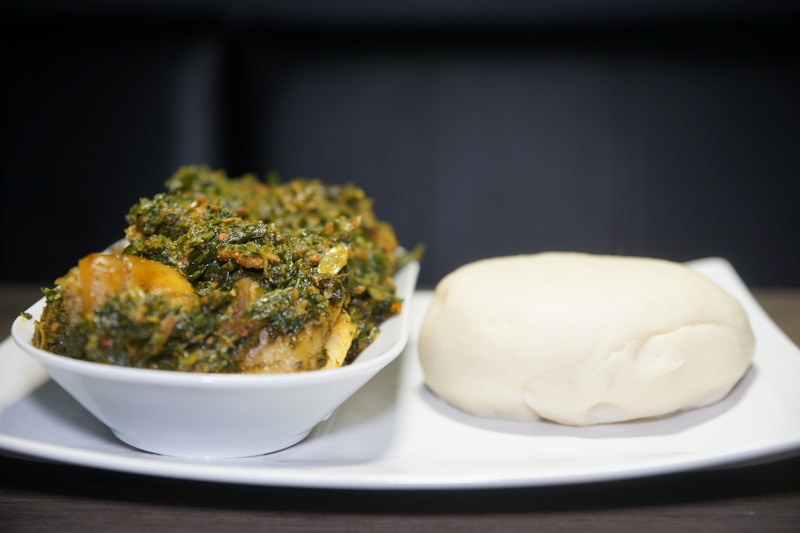
The Jollof Rice War: Why Nigeria Defends Its Recipe Like a National Treasure
Ask any Nigerian about Jollof rice and you will get one of two things: a passionate defence of Nigerian Jollof as the undisputed greatest, or a ten-minute breakdown of exactly why Ghanaian Jollof is an inferior imitation. The Jollof Wars — as they have been known across West Africa for decades — are not really about rice. They are about identity, pride, and the deeply human need to claim something as yours. Nigerian Jollof is made in a party pot — a massive iron or aluminium cooking vessel over an open wood fire. The smoky bottom layer that forms at the base of the pot, called the "party rice" or bottom pot, is considered the greatest part of the dish. Nigerians will fight for that portion. The smoke infuses the rice with a depth of flavour that no oven or gas stove can replicate. The base is a blend of tomatoes, red peppers, Scotch bonnet chillies and onions, fried down into a thick paste before the rice is added. The result is an intensely red, deeply flavoured dish that varies slightly by region, family, and occasion, but maintains a consistent identity no matter where in Nigeria it is made. What makes Jollof significant beyond its flavour is what it represents. Nigeria is a country of over 500 ethnic groups, hundreds of languages, and vast regional differences. Jollof rice cuts across all of it. You can be Yoruba in Lagos, Igbo in Enugu or Hausa in Kano — Jollof is on every table. It is one of the few things that genuinely unites a nation of 220 million. The wars with Ghana will continue. Nigeria is not concerned. The party pot is on.
Read full article →