Micronesia
Posts, videos and blogs from Micronesia · Chat with people about Micronesia
Post about MicronesiaNo messages yet — be the first to share something about Micronesia!
Sign in to join the chat
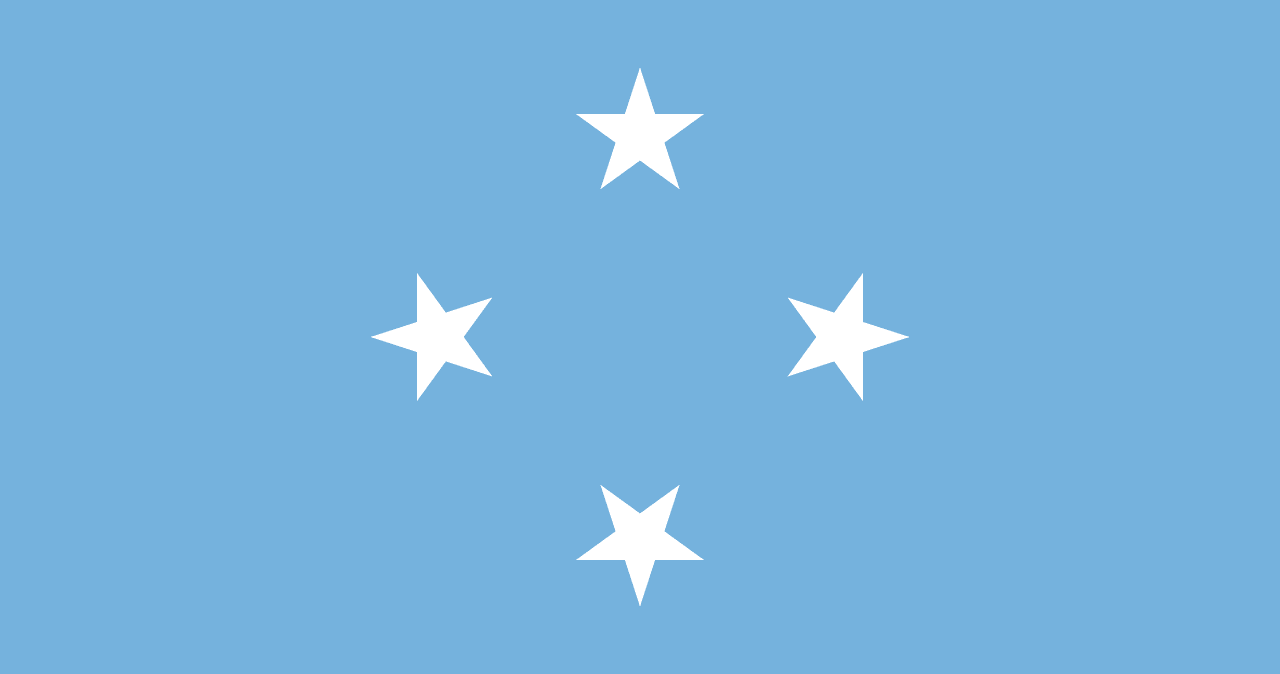
The Food of Micronesia: 10 Dishes You Must Try
As I stepped off the plane onto the sun-soaked tarmac of Pohnpei, the capital of Micronesia, I was immediately engulfed by the intoxicating scents wafting from nearby food stalls. The air was filled with the rich aroma of coconut, grilled fish, and the sweet undertones of ripe tropical fruits. Micronesian cuisine is a vibrant tapestry woven from the islands’ diverse cultures and natural bounty. With its lush landscapes and abundant waters, this region boasts an array of unique flavors and culinary traditions waiting to be explored. From the bustling markets to family kitchens, every meal tells a story, and I was eager to dig in. Below, I’ll take you through ten traditional dishes that encapsulate the heart of Micronesia’s culinary culture. The first dish that graced my plate was called “Kosraean Pahn.” This traditional dish comes from the island of Kosrae and is made with a foundation of taro leaves cooked slowly in coconut milk and filled with savory ingredients like minced meat and spices. The texture is creamy and rich, and the flavors meld beautifully to create a deliciously comforting experience. I enjoyed this dish at a local family gathering, surrounded by laughter and the strumming of ukuleles. It’s not just food; it’s an integral part of their communal life, symbolizing togetherness and resilience, a reminder of the island’s agricultural roots. Next up was “Bwaja,” a dish that showcases the local love for seafood. This delightful preparation involves filleting fresh fish and marinating it in a zesty mix of lime juice and soy sauce before grilling it to perfection. The fish is tender, flaky, and kissed by the smoky flavors of the grill. I tried Bwaja at a beachfront restaurant where the waves lapped gently at the shore. As I took my first bite, a burst of citrus hit my palate, making it a refreshing dish perfect for warm island evenings. The fishermen of the region often catch the fish themselves, and it’s not uncommon for families to gather to enjoy this dish as a way to celebrate the day’s catch. Another must-try is “Pani,” a dish that might remind you of the Hawaiian poke. It consists of raw fish marinated in coconut milk, with a sprinkle of salt and occasionally mixed with diced vegetables like onions and tomatoes. The texture is smooth, and the taste is a refreshing explosion of flavor that dances on your tongue. I sampled Pani during a visit to a lively food festival, where the locals shared stories about how this dish is often served during celebrations and family gatherings. The communal spirit of sharing food resonates deeply in Micronesian culture, and Pani is a staple that brings people together. Then, I discovered “Taro,” a staple root vegetable across the islands that is often cooked in various ways. One popular preparation is “Taro Cake,” where grated taro is mixed with coconut milk, sugar, and sometimes infused with pandan leaves for an aromatic touch. The cake is steamed until it’s firm yet tender, with a hint of sweetness that pairs perfectly with a cup of local coffee. I found this treat in a bustling market, where vendors offered samples of their sweet creations. The locals told me it represents the resilience of their ancestors who cultivated the land, making it a cherished dish across generations. In the realm of desserts, “Breading” caught my attention. This dish comprises small, deep-fried balls made from finely grated cassava mixed with coconut and sugar. They are crunchy on the outside and delightfully chewy on the inside, often enjoyed as a snack or dessert after a meal. I stumbled upon Breading at a street stall, where jovial vendors prepared them fresh, their aroma enveloping me as I watched the golden orbs sizzling in hot oil. The dish is a symbol of resourcefulness, reminding me of how local ingredients can be transformed into something utterly scrumptious. Another unforgettable dish was “Lobster with Coconut Cream.” The first bite was an explosion of flavor; the tender lobster meat melded with the sweet, creamy coconut sauce created a sublime combination. I savored this dish at an upscale restaurant overlooking the turquoise sea, where chefs take pride in using locally sourced ingredients. The preparation of this dish signifies the pride Micronesians take in their marine resources, often serving it during special celebrations and family gatherings, reflecting both abundance and gratitude. “Pork Lau Lau” was another revelation. This dish features marinated pork wrapped in banana leaves and slow-cooked until it’s fall-apart tender. The banana leaves impart a subtle earthiness to the meat, which is bursting with flavor. I was fortunate to taste this delicacy at a traditional feast, where the tantalizing aroma drifted through the air as it cooked over an open flame. This dish holds a special place in Micronesian culture, often served during important ceremonies, symbolizing hospitality and respect for guests. Next, I was introduced to “Samoan Oka,” a dish that reflects the cultural exchanges in the Pacific Islands. This raw fish salad combines diced fish with a colorful medley of vegetables like tomatoes, cucumbers, and avocado, all marinated in a tangy dressing of lime juice and coconut cream. The freshness of the ingredients creates a dish that is both light and packed with flavor. I enjoyed Oka at a local beachside picnic, where families gathered to share laughter, stories, and food. This dish symbolizes the connection between the islands, showcasing how culinary traditions can travel and evolve. “Palauan Taro Chips” offered a crunchy contrast to the other dishes I had tried. Thinly sliced taro is fried until crispy and seasoned lightly with salt. The result is a snack that is both addictive and satisfying. I found these chips at a small roadside stand, where locals often grab a quick bite between meals. The simplicity of taro chips highlights the Micronesian spirit of utilizing local resources, transforming humble ingredients into something everyone can enjoy. Finally, I cannot conclude my culinary journey without mentioning “Fried Breadfruit.” This dish involves slicing ripe breadfruit and frying it until golden brown, resulting in a dish that’s both crispy and soft. The flavor is subtle, with a hint of sweetness that makes it a versatile side dish. I savored this dish during a family cookout, surrounded by laughter and chatter. Breadfruit has a rich history in Micronesia, often considered a symbol of sustenance and fertility, making it an integral part of many traditional celebrations. As my culinary exploration of Micronesia came to a close, I found myself reflecting on the warmth and hospitality of the people. While there are many restaurants and cafes that embrace traditional flavors, the best places to truly experience the heart of Micronesian cuisine are the local markets, street stalls, and family gatherings. Here, you’ll find dishes crafted with love and care, often passed down through generations, each bite steeped in history and culture. If you ever get the chance to visit Micronesia, don’t miss the opportunity to indulge in this vibrant culinary landscape. The flavors are a reflection of the islands themselves: rich, diverse, and full of life. Each dish tells a story, and I promise, you’ll leave with a full belly and a heart warmed by the incredible hospitality of this beautiful region.
Read full article →The History of Micronesia: From Ancient Times to Today
# The History of Micronesia: From Ancient Times to Today Nestled in the vast expanse of the Pacific Ocean, the islands of Micronesia hold a tapestry of history woven from ancient traditions, profound cultural exchanges, and tumultuous encounters with foreign powers. Stretching over 2,000 miles from the Marshall Islands in the east to Palau in the west, and encompassing over 2,000 islands, this region is not just a geographical entity but a mosaic of stories, peoples, and resilient spirits. To understand Micronesia is to embark on a journey through time, exploring the intricate layers of its past—each era offering profound insights into the identity of its current inhabitants. ## Ancient and Indigenous History Long before the arrival of European explorers, the islands of Micronesia were inhabited by indigenous peoples, who are believed to have settled in the region around 3,500 years ago. These early voyagers, skilled navigators, and seafarers utilized the stars, ocean currents, and wind patterns to traverse the vastness of the Pacific. This era marked the establishment of complex societies, each with distinct cultural practices, languages, and traditions. Among the most notable ancient civilizations was the Chamorro culture found in the Mariana Islands, where archaeological sites such as Latte stones—massive coral limestone pillars—serve as testament to their sophisticated societies. The Chamorros developed a rich tapestry of oral traditions, music, and dance that were central to their communal life. Similarly, the Carolinians, native to the Carolines, developed their unique customs and navigation skills, which would later facilitate trade among the islands. As the millennia passed, these indigenous societies became interconnected through trade routes, sharing not only goods but also cultural practices and beliefs. The concept of “island hopping” became central to their identity, fostering a spirit of exploration and inter-island camaraderie. This era was marked by a deep reverence for nature—a belief system where spirits and ancestors played a vital role in daily life, shaping societal norms and governance. ## Major Kingdoms and Empires As Micronesian societies flourished, they saw the rise of powerful chiefdoms and kingdoms. The most prominent among these were the Federated States of Micronesia (FSM), which included the islands of Chuuk, Pohnpei, Yap, and Kosrae. Each of these islands developed its governance structures, often led by chiefs or kings who played pivotal roles in maintaining order and mediating conflicts. The island of Pohnpei is particularly notable for its historical site of Nan Madol—a series of small islets built on a lagoon, often referred to as the "Venice of the Pacific." This ancient city, which dates back to around 1200 AD, served as a ceremonial and political center and is a marvel of engineering, with its massive basalt stones meticulously stacked without mortar. Legends tell of the ruling Saudeleur dynasty, whose kings were believed to possess supernatural powers. The decline of the Saudeleur dynasty in the 16th century marked a significant turning point, leading to the rise of new leaders and the restructuring of power across Pohnpei and the surrounding islands. The advent of the Europeans in the 16th century brought about both opportunities and turbulence. Spanish explorers, including the famed Ferdinand Magellan, made contact with the islands, introducing Christianity and altering the socio-political landscape. Despite this, many indigenous traditions persisted, often blending with new influences to create a unique cultural synthesis. ## The Colonial Period The colonial era began in the late 19th century, as the strategic value of Micronesia caught the eye of world powers. In 1885, Spain ceded the Caroline Islands to Germany, marking the beginning of a new chapter. Under German administration, the islands saw infrastructural developments, including the establishment of plantations and communication systems. However, this era was not without its challenges—indigenous resistance to foreign rule and cultural imposition became increasingly evident. The onset of World War I shifted the balance of power once more when Japan seized control of the islands under a League of Nations mandate. Japan's administration significantly impacted Micronesia, with a focus on militarization and economic exploitation. The Japanese built schools, roads, and healthcare facilities, but these developments came at the cost of indigenous autonomy and traditional practices. The harsh realities of colonial rule again ignited resistance among Micronesians, who fought to preserve their cultures amid the pressures of assimilation. World War II proved catastrophic for Micronesia, as the islands became battlegrounds in the Pacific theater. The U.S. military's strategic interests led to fierce battles, most notably in the Battle of Peleliu in 1944. The aftermath of the war left the islands devastated, but it also marked a transition, as the United States took control of the islands under the United Nations Trust Territory of the Pacific Islands in 1947. ## Towards Independence The post-war period was a time of profound change for Micronesia. Amidst the global movement towards decolonization, the islands began to explore pathways to self-determination. In the 1960s and 1970s, a series of constitutional conventions were held, laying the groundwork for future governance. Micronesians increasingly sought to define their identities, reclaiming cultural practices and languages that had been suppressed under colonial rule. In 1979, the Federated States of Micronesia was officially established as a self-governing entity under a Compact of Free Association with the United States. This agreement provided financial assistance and defense support while allowing the FSM greater autonomy. Leaders like Tosiwo Nakayama, the first President of the FSM, played crucial roles in guiding the fledgling nation through its formative years, establishing educational systems, healthcare, and governance structures that reflected Micronesian values. However, the path to complete independence was complex. While the FSM maintained its association with the U.S., questions around sovereignty, cultural integrity, and economic sustainability remained at the forefront. The relationship with the U.S. remains significant today, with ongoing debates about the implications of foreign aid, military presence, and cultural preservation. ## Micronesia Today Today, the Federated States of Micronesia stands as a testament to resilience and adaptability. Comprising four states—Yap, Chuuk, Pohnpei, and Kosrae—each with its distinct culture and traditions, the FSM presents a colorful mosaic of the Micronesian identity. The nation embraces its rich heritage, celebrating festivals that honor ancient customs while also engaging with contemporary global issues. Despite the challenges of modernity, including climate change and economic dependency, the spirit of community and cooperation endures. The fishing and agriculture sectors remain vital to local economies, while tourism has begun to emerge as an important source of revenue, showcasing the breathtaking beauty of Micronesia’s landscapes and marine life. Moreover, Micronesian culture continues to evolve, with a growing emphasis on education and the empowerment of younger generations. Traditional navigation practices are being revitalized, and efforts to preserve languages and customs are gaining momentum. Community leaders and activists work tirelessly to balance the preservation of traditions with the demands of the modern world, fostering a sense of pride among the youth. The story of Micronesia is far from one-dimensional. It is a rich narrative of survival, adaptation, and cultural renaissance. From ancient navigators who traversed the Pacific to modern-day leaders advocating for sovereignty and sustainability, the history of Micronesia is a testament to the enduring spirit of its people. As they navigate the complexities of today's global landscape, the islands continue to resonate with the lessons of their past, reminding the world of the importance of cultural identity and resilience in the face of change. In conclusion, Micronesia's history is a profound reminder of the interconnectedness of human experiences—how the threads of culture, resilience, and cooperation can weave a narrative that not only honors the past but also inspires the future. As we reflect on the journey of this remarkable region, we are invited to embrace the diverse stories that shape our collective humanity, recognizing that every island, every person, and every culture contributes uniquely to the rich tapestry of our world.
Read full article →Hidden Gems of Micronesia: Places Most Tourists Miss
When most people think of Micronesia, they envision pristine beaches, crystal-clear waters, and vibrant coral reefs teeming with marine life. It’s easy to get lost in the allure of popular destinations like Palau or Guam, where tourists flock to snorkel, dive, and bask in the sun. However, beneath the surface of this idyllic paradise lies a treasure trove of hidden gems waiting to be discovered by those adventurous enough to venture off the beaten path. In this blog post, we will explore some of Micronesia's lesser-known places, regions, and experiences that promise to unveil the rich tapestry of culture and nature that defines this beautiful region. One of the best-kept secrets in Micronesia is the small island of Pohnpei, often overlooked by travelers who are drawn to more famous locales. While Pohnpei offers its share of stunning beaches and snorkeling opportunities, the real magic lies in the lush interior, home to the ancient ruins of Nan Madol. This UNESCO World Heritage Site consists of nearly 100 small islets linked by canals, serving as the ceremonial and political center of the Saudeleur dynasty. Exploring Nan Madol is like stepping back in time, as you wander through the moss-covered stone structures and imagine the powerful society that once thrived here. To reach Pohnpei, you can fly into Pohnpei International Airport from Guam or Honolulu. Once on the island, local guides offer tours of Nan Madol, providing insights into its history and significance. Just a short flight away lies the stunning island of Yap, a destination known for its unique culture and traditions. While many visitors come to Yap for its world-class diving, the charming villages scattered across the island hold treasures that are often missed. The village of Tomil, for example, is renowned for its traditional stone money, known as "rai." These massive limestone discs were historically used as currency, and witnessing the local rituals surrounding their use is a fascinating experience. The village also hosts vibrant cultural events, where visitors can observe traditional dances and crafts. Getting to Yap requires a flight from Guam or Palau, and once there, renting a bike or scooter is an excellent way to explore the island at your own pace. Another hidden gem is the island of Chuuk, famous for its World War II shipwrecks that attract divers from around the globe. However, the island's real allure extends beyond the depths of its waters to the vibrant life above sea level. The small village of Weno, the capital of Chuuk, offers a glimpse into local life with its bustling markets and friendly inhabitants. Spend an afternoon wandering through the markets, sampling local delicacies like taro and fresh fish, and engaging with the warm-hearted locals. To get to Chuuk, fly from Guam or Pohnpei, and once there, local transportation options like taxis or rental scooters will help you navigate the island. For those seeking an authentic cultural experience, the island of Kosrae is a must-visit. Often referred to as the "Garden Island," Kosrae boasts lush rainforests, dramatic cliffs, and stunning coral reefs. The island is home to the traditional village of Lelu, where visitors can experience the spirit of Kosraean life. Engage with locals as they showcase their crafts, including weaving and carving, and learn about their unique customs and traditions. To reach Kosrae, you can fly from Pohnpei or Guam. Once there, guided tours are available to help you explore the island's natural beauty and cultural heritage. The vibrant island of Guam is a popular stop for many travelers, but it’s often the less-explored areas that reveal the island's true charm. The village of Inarajan, located on the southern coast, offers a glimpse into the island's rich history and traditions. Here, you can visit the ancient Spanish stone structures and the historic Inarajan Pools, natural swimming holes that are perfect for a refreshing dip. The village also hosts festivals celebrating Chamorro culture, where you can enjoy traditional food, dance, and music. To reach Inarajan, rent a car and take a scenic drive down the coast, enjoying the breathtaking views along the way. Another hidden treasure can be found in the Northern Mariana Islands, specifically on the island of Saipan. While Saipan is popular for its beaches, the remote and tranquil island of Tinian offers a more secluded experience. Tinian is known for its rich history, particularly its role during World War II. Visitors can explore the remnants of the atomic bomb sites and the picturesque beaches that remain largely untouched. The island also hosts cultural events that highlight the Chamorro heritage, making it an ideal place for travelers seeking both adventure and cultural immersion. To get to Tinian, take a short ferry ride from Saipan, and consider renting a bike or golf cart to explore the island’s hidden corners. If you find yourself in the vicinity of the Federated States of Micronesia, don't miss the chance to visit the island of Mokil. This tiny atoll is a paradise for those who appreciate tranquility and natural beauty. Mokil is known for its vibrant marine life and coral gardens, making it an exceptional spot for snorkeling and diving. The local community is welcoming and eager to share their way of life with visitors, providing opportunities to learn about traditional fishing methods and culinary traditions. To reach Mokil, charter a boat from Pohnpei, and once there, enjoy the simplicity of island life, where the pace slows, and the beauty of nature takes center stage. Another off-the-beaten-path adventure awaits in the island of Kapingamarangi, a remote atoll that offers a glimpse into a different way of life. Known for its stunning lagoons and vibrant coral reefs, Kapingamarangi is home to a small population that has maintained its traditional practices. Here, you can experience the unique custom of sailing on traditional outrigger canoes, a skill passed down through generations. Visitors can join local fishermen on their boats, learning about sustainable fishing practices and enjoying the freshest seafood imaginable. To visit Kapingamarangi, you'll need to travel from Pohnpei, usually via a chartered boat, so be prepared for a true adventure. Lastly, the island of Nauru, though not commonly associated with Micronesia, is a hidden gem worth mentioning. This small island nation is often overlooked by travelers but offers a compelling mix of history, culture, and natural beauty. Nauru is dotted with remnants of its phosphate mining past, and exploring the island's interior reveals stunning landscapes and unique flora. Engage with local communities and participate in cultural activities, such as traditional fishing and crafting. To get to Nauru, fly from Brisbane or Brisbane, but be sure to check flight schedules, as they can be limited. As you set out to discover these hidden gems of Micronesia, there are a few practical tips to keep in mind. First, consider the best times to travel. While Micronesia enjoys pleasant weather year-round, the dry season from December to April is ideal for outdoor activities and cultural experiences. Always check local transportation options, as some islands may not have regular ferry services. Engaging with local guides and communities can enrich your experience, providing insights into the culture and history that aren't always found in guidebooks. Lastly, embrace the spirit of adventure! Micronesia’s hidden gems are often best explored with an open mind and a willingness to connect with the local culture. Whether you're diving into the ocean's depths, exploring ancient ruins, or simply enjoying the warmth of the people, the journey through Micronesia's lesser-known places promises to be an unforgettable experience. So, pack your bags, leave behind the common tourist trails, and embark on a voyage of discovery through the enchanting islands of Micronesia. You may just find yourself falling in love with the places most visitors miss, creating memories that will last a lifetime.
Read full article →What It's Really Like to Live in Micronesia
What It's Really Like to Live in Micronesia Living in Micronesia is like stepping into a postcard where the vibrant hues of the ocean and lush green landscapes envelop your spirit. It’s a place where time seems to stretch, and every day brings a unique rhythm that is both comforting and invigorating. As someone who has had the privilege of calling this beautiful region home for several years, I want to take you on a journey to explore what everyday life is really like here – from the customs that govern our interactions to the rich food culture, all the way to the ups and downs of living in this remote paradise. Daily life in Micronesia unfolds at a slower pace than what most people are accustomed to in bustling urban environments. The mornings are often brightened by the melodic sounds of nature – the rustling of palm leaves, the distant calls of birds, and the playful splashes of fish in the nearby lagoon. Many locals rise with the sun around 6 AM, starting their day with a hearty breakfast of taro, breadfruit, or rice, often accompanied by fresh coconut water. It’s a staple that you can find at local markets, where prices for fresh produce can be astonishingly low; a large bunch of ripe bananas might only set you back a dollar or two. The cost of living can be a mixed bag. While some things like local food are very affordable, imported goods can come with a hefty price tag due to shipping costs and limited local production. A gallon of milk might run around $8, while a loaf of bread from the local bakery can cost about $3. Dining out varies widely depending on where you go. A meal at a modest local eatery can be enjoyed for $5, while a sit-down dinner at a fancier restaurant will likely cost you $30 or more. Food culture in Micronesia is deeply rooted in tradition, with a strong emphasis on community and sharing. Meals are often communal, with families gathering around to enjoy dishes that feature local fare such as fish, chicken, and an array of tropical fruits. If you’re lucky enough to be invited to a local feast, expect to experience an abundance of flavors. One of my fondest memories is attending a celebration in which the main dish, called ‘lechon,’ was a whole roasted pig, marinated and cooked to perfection. It’s a centerpiece of many social gatherings, and the camaraderie it fosters is palpable. Social customs here are soaked in warmth and hospitality. Greetings are paramount, and you’ll often hear the phrase “Mwaramwar” (meaning hello) followed by a heartfelt smile. People here value relationships deeply; it’s not uncommon for conversations to stretch for ages, even with someone you just met. Respect for elders is ingrained in the culture, and you’ll often see younger generations bowing their heads slightly as a sign of respect when speaking to older individuals. Family life in Micronesia is close-knit and centered around the family unit. Extended families often live together or in close proximity, fostering a support system that is both practical and emotional. Children are cherished, and the community often plays a role in their upbringing, with neighbors looking out for one another’s kids as they play in the streets. Education is highly valued, and parents work hard to provide for their children’s schooling, often making sacrifices to ensure that their kids have the best opportunities available. Work culture in Micronesia can be quite different from what many are used to. The workweek typically runs from Monday to Friday, with most businesses operating from 8 AM to 5 PM. However, you’ll find that the concept of “punctuality” is more fluid here. Arriving a bit late is generally accepted, and the focus tends to be more on building relationships than on strict deadlines. For those working in tourism or local government, the environment can be both rewarding and challenging due to the reliance on seasonal visitors and the unique issues that come with island life. Weekends are a time for relaxation and adventure. Locals often participate in communal activities, whether it’s heading to the beach for a family picnic, playing volleyball, or diving into the crystal-clear waters for a bit of fishing. You’ll often see families gathering at the shore, where the sound of laughter and splashing water fills the air. Many locals engage in traditional sports, such as canoe racing, which is not only a fun way to spend time but also a way to keep the cultural heritage alive. It’s common to find groups of friends and family engaging in playful competitions, showcasing the rich spirit of camaraderie that defines life here. The weather in Micronesia plays a significant role in shaping our daily routines. Generally, the climate is tropical, with warm temperatures year-round averaging around 80°F (26°C). The seasons are often characterized by wet and dry periods, with the rainy season usually occurring from June to October. This brings a lush vibrancy to the landscape, but it can also pose challenges, as sudden downpours can disrupt plans. Locals have learned to embrace these weather changes, adapting their activities to suit the environment – spontaneous beach bonfires turn into cozy indoor gatherings when the rains arrive, often accompanied by stories and laughter. Despite the idyllic surroundings, living in Micronesia is not without its challenges. Access to healthcare can be limited, particularly on smaller islands, where medical facilities may not have the resources available in more urbanized areas. Additionally, job opportunities can be scarce, particularly for those without specialized skills. The cost of imported goods can also be a strain on household budgets since many items are shipped from afar. However, these challenges are often balanced by the countless positives of island living – the breathtaking sunsets, the sense of community, and the overall quality of life that allows for slower and more meaningful interactions. Foreigners who visit or move to Micronesia are often surprised by the sheer amount of warmth and hospitality they receive. The openness in social interactions can be refreshing, but many are taken aback by how important communal bonds are in everyday life. Social gatherings often turn into lively events filled with laughter, and newcomers are typically welcomed into the fold with open arms. Some may also find it surprising that in many villages, the concept of personal space is different; it's common for people to stand quite close together during conversations, a sign of familiarity and friendship. Another surprise for many is the level of commitment to preserving culture and tradition while embracing modernity. Yes, you’ll find smartphones and Wi-Fi, but you’ll also witness ancient practices, such as weaving, fishing, and storytelling, being passed down through generations. There’s an exquisite balance between honoring the past and looking toward the future, which creates a rich tapestry of experiences for both locals and visitors alike. In conclusion, everyday life in Micronesia is a vibrant blend of tradition and modernity, wrapped in the stunning backdrop of nature. It’s a place where the community thrives on relationships, where food is a celebration, and where weekends are filled with love and laughter. Though the challenges are real, they can be overshadowed by the warmth of the people, the beauty of the land, and the rich cultural practices that define this unique way of life. Whether you find yourself fishing with friends at dawn or sharing a meal with family while the sun sets, Micronesia offers an intimate glimpse into a life that values connection above all else. For those willing to immerse themselves, it’s a transformative experience that will stay with you long after you’ve left.
Read full article →Why Visit Micronesia
The Federated States of Micronesia is a Pacific nation of over 600 islands spread across a vast stretch of the western Pacific Ocean, north of Papua New Guinea and east of the Philippines. Its four states — Yap, Chuuk, Pohnpei, and Kosrae — each have distinct cultures, languages, and natural environments that reward travelers willing to venture far off the standard Pacific circuit. Chuuk Lagoon, formerly known as Truk, is one of the world's premier wreck diving destinations. During Operation Hailstone in February 1944, American forces sank the Japanese imperial fleet anchored in the lagoon, sending over 60 ships and 200 aircraft to the bottom. Today those wrecks are draped in coral and teeming with marine life. Zero fighters, torpedoes, trucks, ceramic sake bottles, and human remains all lie in clear warm water between 15 and 60 meters deep. The lagoon is a sacred war memorial and one of the most atmospheric dive sites on Earth. Pohnpei is the FSM's capital state and home to Nan Madol, one of the Pacific's most mysterious and spectacular archaeological sites. Built on 92 artificial islets connected by canals off Pohnpei's eastern coast, Nan Madol was the ceremonial and political capital of the Saudeleur dynasty from around 1100 to 1628 CE. Its walls are built from massive basalt columns weighing several tons each, transported by unknown means from quarries across the island. UNESCO listed it in 2016. The surrounding mangrove waterways are navigable by kayak. Yap State is famous for its extraordinary living culture — Yapese people still use rai, massive stone discs carved from limestone on Palau and sailed to Yap centuries ago, as a form of ceremonial wealth. The discs are too heavy to move but ownership transfers through oral agreement. Yap is also home to the world's most reliable population of manta rays — gentle giants that visit cleaning stations near Manta Ridge year-round. Kosrae, the most remote state, is a rising volcanic island of dense forest, pristine reefs, and zero mass tourism. Its coral reefs are considered some of the healthiest in the Pacific. The best time to visit is December through May, the drier season, though diving in Chuuk is good year-round.
Read full article →Micronesia: Stone Money and the Last Ocean Navigators
The island of Yap in the Federated States of Micronesia uses rai — stone discs carved from limestone quarried on Palau, transported by canoe across open ocean, and displayed in village spaces as a form of currency — as one of history's most unusual monetary systems. The largest rai are four metres in diameter and weigh four tons. They are never physically moved in transactions — everyone simply knows who owns what. The value of a rai is partly its size and partly the difficulty of the canoe voyage that brought it from Palau, encoded in oral history. A rai that sank to the ocean floor during transport but was acknowledged by witnesses is still considered valid currency. The concept anticipated aspects of digital currency by centuries. Micronesian traditional navigation — the ability to cross thousands of kilometres of open Pacific Ocean in outrigger canoes without instruments, using only wave patterns, stars, bird behaviour, and cloud formations above islands — is one of humanity's greatest practical achievements. The knowledge was nearly lost during the 20th century. It has been painstakingly revived, most famously through the work of the Polynesian Voyaging Society and its Micronesian equivalents, who relearned the art through a combination of elder knowledge and experimental voyaging. The Federated States of Micronesia comprises four island states — Yap, Chuuk, Pohnpei, and Kosrae — spread across 2.7 million square kilometres of the western Pacific, each with a distinct language and culture. The total land area is less than 700 square kilometres. The ocean that surrounds them is the country.
Read full article →