No messages yet — be the first to share something about Mexico!
Sign in to join the chat
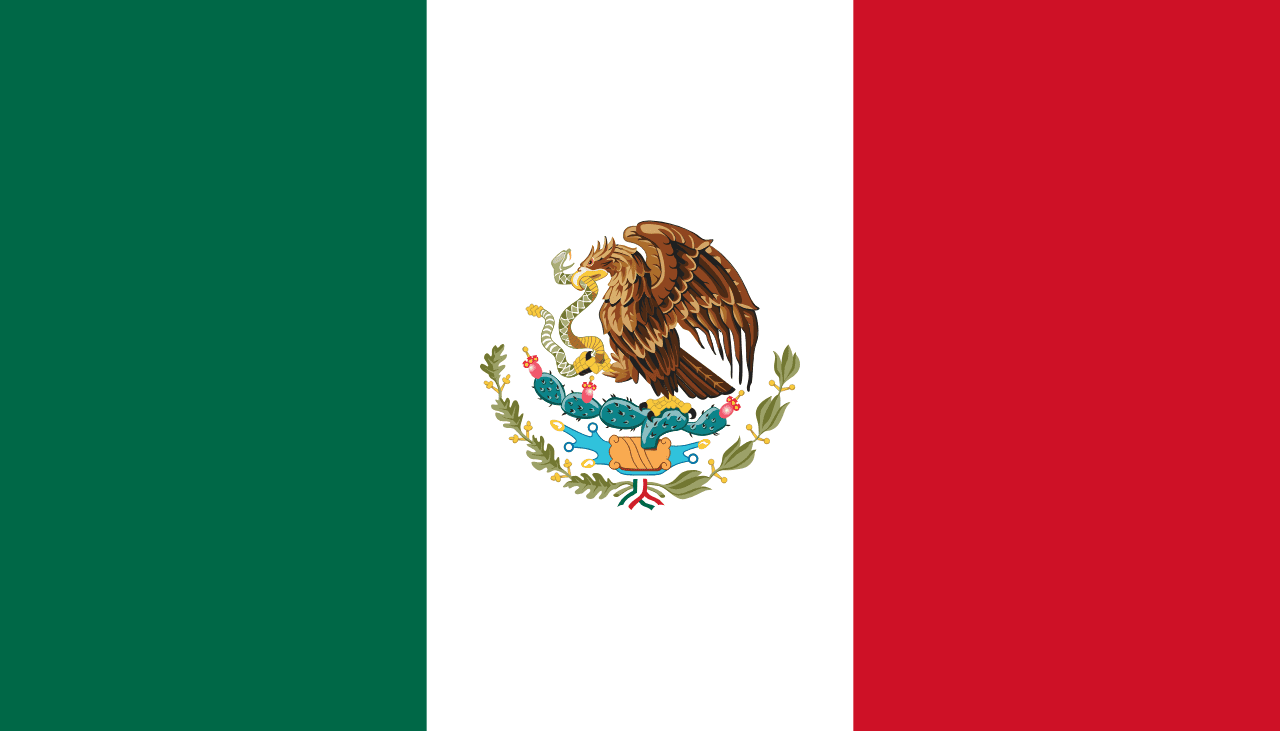
The Food of Mexico: 10 Dishes You Must Try
When I think of Mexico, my mind is flooded with vibrant colors and tantalizing aromas, the kind that waft through bustling markets and cozy neighborhood eateries. The country's culinary culture is a mosaic of ancient traditions and modern influences, a testament to its rich history and diverse regions. Each dish tells a story, reflecting the land it comes from, the people who prepare it, and the celebrations that bring us all together. As I took my first steps into this gastronomic wonderland, I knew I was about to embark on a delectable journey that would awaken all my senses. Here are ten traditional dishes that every food lover must try when exploring the vast and varied culinary landscape of Mexico. The first dish that captured my heart was Tacos al Pastor. Imagine a warm corn tortilla cradling tender marinated pork, slow-cooked on a vertical spit, and topped with a fresh pineapple slice that adds a sweet contrast. The harmony of flavors is a dance on your palate—the spicy and smoky notes from the adobo marinade, the bright crunch of onions and cilantro, and the zesty squeeze of lime. This dish hails from the streets of Mexico City, where you’ll find vendors serving them from late afternoon into the wee hours of the night. I remember standing in front of a colorful taco stand, the sizzling sound of meat cooking filling the air, and savoring my first bite. They say Tacos al Pastor is a nod to Lebanese immigrants who brought shawarma to Mexico, and this culinary fusion perfectly encapsulates the spirit of Mexican cuisine—adaptable, welcoming, and ever-evolving. Next on my culinary adventure was Mole Poblano, a complex sauce that embodies the heart of Mexican cooking. This rich, dark sauce is a blend of spices, chocolate, and chilies, simmered to perfection. Traditionally served over turkey or chicken, it creates a sumptuous dish that’s both sweet and savory. The taste is an explosion of flavors, with each bite revealing layers of richness that keep you coming back for more. I had the pleasure of enjoying Mole Poblano in Puebla, the dish’s birthplace, and I cannot forget the sense of community I felt as I shared a table with locals who take pride in their culinary heritage. The preparation of mole is often a family affair, passed down through generations, and it symbolizes the labor of love that goes into Mexican cooking. As I continued my journey, I stumbled upon a comforting bowl of Pozole, a traditional soup that warms the soul. Made from hominy, pork (or chicken), and a variety of spices, Pozole is often served during celebrations and family gatherings. It’s customizable with an array of toppings—shredded cabbage, radishes, avocado, and a squeeze of lime. The texture of the hominy is delightful, and the broth is deeply flavorful, often accompanied by a refreshing drink such as agua de jamaica. My first taste of Pozole was during a festive gathering in Guadalajara, where the laughter and chatter filled the air, and families shared bowls of this hearty soup, connecting over shared recipes and stories. It’s a dish that embodies the spirit of togetherness and the warmth of Mexican hospitality. Next, I experienced the vibrant flavors of Ceviche, a dish that showcases the bounty of Mexico's coastal regions. This refreshing seafood dish consists of raw fish marinated in citrus juices, often lime, and mixed with tomatoes, onions, and cilantro. The fish "cooks" in the acidity, resulting in a zesty and revitalizing dish that transports you straight to the beach. I savored a plate of Ceviche while gazing at the ocean in Cancún, the salty breeze mixing with the tangy flavors on my plate. Each forkful was a reminder of the ocean's bounty and the deep connection between the people and their land. Ceviche is often served as an appetizer during celebrations, and it brings people together, evoking memories of summer days and seaside gatherings. A trip to Mexico wouldn’t be complete without trying Enchiladas, a dish that takes the humble tortilla and transforms it into a culinary delight. Corn tortillas are filled with various ingredients, typically shredded chicken or cheese, then rolled and smothered in a savory chili sauce. The resulting dish is both comforting and bursting with flavor. I especially loved the Enchiladas Suizas, topped with creamy sour cream and melted cheese that made each bite heavenly. I enjoyed this dish in a rustic restaurant in Oaxaca, where the vibrant murals celebrated the local culture. Enchiladas are often served during special occasions and family gatherings, symbolizing comfort and love, reminding us of the simple pleasures found in shared meals. Chiles en Nogada was a dish I anticipated with great excitement. This emblematic dish represents the colors of the Mexican flag: green from the poblano peppers, white from the walnut sauce, and red from the pomegranate seeds. It is usually made with meat stuffed into roasted chiles, topped with a creamy walnut sauce and sprinkled with pomegranate seeds. The combination of sweet and savory flavors is nothing short of extraordinary. I was fortunate to experience this dish during the Independence Day celebrations in Puebla, where it is most cherished. Each bite was a reminder of Mexico's rich history, as Chiles en Nogada is often associated with the celebrations of independence. It is a dish imbued with culture and symbolism, making it even more special. Then there was the opportunity to indulge in Tamales, a traditional treat made from masa (corn dough) filled with a variety of ingredients—sweet or savory—and wrapped in corn husks before being steamed to perfection. The texture is soft, and the fillings can range from spicy meats to sweet chocolate. I was enchanted by the array of flavors I found at a bustling market in Mexico City, where vendors displayed colorful tamales, each promising a unique experience. Tamales are often enjoyed for breakfast or during special occasions, especially on Día de los Muertos. As I bit into a spicy pork tamale, I felt the warmth of tradition envelop me, connecting me to generations before who shared in this culinary delight. Street food is a quintessential part of Mexico’s culinary landscape, and one of the gems I discovered was Elote, grilled corn on the cob slathered in mayonnaise, cheese, chili powder, and lime. This simple yet satisfying snack captures the essence of Mexican street culture—vibrant, flavorful, and accessible. As I walked down the busy streets of Oaxaca, I watched locals expertly prepare Elote, the smoky aroma of grilled corn filling the air. I couldn’t resist the temptation and ordered one, savoring each bite with a mix of creamy, spicy, and tangy flavors. Elote is a favorite during fairs and festivals, symbolizing the joy of street food culture and the connection with community. No journey through the heart of Mexican cuisine would be complete without concluding with a dose of sweetness. Tres Leches Cake, a dessert that celebrates the art of indulgence, is a moist cake soaked in a mixture of three types of milk: evaporated, condensed, and heavy cream. The cake is airy and light, a perfect end to any meal. I experienced this delightful treat during a family dinner in Mérida, where laughter filled the room, and the sweetness of the cake matched the warmth of the gathering. Tres Leches Cake is often served during celebrations, symbolizing the joy of sharing something special with loved ones. Each bite was a reminder that life is meant to be celebrated, one delicious morsel at a time. As my culinary journey through Mexico came to a close, I was left in awe of the incredible diversity and richness that each dish offered. From the bustling markets filled with fresh ingredients to the street stalls where vendors passionately shared their crafts, I was enveloped in a culture that values food as an expression of love and community. If you're wondering where to find the best food, look no further than local markets like Mercado de la Merced in Mexico City or La Merced in Puebla. Street stalls and food trucks also offer authentic flavors, while family-run restaurants provide a glimpse into traditional recipes passed down through generations. Embrace the warmth of the Mexican culinary landscape, and you will leave with not just a full stomach but also a heart full of cherished memories.
Read full article →The History of Mexico: From Ancient Times to Today
**The History of Mexico: From Ancient Times to Today** Mexico's story is a vibrant tapestry woven with the threads of ancient civilizations, colonial conquests, and modern struggles. A land rich in culture, diversity, and history, Mexico has been home to some of the most advanced societies of the pre-Columbian era, witnessed the fervor of independence movements, and today stands as a testament to resilience and renewal. This engaging narrative will take you through Mexico's journey from its ancient roots to its contemporary identity, highlighting key figures, pivotal moments, and intriguing lesser-known facts along the way. **Ancient Times: The Cradle of Civilization** Long before the arrival of Europeans, Mexico was a flourishing hub of ancient civilizations. The geography of the region, with its vast deserts, jungles, and mountains, provided a diverse setting that nurtured vibrant cultures. Among the earliest known civilizations were the Olmecs, who lived around 1200 BCE to 400 BCE along the Gulf Coast. Often referred to as the "mother culture" of Mesoamerica, the Olmecs are known for their colossal head sculptures and extensive trading networks, which influenced many subsequent cultures. Following the Olmecs, the Zapotec and Mixtec civilizations emerged in the Oaxaca Valley. The Zapotecs founded the city of Monte Albán around 500 BCE, establishing one of the first major urban centers in Mesoamerica. This city became a critical political and cultural hub, featuring impressive architecture and intricate writing systems. Perhaps the most renowned of Mexico’s ancient civilizations, however, were the Maya and the Aztecs. The Maya civilization thrived from about 250 CE to 900 CE, spreading across present-day southeastern Mexico, Guatemala, Belize, and Honduras. This advanced society excelled in mathematics, astronomy, and architecture, constructing grand cities such as Tikal and Palenque, where impressive pyramids and temples still stand today. The Maya developed a complex calendar system and a sophisticated hieroglyphic writing script that reveals much about their world. In central Mexico, the Aztecs rose to prominence in the 14th century, establishing their capital, Tenochtitlán, on the site of modern-day Mexico City. The Aztec Empire, known for its military prowess, religious rituals, and intricate social hierarchy, became one of the most powerful in Mesoamerica. The peak of their civilization was marked by the construction of grand temples and the creation of a vast trade network. The Aztecs practiced a polytheistic religion, with a pantheon of gods, and their rituals often involved human sacrifices, which were believed to nourish the gods and ensure agricultural fertility. **The Arrival of the Spanish: A New Era Begins** The arrival of Spanish conquistadors in the early 16th century marked a dramatic turning point in Mexico's history. In 1519, Hernán Cortés landed on the shores of Mexico, drawn by tales of wealth and glory. His encounter with the Aztec Emperor Moctezuma II was both dramatic and tragic, leading to the eventual downfall of the Aztec Empire. Cortés cleverly formed alliances with rival factions who despised the Aztecs, significantly bolstering his numbers. By 1521, Tenochtitlán fell to the Spanish, followed by a period of brutal conquest and colonization. The colonization brought with it a wave of diseases such as smallpox, which decimated indigenous populations who had no immunity. The Spanish imposed their language, religion, and culture, leading to a painful erosion of indigenous identities. One key figure of this era was Bartolomé de las Casas, a Spanish Dominican friar who became an advocate for the rights of indigenous peoples. He documented the atrocities committed by the Spanish and urged for better treatment of the native populations. Despite his efforts, the colonial period was characterized by exploitation and oppression. **The Colonial Period: The Birth of a New Society** With the fall of the Aztec Empire, the Spanish established New Spain, a vast colonial territory. The colonial administration was marked by a caste system, where Spanish-born individuals held the highest positions, followed by Creoles (Spanish descendants born in the Americas), mestizos (mixed indigenous and European ancestry), and Indigenous people at the bottom. Despite the oppression, colonial Mexico saw cultural exchanges that shaped its identity. The fusion of indigenous traditions and Spanish customs gave rise to a unique Mexican culture evident in the arts, cuisine, and religious practices. The construction of baroque cathedrals and the importation of European art styles led to a flourishing of creativity. The Catholic Church played a central role in colonial life, influencing education and social structures. However, discontent brewed among various groups, leading to a yearning for independence by the early 19th century. **The Road to Independence: A Fight for Freedom** The seeds of independence were planted by the late 18th century, fueled by Enlightenment ideas of liberty and self-determination. In 1810, Miguel Hidalgo, a parish priest, delivered his famous "Grito de Dolores," calling for the end of Spanish rule. This event marked the beginning of the Mexican War of Independence, a tumultuous struggle that would last for over a decade. Hidalgo’s rallying cry inspired many, and figures like José María Morelos and Vicente Guerrero emerged as leaders in the fight against colonial oppression. The struggle was fraught with victories and setbacks, but the passion for freedom ultimately prevailed. On September 16, 1821, Mexico finally achieved independence from Spain, with Agustín de Iturbide proclaiming the new nation. **The Formation of Modern Mexico: Challenges and Triumphs** The newly independent Mexico faced numerous challenges. The country grappled with political instability, leading to a series of coups and changes in governance. The struggle between conservatives and liberals characterized much of the 19th century, as differing visions for the nation clashed. The 1846-1848 Mexican-American War resulted in another significant blow, as Mexico lost a considerable portion of its territory to the United States, including present-day California, Arizona, New Mexico, and Texas. The Treaty of Guadalupe Hidalgo formalized this loss, leaving deep scars in the national consciousness. In the mid-19th century, Benito Juárez emerged as a key figure in Mexican politics. As a Zapotec Indian and a liberal leader, he implemented significant reforms to separate church and state, promote education, and redistribute land. His presidency marked a shift towards a more modern nation-state, though Juárez’s reforms were met with resistance, leading to the French Intervention in the 1860s and the brief reign of Emperor Maximilian I. The latter part of the 19th century saw the rise of Porfirio Díaz, whose authoritarian rule brought economic growth and modernization but also social unrest. The disparities in wealth and power laid the groundwork for the Mexican Revolution of 1910, a monumental conflict that sought to address social inequalities and land distribution. **The Mexican Revolution: A Revolutionary Spirit** The Mexican Revolution was a complex and multifaceted conflict involving various factions and leaders, including Francisco I. Madero, Emiliano Zapata, and Pancho Villa. Madero's call for democracy and land reform galvanized support, but the revolution quickly devolved into a bloody civil war. Zapata, with his iconic phrase "Tierra y Libertad" (Land and Liberty), championed the rights of peasants and called for agrarian reform. Villa, a charismatic leader and Robin Hood figure, commanded a powerful army of followers seeking justice for the oppressed. The revolution lasted for nearly a decade, ultimately leading to the establishment of a constitutional republic in 1917, which enshrined land reforms and workers’ rights. The Constitution of 1917 remains a cornerstone of Mexican democracy, providing a framework for social justice and equality. However, the aftermath of the revolution was marked by ongoing political struggles and social upheaval, as various leaders vied for power. **Modern Mexico: A Nation in Transition** As the 20th century unfolded, Mexico underwent significant transformation. The post-revolutionary government sought to address the needs of the populace through education, land reform, and industrialization. The PRI (Institutional Revolutionary Party) emerged as the dominant political force, ruling Mexico for much of the 20th century. However, its authoritarian practices led to discontent and demands for democracy. The late 20th century brought waves of democratization. In 2000, Mexico held its first truly competitive presidential election, marking a historic turning point. The nation has continued to grapple with challenges such as corruption, drug violence, and economic inequality, yet it has also shown remarkable resilience and creativity. Today, Mexico is a vibrant country characterized by a rich cultural heritage, a dynamic economy, and an ever-evolving political landscape. Its people are renowned for their hospitality, artistic talents, and a deep sense of identity that honors their indigenous roots while embracing modernity. As Mexico looks to the future, it remains a nation of contrasts and contradictions, where ancient traditions coexist with contemporary aspirations, and where the spirit of resilience continues to drive its journey forward. The history of Mexico is not just a tale of conquests and revolutions; it is a testament to the enduring strength and creativity of its people, shaping a narrative that inspires not only Mexicans but the world.
Read full article →Hidden Gems of Mexico: Places Most Tourists Miss
Hidden Gems of Mexico: Places Most Tourists Miss When you think of Mexico, your mind may immediately conjure images of sun-soaked beaches in Cancún, vibrant nightlife in Mexico City, or the ancient ruins of Chichén Itzá. While these destinations are undoubtedly stunning and offer their own unique experiences, they often overshadow the countless hidden gems scattered across this beautiful country. The allure of the well-trodden path is undeniable, but for the adventurous traveler willing to veer off course, Mexico holds a wealth of lesser-known places that promise a deeper connection to its culture, history, and natural beauty. Imagine strolling through a quaint village where the air is thick with the scent of freshly made tamales, or hiking to a waterfall that few have ever seen. There is an entire side of Mexico that remains undiscovered by most tourists—regions where time seems to stand still, and the true spirit of the country thrives. In this blog post, we will explore ten hidden gems that highlight the diverse offerings of Mexico, each with its own unique charm and story waiting to be uncovered. Let’s start our journey in the scenic highlands of Michoacán, where the enchanting village of Patzcuaro beckons with its cobblestone streets and rich indigenous heritage. Nestled beside Lake Pátzcuaro, this picturesque town is known for its vibrant Day of the Dead celebrations, where the local Purepecha culture comes to life through elaborate altars and colorful decorations. While the more famous towns might draw large crowds, Patzcuaro maintains a serene atmosphere that allows visitors to truly appreciate its beauty. To get there, fly into Morelia and take a scenic bus ride that winds through rolling hills adorned with pine trees. Once you arrive, don’t miss the chance to explore the nearby islands, such as Janitzio, known for its towering statue of Jose Maria Morelos and the breathtaking views from its summit. Next, travel east to find the charming village of Valle de Bravo. This idyllic spot is famous for its picturesque lake, surrounded by lush mountains and dotted with charming colonial architecture. Unlike the bustling resorts of the Pacific coast, Valle de Bravo offers a more tranquil escape for those seeking outdoor adventure. Here, you can rent a kayak, hike in the nearby forests, or simply relax in a café while watching the world go by. The town also hosts a lively arts scene, with numerous galleries showcasing the work of local artisans. You can reach Valle de Bravo by car from Mexico City, making it a perfect weekend getaway for city dwellers. For those who crave the serenity of nature, a visit to Las Pozas in Xilitla, San Luis Potosi, is a must. This surreal garden was created by Edward James, an eccentric British poet and artist who envisioned a dreamlike landscape filled with whimsical sculptures and waterfalls. As you wander through the lush tropical surroundings, you’ll feel as though you’ve stepped into a fantastical world, far removed from reality. The site is a celebration of both art and nature, where you can spend hours exploring the intricate pathways and hidden corners. To reach Las Pozas, fly into San Luis Potosi and take a bus or taxi to Xilitla, where you can easily spend a day getting lost in this enchanting oasis. Continuing our journey into the heart of Mexico, we arrive at the little-known town of Real de Catorce. Once a thriving silver mining town, Real de Catorce is now a ghost town that has captured the hearts of travelers seeking solitude and history. Nestled in the Sierra de Catorce mountains, this charming village boasts breathtaking vistas and the remains of its colonial past. The journey to Real de Catorce is an adventure in itself, requiring you to traverse a winding mountain road and pass through a 2.5-kilometer tunnel that leads you into the town. Once there, take the time to wander its deserted streets, visit the stunning San Francisco Church, and soak in the mystical atmosphere that has inspired artists and dreamers for generations. A little further south, the coastal village of Zipolite offers a different kind of magic. Known for its laid-back vibe and clothing-optional beach, Zipolite is a haven for free spirits and those seeking to unwind. Unlike the crowded beaches of the more popular tourist spots, Zipolite maintains a sense of freedom and community, drawing in visitors from all walks of life. Spend your days soaking up the sun, practicing yoga on the beach, or indulging in fresh seafood at one of the many beachside restaurants. To get to Zipolite, fly into Huatulco and take a short taxi ride to this hidden paradise. Next on our journey, let’s head to the charming town of Tulum, known for its stunning beaches and ancient Mayan ruins. While Tulum has gained popularity in recent years, it still retains its charm, especially if you venture beyond the main tourist areas. Explore the lesser-known cenotes—natural sinkholes filled with crystal-clear water—where you can swim and snorkel in serene surroundings. The Gran Cenote and Cenote Calavera are both excellent options for a refreshing dip. Tulum is easily accessible from Cancún, making it a perfect spot for those wanting to combine relaxation with adventure. No exploration of Mexico’s hidden gems would be complete without a visit to the vibrant city of Oaxaca. Renowned for its rich culinary traditions and indigenous cultures, Oaxaca is a feast for the senses. While many tourists flock to the popular markets, those willing to venture beyond will discover the enchanting villages surrounding the city. Visit Teotitlán del Valle, known for its traditional weaving techniques, or San Bartolo Coyotepec, famous for its black pottery. The drive through the stunning Sierra Madre mountains will leave you breathless and provide ample opportunities for breathtaking photos. Oaxaca can be reached by flying into the city or taking a bus from other major cities like Puebla or Mexico City. For a truly unique experience, consider attending the Guelaguetza Festival in Oaxaca, celebrated every July. This vibrant festival showcases the cultural diversity of the region, featuring traditional music, dance, and cuisine from various indigenous communities. Witnessing the colorful performances and joining in the festivities will immerse you in the heart of Oaxacan culture, far away from the typical tourist experience. Lastly, we must not overlook the tranquil beauty of the Sierra Gorda Biosphere Reserve. Located in the state of Querétaro, this hidden ecological treasure is a haven for nature lovers and adventure seekers. With its diverse ecosystems, hiking trails, and stunning waterfalls, the reserve offers an opportunity to connect with nature while escaping the tourist crowds. Explore the many trails, go birdwatching, or take a guided tour to learn about the area’s unique flora and fauna. The Sierra Gorda is accessible via a scenic drive from Querétaro city, making it an excellent day trip for those seeking adventure. As our journey through Mexico’s hidden gems comes to a close, it’s essential to remember a few practical tips for exploring these lesser-known destinations. First, be open to spontaneity—some of the best experiences come from wandering off the beaten path and discovering hidden treasures that aren’t found in guidebooks. Second, learn a few basic phrases in Spanish; while many locals speak English, a warm greeting in their native language can go a long way in fostering connections. Additionally, consider traveling during the off-peak season to avoid crowds and experience these destinations at their most authentic. Finally, embrace local customs and traditions; whether it’s participating in a festival, trying street food, or simply engaging with the locals, immersing yourself in the culture will enrich your travel experience. In conclusion, Mexico is a land of contrasts, offering so much more than the typical tourist highlights. From the serene beauty of Patzcuaro to the vibrant celebrations in Oaxaca, there is a treasure trove of hidden gems waiting to be discovered. By stepping off the beaten path, you not only enrich your own journey but also contribute to the preservation of these lesser-known destinations. So pack your bags, embark on an adventure, and let the hidden gems of Mexico enchant you.
Read full article →What It's Really Like to Live in Mexico
What It's Really Like to Live in Mexico Living in Mexico offers a rich tapestry of experiences that blend tradition and modernity, vibrancy and tranquility. As someone who has called this beautiful country home for several years, I’ve come to appreciate the nuances of daily life here—its rhythms, its flavors, and the warmth of its people. From bustling markets to serene plazas, everyday life in Mexico is a symphony of sensory delights and cultural nuances that keep you engaged and coming back for more. The essence of life in Mexico starts with the daily routine. Mornings here are often greeted by the sound of vendors shouting their wares, signaling the beginning of another vibrant day. If you wake up early, you’ll witness the streets coming to life: street vendors frying quesadillas or tamales, their enticing aromas wafting through the air. For breakfast, I often indulge in a simple yet hearty plate of chilaquiles, which usually costs around 50 pesos ($2.50). The dish, consisting of crispy tortilla chips smothered in green or red salsa, topped with sour cream, cheese, and sometimes a fried egg, is a delightful way to start the day. One of the most captivating aspects of life in Mexico is the cost of living. Housing is generally affordable, especially outside major cities like Mexico City or Guadalajara. In my small town, a comfortable two-bedroom apartment can be rented for about 6,000 pesos ($300) per month. Utilities, including electricity and water, rarely exceed 1,000 pesos ($50). This affordability allows for a lifestyle where you can enjoy the finer things—like dining out or taking weekend trips—without breaking the bank. Transportation is equally accessible; a bus ride typically costs around 10 pesos (less than $0.50), and taxis or rideshare services are both convenient and reasonably priced. Food culture is undoubtedly one of the highlights of living in Mexico. The country’s culinary richness is a source of pride and identity, with regional specialties that tell the stories of their origins. Markets are a feast for the senses, where you can find everything from fresh produce to handmade tortillas. Every week, I make it a point to visit the local mercado, where the vibrant colors of fruits and vegetables beckon. You can grab a handful of juicy mangoes for about 30 pesos ($1.50) or a kilo of tomatoes for 20 pesos ($1). The freshness and quality of ingredients make cooking at home a joyful and flavorful experience. Dining out is not just about sustenance; it’s a social affair. Street food is an essential part of the culture, and you can find stands filled with tacos, elotes (grilled corn on the cob), and churros at almost every corner. One of my favorite treats is a taco al pastor, marinated pork served with pineapple. For just 15 pesos ($0.75), it’s a delicious snack that fills you up without draining your wallet. Restaurants often emphasize community and conviviality, with long tables and a warm atmosphere, inviting everyone to share stories over a meal. Social customs in Mexico are deeply rooted in family and community. Family life is the cornerstone of society, and it’s not uncommon for three generations to live under one roof. Social gatherings, whether a birthday, a holiday, or a simple Sunday meal, are celebrated with gusto. Many families take time to honor their traditions, from Dia de los Muertos, where families honor their deceased with ofrendas (altars), to quinceañeras that celebrate a young girl’s transition into womanhood. In casual conversation, you’ll often hear phrases like “¿Qué onda?” (What’s up?) and “¡Sale!” (Alright!), which reflect the friendly and welcoming nature of the people. The concept of “sobremesa,” or the time spent lingering at the table after a meal, is cherished here. People take their time to talk, laugh, and connect, often leading to deeper relationships. Work culture in Mexico can vary significantly depending on the region. In larger cities, you’ll find a fast-paced environment influenced by international businesses, while in smaller towns, life tends to be more laid-back. The typical workday starts around 9 AM and can stretch until 6 PM, often with a long lunch break that can last up to two hours. This is a time to relax, enjoy a meal, and perhaps even take a short siesta before returning to work. Despite the laid-back pace, there’s a strong work ethic that permeates the culture. Mexicans are known for their resilience and ingenuity, often finding creative solutions to challenges. However, the bureaucracy can be daunting; dealing with government processes often requires patience and persistence. Weekends in Mexico are a time for relaxation and recreation. Many locals flock to the countryside or nearby beaches to escape the city’s hustle and bustle. I often join friends for a day at the beach, where we soak up the sun and enjoy freshly caught seafood from local vendors. A day of fun in the sun, complete with drinks and meals, can be budget-friendly, costing around 500 pesos ($25) for a group outing. For those who prefer the city life, weekends often include visiting cultural festivals, art exhibits, or simply enjoying a walk in one of the many plazas. Sundays are especially vibrant, with families gathering for picnics or to listen to live music in public spaces. You can often find street performers, artisans selling their crafts, and food stalls offering a taste of local specialties—all contributing to a lively atmosphere. The weather in Mexico greatly influences daily life. Generally, the climate is quite varied—from the tropical beaches of the Yucatán Peninsula to the temperate highlands of Mexico City. My experience in the central region has exposed me to a pleasant climate, with warm summers and mild winters. The rainy season brings refreshing afternoons, transforming the landscape and providing a natural irrigation system that benefits local agriculture. However, weather challenges do exist. In the summer, the heat can be intense, prompting many to seek refuge indoors during the hottest parts of the day. The air conditioning, while a luxury, becomes essential. In contrast, the winter months can bring unexpected cold snaps, especially in higher altitudes, where many homes lack adequate heating. Living in Mexico isn’t without its challenges. Safety concerns can loom large, particularly because of the media coverage of crime. However, my experience has shown that many areas are safe and welcoming. It’s essential to stay informed about your surroundings and trust your instincts. Navigating through neighborhoods and understanding which areas to avoid can help you feel more secure. Another challenge is the cultural adjustment. Learning the language is crucial, as English is not widely spoken outside tourist areas. The nuances of Spanish, including regional dialects, can be overwhelming initially. However, immersing yourself in the culture and practicing daily will lead to gradual improvement and a deeper appreciation for the language. Despite these challenges, the positives of living in Mexico far outweigh the negatives. The warmth of the people, the richness of the culture, and the beauty of the landscapes create a sense of belonging. The slower pace and emphasis on family and community foster relationships that are often more meaningful. I’ve developed lifelong friendships with locals who have welcomed me into their homes and invited me to celebrate their traditions. Foreigners often express surprise at how integrated and vibrant life in Mexico is. The sense of community is palpable, and the ease of forging connections makes it a warm and inviting place. Many are also taken aback by the incredible diversity within the country—each region boasts its unique customs, dialects, and cuisines. The realization that Mexico is more than just a tourist destination, but a complex and dynamic society, can be an eye-opening experience. In closing, everyday life in Mexico is a beautiful blend of traditions, flavors, and colorful experiences. It’s a place where time is taken to savor meals, where laughter echoes in the streets, and where the warmth of human connection is always within reach. Living here has taught me to appreciate the small moments, the vibrancy of life, and the power of community. Whether you’re wandering through a bustling mercado or enjoying a quiet evening with friends, the spirit of Mexico is a rhythm that resonates deeply within the heart.
Read full article →Why Visit Mexico
Mexico is one of the world's great travel destinations — a country of staggering diversity where ancient pyramids rise from jungle, colonial silver cities gleam in the highlands, Pacific surf breaks peel for miles, and one of the world's most complex and celebrated food cultures feeds every corner of the country. Mexico City, one of the world's largest metropolises, is experiencing a renaissance as a global cultural capital. The historic center, built directly over the Aztec capital of Tenochtitlán, contains the Metropolitan Cathedral, the Templo Mayor ruins, and the Zócalo, one of the world's largest public squares. The city's neighborhoods — Coyoacán with its Frida Kahlo museum, Roma and Condesa with their Art Deco apartments and excellent restaurants, and Polanco with its world-class galleries — reward weeks of exploration. The food scene ranges from tlayudas in Oaxacan restaurants to five-course tasting menus at internationally acclaimed establishments. Oaxaca state is arguably Mexico's richest cultural region. The Zapotec ruins of Monte Albán, a hilltop city overlooking the valley, date back to 500 BCE. Oaxacan cuisine — mole negro, tlayudas, memelas, chapulines (grasshoppers), and mezcal distilled in village palenques — is among the most sophisticated in the country. The city of Oaxaca itself, with its green-stone colonial church of Santo Domingo, is one of Mexico's most beautiful. The Yucatán Peninsula offers a different dimension: Mayan cities like Chichén Itzá, Uxmal, and Palenque rank among the Americas' greatest archaeological sites. The Caribbean coast from Tulum to the Riviera Maya combines turquoise sea, cenotes (underground freshwater sinkholes), and jungle-backed beaches in a combination found nowhere else on Earth. Cenote diving is one of Mexico's most extraordinary experiences — crystal-clear freshwater passages through limestone caverns connected the ancient Mayan world to the underworld, Xibalba. The colonial cities of the Bajío — Guanajuato, San Miguel de Allende, Querétaro, and Zacatecas — preserve extraordinary baroque and colonial architecture born from silver mining wealth. Mexican food — declared a UNESCO Intangible Cultural Heritage — varies radically by region: tacos al pastor, cochinita pibil, chiles en nogada, birria, pozole, and tamales represent just the beginning. The best time to visit most of Mexico is November through March, the dry season, though Oaxaca's Day of the Dead celebrations in late October and early November are not to be missed.
Read full article →
Día de Muertos: Why Mexico Celebrates the Dead Instead of Mourning Them
Every year on November 1st and 2nd, Mexico transforms. Marigold petals form rivers of orange across the ground, guiding the dead back home. Families build ofrendas — elaborate altars loaded with photographs, food, candles, and objects their loved ones cherished in life. Cemeteries fill with people who are not grieving. They are celebrating. Día de Muertos is often misread by outsiders as the Mexican equivalent of Halloween. It is not. Halloween is rooted in fear of death. Día de Muertos is rooted in the opposite — the belief that death is not an ending but a transition, and that the dead remain connected to the living and deserve to be welcomed back once a year with everything they loved. The holiday blends indigenous Aztec traditions of honouring the dead with Catholic observances of All Saints Day and All Souls Day. The Aztecs had an entire month dedicated to the dead, presided over by the goddess Mictecacihuatl — the Lady of the Dead, who evolved over centuries into the iconic figure of La Catrina, the elegantly dressed skeleton that has become the symbol of the holiday worldwide. The ofrenda is the emotional centre of the tradition. Families spend days building them. Photographs of the departed are placed at the back. The things they loved in life — a favourite food, a bottle of mezcal, a deck of cards, a pair of shoes — are arranged as offerings. Marigolds cover everything because their strong scent is believed to help guide the dead back across the boundary between worlds. Children who died are remembered on November 1st, adults on November 2nd. The mood throughout is warm, festive, sometimes tearful — but never dark. The dead are honoured by showing them you still know exactly who they were.
Read full article →