No messages yet — be the first to share something about Malta!
Sign in to join the chat
The Food of Malta: 10 Dishes You Must Try
As I stepped off the plane onto the sun-drenched island of Malta, the fragrant aromas of the Mediterranean wafted through the air, teasing my senses and igniting my culinary curiosity. This small archipelago, steeped in history and vibrant culture, has a rich culinary heritage that reflects its diverse influences—from ancient Roman settlers to Sicilian neighbors and British colonizers. The result is a delightful medley of flavors and textures that tells the story of Malta itself. If you’re a food lover like me, prepare your taste buds for an unforgettable adventure as we dive into ten traditional dishes you simply must try while in Malta. First up is the beloved "Pastizzi." These flaky, pastry delights filled with ricotta or mushy peas are the quintessential Maltese snack. As I bit into a freshly baked pastizzi, the golden crust shattered to reveal a warm, creamy filling that practically melted in my mouth. You can find pastizzi at street vendors or cozy cafes, but make sure to seek out the legendary Crystal Palace in Valletta, where locals flock for their daily fix. Eating a pastizzi while strolling through the capital’s ancient streets is an experience that captures the heart of Maltese life. Next on my culinary journey was "Ħobż biż-żejt," a traditional Maltese sandwich that embodies the island’s flavors. This simple yet mouthwatering dish consists of crusty Maltese bread, generously drizzled with olive oil and filled with a mix of sun-ripened tomatoes, capers, and olives. The first bite was an explosion of fresh, tangy flavors—each ingredient bursting with Mediterranean sunshine. I enjoyed it at a rustic café in the fishing village of Marsaxlokk, where the local fishermen brought in their daily catch. Pair it with a glass of local wine, and your meal becomes a true celebration of Malta’s bountiful land and sea. One cannot visit Malta without indulging in "Bragioli," or beef olives. These savory rolls of beef, filled with a mixture of breadcrumbs, herbs, and sometimes bacon, are simmered in a rich red sauce that warms the soul. The dish evokes a sense of home, as it is often served during family gatherings and special occasions. I tasted Bragioli at a charming family-run restaurant in Mdina, where the owner shared stories of how his grandmother used to prepare the dish for Sunday dinners. Each forkful was tender and flavorful, a testament to the island’s culinary traditions passed down through generations. As the sun began to set, casting a golden hue over the landscape, I eagerly anticipated my next dish: "Fenkata," a traditional rabbit stew that is considered the national dish of Malta. The rabbit is marinated in wine, garlic, and herbs before being slow-cooked to perfection. When I took my first bite, the tender meat fell off the bone, infused with aromatic flavors that made my taste buds dance. I savored this dish at a countryside restaurant in Gozo, the smaller sister island, where the locals proudly shared their love for their cherished fenkata. Over a glass of Maltese red wine, I learned that this dish is often enjoyed during special occasions, embodying the spirit of togetherness that is central to Maltese culture. Continuing my culinary exploration, I encountered "Aljotta," a traditional fish soup that reflects the island’s maritime heritage. This fragrant broth, made with fresh fish, tomatoes, and a hint of garlic, was an invigorating experience. The first spoonful transported me to the sea, with each slurp revealing the essence of the nearby waves. I enjoyed Aljotta at a seaside restaurant in Sliema, where the sound of gently lapping waves provided the perfect backdrop. The locals often serve this dish during Lent, symbolizing their deep-rooted fishing traditions and the importance of community. Next came "Timpana," a pasta dish that is a feast for the eyes and the palate. This savory pie is made with macaroni, minced meat, and a rich tomato sauce, all enveloped in a flaky pastry crust. I was captivated by the golden-baked exterior as I dug in, discovering layers of comforting flavors that reminded me of home-cooked meals. I savored Timpana at a bustling local eatery in Valletta, where the chef shared that this dish is often served during festive occasions, making it a symbol of celebration and abundance in Maltese culture. As my journey continued, I couldn’t resist trying "Kapunata," the Maltese version of ratatouille. This colorful medley of eggplant, zucchini, bell peppers, and tomatoes, drizzled with olive oil, felt like a summer garden on a plate. The vegetables were perfectly cooked, retaining their vibrant colors and natural sweetness. I enjoyed Kapunata in a quaint bistro nestled in the heart of Valletta, where the owner explained how this dish showcases Malta’s agricultural bounty. For a true taste of the Mediterranean, it’s often served as a side dish during family meals, emphasizing the connection between food and community. No culinary tour of Malta would be complete without indulging in "Ħobż tal-Malti," the traditional Maltese bread. This rustic loaf, with its chewy crust and soft interior, is a staple on every dining table. The first bite was like a warm embrace, the bread’s slight tang complementing every meal. I visited a local bakery in Birgu where the aroma of freshly baked loaves enveloped me. The bakers shared that this bread is often enjoyed with meals or simply with a drizzle of olive oil and a sprinkle of salt, showcasing the simplicity yet profound importance of bread in Maltese culture. To satisfy my sweet tooth, I had to try "Kannoli," a popular dessert that hails from the island’s Sicilian influence. These crispy pastry tubes are filled with a luscious mix of sweet ricotta, chocolate chips, and candied fruit. Each bite was a delightful balance of crunchy and creamy, taking me to dessert paradise. I sampled these at a bustling café in Mdina, where locals gathered to enjoy this traditional treat over coffee. The café owner shared how Kannoli is often served during festive occasions, symbolizing joy and celebration in Maltese culture. Finally, I ended my culinary journey with "Imqaret," deep-fried date-filled pastries that are as delicious as they sound. These sweet treats are often enjoyed during festivities and special occasions. I couldn’t help but smile with each bite, the warm, spiced dates enveloped in a crispy crust evoking memories of festive gatherings. I tasted Imqaret at a night market in Valletta, where the lively atmosphere and the scent of frying pastries drew me in. The locals shared how these treats are often made for celebrations, a sweet reminder of the joy of sharing food with loved ones. As my time in Malta drew to a close, I couldn’t help but reflect on the incredible culinary journey I had embarked upon. From bustling markets to quaint cafés and family-run restaurants, the island's food scene pulsates with life and tradition. To find the best culinary experiences in Malta, I recommend exploring the local markets, where vendors proudly showcase fresh produce, cheeses, and baked goods. The Marsaxlokk fish market is a must-visit for seafood lovers, while the streets of Valletta are lined with charming eateries and cafés offering authentic dishes. In short, the cuisine of Malta is a delicious tapestry woven from the island’s history, culture, and community. Each dish has a story, a memory, and a connection to the land and its people. So, if you find yourself in this Mediterranean gem, be sure to immerse yourself in its culinary delights; your taste buds will thank you, and your heart will be forever touched by the flavors of Malta.
Read full article →The History of Malta: From Ancient Times to Today
# The History of Malta: From Ancient Times to Today Nestled in the heart of the Mediterranean Sea lies Malta, a small archipelago characterized by its rich history, stunning architecture, and vibrant culture. Renowned for its strategic location, Malta has been a crossroads of civilizations for thousands of years. From ancient settlements to modern independence, the island's history is a tapestry woven with the threads of various peoples, empires, and events. Join us as we explore Malta’s fascinating past, tracing its journey from ancient times to the present day. ### Ancient and Indigenous History: The Dawn of Civilization The story of Malta begins long before the rise of great empires; it starts with the island's earliest inhabitants. The first settlers are believed to have arrived around 5900 BC. These Neolithic people were likely farmers and herders, who found the island's fertile soil and favorable climate conducive to agriculture. Archaeological evidence from sites like Ġgantija on Gozo, which dates back to around 3600 BC, reveals that these early settlers built impressive megalithic temples, some of the oldest free-standing structures in the world. The temples, shaped like a series of interlocking circles, reflect a sophisticated understanding of construction and artistry. As the centuries progressed, the Maltese landscape became dotted with monumental structures, including the famous Ħaġar Qim and Mnajdra temples. These sites not only showcase the architectural prowess of the Maltese people but also indicate their spiritual beliefs, as many of the temples are thought to have been dedicated to fertility goddesses. Some scholars suggest that Malta’s ancient inhabitants may have had trade connections with other Mediterranean cultures, evidenced by artifacts such as pottery and tools found across the islands. ### The Phoenicians and Romans: A New Era of Influence Around 800 BC, Malta became a key trading hub when the Phoenicians, a seafaring people from what is now Lebanon, arrived. They recognized Malta's strategic position, using it as a stopping point on their trade routes. The Phoenicians established settlements, with the most notable being Mdina, which would later serve as the capital of Malta for centuries. This period saw the introduction of new agricultural practices and goods, enriching the local economy and culture. By 218 BC, the Romans arrived, and Malta was absorbed into the Roman Empire. The islands flourished during this time, with infrastructure improvements such as roads, baths, and villas. The historical account of Malta during this era is colored by the story of St. Paul, who, according to tradition, was shipwrecked on the islands in AD 60. His arrival marked the beginning of Christianity in Malta, as he preached the gospel to the local populace, converting many to the new faith. Under Roman rule, Malta became a vital part of the empire, enjoying relative peace and prosperity. However, the decline of the Western Roman Empire in the 5th century brought challenges. Invading forces and the rise of the Byzantine Empire led to the island’s eventual administration falling into the hands of various powers, including the Byzantines and later the Arabs. ### The Arab Conquest: A Cultural Transformation The Arab conquest of Malta in the 9th century brought profound cultural and agricultural changes to the islands. The Arabs introduced new crops, such as citrus fruits and new irrigation techniques, transforming Malta's agricultural landscape. The Arabic language also took root, leaving a lasting imprint on the Maltese language that persists to this day. During this period, Malta was part of the Emirate of Sicily, and the islanders experienced relative autonomy. Despite the turbulence of the times, the Arabs contributed significantly to the island's urban development, as they built fortified settlements and expanded trade connections across the Mediterranean. ### The Knights of St. John: The Renaissance of Malta The most transformative era in Malta’s history began in 1530 when the Knights of St. John, a Catholic military order, were granted control of the islands by Charles V of Spain. Faced with the threat of Ottoman expansion, the Knights fortified the islands, and their efforts came to fruition during the Great Siege of 1565. This pivotal event saw the Knights, alongside the Maltese population, fend off a massive Ottoman invasion. The victory not only solidified the Knights' power but also instilled a sense of national pride among the Maltese, effectively shaping their identity. Under the Knights' rule, Malta flourished culturally and architecturally. The capital city of Valletta was founded and became a marvel of Baroque architecture, with grand churches, palaces, and fortifications. The renowned architect Francesco Laparelli was instrumental in the city’s design, which was planned with military strategy in mind, featuring a grid layout and impressive bastions. Valletta soon became known as the “Florence of the North,” attracting artists, architects, and scholars from across Europe. The Knights of St. John not only fortified Malta militarily but also promoted education and the arts. The construction of the St. John’s Co-Cathedral in Valletta, adorned with Caravaggio’s masterpiece “The Beheading of Saint John the Baptist,” reflects the Knights’ dedication to the arts and their Catholic faith. ### The French and British Periods: Colonial Turbulence In 1798, Malta's fate took another dramatic turn when Napoleon Bonaparte invaded the islands during his campaign in the Mediterranean. The French occupation was short-lived, lasting only two years, but it left a significant impact on the Maltese people. The French imposed heavy taxes and attempted to suppress the Catholic Church's influence, leading to widespread discontent among the populace. By 1800, the Maltese revolted against the French and sought help from the British, who subsequently took control of the islands. Malta became a British colony, and the British period brought about significant industrial, economic, and social changes. The island's strategic location made it a critical naval base, especially during the two World Wars. The British invested in infrastructure, education, and healthcare, which improved the quality of life for many Maltese. However, the colonial period was not without its challenges. The Maltese increasingly sought greater autonomy and self-determination. The post-war era saw a surge in nationalism, culminating in the 1947 constitution, which granted limited self-government. ### Path to Independence: The Birth of a Nation The drive for independence gained momentum in the 1950s and 1960s. The Labour Party, led by Dom Mintoff, played a pivotal role in advocating for full self-governing powers. After years of political negotiations and public demonstrations, Malta achieved independence from Britain on September 21, 1964. This momentous occasion marked the birth of the modern Maltese nation-state, and the islands began to develop their unique identity. In the following years, Malta adopted a republican constitution, officially becoming a republic in 1974. The nation faced challenges as it navigated its new status, particularly in balancing relations with both Western and Eastern blocs during the Cold War. ### Malta Today: A Vibrant Nation in the Heart of the Mediterranean Today, Malta stands as a vibrant member of the European Union, having joined in 2004. The nation continues to embrace its rich history while looking towards a promising future. The economy has thrived, driven by tourism, finance, and technology, making it one of the fastest-growing economies in Europe. The islands are home to a unique blend of cultures, where the influences of various civilizations can still be seen in the local architecture, language, and traditions. Festivals celebrating Malta's history, such as the Feast of St. Paul and the Malta International Arts Festival, reflect the islanders' pride in their heritage. As Malta approaches its 60th year of independence, it stands as a testament to resilience, adaptability, and cultural richness. The legacy of its past—marked by conquests, battles, and alliances—continues to shape its identity in an ever-changing world. ### Conclusion: A Journey Through Time From its ancient roots to its colonial past and modern independence, Malta's history is a captivating story of resilience and transformation. The island has weathered the storms of time, emerging as a unique nation that cherishes its heritage while embracing the future. As travelers explore Malta's ancient temples, bustling cities, and stunning coastlines, they not only discover the beauty of the islands but also the echoes of the myriad cultures that have shaped this remarkable archipelago. As history continues to unfold, Malta remains a jewel of the Mediterranean, inviting all who visit to partake in its story.
Read full article →Hidden Gems of Malta: Places Most Tourists Miss
Malta, with its azure waters, ancient fortifications, and vibrant culture, frequently basks in the limelight of tourist attention. The allure of Valletta’s grand architecture, the stunning coastlines of the Blue Lagoon, and the historic charm of Mdina draw millions each year. However, beneath the surface of these well-trodden paths lies a treasure trove of hidden gems waiting to be discovered. While it’s easy to be swept away by the allure of the popular sights, those who dare to venture off the beaten path will find a Malta rich in authentic experiences, lesser-known history, and serene natural beauty. For the intrepid traveler, here are some alluring spots that most tourists miss, each offering a unique glimpse into Malta’s multifaceted character, culture, and charm. First on our journey is the quaint fishing village of Marsaxlokk. Nestled in the southeastern part of the island, Marsaxlokk is known for its colorful traditional luzzu (fishing boats) bobbing gently in the harbor. Unlike the bustling markets and tourist traps of other coastal towns, Marsaxlokk exudes a calm authenticity that draws visitors in. On Sundays, the village hosts a lively fish market where local fishermen display their catches, ranging from octopus to swordfish. The experience is sensory — the salty breeze, the vibrant colors of the boats, and the tantalizing aromas from nearby eateries. To reach Marsaxlokk, simply take a bus from Valletta, and in about 30 minutes, you’ll be transported to this picturesque slice of Maltese life. Next up is the tiny island of Comino, often overshadowed by its larger neighbors. While many flock to the famous Blue Lagoon, few take the time to explore the island’s less accessible areas. A short boat ride from either Gozo or Malta will take you to this uninhabited isle, where nature reigns supreme. Beyond the Blue Lagoon lies the breathtaking Crystal Lagoon, a hidden spot favored by locals for swimming and snorkeling. The clear turquoise waters are teeming with marine life, and the rugged cliffs provide stunning views of the surrounding sea. Pack a picnic, hike the trails that lead to the island’s highest points, and don’t forget to explore the historic St. Mary’s Tower, which dates back to the 17th century. Ferries frequently depart from Cirkewwa, making it simple to hop over for a day of adventure. Further inland, the small village of Għarb in Gozo offers a serene escape from the tourist crowds. This charming locale is home to the impressive Ta’ Pinu Basilica, a pilgrimage site known for its stunning architecture and peaceful atmosphere. The basilica sits atop a hill, surrounded by sprawling fields of wildflowers and panoramic views of the countryside. The village is also a gateway to the Dwejra area, where the famous Azure Window once stood before its collapse in 2017. While the window may be gone, the dramatic coastal scenery remains, with the Inland Sea and Fungus Rock captivating visitors with their natural beauty. To get to Għarb, take a bus from Victoria, Gozo’s capital, and relish the scenic ride through the island’s picturesque countryside. For a taste of urban life that’s refreshingly local, head to the neighborhood of Sliema. While Sliema is known for its shopping and seaside promenade, the residential streets hold a treasure trove of hidden cafes, artisanal shops, and charming boutiques. Wander through the narrow back streets, and you’ll stumble upon family-run bakeries offering traditional pastizzi, the beloved Maltese pastry filled with ricotta or pea mash. Sliema’s vibrant street art scene is another delightful surprise; the walls are adorned with murals that tell stories of local culture and history. To soak in the local vibe, grab a coffee at a café along the promenade and people-watch as locals go about their daily lives. Sliema is easily accessible by bus or ferry from Valletta, making it an ideal day trip. Venturing even farther from the tourist circuit leads us to the stunning cliffs of Dingli. Located on the western coast of Malta, the Dingli Cliffs offer breathtaking views of the Mediterranean Sea and the island of Filfla. These cliffs rise dramatically from the shoreline, providing a dramatic backdrop for hiking and exploration. The area is relatively quiet, allowing visitors to connect with nature and enjoy the unspoiled landscapes. For outdoor enthusiasts, the paths along the cliffs lead to various vantage points, perfect for photography or a peaceful picnic. The nearby village of Dingli also boasts charming traditional architecture and several rustic eateries. To reach Dingli, catch a bus from Valletta to the nearby town of Rabat, then continue with a short walk or local transport. Another hidden gem that captures the spirit of Malta is the village of Xagħra in Gozo. While many flock to the island’s capital, Victoria, Xagħra offers a quaint charm with its narrow streets and stunning views. This village is home to the Neolithic Ġgantija Temples, one of the oldest free-standing structures in the world, predating the pyramids. The site, a UNESCO World Heritage site, is often quieter than other historical attractions, allowing for a more contemplative experience. The surrounding countryside is dotted with vineyards and traditional farms, making it an excellent spot for wine tasting and enjoying local produce. You can reach Xagħra by taking a bus from Victoria, which will transport you through the scenic Gozo landscape. For those interested in authentic Maltese culture, the village of Rabat, adjacent to Mdina, is a must-visit. While Mdina often steals the spotlight, Rabat offers a more local experience rich in history and tradition. A stroll through its streets reveals the stunning St. Paul’s Catacombs, an ancient burial site dating back to Roman times. Explore the labyrinthine tunnels and learn about Malta’s early Christian history. The village also hosts several local festivals throughout the year, celebrating everything from food to folklore. The annual Feast of St. Joseph, held in March, is particularly vibrant, showcasing traditional music, processions, and local delicacies. Rabat is easily accessible via public transportation from Valletta or Sliema, making it a perfect stop on your Maltese adventure. An experience that shouldn’t be overlooked is Malta’s annual Carnival, celebrated just before Lent. While the festivities are held throughout the country, the most vibrant celebrations occur in Valletta and Nadur, Gozo. This event is a riot of color, music, and creativity, showcasing elaborate floats, costumes, and traditional Maltese food. Visitors can join in the merriment and revelry as locals celebrate with feasting and merrymaking. The atmosphere is contagious, making it an unforgettable cultural experience. To participate in the Carnival celebrations, check the dates in advance, as they vary each year, and make sure to explore both Valletta and Nadur to experience the different flavors of this lively festival. Finally, a visit to the quiet village of Mellieħa offers a tranquil escape with stunning vistas. Located in the northern region of Malta, Mellieħa is known for its beautiful beaches, but the village itself is often overlooked. The charming streets are lined with local cafes, artisan shops, and the beautiful Mellieħa Church, a stunning example of Baroque architecture. The area also boasts the nearby Mellieħa Bay, where you can relax on golden sands or enjoy water sports. For a more adventurous day, explore the nearby Red Tower, a historic watchtower offering panoramic views of the coastline. You can easily reach Mellieħa by bus, which runs frequently from Valletta and other major towns. As you plan your Maltese adventure, remember that the true essence of Malta lies not just in its popular destinations, but also in its hidden gems. From quaint villages to breathtaking natural landscapes, these lesser-known spots offer a deeper understanding of the culture, history, and beauty of this Mediterranean paradise. When venturing off the beaten path, keep a few practical tips in mind. First, be sure to check local transportation schedules, as some areas may have limited bus services. Renting a bike or scooter is also an excellent option for exploring the more rural areas at your own pace. Additionally, embrace the slower rhythm of life in these hidden gems; engage with locals, savor traditional foods, and take the time to discover the stories behind each place. Finally, don’t forget your camera! The picturesque landscapes and vibrant culture of Malta’s hidden gems are worthy of capturing. So pack your bags, set your sights on the road less traveled, and get ready to uncover the hidden gems of Malta — you won’t be disappointed.
Read full article →What It's Really Like to Live in Malta
What It's Really Like to Live in Malta Living in Malta feels like stepping into a vibrant painting where the colors are as rich as the history that envelops this tiny archipelago in the Mediterranean. Every day brings with it a blend of the old and the new, tradition and modernity, all framed by the stunning azure waters that surround the islands. After years of calling this place home, I’ve come to appreciate the nuances of everyday life here—from the bustling markets to the tranquil beaches, each moment carries its own charm. When the sun rises over Valletta, the capital city, the day begins with a sense of urgency that feels infectious. The streets, often echoing with the voices of vendors, are alive with energy. A typical morning for me involves stopping by the local pastizzeria for a quick breakfast. The air is thick with the scent of freshly baked pastizzi, flaky pastry filled with ricotta or mushy peas, costing just €1 each. As I savor my warm pastizz, I might overhear conversations punctuated by the Maltese language, a beautiful blend of Italian, Arabic, and English that sounds melodic to the ear. “Kif inti?” (How are you?) is a common greeting, often accompanied by a warm smile that makes you feel instantly welcome. The cost of living in Malta can vary quite a bit depending on your lifestyle and location. While housing in urban areas like Sliema or St. Julian’s tends to be on the pricier side—renting a one-bedroom apartment can easily set you back €1,200 per month—there are more affordable options available in the outskirts or smaller towns. Grocery shopping also reflects this balance; while local produce is reasonably priced (a kilo of tomatoes might cost around €2), imported goods can be significantly more expensive. Dining out is a treat, with many restaurants offering an affordable lunch menu ranging from €10 to €15, featuring a variety of local dishes. Food culture in Malta is one of the highlights of living here. The culinary landscape is a reflection of the islands’ diverse history. You’ll find everything from traditional rabbit stew (fenek) to a variety of seafood dishes made from the freshest catches. Sunday lunches are particularly special; families gather around the table to enjoy a hearty meal, often followed by homemade desserts like kannoli or a slice of the local honey cake, known as “imqaret.” The Maltese love to eat outdoors, and it’s common to see tables spilling onto the streets during the warmer months. The emphasis on sharing good food is palpable, and meals often extend late into the evening, filled with laughter and lively conversation. Social customs in Malta are rooted in a strong sense of community. Family is central to Maltese life, and it’s not uncommon for extended families to live close to one another or even under the same roof. This closeness fosters an environment where traditions are honored and passed down through generations. Festivals are a big part of the social calendar, with the summer months particularly lively, as each village celebrates its patron saint with colorful processions, fireworks, and street parties. The atmosphere is electric, with locals and visitors alike joining in the revelry. When it comes to work culture, Malta blends a casual approach with a strong work ethic. Many locals start their day around 8:00 AM and finish around 5:00 PM, with a long lunch break in between—a tradition that allows for a leisurely meal and perhaps a quick siesta. The work environment is generally friendly and informal, with colleagues often gathering for coffee breaks where discussions about football, politics, or the latest gossip flow freely. English is widely spoken in professional settings, making it easier for expatriates to integrate into the workforce. However, the rapid growth of industries such as gaming and IT has brought a more competitive edge to some sectors, demanding continuous adaptation and learning. Weekends in Malta are a delightful mix of relaxation and exploration. Locals often take advantage of the stunning natural beauty by heading to one of the many beaches, such as Golden Bay or Mellieha Bay. Beach clubs are popular, where you can soak up the sun, enjoy a refreshing swim, and indulge in delicious cocktails. Alternatively, the countryside offers a wealth of opportunities for hiking and picnicking, particularly in areas like the stunning Dingli Cliffs or the peaceful trails around Buskett Gardens. As someone who has lived here, I cherish the weekend markets where local artisans and farmers showcase their goods. The Marsaxlokk fish market, held every Sunday, is a sensory delight, with vibrant stalls selling everything from fresh fish to handmade crafts. The sight of colorful luzzu boats bobbing in the harbor adds to the picturesque setting, making it a perfect spot to enjoy a leisurely lunch of grilled fish at one of the nearby restaurants. The weather in Malta is a significant factor in shaping daily life. The island enjoys a Mediterranean climate, characterized by hot, dry summers and mild winters. With over 300 days of sunshine a year, outdoor living is a way of life here. I’ve learned to embrace the heat, often enjoying evening walks along the promenade when the sun dips below the horizon, painting the sky in hues of orange and pink. The pleasant winter months, while cooler, are still relatively mild, allowing for outdoor activities that many other countries cannot boast of during that season. However, living in Malta isn’t without its challenges. The pace of life can feel disjointed at times, especially when dealing with bureaucracy. Whether it’s obtaining a residence permit or navigating local services, patience is essential. Traffic congestion can also be frustrating, particularly in the peak tourist season when the roads swell with visitors exploring the island. Despite these minor inconveniences, the positives of living here far outweigh the negatives. The breathtaking landscapes, the sense of community, and the warmth of the Maltese people create a unique atmosphere that makes every day feel special. Foreigners often find themselves surprised by the sense of cultural melting pot that Malta represents. The blend of influences—from Arab, Italian, to British—creates a unique tapestry that is both familiar and exotic. Many are taken aback by the locals’ friendliness and their willingness to share a chat or help you find your way. The sense of humor here is sharp and often self-deprecating, with locals often joking about their own quirks and the idiosyncrasies of island life. The duality of living in a tourist destination can also be a revelation. There’s a unique pride in the Maltese heritage, and locals are keen to share their love for their country with anyone willing to listen. You’ll often hear the phrase “It-Tajba” (The Good) when talking about something favorable, embodying the positive outlook that permeates daily life. In conclusion, life in Malta is a beautiful blend of tradition and modernity, characterized by a rich cultural tapestry woven with kindness and warmth. From savoring pastizzi at breakfast to enjoying lazy Sundays at the beach, every moment here is a reminder of the simple pleasures of life. While there are challenges, they are often overshadowed by the island’s charm and the vibrant community that welcomes you with open arms. If you ever find yourself on this sun-kissed island, be sure to embrace its rhythm, and let yourself be swept up in the warmth of its people and the beauty of its landscapes. Living in Malta isn’t just a chapter of your life; it’s a colorful story that unfolds with every sunrise and sunset.
Read full article →Why Visit Malta
Malta is a small archipelago in the heart of the Mediterranean, south of Sicily and north of Libya, but its historical density rivals countries a hundred times its size. Three islands — Malta, Gozo, and Comino — pack 7,000 years of continuous human settlement into a landscape of golden limestone cliffs, ancient temples, baroque cities, and startlingly clear water. The megalithic temples of Malta, built between 3600 and 2500 BCE, predate Stonehenge and the Egyptian pyramids, making them among the oldest freestanding stone structures in the world. Ggantija on Gozo and Hagar Qim on Malta's south coast are the most accessible, but the Hypogeum of Hal Saflieni — an underground temple complex carved entirely by hand into the rock over three millennia ago — is the most extraordinary. Its acoustics and carved chambers have never been fully explained by archaeologists. Valletta, Malta's capital, is the smallest capital city in the EU and arguably the most historically concentrated. Built by the Knights of St. John after the Great Siege of 1565, when a small Maltese and Knight force held off a massive Ottoman invasion, Valletta's grid of streets contains baroque palaces, the Co-Cathedral of St. John (whose interior is entirely covered in inlaid marble tombstones and Caravaggio paintings), and fortifications that still astonish military historians. The Three Cities — Vittoriosa, Senglea, and Cospicua — across the Grand Harbour from Valletta preserve a medieval atmosphere of narrow alleys, parish churches, and waterfront that feels largely unchanged from the Knights' era. The Grand Harbour itself, framed by these fortifications, is one of the most spectacular natural harbors in the world. Gozo, Malta's smaller sister island, moves at a slower pace. The Citadella in Victoria, the walled hilltop capital, offers panoramic views across the island. The Azure Window collapsed in 2017, but Gozo's diving remains exceptional — the Inland Sea and Blue Hole are among the Mediterranean's best dive sites. Maltese food reflects centuries of Arab, Norman, Spanish, and British influence. Pastizzi (flaky pastry filled with ricotta or mushy peas), rabbit stew, fresh lampuki fish, and honey rings called qaghaq tal-ghasel are local staples. The best time to visit is April through June or September through November, avoiding the peak summer heat and crowds.
Read full article →Malta: The World's Most History-Dense Island
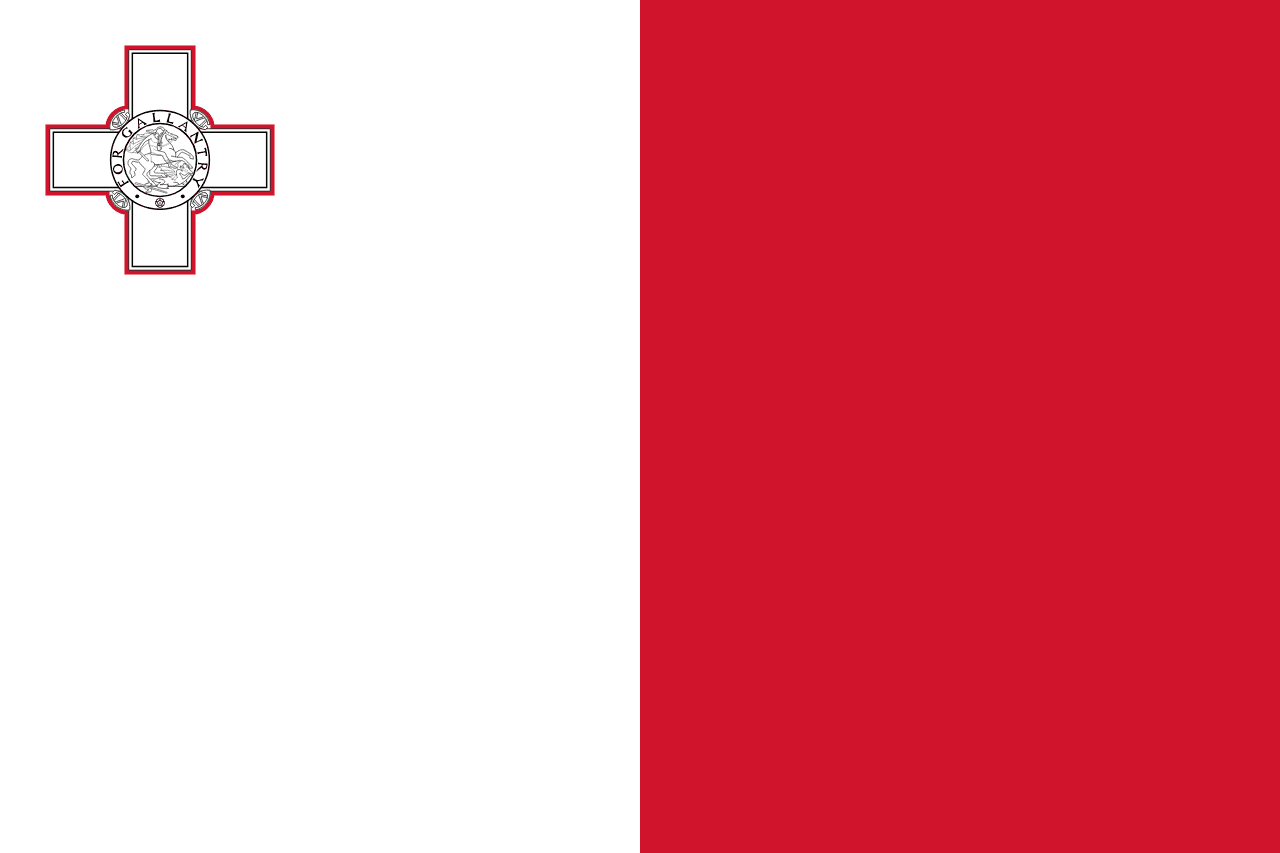
Malta is an island of 316 square kilometres containing temples that predate Stonehenge and the Egyptian pyramids, a medieval fortified city built by crusading knights, an underground network of catacombs, and a World War Two history so intense that the entire island was awarded the George Cross for collective bravery under sustained bombardment. No comparable area on earth contains this concentration of historical layers, each complete and coherent. The Ġgantija temples on the island of Gozo are among the oldest freestanding stone structures in the world — built approximately 5,600 years ago, over a thousand years before Stonehenge. The structures are massive, made of coralline limestone blocks weighing up to 50 tonnes, oriented to the sunrise and associated with a fertility goddess cult. The builders are unknown. The engineering methods are unresolved. The temples simply exist, older than most of what people call ancient. Maltese is the only Semitic language written in the Latin alphabet and is the official language of an EU member state. It is a linguistic record of Malta's layered history: the grammatical structure and majority of vocabulary are Arabic, with significant Italian, Sicilian, and English overlays accumulated over centuries of different rulers. Hearing Maltese spoken — an Arabic-structure language emerging from mouths shaped by European sounds — is to hear a thousand years of Mediterranean crossroads condensed into conversation.
Read full article →