No messages yet — be the first to share something about Latvia!
Sign in to join the chat
The Food of Latvia: 10 Dishes You Must Try
Nestled on the eastern shore of the Baltic Sea lies Latvia, a gem of a country that boasts a rich tapestry of culture, history, and—most importantly for us—culinary traditions. Latvian cuisine is a delightful blend of earthy flavors, fresh ingredients, and old-world techniques that mirror the rhythm of life in this enchanting land. With its roots deeply anchored in seasonal produce, hearty grains, and recipes passed down through generations, the food of Latvia tells a story of resilience, community, and a profound connection to nature. As I wandered the cobbled streets of Riga, surrounded by the echoes of history and the warm scent of home-cooked meals wafting through the air, I found myself irresistibly drawn to the local dishes that have captured the hearts of many. Through each bite, I discovered not just flavors but also the soul of this beautiful country. Let me take you on a culinary journey, delving into ten traditional Latvian dishes that you absolutely must try. First on my list is **Pelēkie zirņi ar speķi**—grey peas with bacon. This humble dish is a staple of Latvian fare, featuring dried grey peas simmered to perfection and then sautéed with crispy bacon. The peas have a creamy, earthy taste, perfectly complemented by the smoky flavor of the bacon. You can often find it served in quaint countryside taverns, where locals gather to enjoy hearty, traditional meals. The dish is particularly popular during winter and is often associated with festive occasions. It’s said that in times of scarcity, grey peas sustained many families, making it a symbol of endurance and community spirit. Next, there’s **Rupjmaize**, or dark rye bread, a cornerstone of Latvian cuisine. This bread, made from coarsely milled rye, has a dense texture and a slightly sour taste, making it incredibly satisfying. It is often served with butter, cheese, or pickles. My favorite way to enjoy it is with herring, a local favorite. You can find Rupjmaize in bakeries throughout the country, but for the most authentic experience, visit a family-owned bakery in the countryside, where the scent of freshly baked bread is simply irresistible. In Latvia, bread is not just food; it’s a significant part of rituals, such as weddings and holidays, symbolizing prosperity and good fortune. As I continued my culinary exploration, I encountered **Jāņu siers**, a special cheese traditionally made for the Midsummer festival. This semi-soft cheese is flavored with caraway seeds, giving it a unique, aromatic taste. Jāņu siers is often enjoyed with a glass of Latvian beer, making it a perfect pairing. I stumbled upon a local farmer’s market where vendors proudly displayed their artisanal cheeses, and trying this one felt like participating in a long-standing tradition. The cheese marks the joy of summer and is a beautiful representation of Latvia’s agricultural bounty. No journey through Latvian cuisine would be complete without tasting **Biešu zupa**, or beetroot soup. This vibrant dish, often served cold as **Šaltibarščiai**, is a feast for the eyes as much as for the palate. The creamy blend of beetroot, buttermilk, and fresh herbs creates a refreshing, tangy soup that’s perfect for hot summer days. I tried it at a charming café in Old Town Riga, where the owner insisted that it must be served with a side of boiled potatoes and hard-boiled eggs. It's not just food; it's comfort food, deeply rooted in tradition, often enjoyed during family gatherings and celebrations. When speaking of comfort, I must mention **Kartupeļu pankūkas**—potato pancakes. These crispy delights are made from grated potatoes, onions, and flour, all fried to golden perfection. They have a delightful crunch on the outside and a soft, warm center, often served with sour cream or apple sauce. I discovered them at a bustling street market, where vendors were flipping pancakes on griddles, filling the air with a mouthwatering aroma. The dish is commonly found at festivals and holiday celebrations, symbolizing warmth and togetherness—perfect for sharing with friends and family. Another traditional dish, **Zivju zupa**, or fish soup, highlights Latvia’s relationship with its rich waters. Made from fresh fish, potatoes, and a medley of vegetables, this soup has a light, fragrant broth packed with flavor. I had the pleasure of enjoying a bowl at a seaside restaurant in Jurmala, where the catch of the day was transformed into a comforting dish that felt like a warm embrace. The soup is often enjoyed on holidays, reflecting the importance of fish in Latvian culinary history, and is a testament to the country’s reliance on the bountiful Baltic Sea. Moving on to something sweet, I encountered **Sklandrausis**, a traditional carrot and potato pie. This unique dish features a buttery crust filled with a smooth mixture of carrots, potatoes, and spices. The sweetness of the carrots shines through, balanced by the earthy notes of the potatoes. I sampled it at a local bakery, where the owner shared stories about the pie’s origins as a peasant dish, often made for celebrations and gatherings. It quickly became one of my favorites, resonating with the idea of simple ingredients coming together to create something beautiful. Then there was the delightful **Kūkas**, or layered cakes, a staple for any celebration. These cakes are often made with rich cream, chocolate, and a variety of fillings, showcasing the artistry of Latvian bakers. At a local patisserie, I was enchanted by the intricate designs and flavors, each telling a story of creativity and tradition. These cakes are typically present at weddings and birthdays, symbolizing sweetness and joy in life's milestones. With each slice, I could sense the passion and care that went into their creation. One cannot overlook **Mellene**, or blueberries, which play a significant role in Latvian desserts. Whether served fresh, in jams, or baked into pies, these little berries represent the abundant nature of Latvia’s forests. I had the pleasure of enjoying a blueberry pie at a rustic inn, where the berries were picked earlier that day. The pie was sweet and tangy, capturing the essence of summer in every bite. Blueberries are more than just a delicious treat; they embody the Latvians' close ties to the land and nature, celebrated during berry-picking seasons. Lastly, I must mention **Kefīrs**, a fermented milk drink that is a staple in many Latvian households. This tangy, probiotic-rich beverage is often enjoyed with meals or as a refreshing drink on a hot day. I found it in a small dairy shop, where the friendly owner explained its health benefits and its role in traditional Latvian diets. Kefīrs symbolizes the importance of dairy farming in Latvia and is often seen as a comfort drink that connects people to their roots. As I reflect on my culinary journey through Latvia, I am reminded that the best way to experience a culture is through its food. Each dish I tried carried with it stories of tradition, community, and the enduring spirit of the Latvian people. If you find yourself in Latvia, I recommend exploring local markets, charming cafés, and traditional restaurants where you can savor the flavors of this beautiful land. Whether it’s a bustling street stall serving potato pancakes or a cozy inn dishing out warm beet soup, the heart of Latvia's culinary scene can be found in these welcoming spaces. So, roll up your sleeves and dive into the delicious world of Latvian cuisine—you won’t regret it.
Read full article →The History of Latvia: From Ancient Times to Today
# The History of Latvia: From Ancient Times to Today Latvia, a small Baltic nation nestled between the vast expanses of the Baltic Sea and its neighbors Estonia and Lithuania, has a rich and tumultuous history that reflects its geographic and cultural crossroads. From ancient tribes to modern democracy, Latvia's journey is woven with threads of resilience, independence, and a vibrant cultural tapestry. This blog post will take you on a captivating journey through the significant eras of Latvia's past, illuminating its path to becoming the country it is today. ## Ancient and Indigenous History Long before the arrival of foreign powers, Latvia was home to several indigenous tribes, primarily the Baltic tribes like the Lettigallians, Curonians, Selonians, and Zemgalians. These tribes, with their rich traditions and spiritual beliefs, lived off the land, cultivating crops and gathering from the abundant forests and rivers that sustained them. They built wooden fortresses and engaged in trade with neighboring tribes, laying the foundation for a burgeoning society. Archaeological findings suggest that human presence in Latvia stretches back over 10,000 years, with the first agricultural settlements emerging around 3000 BCE. The ancient Balts built impressive burial mounds and crafted intricate jewelry, showcasing their advanced craftsmanship and connection to the spiritual world. As time passed, these tribes began coalescing into larger federations, with trade routes developing along the Daugava River, which served as a vital artery for commerce. The vibrant movement of goods fostered cultural exchanges, shaping a unique Baltic identity that is still evident in Latvian customs and traditions today. ## The Rise of Major Empires and Kingdoms By the 12th century, the tranquility of Latvia was shattered as the region became the focal point of expansive empires. The arrival of the German crusaders marked a pivotal turning point. In 1201, Bishop Albert of Bremen founded the city of Riga, establishing it as a center for the spread of Christianity and German influence. This marked the beginning of the Livonian Crusade, during which the indigenous tribes resisted the incursions of foreign powers. Yet, the tribes faced significant challenges against the well-organized military forces of the Teutonic Knights. The struggle between the native tribes and the invaders led to the eventual subjugation of the region, as the Teutonic Order sought to consolidate power over the Baltic. The establishment of the Livonian Confederation in the 13th century marked the height of German influence, yet the struggle for autonomy continued. While the Confederation brought relative stability and trade prosperity, it also sowed the seeds of discontent among the local population, who yearned for self-determination. As the centuries unfolded, Latvia oscillated between various powers. The Polish-Lithuanian Commonwealth claimed significant territories in the 16th century, followed by the Swedish Empire in the 17th century, which further asserted control over Latvia. Each regime left its mark on Latvian culture, language, and governance, creating a complex tapestry of influences. However, the enduring spirit of the Latvian people remained strong, fostering a sense of national identity that would resurface in later centuries. ## The Colonial Period: Struggles for Identity The 18th century brought profound change as the Russian Empire expanded its reach into the Baltic region. In 1721, following the Great Northern War, Latvia was annexed by Russia, entering a period of Russian dominance that would last for over two centuries. This era was marked by ambiguous policies towards local culture and language, with attempts to impose Russian identity. Despite the challenges posed by foreign rule, the 19th century saw a renaissance of Latvian culture and language. Intellectuals and poets, such as the influential folk poet Juris Alunāns, began to revive interest in Latvian folklore and national identity. The Latvian National Awakening, which gained momentum from the 1850s onward, was a cultural and political movement that sought to promote the Latvian language, literature, and national consciousness. This surge of nationalism would prove crucial as the tides of history began to shift. The late 19th and early 20th centuries saw increased social and political activism, with Latvians advocating for greater autonomy within the Russian Empire. This chapter of Latvian history was marked by the establishment of cultural societies, the publication of newspapers, and the organization of the first Song and Dance Festival in 1873, a celebration of Latvian culture that continues to this day. ## The Fight for Independence The winds of change crescendoed during World War I when the Russian Empire began to crumble under the weight of conflict and internal strife. In the wake of the 1917 Russian Revolution, Latvia seized the opportunity to pursue independence. On November 18, 1918, Latvia declared its independence, and the Latvian War of Independence ensued as local forces fought against both German and Bolshevik troops. The war was fraught with challenges, but by 1920, Latvia emerged victorious. The Treaty of Tartu, signed in 1920 with Soviet Russia, recognized Latvia's sovereignty, marking the formal establishment of the Latvian state. This period, often referred to as the "Interwar period," was one of great cultural flourishing. Artists, musicians, and writers contributed to a vibrant national identity, and Latvia embraced its newfound freedoms. However, the joy of independence was short-lived. The global economic crisis in the 1930s destabilized economies worldwide, and Latvia faced increasing pressure from neighboring powers. Despite efforts to maintain neutrality, the looming specter of World War II would soon shatter the fragile peace. ## The Impacts of World War II and Soviet Occupation Latvia's strategic position made it a target during World War II. In 1940, the Soviet Union invaded Latvia, enforcing a brutal regime that suppressed dissent and undermined national identity. Following a brief period of Nazi occupation in 1941, Latvia was once again annexed by the Soviet Union in 1944, leading to decades of repression, forced deportations, and cultural assimilation efforts. The Soviet era was characterized by the imposition of a centralized economy, heavy industrialization, and the Russification of Latvian society. While some progress was made in terms of education and infrastructure, the overarching narrative was one of loss and resentment. Latvian language and culture faced serious threats from state policies, leading to diminished expressions of national identity. Yet, beneath the surface, the spirit of resistance simmered. The dissident movement began to take shape in the 1970s, with activists advocating for human rights and greater freedoms. The winds of change blew stronger as the Soviet Union began to falter in the 1980s, culminating in the emergence of the ‘Singing Revolution.’ This non-violent movement united Latvians in peaceful demonstrations, singing traditional songs that echoed the longing for freedom. ## The Modern Formation of Latvia On May 4, 1990, the Supreme Council of Latvia declared the restoration of independence, a momentous occasion that marked the end of over 50 years of Soviet occupation. The path to full sovereignty was challenging, with economic hardships and the need to establish a new political framework. Yet, the spirit of the Latvian people remained resolute, leading to a successful referendum on independence in August 1991. The 1990s were marked by the struggle to rebuild a nation. Latvia adopted a new constitution, initiated economic reforms, and sought integration into European and international organizations. In 2004, Latvia joined the European Union and NATO, solidifying its position as a sovereign state on the global stage. This turn towards Europe marked a significant shift, as Latvia embraced democratic values and sought to reclaim its cultural heritage. ## Latvia Today: A Nation Reborn Today, Latvia is a thriving democracy, characterized by its rich history, cultural diversity, and vibrant arts scene. Riga, the capital, is a UNESCO World Heritage site, celebrated for its stunning architecture and vibrant cultural life. Latvia has developed a strong economy, becoming a member of the Eurozone in 2014 and positioning itself as a notable player in the Baltic region. However, the scars of the past remain a part of Latvia's collective memory. The resilience and determination of the Latvian people are evident in their commitment to preserving their language, culture, and traditions. The annual Song and Dance Festival continues to be a symbol of national pride, uniting generations in celebration of their heritage. As Latvia navigates the 21st century, the country grapples with contemporary challenges, including demographic shifts and the impact of global events. Yet, the story of Latvia is one of triumph over adversity, a testament to the enduring spirit of a nation that has risen from the ashes of oppression to forge its unique identity. In conclusion, Latvia's history is a mosaic of struggles and triumphs, marked by the indomitable spirit of its people. From ancient tribes to modern democracy, the journey has been fraught with challenges but illuminated by resilience, creativity, and a deep sense of pride. As Latvia continues to evolve, it stands as a beacon of hope and determination, embodying the strength of a nation that has fought tirelessly for its place in the world.
Read full article →Hidden Gems of Latvia: Places Most Tourists Miss
Latvia, a small Baltic gem nestled between Estonia and Lithuania, is often overshadowed by its more well-trodden neighbors. Travelers flock to its capital, Riga, with its stunning Art Nouveau architecture and rich history, but this beautiful country has so much more to offer. Beyond the picturesque city streets and popular tourist spots, Latvia holds a treasure trove of hidden gems waiting to be discovered. For those willing to venture beyond the surface, the experience can be a delightful journey through vibrant cultures, enchanting landscapes, and the warmth of local hospitality. Let’s embark on an adventure to unveil some of Latvia's best-kept secrets, where authentic experiences and breathtaking scenery await. One of the most enchanting lesser-known spots is the village of Kuldīga, located in the western part of Latvia. While many tourists may have heard of its famous waterfall, Ventas Rumba, few have explored the cobblestone streets and wooden houses that give Kuldīga its unique charm. The village is often referred to as the "Venice of Latvia" due to its picturesque canals and quaint ambiance. The best part? Kuldīga feels like stepping back in time, with its history dating back to the 13th century. To get here, simply take a bus from Riga, and within a few hours, you’ll find yourself wandering through this idyllic village, enjoying local cafes and shops. Don’t forget to stop by the old brick bridge, which provides an excellent view of the waterfall and is a perfect spot for some memorable photos. Another hidden gem lies in the Eastern part of the country, in the region of Latgale, known for its unique cultural blend and beautiful lakes. The town of Daugavpils, the second-largest city in Latvia, is often overlooked by tourists, yet it has so much to offer. The fortress of Daugavpils is a historical site that dates back to the 19th century and is a testament to the city's rich history. The town is also home to the Mark Rothko Art Centre, dedicated to the famous abstract expressionist painter who was born here. To reach Daugavpils, you can take a train or bus from Riga. Once you arrive, take time to explore the local markets, sample regional cuisine, and perhaps catch a glimpse of one of the many cultural festivals celebrated throughout the year. Latgale is famous for its ceramics, so make sure to visit local artisans to take home a piece of tradition. If you crave nature and serenity, the stunning Gauja National Park is a must-visit. While many tourists flit to Sigulda, the park itself holds numerous hidden trails and magical spots that are often missed. Venture into the lush green forests, where you can find tranquil rivers and impressive sandstone cliffs. The park is a paradise for hikers, cyclists, and adventurers alike. For a truly off-the-beaten-path experience, hike to the small village of Cēsis, where you can explore the medieval castle and the charming old town. To get there, take a train from Riga to Sigulda and then cycle or hike through the park to Cēsis. The journey will reward you with stunning views, peaceful encounters with nature, and the chance to connect with Latvia's rich heritage. Further north lies the seaside town of Jūrmala, but not in the way most tourists experience it. While the main beaches and resorts can feel crowded, the lesser-known area of Majori offers a quieter, more intimate experience. Stroll along the wooden promenade lined with quaint cafés, enjoy the sound of the waves, and discover the hidden treasures of this charming town. The beautiful wooden architecture, reminiscent of the late 19th century, is a sight to behold. To reach Jūrmala, take a short train ride from Riga; once you arrive, rent a bike to explore the scenic coastline. And if you’re there in summer, be sure to catch one of the many local festivals celebrating music, arts, and culture. Venture into the heart of Latvia’s countryside, and you’ll discover the magical region of Vidzeme, where the village of Rūjiena awaits. Known for its delicious ice cream and picturesque landscapes, Rūjiena is often referred to as the "Ice Cream Capital" of Latvia. The village is home to the famous Rūjienas Ice Cream factory, where you can sample an array of unique flavors made from local ingredients. The surrounding countryside is dotted with lakes and forests, ideal for hiking or simply enjoying a peaceful day outdoors. To get there, take a bus from Riga or Cēsis, and indulge in a sweet treat while soaking up the local culture and hospitality. For those intrigued by history and architecture, the charming town of Kuldiga boasts the oldest wooden bridge in Latvia, the Kuldīgas Tirdziņš. Spanning the river, this bridge offers a picturesque view of the town and surrounding nature. The area is rich in history, with many well-preserved buildings reflecting the architectural styles of centuries past. Explore the local museums, and take a leisurely stroll through the streets to really absorb the town's atmosphere. Kuldīga is easily accessible by bus from Riga, making it a perfect day trip or weekend getaway. Another hidden gem is the small island of Saaremaa, located just off the coast of Latvia in the Baltic Sea. Known for its beautiful landscapes, charming villages, and rich folklore, Saaremaa is the perfect escape for nature lovers. The island is dotted with windmills, lighthouses, and unique rock formations, creating a tranquil atmosphere for exploration. To reach Saaremaa, you can take a ferry from the town of Ventspils, allowing for a scenic journey across the water. Once on the island, take time to explore the local cuisine, visit the historic Kuressaare Castle, and immerse yourself in the island’s captivating stories. Even further off the beaten path is the enchanting village of Engure, located near the Gulf of Riga. This hidden gem is a paradise for bird watchers and nature enthusiasts, with the Engure Nature Park being a premier bird-watching destination in Latvia. The park is home to a diverse range of bird species, making it ideal for photographers and nature lovers alike. Take a leisurely walk along the coastal trails, enjoy the peace of the natural surroundings, and don’t miss the chance to visit the charming local cafes that offer traditional Latvian dishes. To get to Engure, take a bus from Riga, and prepare to be mesmerized by the beauty of the coastal landscape. Last but not least, the charming village of Renda is a hidden treasure that embodies the essence of Latvian rural life. Nestled in the heart of the countryside, Renda is a place where time seems to slow down. Here, you can engage with local artisans, learn about traditional crafts, and experience authentic Latvian hospitality. The village is surrounded by beautiful landscapes, including rolling hills and lush forests, perfect for hiking or simply enjoying the tranquility of nature. To reach Renda, take a bus or drive from Riga, and be prepared for a delightful immersion into the heart of Latvia. As you embark on your Latvian adventure, keep in mind a few practical tips. Firstly, consider traveling during the shoulder seasons of late spring or early autumn, when the weather is pleasant and tourist crowds are minimal. Public transportation is reliable and affordable, making it easy to navigate the country. Don’t hesitate to ask locals for recommendations on hidden spots—Latvians are known for their warmth and hospitality. Lastly, immerse yourself in the culture by trying traditional dishes like grey peas with bacon or the famous Latvian rye bread. In conclusion, beyond the bustling streets of Riga lies a treasure trove of hidden gems that await discovery. From charming villages and breathtaking natural landscapes to unique experiences steeped in history and culture, Latvia offers a diverse array of off-the-beaten-path places that promise unforgettable memories. So, pack your bags, embrace your adventurous spirit, and let Latvia reveal its secrets to you.
Read full article →What It's Really Like to Live in Latvia
Living in Latvia is like stepping into a charming, vibrant tapestry woven from rich history, stunning landscapes, and a unique culture. After several years in this beautiful Baltic country, I’ve come to appreciate the nuances of everyday life here, from the serene countryside to the bustling streets of Riga. As I share my experiences, I hope to give you a vivid picture of what it's really like to live in Latvia. Everyday life in Latvia is a blend of the modern and the traditional. The capital city, Riga, with its stunning Art Nouveau architecture and lively Old Town, is a hub of activity. The locals bustle about, often on foot or on bicycles, as they navigate the cobblestone streets. Public transport is efficient and inexpensive. A single ride on a bus, tram, or trolleybus costs about 1.15 EUR, and you can buy a monthly pass for around 30 EUR. If you live here, you quickly learn to navigate the public transport system, which connects even the most remote areas. The cost of living in Latvia is generally lower than in many Western European countries. Rent can vary significantly depending on where you choose to live. In Riga, a one-bedroom apartment in the city center can cost around 600 EUR, while the same apartment in the suburbs might only set you back about 350 EUR. Groceries are reasonably priced as well. For example, a loaf of bread costs around 1 EUR, a liter of milk about 0.90 EUR, and a kilogram of apples around 1.20 EUR. Eating out is affordable, with a meal at an inexpensive restaurant averaging around 12 EUR. These prices allow for a comfortable lifestyle, especially when you factor in the lower wages compared to Western Europe. When it comes to food culture, Latvia is a feast of flavors influenced by the seasons and local traditions. Traditional Latvian cuisine is hearty and often features ingredients like potatoes, rye bread, beets, and various meats. One cannot live in Latvia without trying the iconic grey peas with speck, a dish that showcases the country’s agricultural heritage. You’ll also find a love for dairy products; curd cheese and sour cream are staples in many households. Eating out, you might indulge in a local treat called "piragi," which are pastry pockets stuffed with anything from bacon and onions to sweet fillings. Dining in Latvia often carries a strong sense of community. It’s not uncommon for families to gather around the table for long, leisurely meals. The phrase "Mēs ēdam un runājam," meaning "We eat and talk," perfectly captures the spirit of Latvian dining culture. When invited to someone’s home, it’s customary to bring a small gift, like flowers or sweets, as a token of appreciation. The hospitality here is genuine, and it's not unusual to be invited for a meal by a neighbor or coworker. Social customs in Latvia reflect a blend of traditional values and a progressive mindset. Latvians are generally reserved but warm once you break the ice. A common greeting is a firm handshake, accompanied by eye contact. The phrase "Sveiki!" means "Hello!" and you'll hear it often. Personal space is valued, and Latvians tend to appreciate directness in conversation. However, it’s essential to be polite and use "Lūdzu" (please) and "Paldies" (thank you) regularly to show respect and appreciation. Family life in Latvia is characterized by strong ties and a deep-rooted appreciation for traditions. Many families place a high value on spending quality time together, especially during holidays. Christmas and Jāņi (the midsummer festival) are particularly significant, marked by special meals and customs. Children are often involved in these celebrations, learning about their heritage through stories and traditional songs. It’s not uncommon to see families picking mushrooms in the forests during autumn or enjoying a picnic by one of the many lakes scattered across the country. Work culture in Latvia has been evolving, particularly in the wake of recent advancements and the influence of EU membership. The standard workweek is typically Monday through Friday, 9 AM to 6 PM. While there’s a strong emphasis on productivity, work-life balance is increasingly prioritized. Many companies support flexible working hours and remote work options, which has become especially prevalent since the pandemic. Latvian businesses often foster a collaborative atmosphere, and you’ll find that open communication is encouraged. However, punctuality is valued, and arriving late to a meeting is seen as disrespectful. Weekends in Latvia offer a delightful mix of relaxation and adventure. Many locals head out to the countryside to enjoy nature, whether that's hiking in the Gauja National Park, sunbathing on the beautiful beaches of Jūrmala, or taking part in outdoor activities such as kayaking or cycling. Riga also has a vibrant arts scene, with plenty of museums, galleries, and theaters to explore. Saturdays are particularly lively; the central market in Riga is a must-visit. Housed in old zeppelin hangars, this market is one of the largest in Europe and a great place to soak in local culture. You can find everything from fresh fruits and vegetables to handmade crafts and traditional Latvian delicacies. Sundays often bring a slower pace, with families enjoying brunch at one of the many cozy cafes or visiting a local park to spend time with their children and pets. The weather in Latvia plays a significant role in shaping daily life. The country experiences four distinct seasons, each bringing its own beauty and challenges. Winters can be harsh, with temperatures often dropping below -20°C (-4°F) in January. However, Latvians embrace the cold, and winter brings a host of activities such as ice skating, skiing, and visiting Christmas markets. The phrase "Nav slikta laika, ir tikai nepiemēroti apģērbs" translates to "There’s no bad weather, just inappropriate clothing," highlighting the local attitude toward the chilly months. Summers, on the other hand, are typically mild and filled with long, sunny days. The sun doesn’t set until late, and many people take advantage of this by organizing outdoor gatherings, barbecues, and festivals. The vibrant colors of spring and summer also bring about a surge of cultural activities, including music festivals, theater performances, and art exhibitions that thrive in the warm weather. However, living in Latvia is not without its challenges. The language barrier can pose difficulties for newcomers. While many Latvians speak English, especially in larger cities, learning the basics of Latvian can go a long way in building connections and showing respect for the culture. The cost of public services, such as health care and education, has also been a point of contention, as many locals feel that improvements are needed. Despite these challenges, the positives of living in Latvia far outweigh the negatives. The sense of community is strong, and there’s a palpable pride in the country’s culture and history. The natural beauty is breathtaking, with countless forests, lakes, and rivers begging to be explored. Moreover, the food is not only delicious but reflective of a sustainable lifestyle, with a focus on local, seasonal ingredients. One common surprise for foreigners moving to Latvia is the affordability of life compared to Western Europe. Many are also taken aback by the sense of safety and security that permeates the country. Latvia boasts low crime rates, and it’s common to see children playing outside, even in urban areas. In conclusion, living in Latvia offers a unique blend of experiences that shape daily life in a profoundly enriching way. From the rich culinary traditions to the strong emphasis on family and community, the warmth of the people shines through. As you navigate through the seasons, whether wrapped in a cozy scarf during the winter or basking in the summer sun, you begin to appreciate the beauty of this small yet vibrant country. Living in Latvia is truly a journey filled with delightful surprises, and as you settle into this captivating culture, you’ll find that it offers a home like no other.
Read full article →Why Visit Latvia
Latvia sits in the heart of the Baltic region, a small northern European nation where medieval Old Towns meet Art Nouveau masterpieces, deep forest stretches to white sand beaches, and a culture shaped by centuries of foreign occupation has emerged fiercely proud of its own identity. Riga, the capital, is the Baltic's largest city and one of Europe's finest — a UNESCO World Heritage city with the most extensive collection of Art Nouveau architecture anywhere in the world. The Quiet Centre is a streetscape of ornate facades decorated with faces, garlands, and mythological figures. The Old Town, Vecriga, is a medieval labyrinth of cobblestones, guild halls, and the twin towers of St. Peter's and the Dom Cathedral. The Central Market, housed in five former Zeppelin hangars, is the largest in Europe. The Gauja National Park, an hour east of Riga through birch and pine forest, is Latvia's oldest nature reserve. Medieval castles — Cesis, Sigulda, Turaida — crown the forested hillsides, and in winter the bobsled track at Sigulda is one of the few places where visitors can ride an Olympic-grade luge. The Latvian coast along the Baltic Sea has a character all its own. Jurmala, a string of wooden villa resorts, stretches 26 kilometers along a pine-fringed beach. Cape Kolka, where the Baltic Sea and the Gulf of Riga meet in a turbulent collision of currents, is where beaches are strewn with amber in autumn storms. The Song and Dance Festival, held every five years in Riga, is one of Europe's most remarkable cultural events — tens of thousands of singers in national costume filling the open-air arena in a tradition begun in 1873. Latvian cuisine is rooted in the seasons: smoked fish, rye bread, grey peas with speck, wild mushroom dishes in autumn. Summer is the warmest and most lively season.
Read full article →Latvia: The Song and Dance Festival That Kept a Nation Alive
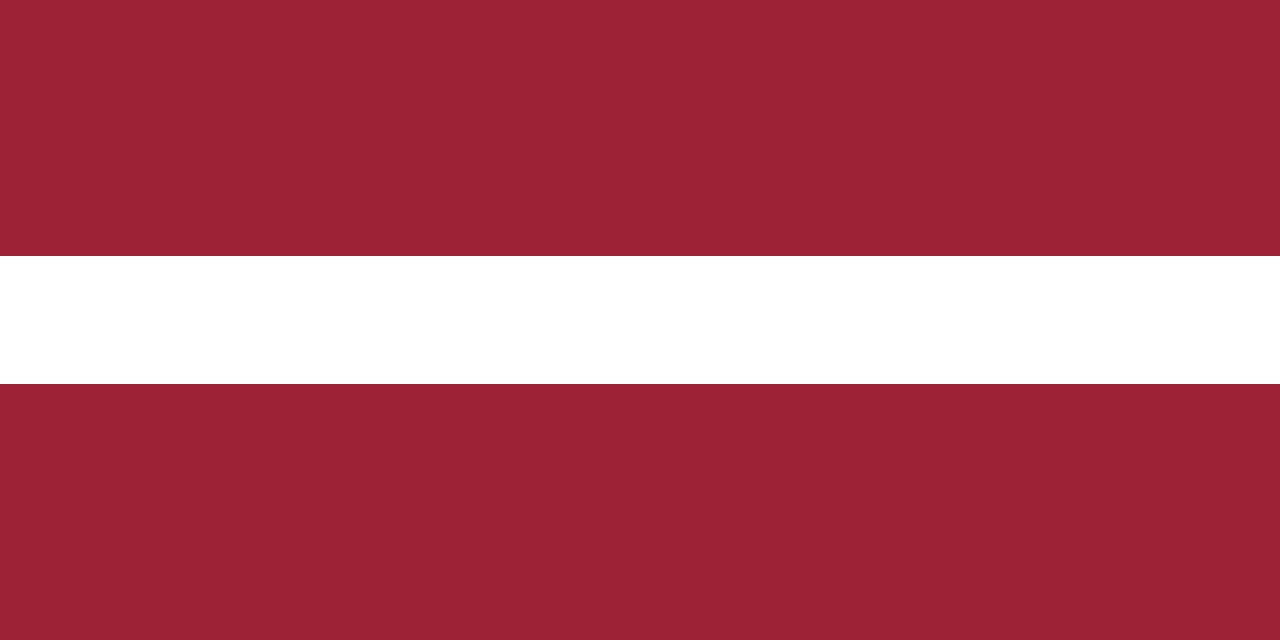
Latvia's Song and Dance Festival — Dziesmu un deju svētki — is held every five years and gathers tens of thousands of singers and dancers from across the country and the Latvian diaspora worldwide. The festival traces its roots to 1873 and is the continuation of a tradition that Latvians used during Soviet occupation to maintain national identity without triggering direct political repression. Gathering to sing in Latvian — to perform Latvian folk songs and dances — was an act of cultural preservation conducted in plain sight. The Singing Revolution — the period from 1987 to 1991 when mass outdoor song gatherings in Latvia, Estonia, and Lithuania became the vehicle for expressing independence aspirations — is the most dramatic expression of this tradition. At a 1988 song festival, the Latvian flag — banned under Soviet rule — was displayed publicly for the first time in decades. The crowd sang. The Soviet authorities chose not to respond. The moment is considered one of the turning points in the independence movement that resulted in Latvia regaining independence in 1991. Riga, Latvia's capital, contains the largest collection of Art Nouveau architecture in the world — entire streets of ornate façades built in the early 20th century during a period of rapid urbanisation and economic growth. The buildings feature human faces, mythological figures, floral patterns, and abstract forms in a density that turns a walk through the old city into a continuous visual discovery. Riga's Art Nouveau is not a niche architectural interest. It is the defining character of the city's face.
Read full article →