No messages yet — be the first to share something about Kenya!
Sign in to join the chat

The Food of Kenya: 10 Dishes You Must Try
As I wandered through the bustling streets of Nairobi, the savory aromas wafting from street stalls mingled with the melodic sounds of Kiswahili conversations and laughter. Kenya's culinary landscape is an alluring tapestry woven from the rich fabrics of diverse ethnic groups, each contributing their unique flavors and traditions. From the coastal spices of Swahili cuisine to the hearty dishes of the Maasai, every corner of Kenya tells a story through its food. Join me on this mouthwatering journey as I explore ten traditional dishes that you simply must try in this East African gem. First on my culinary adventure is Ugali, the heart and soul of many Kenyan meals. This staple food, made from maize flour and water, is a simple yet essential part of the Kenyan diet. As it cooks, the porridge-like mixture transforms into a dense, doughy mass that is often served alongside meat, vegetables, or stews. Ugali has a mild flavor, making it the perfect companion to spicier dishes, and the experience of tearing off a piece and using it to scoop up the accompanying stew is a rite of passage for both locals and visitors. You can find Ugali served in homes, at local eateries, and even in upscale restaurants, often accompanied by sukuma wiki, a sautéed kale or collard greens dish. The communal aspect of Ugali makes it a symbol of unity in Kenya, often enjoyed during family gatherings. Next, I encountered Nyama Choma, which translates to "grilled meat." This dish is a celebration of Kenya's barbecue culture, where succulent cuts of meat—whether goat, beef, or chicken—are marinated and grilled over open flames, leaving them beautifully charred and smoky. The first bite is a flavor explosion, with the perfect balance of tenderness and spice. Often served with a side of kachumbari, a fresh salsa made from tomatoes and onions, Nyama Choma is best enjoyed in social settings, such as at a roadside nyama choma joint or during open-air barbecues. The dish symbolizes hospitality, as friends and family gather to share stories and laughter over a shared meal. It’s not uncommon to see groups of locals enjoying Nyama Choma while listening to live music, creating an atmosphere that is both festive and welcoming. Another dish that tantalized my taste buds was Samosa, a popular snack that reflects the influence of Indian cuisine on Kenyan food culture. These deep-fried triangular pastries are typically filled with a mixture of spiced meat or vegetables, creating a delightful crunch on the outside and a burst of flavor on the inside. Each bite is a delightful contrast of textures, with the spices enveloping the filling enhancing the overall experience. You can find Samosas at street stalls, markets, and even in restaurants, often served hot with a side of tangy dipping sauce. The history of Samosas in Kenya is a testament to the country's multicultural tapestry, as they were brought over by Indian traders and quickly became a beloved snack among locals. As I delved deeper into Kenyan cuisine, I stumbled upon the comforting dish of Irio. This traditional Kikuyu dish consists of mashed potatoes mixed with green peas and corn, seasoned with salt and often garnished with a touch of butter. The creamy consistency and subtle flavors make Irio a perfect accompaniment to grilled meats or stews. This dish is often served during special occasions, such as weddings and family gatherings, symbolizing prosperity and happiness. I enjoyed a hearty serving of Irio at a local restaurant, where the warmth and hospitality of the staff made the meal feel like a home-cooked experience. The dish is a reminder of the importance of community and togetherness in Kenyan culture. Another gem I discovered was the coastal dish of Fish Curry, known as “Samaki wa Kupaka.” This delightful seafood dish features fish marinated in a rich coconut milk sauce, infused with a medley of spices such as turmeric, ginger, and garlic. Each bite transports you to the shores of the Indian Ocean, with the creamy sauce complementing the tender fish beautifully. I had the pleasure of enjoying Samaki wa Kupaka at a seaside restaurant in Mombasa, where the sound of waves lapping against the shore added to the overall ambiance. The dish reflects the Swahili culture of the coast, where seafood is a staple, and meals are often shared among family and friends. A visit to Kenya wouldn’t be complete without trying Chapati, a soft, flaky flatbread that has become a staple throughout the country. Made from wheat flour, water, and oil, Chapati is cooked on a griddle until golden brown, resulting in a deliciously chewy texture. The slightly nutty flavor makes it a versatile accompaniment to a variety of dishes, from stews to grilled meats. I savored Chapati at a local eatery in Nairobi, where it was served alongside a fragrant vegetable curry. The communal aspect of sharing Chapati with loved ones adds to the meal's warmth, and it's often enjoyed during festive occasions, further emphasizing the importance of togetherness in Kenyan culture. Next, I was introduced to Githeri, a hearty mix of maize and beans that is a staple among the Kikuyu people. This dish is not only nutritious but also versatile, as it can be cooked plain or enhanced with vegetables and spices. The flavors are mild yet satisfying, and the combination of textures from the beans and maize creates a comforting dish that warms the soul. I found Githeri served at a local food stall, where the vendor proudly explained its significance in Kenyan history as a food of sustenance during times of hardship. Githeri's humble ingredients speak to the resourcefulness of the Kenyan people, and it is often served in homes as a daily meal, embodying the spirit of resilience. Another delight I encountered was Mukimo, a beloved dish among the Kikuyu community. Mukimo is a mashed mixture of potatoes, greens (usually pumpkin leaves or spinach), and sometimes corn. This vibrant green dish is seasoned and often served with meat or stew, offering a delightful contrast in colors and flavors. The creamy texture of Mukimo pairs beautifully with the rich, savory taste of meat dishes, making it a perfect centerpiece for a Kenyan feast. I tried Mukimo at a family-run restaurant where the owner shared stories of how it is traditionally prepared during celebrations, reinforcing the dish's significance as a marker of special occasions. As my culinary journey continued, I stumbled upon the delightful dessert known as Mandazi. These sweet, deep-fried pastries are slightly spiced with cardamom and often enjoyed with a hot cup of chai. The outer layer is crispy, while the inside is soft and fluffy, making Mandazi a delightful treat any time of day. I enjoyed these delectable pastries at a local café, where they were served warm, dusted with powdered sugar. The history of Mandazi can be traced back to the Arab influence on Swahili cuisine, and they are often enjoyed during celebrations or as a snack throughout the day, reminding me of the sweet moments we share in life. Lastly, I couldn’t leave Kenya without indulging in a bowl of Sukuma Wiki. This simple yet flavorful dish consists of kale sautéed with onions, tomatoes, and spices, making it a popular accompaniment to various meals. The name "Sukuma Wiki" translates to "push the week," reflecting its role as a budget-friendly way to stretch meals throughout the week. Its slightly bitter taste balances beautifully with the richness of meat dishes, and I found it served everywhere from street vendors to high-end restaurants. It symbolizes the resilience and resourcefulness of Kenyans, making it a meal that speaks to the heart of everyday life. Finding the best food in Kenya is an adventure in itself. The markets are a treasure trove of flavors, where you can sample fresh produce, spicy street snacks, and hearty meals. Street stalls are scattered across towns and cities, offering a fast-paced experience to enjoy local favorites like Samosas and Nyama Choma. For a more sit-down experience, there are countless restaurants that showcase traditional Kenyan cuisine alongside modern twists. No matter where you choose to dine, the warmth of Kenyan hospitality invites you to sit, enjoy, and share in the joy of food—an experience that stays with you long after the last bite. In conclusion, Kenya's culinary culture is not just about food; it's about connection, tradition, and the joy of shared meals. Each dish tells a story, a reflection of the rich heritage and diverse influences that shape this vibrant nation. Whether you find yourself at a bustling market, a cozy eatery, or at the home of a local family, the warmth and flavors of Kenyan cuisine will beckon you to indulge and celebrate the beautiful tapestry of tastes that this incredible country has to offer.
Read full article →The History of Kenya: From Ancient Times to Today
# The History of Kenya: From Ancient Times to Today Kenya—a land of vibrant cultures, stunning landscapes, and diverse wildlife—has a history as rich and complex as its myriad of ethnic groups. From the ancient times of indigenous communities to the throes of colonialism and the struggle for independence, Kenya’s past is a tapestry woven with resilience, innovation, and a deep connection to the land. Let’s embark on a journey through the ages to uncover the remarkable history of Kenya. ## Ancient and Indigenous History Long before recorded history, the region now known as Kenya was inhabited by various indigenous groups, each contributing to the rich and diverse cultural fabric of the nation. Archaeological evidence suggests that early human activity in Kenya dates back over two million years, with the discovery of hominid fossils in the Great Rift Valley, the cradle of mankind. Around 1000 BC, the Bantu-speaking peoples began a significant migration into Kenya from West Africa. These groups brought with them advanced farming techniques, ironworking skills, and new languages, gradually establishing settled communities across the fertile highlands. Among the early Bantu inhabitants were the Kikuyu, Meru, and Embu, who formed intricate social structures and cultivated crops such as millet, sorghum, and yams. In the coastal regions, the Swahili culture emerged from the synthesis of indigenous Bantu traditions and influences from Arab traders. The city-states of Mombasa, Malindi, and Lamu developed into bustling trade hubs, exchanging goods like ivory, gold, and spices with merchants from the Middle East and India. The Swahili people, known for their distinctive architecture and language, played a crucial role in shaping Kenya’s cultural identity. Swahili, a blend of Bantu languages and Arabic, became a lingua franca, uniting diverse communities along the coast. ## The Rise of Kingdoms and Empires As trade flourished, so did the political landscape of Kenya. By the 15th century, powerful kingdoms began to emerge. One notable kingdom was the Kingdom of Buganda, which thrived in the western part of present-day Kenya. Though largely associated with Uganda, its influence extended into Kenyan territory, showcasing the interconnectedness of East African societies. The rise of the Omani Empire marked another significant chapter in Kenya’s history. Following the decline of the Portuguese presence in the region, Oman established its dominance in the late 17th century, exerting control over the coastal trade routes. The Omani sultans transformed Mombasa into a vital center for commerce, further enriching the Swahili culture and facilitating the exchange of not only goods but also ideas and practices. Inland, the Great Lakes region birthed various ethnic groups, including the Luo and the Luhya, who established their own systems of governance and social organization. The Kikuyu, the largest ethnic group in modern Kenya, also solidified their presence in the central highlands, setting the stage for future conflicts over land and resources. ## The Colonial Period The 19th century ushered in a wave of European colonial expansion across Africa, and Kenya was not spared. In 1885, the Berlin Conference laid the groundwork for the division of African territories among European powers. Germany initially claimed the coastal region, but the British soon shifted their focus to Kenya, establishing the East Africa Protectorate in 1895. The British colonial administration sought to exploit Kenya’s resources, particularly its fertile highlands, which were ideal for agriculture. A mass influx of European settlers began, leading to the displacement of thousands of indigenous people. The British employed harsh policies to control the land, causing immense suffering and resistance among the local populations. One of the most significant figures during this period was Jomo Kenyatta, a young Kikuyu leader who emerged as a vocal advocate for African rights. Kenyatta studied in London and later became the face of the Kenyan independence movement. In the 1950s, as dissatisfaction grew among the Kenyan people, the Mau Mau uprising erupted. This violent rebellion against British colonial rule highlighted the deep-seated grievances surrounding land dispossession and the erosion of African identity. The British response was brutal; thousands were arrested, tortured, and killed in a desperate attempt to quash the uprising. However, the Mau Mau resistance galvanized the Kenyan population and drew international attention to the injustices of colonial rule. The struggle continued for several years, culminating in a negotiated settlement that led to Kenya’s path toward independence. ## The Road to Independence On December 12, 1963, Kenya achieved independence from British rule, marking a pivotal moment in the nation’s history. Jomo Kenyatta, who had been imprisoned during the Mau Mau uprising, became Kenya’s first Prime Minister and later its first President. His leadership was characterized by efforts to unite the diverse ethnic groups and foster a sense of national identity. Kenyatta's early years in office were marked by significant infrastructural development and economic growth. However, the challenges of political corruption, tribalism, and inequalities soon emerged as shadowy specters that threatened the unity that independence had promised. Kenyatta’s “Africanization” policy aimed to replace foreign-owned businesses with locally owned enterprises, yet it often favored certain ethnic groups, leading to grievances and tensions. The assassination of Kenyatta in 1978 ushered in the presidency of Daniel arap Moi, who ruled for 24 years. Moi's administration was characterized by a heavy-handed approach to dissent, with widespread human rights abuses and suppression of opposition parties. The economic situation deteriorated, and corruption became endemic, leading to widespread disillusionment among Kenyans. ## The Modern Era: Struggles and Triumphs The 1990s marked a turning point in Kenya’s political landscape. Faced with mounting internal and international pressure, Moi reluctantly allowed for multiparty politics. In 1992, the first multiparty elections were held, although they were marred by violence and allegations of rigging. Subsequent elections in 1997 and 2002 continued to illustrate the challenges of establishing a democratic system in a nation rife with ethnic divisions. In 2002, a coalition of opposition parties, known as the National Rainbow Coalition, unseated Moi’s Kenya African National Union (KANU) party, ushering in a new era under President Mwai Kibaki. His administration focused on economic reforms and infrastructural development, culminating in the launch of Kenya Vision 2030, a strategy aimed at transforming Kenya into a newly-industrializing, middle-income country. However, the road ahead remained fraught with challenges. The 2007 general elections were marred by violence, leading to a humanitarian crisis and the displacement of over 600,000 people. The international community intervened, leading to a power-sharing agreement between Kibaki and opposition leader Raila Odinga. This event highlighted the urgent need for reconciliation and reforms to address the deep-seated issues of governance and ethnic tensions. In 2010, Kenya adopted a new constitution, which aimed to decentralize power and promote inclusivity. This was a significant step toward addressing grievances and building a more equitable society. The constitution also established an independent judiciary and increased devolution, granting more power to local governments. ## Kenya Today: A Nation of Hope and Resilience Today, Kenya stands as a beacon of resilience in East Africa, navigating its path through complex challenges while embracing opportunities for growth and development. The nation is characterized by a youthful population, a booming technology sector, and a vibrant arts and culture scene. Nairobi, often dubbed “Silicon Savannah,” has emerged as a hub for innovation and entrepreneurship. Kenya’s economy has shown remarkable resilience, with agriculture, tourism, and services sectors driving growth. However, the nation still grapples with issues such as corruption, economic inequality, and the impacts of climate change. The recent COVID-19 pandemic underscored vulnerabilities in the healthcare system and the economy, yet Kenyans have shown remarkable adaptability in the face of adversity. As Kenya strides into the future, the spirit of unity and resilience remains at the core of its identity. The diverse cultures, languages, and traditions that define the nation serve as a source of strength and pride. With an eye toward inclusivity, sustainable development, and social justice, Kenya continues to write its own story—a narrative of hope, determination, and a commitment to building a brighter future for generations to come. In conclusion, the history of Kenya is not just a chronicle of events but a testament to the enduring human spirit. From the ancient inhabitants who first walked its lands to the contemporary citizens who strive for progress, Kenya’s story is one of triumph over adversity, and it continues to unfold with each passing day.
Read full article →Hidden Gems of Kenya: Places Most Tourists Miss
Kenya is an enchanting land, a vibrant tapestry woven from its diverse landscapes, cultures, and histories. While the majestic savannahs of the Maasai Mara, the sun-drenched beaches of the Swahili Coast, and the snow-capped peaks of Mount Kenya capture the imagination of millions, they only scratch the surface of what this captivating country has to offer. For the intrepid traveler seeking authentic experiences, a treasure trove of hidden gems lies just beyond the well-trodden paths. In this blog post, we will explore a selection of lesser-known places, regions, and experiences in Kenya that promise to enrich your journey and unveil the country’s true spirit. One remarkable destination that often goes unnoticed is the tranquil village of Kajiado, located just south of Nairobi. Nestled among the rolling hills and acacia trees, Kajiado is home to the Maasai people, a vibrant ethnic group known for their striking beadwork and rich traditions. Here, you can experience authentic Maasai culture by participating in traditional ceremonies, learning about their customs, and even trying your hand at bead-making. To reach Kajiado, take a matatu (shared minibus) from Nairobi to the town center, which is about an hour away. Spending a day in Kajiado provides a unique opportunity to connect with the Maasai community, learn about their way of life, and even enjoy a delicious meal featuring local dishes like ugali and sukuma wiki. Another hidden gem is the serene shores of Lake Baringo, situated in the Great Rift Valley. This freshwater lake is a paradise for birdwatchers, boasting over 400 species of birds, including fish eagles and the elusive African jacana. The surrounding landscape is dotted with lush vegetation and rocky outcrops, making it a picturesque setting for outdoor activities such as kayaking, fishing, and hiking. To get to Lake Baringo, you can drive from Nairobi to Nakuru and then continue on a less-traveled road toward the lake. Once there, consider staying in one of the local lodges or camps that offer cozy accommodations and guided tours. A visit to Lake Baringo allows you to immerse yourself in nature while enjoying the tranquility away from the crowds. For a taste of history and culture, head to the ancient town of Lamu, a UNESCO World Heritage Site that time seems to have forgotten. Located on Lamu Island off the northern coast of Kenya, this charming town is characterized by narrow, winding streets, whitewashed buildings, and an absence of cars—donkeys are the primary mode of transport. Lamu is renowned for its Swahili architecture and rich maritime history, making it an excellent destination for those interested in cultural exploration. To reach Lamu, fly from Nairobi to Lamu Airport or take an overnight bus to the coastal city of Mombasa and then a ferry. Once on the island, you can wander through the old town’s labyrinthine alleyways, visit the Lamu Museum, and participate in the annual Lamu Cultural Festival, where you can experience traditional dances, dhow races, and local cuisine. Another fascinating hidden gem is the Chyulu Hills, a stunning range of hills situated between Tsavo West National Park and Amboseli National Park. Often overshadowed by its more famous neighbors, the Chyulu Hills are a haven for hikers and nature enthusiasts. The area is known for its lush vegetation, unique volcanic formations, and breathtaking views of Mount Kilimanjaro. To get to the Chyulu Hills, travel by road from Nairobi or Mombasa. Once there, you can explore the hills on foot or horseback, discovering hidden caves and scenic viewpoints along the way. Visiting this area provides a chance to experience Kenya’s diverse landscapes and encounter wildlife such as elephants, giraffes, and various bird species. For those intrigued by the Maasai culture but seeking a different experience, the Olorgesailie Prehistoric Site near the town of Magadi offers a fascinating journey through time. This archaeological site is renowned for its rich fossil beds and the discovery of ancient tools dating back over a million years. A visit here not only provides insight into human evolution but also allows you to walk among the stunning landscapes of the Rift Valley. To reach Olorgesailie, you can drive from Nairobi or take a guided tour. The site is often less crowded than other attractions, allowing for a more intimate exploration of Kenya’s prehistoric heritage. Next, consider venturing to the stunning South Coast, specifically the lesser-known village of Diani Beach. While Diani is gaining popularity, it still retains a more relaxed vibe compared to the bustling Mombasa beach scene. With its powdery white sand, turquoise waters, and lush palm trees, Diani Beach offers an idyllic escape for sun-seekers and water sports enthusiasts alike. You can engage in activities such as snorkeling, diving, and kite surfing, or simply relax under the shade of a palm tree with a good book. To get to Diani Beach, fly from Nairobi to Ukunda Airport or take a bus to Mombasa and then a taxi or ferry. Diani is an excellent spot for unwinding while experiencing the rich coastal culture, including delicious seafood and local crafts. For a truly unique experience, consider visiting the little-known village of Kisumu, located on the shores of Lake Victoria. Known for its vibrant fishing community and rich cultural diversity, Kisumu offers a taste of life on the lake and an opportunity to explore local markets brimming with fresh produce and artisanal crafts. You can take a boat ride on Lake Victoria, visit the nearby Ndere Island National Park, or enjoy traditional Luo dishes like tilapia and ugali. To reach Kisumu, take a flight from Nairobi or travel by bus for a longer but scenic journey. Kisumu is a fantastic destination for those looking to immerse themselves in local culture, savor authentic cuisine, and experience the beauty of Africa’s largest lake. For a magical experience, don’t miss the opportunity to visit the Kit Mikayi rock formation near Kisumu. This sacred site is steeped in folklore and features a stunning cluster of large boulders that provide a unique backdrop for photography and exploration. According to local legend, Kit Mikayi is the wife of the mythical Luo founder, and the site is a place of pilgrimage for many. You can hike around the rocks, explore nearby caves, and enjoy breathtaking views of the surrounding landscape. Accessing Kit Mikayi is straightforward from Kisumu, and it’s an enriching experience that delves into the spiritual and cultural significance of the region. Finally, consider a visit to the annual Maralal Camel Derby, held in the quaint town of Maralal in northern Kenya. This unique festival celebrates the camel, a vital part of local culture, and features thrilling camel races, traditional dances, and a lively market filled with local crafts and cuisine. The event typically takes place in August, attracting both locals and tourists for a weekend of fun and festivities. To reach Maralal, you can drive from Nairobi, taking in the stunning landscapes of central Kenya along the way. Attending the Maralal Camel Derby is a fantastic opportunity to experience the vibrant local culture while enjoying the camaraderie of fellow travelers. As you explore these hidden gems of Kenya, it’s essential to embrace the spirit of adventure and cultural curiosity. Here are some practical tips to enhance your travel experience: 1. **Travel Off-Peak**: To avoid crowds and enjoy a more authentic experience, consider visiting during the shoulder seasons, which are typically from April to June and September to November. 2. **Engage with Locals**: Make an effort to interact with local communities. Whether it’s sharing a meal, participating in a traditional ceremony, or learning a few phrases in Swahili, these interactions can enrich your travel experience. 3. **Use Local Transport**: Using matatus (shared minivans) or local buses not only provides a more immersive experience but also offers a chance to meet locals and discover hidden spots along the way. 4. **Stay Flexible**: Sometimes, the best experiences come from unexpected detours. Embrace spontaneity and be open to changing your plans based on recommendations from locals or fellow travelers. 5. **Pack Accordingly**: Kenya’s climate varies widely, so pack layers for different environments, from cool highlands to hot coastal areas. Don’t forget comfortable walking shoes for exploring villages and natural sites. In conclusion, Kenya is a country rich with hidden treasures waiting to be discovered. By venturing off the beaten path, you can unveil the authentic essence of this remarkable land, connect with its diverse cultures, and create unforgettable memories. So, whether it’s the tranquility of Lake Baringo, the historical charm of Lamu, or the cultural vibrancy of Kisumu, make it a point to explore the hidden gems of Kenya on your next adventure. Happy travels!
Read full article →What It's Really Like to Live in Kenya
Living in Kenya is an experience woven through a rich tapestry of cultures, landscapes, and daily interactions that bring warmth and vibrancy to life. As someone who has been a part of this beautiful country for several years, I can share what everyday life is like, from the bustling streets of Nairobi to the serene rural landscapes of the Maasai Mara. One of the first things that stands out about daily life in Kenya is the rhythm of the morning. Most Kenyans start their day early, around 5:30 or 6:00 AM, as the sun rises and the world begins to stir. The air is fresh, and the streets begin to fill with the sound of matatus—shared minivans that serve as the primary mode of transport in urban areas. Traditional greetings such as “Sijambo” (I am fine) and “Habari” (How are you?) are exchanged, punctuating the air with warmth. The cost of living varies dramatically between urban and rural settings, but in cities like Nairobi, you can expect to pay about 120,000 KES (around $800) for rent on a modest two-bedroom apartment in a good neighborhood. Groceries are relatively affordable; for instance, a loaf of bread costs around 60 KES (about $0.40), while a liter of milk is about 100 KES (roughly $0.70). Public transportation is economical, with matatus charging about 50 KES ($0.35) for short rides. Food culture in Kenya is an essential aspect of daily life and is steeped in tradition. A staple food is ugali, a dense maize porridge that forms the base of most meals, often accompanied by sukuma wiki (collard greens) and nyama choma (grilled meat), which is particularly beloved. You can find a plate of ugali and sukuma at a local eatery for about 250 KES ($1.75). Additionally, street vendors selling samosas and mandazi (fried dough) are ubiquitous, providing quick, affordable bites for those on the go. Social customs play a significant role in everyday interactions. Kenyans are known for their hospitality, and it’s common to invite guests into your home for tea, often accompanied by snacks. When visiting someone’s home, it’s polite to bring a small gift, such as fruit or sweets. Phrases such as “Karibu” (welcome) and “Asante” (thank you) are frequently used and reflect the friendliness that permeates the culture. Family life in Kenya is often centralized around extended family units. Children are raised communally, with neighbors often stepping in to help with childcare. Family gatherings are frequent and lively, filled with laughter, storytelling, and plenty of food. Sunday is a special day for many, dedicated to church and family time. After church, it's common to gather for a large meal, often featuring a variety of traditional dishes, where everyone contributes something. Work culture is a blend of formal and informal sectors, with many Kenyans working in agriculture, trade, or services. The typical workday starts around 8:00 AM and can stretch well into the evening, particularly in urban settings. A significant part of the workforce is involved in small businesses, often referred to as “jua kali,” meaning “hot sun” in Swahili, which highlights the informal sector’s resilience. Networking is essential, and many job opportunities arise from personal connections rather than formal job postings. Despite the challenges that come with a developing economy, there are incredible positives to living in Kenya. The entrepreneurial spirit is palpable, with innovations like M-Pesa revolutionizing the way people handle money. Mobile payment systems have made financial transactions accessible to even the most rural areas, which is a testament to the country's adaptability. During weekends, life slows down a bit, and many locals take the opportunity to explore Kenya's stunning landscapes. Those living in Nairobi might head to the Nairobi National Park, just a short drive from the city center, where they can see lions and giraffes against the backdrop of skyscrapers. Others may venture to popular destinations such as Diani Beach or the Rift Valley to enjoy some sun or engage in outdoor activities. It’s common for friends to gather for barbecues or picnics, with nyama choma being a staple for weekend gatherings. The weather in Kenya plays a significant role in daily life. The country sits on the equator, which means that temperatures remain relatively consistent throughout the year. Nairobi enjoys a temperate climate, with daytime temperatures usually ranging from 20 to 25 degrees Celsius (68 to 77 degrees Fahrenheit). The rainy seasons, from March to May and October to December, can affect daily routines, especially for those in agricultural communities. When it rains, mud roads can become impassable, and public transport can be disrupted. However, when the rains arrive, they breathe life into the land, transforming the landscape into a lush haven. Living in Kenya is not without its challenges. Issues such as traffic congestion in urban areas can be frustrating, with the morning commute often taking longer than expected. Additionally, while the cost of living is relatively low compared to many Western countries, wages can be modest, making it essential for many to budget carefully. Corruption is another concern that affects various aspects of life, from business to public services, which can be disheartening for residents trying to navigate these systemic issues. However, even with these challenges, the positives of living in Kenya far outweigh the negatives. The sense of community and belonging is palpable. People tend to look out for one another, and neighbors often become like family. The celebrations, whether for holidays, weddings, or births, are colorful and filled with joy, bringing people together in remarkable ways. Surprisingly, many foreigners who come to Kenya are often taken aback by the sense of resilience and adaptability among the locals. While some might expect a developing country to be defined by struggle, they find a nation bursting with creativity and innovation. The thriving art scene, vibrant music culture, and strong sense of national pride are often eye-opening experiences for newcomers, as they showcase a side of Kenya that is rarely highlighted in mainstream narratives. Everyday life in Kenya is a reflection of contradictions—urban and rural, modern and traditional, challenge and joy. It’s a place where the beauty of the land meets the warmth of its people, creating a rich tapestry of experiences that leaves a lasting impression. From the hustle and bustle of city life to the tranquil beauty of the countryside, living in Kenya is an invitation to embrace life with open arms, and every day offers a new adventure waiting to unfold. Whether you are navigating the busy streets of Nairobi or sipping chai with a neighbor in a small village, there’s always a story to be told, a lesson to be learned, and a connection to be made.
Read full article →Why Visit Kenya
Kenya is the heartland of the African safari experience, the country where the word itself was born into travel culture, and the place where the grasslands of the Great Rift Valley teem with wildlife in concentrations that remain breathtaking. But Kenya is far more than its game reserves — it is a country of extraordinary geographic diversity and vibrant coastal culture. The Maasai Mara National Reserve is one of the planet's great wildlife spectacles. During the Great Migration from July to October, over a million wildebeest and hundreds of thousands of zebra and gazelle cross the Mara River in crocodile-contested crossings. Year-round, the Mara supports lion, leopard, cheetah, elephant, giraffe, hippo, and an astonishing diversity of birds. Amboseli National Park offers the iconic image of Africa: elephant herds moving beneath the snow-capped dome of Kilimanjaro. Mount Kenya, the country's highest peak at 5,199 meters, draws trekkers through bamboo forest, giant heather, and afroalpine desert. The coast along the Indian Ocean is a world apart. Lamu Island, a UNESCO World Heritage Site, is a medieval Swahili town where motor vehicles are banned. Malindi and Watamu offer marine national parks with coral reefs, sea turtles, and whale shark encounters. Kenyan food is straightforward and satisfying: nyama choma, ugali, sukuma wiki, and the Swahili biryani and pilau of the coast. June to October and January to February are the driest and best months. Kenya delivers Africa at its most magnificent.
Read full article →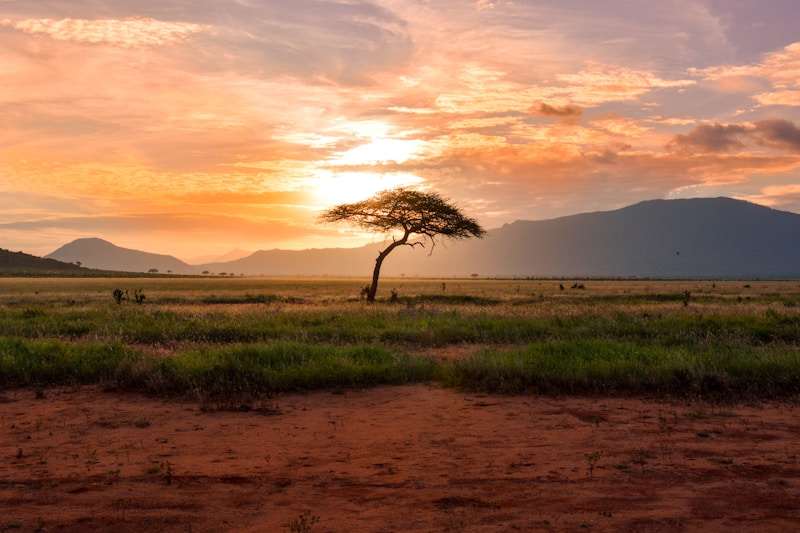
The Maasai: What Life Looks Like When Your Culture Chooses to Stay Itself
The Maasai are among the most recognised peoples on earth and among the least accurately understood. Their beaded jewellery, their red shukas, their jumping dance — the adumu — have been photographed and appropriated so thoroughly that the images have almost separated from the reality. The reality is more interesting. The Maasai of Kenya and Tanzania have maintained their pastoral culture largely intact across centuries of pressure — colonial rule, missionary activity, land enclosure, modernisation — not because they have been isolated but because they have made active choices about what to adopt and what to refuse. Many Maasai children attend modern schools and return to pastoral communities. Many Maasai men carry mobile phones and spend evenings in traditional manyattas. The coexistence is deliberate, not contradictory. Central to Maasai identity is cattle. Cattle are not just economic assets — they are social currency, spiritual objects, and the measure of a man's worth. Wealth is counted in cattle. Ceremonies require cattle. Disputes are settled in cattle. The Maasai traditional diet of milk, meat and blood from living cattle — never plant-based, reflecting the belief that agriculture is beneath a pastoral people — is built around the herd. The adumu, the jumping dance often photographed, is specifically performed by young warriors — ilmorani — and functions as both celebration and display. The height of the jump communicates strength and vigour. It is not performance for outsiders. It is a cultural practice that happens to be spectacular. What the Maasai represent is something rare: a people who looked at modernity and said, we will take what serves us and leave the rest. They are still negotiating that boundary. They are doing it on their own terms.
Read full article →