No messages yet — be the first to share something about Iran!
Sign in to join the chat
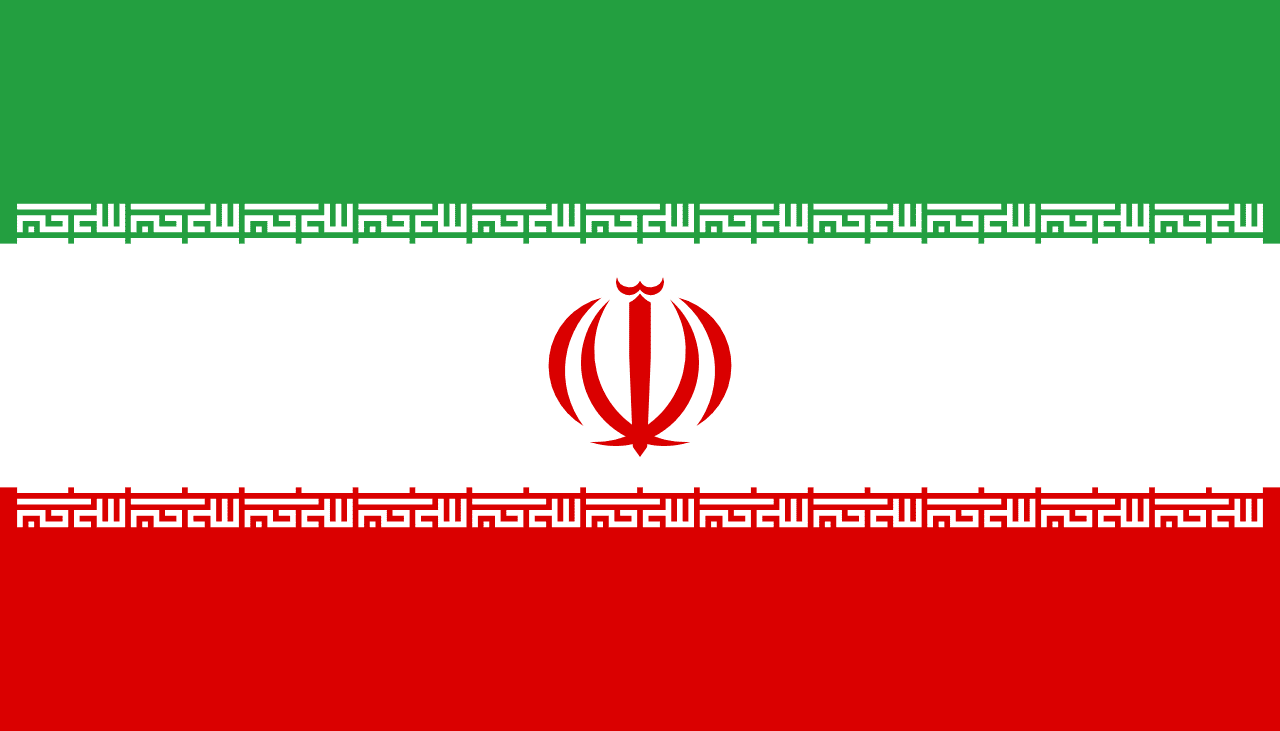
The Food of Iran: 10 Dishes You Must Try
The lush landscapes of Iran, from the mountainous terrains of the Alborz to the sun-baked plains of Khuzestan, create a rich tapestry that is mirrored in its culinary culture. Each region is steeped in history and tradition, and the food reflects the country's diverse heritage. As I wandered through bustling bazaars, with the aroma of spices swirling around me, I was transported to a world where food is not just sustenance but an experience that binds families and communities. Iranian cuisine is a vibrant palette of flavors, colors, and textures that tell the story of a nation, one dish at a time. Join me as I explore ten traditional Iranian dishes that you must try. First on our culinary journey is **Ghormeh Sabzi**. This fragrant stew is often considered the national dish of Iran, and for good reason. The base of Ghormeh Sabzi consists of tender chunks of lamb or beef, infused with a medley of herbs such as parsley, cilantro, and fenugreek, alongside kidney beans and the essential dried lime that gives it a unique tang. The stew is served with rice, often adorned with barberry for a pop of color and a slight tartness. The taste is a delightful balance of savory and sour that dances on your palate. You’ll often find Ghormeh Sabzi being served at family gatherings or in restaurants throughout the country, and each region seems to have its own variation. The best place to enjoy this dish is in a cozy eatery in Tehran, where families gather around steaming plates, sharing laughter and stories. Next is **Fesenjan**, a dish that is as luxurious as it is flavorful. This rich stew combines duck or chicken, slow-cooked in a luscious sauce of ground walnuts and pomegranate molasses. The result is a deep, nutty flavor with a sweet and sour profile that is simply exquisite. When I first tasted Fesenjan at a traditional Persian wedding, I was captivated by its complexity and richness. The dish is often served during special occasions, making it a symbol of hospitality and celebration. If you have the chance, seek out a family-run restaurant in Isfahan, where the locals swear by their grandmother’s secret recipe. No exploration of Iranian cuisine would be complete without **Kebab**, a dish that holds a special place in the hearts of Iranians. There are countless varieties, but **Joojeh Kebab**, made from marinated chicken, grilled to perfection, is a favorite. The chicken is marinated in saffron, lemon juice, and yogurt, which keeps it tender and flavorful. Served with rice and grilled tomatoes, it’s a quintessential dish at picnics and gatherings. The smoky aroma wafts through the air as the kebabs sizzle on the grill, making it impossible to resist. I remember sitting on the banks of the Caspian Sea, sharing Joojeh Kebab with friends, the simple joy of good food and company wrapping us in warmth. Moving on to a dish that represents the heart of Iranian hospitality, we have **Zereshk Polo**. This fragrant saffron rice is garnished with barberries, which add a burst of tartness, making each bite a delightful surprise. Traditionally paired with chicken, Zereshk Polo is a staple during celebrations and family gatherings. The rice is fluffy, and the golden hue from the saffron is a feast for the eyes as much as the palate. I first encountered this dish during a family dinner in Shiraz, where the vibrant colors of the food mirrored the colorful gardens of the city. It’s a dish that tells the story of love and togetherness, making it a must-try for any visitor. Next, we venture into the world of **Dolmeh**, which are stuffed vegetables, usually grape leaves or peppers, filled with a savory mixture of rice, ground meat, and herbs. The combination of flavors is comforting and satisfying, and the presentation is simply beautiful. Dolmeh can be enjoyed as an appetizer or a main dish, often accompanied by a drizzle of yogurt. I had the pleasure of tasting these delightful parcels at a bustling street food stall in Tabriz, where the vendor skillfully wrapped each one with care, ensuring that every bite was packed with flavor. Another dish worth mentioning is **Ash Reshteh**, a hearty noodle soup that is often served during the Persian New Year, Nowruz. This soup is a celebration of ingredients, filled with beans, lentils, vegetables, and herbs, and is topped with a dollop of kashk (fermented whey) for richness. The flavors mingle beautifully, creating a comforting bowl that warms the soul. On a chilly evening in Tehran, I stumbled upon a small eatery where the aroma of Ash Reshteh wafted through the air. Sitting with locals, I watched as they enjoyed this communal dish, sharing laughter and warmth with every spoonful. As we continue our culinary adventure, we encounter **Tahchin**, a Persian rice cake that is both a visual delight and a culinary marvel. Layered with saffron, yogurt, and chicken or lamb, it is baked to create a golden crust that is crispy on the outside yet soft and fluffy on the inside. The combination of flavors in Tahchin is nothing short of heavenly. I first tasted this dish at a family gathering in Yazd, and the love and care put into its preparation were evident in every bite. It’s a dish that brings people together, often enjoyed during special occasions and gatherings. For dessert, one cannot miss **Baklava**, a sweet pastry that has won hearts across the globe, but in Iran, it takes on a unique flair. Made with layers of phyllo dough, nuts, and a sweet syrup flavored with rose water, Iranian baklava is delicately sweet and aromatic. Each bite is a melt-in-your-mouth experience. I discovered this treat at a charming café in Kashan, where the owner proudly shared the secret behind his family’s recipe, which had been passed down through generations. It is customary to serve baklava with tea, making it the perfect way to end a meal and indulge in a moment of sweetness. Lastly, we explore the vibrant world of **Persian Rice**, or **Tahdig**, which is not just a dish but an experience in itself. The crispy layer of rice at the bottom of the pot is considered the centerpiece of any Iranian meal, often fought over by eager diners. The rice is typically flavored with saffron, and the texture is fluffy, creating a perfect foundation for stews and kebabs. At a family dinner in Shiraz, I witnessed the moment of unveiling the pot, the sound of crunching tahdig filling the room with anticipation. It’s a symbol of culinary pride, representing the love and effort that goes into cooking in Iranian culture. As I reflect on my culinary journey through Iran, I can’t help but marvel at the vibrant culture that is interwoven with its food. Each dish tells a story, from the ingredients sourced from local markets to the traditional methods of preparation that have been cherished for generations. If you find yourself in Iran, seek out the bustling bazaars, where spices and fresh produce abound, or the street stalls that serve up fragrant kebabs and warm bread. Family-run restaurants offer authentic flavors that are steeped in tradition, and no meal is complete without the warmth of Iranian hospitality. In conclusion, the food of Iran is a reflection of its rich history and diverse culture. Each dish is a celebration of flavors, colors, and shared experiences that create lasting memories. Whether you are savoring a comforting bowl of Ash Reshteh or indulging in a sweet piece of baklava, you are partaking in a culinary tradition that binds people together. So, take a leap into the world of Iranian cuisine, and let your taste buds embark on a journey that will awaken your senses and warm your heart.
Read full article →The History of Iran: From Ancient Times to Today
# The History of Iran: From Ancient Times to Today The story of Iran is one woven with threads of glory, upheaval, and resilience, harking back to ancient civilizations that thrived in the embrace of rugged mountains and vast plains. From the majestic peaks of the Zagros Mountains to the arid expanses of the Dasht-e Kavir, Iran has long been a land of cultural confluence and innovation. To journey through Iran's history is to traverse the annals of one of the world's oldest continuous civilizations, rich with tales of empires that rose and fell, thinkers who challenged the status quo, and a people whose spirit has endured through centuries of change. ## Ancient and Indigenous History The history of Iran begins in the far reaches of the prehistoric age, with the earliest known inhabitants of the region dating back to the Paleolithic era. Archaeological findings in areas like the Zagros Mountains reveal evidence of human activity, including the famous site of Tappeh Marlik, where artifacts and burial mounds speak of a sophisticated society that practiced agriculture and animal husbandry. By around 3200 BC, the Elamite civilization emerged in the southwest of what is now Iran, marking the dawn of a regional power. The Elamites, who spoke a language isolate and developed their own script, thrived alongside their more famous neighbors, Mesopotamia. They engaged in trade, warfare, and cultural exchange, leaving behind an invaluable heritage that included intricate pottery, monumental architecture, and an impressive pantheon of deities. As time marched on, the Iranian plateau became the stage for the rise of the Medes, a confederation of tribes that began to coalesce around the 7th century BC. Under King Cyaxares, the Medes unified their power and laid the foundations for the mighty Persian Empire. Yet, it was in the 6th century BC that this legacy would truly come to fruition with the emergence of the Achaemenid Empire. ## The Achaemenid Empire: A Pinnacle of Civilization The Achaemenid Empire, founded by Cyrus the Great in 559 BC, marked a watershed moment in Iranian history. With a vision that surpassed mere conquest, Cyrus sought to build a multi-ethnic empire where diverse cultures could coexist. His proclamation of human rights, inscribed on the Cyrus Cylinder, is considered one of the world’s earliest declarations of individual freedom. As the empire expanded, it absorbed vast territories stretching from the Indus Valley to the Mediterranean. The Achaemenids were known for their innovative administrative practices, establishing the concept of satrapies—provinces governed by local rulers—under a centralized authority. This system allowed for the efficient management of resources and the integration of diverse peoples. Among the notable kings was Darius the Great, who not only expanded the empire’s borders but also undertook monumental projects, including the construction of the Royal Road, which facilitated trade and communication. The establishment of Persepolis as a ceremonial capital epitomized the empire's grandeur, showcasing stunning palaces adorned with intricate reliefs that celebrated the empire’s cultural diversity. However, the Achaemenid Empire was not invincible. In 330 BC, it fell to the relentless ambition of Alexander the Great, marking the beginning of a new chapter in Iranian history. The flames of Persian culture, however, were far from extinguished. ## The Hellenistic Period and the Parthian Empire Following Alexander's conquest, the region became part of the Hellenistic world. The Seleucid Empire, founded by one of Alexander's generals, ruled over much of Iran. Yet, this foreign rule could not suppress the enduring spirit of the Persian people. Over the centuries, various local dynasties emerged, culminating in the rise of the Parthian Empire in the 3rd century BC. The Parthians, known for their cavalry and archery skills, resisted both Roman and Seleucid influences, establishing a powerful realm that stretched across the Iranian plateau and into parts of the Near East. Their capital, Ctesiphon, became a hub of commerce and culture, attracting scholars, artisans, and merchants from far and wide. Notable figures of this era include Mithridates I, who expanded Parthian territory and fostered cultural exchanges with the Hellenistic world. The clash between the Romans and Parthians would define much of this period, as the two powers vied for supremacy in the region. ## The Sassanian Empire: A Cultural Renaissance The ascent of the Sassanian Empire in the 3rd century AD marked a renaissance for Persian culture. Founded by Ardashir I, the Sassanian dynasty sought to restore the glory of the Achaemenids. Unlike their Parthian predecessors, the Sassanians emphasized a centralized state, promoting Zoroastrianism as the state religion which became a pivotal influence on Iranian identity. Under the reign of Khosrow I, known for his patronage of the arts and sciences, the Sassanian Empire flourished. Poetry, philosophy, and architecture reached new heights, producing luminaries such as the poet Ferdowsi, whose epic, the "Shahnameh," would immortalize Persian history and mythology. This period also saw the construction of magnificent palaces and fire temples, showcasing advanced engineering and artistry. However, the Sassanian Empire faced challenges from both within and outside its borders. The rise of Islam in the 7th century AD proved to be a seismic shift. The Sassanian Empire succumbed to the Arab conquests, leading to a profound transformation in the region. The fall of the empire in 651 AD marked the beginning of a new era, as Iran was gradually transformed into an Islamic society. ## The Islamic Golden Age and Persian Identity With the advent of Islam, Iran found a new identity. Over the centuries, Persian scholars, poets, and scientists made remarkable contributions to the Islamic Golden Age. The likes of Avicenna (Ibn Sina) and Omar Khayyam emerged, leaving an indelible mark on philosophy, mathematics, and medicine. The Persian language experienced a renaissance during this period, with the emergence of beautiful literary forms such as ghazals, which blended personal emotion with intricate metaphors. The 10th-century poet Rumi became a beacon of mysticism and spirituality, his works transcending borders and resonating with audiences around the globe. The Seljuks, Mongols, and Safavids were among the various dynasties that ruled over Iran in the subsequent centuries. Each contributed to the tapestry of Iranian history, with the Safavid dynasty in the 16th century heralding the establishment of Shi'ism as the state religion, further cementing a distinct national identity. ## The Colonial Era and the Struggle for Independence The 19th century brought about significant challenges for Iran as it faced encroachment from colonial powers like Britain and Russia. The Qajar dynasty, weakened by internal strife and external pressures, found itself embroiled in conflicts that would reshape its destiny. The Treaty of Turkmenchay in 1828 exemplified the humiliation faced by Iran, ceding territory and sovereignty to foreign powers. Amidst growing discontent, a wave of reformist movements emerged in the early 20th century, culminating in the Constitutional Revolution of 1905. Intellectuals, merchants, and ordinary citizens rallied for democratic reforms, culminating in the establishment of a constitutional monarchy. However, these aspirations would be met with resistance from both traditionalists and foreign powers, paving the way for continued instability. ## The Formation of Modern Iran The 20th century heralded a new chapter, particularly with the rise of Reza Shah Pahlavi in the 1920s. Seeking to modernize Iran and centralize power, he initiated a series of reforms that transformed the country’s political, economic, and social fabric. The construction of railways, modernization of the military, and promotion of secular education were among his significant contributions. However, the Shah’s authoritarian rule and Western alignment alienated many segments of society. By the late 1970s, dissent simmered, culminating in the Iranian Revolution of 1979. The overthrow of the Shah and the establishment of the Islamic Republic under Ayatollah Khomeini marked a radical shift in Iran's political landscape. What began as a movement seeking democracy morphed into a theocratic government, echoing the complexities of Iranian identity and history. ## Iran Today: Resilience and Change Today, Iran stands at a crossroads, grappling with the challenges of modernization, economic sanctions, and a quest for national identity. The 21st century has seen waves of protests, demands for reform, and a continued struggle for civil liberties. The country remains rich in cultural heritage, with its people fiercely proud of their history and contributions to civilization. Iranian society is marked by its diversity, with various ethnic groups coexisting within its borders, each contributing to the nation’s rich tapestry. From the bustling bazaars of Tehran to the historic sites of Isfahan and Shiraz, Iran continues to be a land of beauty, intrigue, and resilience. As the world watches with bated breath, the future of Iran remains uncertain yet laden with possibilities. The spirit of a civilization that has weathered millennia of change endures, and as history has shown, the narrative of Iran is far from over. In the grand tapestry of human history, Iran's story is a testament to the enduring power of culture, the complexity of identity, and the unyielding quest for freedom. The echoes of its past resonate today, reminding us that history is not just a collection of events, but a living, breathing entity that shapes the present and inspires the future.
Read full article →Hidden Gems of Iran: Places Most Tourists Miss
When we think of Iran, images of grand mosques, bustling bazaars, and the historic ruins of Persepolis often dominate our minds. While these iconic sites are undeniably breathtaking, they only scratch the surface of what this enchanting country has to offer. Beyond the well-trodden tourist paths lies a treasure trove of hidden gems, off-the-beaten-path places, and unique experiences waiting to be discovered. For the adventurous traveler willing to look a little deeper, Iran brims with quaint villages, stunning natural landscapes, and rich cultural traditions that provide a more authentic glimpse into the heart of this fascinating nation. Let’s embark on a journey through some of Iran's lesser-known corners, where each destination tells a story, and every experience is a chance to connect with the local culture and hospitality. Nestled in the lush foothills of the Alborz Mountains, the picturesque village of Masuleh is a sight to behold. Its tiered architecture, where houses are built on top of one another, creates a unique and charming atmosphere, with narrow alleyways winding through the village. The entire settlement is a delightful shade of ochre, blending harmoniously with the surrounding verdant landscape. Masuleh is not just about the scenery; it also offers opportunities for hiking and exploring the nearby forests. To reach this hidden gem, take a bus from Rasht, which will take you through scenic mountain roads. The best time to visit is in spring when flowers bloom, and the air is filled with the scent of fresh greenery. A short drive from Masuleh, you will find the stunning Gilan province, famous for its natural beauty and rich cultural heritage. One of its hidden treasures is the quaint village of Rasht, known for its vibrant bazaars and delicious cuisine. Rasht is often overlooked by international travelers, yet it is the culinary heart of Iran, offering a unique array of local dishes such as Mirza Ghasemi and Fesenjan. The city's lively atmosphere can be experienced within its vibrant markets, where locals gather, and the air is filled with the aroma of spices and freshly baked bread. Rasht is easily accessible via a short bus ride from Tehran, and visiting during the Gilan Cultural Festival in the spring can enhance your experience, offering a glimpse into traditional music, dance, and local crafts. If you seek a slice of history, head to the ancient village of Abyaneh, located in the central plateau of Iran. This red-hued village, with its mud-brick houses and narrow winding paths, has remained largely untouched by modernity. Abyaneh is known for its rich cultural traditions, and you can experience the unique local customs and attire of its residents, who still speak a dialect of Persian that reflects the region's history. To get there, take a bus from Isfahan, which takes about three hours. The best time to visit is during the spring and autumn months when the village is enveloped in a colorful tapestry of flowers and changing leaves. For nature enthusiasts, the stunning landscapes of the Kamasar Mountains in the northern province of Zanjan offer a breathtaking retreat from the bustle of the cities. Known for its towering peaks, crystal-clear rivers, and diverse flora and fauna, this region is a paradise for trekkers and adventurers alike. The village of Kamasar serves as a gateway to explore the untamed beauty of the mountains. Here, you can engage with local shepherds and learn about their way of life, accompanied by breathtaking views and the soothing sounds of nature. Reaching Kamasar requires a car from Zanjan, and the best months to hike are during spring and late summer when the weather is mild. One of the most captivating experiences in Iran is the chance to participate in local festivals, and few are as vibrant as the Sadeh Festival in the city of Yazd. This ancient midwinter festival celebrates the discovery of fire and is marked by music, dance, and the lighting of bonfires. The festival usually takes place in late January, drawing locals and visitors alike who come together to enjoy traditional performances and delicious local cuisine. Yazd itself is an architectural marvel, with its wind-catching towers and labyrinthine alleys, making it a perfect backdrop for this cultural celebration. The city is well-connected by bus and train from major cities like Tehran and Isfahan. As we traverse the captivating landscapes of Iran, we must not overlook the mesmerizing beauty of the Lut Desert, a UNESCO World Heritage Site. While many might gravitate toward the more commercialized sites, the Lut Desert offers a surreal experience of vast dunes, unique rock formations, and breathtaking landscapes that feel otherworldly. The Kalouts, colossal rock formations shaped by the wind, create a stunning canvas that shifts colors with the sunlight. The best time to visit is during the cooler months from November to March, and guided tours from nearby cities like Kerman can lead you to this hidden wonder. Another hidden gem lies in the heart of southern Iran: the island of Hormuz. Known as the "Rainbow Island," Hormuz is famous for its stunning landscapes, unique red soil, and vibrant culture. The island is rich in history, with remnants of ancient civilizations and beautiful beaches that beckon travelers looking for tranquility and natural beauty. One of the island’s highlights is the Hormuz Island Festival, which showcases local art, music, and cuisine. Reaching Hormuz is a simple ferry ride from Bandar Abbas, making it an accessible escape for those seeking an authentic experience away from the tourist trail. For a taste of rural life, head to the village of Kargan, located near the city of Shiraz. This serene village is known for its lush orchards and traditional Persian gardens, offering a peaceful retreat from the hustle and bustle of city life. Visitors can participate in local farming activities, learn about traditional irrigation methods, and even try their hand at making local delicacies. The friendly villagers are always eager to share their stories and customs, making it a perfect spot for those looking to immerse themselves in authentic Persian culture. Kargan is easily accessible via a short taxi ride from Shiraz, and spring is the ideal time to witness the orchards in full bloom. Lastly, for those intrigued by the Great Salt Desert, the small town of Kashan offers a unique experience. While many travelers stop by to see the historic homes and gardens, few venture out to the salt flats and desert landscapes surrounding the town. The salt formations create a stunning and eerie beauty, perfect for photography and introspection. You can also explore the nearby Maranjab Desert, known for its dunes and starry nights. To reach Kashan, take a train from Tehran, and make sure to set aside time to explore the salt flats, especially during sunrise or sunset when the colors come alive. As you navigate through these hidden gems across Iran, here are some practical tips to ensure your experience is both rewarding and enjoyable. First, learn a few basic Persian phrases; the locals appreciate the effort, and it can enhance your interactions significantly. Always carry cash, as smaller towns may not accept credit cards. Consider traveling during the shoulder seasons (spring and autumn) for milder weather and fewer crowds. Consult local guides or join small group tours to dive deeper into the culture and history of each destination. Lastly, keep an open mind and a spirit of adventure, as the unexpected often leads to the most memorable experiences. In conclusion, while Iran may be known for its historic sites and bustling cities, the true heart of this beautiful country lies in its hidden gems. From picturesque villages and vibrant festivals to stunning natural landscapes and authentic experiences, there’s so much more to discover for those willing to venture off the beaten path. By exploring these lesser-known corners, you’ll gain a deeper understanding of Iran's rich culture and create unforgettable memories that will stay with you long after your journey ends. So pack your bags, embrace the spirit of adventure, and get ready to uncover the wonders of Iran that most tourists miss.
Read full article →What It's Really Like to Live in Iran
**What It's Really Like to Live in Iran** Living in Iran is a unique tapestry woven from ancient traditions, modern realities, and a resilience that defines the spirit of its people. As someone who has spent years in this beautiful country, I’ve experienced both the challenges and the marvels of everyday life here. From the bustling bazaars of Tehran to the serene landscapes of Isfahan, every day offers a blend of excitement and reflective moments. Daily life in Iran often begins early. The sun rises over the mountains, casting shadows across the streets filled with vendors setting up their stalls. By 8 a.m., the streets are alive, with people rushing to work, students heading to school, and families gathering for breakfast. Breakfast often consists of the simple yet satisfying “nan” (bread) paired with “doogh” (a yogurt drink) or tea, which is more than just a beverage—it’s a symbol of hospitality and warmth. A loaf of fresh bread typically costs around 10,000 rials, making it an affordable staple for most families. The cost of living in Iran can vary greatly depending on the city. In Tehran, rent for a modest apartment can range from 20 to 50 million rials per month, while in smaller cities like Yazd or Shiraz, it may drop to around 10 to 30 million rials. Despite international sanctions impacting the economy, many find that the cost of essentials like food and transportation remains relatively low. A meal at a local restaurant can cost as little as 100,000 rials, while street food like kebab or “sambuseh” (a spicy pastry filled with meat or vegetables) can be enjoyed for less than 50,000 rials. Food culture is a cornerstone of Iranian life. Gatherings revolve around meals, and sharing food is a time-honored tradition. Iranian cuisine is a delightful fusion of flavors, featuring fragrant spices, fresh herbs, and vibrant ingredients. One of the most popular dishes, “chelow kebab,” is a must-try. It consists of grilled meat served over fluffy saffron rice, often accompanied by grilled tomatoes and fresh herbs. Additionally, sweets play a vital role in Iranian hospitality. Delicacies like “baklava” and “saffron ice cream” can be found in every corner, often served to guests as a gesture of goodwill. Social customs in Iran are rich and varied, reflecting a society deeply rooted in both tradition and modernity. Greetings are warm and personal; it’s common to shake hands or embrace when meeting friends. Iranians have a knack for hospitality that often leaves foreigners in awe. Invitations to someone’s home are frequent, and one almost always brings a gift—perhaps a box of sweets or a fruit basket. When invited, it’s polite to inquire about the family and make small talk about daily life. The phrase “khodahafez” meaning “God protect you,” is commonly used as a farewell, imbuing even simple goodbyes with a sense of care. Family life in Iran is central to the social structure. Families are often large and close-knit, offering support in both good and challenging times. Traditional gender roles still play a significant role in many households, with men often being the primary breadwinners and women taking on nurturing roles. However, this is gradually changing, particularly in urban areas where women are increasingly pursuing higher education and careers. It’s not uncommon to see women in professional settings, wearing a mix of traditional hijabs and modern attire, a testament to the evolving nature of societal norms. Family gatherings are frequent, often revolving around communal meals, where shared stories and laughter echo through homes. Work culture in Iran can be both invigorating and challenging. The typical workweek runs from Saturday to Thursday, with Friday being a day of rest. Many businesses open around 8 a.m. and close by 5 p.m., but it’s not unusual for people to work longer hours, especially in competitive industries. The workplace atmosphere can be quite hierarchical, and respect for seniority is paramount. However, Iranians are also known for their creativity and problem-solving skills, often finding innovative ways to adapt to economic constraints. Weekends in Iran are a time for family and leisure. Fridays are cherished, with many people taking day trips to nearby mountains or parks. The weather can greatly influence weekend activities; in the summer, families flock to cooler heights like the Alborz mountains, enjoying picnics and hiking. In contrast, during colder months, the atmosphere shifts to cozy indoor gatherings with warm meals and tea. The parks are filled with families, friends, and lovers enjoying each other’s company, often engaged in board games, card games, or just sharing stories. The phrase “bazi konim” means “let’s play,” which you might hear echoing among children and friends alike in these vibrant spaces. Iran’s weather greatly shapes life here. The country boasts a diverse climate, with scorching summers and cold winters in many regions. In Tehran, summer temperatures can soar above 40°C (104°F), while winters can see snow in the mountains. This weather pattern influences not just leisure activities but also daily routines. For example, during the hot summer months, many people wake up early to complete their errands before the heat sets in, often enjoying a leisurely afternoon indoors with family or friends. Despite its beauty, life in Iran comes with challenges. International sanctions have put pressure on the economy, leading to inflation and a fluctuating currency. Everyday items can become more expensive, and access to certain goods can be limited. Many people have had to adapt, finding creative ways to make do with what they have. Yet, amidst these challenges, there is a prevailing sense of hope and resilience that characterizes the Iranian spirit. The locals often joke, “If we can survive this, we can survive anything,” showcasing their humor in the face of adversity. On the positive side, living in Iran offers a deep sense of identity and belonging. The rich history, the warm people, and the breathtaking landscapes provide a backdrop for a fulfilling life. Festivals like Nowruz (the Persian New Year) bring the entire country together in celebration, symbolizing hope and renewal. The streets come alive with joyous festivities, vibrant colors, and delicious food, a reminder of the shared culture that binds Iranians together. Foreigners often find themselves surprised by the warmth and hospitality of Iranians. The media often portrays Iran through a narrow lens, but the reality is a tapestry of kindness, laughter, and community. Visitors frequently comment on the genuine interest Iranians show in their lives, asking questions about their culture and sharing stories. The phrase “khodet ro be khodam deh” meaning “take care of yourself,” encapsulates the warmth that permeates these interactions. In summary, life in Iran is a rich blend of tradition, resilience, and community. It’s a place where the daily hustle is infused with warmth and where family ties are celebrated in every corner. From the bustling bazaars to the serene parks, the laughter shared over meals, or the quiet moments spent in the sun, every day reveals a new facet of this vibrant culture. While challenges exist, the spirit of the people shines brightly, making Iran not just a country to live in but a place to call home.
Read full article →Why Visit Iran
Iran is one of the world's oldest civilizations and one of its most misunderstood destinations. Travelers who make the journey discover a country of staggering historical depth, architectural brilliance, extraordinary natural landscapes, and some of the most generous hospitality encountered anywhere in the world. Isfahan centers on the Naqsh-e Jahan Square — one of the largest and most beautiful public squares ever built. The Imam Mosque with its soaring turquoise tilework and the Sheikh Lotfollah Mosque, which glows amber at sunset, achieve a perfection of Islamic geometric art. Shiraz is the city of poets, gardens, and wine-dark roses. Nearby Persepolis — the ceremonial capital of the Achaemenid Empire — stands in haunting, colossal ruins with columns and bas-reliefs among the finest in the ancient world. Yazd, a mud-brick city inhabited continuously for three millennia, is a UNESCO testament to desert architecture. Wind towers, Zoroastrian fire temples holding flames burning for 1,500 years, and the ancient bazaar define its character. Tehran, at the foot of the Alborz Mountains, has the National Museum, the Grand Bazaar, and mountain neighborhoods with cafes and ski resorts within easy reach. Persian cuisine is ancient and elegant: saffron-scented rice dishes, pomegranate and walnut stew, herb-filled flatbreads, and the sour-sweet flavor profiles that have influenced cooking from Istanbul to Delhi. Spring and autumn offer the most comfortable temperatures. Iran rewards those willing to look beyond the headlines.
Read full article →Iran: Ancient Civilisation, Persian Poetry and the Art of Ta'arof
Iran is the heir to one of the oldest continuous civilisations on earth. Persia — the empire whose cultural and political influence stretched from Greece to India — produced architecture at Persepolis that still astonishes visitors, poetry by Rumi and Hafez that is still read daily by millions, and a tradition of miniature painting, carpet weaving, and metalwork that shaped the visual culture of half the world. The Islamic Republic that governs modern Iran is forty years old. The civilisation beneath it is three thousand. Persian poetry is not a historical curiosity in Iran — it is a living practice. Iranians of all backgrounds can quote Hafez and Rumi from memory with the ease that educated Westerners might quote Shakespeare — and with considerably more daily frequency. Yalda Night, the winter solstice celebration, involves families gathering to read Hafez aloud and eat pomegranates and watermelon until midnight. Poetry is the social glue that holds the culture together across its many political and religious divisions. Ta'arof is the elaborate Persian system of ritual courtesy that governs social interactions. When you offer to pay and someone declines, you offer again, they decline again, you offer a third time — and only then is the actual negotiation beginning. When invited to eat and you say you are not hungry, you will be fed regardless. When complimented, you deny the compliment and attribute the good fortune to your host. Ta'arof is not dishonesty. It is a system for maintaining dignity and respect in social interactions through a shared ritual language that everyone understands.
Read full article →