No messages yet — be the first to share something about Iceland!
Sign in to join the chat

The Food of Iceland: 10 Dishes You Must Try
The Food of Iceland: 10 Dishes You Must Try Nestled between the icy waters of the North Atlantic and the rugged terrain of the Arctic Circle, Iceland is a land of striking contrasts. Its dramatic landscapes, dotted with volcanoes, geysers, and glaciers, create a backdrop as unique as its culinary culture. When I first set foot in this breathtaking island nation, I was eager to experience not only its stunning vistas but also the rich tapestry of flavors that defines Icelandic cuisine. Rooted in centuries of tradition, shaped by the elements, and influenced by both history and geography, Iceland's food is a celebration of what the land and sea can provide. Today, I invite you to join me on a culinary journey through Iceland, where we'll explore ten must-try dishes that capture the essence of this extraordinary country. First on our gastronomic adventure is **Hákarl**, the infamous fermented shark that has become a symbol of Icelandic cuisine. Traditionally made from Greenland shark, which is toxic when fresh, hákarl undergoes a meticulous fermentation process that involves burying the fish in the ground for several months. The result is a unique dish with a strong ammonia aroma and a flavor that can be polarizing. Some describe it as having a rich, earthy taste, while others find it challenging. Fortunately, hákarl is often served with a shot of Ísland’s fiery spirit, Brennivín, to cut through its intensity. You can find hákarl served in traditional restaurants like Þrír Frakkar in Reykjavík, where it is often accompanied by stories of its preparation and cultural significance. Next, we encounter **Svið**, or singed sheep’s head. This dish may sound daunting, but it holds a special place in Icelandic hearts. Traditionally prepared for Þorrablót, a midwinter festival, svið showcases the resourcefulness of Icelanders who utilized every part of the animal. The sheep's head is singed, boiled, and served with mashed potatoes and a rich, creamy sauce. When I first tasted it, I was pleasantly surprised by the tender meat and rich flavors, particularly when seasoned with a sprinkle of salt. You might find svið at specific festivals or specialty restaurants like Matur og Drykkur, where the chefs take the time to honor tradition while making the dish approachable for newcomers. If you’re in the mood for something more familiar yet distinctly Icelandic, look no further than **Plokkfiskur**, a comforting fish stew. This dish is made with boiled white fish, potatoes, onions, and a creamy béchamel sauce, resulting in a hearty meal that warms the soul, especially during the long winter months. Each family has its own twist on this classic, often incorporating leftover fish for a zero-waste dish. Plokkfiskur is often served with dark rye bread, and I found it best enjoyed in cozy cafés like Café Loki, where you can soak in the local atmosphere while savoring this delicious stew. Another culinary treasure is **Rúgbrauð**, Icelandic rye bread. This dense, dark bread is traditionally baked in the ground, harnessing the geothermal heat that Iceland is famous for. With its slightly sweet flavor and moist texture, rúgbrauð pairs wonderfully with butter or smoked fish. I discovered a hidden gem in the town of Akureyri, where a local bakery offered freshly baked rúgbrauð, served with slices of smoked salmon and dill. The experience was a reminder of how simple ingredients can come together to create something truly special. Next, we meet **Skyr**, a thick and creamy dairy product that boasts a texture similar to Greek yogurt. Skyr has a long history in Iceland, dating back to the Vikings, and is packed with protein and probiotics. Available in a variety of flavors, from berries to vanilla, skyr is not only a staple for breakfast but also serves as a delightful dessert. I savored my first bowl of skyr at a charming little café in the heart of Reykjavík, where it was topped with fresh fruit and a drizzle of honey. The subtle tanginess and velvety texture made it an instant favorite, and I soon found myself seeking it out at every meal. A dish that truly encapsulates the spirit of Icelandic culinary ingenuity is **Þorramatur**, a traditional platter of assorted delicacies, primarily served during the Þorrablót festival. This colorful spread includes everything from cured meats and fish to pickled vegetables and fermented delicacies. Each bite tells a story, reflecting the preservation techniques passed down through generations. As I sampled the various components of þorramatur, I felt a deep connection to the land and its people, a reminder that food is a bridge to understanding culture. You can find þorramatur served at many restaurants during the winter months, with the best selections often found at specialized eateries like Café Glo. Continuing our culinary exploration, we come to **Kjötsúpa**, a warming lamb soup that embodies the spirit of Icelandic home cooking. Made from slow-cooked lamb, root vegetables, and herbs, kjötsúpa is the ultimate comfort food, especially on chilly days. The rich broth is fragrant and hearty, making it a favorite among locals and visitors alike. I enjoyed a bowl of this soul-soothing soup at a rustic restaurant in the countryside, where the flavors of the land truly shined through. Paired with freshly baked bread, it was the perfect way to recharge after a day spent exploring the stunning landscapes. For those with a sweet tooth, **Pönnukökur** is a must-try. These Icelandic pancakes are thin and delicate, often served with sugar, jam, or whipped cream. I remember my first taste of pönnukökur at a family’s summer cottage, where they were served fresh off the griddle. The pancakes are light and slightly chewy, while the toppings add a burst of flavor. Whether enjoyed as a breakfast treat or a dessert, pönnukökur embodies the warmth of Icelandic hospitality. You can find them in cafés and bakeries across the country, often made fresh to order. Finally, we arrive at **Lamb**, an integral part of Icelandic cuisine, celebrated for its unique flavor due to the sheep grazing on wild herbs and grasses. Roasted lamb is a popular dish, especially during festive occasions. I had the pleasure of enjoying succulent lamb at a local restaurant, cooked to perfection and served with seasonal vegetables. The meat was tender and flavorful, a true testament to the quality of Icelandic ingredients. You can find delicious lamb dishes at many establishments, but for a truly memorable experience, consider dining at a farm-to-table restaurant that sources their ingredients locally. As my culinary journey through Iceland came to a close, I realized that the heart of Icelandic cuisine lies not only in its unique flavors but also in the stories woven into each dish. The ingredients reflect the land and sea, while the preparation methods reveal the resilience and creativity of the people. If you’re planning a trip to this incredible country, be sure to explore its food scene. From bustling markets to cozy street stalls and inviting restaurants, you’ll find a wealth of experiences waiting to be savored. The best way to immerse yourself in Icelandic culture is through its food, so grab a fork and dive in—there's a world of flavor waiting for you!
Read full article →The History of Iceland: From Ancient Times to Today
**The History of Iceland: From Ancient Times to Today** Iceland, the land of fire and ice, is a treasure trove of natural beauty and cultural richness, but its history is equally compelling. From the early settlers who braved the North Atlantic to the modern nation that stands as a beacon of democracy and sustainability today, Iceland's journey through the ages is marked by resilience, innovation, and an unyielding spirit. ### The Ancient and Indigenous Beginnings Long before Iceland was charted on European maps, its land lay untouched, a stark wilderness formed by volcanic eruptions and glacial movements. The first glimpses of human presence appeared in the late 9th century AD, primarily through Norse settlers from Norway. But before the Vikings claimed the land, there were whispers of Irish monks, known as "Papars," who might have reached Iceland around the 8th century, drawn perhaps by its serene landscapes. The Norse explorer Flóki Vilgerðarson is credited with the first significant settlement around 874 AD. Legend has it that he named the island "Iceland" after witnessing a large iceberg drifting in a fjord. Flóki's tales, however, were not mere fables; they marked the beginning of a new chapter in Iceland’s history. The Norsemen brought with them their customs, beliefs, and a deep connection to the sagas of their ancestors. ### The Emergence of the Althing As the Viking Age progressed, Iceland began to develop its own identity. By the year 930 AD, the Althing, one of the world’s oldest parliaments, was established at Þingvellir. This gathering was not merely a bureaucratic assembly; it represented a profound leap toward collective governance among the disparate chieftains, known as "goðar." The Althing served as a forum for settling disputes, making laws, and discussing matters of common interest, echoing the democratic ideals that would resonate throughout centuries. It was here that the seeds of Icelandic law and society were planted, intertwining their fates with the land’s unforgiving nature. The sagas, rich narratives that spoke of gods, heroes, and the complexities of human emotion, flourished during this period, capturing the essence of Icelandic culture and identity. ### The Age of the Chieftains The following centuries saw the rise of the chieftain system, characterized by a fractious society with powerful families vying for control. While this era was marked by civil strife and conflict—often fought over land and influence—it also laid the groundwork for a distinctly Icelandic culture. Poets, writers, and historians flourished, contributing to the literary legacy that remains a source of pride today. However, the political landscape shifted drastically in the 13th century when civil war and rivalry led to a significant turning point: the signing of the Old Covenant in 1262-1264. This agreement with the Norwegian crown effectively made Iceland a part of Norway, a transition that would have lasting implications. While some Icelanders welcomed the stability that came with a unified kingdom, others lamented the loss of their autonomy, setting the stage for a future of complex relationships with external powers. ### The Kalmar Union and Danish Rule As the winds of change swept through Europe, Iceland found itself caught in the shifting tides of power. By the late 14th century, the Kalmar Union united the crowns of Denmark, Norway, and Sweden, further entwining Iceland with the Danish crown. The union, while aiming for collaborative governance, ultimately led to an era of direct Danish rule after Norway fell into a personal union with Denmark in the early 16th century. This period was characterized by hardship and isolation. The Black Death struck in the mid-14th century, decimating the population and plunging the land into a struggle for survival. In the centuries that followed, Denmark imposed strict trade restrictions, stifling Iceland’s economy and leaving the islanders dependent on their foreign rulers. Yet, amidst the adversities, Icelanders displayed remarkable resilience. The 17th century gave birth to the notion of national identity, with figures like the poet and scholar Eggert Ólafsson advocating for the Icelandic language and culture. The first Icelandic dictionary was compiled during this time, a testament to the enduring spirit of a people determined to maintain their heritage. ### The Road to Independence The 19th century heralded an era of awakening. Inspired by nationalist movements across Europe, Icelanders began to reclaim their identity. Leaders such as Jón Sigurðsson emerged as pivotal figures in the struggle for autonomy, advocating for constitutional rights and the revival of Icelandic culture. His tireless efforts culminated in the establishment of the Icelandic National Theatre in 1897, a platform that celebrated the unique stories of the nation. The push for independence gained momentum following World War I. As Europe reeled from the ravages of war, the Treaty of Versailles recognized Iceland as a sovereign state in 1918, albeit still under the Danish crown. This newfound status fostered a sense of hope and ambition among Icelanders, who began to envision a future free from foreign domination. By 1944, amid the global upheaval of World War II, Iceland seized the moment to declare full independence from Denmark. On June 17, the nation officially became a republic, an event commemorated every year as Iceland’s National Day. This was not just a political victory, but a cultural renaissance, instilling national pride in a generation that had fought for self-determination. ### Modern Iceland: Challenges and Triumphs In the years following independence, Iceland embarked on a journey of transformation. The rebuilding of the nation was swift, with the government investing in infrastructure and education. The fishing industry, vital to the economy, flourished, transforming Iceland into a significant player in international trade. However, the path was not without its challenges. The 2008 financial crisis hit Iceland hard, exposing vulnerabilities within its banking system. The collapse of major banks led to widespread economic turmoil and social unrest. But true to form, Icelanders rallied together, demanding accountability and reform. The government responded with transparency, leading to a revolutionary new constitution drafted by a council of citizens. While not yet adopted, this effort showcased the country’s commitment to democracy and the power of the people. In the years that followed, Iceland became a model for sustainability and egalitarianism. Boasting one of the highest standards of living in the world, it has consistently ranked among the top countries for gender equality and environmental sustainability. The nation has embraced renewable energy sources, drawing on its geothermal and hydroelectric potential, creating a green narrative that resonates globally. ### A Nation of Storytellers Throughout its history, Iceland has remained a nation defined by its stories—tales of gods and giants, love and betrayal, perseverance and triumph. Today, these narratives continue to flourish, with the Reykjavik International Literary Festival celebrating the rich literary tradition that stretches back to the sagas. As we reflect on the history of Iceland, we see a land that has weathered storms—both literal and metaphorical. From the harsh realities of survival in a remote landscape to the triumphs of independence and the pursuit of a sustainable future, Iceland stands as a testament to the human spirit’s resilience. In our modern age, the Icelandic identity is vibrant, steeped in folklore, art, and an unwavering sense of community. From the bubbling hot springs to the ethereal Northern Lights, Iceland is more than just a geographical location; it is a living tapestry of history, culture, and extraordinary natural wonders. As we look to the future, Iceland remains a beacon of hope and a reminder that even in the harshest of environments, a strong sense of identity and community can help us to rise, time and time again.
Read full article →Hidden Gems of Iceland: Places Most Tourists Miss
When most travelers think of Iceland, they envision the dramatic landscapes of the Golden Circle, the ethereal glow of the Northern Lights, or the bustling streets of Reykjavik. While these experiences are undoubtedly spectacular, they often overshadow the country’s myriad hidden gems—mystical places that remain off the typical tourist trail. If you’re willing to venture beyond the well-trodden paths, Iceland offers a treasure trove of enchanting villages, stunning natural sites, and unique cultural experiences that promise to reveal the true heart of this Nordic wonderland. Let’s embark on a journey through some of Iceland’s best-kept secrets—places that allow you to immerse yourself in the country’s rich heritage, breathtaking scenery, and friendly local communities. One such hidden gem is the village of Seyðisfjörður, located in the Eastfjords. Tucked away between steep mountains and shimmering blue waters, this quaint village is a haven for artists and nature lovers alike. Seyðisfjörður boasts charming wooden houses painted in vibrant colors, creating a picturesque backdrop that feels like stepping into a storybook. The village is also steeped in culture, hosting an annual arts festival that attracts artists from around the world. To reach Seyðisfjörður, you’ll drive along the scenic Route 93, which offers breathtaking views of the fjord and surrounding landscapes. The journey itself is just as rewarding as the destination. Next on our list is the stunning Múlagljúfur Canyon, a natural marvel that is often overlooked by visitors rushing to the more famous Vatnajökull National Park. This hidden canyon is a photographer’s dream, with towering cliffs, cascading waterfalls, and lush green valleys. The area is also home to diverse wildlife, including reindeer and various bird species. To access Múlagljúfur Canyon, take the Ring Road to the junction with Route 1, then follow the winding road that leads to the canyon. Once there, embark on a hike along the canyon’s edge for unforgettable views that will leave you in awe of Iceland’s unspoiled wilderness. For those seeking a unique cultural experience, a visit to the small town of Vík í Mýrdal is essential. Located along the southern coast, Vík is famous for its dramatic black sand beaches and stunning basalt columns, but what truly sets it apart is its rich history and community spirit. Here, you can explore the charming local church, which sits atop a hill offering panoramic views of the surrounding landscape. Vík also hosts various festivals throughout the year, including a lively midsummer celebration that features traditional music, dance, and local cuisine. To reach Vík, simply follow the Ring Road from Reykjavik, and enjoy the breathtaking coastal scenery along the way. If you’re looking for an authentic Icelandic experience, head to the village of Þingeyri, a hidden gem in the Westfjords. This small fishing village is known for its friendly locals and breathtaking landscapes, including towering mountains and dramatic fjords. Þingeyri is also home to the iconic Þingeyrarkirkja, a beautiful church that dates back to the 19th century. The village’s rich fishing heritage is celebrated through local festivals and events, where you can sample delicious seafood dishes and engage with the community. To get to Þingeyri, you’ll need to take a ferry from the town of Brjánslækur, which offers a scenic journey across the fjord. Another fantastic spot that deserves a mention is Landmannalaugar, a geothermal wonderland in the highlands of Iceland. While it has gained some recognition among avid hikers, it still remains relatively unknown to the average tourist. Landmannalaugar is famous for its colorful rhyolite mountains, hot springs, and stunning hiking trails. The Laugavegur trail, one of Iceland’s most popular hikes, begins here and takes you through a mesmerizing landscape of vibrant colors and unique geological formations. To reach Landmannalaugar, you can either drive along the rugged F-roads or take a bus from Reykjavik during the summer months. Be sure to pack your swimsuit for a dip in the soothing hot springs after your hike! For a taste of Icelandic folklore and history, consider a visit to the village of Skagaströnd in North Iceland. This charming coastal town is known for its rich cultural heritage and stunning natural surroundings. Skagaströnd is home to the famous Icelandic poet and writer, Halldór Laxness, and the town celebrates its literary legacy through various events and festivals. The local museum also showcases the region’s history, providing insight into the lives of Icelanders over the centuries. To get to Skagaströnd, take the scenic Route 1 along the northern coast, which offers breathtaking views of the ocean and mountains. If you’re in the mood for adventure, don’t miss the opportunity to explore the hidden waterfalls of Hraunfossar and Barnafoss. Located near the town of Borgarnes, these stunning waterfalls are often overshadowed by more famous sites, but their beauty is truly captivating. Hraunfossar is unique in that it flows over a lava field, creating a series of gentle cascades that seem to emerge from the ground. Barnafoss, on the other hand, is known for its turbulent waters and fascinating rock formations. The area is easily accessible by car from Reykjavik, making it a perfect day trip for those looking to escape the crowds. Another hidden treasure is the town of Akranes, located just a short drive from Reykjavik. While most tourists flock to the capital, Akranes offers a glimpse into everyday Icelandic life, complete with beautiful beaches, cozy cafes, and friendly locals. The Akranes Lighthouse, which dates back to the 20th century, is a must-visit for its stunning views of the surrounding coastline and mountains. The town also hosts a popular annual festival celebrating the summer solstice, where you can immerse yourself in local traditions and festivities. To get there, simply take the Ring Road north from Reykjavik, and enjoy the scenic journey along the coast. One last hidden gem worth mentioning is the serene Snæfellsnes Peninsula, often referred to as “Iceland in Miniature.” This stunning region is home to diverse landscapes, including volcanic craters, charming fishing villages, and dramatic sea cliffs. While the peninsula has gained some popularity, many of its lesser-known attractions remain undiscovered. For instance, the quaint village of Arnarstapi offers breathtaking coastal views and intriguing rock formations that are perfect for exploration. The mystical Snæfellsjökull National Park, with its glacier-capped volcano, is also a must-visit for those seeking adventure. To reach the Snæfellsnes Peninsula, drive along Route 54 from Reykjavik, and take your time to soak in the breathtaking scenery. As you plan your adventure to Iceland, keep in mind a few practical tips to make the most of your journey. First, consider traveling during the shoulder seasons of late spring or early autumn to avoid the crowds and enjoy milder weather. Second, rent a car to explore these hidden gems at your own pace, as many of these locations are best reached by road. Lastly, be sure to engage with the locals wherever you go; they hold the key to uncovering the best-kept secrets of their unique culture and traditions. In conclusion, Iceland is a land filled with magic and wonder, waiting to be explored beyond the usual tourist hotspots. By venturing off the beaten path, you’ll discover hidden gems that showcase the country’s stunning natural beauty, rich history, and warm-hearted communities. Whether it’s the vibrant village of Seyðisfjörður or the geothermal paradise of Landmannalaugar, these lesser-known places promise unforgettable experiences that will leave you with lasting memories of your Icelandic adventure. So pack your bags, hit the road, and get ready to uncover the hidden treasures of this extraordinary land!
Read full article →What It's Really Like to Live in Iceland
As someone who has spent several years living in the enchanting land of fire and ice, I’ve had the opportunity to witness firsthand the beautiful intricacies of everyday life in Iceland. From the breathtaking landscapes that surround us to the quaint urban life in Reykjavik, my experience here has been a blend of the ordinary and the extraordinary, marked by unique traditions, a rich food culture, and a strong sense of community. Let me take you on a journey through the many aspects that define daily life in this Nordic haven. Waking up in Iceland often feels like a scene from a painting. The soft light of the morning sun, even in the depths of winter, creates a surreal ambiance as it filters through the windows. A typical day starts with the aroma of freshly brewed coffee filling the air. Coffee culture is serious business here, with locals enjoying multiple cups throughout the day. A good cup from a local café usually costs around 500 ISK, but the quality often justifies the price. Not to mention, the experience of sipping coffee while watching the world go by on Laugavegur, Reykjavik’s main shopping street, is pure bliss. The cost of living in Iceland can be daunting for newcomers. Grocery shopping might make you do a double-take the first time you step into a local supermarket. Prices for fresh produce can be high due to the country’s reliance on imports, with a dozen eggs costing about 450 ISK and a liter of milk around 250 ISK. However, Icelanders have found creative ways to adapt. Many grow their own vegetables in greenhouses heated by geothermal energy, and the emphasis on buying local is a common practice. This not only supports local farmers but also ensures that you’re enjoying the freshest produce possible. Food is a central part of Icelandic culture, with traditional dishes often taking center stage at family gatherings. The cuisine is a reflection of the island’s resources and history. You’ll find lamb-based dishes, fresh fish, and a unique variety of dairy products, all staples of the Icelandic diet. On weekends, families indulge in a hearty meal of lamb soup, known as kjötsúpa, often accompanied by flatbrauð (flatbread) from local bakeries. Visiting a local fish market to buy fresh catch is an experience in itself, and the prices, while sometimes high, often reflect the quality and sustainability of the seafood available. When it comes to social customs, Icelanders are known for their warmth and friendliness. It’s not uncommon for strangers to strike up a conversation while waiting in line at the grocery store. The culture here places great value on egalitarianism, which is reflected in the way people communicate. Formal titles are almost nonexistent; everyone, from the mayor to the barista, is simply first-name basis. This cultural norm encourages openness and fosters a sense of belonging. A common phrase you’ll hear is “Hæ” (hi) or “Sæll” (hello, for males) and “Sæl” (for females), which invites a friendly exchange right from the start. Family life in Iceland is characterized by a strong sense of togetherness. Families often enjoy outdoor activities together, from hiking in the summer to skiing in the winter. Icelandic children have a connection with the outdoors that is cultivated from an early age, as they grow up exploring the stunning natural landscapes that define our home. Schools here prioritize outdoor education, and you’ll often see children bundled up in warm clothing, eagerly diving into snowdrifts or exploring the rugged terrain. It’s common to see children walking home from school alone, a testament to the trust and safety that permeates Icelandic society. Work culture in Iceland is also refreshingly unique. The average workweek is around 40 hours, but there is a growing movement toward flexible working hours and remote work options. The emphasis here is on productivity rather than mere presence in the office. Many employers support a healthy work-life balance, which is evident in the number of people enjoying leisure activities during the week. It’s not unusual to see colleagues heading out for a mid-afternoon walk or taking a break to recharge. In terms of salaries, while the cost of living is high, wages typically reflect this, with an average monthly salary around 750,000 ISK before taxes. Weekends in Iceland are often a delightful blend of relaxation and adventure. Many locals take the opportunity to explore the stunning landscapes that surround Reykjavik, whether it’s a drive to the Golden Circle or a soak in one of the many geothermal pools scattered across the countryside. The Blue Lagoon, while a popular tourist destination, is also a favorite weekend retreat for locals. The entrance fee is around 6,000 ISK, but the experience of soaking in mineral-rich waters while surrounded by a stark landscape is unparalleled. For those who prefer to stay closer to home, Reykjavik offers vibrant nightlife, with countless bars and live music venues that come alive on Friday and Saturday nights. Weather in Iceland is famously unpredictable, often encapsulated by the saying, “If you don’t like the weather, wait five minutes.” This whimsical nature of the climate shapes daily life in numerous ways. The long winters can be challenging, with limited daylight hours and temperatures often dipping below freezing. On particularly dreary days, it’s common to see locals bundled up in thick coats and woolen scarves, ready to brave the elements. However, the arrival of summer is a cause for celebration; the days stretch long into the night, and the “midnight sun” provides endless opportunities for adventure. Many locals take advantage of this time to hike, camp, and explore the great outdoors, embracing every moment of the fleeting warmth. Living in Iceland certainly comes with its challenges. The high cost of living can be a source of frustration, particularly for those who are used to more affordable options in other countries. Additionally, while the sense of community is strong, the isolation can feel stark at times, especially during winter months when the days are short. But despite these challenges, the positives of living here far outweigh the negatives. The breathtaking natural beauty, the strong sense of safety, community, and cultural pride create an environment that is both enriching and fulfilling. Foreigners often express surprise at the level of warmth and hospitality they encounter in Iceland. Despite being a small island nation, there’s a palpable sense of pride in Icelandic heritage that permeates everyday life. Locals are eager to share their stories, traditions, and folklore, including the ever-popular tales of elves and hidden people. The concept of “jól” (Christmas) is deeply rooted in tradition, with unique customs that include the 13 Yule Lads who visit children during the 13 nights leading up to Christmas. This blend of modernity and tradition is something that visitors find both charming and intriguing. As I reflect on my life here, I realize that it’s the little things that make living in Iceland so special. The quaint moments of connection with neighbors, the joy of exploring the unspoiled landscapes, and the simple pleasure of enjoying a warm bowl of lamb soup on a cold winter’s night—these experiences encapsulate the essence of my everyday life in this extraordinary country. It is a life that is both challenging and rewarding, filled with the rich tapestry of culture, community, and nature that makes Iceland truly unique. For those considering a move or a visit, I can assure you that Iceland will leave an indelible mark on your heart, one that will have you yearning to return long after you’ve left its shores.
Read full article →Why Visit Iceland
Iceland is a country that exists at nature's extremes, a volcanic island sitting astride the Mid-Atlantic Ridge where the earth is visibly alive, where waterfalls tumble over cliffs formed by ancient lava, and where the sky fills with curtains of green and violet light in winter. It is one of the most geologically active places on the planet. Reykjavik, the world's most northerly capital, is a city of color and creativity. Compact and walkable, it centers on the striking Hallgrimskirkja church, the Harpa Concert Hall gleaming beside the harbor, and a main street lined with geothermal-heated swimming pools and innovative restaurants. The Golden Circle covers three natural wonders: Thingvellir National Park where two tectonic plates visibly separate, Geysir with its erupting Strokkur, and Gullfoss waterfall dropping in two stages into a roaring canyon. The South Coast stretches toward the ice — the black sand beaches of Vik, the waterfalls of Skogafoss and Seljalandsfoss, and Jokulsarlon glacier lagoon where calved icebergs drift blue and luminous toward the sea. In winter, the Northern Lights transform the Icelandic sky from late September through March. In summer, the midnight sun enables hikes at any hour. The highlands open in July and August, revealing the rhyolite mountains of Landmannalaugar streaked in red, green, and gold. Iceland's food scene features skyr, geothermal slow-roasted lamb, Arctic char, and creative New Nordic cuisine. Iceland is expensive, extraordinary, and utterly unforgettable.
Read full article →Iceland: Where Sagas, Geysers and the Northern Lights Meet
Iceland sits on the Mid-Atlantic Ridge — the boundary between the North American and Eurasian tectonic plates — which makes it one of the most geologically active places on earth. Volcanoes erupt regularly, not catastrophically but routinely, as part of the landscape. Geysers shoot boiling water into the air on schedule. Hot springs bubble up in unexpected places. Icelanders heat their homes with geothermal energy, swim year-round in outdoor pools fed by naturally hot water, and regard the violence beneath their feet as simply a feature of where they live. The Sagas — the prose narratives written in Iceland in the 13th and 14th centuries describing the Viking Age settlements and conflicts — are among the great literary achievements of medieval Europe. They are written in a spare, unsentimental style that reads with striking modernity. The Saga of the Icelanders in particular treats the establishment of the world's oldest surviving parliament — the Althing, founded at Þingvellir in 930 AD — as the backdrop for complicated human stories of honour, vengeance, love, and politics. The Althing still meets. Iceland has the oldest parliament in the world. The Aurora Borealis — the Northern Lights — appears over Iceland from September through March on clear, dark nights. Seeing it requires cold, darkness, and luck. When it appears, it moves: green curtains across the sky, sometimes shifting to purple, pink, and white. Photographs capture it imperfectly. The experience of standing under the aurora in silence is something for which no image fully prepares a person.
Read full article →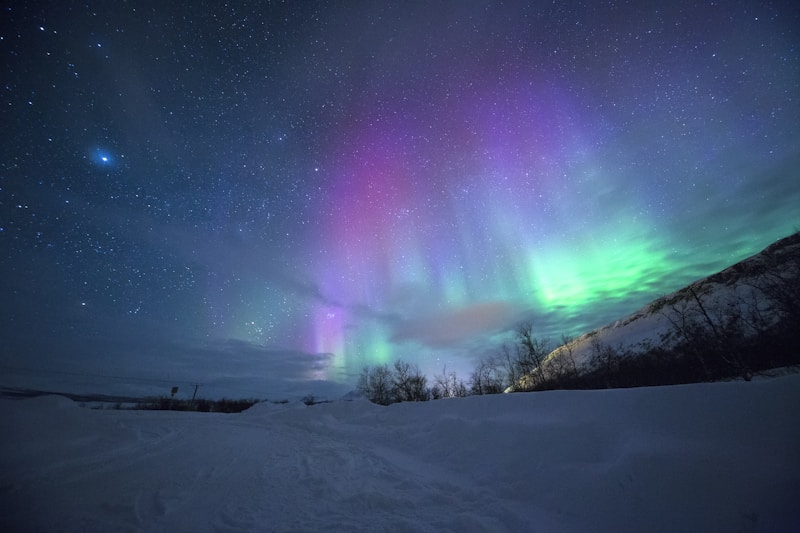
Iceland's Midnight Sun: What Happens When the Sky Never Gets Dark
For roughly two months every summer, the sun does not set over Iceland. It circles the sky, dipping toward the horizon around midnight before rising again without ever fully disappearing. The sky turns gold, then pink, then gold again, and stays that way all night. People who experience it for the first time consistently describe it as one of the most disorienting and beautiful things they have ever seen. Icelanders call this period the white nights. At its peak around the summer solstice in late June, Reykjavik receives over 24 hours of daylight. The same phenomenon that makes winter brutal — the island's position just south of the Arctic Circle — makes summer extraordinary. The practical effects on daily life are significant. Sleep is the first casualty. Visitors who do not bring blackout curtains often find themselves unable to judge when it is time to stop. Icelanders mostly manage through routine and heavy curtains, but they will admit that the midnight sun encourages a looseness in schedules. Barbecues that start at 9pm continue until 2am because the light never signals that the day should end. The Icelandic response to the midnight sun is to treat it as communal permission. Golf courses stay open through the night. Hikers set off at midnight on trails that would be dangerous in darkness anywhere else. The famous Reykjavik music festival Iceland Airwaves schedules outdoor performances that run until 4am with the sky still glowing behind the stage. The opposite extreme arrives in winter, when Iceland sees as few as four to five hours of daylight. Icelanders will tell you, without much complaint, that you get used to both. The extremes are simply part of what this island is.
Read full article →