No messages yet — be the first to share something about Haiti!
Sign in to join the chat
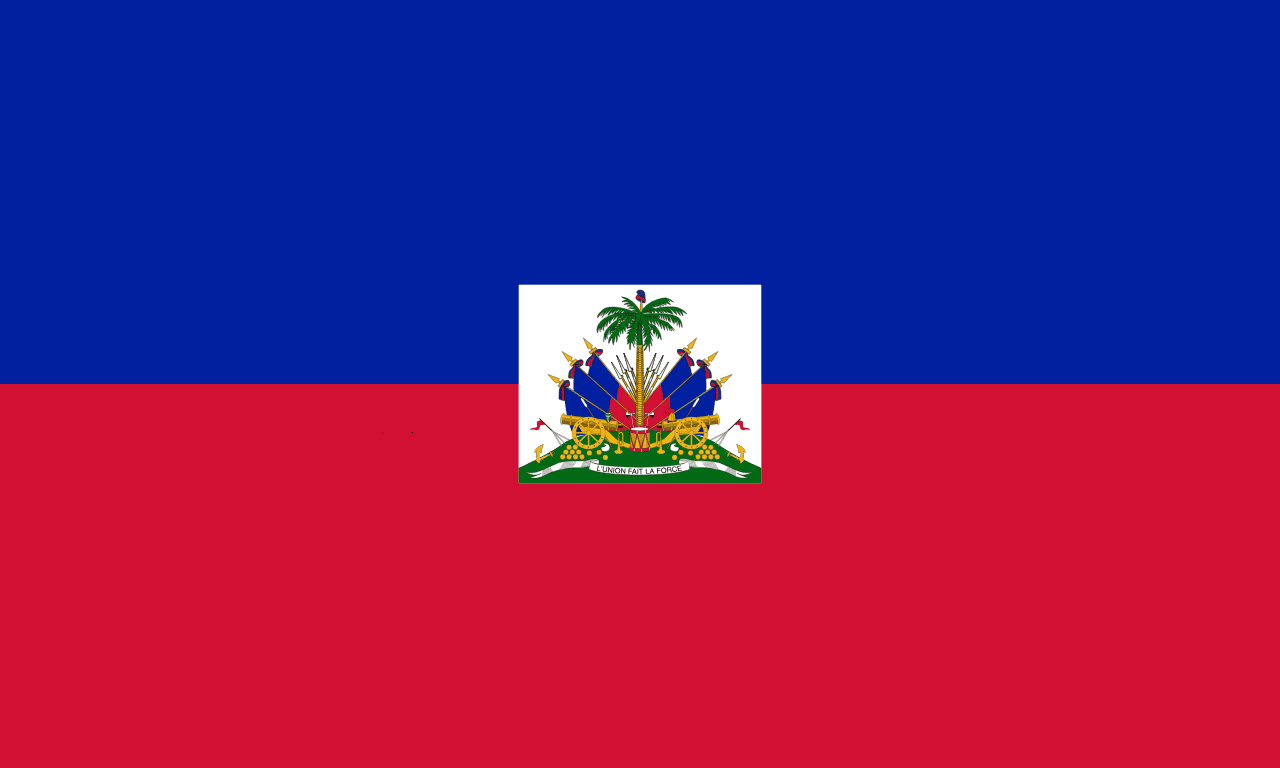
The Food of Haiti: 10 Dishes You Must Try
As I wandered through the vibrant streets of Port-au-Prince, the rich aroma of spices and simmering stews wafted through the air, wrapping around me like a warm embrace. The culinary culture of Haiti is an exquisite tapestry woven with threads of history, tradition, and the indomitable spirit of its people. Each dish tells a story, reflecting the island's African roots, French influence, and the resilience of a nation that has weathered countless storms. From bustling street stalls to family kitchens, the food of Haiti is a celebration of flavor, community, and the joy of sharing a meal. Embarking on a culinary adventure in this Caribbean paradise reveals ten must-try dishes that embody the heart and soul of Haitian cuisine. Let’s begin our journey with one of the most iconic dishes you’ll encounter: Griot. Griot, pronounced "gree-oh," consists of succulent marinated pork that is slow-cooked and then fried until it achieves a crispy golden exterior. The marinade usually includes sour orange juice, garlic, and a blend of spices, which imbue the meat with a zesty flavor profile. The first bite is a delightful contrast between the crispy outside and the tender, juicy inside, all bursting with vibrant flavors. You’ll typically find Griot served with a side of fried plantains and a refreshing pikliz, a spicy vinegar-based slaw. One of the best places to savor this dish is at a local family-run eatery, where the warmth of the atmosphere matches the flavors of the food. Griot is often served during celebrations and gatherings, symbolizing festivity and togetherness. Next on our list is Joumou, a hearty pumpkin soup that holds a special place in the hearts of Haitians. Traditionally prepared on January 1st, this dish is a symbol of freedom, commemorating Haiti's independence from colonial rule. Made from puréed pumpkin, meat (often beef), and a variety of vegetables such as carrots and onions, Joumou is a comforting bowl of goodness. Each spoonful delivers a rich and satisfying flavor, with the sweetness of the pumpkin balanced by the savory broth. You can find this dish at street vendors or at homes across the country during New Year celebrations. The communal aspect of enjoying Joumou during these festivities only deepens its significance—a reminder of resilience and hope. Next, we venture into the realm of rice and beans with Djon Djon rice, a dish that embodies the essence of Haitian soul food. Made using the unique black Djon Djon mushrooms, which are native to Haiti, this dish transforms plain rice into a fragrant, earthy experience. The rice is cooked with the mushrooms and often seasoned with spices and vegetables, creating a dish that is both rich in flavor and visually stunning. The deep, dark hue of the rice is a feast for the eyes, and the first bite reveals a complex flavor that speaks of the island’s lush landscapes. Djon Djon rice is typically paired with fried fish or stewed chicken, and you’ll often find it served at celebratory feasts or family gatherings, making it a staple at Haitian tables. Continuing our culinary journey, we cannot overlook the delightful experience of tasting Pikliz. This zesty condiment, made from finely shredded cabbage, carrots, and peppers pickled in vinegar, is the perfect accompaniment to many Haitian dishes. The sharp tang of the vinegar combined with the heat of the peppers creates a taste explosion that elevates even the simplest meal. Pikliz is a staple at almost every Haitian table, served alongside Griot, Joumou, or any meat dish, adding brightness and crunch. You’ll often see it prepared in homes as families pass down recipes, ensuring that this vibrant condiment continues to add a kick to meals for generations to come. Another dish that deserves a spot on our list is Tassot, which consists of fried and marinated goat or beef. The meat is marinated in a blend of spices and citrus before being cooked until tender and then fried to a perfect crisp. The flavor is bold and slightly spicy, with hints of citrus and herbs that linger on the palate. Tassot is often enjoyed during special occasions, and it’s a dish that brings people together, making it perfect for gatherings. You can find this dish in vibrant street food stalls or local restaurants, often accompanied by rice or fried plantains. Each bite of Tassot is a reminder of the flavorful heritage that infuses every aspect of Haitian cuisine. As we continue to explore the culinary landscape of Haiti, we encounter the beloved Macaroni au Gratin, a dish that showcases the island’s French influence. This creamy and cheesy pasta bake is made with elbow macaroni, a rich béchamel sauce, and a generous layer of cheese on top. Baked until golden and bubbly, Macaroni au Gratin offers a comforting, indulgent taste that is sure to satisfy. It is often served during holidays and special occasions, and you’ll find it in both homes and restaurants. The dish is a delightful blend of flavors and textures, embodying the fusion of cultures that defines Haitian cuisine. Next, we sample the savory delight of Poisson Gros Sel, a dish that highlights the fresh seafood available along the coastline. Typically, this dish features fish marinated in a mixture of lime juice, garlic, and spices, then grilled or fried to perfection. The result is a succulent fish with a crispy skin and tender, flaky meat. The seasoning brings out the natural flavors of the fish, creating a truly delicious experience. Poisson Gros Sel is often served with a side of rice and plantains, making it a perfect meal to enjoy while gazing out at the Caribbean Sea. You’ll find this dish at beachfront shacks and local restaurants, where the ocean breeze enhances the flavors of the meal. Our culinary adventure would be incomplete without mentioning the delightful experience of savoring Akra, a beloved Haitian snack made from grated malanga (a root vegetable) mixed with spices and then deep-fried. The exterior is crispy and golden, while the inside is soft and flavorful, delivering a satisfying crunch with every bite. Akra is often enjoyed as an appetizer or snack and is a common sight at street food stalls and local markets. The dish’s roots are steeped in Haitian culture, reflecting the resourcefulness and creativity of the Haitian people in transforming simple ingredients into a beloved treat. As we near the end of our gastronomic exploration, we arrive at the simple yet flavorful Lalo, a dish made from the leaves of the jute plant, cooked in a rich sauce with meat, often beef or fish. The flavors are rich and savory, with the leaves adding a unique texture and taste to the dish. Lalo is commonly served with rice and beans, making it a nutritious and wholesome meal. You’ll find this dish prepared in homes across Haiti, showcasing the use of local ingredients and the importance of family recipes in preserving culinary traditions. Finally, we conclude our culinary journey with the sweet delight of Pain Patate, a traditional sweet potato pudding that is both delightful and comforting. Made from mashed sweet potatoes, coconut milk, and spices, this dessert is baked until it forms a golden crust. The result is a sweet, spiced pudding that offers a perfect ending to any meal. Pain Patate is often enjoyed during celebrations and is a cherished recipe passed down through generations, highlighting the importance of sweet treats in Haitian culture. After exploring these ten incredible dishes, it becomes clear that the food of Haiti is a vibrant reflection of its rich history, culture, and community. Each dish carries with it a story, a tradition, and a sense of belonging, inviting everyone to gather around the table and share in the joy of a meal. If you’re eager to experience the warmth of Haitian hospitality and the flavors of its cuisine, you’ll find the best food at bustling local markets, charming street stalls, and family-owned restaurants. Here, amidst the laughter and chatter of locals, you’ll discover that every bite is a celebration of life, love, and the incredible journey of Haitian culture through its food. Whether you’re sharing a plate of Griot with friends or indulging in a bowl of Joumou on New Year’s Day, the essence of Haiti’s culinary scene is one that nourishes not just the body, but the soul.
Read full article →The History of Haiti: From Ancient Times to Today
# The History of Haiti: From Ancient Times to Today Haiti, a Caribbean nation nestled on the western part of the island of Hispaniola, has a history as vibrant and complex as its landscape. This land, rich in culture and resilient spirit, has been shaped by centuries of indigenous civilization, conquest, colonialism, struggle, and triumph. To truly appreciate Haiti today, we must journey through its past, from the ancient Taino tribes to the revolutionary fervor that birthed the first Black republic. ## Ancient and Indigenous History: The Taino Legacy Long before European sails graced the Caribbean seas, the island of Hispaniola was home to the Taino people, a branch of the Arawak family. These indigenous inhabitants arrived around 500 BCE, flourishing in a society that valued agriculture, trade, and communal living. The Taino were skilled farmers, cultivating cassava, sweet potatoes, and maize, while also fishing and hunting to sustain themselves. Taino society was organized into chiefdoms, with powerful leaders known as caciques who governed various clans. One of the most notable caciques was Caonabo, a fierce warrior who led resistance against European incursions. The Taino had a rich cultural heritage, marked by their spiritual beliefs centered around a pantheon of gods and goddesses, and their vibrant artistic expressions through pottery and weaving. However, the arrival of Christopher Columbus in 1492 marked the beginning of tragedy for the Taino. Columbus, believing he had discovered a new route to Asia, claimed Hispaniola for Spain. The ensuing colonization brought violence and disease, decimating the Taino population. By the early 16th century, the once-thriving communities had dramatically dwindled, a tragic foreshadowing of the horrors to come. ## Colonial Era: The Exploitation of Hispaniola In the 16th century, as the Spanish established their foothold on the island, they exploited its resources, particularly gold. The Taino, forced into servitude, suffered under brutal conditions. In their quest for wealth, the Spanish initiated the transatlantic slave trade, importing Africans to work the plantations that replaced the decimated indigenous farms. By the late 17th century, the French had laid claim to the western part of Hispaniola, calling it Saint-Domingue. Under French rule, the colony flourished, becoming the world's richest sugar-producing territory, thanks to the brutal enslavement of Africans. This period marked the dark pinnacle of human exploitation, as enslaved people endured horrific conditions in the plantations. The sugar and coffee they produced fueled European economies but at an immense human cost. Among the enslaved population, resistance was ever-present. Rebellions, while often crushed, ignited a thirst for freedom that would lie dormant until the 1790s. One such act of defiance was led by Boukman Dutty, a Vodou priest who rallied enslaved people to the cause of liberation, setting in motion events that would transform the colony forever. ## The Haitian Revolution: A Fight for Freedom The winds of change swept through the Caribbean during the late 18th century, driven by the ideals of the French Revolution and the universal cry for liberty. On August 22, 1791, the Haitian Revolution erupted, igniting a fierce struggle that would last for over a decade. The enslaved population, inspired by Boukman and fueled by the spirit of resistance, rose up against their oppressors. This monumental uprising was marked by brutal violence, but it also showcased the resilience and courage of the Haitian people. One leader emerged as a central figure during these tumultuous times: Toussaint L'Ouverture. A former enslaved person himself, Toussaint was a brilliant military strategist and a charismatic leader who united various factions of the enslaved population. Under his leadership, the revolution gained ground, overthrowing colonial rule and establishing a degree of autonomy in Saint-Domingue. His efforts led to the abolition of slavery in the colony, making him a symbol of hope and resistance for the oppressed. However, the struggle was far from over. After declaring independence in 1804, Haiti faced internal divisions, foreign hostility, and an ongoing struggle to stabilize the new nation. In a twist of irony, Toussaint L'Ouverture was captured by the French and died in a cold prison cell in the French Alps, leaving a legacy that would inspire future generations. ## Independence and Nation-Building Haiti officially declared its independence on January 1, 1804, making it the first nation in the Western Hemisphere to abolish slavery and the second independent nation in the Americas after the United States. Under the leadership of Jean-Jacques Dessalines, who proclaimed himself emperor, Haiti sought to establish its identity apart from colonial rule. However, the road to nationhood was fraught with challenges. Foreign nations, alarmed by the successful revolt of enslaved people, ostracized Haiti, leading to a period of economic isolation. In 1825, France imposed a crippling indemnity, demanding 150 million francs in reparations for lost property, including enslaved people. This debt would haunt Haiti for generations, stifling its economic development and contributing to widespread poverty. Despite these hardships, Haiti developed a unique cultural identity. The blending of African traditions, indigenous roots, and French influences gave rise to a rich tapestry of music, art, and religion. Vodou, once viewed as a mere superstition, became an integral part of Haitian culture, embodying the spirit of resilience and unity among the people. ## The 20th Century: Struggles and Dictatorships As the 19th century drew to a close, Haiti faced ongoing political instability, marked by a series of coups, dictatorships, and foreign interventions. The United States occupied Haiti from 1915 to 1934, ostensibly to restore order but ultimately exerting control over the nation’s finances and infrastructure. This occupation left a lasting impact on Haiti, fostering resentment and a deep distrust of foreign intervention. In the years following independence, corrupt leaders came to power, including the infamous “Papa Doc” Duvalier, who ruled from 1957 to 1971. His regime was marked by brutality and repression, as the Tonton Macoute, his paramilitary force, terrorized the population. The legacy of fear and oppression continued under his son, “Baby Doc,” who ruled until 1986, when he was ousted in a popular uprising. The political landscape of Haiti remained tumultuous throughout the latter half of the 20th century, with military coups, economic struggles, and rampant corruption hindering progress. Amidst this chaos, the Haitian people demonstrated remarkable resilience, organizing grassroots movements and engaging in acts of defiance. ## The Earthquake of 2010: A Nation in Crisis The 21st century began with a glimmer of hope as Haiti sought to rebuild from decades of turmoil. However, a catastrophic earthquake struck on January 12, 2010, shaking the nation to its core. The 7.0 magnitude quake devastated the capital, Port-au-Prince, leading to widespread destruction and loss of life. Estimates suggest that over 200,000 people perished, and countless others were displaced. In the aftermath of the disaster, the world responded with an outpouring of humanitarian aid, but the recovery process was fraught with challenges. Corruption, ineffective governance, and a lack of infrastructure hampered efforts to rebuild. Yet, Haitians, driven by an indomitable spirit, worked tirelessly to restore their communities, fostering a sense of solidarity and resilience. ## Haiti Today: A Nation of Resilience As we stand at the crossroads of history, Haiti continues to confront the legacies of its past while striving for a brighter future. The nation is known for its rich culture, from the vibrant art scene to the rhythmic beats of Kompa music. Despite facing political instability, economic challenges, and natural disasters, the Haitian people remain a testament to resilience and hope. Today, Haiti is grappling with issues of governance, poverty, and social inequality. Yet, within this framework of struggle lies a burgeoning civil society, filled with activists, artists, and community leaders advocating for change. Haitian youth are increasingly engaged in shaping their nation’s future, utilizing technology and social media to amplify their voices and demand accountability. In conclusion, the story of Haiti is one of endurance, a narrative woven with threads of suffering and triumph. From the ancient Taino people to the revolutionary heroes who fought for freedom, the history of Haiti is a testament to the strength of the human spirit. As this vibrant nation navigates the complexities of modernity, it remains anchored in its rich cultural heritage, forever embodying the resilience that has characterized its journey through time. As we reflect on Haiti’s past, we gain insights into the struggles and triumphs that continue to shape its path forward, urging us to recognize the beauty and strength that lie within its story.
Read full article →Hidden Gems of Haiti: Places Most Tourists Miss
Haiti, a vibrant island nation nestled in the Caribbean, is often misunderstood and underestimated. While many tourists flock to its more popular destinations, such as the bustling capital of Port-au-Prince or the pristine beaches of Jacmel, there lies a wealth of hidden gems waiting to be explored. These off-the-beaten-path treasures offer a glimpse into the rich tapestry of Haiti’s culture, history, and natural beauty, allowing adventurous travelers to experience the true essence of the country. If you're ready to delve deeper and uncover the lesser-known wonders of Haiti, here are some places you won’t want to miss. First on our journey is the quaint village of Les Cayes, located on the southern coast of Haiti. While many visitors may pass through on their way to the nearby beaches of Île à Vache or the renowned Labadee, Les Cayes itself is a place of beauty and authenticity. The village is wrapped in a warm embrace of palm trees and sandy shores, but it’s the local culture that truly sets it apart. Stroll through the bustling market where vendors hawk fresh fruits, handmade crafts, and traditional Haitian dishes like pikliz and joumou soup. The friendly locals are eager to share their stories, and the vibrant music that fills the streets will have you tapping your feet in no time. To get to Les Cayes, take a bus from Port-au-Prince; the journey is scenic and adds to the adventure. Next, we venture to the picturesque town of Mirebalais, known for its stunning natural landscape and rich history. Nestled in the Central Plateau, Mirebalais is often overlooked by tourists but boasts breathtaking views of the surrounding mountains and valleys. The striking architecture of the town, including the Church of Saint-Michel, is a testament to its colonial past. What makes Mirebalais truly special, however, is the nearby Bassin Zim, a hidden waterfall that offers a refreshing escape from the tropical heat. The hike to the waterfall is an adventure in itself, winding through lush vegetation and local farms. To reach Mirebalais, take a tap-tap (shared taxi) from Port-au-Prince; the ride offers a unique perspective of daily life in Haiti. Continuing our exploration, we arrive at the village of Jacmel, which, while known for its art scene and Carnival celebrations, often gets overshadowed by its more famous cousins. But it’s the less-visited areas of Jacmel that reveal its true spirit. The “Artisan Village” on the outskirts is a treasure trove of local craftsmanship, where artisans create hand-painted masks, vibrant paintings, and intricate sculptures. The best time to visit is during the Carnival season, where the streets come alive with color, music, and dance. To get to Jacmel, you can take a bus from Port-au-Prince that winds along the coast and offers stunning ocean views. Further along the southern coast lies the serene beach of Port-Salut, a gem that remains largely undiscovered by international travelers. This idyllic beach boasts crystal-clear waters and powdery white sand, making it the perfect spot for relaxation. Unlike the touristy resorts of Labadee, Port-Salut retains its charming, laid-back atmosphere. Here, you can enjoy fresh seafood from local vendors, take long walks along the shore, or simply bask in the sun. To get there, take a bus from Les Cayes, and be sure to arrive early in the day to enjoy the tranquility before the sun sets over the horizon. For an authentic taste of Haitian culture, venture into the town of Cap-Haïtien, situated on the northern coast. Cap-Haïtien is known for its colonial architecture and historical significance, but many visitors miss out on the vibrant neighborhoods that exude life and energy. The lively neighborhood of Ville Ruelle is a hidden treasure filled with local music, street vendors, and the aroma of traditional Haitian cuisine wafting through the air. Be sure to visit the Citadelle Laferrière, a UNESCO World Heritage site, while you're in the area. This monumental fortress stands as a symbol of Haiti's fight for independence. Cap-Haïtien is accessible by bus from Port-au-Prince, and the journey through the scenic Northern Mountains is worth every moment. Our next stop takes us to the enchanting village of Saut-d'Eau, famous for its beautiful waterfall and spiritual significance. Located about an hour's drive from Port-au-Prince, Saut-d'Eau is a pilgrimage site for both locals and visitors seeking healing and renewal. The waterfall cascades down rocky cliffs, creating a serene environment perfect for reflection. Every July, the village comes alive with the annual Vodou festival, where devotees gather to celebrate and honor the spirits. If you’re interested in experiencing this unique aspect of Haitian culture, visiting during the festival is a must. You can reach Saut-d'Eau by taking a bus or hiring a private driver from Port-au-Prince. Next, we discover the quaint village of Pignon, a hidden gem in the Artibonite region known for its warm hospitality and lush landscapes. Pignon is relatively untouched by mass tourism, making it a perfect destination for those looking to connect with locals. The village is famous for its beautiful landscapes, offering plenty of opportunities for hiking and exploring the surrounding mountains. Traditional music and dance are integral to life in Pignon, so be sure to ask about local performances during your visit. To reach Pignon, take a bus from Port-au-Prince, which will take you through the vibrant countryside. As we continue our journey, we can't overlook the stunning landscapes of the La Visite National Park, a natural haven for hikers and nature enthusiasts. Located in the southeast of Haiti, this park features dramatic mountain terrain, lush forests, and diverse wildlife. While many tourists stick to the beaches, La Visite offers a refreshing alternative for those looking to immerse themselves in Haiti's natural beauty. You can hike through the park's trails, enjoy breathtaking views, and possibly spot some of the rare bird species that call this area home. To get there, take a bus from Port-au-Prince to Jacmel, and then hire a local guide to explore the park. Lastly, we arrive at the coastal town of Île-à-Vache, a slice of paradise that remains largely undiscovered. This unspoiled island is accessible by boat from Les Cayes and offers serene beaches, lush vegetation, and friendly locals. Spend your days lounging on the beach, exploring the island by bicycle, or visiting local fishermen to learn about their trade. Île-à-Vache is an excellent place to unwind and escape the hustle and bustle of the mainland. The best way to experience the island is to spend a few nights in a local guesthouse, where you can truly connect with the community. As this journey through Haiti comes to a close, it’s important to keep a few practical tips in mind. First and foremost, learn a few key phrases in Haitian Creole; the locals will appreciate your efforts and open up to you in ways that wouldn’t be possible otherwise. Traveling by bus or tap-tap is an adventure in itself, but be prepared for longer travel times than you might expect. Always check for up-to-date travel advisories, and consider hiring a local guide to navigate some of the more remote areas. Lastly, embrace the unexpected; the beauty of traveling in Haiti lies in the connections you make and the stories you gather along the way. In conclusion, Haiti is a land of contrasts, where the beauty of its hidden gems far outweighs the challenges it faces. By seeking out these lesser-known places, you will not only enrich your own travel experience but also contribute to the local communities that thrive on tourism. So pack your bags, set your adventurous spirit free, and get ready to uncover the magic that lies just beyond the surface of this incredible country.
Read full article →What It's Really Like to Live in Haiti
**What It's Really Like to Live in Haiti** Living in Haiti, one of the Caribbean’s most vibrant and complex nations, is an experience that transcends the mere act of surviving in a tropical paradise. It’s about embracing the colorful chaos of everyday life, navigating the intricate tapestry of culture, family, and community. Having spent several years here, I’ve come to appreciate the subtleties that define daily existence in this beautiful yet challenging country. Every day in Haiti begins early. The sun rises around 6 AM, and with it comes the symphony of life. Roosters crow, and the sounds of vendors calling out their wares fill the air. If you're fortunate enough to live near a market, you’ll often hear women shouting out prices for fresh fruits and vegetables. The local markets are the heartbeat of life in Haiti, bustling with energy and color. Vendors set up shop with tables full of mangoes, avocados, and the ever-popular “pico” (a blend of spicy hot sauce). A large bag of mangoes might cost around 200 gourdes (about $2.00), while a dozen eggs can be found for around 350 gourdes ($3.50). The cost of living in Haiti is generally lower than in many Western countries, but it can vary significantly depending on where you are. In Port-au-Prince, the capital, prices are higher than in rural areas. For example, a basic meal in a local eatery might set you back about 150 to 300 gourdes ($1.50 to $3.00), while a more upscale restaurant can charge 1,000 gourdes or more ($10.00). The cost of living can be a mixed bag; while some items are inexpensive, imported goods—like electronics and certain food items—can be surprisingly pricey due to shipping costs and tariffs. Food culture in Haiti is a rich blend of indigenous, French, and African influences. Meals are often communal, with families gathering around a plate of rice and beans, known as “djon-djon,” paired with fried plantains and stewed meat or fish. The flavors are bold and hearty, often seasoned with local spices. One of the most beloved dishes is “griot,” marinated pork that’s fried to perfection, usually accompanied by a spicy sauce called “pikliz.” If you’re dining at a local home, expect to be offered something to eat, and it’s polite to accept, even if just a small portion. Family life in Haiti is characterized by strong, communal bonds. The family unit is often extended, meaning grandparents, uncles, aunts, and cousins may live together or nearby. Children are cherished, and there is an immense sense of pride in their upbringing. Family gatherings are frequent, often revolving around celebrations such as birthdays, holidays, or even just a Saturday afternoon barbeque. It’s not uncommon for families to make their own entertainment, whether through music, storytelling, or simply enjoying each other’s company. Work culture in Haiti can be quite different from what many foreigners are used to. The formal job market is limited, and many Haitians engage in informal work. This can include street vending, artisanal crafts, or small-scale farming. A typical workday can begin at dawn and may not end until well after sunset, especially for those in agriculture. In urban areas, office culture exists, but it may not be as structured. People often dress smartly, and punctuality is appreciated, though not always strictly observed. Relationships are paramount in business dealings; building trust is key, and personal connections can often open doors that formal qualifications cannot. As the week winds down, many locals look forward to weekends, which are vibrant affairs marked by a mix of leisure and cultural practices. Saturday mornings might see families going to church, as faith plays a significant role in the community. Sunday is often reserved for relaxation and family gatherings, and it’s common to see people dressed in their best attire, heading to church or visiting relatives. Music fills the air as bands play at local bars, and street parties—often known as “fèt”—can erupt spontaneously. For many, weekends are about reconnecting with loved ones, sharing meals, and simply enjoying life. Weather is another crucial component of daily life in Haiti. With its tropical climate, the sun shines bright for most of the year, bringing warmth and a sense of liberation. However, the weather can also be a challenge. The rainy season, which typically runs from May to October, can lead to significant flooding in some areas, exacerbating existing infrastructure issues. The heat can be stifling, and when the sun blazes down, staying hydrated is essential. Locals often carry bottles of water or purchase “dlo sitron,” a refreshing lemon-flavored drink, from street vendors. Life in Haiti is not without its challenges. Infrastructure issues, such as inconsistent electricity and water supply, are a reality many residents contend with daily. The country has faced its share of natural disasters—earthquakes, hurricanes—which have left their mark on the landscape and the psyche of the people. Access to healthcare can also be limited, with many relying on community clinics or traditional healers. Despite these challenges, there is an undeniable resilience among Haitians. The ability to adapt, improvise, and find joy in everyday moments is deeply rooted in the culture. Yet, living in Haiti also comes with a host of positives that many foreigners may not initially perceive. The sense of community is profound. Neighbors know one another, children play together in the streets, and there’s a strong spirit of collaboration. Many locals take great pride in their culture, whether through art, music, or food. The vibrant art scene, particularly in areas like Croix-des-Bouquets, showcases the creativity and talent of Haitian artisans. Colorful paintings and sculptures reflect the history, struggles, and triumphs of the nation. What surprises many foreigners most about Haiti is the warmth and hospitality of its people. Visitors often remark on how welcomed they feel, despite the country’s reputation for hardship. It’s not uncommon for locals to invite strangers into their homes for a meal, sharing stories and laughter. The concept of “konpa,” a popular music genre and dance style, serves as a perfect metaphor for life in Haiti. It’s all about rhythm, connection, and joy, even when the world around you is chaotic. In conclusion, living in Haiti is a mosaic of experiences that reflect both the beauty and the struggles of everyday life. The vibrant markets, rich food culture, and strong family ties paint a picture of a community bound by resilience and warmth. While challenges exist, they are often met with a spirit of hope and determination. For anyone willing to immerse themselves in the culture, Haiti offers not just a glimpse of a nation, but a deeper understanding of what it means to truly live. It’s a life filled with laughter, music, family, and an unyielding zest for connection—an experience that stays with you long after you leave.
Read full article →Why Visit Haiti
Haiti carries a history unlike any other nation on earth. The first Black republic, the first Caribbean state to achieve independence, and the site of the only successful slave revolution in human history — these are not footnotes but foundations of a national identity that runs deep and proud. For travelers willing to engage with complexity and seek beauty beyond comfort, Haiti offers art, landscape, history, and human warmth in extraordinary measure. The Citadelle Laferriere is Haiti's defining monument, a massive mountaintop fortress built by Henri Christophe in the early 19th century to defend against potential French reinvasion. Perched 900 meters above the Plaine du Nord, it is the largest fortress in the Western Hemisphere and a UNESCO World Heritage Site. The climb on horseback through lush foothills is one of the Caribbean's most memorable experiences. Nearby, the ruins of Sans-Souci Palace — once the grandest royal residence in the Americas — stand in haunting contrast to the aspirations that built them. Port-au-Prince, the capital, is chaotic and challenging, but its cultural life is remarkable. Haiti's art scene is world-renowned — the Naive and Primitivist painting traditions produced work now held in major international collections. The neighborhood of Petion-Ville has galleries, restaurants, and a creative energy that persists despite everything. The northern coast around Cap-Haitien offers beautiful beaches at Labadie and Cormier — white sand, clear water, and a quietness that belies their proximity to a major city. Haitian food is bold and distinctive. Griot — fried marinated pork served with pikliz, a fiery pickled cabbage slaw — is the national dish. Rice and beans, akra (malanga fritters), and fresh fruit juices round out a cuisine that is underappreciated internationally. Haiti is not a destination for everyone, but for those who come with open eyes and an open mind, it reveals a country of profound dignity and astonishing creative spirit.
Read full article →Haiti: The World's First Black Republic and Its Unbreakable Spirit
Haiti is the world's first Black republic and the first country to abolish slavery through revolution. The Haitian Revolution of 1791-1804 — the only successful slave revolt in human history that produced an independent nation — ended French colonial rule and terrified slaveholding societies throughout the Americas. The newly independent nation was made to pay reparations to France for the economic losses France claimed to have suffered when its enslaved people freed themselves. Haiti finished paying those reparations in 1947. The debt was a century and a half of economic extraction that began before the country's independence was a week old. Vodou — the spiritual tradition that outsiders persistently misrepresent — is not black magic or horror film aesthetics. It is a sophisticated religion that emerged from the encounter of West African spiritual traditions, Taino indigenous beliefs, and Haitian experience. Vodou's lwa — spirits — are not demons. They are intermediaries between the human world and the divine. Vodou sustained the enslaved people of Saint-Domingue through centuries of captivity and was directly involved in organising the revolution. The Bois Caïman ceremony of 1791, at which the revolution began, was a Vodou ritual. Haitian visual art — Haitian naïve painting in particular — is recognised as one of the great folk art traditions of the 20th century. The Centre d'Art in Port-au-Prince, founded in 1944, created the conditions for a flourishing of painting by self-taught artists whose vividly coloured, densely patterned work entered international collections. The Citadelle Laferrière — a massive mountain fortress built after independence to defend against French return — is a UNESCO World Heritage site and one of the most remarkable structures in the Western Hemisphere.
Read full article →