No messages yet — be the first to share something about Greece!
Sign in to join the chat
The Food of Greece: 10 Dishes You Must Try
Nestled in the azure embrace of the Mediterranean Sea, Greece is a land where culinary traditions have been shaped by history, geography, and culture. As I wandered through the sun-drenched streets of Athens and the picturesque islands of Santorini and Crete, I quickly discovered that Greek cuisine is not just about food; it’s a celebration of life, community, and the deep-rooted customs of its people. Each meal is a journey through time—stories told through flavors and aromas that evoke the spirit of the land. If you’re planning a visit, prepare your palate for an unforgettable experience, as I share ten must-try dishes that encapsulate the essence of Greece. First on my culinary adventure was moussaka, or as the locals call it, μουσακάς (mousakas). This iconic dish is a rich casserole made with layers of eggplant, minced meat—usually lamb or beef—and a creamy béchamel sauce that crowns the top. The first bite of moussaka was a revelation; the eggplant was tender and flavorful, the meat was seasoned to perfection, and the béchamel added a velvety touch that brought everything together. I enjoyed moussaka at a charming taverna in the Plaka district of Athens, surrounded by the gentle hum of conversation and laughter. Legend has it that moussaka has roots in the Middle East, but the Greeks have made it their own, transforming it into an emblem of comfort and home. Next, I encountered dolmades, or ντολμάδες (dolmades). These delightful grape leaves are stuffed with a mixture of rice, pine nuts, and herbs, often served with a drizzle of tangy lemon sauce. The first bite transported me to a sun-drenched vineyard, the freshness of the herbs dancing on my palate. I sampled these at a family-run restaurant in the mountains of Crete, where the owner proudly shared that dolmades are a staple at festive gatherings and family feasts. It’s fascinating to learn that these little parcels of joy are not only delicious but also symbolize hospitality in Greek culture. Continuing my culinary exploration, I found myself enchanted by tzatziki, or τζατζίκι. This cool, refreshing dip combines yogurt, cucumber, garlic, and a hint of olive oil. Its creamy texture and zesty flavor make it the perfect companion to grilled meats or simply enjoyed with fresh pita bread. I savored tzatziki at a lively street food stall in Thessaloniki, where locals gathered to chat and enjoy the warm sun. This dish has a rich history, often accompanying meals since ancient times, and it’s no wonder it has held a special place in the hearts of Greeks. Onward to the next dish—souvlaki, or σουβλάκι. This street food staple consists of skewered and grilled meat, typically served with a side of pita and fresh vegetables. The smoky aroma wafting from the grill drew me in, and the first bite was juicy and bursting with flavor. I found the best souvlaki at a bustling street vendor in a square in Athens, where locals lined up for a taste. Traditionally, souvlaki is enjoyed as a quick meal on the go, often accompanied by a refreshing beer or a glass of local retsina. It’s a beloved dish that encapsulates the vibrant, communal spirit of Greek dining. No culinary journey through Greece would be complete without indulging in spanakopita, or σπανακόπιτα. This savory pie, filled with spinach and feta cheese, is encased in layers of flaky phyllo pastry. The combination of rich, creamy feta and the earthy spinach, all wrapped in a crispy shell, was nothing short of heavenly. I relished a slice of spanakopita at a quaint café in the heart of Nafplio, where locals gathered for breakfast. The origins of spanakopita date back centuries, and it’s often enjoyed as a snack or appetizer during gatherings, showcasing the Greek knack for turning simple ingredients into culinary masterpieces. As I continued my tasting journey, I stumbled upon fasolada, or φασολάδα. This traditional bean soup, made with tomatoes, olive oil, and a medley of vegetables, is often referred to as the national dish of Greece. With each spoonful, I experienced a warmth that felt like a hug from the sun-kissed earth. I savored fasolada at a local eatery in the village of Kastraki, where the owner shared that it’s a staple during winter months, nourishing families and friends alike. The dish embodies the simplicity and heartiness of Greek cooking, proving that comfort food can come from humble beginnings. Then came my encounter with baklava, or μπακλαβάς. This decadent dessert is made with layers of phyllo pastry, chopped nuts, and honey syrup, resulting in a sweet, sticky treat that perfectly complemented my travels. The first bite was a delightful crunch, followed by the rich sweetness of nuts and honey dancing on my tongue. I indulged in baklava at a small pastry shop in the bazaar of Chania, where the sweet aroma wafted through the air. There’s a beautiful legend that baklava was created by the Ottomans, but it has since woven itself into Greek culture, becoming a beloved dessert served during celebrations and family gatherings. I was also introduced to the classic Greek salad, or χωριάτικη σαλάτα (choriatiki). A vibrant medley of tomatoes, cucumbers, bell peppers, red onion, olives, and feta cheese, this refreshing dish burst with the flavors of summer. Drizzled with the finest olive oil, each bite was a celebration of the Mediterranean’s bounty. I enjoyed this salad at a seaside taverna on the island of Hydra, where I could hear the gentle lap of waves against the shore. The Greek salad is more than just a dish; it’s a way of life, representing the importance of fresh, local ingredients and the joy of sharing a meal with loved ones. Finally, I couldn’t leave Greece without trying the sweet delicacy of loukoum, or λουκούμι. These soft, chewy confections often come flavored with rose or citrus and dusted with powdered sugar. I discovered loukoum at a charming candy shop in the heart of Athens, where the owner proudly explained its history as a traditional treat enjoyed during special occasions. The delicate texture and subtle sweetness made it a delightful way to end my culinary tour, giving me a taste of the sweet life that Greeks cherish. As I reflect on my culinary experiences in Greece, I am deeply moved by how food brings people together—whether at bustling markets, lively street stalls, or cozy family-run restaurants. The best dishes can be found anywhere, from the bustling streets of Athens to the quiet villages of the islands. To truly experience the heart of Greek cuisine, I recommend venturing into local markets, where you can sample fresh produce, cheeses, and olives, or explore street stalls serving up the finest souvlaki and pastries. For an unforgettable dining experience, seek out family-owned tavernas, where the warmth of Greek hospitality is matched only by the authenticity of their dishes. In Greece, every meal is not just an opportunity to taste but a chance to connect with the culture, history, and the wonderful people who call this land home. As I left, my heart—and stomach—was full, and I knew that the flavors of Greece would linger in my memory long after my return.
Read full article →The History of Greece: From Ancient Times to Today
# The History of Greece: From Ancient Times to Today Nestled in the southeastern corner of Europe, Greece stands as a bridge between ancient civilizations and modern society, a tapestry woven with threads of myth, philosophy, conquest, and resilience. Its history is a narrative that spans thousands of years, filled with remarkable achievements and profound lessons. To delve into the annals of Greek history is to embark on a journey through time, where each era offers a unique glimpse into the soul of a nation that has profoundly influenced the world. ## Ancient and Indigenous History: The Dawn of Civilization The story of Greece begins in the Neolithic Age, around 6000 BCE, when early agrarian communities began to settle in the fertile plains and coastal areas. The Aegean Sea, dotted with islands like Crete and Thera, became a cradle for burgeoning cultures. By 3000 BCE, the Minoans, named after the legendary King Minos, established a sophisticated civilization on Crete. They developed advanced architecture, art, and a system of writing known as Linear A, although much of it remains undeciphered. The Minoans were eventually overshadowed by the Mycenaean civilization, which flourished from about 1600 to 1100 BCE on the Greek mainland. The Mycenaeans are often celebrated for their monumental architecture and their role in the early formation of Greek language and mythology. Sites like Mycenae and Tiryns exhibited grand palaces and impressive defensive walls, which hinted at a complex societal structure that emphasized power and trade. The Mycenaean era also birthed epic tales, with Homer’s "Iliad" and "Odyssey" immortalizing the exploits of heroes such as Achilles and Odysseus. However, the Mycenaean civilization crumbled around 1100 BCE, leading to what is known as the Greek Dark Ages. This period, characterized by a loss of literacy and cultural stagnation, faded into the shadows of time before giving rise to the Archaic period around 800 BCE. ## The Classical Era: Birthplace of Democracy and Philosophy The Archaic period marks the dawn of city-states or "poleis," the most famous being Athens and Sparta. These city-states fostered a spirit of competition and innovation, laying the groundwork for what would become known as the Classical era (5th to 4th centuries BCE). It was during this time that democracy blossomed, particularly in Athens, where leaders like Cleisthenes and Pericles reformed political structures to allow ordinary citizens a voice in governance. The concept of democracy—meaning "rule by the people"—emerged as a radical idea that would ripple through history. This era was not only about governance but also about the flourishing of arts and philosophy. Thinkers like Socrates, Plato, and Aristotle emerged, questioning the nature of existence, ethics, and politics. Their teachings laid the foundations for Western philosophy and science. Amidst this intellectual fervor, the theater flourished, with playwrights like Aeschylus, Sophocles, and Euripides crafting tragedies that explored human nature and morality. Yet, the Classical period was not without conflict. The Persian Wars (499-449 BCE) saw the united Greek city-states, including the famed Battle of Marathon and the naval triumph at Salamis, repel the invading Persian Empire. This unity was fleeting, however, as rivalries quickly reignited, leading to the Peloponnesian War (431-404 BCE) between Athens and Sparta. The aftermath of this protracted conflict weakened the Greek city-states, paving the way for external threats. ## The Macedonian Empire and Hellenistic Era In the 4th century BCE, Macedonia, under the ambitious king Philip II and later his son Alexander the Great, transformed the Greek landscape. Philip united most of the Greek city-states through both diplomacy and conquest, establishing the first significant Macedonian Empire. However, it was Alexander’s conquests that would leave an indelible mark on history. Alexander, often called "the Great," embarked on an unprecedented campaign, stretching from Greece to Egypt and deep into the heart of Persia and beyond to India. His conquests not only spread Greek culture but also initiated the Hellenistic era (323-30 BCE), a period characterized by a fusion of Greek and Eastern cultures. Cities like Alexandria in Egypt became melting pots of knowledge, art, and commerce, with the famous Library of Alexandria standing as a testament to human curiosity and scholarship. Despite his early death at the age of 32, Alexander's legacy endured. His empire fractured into several Hellenistic kingdoms, where the influence of Greek culture, language, and ideas continued to flourish until the rise of Rome. ## Roman Rule and Byzantine Legacy By the 2nd century BCE, Greece had succumbed to Roman domination. The Romans admired Greek culture, adopting and adapting various elements, from art to philosophy. Greece became a vital province within the Roman Empire, contributing to its wealth and cultural richness. Cities like Athens and Corinth retained their significance as centers of education and philosophy. As the Roman Empire divided in the late 4th century CE, Greece found itself absorbed into the Byzantine Empire, where it retained its Greek heritage despite the rise of Christianity as the dominant faith. During this time, the Eastern Orthodox Church emerged, becoming a significant cultural and political force, with figures like Emperor Justinian I promoting the codification of Roman law and the spread of Christian values. The Byzantine period was marked by both prosperity and turmoil, as the empire faced threats from various fronts. The fall of Constantinople in 1453 to the Ottoman Turks marked the end of Byzantine control and the beginning of a long and oppressive period of Ottoman rule in Greece, which would last for nearly four centuries. ## The Quest for Independence The 19th century heralded a fervent desire for independence among the Greek people. The seeds of revolution were sown during the Enlightenment, with ideas of nationalism and self-determination taking root. The Greek War of Independence erupted in 1821, a conflict characterized by fierce resistance against Ottoman oppression. Key figures like Dimitrios Ypsilantis and Lord Byron, the latter an English poet who became a symbol of romantic heroism in the struggle for freedom, played crucial roles in rallying support for the cause. After years of bloody conflict, Greece officially gained independence in 1832, recognized by the Great Powers of Britain, France, and Russia. The new nation, however, faced numerous challenges, including territorial disputes, economic instability, and a fledgling national identity. The Kingdom of Greece was established, with Otto of Bavaria as its first king, marking a significant turning point in the country's modern formation. ## Modern Greece: From Turmoil to Triumph The 20th century brought both turmoil and triumph to Greece. The nation endured the ramifications of the Balkan Wars, World War I, and the Greco-Turkish War (1919-1922), which saw mass migrations and tragedy. A brutal civil war in the aftermath of World War II (1946-1949) pitted communists against royalists, leaving scars that would linger for decades. In the following years, Greece emerged from the chaos, establishing a parliamentary democracy and joining NATO in 1952. The 1980s marked another turning point with Greece’s accession to the European Economic Community (EEC), now known as the European Union, which brought economic modernization and development. However, the late 2000s ushered in a severe financial crisis, exposing vulnerabilities in the Greek economy and leading to widespread protests and austerity measures. Despite the hardships, the resilience of the Greek people shone through, as they adapted and fought for economic recovery and social change. ## The Greece of Today Today, Greece is a vibrant nation, rich in history and culture. With its breathtaking landscapes, ancient ruins, and diverse traditions, it remains a top destination for travelers from around the globe. The influence of ancient Greece is palpable in modern philosophy, political thought, and the arts. Greek cuisine, characterized by flavorful dishes like moussaka and souvlaki, captivates taste buds, while festivals celebrating music, dance, and theater breathe life into the cultural landscape. Greece continues to grapple with contemporary challenges, including economic stability, immigration, and environmental issues. However, the spirit of innovation and resilience that has defined its history remains strong. With a rich heritage to draw upon, Greece stands poised to navigate the complexities of the modern world while remaining firmly rooted in its ancient past. In reflecting on the history of Greece, one cannot help but marvel at the resilience of a nation that has endured centuries of change and challenge. It is a story of triumph and tragedy, of gods and heroes, of democracy and philosophy, echoing through the corridors of time and shaping the very foundations of Western civilization. As Greece moves forward, it carries with it the wisdom of its ancestors, a treasure trove of lessons that continue to resonate across the ages.
Read full article →Hidden Gems of Greece: Places Most Tourists Miss
Greece is a land of ancient ruins, sun-kissed islands, and azure waters, where each corner is steeped in rich history and culture. However, despite its allure, many travelers find themselves gravitating towards the more popular destinations: Athens, Santorini, and Mykonos. While these iconic spots are undeniably breathtaking, they often overshadow the hidden gems that offer a more authentic and intimate glimpse into Greek life. For those willing to stray from the well-trodden path, Greece bursts with lesser-known treasures waiting to be discovered. Let’s embark on a journey to uncover some of Greece’s hidden gems—places that most tourists miss but which hold the spirit, beauty, and authenticity of this enchanting country. In the heart of the Peloponnese lies the magnificent village of Dimitsana. Perched on a cliffside overlooking the Lousios River, this picturesque village is a marvel of stone architecture and medieval charm. Dimitsana is particularly special for its rich history as a center of the Greek War of Independence; it is home to several monasteries and museums that narrate tales of old. The surrounding landscape is a paradise for nature lovers, with hiking trails leading to the ancient site of the Asklepius Sanctuary and the breathtaking Lousios Gorge. To reach Dimitsana, take a bus from Tripoli, which is well-connected to Athens, and enjoy the scenic mountain views on your way. Continuing our journey through Greece, we stumble upon the tiny island of Kythira, a place often overlooked by travelers rushing to the more famous Cyclades. This island is a blissful retreat known for its beautiful beaches, charming villages, and a strikingly diverse landscape that includes lush green hills and rocky cliffs. Kythira’s beaches, particularly Kaladi and Melidoni, are idyllic spots to unwind, while the village of Chora showcases a blend of Venetian and Byzantine architecture. Accessible by ferry from Neapolis on the Peloponnese or a short flight from Athens, Kythira provides a serene escape that feels worlds away from the bustling tourist hotspots. Nafplio, a coastal town in the Argolis region, embodies a unique blend of history and romance. While it is gradually gaining popularity, it remains a gem that many overlook. Nafplio boasts beautiful neoclassical buildings, charming cobblestone streets, and a stunning waterfront promenade perfect for leisurely strolls. The imposing Palamidi Fortress overlooks the town, offering breathtaking views of the surrounding area—an invigorating climb well worth the effort. Getting to Nafplio is straightforward; it is about a two-hour drive from Athens or can be reached via bus, making it an excellent day trip or weekend getaway for those wanting to escape the hustle of the capital. Next, we venture to the northern part of Greece and the enchanting village of Zagori, nestled in the Pindus mountain range. This region, famous for its traditional stone villages and breathtaking landscapes, is a haven for outdoor enthusiasts. The Vikos Gorge, one of the deepest gorges in the world, offers stunning hiking opportunities and a chance to reconnect with nature. The villages, known as Zagorochoria, are characterized by their unique architecture and rich folklore, creating a sense of stepping back in time. To reach Zagori, you can drive from Ioannina, the nearest city, or take a bus that will lead you to this hidden paradise. As we make our way south, let’s not forget about the lesser-known side of Crete. While the island is renowned for its historical sites and popular beaches, the village of Archanes, located just outside Heraklion, is an unmissable gem. Known for its exceptional wine production, Archanes boasts a rich viticultural heritage. Visitors can explore the local wineries, sample exquisite Cretan wines, and indulge in traditional Cretan cuisine at family-run tavernas. The village is easily accessible by bus or car from Heraklion, making it an excellent day trip for those seeking to experience the authentic flavors of Crete. Furthermore, the island of Tinos is often overshadowed by its more famous neighbors but is a treasure trove of cultural experiences. Known for its numerous picturesque villages and stunning landscapes, Tinos is a place where traditional Greek culture thrives. The town of Pyrgos, renowned for its marble artisans, hosts a unique festival in August where locals celebrate their craft with music, dance, and art exhibitions. Visitors can spend their days exploring the island’s quaint villages, each with its own character, and enjoy the unspoiled beaches that line the coast. Tinos is accessible by ferry from Mykonos or Rafina, offering a refreshing alternative to the busy tourist scene. Returning to the mainland, the region of Meteora presents a spectacular combination of history and natural beauty that simply cannot be missed. This UNESCO World Heritage site is famous for its towering rock formations topped with ancient monasteries. While many tourists flock to the monasteries, few venture to hike the trails that wind through the area, offering astounding views of the landscape and a more intimate experience with nature. The quaint town of Kalambaka serves as a base for exploring Meteora, and getting there is easy via train from Athens. This journey offers a mix of culture and natural wonder, revealing an aspect of Greece that is both awe-inspiring and serene. For those in search of a vibrant cultural experience, the village of Arachova, located near Delphi, is a destination worth exploring. Renowned for its traditional architecture and lively atmosphere, Arachova is a popular winter escape for Athenians. The village comes alive with music and festivities during the winter months, with vibrant markets and local delicacies you won't want to miss. If you visit in February, you might be lucky enough to witness the local Apokries festival, celebrating Greek traditions with music, dance, and colorful costumes. Arachova is easily accessible by car or bus from Athens, making it a perfect weekend getaway that showcases the warmth and hospitality of Greek culture. Last but not least, we bring our journey to the enchanting island of Hydra. Although it is gaining popularity, Hydra remains relatively low-key compared to its neighbors. This car-free island is known for its charming harbor, cobblestone streets, and stunning architecture. Visitors can enjoy a leisurely walk along the waterfront, soaking in the beauty of the traditional mansions adorned with bougainvillea. For a truly unique experience, take a hike to the less-traveled beaches of the island or explore the hidden paths that lead to breathtaking viewpoints. Hydra is easily reached by ferry from Athens, making it a perfect day trip or weekend escape for those seeking tranquility and beauty. As you explore the hidden gems of Greece, remember that each destination offers a unique glimpse into the country's diverse culture and history. Practical tips for your adventure include learning a few basic Greek phrases to enhance your interactions with locals, trying traditional dishes in family-run tavernas to experience authentic cuisine, and staying flexible with your itinerary to allow for spontaneous discoveries. Embrace the warmth of the Greek people, relish the slower pace of life in these lesser-known spots, and allow yourself to be swept away by the beauty and charm that lies beyond the surface of this captivating country. Your journey through Greece will be far richer when you venture off the beaten path, uncovering the hidden gems that make this land truly special.
Read full article →What It's Really Like to Live in Greece
Living in Greece is like stepping into a vibrant watercolor painting—each day brimming with colors, flavors, and sounds that pulse with life. As someone who has called this enchanting country home, I can tell you that every moment can feel like a holiday, yet life here is also steeped in rich traditions and day-to-day realities that carry a unique charm. Let me take you through what everyday life looks like in Greece. Waking up in a typical Greek home, you might be greeted by the warm sunlight filtering through sheer curtains, sending dappled patterns across the floor. The morning routine is often marked by the iconic sound of the church bells ringing, a gentle reminder of the importance of community and tradition here. Many Greeks start their day with a strong cup of coffee, known as "ellinikos" or Greek coffee, which is brewed in a small pot called a "briki." It’s thick and strong, served with grounds at the bottom of the cup. A fresh pastry from the local bakery often accompanies it—a sweet or savory delight that could cost as little as €1. In Greece, the pace of life is leisurely, and this is reflected in how people approach their workday. Many shops and businesses open later in the morning, around 9 or 10 a.m., and close for a few hours in the afternoon for a siesta, particularly in the sweltering summer months. This midday break is not just a luxury but a necessity, with temperatures often climbing above 30°C (86°F). The rhythm of life flows in tandem with the sun, and work usually resumes in the late afternoon, often extending into the evening. When it comes to the cost of living, Greece offers a mix of affordability and expense, depending on where you live. In bustling Athens, rent can be higher—as much as €600 for a small apartment in the city center compared to a mere €300 in smaller towns or the islands. Grocery prices are generally reasonable; for instance, a loaf of bread costs around €1, while a liter of milk is about €1.20. Eating out is a delightful experience, with traditional tavernas offering a meal for two, including a glass of wine, for about €30. However, prices can soar in tourist-heavy areas, especially in Santorini or Mykonos, where a simple meal can easily cost double. Food culture in Greece is one of its most captivating aspects. Meals are not just about sustenance but are a time to gather, chat, and connect. The Mediterranean diet reigns supreme here, characterized by an abundance of fresh vegetables, olive oil, seafood, and whole grains. A typical lunch might include a colorful Greek salad topped with feta cheese and olives, a plate of moussaka, or even a simple serving of grilled fish. The phrase "Kali orexi!" (Καλή όρεξη!) meaning "enjoy your meal," is commonly exchanged before diving into a feast. The evening meal, often the largest of the day, is an event in itself. Families and friends gather around the dinner table, not just to eat but to enjoy each other's company. It’s common to indulge in several courses, starting with appetizers (mezze) like tzatziki, dolmades, or olives, followed by a main course, and finishing with a sweet dessert, perhaps a slice of baklava. Sharing food is an integral part of Greek culture, symbolizing love, warmth, and hospitality. Social customs in Greece are steeped in warmth and kindness. It’s customary to greet friends and strangers alike with a friendly "Kalimera!" (Καλημέρα!) meaning "Good morning!" and a firm handshake or a cheek kiss, depending on your closeness. Family ties are incredibly strong, often extending into the community. You’ll find that many Greeks still live with their parents until they marry, and family gatherings are frequent and lively. Sundays are often reserved for family, with mothers preparing lavish meals, and fathers discussing everything from politics to football over a glass of ouzo. Work culture in Greece can be both rewarding and challenging. Although the eight-hour workday is standard, many sectors, especially in tourism, can demand long hours, particularly during the summer season. While there’s a deep-rooted respect for hierarchy, it’s not uncommon for coworkers to pop into each other's spaces for a chat or to share a laugh, creating a sense of camaraderie that’s refreshing. Punctuality is considered polite, yet you may find that meetings don’t always start on time, reflecting a more relaxed approach to time management. Greeks value relationships, so getting to know your colleagues often precedes any business transactions. Weekends in Greece are a glorious pause from the hustle and bustle of the workweek. Many locals head to the beach, especially during the summer months, where sunbathing, swimming, and enjoying seaside tavernas become a weekend ritual. A typical Saturday might start with a leisurely breakfast at a café, sipping coffee while observing the world go by. Then, it’s off to the beach, where the sound of laughter mixes with the gentle lapping of waves. A day spent at the beach could easily include a picnic with friends, swimming, and perhaps even a game of beach volleyball. As the sun sets, the nightlife emerges. It’s not unusual to see families dining together well into the night, or groups of friends flocking to local bars known for their vibrant atmosphere and live music. In larger cities, you might find bars that stay open until the early hours, showcasing everything from traditional Greek music to modern DJ sets. The weather in Greece undeniably shapes everyday life. With its warm Mediterranean climate, summers are long and hot, while winters are mild and wet. This sunny disposition fosters a love for the outdoors; people relish their time outside, whether it’s enjoying a leisurely stroll through a park or dining al fresco. The lush landscapes, from sun-drenched beaches to verdant mountains, are a testament to the natural beauty that Greeks treasure. However, the summer heat can bring challenges like limited outdoor activity during midday and a reliance on air conditioning, particularly in urban areas. Life in Greece is not without its challenges. The economic situation has seen ups and downs, and while some areas are seeing recovery, others still grapple with high unemployment rates. Bureaucracy can be a labyrinth, often leaving residents frustrated when trying to navigate paperwork or government services. However, the resilience of the Greek people shines through; they find joy in the smaller things and cherish the community spirit that binds them together. What often surprises foreigners most about living in Greece is how deeply ingrained the concept of "philoxenia" is in the culture, meaning "friend to a stranger." You’ll find that locals are often eager to share their customs, invite you to family gatherings, or offer assistance when you least expect it. The sense of community is palpable; whether it’s helping a neighbor with groceries or exchanging friendly banter at the local market, Greeks pride themselves on their hospitality. In conclusion, living in Greece is a delightful tapestry woven from rich traditions, flavorful cuisine, and a strong sense of community. Each day brings new experiences, whether it’s enjoying a leisurely coffee or diving into the crystal-clear waters of the Aegean Sea. The challenges are met with a warm-hearted resilience that is truly inspiring. While life here may differ from what many foreigners are accustomed to, it is precisely this unique blend of the everyday and the extraordinary that makes Greece a place where one can truly feel at home. Those who take the time to immerse themselves in the culture will find endless rewards in the friendships forged, the meals shared, and the beauty of life lived under the glorious Greek sun.
Read full article →Why Visit Greece
Greece is one of those rare destinations where the weight of history and the lightness of a Mediterranean summer exist in perfect balance. With over 6,000 islands, ancient ruins around every corner, and a food culture built on olive oil, fresh seafood, and unhurried meals, Greece delivers endlessly — whether you come for a week or spend a lifetime returning. Athens is the obvious starting point. The Acropolis, rising above the modern city on its limestone outcrop, remains one of the world's most arresting sights. The Parthenon, the Erechtheion with its Caryatid porch, and the sweeping views of Athens below reward the climb in every season. Below, the ancient Agora, the Temple of Hephaestus, and the recently expanded Acropolis Museum fill in the centuries of context. The Monastiraki and Plaka neighborhoods, with their tavernas and street markets, make evenings in Athens feel effortlessly enjoyable. The islands define Greece for most visitors. Santorini's dramatic caldera, whitewashed domes, and sunset views from Oia have made it iconic for good reason — though the crowds in summer are considerable. Mykonos delivers glamour and nightlife. Crete, the largest island, is practically a country unto itself, with the Minoan ruins of Knossos, the Samaria Gorge, and a culinary tradition that many consider Greece's finest. The Dodecanese islands — Rhodes and Kos especially — blend medieval Old Towns with clear turquoise water. For travelers seeking something quieter, the Peloponnese peninsula rewards deeply. Epidaurus hosts an ancient theater with near-perfect acoustics, still used for performances. Mystras, a ruined Byzantine city, and the dramatic fortress of Monemvasia cling to history in extraordinary ways. The Mani peninsula feels like a different century entirely. Greek food is Mediterranean at its most satisfying: grilled octopus, spanakopita, moussaka, slow-roasted lamb, horiatiki salad dressed simply with local olive oil. Wash it down with ouzo or tsipouro by the waterside and the world slows to the right pace. The best time to visit is May through June or September through October — warm enough to swim, uncrowded enough to breathe, and light that turns every ruin golden at dusk. Greece rewards those who linger.
Read full article →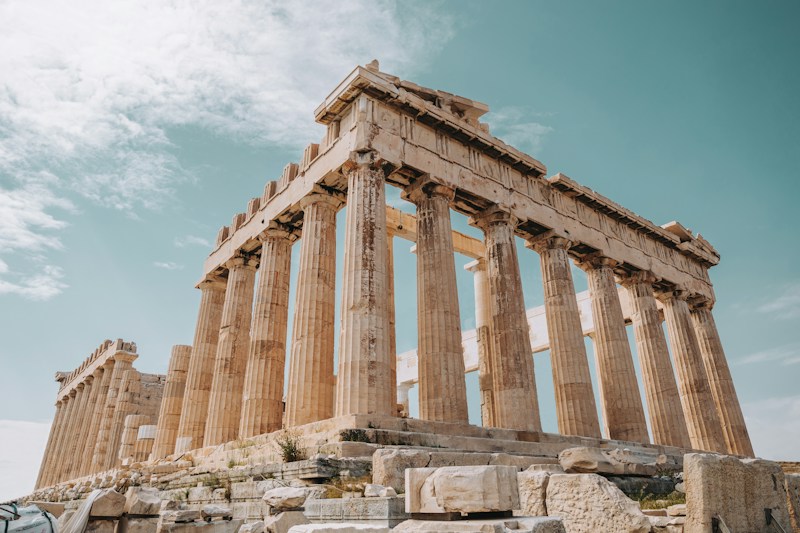
Philoxenia: The Ancient Greek Tradition of Making Strangers Feel at Home
Philoxenia is a Greek word built from two roots: philos, meaning beloved or dear, and xenos, meaning stranger or foreigner. Together they mean love of strangers, or the welcoming of foreigners. It is one of the oldest recorded social obligations in Greek culture, present in Homer and in the sacred laws of ancient Greek hospitality, and it remains one of the most genuine things about modern Greece. In ancient Greece, philoxenia was not optional. A stranger who appeared at your door was entitled to hospitality — food, shelter, protection — before you even asked who they were or where they came from. The stranger might be a god in disguise. Zeus himself was the patron of guests and of hospitality obligations. Violating those obligations was not a social failure. It was a sacrilege. The modern version is less theologically loaded but no less sincere. Invite a Greek acquaintance for coffee and you will leave having been fed, possibly given something from the kitchen to take home, and offered help with whatever you mentioned needing. Protest that you cannot possibly accept and you will be overruled. The insistence is the hospitality. Accepting reluctantly is the polite response. Greek hospitality is also communal. Tourist areas aside, restaurants in smaller towns and on islands will bring you unrequested plates of something — olives, cheese, a small dessert — at the end of a meal. Not because it is on the bill but because you came and you are leaving and the restaurant wants you to leave having had more than you paid for. The ancient obligation has become a cultural reflex. Greece does not host visitors. It opens its table to them.
Read full article →