No messages yet — be the first to share something about Gambia!
Sign in to join the chat
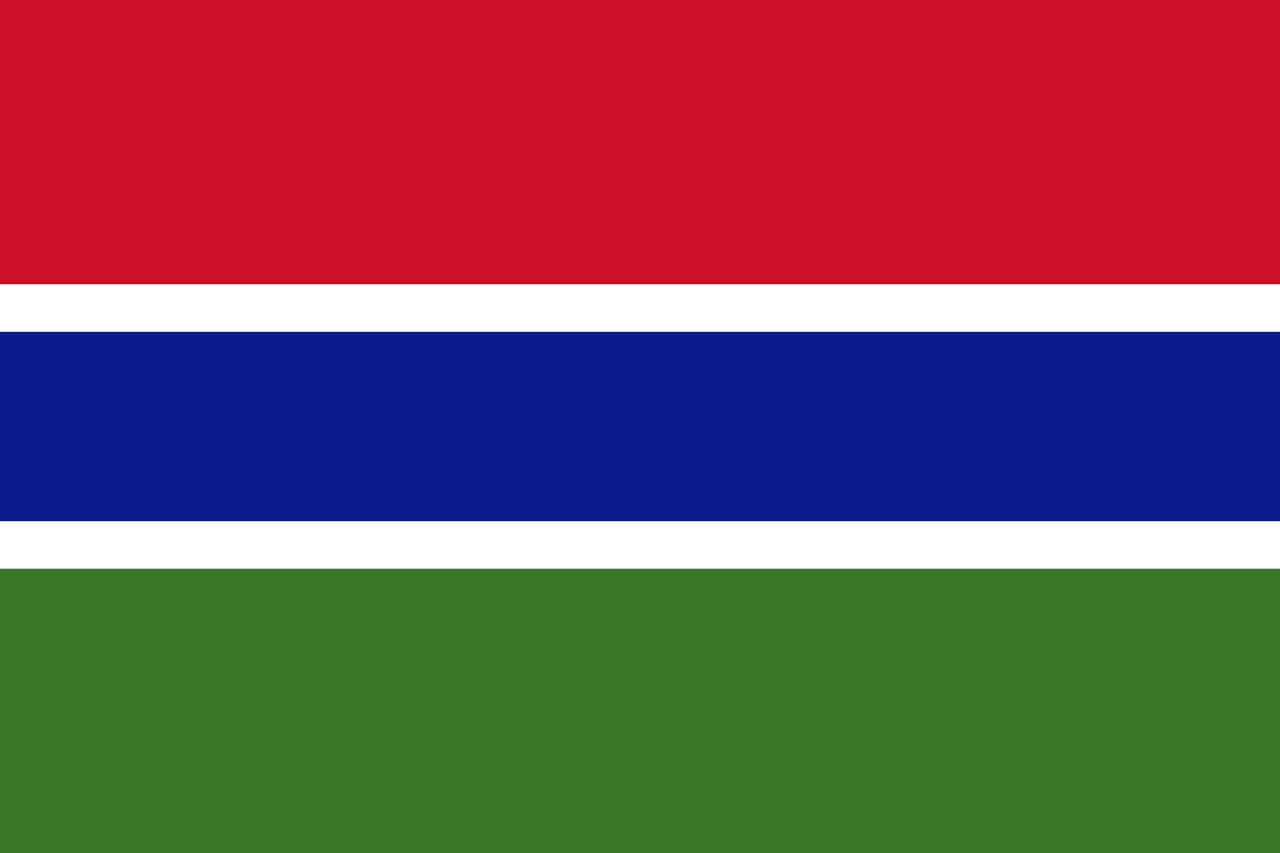
The Food of Gambia: 10 Dishes You Must Try
As I set foot in The Gambia, the warm sun kissed my skin, and the lively sounds of the bustling streets beckoned me to embark on a culinary adventure. This small West African nation, nestled along the banks of the mighty River Gambia, is a tapestry of cultures, and nowhere is this more vibrantly displayed than in its rich culinary landscape. Each dish tells a story, steeped in tradition and flavored by the diverse influences of the Mandinka, Wolof, and Fula peoples, among others. The fragrances wafting through the air—rich spices, fresh seafood, and ripe fruits—invited me to explore the heart of Gambian cuisine. So, join me as I recount the ten must-try dishes that beautifully encapsulate the essence of this dynamic country. First on my list is **Domoda**, the Gambian peanut stew that is often heralded as the national dish. Made with ground peanuts, tomatoes, and an array of vegetables, this thick, hearty stew is usually served over rice or with a side of fufu. The first bite takes you on a journey of flavors—smooth, nutty, and slightly sweet, with a gentle spice that builds gradually. You’ll typically find Domoda in local family homes or at bustling eateries, where it is served with love and a side of laughter. I remember sharing a plate of Domoda with a local family, their warmth reflecting the dish’s comforting essence, and that moment solidified my connection to Gambian culture. Next, embrace the aroma of **Benachin**, also known as Jollof rice. This dish is a vibrant one-pot wonder, featuring rice cooked in a fragrant tomato and onion base, often with the addition of fish or chicken. The flavors are an exhilarating mix of savory and slightly spicy, with a hint of smokiness that comes from the slow cooking process. I savored Benachin during a lively community gathering, where friends and families come together to celebrate the simple pleasure of a shared meal. The dish is more than food; it’s a symbol of unity and festivity, represented in the camaraderie that fills the air. For seafood lovers, **Yassa** is a must-try. Typically made with marinated chicken or fish, this dish is basted in a zesty onion and lemon sauce, giving it a distinct tang that dances on the palate. It’s often served with rice or boiled potatoes, which soak up the delectable sauce. I had the pleasure of enjoying Yassa at a seaside restaurant in Banjul, where the sound of the waves mingled with the sizzling of the grill. The fresh catch of the day was elevated by the bold flavors of the marinade, making each bite a delightful experience. Legend has it that Yassa's origins trace back to the Casamance region of Senegal, but in The Gambia, it's become a beloved staple, often enjoyed during special occasions. Moving on, let’s talk about **Ndambe**. This dish features black-eyed peas cooked in a spicy, savory sauce, usually accompanied by rice or yam. The texture of the peas is soft yet firm, while the sauce is a delightful mix of heat and umami, often enhanced with onion and chili pepper. I discovered Ndambe one sunny afternoon at a street stall, where I was greeted by the rhythmic clinking of pots and pans. The vendor, a jovial woman, served me a steaming plate, and as I took my first bite, I felt the bustling energy of the streets come alive around me. Ndambe reflects the heart of Gambian life—simple, satisfying, and utterly delicious. Another delightful dish you cannot miss is **Fish Maafe**. This rich fish stew is prepared with a luscious peanut sauce, vegetables, and spices, creating a creamy, indulgent feast for the senses. The fish, usually local varieties like bonga or barracuda, absorbs the sauce’s flavors beautifully. I indulged in Fish Maafe at a traditional village gathering, where the locals proudly presented their culinary skills. It was a dish that felt like a warm hug, with each bite embodying the communal spirit that characterizes Gambian culture. One cannot discuss Gambian food without mentioning **Kebba**. This traditional Gambian porridge made from corn or millet is often enjoyed as breakfast or a light meal. The texture is smooth and creamy, usually sweetened with sugar or honey and sometimes served with fresh fruit. I enjoyed Kebba one morning in a local café, where the aroma of freshly brewed coffee mingled with the comforting scent of warm porridge. As I savored each spoonful, I felt the familiar sense of homecoming that this dish provides to many Gambians, especially in the early hours of the day. Next up is **Benechin Koto**, a dish that combines the beloved Benachin rice with a variety of meats and vegetables, creating a one-pot meal that is both hearty and satisfying. The dish is characterized by its vibrant colors and array of flavors, with tender pieces of chicken or beef mingling with aromatic spices. I experienced the best Benechin Koto at a family-run restaurant, where the owner shared the history of the dish, explaining how each family often puts their unique twist on it, reflecting their personal stories and traditions. The warmth of that meal lingered longer than the flavors—it was a reminder of the familial ties that bind us all. Eager to explore more, I found myself face to face with **Mafe**, or peanut stew particularly celebrated for its versatility. While it often includes chicken or fish, it can also be made entirely vegetarian, packed with sweet potatoes, carrots, and a variety of leafy greens. The velvety peanut sauce envelops every ingredient, creating an explosion of flavors that is rich yet balanced. I had Mafe at a local restaurant in Serrekunda, where the vibrant atmosphere made the experience even more enjoyable. The owner proudly shared stories about his grandmother’s recipe, which had been passed down through generations—a testament to the enduring legacy of Gambian cuisine. Last but certainly not least is **Chura**—a delightful dish made from rice cooked with an array of seafood and often flavored with spices. The dish showcases the Gambian coast's bounty, and when prepared well, the rice becomes infused with the essence of the sea. I had the pleasure of trying Chura while dining at a beachside restaurant, where the ocean breeze accompanied the symphony of flavors on my plate. The chef’s passion for his craft was evident, and as I savored the dish, I felt a deep appreciation for the culinary artistry that defines Gambian food. As my culinary journey in The Gambia drew to a close, I couldn’t help but reflect on the incredible experiences that each meal had provided. The warmth of the people, the stories shared, and the vibrant flavors all intertwined to create a beautiful tapestry of culture and tradition. Whether you find yourself at local markets filled with the hustle and bustle of vendors, street stalls offering tantalizing snacks, or cozy restaurants showcasing the best of Gambian cuisine, one thing is for sure: the food of The Gambia is not just about sustenance; it's a way to connect, celebrate, and savor life. So, if you ever find yourself wandering through this enchanting country, be sure to indulge in these ten dishes and allow the flavors to take you on a journey through Gambian culture.
Read full article →The History of Gambia: From Ancient Times to Today
# The History of Gambia: From Ancient Times to Today Nestled along the banks of the Gambia River, the small but vibrant country of Gambia has a rich tapestry of history woven through centuries of cultural evolution, trade, and resilience. The story of Gambia is not just one of geographical boundaries, but a narrative that encapsulates the lives of the Mandinka, Fula, Wolof, and various other ethnic groups that have called this land home. From its ancient civilizations to its colonial struggles and modern-day challenges, the history of Gambia is a testament to the endurance and spirit of its people. ## Ancient and Indigenous History Long before the first Europeans set foot on the African continent, Gambia was inhabited by various indigenous peoples who thrived along the fertile banks of the Gambia River. The river itself has been a vital artery for trade and sustenance, shaping the livelihoods of the communities that settled there. Archaeological findings suggest that as early as 3000 BC, hunter-gatherer societies roamed the region, gradually evolving into more complex societies. By the 11th century, the Gambia River basin became a melting pot of cultures and trade routes. The Mandinka people, one of the most prominent ethnic groups, began to assert their influence, establishing settlements and engaging in trade with neighboring regions. The Banjul Archipelago, which would later become the capital city of Banjul, served as a crucial waypoint for traders navigating the river. This period saw the rise of indigenous kingdoms, where communal living and agriculture flourished. ## The Mali Empire and the Rise of Trade As Gambia entered the medieval era, it became part of the larger narrative of West African history, particularly through its connections to the Mali Empire. In the 13th century, the Mali Empire, one of the greatest empires in African history, rose to prominence, reaching its zenith under the rule of Mansa Musa in the 14th century. The empire’s influence extended to the lands that would become present-day Gambia, where trade routes flourished, linking the region to North Africa and beyond. The Gambia River served as a conduit for the exchange of gold, ivory, and slaves, and the Mandinka, who were often traders and farmers, played a vital role in this burgeoning economy. This period was marked by cultural exchange, with Islam spreading among the local populations, profoundly influencing their social structures, educational practices, and governance. The introduction of Islam brought about new forms of leadership, as local kings, or “Alfas,” began to embrace Islamic principles, reshaping the social landscape of the region. ## The Rise of the Jolof Empire By the 15th century, the rise of the Jolof Empire, which encompassed parts of modern-day Senegal and Gambia, marked another significant chapter in the region's history. The Jolof Empire was characterized by a sophisticated political system and rich cultural heritage, with vibrant trade networks extending beyond the borders of West Africa. The empire's influence reached Gambia, where the Wolof people thrived, establishing their own kingdoms and trade practices. However, the dynamics of power began to shift as European traders and explorers sought to capitalize on the lucrative trade routes. The Portuguese were among the first Europeans to arrive in West Africa, initially establishing trade relations and later engaging in the transatlantic slave trade. This shift in focus would have profound implications for the region, heralding a new era marked by conflict, displacement, and exploitation. ## The Colonial Period: The Quest for Control The advent of European colonialism had a significant impact on Gambia’s trajectory. In the 16th century, the Portuguese made early attempts at establishing trade, but it was the British who would ultimately assert control over the region. In 1588, English traders began exploring the Gambia River, seeking to establish a foothold for trade and commerce. By the late 19th century, Gambia was formally declared a British colony. The British colonial administration profoundly disrupted existing social structures and trade patterns. The imposition of foreign rule led to the exploitation of resources and the introduction of cash crops, which altered traditional agricultural practices. Furthermore, the infamous transatlantic slave trade reached its peak during this period, with many Gambians being forcibly taken from their homes and transported to the Americas. This brutal chapter in Gambia's history left deep scars, with entire communities disrupted and families torn apart. ## Road to Independence: A Struggle for Identity In the early 20th century, as the winds of change began to sweep across Africa, Gambia’s path toward independence was paved with political awakening and national consciousness. The rise of educated elites and political leaders sparked a desire for self-determination. One of the pivotal figures in this movement was Sir Dawda Kairaba Jawara, who emerged as a prominent leader advocating for Gambian interests. The push for independence gained momentum after World War II, as many African nations began to break free from colonial rule. In 1961, Gambia achieved self-governing status, and by February 18, 1965, it became a fully independent nation. Sir Dawda Jawara became Gambia's first prime minister and later its president. His leadership marked a period of relative stability and progress, as Gambia sought to define its identity in a post-colonial context. ## The Gambia Today: A Tapestry of Diversity In the decades following independence, Gambia faced its share of challenges, including political instability and economic difficulties. Nevertheless, the resilience of its people shone through. The country is known for its cultural diversity, with various ethnic groups coexisting harmoniously, each contributing to the rich tapestry of Gambian identity. Music, dance, and storytelling are integral parts of Gambian culture, reflecting the traditions and values of its people. Gambia's political landscape saw dramatic shifts in the late 1990s and early 2000s when Yahya Jammeh seized power in a military coup in 1994. His regime was marked by authoritarian rule, human rights abuses, and economic decline. However, in the spirit of democracy, Gambians united to challenge his leadership, culminating in a historic election in 2016, which resulted in his defeat. Adama Barrow, a coalition candidate, won the presidency, ushering in a new era of hope and democratic governance. Today, Gambia stands at a crossroads, celebrating its rich cultural heritage while grappling with the challenges of governance, development, and social cohesion. The Gambia River remains a lifeline, a symbol of the nation’s history and resilience, as it flows through the heart of the country, connecting people and communities. ## Conclusion: A Story in Progress The history of Gambia is not just a chronicle of events but a narrative of the human spirit—of resilience, adaptation, and growth. From ancient civilizations to the colonial era and the struggle for independence, each chapter has shaped the Gambian identity. Today, as the nation forges ahead, it carries with it the lessons of its past, the voices of its people, and the promise of a brighter future. As Gambia continues to navigate the complexities of modern governance and development, it is essential to celebrate its rich history and cultural diversity. Gambia is a nation that has withstood the tests of time, and its story is far from over. Like the Gambia River that nourishes its land, the spirit of its people will continue to flow, guiding the nation toward a hopeful tomorrow.
Read full article →Hidden Gems of Gambia: Places Most Tourists Miss
When most people think of Gambia, the tiny West African nation nestled along the banks of the Gambia River, they often envision sun-kissed beaches, vibrant markets, and the lush landscapes that pepper the coast. While these attractions are undeniably captivating, they only scratch the surface of what this enchanting country has to offer. For every bustling tourist hotspot, there exists a treasure trove of hidden gems and off-the-beaten-path experiences waiting to be discovered. These lesser-known places are what give Gambia its unique charm, offering a deeper insight into the culture, history, and everyday life of its people. So, if you’re yearning for an authentic adventure and wish to explore the road less traveled, let’s delve into some of Gambia’s best-kept secrets. Our journey begins in the quaint village of Juffureh, which lies on the northern bank of the Gambia River. While many visitors flock to the more famous Kunta Kinteh Island, Juffureh offers a profound connection to the country’s history and its ties to the transatlantic slave trade. This small community is home to the Kunta Kinteh Statue and the African Heritage Museum, where you can learn about the life of Kunta Kinteh, the real-life figure who inspired Alex Haley's "Roots." The village is rich in storytelling; engaging with local elders will provide you with narratives that might not be found in books. To get there, take a boat from Banjul to the island or opt for a guided tour that includes transportation to this historic site. Just a stone's throw from Juffureh is the serene village of Albreda, a peaceful retreat that often goes unnoticed by tourists. Its tranquil ambiance and stunning views of the river make it a perfect spot for those seeking solace. Albreda is known for its beautiful traditional architecture and the vibrant cultural expressions of its residents. You can wander through the village, observe the craftsmanship of local artisans, or even participate in traditional fishing with the locals. Getting to Albreda is simple; it’s about a 30-minute boat ride from Juffureh or a short drive from the bustling town of Janjanbureh. A short journey inland leads you to the rustic charm of Janjanbureh, which was once the capital of The Gambia. This charming town, situated on an island in the Gambia River, is often overlooked. However, it offers a glimpse into authentic Gambian life. The local market buzzes with energy, offering fresh produce, spices, and handmade crafts. The highlight of Janjanbureh is the nearby Wassu Stone Circles, a UNESCO World Heritage Site. These mysterious megaliths date back to the 3rd century and are surrounded by folklore and intrigue. Visitors can explore the site and learn about the ancient culture that constructed these enigmatic structures. A drive from Banjul to Janjanbureh will take around three hours, but the journey is filled with scenic views of Gambian landscapes. For those craving adventure, the Kiang West National Park offers a slice of untouched nature that many tourists overlook. Located in the Lower River Region, this park is a haven for bird watchers, boasting an impressive array of avian species. The park’s diverse ecosystems, ranging from wetlands to savannah, create a unique habitat for wildlife. Here, you might spot hippos, crocodiles, and various bird species flitting through the trees. The park is less crowded than other national parks, providing a peaceful environment for exploration. To reach Kiang West, hire a local guide or join a tour that includes transportation; the park is accessible from Banjul and can be reached in about two to three hours by car. Another hidden gem is the coastal village of Kartong, located near the southern border with Senegal. While many tourists flock to the more popular beach resorts, Kartong offers an authentic beach experience often missed by the average traveler. The village is known for its stunning coastline, picturesque fishing boats, and friendly locals. Engage in fishing with the villagers, enjoy freshly caught seafood, or simply relax on the pristine beaches away from the crowds. To get there, take a short taxi ride from Banjul or a bus south towards the border, and keep an eye out for signs directing you to Kartong. For a deeper cultural experience, the Mandinka village of Banjulinding is a must-visit. Nestled along the banks of the river, this village is a living testament to Gambian traditions and customs. Here, you can participate in traditional ceremonies, learn about the art of drumming, or join in a dance performance. The warmth and hospitality of the villagers will leave you feeling like part of the community. Banjulinding is located about 30 minutes from the capital; hiring a local guide to ensure you engage respectfully with the villagers enhances the experience. Venturing into the heart of Gambia, the town of Soma offers an authentic glimpse of daily life away from the tourist trail. Known for its vibrant market, Soma is a hub of trade and community interaction. This bustling locale is perfect for sampling traditional Gambian dishes such as benechin (rice with fish) and domoda (peanut stew). As you walk through the market, the aromas of spices and fresh produce will entice you. To reach Soma, hop on a local bus from Banjul; the journey takes about two to three hours, and riding the bus offers a chance to mingle with locals and experience the vibrant culture firsthand. If you time your visit right, you might be lucky enough to experience the annual Banjul Demba Festival, a celebration that showcases the rich cultural heritage of the Gambian people. Held in Banjul, the festival includes traditional music, dance performances, and a vibrant display of local crafts and foods. The event is a testament to the community's resilience and pride, and it offers tourists a chance to immerse themselves in Gambian culture. To attend the festival, check local listings for the specific dates, and arrive early to secure a spot among the locals who come out to celebrate. For those drawn to the water, the tranquil town of Gunjur is an ideal escape. Known for its pristine beaches and laid-back atmosphere, Gunjur is perfect for unwinding after a whirlwind tour of the country. The surrounding natural beauty is accentuated by lush mangroves and coastal dunes, making it an excellent spot for birdwatching and nature walks. Local accommodations often provide eco-friendly options, ensuring you can enjoy your stay while respecting the environment. To reach Gunjur, a short taxi ride from Banjul will get you there in under an hour. Finally, no journey through Gambia would be complete without a visit to the hidden oasis of the River Gambia National Park. This park is a sanctuary for the endangered hypotenuse, and while many visitors head to its more accessible areas, the lesser-known trails offer breathtaking views of the river and the chance to spot diverse wildlife. Guided tours are available, providing insights into the local ecology and conservation efforts. The park is accessible from Banjul, but be sure to plan ahead for the best routes and experiences. As you set off on your Gambian adventure, here are a few practical tips to ensure a smooth journey. First, embrace the local culture with an open heart. Gambia is known for its friendly people, and a smile or greeting in the local language (Wolof) can go a long way in creating connections. Second, don’t rush; take your time to explore each location, engage with locals, and savor the unique experiences that come your way. Third, consider hiring a local guide; not only will they provide invaluable insights and support, but they can also help you navigate cultural sensitivities. Lastly, respect the environment and local customs. Gambia’s beauty lies in its natural landscapes and rich traditions, so leave no trace as you explore. Gambia may be small, but its hidden gems and off-the-beaten-path experiences offer a wealth of adventure and cultural richness. By venturing beyond the tourist trail, you’ll create memories that will last a lifetime and gain a deeper appreciation for this beautiful country. So pack your bags and prepare for an unforgettable journey into the heart of Gambia!
Read full article →What It's Really Like to Live in Gambia
What It’s Really Like to Live in Gambia Living in Gambia is like being enveloped in a rich tapestry of culture, warmth, and vibrancy that is hard to find elsewhere. Nestled along the banks of the Gambia River, this small West African country offers a unique blend of natural beauty, traditional customs, and the hustle and bustle of everyday life. My experience living here has opened my eyes to a world where community, family, and resilience play essential roles. When you wake up in Gambia, the first thing you’ll notice is the chorus of sounds that envelop you. From the crowing of roosters to the rhythmic calls of women selling fresh produce at the local market, the day starts early. Most people rise with the sun, around 6 a.m. By this time, the air is already warm, hinting at the scorching heat to come. You might hear someone shouting “Sey, sey, sey!” – a common greeting meaning "Good morning!" – as neighbors begin their daily routines. Daily life in Gambia is an intricate dance of tradition and modernity. The pace is generally slower than in many Western countries, allowing for a more relaxed way of living. People often walk or bike to work, and if you’re lucky, you might catch a ride on one of the colorful “bush taxis” that ply the main roads. These taxis are usually old station wagons packed to the brim, and the fare is incredibly affordable—around 10 to 15 dalasi (approximately $0.20 to $0.30). The cost of living in Gambia is relatively low compared to Western standards, which makes it an attractive destination for those looking to experience life abroad without breaking the bank. A decent meal at a local eatery, known as a “bistro,” can set you back around 100 dalasi (just over $2). If you prefer to cook at home, basic items such as rice, which is a staple food, cost about 15 dalasi per kilogram (around $0.30). Fresh vegetables like tomatoes and onions are also available in abundance, with prices fluctuating seasonally. One of the most endearing aspects of Gambian life is its food culture. Meals are often communal, emphasizing the importance of sharing and togetherness. Traditional dishes like benachin (jollof rice with fish or chicken) and domoda (groundnut stew) are prepared with love and often enjoyed with family or friends. You may find yourself invited to a neighbor’s home to share a meal, creating bonds that go beyond mere acquaintanceship. The hospitality here is unmatched, and it’s not uncommon for someone to say “Come and eat!” without hesitation. The way food is consumed also reflects the local customs. Eating with the right hand is considered proper etiquette, as the left hand is reserved for personal hygiene. This habit may take some getting used to if you’re accustomed to using utensils. Locals often gather around a large shared plate, using their hands to scoop up the delicious food. If you’re ever struggling with the technique, you might hear a friendly reminder, “No worry! Just enjoy!” Family life is the backbone of Gambian society. Extended families often live together or in close proximity, fostering a strong sense of community. Children are revered and cared for by all members of the family, and it’s common to hear the playful laughter of kids playing soccer in the streets or jumping rope. Traditional gender roles are still prevalent, with women often tasked with household chores, while men are typically the breadwinners. However, this is gradually changing as more women are entering the workforce, contributing to the family income. Work culture in Gambia typically revolves around sectors like agriculture, trade, and tourism. Many people engage in small businesses, which can be anything from selling handmade crafts to running a local shop. The workday usually begins around 8 a.m. and finishes by 5 p.m., but it’s not unusual for people to take breaks for meals or afternoon prayers. The concept of “work-life balance” takes on a different meaning here, as relationships and social interactions often take precedence over strict professionalism. When the weekend rolls around, things in Gambia shift into a more relaxed mode. Fridays are particularly special, as many people attend prayers at mosques, often followed by family gatherings. Saturdays are marked by trips to the local markets, where vendors showcase everything from fresh produce to handmade goods. It’s a vibrant scene filled with chatter and bartering, and you’ll often hear phrases like “Na wetin you want?” (What do you want?) as vendors entice you with their goods. Sundays are usually reserved for relaxation, socializing, and enjoying the great outdoors. It’s not uncommon to see families picnicking by the river or enjoying a beach day at the Atlantic coast. The beaches in Gambia, particularly in places like Senegambia and Bakau, are stunning, with powdery white sand and inviting waves. Locals often play football or engage in lively conversations while sipping on fresh coconut water or homemade juices. The weather in Gambia is a significant factor that shapes life here. The country has a tropical climate, characterized by a dry season from November to May and a rainy season from June to October. During the dry season, temperatures can soar above 30°C (86°F), making it essential to stay hydrated and seek shade during peak hours. The cooler evenings, however, often invite gatherings around fire pits, where stories are shared, and laughter fills the air. Living in Gambia does present its challenges, but these are often accompanied by unique experiences that highlight the resilience of its people. Access to healthcare can be limited, especially in rural areas, and while there are public hospitals, many families prefer private clinics for better services. The education system is also developing, with increased efforts to provide quality learning opportunities for children. Infrastructure can be another hurdle—roads in certain areas are often in poor condition, and public transport can be unreliable. Yet, the beauty of Gambia lies in its ability to adapt. Locals have mastered the art of navigating life’s challenges with grace and ingenuity. From community-organized events to innovative small-scale farming practices, the spirit of perseverance shines through in daily life. One of the most surprising aspects for foreigners is how welcoming and open the Gambian people are. There’s an intrinsic warmth that permeates interactions, and you’ll often find strangers engaging you in conversation. “Where are you from?” and “How do you find Gambia?” are common questions, accompanied by friendly smiles. It’s a fresh reminder of the shared humanity that transcends borders. In conclusion, living in Gambia is a rich and multifaceted experience that invites you to slow down and appreciate the simple joys of life. The blend of tradition and modernity, coupled with the warmth of the community, creates an environment that feels both unique and familiar. From the flavors of the local cuisine to the laughter of children playing in the streets, Gambia is a place that leaves an indelible mark on your heart. You learn to find beauty in the everyday, resilience in the face of challenges, and joy in the connections that form the fabric of life here. Whether you’re exploring the vibrant markets or simply sharing a meal with friends, you quickly realize that in Gambia, life is not just lived; it is celebrated.
Read full article →Why Visit Gambia
Gambia is the smallest country on the African mainland — a thin sliver of territory running 320 kilometres along the Gambia River into the interior of West Africa, surrounded on three sides by Senegal. What it lacks in size it compensates for with accessible wildlife, a vibrant Atlantic coast beach scene, and a West African culture that is warm, talkative, and genuinely hospitable to visitors. The Gambia River is the country's spine and its greatest natural feature. River cruises aboard traditional dugouts or larger pirogues travel upstream through mangrove-lined banks and forest, past hippo pods wallowing in the water, families of red colobus monkeys crashing through riverside trees, and fishing communities living much as they have for generations. Baboon Island — properly the River Gambia National Park — is a series of islands hosting rehabilitated chimpanzees in a semi-wild setting, managed by the Chimpanzee Rehabilitation Project since the 1970s. Birdwatching is Gambia's best-kept secret. With over 600 recorded species in a country barely 50 kilometres wide, it offers some of the most accessible and productive birdwatching in West Africa. European birders have been visiting since the 1970s, and the country's combination of forest, wetland, mangrove, and coastal habitat produces an extraordinary diversity in a very small area. Kachikally Sacred Crocodile Pool near Bakau is one of several pools where Nile crocodiles are treated as sacred animals, living in close proximity to villagers who believe they bring fertility and good fortune. The Atlantic coast between Bakau and Sanyang is Gambia's beach strip — resorts, restaurants, and market stalls occupy the land behind long stretches of sand that face the Atlantic squarely, producing reliable surf and dramatic sunsets. Kartong at the southern tip is quieter and more bohemian, a base for birdwatching in the adjacent wetlands and mangrove forest. Banjul, the compact capital on a peninsula at the river mouth, is worth a morning — the Albert Market, the Arch 22 monument, and the colonial-era streets give a sense of the country's history. Gambian food is hearty and groundnut-centric. Domoda — groundnut stew served with rice — is the national dish. Benachin (Jollof rice) and fresh fish from the Atlantic are equally ubiquitous. The best time to visit is November to February, during the dry and cooler season.
Read full article →Gambia: The Smiling Coast and West Africa's Most Welcoming Nation
Gambia is the smallest country in mainland Africa — a narrow strip of land following the Gambia River for 320 kilometres into the interior of Senegal, which surrounds it on three sides. The country exists in its current shape because British and French colonial negotiators in the 19th century drew its borders to match the range of British gunboats on the river. The result is a country that makes no geographical sense but has developed a distinct national character over more than five decades of independence. The Smiling Coast is the nickname Gambia uses in its tourism promotion, and it reflects something genuine about the national disposition. Gambians are widely noted by visitors for an openness and warmth that is not performative hospitality but something more like structural sociability — the legacy of a society built on the griot tradition of storytelling, community gathering, and verbal generosity. Alex Haley traced his family's roots to the Gambian village of Juffureh through the oral history maintained by local griots, a connection that brought international attention to the country's role in the transatlantic slave trade. Gambian cuisine centres on benachin — a one-pot rice dish cooked in tomato broth with fish or meat and vegetables, known across West Africa as jollof rice in various national variations. The great West African jollof rice debate — Ghana versus Nigeria versus Senegal versus The Gambia — is conducted on social media with a seriousness that suggests the stakes are higher than cuisine. Every country is convinced theirs is best.
Read full article →