Dominican Republic
Posts, videos and blogs from Dominican Republic · Chat with people about Dominican Republic
Post about Dominican RepublicNo messages yet — be the first to share something about Dominican Republic!
Sign in to join the chat
The Food of Dominican Republic: 10 Dishes You Must Try
The Food of Dominican Republic: 10 Dishes You Must Try As I stepped off the plane in the Dominican Republic, the warm Caribbean breeze enveloped me, carrying with it a symphony of tantalizing aromas. The air was rich with the scent of spices, grilled meats, and fresh vegetables, each delicious note weaving together to tell the story of a vibrant culinary culture. The island’s food is more than mere sustenance; it’s an expression of its history, its people, and its vibrant spirit. From bustling markets to cozy roadside stalls, the Dominican Republic offers a feast for the senses that beckons food lovers to explore its rich flavors. Here are ten traditional dishes that are not just meals but also an invitation to experience the heart and soul of this beautiful nation. First on my list is La Bandera, the national dish of the Dominican Republic. This plate is a colorful representation of the island's heritage, consisting of rice, beans, and meat—often chicken or beef. The rice is fluffy and perfectly cooked, while the beans, usually red or black, are simmered in a savory blend of spices. The meat is marinated, grilled, or stewed, offering a burst of flavor with each bite. I found myself savoring La Bandera at a local eatery in Santo Domingo, where the vibrant atmosphere added to the enjoyment. It’s typically served with a side of avocado and fried plantains, making it a hearty meal that reflects the warmth and hospitality of the Dominican people. Next, I couldn’t resist trying Mangu, a delicious breakfast staple that speaks volumes about Dominican ingenuity. Made from boiled and mashed green plantains, Mangu is creamy yet slightly tangy, often enjoyed with a drizzle of olive oil and topped with sautéed red onions. This dish is traditionally served alongside fried eggs, cheese, and salami. I experienced Mangu at a charming little café in Santiago, where locals gathered for their morning ritual. Each bite perfectly balanced the sweetness of the plantains with the savory toppings, and I couldn’t help but smile at the heartwarming sights of families enjoying this classic breakfast together. Continuing my culinary adventure, I stumbled upon Sancocho, a hearty stew that is perfect for gatherings and celebrations. This dish typically features various meats—often chicken, beef, and pork—mixed with an array of root vegetables such as yuca, potatoes, and plantains, all simmered in a flavorful broth. The first spoonful transported me to a family kitchen, filled with laughter and stories. Each ingredient tells a tale, with Sancocho often being prepared for special occasions or Sunday family dinners. I had the pleasure of tasting it at a local market in La Romana, where a vendor proudly claimed her family recipe had been passed down for generations. Another dish that graced my palate was the iconic Mofongo. This dish, made from fried green plantains mashed with garlic and pork cracklings, is a delightful combination of textures and flavors. The mash is thick and hearty, often served in a bowl with a rich broth or with a topping of shrimp or chicken. I was fortunate enough to enjoy Mofongo at a seaside restaurant in Puerto Plata, where the sound of waves crashing against the shore complemented the deliciousness of the meal. It’s a dish that evokes a sense of comfort, a reminder of home-cooked meals shared among family and friends. For a taste of the sea, I found myself indulging in Pescado con Coco, a dish that showcases the fresh bounty of the Dominican coast. This delightful preparation features fish, often snapper, cooked in a creamy coconut sauce infused with garlic, peppers, and spices. The first bite was a revelation, with the tender fish absorbing the rich flavors of the sauce. I savored Pescado con Coco at a charming beachfront restaurant in Samana, where the ocean view enhanced the experience. This dish is a staple in coastal communities, often enjoyed during special occasions and family gatherings, perfectly embodying the laid-back lifestyle of the island. As my journey continued, I encountered the delectable Arepitas de Yuca. These golden-fried yuca fritters are crispy on the outside and soft on the inside, often served as an appetizer or side dish. The subtle flavor of yuca is complemented by a sprinkle of cheese or a side of dipping sauce. I found these tasty bites at a busy street stall in Santo Domingo, where the vibrant energy of the crowd added to the atmosphere. Arepitas de Yuca are a popular street food, loved by locals for their satisfying crunch and comforting taste. Not to be overlooked is the delightful Chimi, a beloved Dominican street food that captures the spirit of the island. This burger, typically made with seasoned ground beef, is packed into a soft bun and topped with fresh cabbage, tomatoes, and a zesty sauce. The first bite was a burst of flavor, each ingredient coming together in perfect harmony. I relished Chimi at a roadside stand in the bustling city of Santiago, where vendors skillfully flipped patties on a grill. This dish is often enjoyed late at night, and it’s a favorite among locals who gather for a late-night bite, making it a quintessential part of Dominica's vibrant street food scene. Another treat I discovered was Habichuelas con Dulce, a sweet bean dessert that showcases the island's creativity. Made from red beans, coconut milk, and spices, this dessert is creamy, sweet, and slightly spiced—a unique combination that may surprise those unfamiliar with it. I enjoyed Habichuelas con Dulce during a local festival in Puerto Plata, where the warmth of the community enveloped me as I savored this traditional dessert. It’s a dish often served during Lent and Easter, symbolizing the island's rich cultural heritage and communal spirit. Finally, I couldn’t leave without tasting the mouthwatering Tostones. These twice-fried green plantains are crispy and golden, with a satisfying crunch that makes them irresistible. Often served as a side dish or snack, Tostones can be enjoyed plain or topped with garlic sauce or guacamole. I had my fill of Tostones at a local bar in Santo Domingo, where they accompanied a cold Presidente beer. This beloved treat is a staple in Dominican households, perfect for sharing with friends and family during casual gatherings. As I reflect on my culinary journey through the Dominican Republic, I can’t help but feel grateful for the warmth and generosity of the local people who shared their food and stories with me. The dishes I encountered are not just meals; they are a celebration of the island's culture, history, and community. Whether it’s enjoying La Bandera at a friendly neighborhood restaurant or sharing Mofongo with new friends, each meal offers a glimpse into the heart of the Dominican Republic. If you find yourself in this beautiful island nation, seek out the best food in local markets, bustling street stalls, and family-run restaurants. The flavor-packed experiences await you, offering a true taste of the Dominican spirit. From the vibrant sounds of a street vendor calling out to hungry patrons to the warm smiles of families gathered around a table, the food of the Dominican Republic is a feast for the senses that will linger in your memory long after the meals are done. So pack your appetite, embrace the culture, and get ready to embark on a delicious adventure that will leave your heart and palate full.
Read full article →The History of Dominican Republic: From Ancient Times to Today
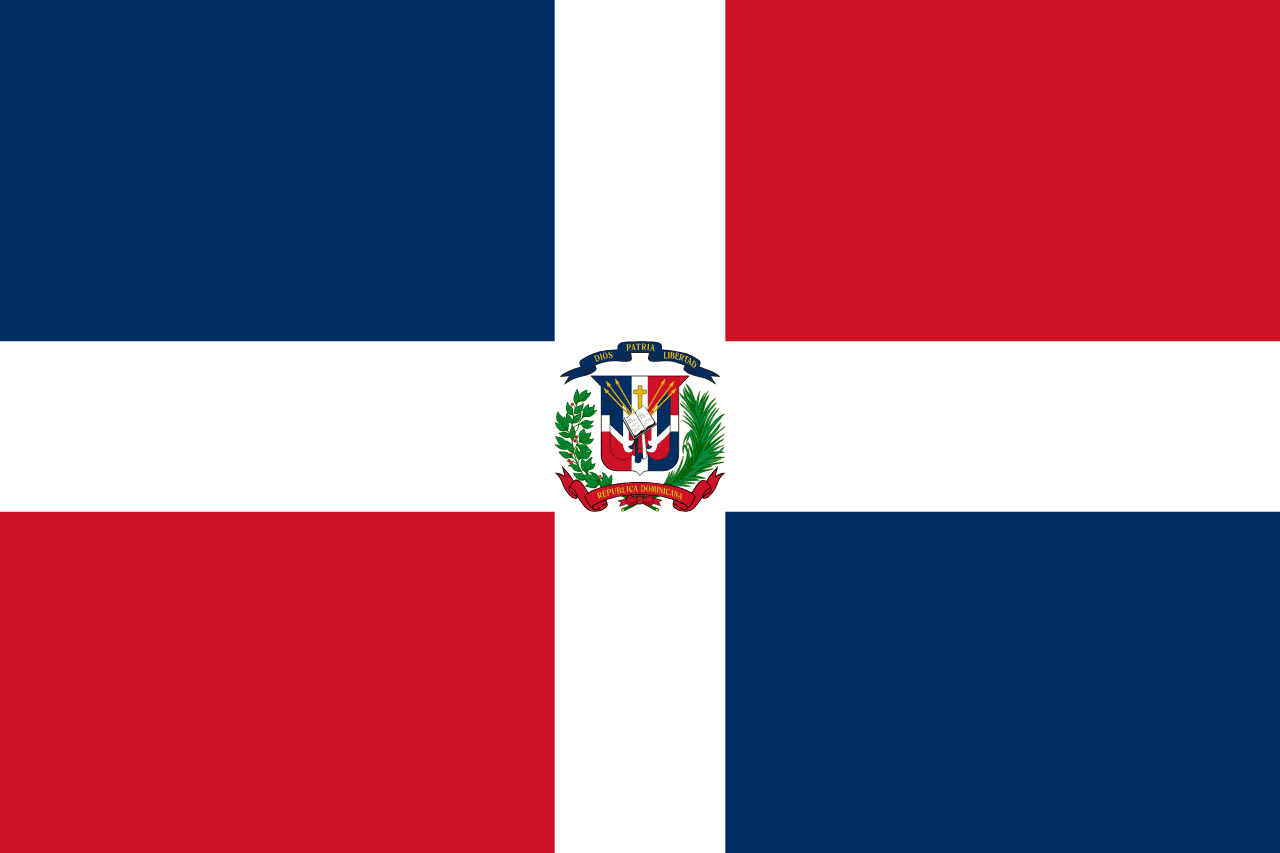
# The History of Dominican Republic: From Ancient Times to Today Nestled in the heart of the Caribbean, the Dominican Republic is a vibrant nation known for its breathtaking landscapes, rich culture, and a history that’s as colorful as its vibrant flag. From the ancient Taino people who first inhabited the island to its modern-day status as a tourism hotspot, the journey of this nation is nothing short of fascinating. As we unravel the historical tapestry of the Dominican Republic, we will encounter ancient civilizations, colonial encounters, struggles for independence, and the resilience of its people—a narrative that continues to evolve in the present day. ## Ancient Times: The Taino and Their World Long before the arrival of Europeans, the island of Hispaniola, which the Dominican Republic shares with Haiti, was home to the Taino people, an indigenous group that thrived in this lush paradise. The Taino referred to their land as “Quisqueya,” meaning “the mother of all lands.” They were skilled farmers, fishermen, and artisans who enjoyed a rich spiritual life centered around nature, ancestral worship, and communal living. The Taino society was organized into cacicazgos, or chiefdoms, each led by a cacique, a chief who wielded authority over the community. The island was dotted with small villages where the Taino practiced their agricultural traditions, cultivating cassava, maize, and other crops. They also engaged in fishing and hunting, utilizing canoes made from the sturdy wood of the endemic trees to navigate the island's rivers and coasts. One of the lesser-known facts about the Taino is their advanced system of governance and trade. They established trade networks that connected different tribes across the Caribbean, exchanging goods such as pottery, cotton, and food. Their complex social structures and cultural practices laid the foundation for what would become a vibrant Caribbean culture. ## The Arrival of the Spaniards: A New Era Begins The peaceful existence of the Taino came to a dramatic halt in 1492 when Christopher Columbus arrived on the shores of Hispaniola during his first voyage to the New World. Columbus claimed the island for Spain, marking the beginning of European colonization in the Americas. The initial encounters between the Taino and the Spanish were marked by curiosity, but the subsequent years brought devastation. The Spanish brought with them diseases such as smallpox and measles, to which the Taino had no immunity. The population plummeted, and Spanish colonizers quickly exploited the Taino for labor in sugar plantations and mines. This period of brutal enslavement and cultural destruction led to significant loss of life and the eventual near-extinction of the Taino people. Despite the tragedies, some Taino customs and words survived, woven into the fabric of Dominican culture. The legacy of the Taino can still be felt today, from the foods we eat to the stories that are told, reminding us of a rich history that once thrived on the island. ## The Colonial Era: Spain's Stronghold In the years following Columbus's arrival, Spain established Santo Domingo, the first permanent European settlement in the Americas, in 1496. This fortified city became the seat of Spanish power in the New World and was a critical hub for trade and military expeditions. Over time, Santo Domingo became known for its impressive colonial architecture, including the iconic Alcázar de Colón, the residence of Columbus's son, Diego, which still stands today. The colonial period was marked by a series of struggles, both among European powers and within the island itself. The Spanish Empire faced challenges from the French and British, who sought to claim parts of Hispaniola. The eastern portion of the island, which is now the Dominican Republic, remained a Spanish territory, while Western Hispaniola became French, leading to a growing tension that would shape the island's future. During this time, the sugar and coffee industries flourished, fueled by the labor of enslaved Africans brought to the island. The introduction of African culture, music, and religion would amalgamate with the remnants of Taino and European traditions, creating a unique Dominican identity. The echoes of African rhythms can still be heard in the vibrant merengue and bachata music today, showcasing the resilience and creativity of a people shaped by adversity. ## The Road to Independence: Struggles and Triumphs The quest for independence in the Dominican Republic was a tumultuous journey, marked by revolts, wars, and shifting allegiances. In the early 19th century, as the Haitian Revolution (1791-1804) shook the region, the eastern part of Hispaniola found itself under Haitian rule in 1822 when Haiti occupied the entire island. This period lasted for over twenty years and was characterized by a struggle for identity as Dominicans grappled with the reality of being governed by a nation with different cultural and social values. The desire for independence sparked the Dominican War of Independence, which finally erupted in 1844. The movement was led by figures such as Juan Pablo Duarte, one of the founding fathers of the Dominican Republic, who envisioned a free and sovereign nation. Duarte, alongside other key figures like Juan Isidro Pérez and Pedro Alejandro Pina, rallied the populace to take up arms against Haitian forces. On February 27, 1844, after years of struggle, the Dominican Republic proclaimed its independence. The nation emerged under the banner of “Dios, Patria, Libertad” (God, Fatherland, Liberty), a motto that encapsulated the fervent spirit of its people. However, the path to stability remained fraught with conflict, as internal divisions and external threats persisted. ## The 19th and 20th Centuries: Defining Moments The decades following independence were marked by political instability, with a series of leaders and uprisings shaping the nation’s trajectory. The Dominican Republic experienced a brief reoccupation by Spain from 1861 to 1865, as Spanish forces sought to reclaim their former colony. Yet, the spirit of independence prevailed, and the Dominican people fought back, successfully expelling the Spanish once again. As the 20th century dawned, the Dominican Republic was still struggling with governance and external pressures. In 1916, the United States intervened in the country’s affairs, occupying the nation to restore order amid a civil conflict. The U.S. presence lasted until 1924, leaving an indelible mark on the Dominican Republic’s political landscape. The rise of dictator Rafael Trujillo in the 1930s marked one of the most significant turning points in Dominican history. Trujillo ruled with an iron fist, his regime characterized by brutal repression, censorship, and human rights abuses. However, he also invested in infrastructure and modernization, transforming the country’s economy. His rule was a complex tapestry of tyranny and development, a duality that left the Dominican Republic grappling with its legacy long after his assassination in 1961. ## The Modern Era: A Nation Reborn Emerging from decades of dictatorship, the Dominican Republic entered a new chapter in the 1960s. The country witnessed a series of political shifts, including a brief period of democratic governance followed by the return of military rule. Yet the resilience of the Dominican people shone through, as grassroots movements and civil society organizations began to advocate for social justice and democratic reforms. In the 1980s and 1990s, the Dominican Republic experienced significant economic growth, driven largely by tourism, agriculture, and remittances from Dominicans living abroad. The idyllic beaches, rich culture, and warm hospitality attracted visitors from around the world, transforming the nation into one of the Caribbean's premier tourist destinations. Today, the Dominican Republic is a vibrant democracy, characterized by a diverse population and a rich cultural landscape. The heart of its capital, Santo Domingo, pulses with life as a UNESCO World Heritage Site, blending colonial history with modern dynamics. The country's music, art, and cuisine showcase the fusion of cultures that have shaped its identity. ## Conclusion: A Tapestry of Resilience The history of the Dominican Republic is a testament to the strength and resilience of its people. From the ancient Taino to the modern-day citizens, each chapter of this narrative reveals a complex interplay of culture, struggle, and triumph. As the nation continues to evolve, it carries with it the echoes of its past—a past that shapes its identity and fuels its aspirations for the future. In celebrating the Dominican Republic's rich history, we honor the lives of those who came before, recognizing their struggles, victories, and enduring legacy. The Dominican Republic stands not only as a destination of sun-kissed landscapes but as a vibrant mosaic of stories that will continue to be told for generations to come.
Read full article →Hidden Gems of Dominican Republic: Places Most Tourists Miss
When you think of the Dominican Republic, sandy beaches, vibrant nightlife, and all-inclusive resorts likely come to mind. Tourists flock to popular destinations like Punta Cana and Santo Domingo, drawn by the allure of turquoise waters and luxury accommodations. However, this Caribbean paradise is much more than its glossy facade. Tucked away beyond the tourist hotspots lie hidden gems that reveal the true essence of the Dominican Republic—its rich culture, breathtaking landscapes, and warm-hearted locals. In this blog post, we will explore some of these lesser-known places and experiences that you won’t find in the typical travel guide. One of the most enchanting hidden gems is the idyllic village of Las Terrenas. Located on the northeastern coast in the Samaná province, Las Terrenas boasts a unique blend of stunning beaches and a laid-back atmosphere that’s perfect for travelers seeking tranquility. While many flock to the bustling resorts, Las Terrenas offers a chance to experience local life. Picture palm-fringed beaches like Playa Bonita and Playa Cosón, where soft white sands meet the gentle waves of the Atlantic Ocean. The village itself is known for its charming restaurants, vibrant art scene, and a multicultural vibe, thanks to a blend of Dominican and European influences. To get there, you can take a scenic drive from Santo Domingo or rent a car, allowing you to stop at various lookout points along the way. Just a few hours’ drive from Las Terrenas lies the lesser-known paradise of Cabo Rojo. Often overshadowed by its more popular counterparts, Cabo Rojo is renowned for its breathtaking cliffs and secluded beaches. The standout feature is its striking red cliffs that contrast beautifully against the azure sea, creating a picturesque backdrop that feels straight out of a postcard. The area is also home to several charming fishing villages, where you can indulge in fresh seafood while mingling with the friendly locals. To reach Cabo Rojo, head west from Santo Domingo and take the scenic route along the coast. Make sure to bring your camera; the sunsets here are nothing short of magical. If you’re looking for a cultural experience, the town of Barahona should be on your radar. Nestled along the southwestern coast, Barahona is often overlooked by tourists but offers a rich tapestry of history and culture. The town is surrounded by stunning natural beauty, including the Sierra de Bahoruco National Park and the stunning beaches of Playa Saladilla and Playa El Quemaito. One of the highlights of Barahona is the annual Festival de la Cultura, a vibrant celebration of local music, dance, and cuisine that takes place every February. Getting to Barahona from Santo Domingo involves a scenic bus ride, providing an opportunity to witness the diverse landscapes of the Dominican Republic. For those seeking adventure, the Lake Enriquillo region is a must-visit. This unique area, situated in the southwestern part of the country, is the largest lake in the Caribbean and is home to the country's highest concentration of crocodiles. The lake is a fascinating ecosystem teeming with wildlife, including flamingos and various fish species. Adventurers can explore the surrounding areas by kayak or take a guided boat tour to get up close to the local flora and fauna. To reach Lake Enriquillo, you can take a bus or drive from Barahona, and the experience of being surrounded by such unique wildlife is well worth the journey. Moving north, the charming village of Jarabacoa offers a completely different experience. Known as the "City of Eternal Spring," Jarabacoa is nestled in the Central Mountain Range, making it a cool escape from the coastal heat. This area is a haven for outdoor enthusiasts, offering activities such as hiking, mountain biking, and even white-water rafting on the Yaque del Norte River. The stunning landscapes are dotted with waterfalls like Salto de Jimenoa and Salto de Baiguate, providing picturesque spots for a refreshing swim. To get to Jarabacoa, take a bus or drive from Santo Domingo, and prepare to be captivated by its natural beauty and welcoming atmosphere. A visit to the Dominican Republic wouldn’t be complete without exploring the historic town of San José de Ocoa. Nestled in a valley surrounded by mountains, this little-known town is famous for its agricultural production, particularly coffee and fruits. The surrounding landscapes are a mix of lush greenery and mountainous terrain, making it an ideal destination for hiking enthusiasts. One of the best ways to experience the culture here is to visit one of the local farms and participate in a coffee tasting tour, where you can learn about the intricate process of coffee production from bean to cup. To reach San José de Ocoa, you can take a bus from Santo Domingo, and it’s a perfect day trip for those looking to escape the hustle and bustle of city life. Further afield, the remote region of Los Haitises National Park offers a glimpse into the unspoiled natural beauty of the Dominican Republic. This park is characterized by its impressive limestone formations, mangroves, and diverse wildlife. It’s a paradise for nature lovers, with opportunities for birdwatching, hiking, and exploring the numerous caves adorned with Taino petroglyphs. You can take a boat tour to explore the park's stunning landscapes, and the guides are usually locals who share their deep knowledge of the area’s ecology and history. To visit Los Haitises, you can drive or take a guided tour from Santo Domingo, but make sure to allocate a full day to fully appreciate its natural wonders. As we circle back to culture, the small town of Bayaguana stands out as a hidden gem rich in Dominican folklore. This quaint town is known for its vibrant festivals, especially the Feast of Our Lady of La Altagracia in January, which showcases the local traditions, music, and culinary delights. Visitors can immerse themselves in the colorful atmosphere, with parades, traditional dances, and delicious local fare. The town is also surrounded by stunning landscapes, perfect for hiking and exploring the natural beauty of the region. To reach Bayaguana, take a bus or drive from Santo Domingo, and make sure to time your visit to coincide with one of the local festivals for a truly memorable experience. Last but not least, let’s not forget the hidden waterfalls of the Dominican Republic. While many tourists flock to the more famous Cascada El Limón, there are countless other hidden waterfalls waiting to be discovered. For instance, the stunning Salto de Baiguate in Jarabacoa offers a peaceful retreat, where you can swim in the cool waters amidst a backdrop of towering cliffs and lush vegetation. These hidden gems are often accessible via hiking trails, allowing travelers to connect with nature and experience the tranquility of the Dominican wilderness. To find these waterfalls, consider hiring a local guide who can lead you to these hidden treasures and share their stories along the way. To make the most of your journey through these hidden gems, here are some practical tips for travelers seeking a more authentic experience in the Dominican Republic. First, consider renting a car, as it allows you the freedom to explore at your own pace and venture off the beaten path. The local roads can be winding and challenging, so ensure you have a reliable GPS or map. Secondly, embrace the local culture by trying traditional Dominican foods such as mangu, sancocho, and pastelón—each region has its own specialties worth savoring. Lastly, always be open to meeting locals; they often have the best insights and recommendations for hidden spots that may not be listed in tourist guides. In conclusion, the Dominican Republic is a treasure trove of hidden gems waiting to be uncovered beyond the usual tourist trail. From the serene beaches of Las Terrenas to the cultural richness of Barahona and the breathtaking landscapes of Los Haitises National Park, there’s an abundance of experiences that capture the heart and spirit of this beautiful island. So pack your bags, embrace your sense of adventure, and get ready to explore the lesser-known corners of the Dominican Republic for a truly unforgettable travel experience.
Read full article →What It's Really Like to Live in Dominican Republic
Living in the Dominican Republic is an experience that strikes a delicate balance between the vibrancy of Caribbean life and the warmth of a close-knit community. Having spent several years here, I can definitely say it’s a kaleidoscope of colors, sounds, flavors, and traditions that keep life engaging and full of surprises. From the daily hustle and bustle to the slow-paced weekends, the Dominican Republic has a unique rhythm that speaks to the heart. Let’s start with an average day in the life of a Dominican. Mornings often begin with the sun peeking through the windows as early as six o'clock. The air is warm, fragrant with the smell of fresh coffee brewing. Many locals start their day with a cup of "café dominicano," a strong, rich coffee that is typically served with sugar and sometimes milk. It’s a ritual that brings families together. Children prepare for school while parents get ready for work, and amidst the morning rush, you might hear the familiar greeting, “¡Buenos días!” echoing from one house to another. Cost of living in the Dominican Republic can be surprisingly affordable, especially when compared to the United States or Europe. A local like me can get by on a modest budget. Renting a one-bedroom apartment in a decent neighborhood might cost around $300 to $600 a month. Utilities add another $100, depending on usage. For groceries, a family can expect to spend about $200 to $300 per month. Staples such as rice, beans, and plantains are not just affordable; they're also foundational to our diet. A dozen eggs cost around $2, while a pound of chicken breast may set you back about $2.50! Food culture is at the heart of Dominican life. Traditional meals such as "la bandera"—comprising rice, beans, and meat—are staples and usually served with a salad or fried plantains. On Sundays, families often indulge in "sancocho," a hearty stew that blends various meats and vegetables, reflecting the island’s rich agricultural bounty. Street food is a delightful venture; you can grab a "yuca frita" or "empanada" for just a couple of dollars while strolling through vibrant markets or along bustling streets. Here, food is not merely sustenance; it’s a way to connect, celebrate, and express love. Social customs play a significant role in everyday life. Dominicans are known for their warm and welcoming nature, and a friendly “¿Cómo estás?” is often the precursor to any conversation. Family is everything here. It’s common for extended families to live close together or even under one roof. Sunday gatherings are sacred—filled with laughter, music, and often a game of dominoes. The phrase “la familia es primero” rings true for many, as family ties dictate much of the social fabric. Respect for elders is paramount, and you’ll often see younger generations addressing older family members with terms of endearment, such as “abuela” (grandmother) or “tío” (uncle), regardless of actual blood ties. When it comes to work culture, things can be a bit more relaxed than what you might find in Western countries. Punctuality isn’t always a priority, so meetings may start a bit later than scheduled. Most businesses operate from 9 AM to 5 PM, with a two-hour break for lunch, which locals often use to enjoy a leisurely meal rather than rush. In the workplace, personal relationships are important. It’s not uncommon to engage in small talk about family or weekend plans before diving into business discussions. This approach fosters a sense of community and camaraderie that can sometimes feel foreign to outsiders used to a more formal environment. Weekends in the Dominican Republic are a celebration of life. Friday nights often kick off with friends gathering for drinks and music, while Saturday mornings might find families visiting local markets to pick up fresh produce or grab a breakfast of "mangú" (mashed plantains) with eggs. Many locals enjoy taking trips to the beach, with the north coast’s Playa Dorada and the south’s Playa Juanillo being popular spots. You can experience the joy of beach days without breaking the bank—entrance fees are often non-existent or just a small price for parking. When the sun sets, the music rises. Merengue and bachata fill the air as people dance in the streets or at local clubs. Every town boasts a "bailódromo," a dance floor where you can find locals showcasing their best moves. It’s a joyous display of culture that reflects the heart and spirit of the people. Even if you don’t dance, just being a part of the atmosphere is magical. Weather is a defining feature of life here. The Dominican Republic enjoys a tropical climate, which means hot and humid days throughout the year. The average temperature hovers around 80°F (27°C), but it can spike during the summer months. The rainy season from May to November can sometimes put a damper on plans, but it’s also when the island’s lush landscapes thrive. Rain often pours in short bursts, making it an excellent excuse to enjoy a cozy afternoon at home with family—or to dive into a good book while listening to the rhythm of raindrops. However, living in the Dominican Republic is not without its challenges. One common issue is the infrastructure; roads can be poorly maintained, particularly in rural areas. Public transportation can be hit or miss, with "carros públicos" (shared taxis) being a popular mode of transport, but they require patience and flexibility when it comes to schedules. Furthermore, while healthcare is generally accessible and affordable, the quality can vary significantly depending on where you are and which facility you visit. Another challenge is the bureaucracy, which can feel slow and cumbersome. Navigating government services often requires persistence and a good dose of patience. For foreigners, it may take some time to adapt to these nuances, but with a warm smile and an open heart, you’ll find your rhythm. One of the biggest surprises for foreigners moving to the Dominican Republic is the pervasive sense of community. Neighbors greet each other, share food, and look out for one another. While crime exists—particularly in larger cities—most Dominicans will go out of their way to make you feel safe and welcome. You'll often hear the phrase “mi casa es su casa” (my home is your home), which isn’t just a saying; it’s an invitation that embodies the spirit of hospitality prevalent throughout the island. As an expat, embracing and respecting local customs will deepen your connection to the culture. Learning a few phrases in Spanish can go a long way. “Gracias” (thank you), “por favor” (please), and “buen provecho” (enjoy your meal) are simple yet powerful ways to show appreciation and respect. Dominicans take pride in their culture, and engaging with locals in their language can often lead to warmer interactions. In summary, living in the Dominican Republic is a journey filled with color, warmth, and a unique pace of life. The taste of freshly made "tostones," the rhythm of music that moves you, and the laughter shared with family and friends all create a tapestry of daily life that is both enriching and fulfilling. While there are challenges, the positives far outweigh them. The sense of community, the emphasis on family, and the joy found in everyday moments are what truly make life in the Dominican Republic special. Whether you’re sipping coffee at sunrise, dancing to merengue at dusk, or finding peace in the serene beaches, this vibrant island has a way of making you feel alive.
Read full article →Why Visit Dominican Republic
The Dominican Republic occupies the eastern two-thirds of Hispaniola — the island where Christopher Columbus first made landfall in the Americas in 1492 — and it carries that history visibly. The colonial city of Santo Domingo, the oldest continuously inhabited European settlement in the Americas, anchors the country's identity, while its Atlantic and Caribbean coasts draw millions of visitors for beaches that rank among the finest in the hemisphere. Santo Domingo's Zona Colonial is a UNESCO World Heritage site and the most historically dense square kilometre in the New World. The first cathedral, the first hospital, the first university, and the first paved street in the Americas all stand here, arranged along cobblestone lanes within a 16th-century grid. The Alcazar de Colon — the palace built for Diego Columbus, son of the explorer — overlooks the Ozama River and contains a museum of colonial life. The Malecon waterfront stretches west along the Caribbean, lined with clubs and open-air bars that pulse into the early hours. Punta Cana and the eastern Coconut Coast deliver the classic Caribbean all-inclusive experience — long stretches of palm-backed white sand lapped by calm turquoise water. But the Dominican Republic is more than resorts. Las Terrenas in the Samana Peninsula is a genuinely charming beach town with a bohemian expat community, outstanding seafood, and access to El Limon waterfall, accessible by horseback through cocoa and coconut plantation. The Samana Bay is one of the world's great humpback whale nurseries. Between January and March, thousands of humpback whales gather here to breed and give birth, and whale-watching tours operate with extraordinary sighting rates. The north coast around Puerto Plata offers good diving and kitesurfing at Cabarete, which hosts international competitions. The interior holds Pico Duarte, the Caribbean's highest peak at 3,098 metres — a challenging three-day hike. Dominican food is satisfying and consistent. La Bandera — rice, beans, and meat — is the national lunch. Sancocho, a hearty multi-meat stew, is served at celebrations. The best time to visit is December to April, when rainfall is low and temperatures are warm but not oppressive.
Read full article →Dominican Republic: Where Merengue, Baseball and the Caribbean Meet
The Dominican Republic shares the island of Hispaniola with Haiti — the same landmass, dramatically different histories, cultures, and circumstances. The DR is the Caribbean's largest economy and one of its fastest growing, driven by tourism, remittances, and an agricultural sector that produces coffee, cacao, and tobacco of international quality. Santo Domingo, the capital, contains the oldest continuously inhabited European city in the Americas, founded in 1498. Merengue is the national music — a fast, rhythmic genre built on accordion, tambora drum, and güira scraper, associated with the Cibao valley in the north and adopted as a national symbol by the Trujillo dictatorship in the 20th century with such enthusiasm that after Trujillo's death, the music had to be reclaimed as something belonging to the people rather than the regime. Bachata — slower, more guitar-based, more melancholy — was for decades considered the music of the poor and marginalised. It is now one of the most internationally danced styles in the world. Baseball is the cultural religion. The Dominican Republic produces more Major League Baseball players per capita than any other country — over 11 percent of current MLB players are Dominican, from a country of 11 million people. Baseball academies run by US teams recruit players as young as 15. The pipeline is simultaneously an economic opportunity and a system with troubling power dynamics. Within the country, the passion for the game runs deeper than any of that complexity.
Read full article →