No messages yet — be the first to share something about Cuba!
Sign in to join the chat
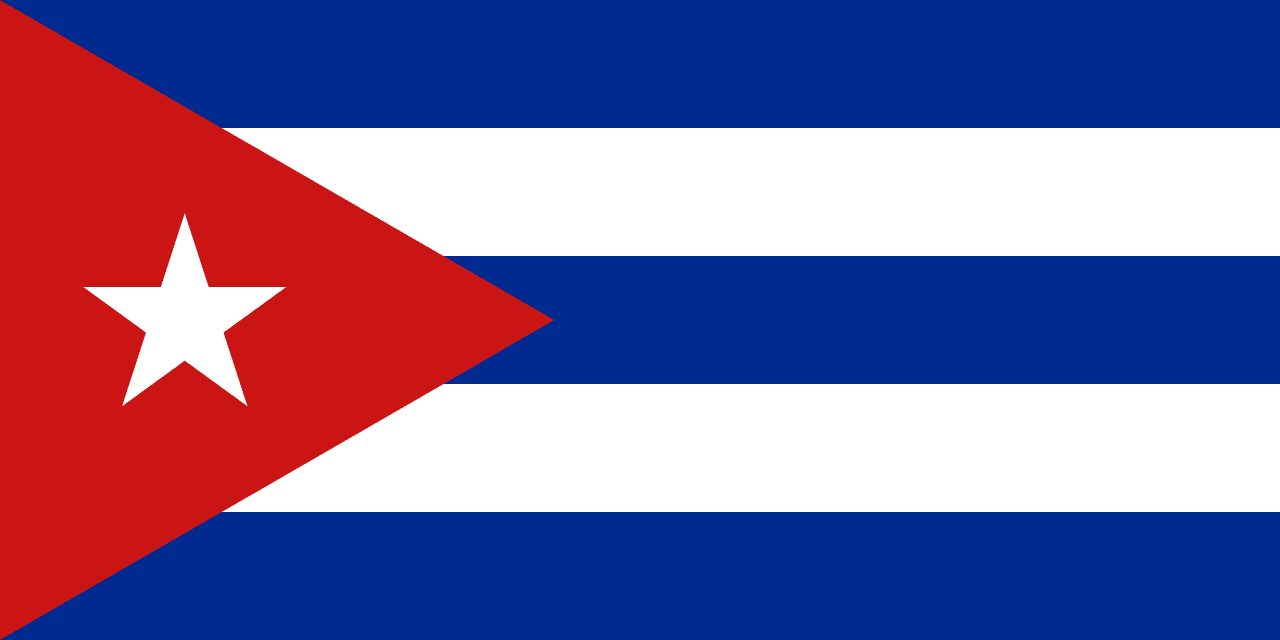
The Food of Cuba: 10 Dishes You Must Try
As I stepped off the plane and into the warm embrace of Havana, the air was thick with the tantalizing scents of sizzling meats, fresh herbs, and the unmistakable sweetness of ripe tropical fruits. Cuba’s culinary culture is a vibrant tapestry woven from its rich history—Spanish, African, and indigenous Taíno influences come together in a delightful array of flavors and textures. The heart of Cuba beats in its kitchens, where generations of cooks have passed down recipes filled with love and ingenuity. Eating in Cuba is not just about nourishment; it’s an experience that connects you to the spirit of the island and its people. Whether you’re dining at a family-run paladar (a private restaurant) or indulging in street food, every bite tells a story. Here are ten traditional Cuban dishes that you absolutely must try, each a piece of the island’s culinary puzzle. First on the list is Ropa Vieja, a dish that embodies the essence of Cuban comfort food. Ropa Vieja translates to "old clothes," a name inspired by the dish’s shredded beef that resembles tattered garments. This dish is prepared with flank steak simmered slowly in a rich broth of tomatoes, onions, bell peppers, and spices, all of which meld together into a savory sauce. The beef becomes so tender that it practically falls apart, and the vibrant colors of the vegetables give it an inviting appearance. You’ll often find Ropa Vieja served over a bed of fluffy white rice, accompanied by black beans and sweet fried plantains. The best place to try this dish is at a local family-run eatery in Old Havana, where the warmth of the atmosphere matches the comfort of the food. Sitting at a wooden table adorned with checkered tablecloths, you can truly feel the spirit of the island in each bite. Next, let’s talk about Moros y Cristianos, a quintessential Cuban staple that showcases the island’s rich history. This dish consists of black beans and white rice cooked together, symbolizing the coexistence of the African and Spanish cultures that have shaped Cuba. The beans are seasoned with garlic, bay leaves, and spices, creating a deep, earthy flavor that pairs perfectly with the fluffy rice. Moros y Cristianos is often served as a side dish, but it can also be the star of the show when paired with roasted meats or fried fish. I remember savoring a plate of Moros y Cristianos at a bustling market stall in Havana, where the locals would gather for lunch. The medley of flavors was a reminder of the island’s complex identity and rich culinary tradition. No trip to Cuba would be complete without indulging in the mouthwatering Lechón Asado, or roast pork. This iconic dish features a whole pig marinated in a marinade called “mojo,” made from garlic, sour orange juice, and a blend of spices. The pork is slow-roasted until the skin is crispy and the meat is succulent and flavorful. Each bite is a delightful crunch that yields to juicy, tender meat, often served with rice, beans, and fried plantains. You can find Lechón Asado at family gatherings, street parties, and local eateries, where it’s often the centerpiece of celebrations. I had the privilege of enjoying a plate of Lechón Asado at a street festival in Santiago de Cuba, surrounded by the sounds of salsa music and the laughter of locals—an experience I will cherish forever. Another dish that deserves a spot on your culinary journey is Picadillo, a flavorful ground beef hash that reflects the blend of cultures on the island. Picadillo is made with ground beef, onions, garlic, bell peppers, tomatoes, and spices, with some variations including olives and raisins, which add a touch of sweetness. The dish is typically served with rice and black beans, and the combination of savory and sweet flavors creates a delightful balance that dances on your palate. The first time I tried Picadillo was at a small diner in Havana, where an elderly lady greeted me with a warm smile and a generous portion. Each mouthful was a comforting reminder of how food can evoke memories and connect us to our surroundings. One of the most beloved Cuban dishes is Vaca Frita, which translates to “fried cow.” This dish features marinated flank steak that’s grilled to perfection and then pan-fried, resulting in a crispy exterior and succulent interior. The meat is typically served with onions and lime, adding a zesty brightness to the dish. Vaca Frita is often accompanied by rice and black beans, making it a hearty meal that packs a punch. I stumbled upon a charming little restaurant in Trinidad where the aroma of Vaca Frita wafted through the air, drawing me in. The vibrant colors of the dish and the zingy lime made it a refreshing yet satisfying meal, a true celebration of Cuban flavors. If you’re looking for something a bit different, you must try Arroz con Pollo, or rice with chicken. This dish is a staple in many Latin American countries, but the Cuban version has its own unique flair. The chicken is cooked with rice, vegetables, and spices, creating a one-pot meal that is both comforting and satisfying. The chicken infuses the rice with rich flavors, while saffron or achiote gives it a beautiful yellow hue. I had the pleasure of sharing a plate of Arroz con Pollo with a local family during a home-cooked meal, and the warmth of their hospitality made the dish even more memorable. Each forkful was filled with nostalgia and a sense of belonging, a reminder of how food brings us together. Moving on to a dish that’s as sweet as it sounds, we have Tostones, the crispy twice-fried green plantains that are a popular snack or side dish in Cuba. The plantains are sliced, fried until golden, smashed down, and then fried again, resulting in a crunchy exterior and a tender inside. Tostones are often served with garlic sauce for dipping, making them a perfect accompaniment to any meal. I discovered Tostones at a local beach shack while soaking in the sun, and the satisfying crunch paired with the garlicky dip was the perfect treat to complement the ocean breeze. For a taste of Cuba’s coastal flavors, look no further than Pescado a la Plancha, or grilled fish. Freshly caught fish is marinated in garlic, lemon, and spices before being grilled to perfection, resulting in succulent fish with a smoky flavor. The simplicity of this dish allows the freshness of the ingredients to shine through, showcasing Cuba’s rich maritime bounty. I enjoyed Pescado a la Plancha at a seaside restaurant in Varadero, with the sound of waves crashing in the background. Each bite was a delightful reminder of the island’s connection to the sea, a culinary experience that left me longing for more. Last but certainly not least is Flan, a dessert that holds a special place in the hearts of many Cubans. This creamy caramel custard is made with eggs, milk, sugar, and vanilla, resulting in a smooth, velvety texture that melts in your mouth. The caramel sauce drizzled on top adds a rich sweetness that perfectly complements the custard. I had the pleasure of indulging in a slice of Flan at a family gathering, where laughter and joy filled the room. The sweet treat was a celebration of life and love, encapsulating the warmth and hospitality that characterizes Cuban culture. Cuba’s culinary scene is a treasure trove waiting to be explored. To truly immerse yourself in the island’s flavors, seek out local markets, street stalls, and family-run restaurants where the cooking is done with passion and care. The bustling markets are filled with vibrant produce and aromatic spices, providing a glimpse into the daily lives of Cubans and their dedication to food. Street stalls offer quick bites of delicious snacks, while restaurants often serve dishes crafted from family recipes passed down through generations. Whether you find yourself enjoying a plate of Ropa Vieja in Havana or savoring Tostones on a sandy beach, every dish is a celebration of Cuba’s rich culinary heritage, waiting to be discovered. So pack your appetite and your sense of adventure—Cuba’s flavors are sure to leave a lasting impression on your heart and palate.
Read full article →The History of Cuba: From Ancient Times to Today
# The History of Cuba: From Ancient Times to Today Cuba, the largest island in the Caribbean, is a tapestry of history, culture, and resilience that has evolved over thousands of years. From the ancient indigenous tribes who first settled its lush landscapes to the modern-day struggles for independence and identity, Cuba's journey is both compelling and complex. Each chapter in its history reveals the indomitable spirit of its people and their quest for freedom, identity, and pride. ### Ancient Indigenous History: The Roots of a Nation Before the arrival of Christopher Columbus in 1492, Cuba was inhabited by various indigenous peoples, primarily the Taíno, Ciboney, and Carib tribes. The Taíno, the most numerous, thrived in Cuba’s fertile lands, cultivating crops such as cassava, maize, and sweet potatoes. They engaged in fishing and hunting, creating a society rich in tradition, art, and spirituality, where nature played a pivotal role in their daily lives. Their vibrant culture was marked by ceremonial ball games and intricate pottery, and they believed in a pantheon of gods related to natural elements. However, the arrival of Europeans would drastically alter the course of their history. Columbus's landing marked the beginning of a tragic era for these indigenous populations, who faced disease, enslavement, and violence as colonial forces encroached upon their lands. Historians estimate that within a few decades, the Taíno population dwindled from hundreds of thousands to virtually extinction due to European diseases and exploitation. ### The Colonial Era: A New Chapter Begins In 1511, Diego Velázquez de Cuéllar established the first Spanish settlement in Cuba, leading to nearly four centuries of colonial rule. As sugar became the island's leading export, Cuba transitioned into a plantation economy reliant on enslaved African labor. The sugar boom attracted thousands of planters and laborers, leading to a demographic transformation that would shape Cuba's social fabric. Among the sugar plantation owners, figures like the wealthy sugar magnate José Manuel de la Torre rose to prominence, driving the economic engine of the colony. But with prosperity came social inequalities, as enslaved Africans toiled under brutal conditions, their lives completely in the hands of their owners. The period was marked by revolts, such as the 1791 Haitian Revolution, which sent shockwaves through the region and inspired enslaved Africans in Cuba to seek their freedom. The cultural landscape of Cuba also began to flourish during this period, as African traditions mingled with Spanish colonial influences, giving birth to unique art forms, music, and religious practices. The sounds of rumba, son, and later salsa echoed from Havana's streets, laying the foundations for a rich cultural identity. ### The Road to Independence: A Fight for Freedom By the 19th century, a growing discontent brewed among the Cuban population. The desire for independence grew louder, fueled by the ideas of the Enlightenment and inspired by other revolutionary movements, particularly the American and French Revolutions. The first significant attempt at independence came in 1868 with the Ten Years' War, led by Carlos Manuel de Céspedes, who famously freed his slaves and called for the abolition of slavery. However, the struggle for freedom was far from over. After a decade of fighting, the conflict concluded without achieving independence, but it laid the groundwork for the next wave of revolutionary fervor. In 1881, José Martí, a national hero and advocate for social justice, emerged as a symbol of Cuba's independence movement. He envisioned a free Cuba, unshackled from colonial rule and characterized by equality and social justice. Martí's writings inspired countless Cubans and helped galvanize support for the cause. The Spanish-American War of 1898 marked a crucial turning point in Cuba's history. With the U.S. intervention on behalf of Cuban rebels, Spain relinquished control over the island. However, the victory brought about a new form of dependency as the Platt Amendment allowed the United States to maintain significant influence over Cuban affairs, effectively making Cuba a U.S. protectorate. This era of “pseudo-independence” was marked by political instability, corruption, and a growing disillusionment among Cubans with U.S. interventions. ### The Cuban Revolution: A New Dawn By the mid-20th century, Cuba was ripe for change. The dictatorship of Fulgencio Batista was characterized by repression, corruption, and a growing wealth gap. Rising discontent among the Cuban populace led to the formation of revolutionary groups, most notably led by Fidel Castro and his comrades, including the charismatic Che Guevara. In 1953, Castro's audacious attack on the Moncada Barracks sparked a revolution that would transform Cuba forever. Although the initial attack was unsuccessful, it galvanized support for the revolutionary cause. Castro's compelling speeches and ability to connect with the masses inspired hope in a country that had long been marginalized. After years of guerrilla warfare, Batista fled Cuba on January 1, 1959, and Castro emerged victorious. The new government began implementing sweeping reforms, including land redistribution and nationalization of industries. The Cuban Revolution captured the imagination of people worldwide, positioning Castro as a symbol of anti-imperialism and resistance against U.S. dominance. ### The Cold War Era: Tensions and Triumphs As Cuba solidified its revolutionary government, it became increasingly aligned with the Soviet Union, which fueled tensions with the United States. In 1961, the failed Bay of Pigs Invasion, orchestrated by the U.S. government, aimed to overthrow Castro’s regime but only strengthened his resolve. The subsequent Cuban Missile Crisis in 1962 brought the world to the brink of nuclear war, as the U.S. discovered Soviet missiles stationed in Cuba. The standoff ended with a tense agreement, during which the U.S. promised not to invade Cuba in exchange for the removal of the missiles. Despite the challenges, Castro's government made significant strides in healthcare, education, and social services. Literacy rates soared, and Cuba's healthcare system became a model for many developing nations. Yet, the economic isolation due to the U.S. embargo and the collapse of the Soviet Union in the 1990s plunged the country into a deep crisis known as the “Special Period.” Rationing of food and basic goods became common, leading to widespread hardship and discontent. ### The 21st Century: Navigating Change As the 21st century dawned, Cuba found itself at a crossroads. Fidel Castro’s retirement in 2006 and eventual death in 2016 marked the end of an era. His brother, Raúl Castro, implemented limited reforms aimed at economic liberalization, allowing greater private enterprise and foreign investment. These changes were met with mixed reactions; some viewed them as necessary steps toward modernization, while others feared they would undermine the revolutionary ideals. In December 2014, U.S. President Barack Obama announced a historic thaw in relations with Cuba, leading to the reopening of embassies and increased travel and trade. This moment was met with hope by many Cubans eager for change and engagement with the world. However, the subsequent return of a more hardline U.S. stance under President Donald Trump and the COVID-19 pandemic dealt significant blows to the island's economy. Despite these challenges, the spirit of resilience remains at the heart of Cuban life. The people continue to navigate the complexities of daily existence, finding joy in their rich cultural heritage, from music and dance to art and literature. The “Cubanidad,” or Cuban identity, has become a powerful force, blending indigenous, African, and European elements into a vibrant mosaic that embodies the island’s history. ### Today: A Nation in Transition Today, Cuba stands at a new threshold. As young people increasingly demand greater freedoms and opportunities, the government grapples with the need for reform while preserving its socialist foundations. The country’s future remains uncertain, but what is clear is that the story of Cuba is far from over. In a world that often seeks to define nations by their past, Cuba offers a testament to the power of resilience and the human spirit. From its ancient indigenous roots through the trials of colonialism, the fight for independence, and the ongoing struggle for identity in a modern context, Cuba's history is a story of struggle, triumph, and hope—a narrative that continues to evolve as new chapters unfold in this remarkable island nation. Through its vibrant culture, rich traditions, and the unyielding spirit of its people, Cuba stands as a symbol of resistance and the quest for a better future. As it navigates the complexities of the 21st century, one can only hope that Cuba’s journey is filled with more triumphs, less hardship, and a brighter horizon for its people.
Read full article →Hidden Gems of Cuba: Places Most Tourists Miss
Cuba is a land of vibrant colors, rich history, and stunning landscapes, yet many visitors find themselves confined to the well-trodden path of Havana’s historic streets and Varadero’s sandy beaches. While these iconic destinations are undeniably captivating, they barely scratch the surface of what this multifaceted Caribbean island has to offer. To truly immerse yourself in Cuba’s enchanting culture, you must venture beyond the popular attractions and discover its hidden gems—those lesser-known villages, breathtaking natural sites, and unique experiences that often go overlooked. Here’s a guide to some of the most extraordinary off-the-beaten-path places in Cuba, where you can experience the island's authentic spirit and meet its warm-hearted people. Start your adventure in the quaint village of Viñales, located in the heart of Cuba’s tobacco-growing region. Nestled amidst the lush green hills and limestone mogotes, Viñales is a stunning landscape that feels like stepping into a postcard. While many visitors pass through for a quick tour of its famed tobacco farms, those who linger can explore the vibrant local culture. Take a stroll through the village to admire the colorful murals that adorn the buildings, each telling a story of the region’s heritage and struggles. You can also hike or horseback ride through the Viñales Valley, a UNESCO World Heritage site, to witness the breathtaking views and learn about the traditional methods of tobacco cultivation. To reach Viñales, take a bus or a private taxi from Havana, about a two-and-a-half-hour drive away. Next on the list is the charming coastal town of Trinidad, often overshadowed by its more famous counterparts. This UNESCO World Heritage site is a step back in time, with its cobblestone streets, colonial architecture, and lively squares bursting with music and dance. Beyond the tourist crowds, explore the nearby Valle de los Ingenios, once the heart of Cuba’s sugar industry, where you can hike to the ruins of old sugar mills and enjoy stunning views of the surrounding countryside. Trinidad’s vibrant art scene is also worth discovering; visit local galleries and artisan workshops to meet talented artists and perhaps even pick up a unique souvenir. Trinidad is easily accessible from Havana by bus or taxi, and its proximity to beautiful beaches at Playa Ancón makes it an ideal stop for relaxation after your explorations. For those yearning for a slice of rural life, the village of Cienfuegos offers a unique experience that showcases Cuba's agricultural roots. Known as the "Pearl of the South," Cienfuegos is famous for its stunning waterfront and French colonial architecture. However, what sets it apart is the chance to engage with the local community. Visit the nearby countryside to meet farmers and learn about their sustainable practices, or immerse yourself in one of the local festivals, such as the annual Cienfuegos Carnival, where you can witness the vibrant costumes and lively music that reflect the spirit of the region. To get to Cienfuegos, take a bus from Havana or Trinidad, a scenic journey that takes around five hours. If you’re a nature lover, don’t miss the stunning landscapes of Parque Nacional Sierra del Rosario, a hidden paradise tucked away in the Sierra Maestra mountains. This national park is home to diverse ecosystems, lush vegetation, and pristine rivers. Hiking trails lead to breathtaking waterfalls, such as the stunning Salto de Javira, where you can take a refreshing dip after a hike. The park is also a UNESCO Biosphere Reserve, making it a haven for wildlife enthusiasts. To reach Sierra del Rosario, take a bus from Havana to the town of La Palma, then hire a local guide to explore its hidden trails and stunning scenery. Venturing further afield, the picturesque village of Baracoa is often described as Cuba’s best-kept secret. Located on the eastern tip of the island, Baracoa is surrounded by lush mountains and the Caribbean Sea, offering some of the country’s most breathtaking landscapes. The town has a rich indigenous history and is known for its unique culinary delights, such as the famous chocolate produced from local cacao. Take a trip to the stunning El Yunque mountain, hike through its trails, and enjoy panoramic views of the coastline. The journey to Baracoa can be an adventure in itself, as it involves a long but scenic bus ride from Santiago de Cuba, which takes about five hours but rewards you with stunning sights along the way. Another hidden gem that travelers often overlook is the vibrant neighborhood of Centro Habana in Havana. While tourists flock to Old Havana, Centro Habana offers a more authentic glimpse into daily life in the city. Wander through the colorful streets, visit local markets, and explore the lively neighborhoods filled with street art and local music. The area is home to some of the best paladares (private restaurants) where you can savor traditional Cuban cuisine made with love. Engage with the locals, who are often eager to share their stories and insights about life in Cuba. Centro Habana is easily accessible on foot from Old Havana or by taking a short taxi ride. For a truly unique experience, consider attending one of Cuba's many local festivals. One of the most celebrated is the Fiesta del Fuego, held annually in Santiago de Cuba. This vibrant festival showcases the rich cultural heritage of the Caribbean, featuring music, dance, and art from various communities. Participate in traditional events, such as the Rumba and the Reggae Fest, and enjoy the lively atmosphere that fills the streets. Santiago de Cuba is about a 15-hour bus ride from Havana, but the journey is filled with beautiful landscapes and offers a chance to visit additional hidden gems along the way. Another captivating destination is the remote village of Los Canarreos, located in the Archipelago of the Jardines de la Reina. This area is a paradise for divers and snorkelers, with its pristine coral reefs teeming with marine life. The village itself is charming, with its rustic wooden houses and friendly locals who welcome visitors with open arms. Experience the untouched beauty of this region by taking a guided tour to explore the nearby cays and indulge in the crystal-clear waters and vibrant underwater ecosystems. Accessing Los Canarreos typically involves a boat ride from the coastal town of Jucaro, which can be arranged through local tour operators. As you uncover Cuba's hidden gems, don’t forget to embrace the island’s spirit of adventure and exploration. Each destination has its own unique story and character, waiting to be discovered. Whether it's hiking through lush mountains, dancing at a local fiesta, or simply sharing a meal with locals, these experiences will leave an indelible mark on your heart. Practical tips for travelers seeking to discover these hidden gems include learning a few basic Spanish phrases to enhance your interactions with locals, as English is not universally spoken outside the tourist hotspots. Traveling by bus is usually the most economical option, but consider hiring a local guide for more remote areas to ensure you get the most out of your visit. Always carry cash, as many places do not accept credit cards, and be sure to respect local customs and traditions. Finally, take your time to soak in the beauty and charm of each location; Cuba’s magic lies not just in its sights but in the connections you make along the way. In conclusion, Cuba is a treasure trove of hidden gems waiting to be explored. By stepping off the beaten path, you can experience the island’s authentic culture, breathtaking landscapes, and warm hospitality—creating memories that will last a lifetime. So pack your bags and prepare for an adventure that goes beyond the surface, diving into the heart and soul of Cuba.
Read full article →What It's Really Like to Live in Cuba
What It's Really Like to Live in Cuba Living in Cuba is like stepping into a vibrant tapestry woven from the threads of rich history, unique culture, and the resilience of its people. As someone who has spent significant time on this island, I can tell you that everyday life here is a blend of beauty, struggle, and an undeniable sense of community. From the bustling streets of Havana to the serene beaches of Varadero, the rhythm of life in Cuba is distinct and captivating. Daily life in Cuba unfolds against a backdrop that seems to be both modern and frozen in time. You wake up to the sounds of roosters crowing and the warm rays of the sun streaming through the window. Mornings are often filled with the rich aroma of coffee, which is an essential part of daily life. A small cup of strong, sweetened Cuban coffee, known as “cafecito,” can be found for as little as 5 pesos (about 20 cents). This morning ritual is not just about caffeine; it’s a moment to connect with family and friends, where conversations flow as freely as the coffee itself. Cuba's cost of living can be deceptively low, yet the reality is more nuanced. While rent in certain areas can be reasonable (often as low as $20 a month for a modest apartment), finding a job that pays a livable salary is a challenge for many. Most Cubans earn their living through government jobs or informal work, such as running small restaurants, known as "paladares," or offering services to tourists. A monthly salary for a state worker might average about 3,000 pesos, equivalent to $125, a figure that does not cover the basic costs of living. This economic landscape forces many to depend on remittances from family members abroad or to engage in a patchwork of side gigs. Food culture in Cuba is both a reflection of necessity and creativity. Traditional Cuban fare includes staples like rice, beans, and plantains, often accompanied by pork or chicken. Street vendors offer delicious snacks, and you can find a plate of “ropa vieja” (a flavorful shredded beef dish) in a local eatery for around 150 pesos ($6). Despite the limitations, Cubans are masters of improvisation, turning simple ingredients into culinary delights. The communal aspect of meals is particularly striking; sharing food is paramount, and it’s common to see families and friends gathering around a table, laughing and enjoying each other’s company. Social customs in Cuba are steeped in warmth and hospitality. Greetings are often accompanied by hugs and cheek kisses, even among acquaintances. It’s customary to ask someone how they are — “¿Cómo estás?” — and genuinely expect a response. The emphasis on relationships over individualism fosters a strong sense of community. Cubans take pride in their culture and often showcase it through music and dance, which are integral parts of everyday life. Whether it’s an impromptu salsa session in the street or a lively gathering with a guitar, music transcends barriers and brings people together. Family life in Cuba is profoundly important, and you'll often hear the phrase “la familia es todo” (“family is everything”). Extended families frequently live together, and it’s not uncommon for several generations to share a home. This close-knit structure fosters strong support networks, especially during difficult times. Celebrations, be they birthdays or holidays, are grand affairs filled with laughter, food, and music, creating cherished memories that last a lifetime. Work culture in Cuba is a fascinating mix of dedication and resourcefulness. The workday typically begins early, with many people leaving home before sunrise. Punctuality can be fluid, as life often has its own rhythm that doesn’t align with the clock. For many, the idea of a nine-to-five job feels more like a suggestion than a rule. While the government controls most employment sectors, there’s a growing trend of entrepreneurship, with more individuals setting up their own businesses. This shift has led to a burgeoning street economy where creativity reigns, and services like guided tours, handmade crafts, and food stalls thrive. Weekends in Cuba are a time for relaxation and revelry. Many locals head to the beach, especially during the scorching summer months when the sun blazes down. You can find families picnicking on the white sands, with music playing from portable speakers and laughter echoing through the air. For those who prefer the vibrant ambiance of the city, weekend nights come alive with live music in plazas or casual gatherings at a friend’s house. The phrase “Vamos a bailar” (“Let’s dance”) is often heard, as Cubans embrace every opportunity to celebrate and move to the rhythm of their culture. Cuba’s weather also plays a significant role in shaping daily life. With its tropical climate, the island enjoys warm temperatures year-round, but this comes with a distinct rainy season from May to October. Residents adapt their routines accordingly, often seeking shade during the midday sun or carrying umbrellas as a precaution against sudden downpours. The weather can influence social activities, with outdoor gatherings becoming more frequent during the cooler months of November to April when the temperatures are more pleasant. Living in Cuba is not without its challenges. The economic situation can be tough, with shortages of everyday items like soap, toothpaste, and basic foods being commonplace. Long lines at stores are a regular sight as people wait for the arrival of supplies. However, amidst these difficulties, there is a remarkable spirit of resilience. Cubans have learned to navigate these challenges through a combination of ingenuity and community support. The phrase “resolver” illustrates this mindset perfectly — it means to solve or make do, embodying the determination to find solutions no matter the circumstances. Despite the challenges, there are countless positives to life in Cuba. The landscape is breathtaking, with stunning beaches, lush countryside, and vibrant cities steeped in history. The sense of community is palpable, as is the pride in cultural heritage. Cubans are known for their humor and warmth, often finding joy in simple pleasures. A spontaneous gathering with friends, a sunset over the Malecón, or a shared meal can bring immense happiness. What often surprises foreigners most about living in Cuba is the depth of the social relationships and the emphasis on human connection over material wealth. The pace of life is slower, encouraging people to enjoy the moment rather than rush through it. The spirit of collaboration and mutual aid becomes apparent through the numerous initiatives and grassroots organizations that spring up in neighborhoods, often spearheaded by the community members themselves. In conclusion, living in Cuba is an experience like no other, filled with both hardships and incredible joys. The vibrant culture, the strong sense of community, and the resilience of its people create a unique environment that leaves a lasting impression. While the challenges are real, they are counterbalanced by the warmth of human connections and a rich cultural tapestry that defines everyday life on this beautiful island. For anyone who takes the time to immerse themselves in the Cuban way of life, the rewards are plentiful, offering a perspective on living that is both refreshing and enlightening.
Read full article →Why Visit Cuba
Cuba exists in a category of its own in the Caribbean — a country where time has moved differently, where 1950s American cars cruise avenues lined with Spanish colonial architecture, where the sound of live salsa spills from open doorways at all hours, and where a genuine and complex culture awaits travellers willing to look beyond the beach resorts. Havana is one of the great cities of the Americas. The Malecon — the broad seafront esplanade — is the social living room of the city, where Habaneros gather at dusk to fish, drink rum, and watch the sunset over the Straits of Florida. Old Havana, a UNESCO World Heritage site, is a grid of baroque churches, colonnaded plazas, and crumbling mansions in various stages of restoration. The Plaza Vieja, the Cathedral, and the Capitolio reveal the city's former grandeur. The classic car taxis — lovingly maintained Chevrolets and Fords in candy colours — are both practical transport and one of the world's great photo opportunities. Trinidad, five hours east of Havana, is another UNESCO jewel. The cobblestone streets, ochre-painted colonial houses, and salsa clubs set in former sugar barons' mansions create an atmosphere unlike anywhere else in the Caribbean. The nearby Escambray Mountains offer hiking and waterfalls, while the Valle de los Ingenios preserves the ruins of the plantation era. Vinales in the west is Cuba's tobacco heartland. Limestone mogotes — flat-topped hills — rise from the valley floor, where tobacco farmers still cure leaves in traditional wooden barns. Hiking, horse riding, and cave exploration are all available in this bucolic landscape. Cuba's beaches are world-class. Varadero is the most developed resort area, but Cayo Coco and the waters around the Bay of Pigs offer diving and snorkelling in near-pristine coral reef environments. Cuban food has historically been simple — rice, black beans, roasted pork, and fried plantain. The paladares (private restaurants) that have flourished in recent years have elevated the dining scene considerably. The best time to visit is from November to April, during the dry season, when humidity is lower and hurricane risk has passed.
Read full article →Cuba: Son, Salsa and the Cars That Time Forgot
Havana is visually unlike any other city in the Americas. The US trade embargo, which began in 1962, inadvertently preserved the city's pre-revolutionary architecture by making replacement both difficult and economically pointless. The result is a city of faded grandeur — Baroque churches, neoclassical mansions, mid-century modernist buildings, and 1950s American cars that Cubans have kept running through ingenuity and improvisation for sixty years. The vintage cars are not nostalgia. They are necessity that became aesthetic. Cuban music is a layered tradition of extraordinary depth. Son — the foundational genre born in eastern Cuba from African rhythmic complexity and Spanish melodic structure — gave rise to salsa, mambo, cha-cha-cha, and ultimately to much of what is called Latin music globally. The Buena Vista Social Club recordings in 1996 brought the original masters of Cuban son to international attention at ages that ranged from their 60s to their 90s, and introduced a new generation of listeners to a music tradition that had been developing for a century. Cuban healthcare and education are the subjects of genuine international debate — literacy rates near 100 percent, infant mortality lower than the United States, a medical system that has sent doctors to fifty countries — alongside genuine poverty, restricted freedoms, and the particular frustrations of a society that produces extraordinary human talent and cannot always hold it. Cuba is one of the world's most genuinely complicated countries to understand from the outside.
Read full article →