No messages yet — be the first to share something about Congo!
Sign in to join the chat
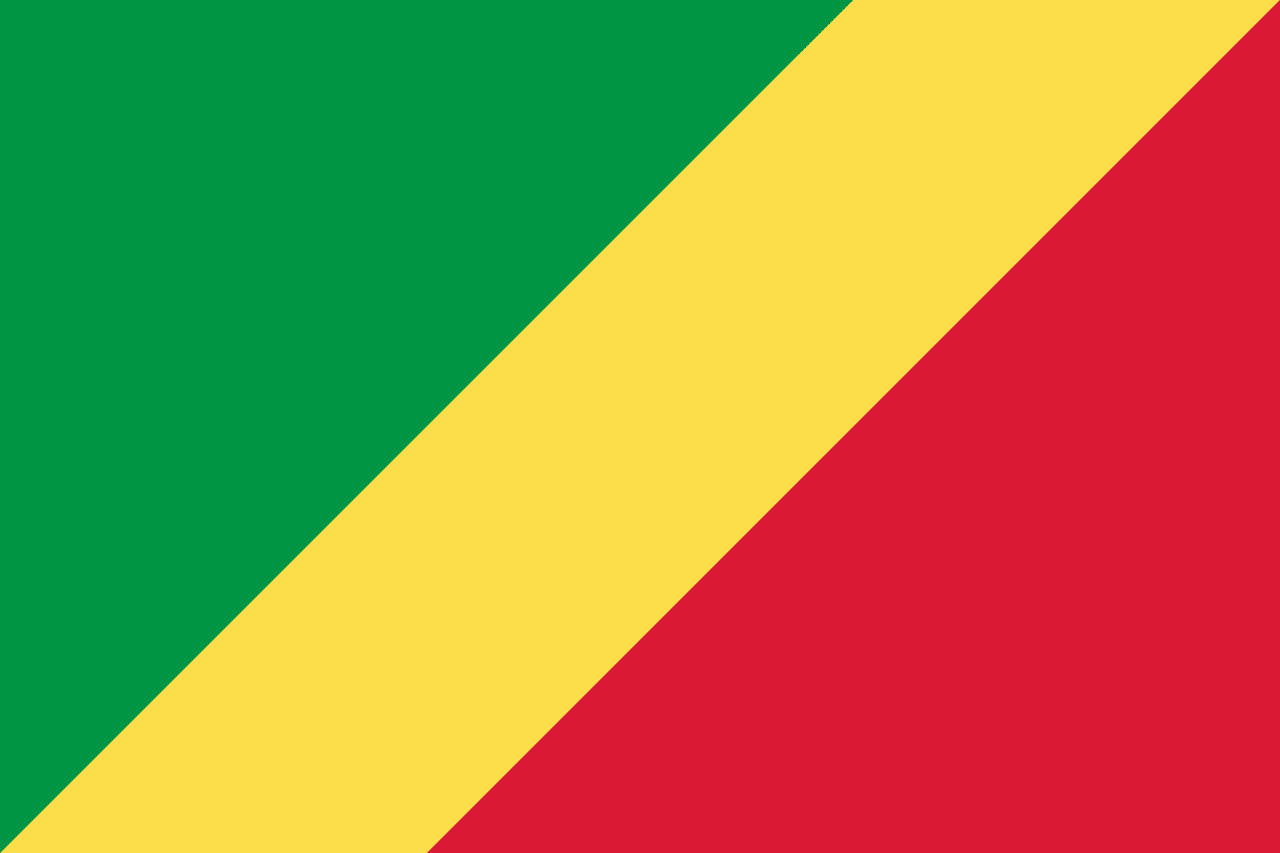
The Food of Congo: 10 Dishes You Must Try
The Democratic Republic of the Congo, a country of staggering natural beauty and rich cultural heritage, offers a culinary landscape as diverse and vibrant as its landscapes. As I ventured through its bustling cities, lush rainforests, and charming villages, I found that Congolese cuisine is deeply intertwined with history, tradition, and the daily lives of its people. Each meal tells a story, and every dish is an invitation to savor the essence of Congolese life. From the hum of street markets to the warm embrace of family gatherings, my journey through the food of Congo revealed a tapestry of flavors that beckoned me at every turn. One of the first dishes I encountered was **Liboké**. This dish consists of fish, often tilapia, marinated in spices like garlic and ginger, wrapped in banana leaves, and then grilled over an open flame. The aroma wafting through the air was irresistible, and as I took my first bite, I was treated to a delicate balance of smokiness and the savory richness of the fish. You’ll find Liboké in local fish markets or served in restaurants along the banks of the Congo River, where fishermen proudly present their catch of the day. The dish is often served with a side of cassava or plantains, making it a hearty meal that captures the spirit of the riverine communities. Next on my culinary adventure was **Saka Saka** or cassava leaves stew, a staple that embodies the soul of Congolese home cooking. Made with finely chopped cassava leaves, groundnut (peanut) paste, and often coupled with meat or fish, this dish is rich, nutty, and deeply comforting. The first time I tasted Saka Saka at a family gathering, the warmth of the home enveloped me as I savored the flavors. It is traditionally served with fufu, a dough-like side made from fermented cassava or plantains, which you can use to scoop up the stew. This dish is often shared among families during significant celebrations, symbolizing unity and abundance. As I continued to explore, I was delighted to discover **Moambe Chicken**. This dish is prepared with chicken simmered in a rich sauce made from palm oil, groundnuts, and spices. The thick sauce clings to the tender meat, creating a sweet yet savory experience that is utterly addictive. It’s a dish that reflects the culinary influence of the neighboring countries and is best enjoyed with rice or plantains. I found Moambe Chicken served at small eateries in Kinshasa, where locals gather for hearty meals after a long day. The dish is often a centerpiece during important family celebrations, showcasing both the hospitality and love of Congolese cuisine. Another delightful find was **Fumbwa**, a dish that showcases the versatility of African eggplant. The eggplant is combined with groundnut paste, spices, and sometimes meat or fish, creating a dish that bursts with flavor and color. I encountered Fumbwa at a local tavern, where the vibrant atmosphere mirrored the rich flavors of the food. The dish is often served at communal meals, making it a perfect option for sharing among friends and family. Every bite was a reminder of the Congolese people’s resourcefulness in using locally available ingredients. As I wandered through the streets of Brazzaville, I stumbled upon **Makayabu**, which is dried salted fish, a beloved snack or side dish. The preparation process involves drying and salting fish, often served with a spicy sauce made from tomatoes and chili peppers. The crispy texture and intense flavor of Makayabu made it an addictive treat, and I couldn’t resist grabbing some from a street vendor who offered it with a smile. This dish is a common accompaniment to meals, enhancing the flavors with its umami kick, and showcases the Congolese affinity for seafood that thrives in its waters. A visit to Congo would be incomplete without indulging in **Pili Pili**, a fiery chili condiment that adds a kick to almost any dish. Made from hot peppers, garlic, and spices, Pili Pili is a staple at mealtime, and I quickly learned that a little goes a long way. I found it at nearly every restaurant and home, where it was served in small bowls alongside main courses. The locals often have their own recipes, passed down through generations, and it serves as a testament to the love that Congolese people have for bold flavors and spiciness in their cuisine. One morning, I found myself enjoying **Chikwanga**, a traditional fermented cassava bread that is steamed in banana leaves. The slightly tangy flavor and chewy texture make it a fantastic complement to savory stews, and I discovered its importance during festive occasions, where it is often served during gatherings and celebrations. I watched as a local woman expertly wrapped the cassava dough in banana leaves, a skill she had honed over many years. Chikwanga represents the spirit of sharing and community, as families often prepare large quantities to feed many. Moving on to desserts, I was pleasantly surprised by the simplicity yet deliciousness of **Bananes Plantains**. These sweet plantains are often fried or boiled and served as a dessert or snack. The caramelized exterior and soft, sweet interior made for a comforting treat, and I couldn’t get enough of them after a long day of exploring. Street vendors often sell these delightful bites, making them accessible to everyone. They remind me of childhood sweetness—a simple pleasure enjoyed by individuals and families alike. While sampling the local cuisine, I couldn’t resist trying **Kanda**, or groundnut balls. Made from crushed peanuts, these small, round treats are a popular snack or appetizer. They are often served with a spicy dipping sauce, making them a perfect companion for a cold drink. I discovered Kanda at a local market, where the vibrant colors and scents of the stalls lured me in. Each bite encapsulated the essence of Congolese snacks—simple yet bursting with flavor. Finally, I had to mention **Ndakala**, a dish made from smoked fish, which is often served with a hot pepper sauce. The smoky flavor of the fish, paired with the heat of the chili sauce, created a bold taste that left my taste buds tingling. I enjoyed Ndakala in a family’s home one evening, where it was served alongside rice and vegetables, showcasing the hospitality and warmth of the Congolese people. This dish is often enjoyed during gatherings, as families come together to share stories and laughter over a meal. Finding the best food in Congo is an adventure in itself. Whether wandering through bustling markets filled with fresh produce and spices, sampling street food from colorful stalls, or dining in cozy restaurants, there’s no shortage of flavors to explore. The markets are a feast for the senses, brimming with the vibrant colors of local ingredients, while street stalls offer quick and delicious bites that capture the essence of Congolese life. For a more sit-down experience, many restaurants in Kinshasa and Brazzaville showcase traditional dishes in a warm and inviting atmosphere, often accompanied by live music or performances that celebrate the culture. As I reflect on my culinary journey through Congo, the flavors linger in my memory, woven into the fabric of my experiences. Each dish, whether savory or sweet, told a story of heritage, warmth, and the joy of sharing food with loved ones. The food of Congo is more than sustenance; it is a celebration of life, love, and the rich traditions that bind its people together. As I left, I took with me a deep appreciation for the culinary culture of this magnificent land and a promise to return for more flavors and stories to savor.
Read full article →The History of Congo: From Ancient Times to Today
# The History of Congo: From Ancient Times to Today Nestled in the heart of Africa, the Democratic Republic of Congo (DRC) has a history as rich and complex as the dense jungles that blanket its vast landscapes. This land, known for its towering mountains, sprawling rivers, and vibrant cultures, has witnessed the rise and fall of empires, colonization, struggle for independence, and ongoing challenges in the modern era. To understand Congo is to embark on a journey through time, where indigenous traditions intertwine with global influences, and resilience emerges from the shadows of adversity. ## Ancient and Indigenous History Long before the arrival of Europeans, the region that is now the DRC was home to a plethora of ethnic groups and tribes, each with its own languages, customs, and governance structures. The Bantu migrations, which began around 1000 BCE, played a pivotal role in shaping the demographic landscape of Central Africa. As these groups spread across the continent, they introduced agriculture, ironworking, and complex societal structures. Among the earliest known civilizations was the Kingdom of Kongo, which emerged around the 13th century. Located in the western part of modern-day Congo, Kongo was a highly organized kingdom with a sophisticated political system. The capital, Mbanza Kongo, became a bustling center of trade and culture, where skilled artisans and traders thrived. Kongo’s wealth was largely derived from its control of trade routes that linked the interior of Africa to the Atlantic coast, facilitating the exchange of goods such as ivory, textiles, and salt. The Kingdom of Luba, founded around the 16th century in the southeastern region, also left a significant mark on history. Renowned for its artistic achievements and rich oral traditions, the Luba Kingdom became a major center for trade and political power. Its leaders, known as the "Mwami," were believed to embody sacred authority, connecting the spiritual and political realms. ## The Era of Empires As the Kingdom of Kongo and the Luba Kingdom waxed and waned through the centuries, the region saw the emergence of other powerful polities, including the Kingdom of Kuba and the Kingdom of Lunda. Each of these kingdoms contributed to the intricate tapestry of Congolese culture, with their distinct languages, art styles, and social structures. The legacy of these empires can still be felt today, as many Congolese people take pride in their rich heritage and traditions. However, the 15th century brought profound changes to the region as European powers began to explore Africa’s coasts. The Portuguese, in particular, established trade relations with the Kingdom of Kongo, which initially brought wealth but eventually led to deep and traumatic repercussions. The demand for slaves in the Americas fueled internal conflicts, as powerful kingdoms waged wars to capture prisoners for sale. This dark chapter of the transatlantic slave trade would haunt the region for centuries, eroding communities and causing immense suffering. ## Colonization and the Belgian Congo The late 19th century marked a turning point in the history of Congo. In 1885, King Leopold II of Belgium, driven by a desire for wealth and prestige, claimed the Congo Free State as his personal property. Under his rule, the region became a site of unimaginable exploitation and brutality. Leopold’s regime enforced an extraction economy centered on rubber and ivory, employing horrific methods to coerce local populations into labor. The infamous "Red Rubber" era devastated communities and led to millions of deaths—estimates suggest that the population fell from around 20 million to 10 million during his rule. International outcry in the early 20th century finally forced Leopold to relinquish control of the Congo. In 1908, the Belgian government took over administration, transforming the Congo into a colony known as the Belgian Congo. While conditions improved slightly, colonial rule remained oppressive. The Belgians exploited the country's vast natural resources, including copper, cobalt, and diamonds, while denying Congolese people basic rights and education. Amidst this backdrop of exploitation, the seeds of resistance began to germinate. Congolese intellectuals and activists, heavily influenced by nationalist movements across Africa, began advocating for independence. Figures such as Patrice Lumumba emerged as key leaders, rallying support for a new, self-governing nation. ## The Road to Independence After World War II, a wave of decolonization swept across Africa. The Belgian Congo faced increasing pressure for change, leading to a series of events that would culminate in independence. In 1960, following a brief period of political turmoil and negotiations, Congo finally gained independence on June 30, a day celebrated for its significance in the nation’s history. However, the euphoria of independence was short-lived. Patrice Lumumba became the first Prime Minister, but his vision for a united, prosperous Congo was challenged by internal divisions and external interference. Just months after taking office, Lumumba was ousted in a coup led by Mobutu Sese Seko, with the backing of Western powers who viewed him as a potential threat during the Cold War. Mobutu established a dictatorship that lasted for over three decades, during which he changed the country’s name to Zaire and cultivated a cult of personality. His regime was marked by corruption, human rights abuses, and a culture of patronage. Despite controlling vast resources, the majority of the population lived in poverty, while Mobutu and his allies amassed great wealth. ## The Collapse of the Mobutu Regime and the Congo Wars The late 1990s marked a dramatic turning point in Congo’s history. As economic conditions worsened and political dissent grew, the Mobutu regime faced increasing challenges. In 1997, a coalition of rebel groups led by Laurent-Désiré Kabila launched an offensive that ultimately led to Mobutu’s ousting. Kabila became president, but his leadership quickly became authoritarian, leading to renewed dissent. What followed was the First Congo War (1996-1997), which drew in various neighboring countries and highlighted the complex web of alliances and rivalries in the region. The war resulted in millions of deaths and the collapse of state institutions, leading to a power vacuum that precipitated the Second Congo War (1998-2003). This conflict, often referred to as "Africa's World War," involved multiple nations and armed groups, fueled by competition for the DRC's vast mineral wealth. The wars devastated the country, leading to widespread displacement and suffering. Despite the official end of both wars, violence persisted in various forms due to ongoing clashes among militias, local grievances, and the presence of foreign interests. ## The Modern Era Today, the Democratic Republic of Congo stands at a crossroads. While the country is endowed with abundant natural resources, including minerals like coltan, gold, and diamonds, decades of conflict and mismanagement have hindered meaningful development. The complex legacy of colonialism, dictatorship, and war continues to shape the social, political, and economic landscape. In recent years, efforts to stabilize the country and build democratic institutions have been met with mixed results. Elections have been marred by allegations of fraud, violence, and manipulation. However, a vibrant civil society and a burgeoning youth movement are beginning to assert their voices, demanding accountability, transparency, and an end to corruption. Congo’s rich cultural heritage also endures. Music, art, and literature reflect the resilience and creativity of its people. Artists such as Papa Wemba and groups like Konono N°1 have gained international recognition, showcasing the fusion of traditional African rhythms with modern influences. As the DRC looks to the future, it grapples with the challenge of reconciling its past with the aspirations of its people. The journey from ancient kingdoms to modern nationhood is a testament to the strength and spirit of the Congolese people. The history of Congo is not just a narrative of struggle; it is also a story of hope, resilience, and the enduring quest for dignity. As they navigate the complexities of the modern world, the people of Congo continue to write their own history, one filled with the promise of a brighter future.
Read full article →Hidden Gems of Congo: Places Most Tourists Miss
Congo, a vast and mesmerizing landlocked country in Central Africa, is often overshadowed by its more tourist-popular neighbors. Many travelers journey to the Democratic Republic of the Congo (DRC) or the Republic of the Congo to visit the iconic sights—like the mighty Congo River or the lush landscapes of Virunga National Park—only scratching the surface of the rich tapestry of life and culture that this region has to offer. Yet, beneath the well-trodden trails lies a treasure trove of hidden gems waiting to be discovered. For the intrepid traveler willing to venture beyond the conventional path, Congo presents an array of breathtaking landscapes, vibrant cultures, and authentic experiences that reveal the soul of this captivating country. One such hidden gem is the town of Mbandaka, located on the banks of the Congo River in the DRC. Often overlooked for its more famous counterparts, Mbandaka is a vibrant hub of Congolese culture and commerce. This bustling riverside town is where you can experience the rhythm of life in the Congo away from the tourist crowds. The colorful local markets brim with fresh produce, textiles, and artisanal crafts, providing a captivating glimpse into daily Congolese life. To get there, you can fly into Mbandaka from Kinshasa or take a long boat ride on the Congo River, where the journey becomes part of the adventure. Spending a day wandering through the streets, sampling local delicacies, and engaging with friendly locals will leave you with memories far richer than any sightseeing tour. Just a few hours south of Mbandaka lies the extraordinary Yangambi Botanical Garden, a UNESCO World Heritage Site that remains one of Africa’s hidden botanical treasures. Established in the 1930s, this garden is home to an astonishing variety of plant species, some of which are endemic to the region. Visitors can wander through lush pathways and witness the intricate beauty of tropical flora, making it a paradise for botany enthusiasts and nature lovers alike. To reach Yangambi, you’ll need to take a combination of road travel and boat, which offers an exhilarating opportunity to engage with the landscape. Make sure to allocate time to explore the surrounding area, as rich biodiversity awaits in the nearby rainforest—a showcase of tropical vibrancy that captures the essence of Congo. Further south, the town of Kisangani beckons adventurers with its blend of history, culture, and stunning natural beauty. Often seen as a gateway to the great Congo River, Kisangani is dotted with colonial-era architecture and local markets that buzz with life. The city serves as a launch point for exploring the nearby Tshopo Falls, which, while not as renowned as Victoria Falls, offers a serene and less commercialized experience of cascading water surrounded by lush greenery. You can take a taxi-brousse (shared taxi) from Kinshasa to Kisangani, which can be an adventure in itself. Once there, engaging with the local community and discovering the stories of its people will enrich your visit beyond the visuals. For a truly immersive experience, head to the village of Yaligimba, located in the heart of the DRC. This small yet vibrant village is home to the BaAka Pygmies, one of the last remaining indigenous communities in the Congo rainforest. Here, visitors can experience traditional dances, storytelling, and the rich oral history of the BaAka people. This cultural exchange is more than just a tourist attraction; it’s a chance to engage with a way of life that has remained unchanged for centuries. Getting to Yaligimba requires a bit of effort, with a combination of boat and hiking, but the connections you’ll forge and the insights you’ll gain make it utterly worthwhile. Not far from Yaligimba is the enchanting Salonga National Park, another UNESCO World Heritage Site that remains largely unexplored. Covering over 36,000 square kilometers of pristine rainforest, Salonga is one of the largest protected areas in Africa and is teeming with unique wildlife. Those lucky enough to venture into the park may encounter rare species such as the bonobo, the African forest elephant, and countless bird species. Accessing Salonga typically involves a lengthy journey from Kinshasa via a combination of road and river transport. Guided tours are recommended, as local experts can enhance your understanding of the ecosystem and its conservation efforts. A trek through Salonga’s depths allows you to immerse yourself in one of the world’s last great rainforests—an experience that is not only adventurous but also profoundly humbling. Further afield, the Republic of the Congo offers its own share of hidden treasures, one of which is the stunning Odzala-Kokoua National Park. This national park is an ecological marvel filled with dense jungles, savannahs, and wetlands, and it is one of the last strongholds for wildlife in Central Africa. Lesser-known than its DRC counterpart, Odzala-Kokoua allows visitors to explore vast ecosystems and encounter wildlife such as gorillas, elephants, and various bird species. The park is accessible via direct flights from Brazzaville to the park’s airstrip, followed by guided safaris that weave through its breathtaking landscapes. With fewer tourists, you can experience the tranquility of untouched wilderness and the thrill of spotting wildlife in their natural habitat—a rare opportunity in a world that increasingly prioritizes commercial tourism. In the coastal region of the Republic of the Congo, the small fishing village of Pointe-Noire offers a glimpse into local life away from the hustle of larger cities. This vibrant coastal town is known for its stunning beaches, where you can enjoy fresh seafood, relax under the sun, and immerse yourself in the rhythms of daily fishing life. Locals often gather along the shore as the fishermen return with their catch, providing an authentic atmosphere that tourists rarely encounter. To get to Pointe-Noire, you can take a train or a bus from Brazzaville, but the scenic journey is part of the experience. Embrace the laid-back vibe of this coastal haven and consider participating in a fishing expedition or cooking class to fully engage with the local culture. As you journey through Congo, be sure to seek out annual festivals that showcase the region's rich traditions. One such celebration is the Festival of Ngoma, celebrated in various villages across the country. This vibrant festival features traditional music, dance, and art, allowing visitors to experience the depth of Congolese culture firsthand. Attending a local festival is a great way to connect with the community, participate in joyous celebrations, and witness the artistry and craftsmanship of local artisans. The festival dates vary, so it's best to plan your visit around the cultural calendar, ensuring an unforgettable experience filled with color, music, and camaraderie. Lastly, the serene Lake Tumba, located in the DRC, beckons those seeking tranquility. This vast lake is one of the largest in the country and is surrounded by lush wetlands, making it a paradise for birdwatchers and photographers. The area is less frequented by tourists, allowing you to enjoy the peaceful surroundings and engage with local fishing communities. Reaching Lake Tumba requires a combination of road and boat travel—a journey that invites exploration along the way. Pitch a tent by the lakeside or stay in a local lodge, and spend your days kayaking, fishing, or simply soaking in the breathtaking views as the sun sets over the water. As you prepare to explore these hidden gems of Congo, here are a few practical tips to enhance your adventures. First and foremost, be open-minded and flexible in your travel plans. While popular tourist spots often come with established infrastructure, lesser-known destinations may require patience and adaptability. Understanding local customs and traditions is crucial; respecting the culture will not only enrich your experience but also foster meaningful connections with the locals. Language can be a barrier; learning a few phrases in French or Lingala can go a long way in navigating your journey. Lastly, ensure that you have the necessary vaccinations and travel insurance before embarking on your adventure. Congo’s hidden gems offer a unique blend of culture, nature, and adventure that rewards those willing to step off the beaten path. Whether you're wandering through the lively streets of Mbandaka, immersing yourself in the traditions of Yaligimba, or soaking in the tranquility of Lake Tumba, each experience promises to reveal the heart of this enchanting country. So pack your bags, embrace the spirit of adventure, and set off to uncover the treasures of Congo that await beyond the surface.
Read full article →What It's Really Like to Live in Congo
**What It's Really Like to Live in Congo** Living in the Democratic Republic of the Congo (DRC) is an experience that is as vibrant and diverse as the country itself. With its sprawling landscapes, dense jungles, and bustling urban centers, life in Congo is a tapestry woven from rich cultural threads, economic challenges, and everyday joys. Having lived in the DRC for several years, I’ve come to appreciate the intricate nuances that define daily life here. Daily life in Congo varies dramatically between urban and rural settings. Cities like Kinshasa, the capital, pulse with energy and chaos. Streets are often filled with the sounds of motorbikes, vendors shouting their wares, and the throaty laughter of children playing in the dirt. In contrast, rural areas are quieter, with life revolving around agriculture and traditional practices. A typical day in Kinshasa might start early in the morning, with the sun rising over the Congo River, casting a golden hue on the bustling streets. Residents often rise before dawn, with many women heading to the market to buy fresh produce for the day. The lively markets, bursting with color and noise, become the heart of daily life, offering an array of local foods such as cassava, plantains, and fresh fish. A bag of cassava might cost around 1,500 Congolese francs (approximately 75 cents), while a bunch of plantains can be purchased for 1,000 francs (about 50 cents). The cost of living in the DRC can be surprisingly low, especially compared to Western standards, but this comes with caveats. While basic food items are affordable, imported goods can be prohibitively expensive. A foreign brand of cereal might cost upwards of $5, which is a luxury for many. Housing costs vary significantly; in Kinshasa, a modest apartment can be rented for anywhere from $150 to $300 a month, depending on the neighborhood. In more rural areas, housing is often simpler and more traditional, with families living in mud-brick houses and sharing communal spaces. Food culture in Congo is deeply rooted in tradition. Meals are often communal, and sharing food is an important social custom. The staple foods include cassava, rice, and fish, with many families enjoying a large meal together at the end of the day. A popular dish is 'fufu', a starchy side made from cassava or plantains, which is typically served with a rich sauce made from groundnuts or fish. When I was invited to a local family’s home for dinner, I was struck by the warmth of their hospitality. The family gathered around a low table, hands busy scooping up fufu and sauce, with smiles and laughter filling the air. It’s not uncommon to hear the phrase "Tika na yo!" meaning "You eat!" as they urge you to enjoy their meal. The social customs in Congo are a blend of traditional African practices and influences from colonial history. Respect for elders is paramount, and greetings are more than a formality; they are a vital part of social interaction. “Mbote na yo!” meaning “Hello to you!” is the common greeting, often followed by inquiries about one’s family and health. When meeting someone new, a handshake is customary, often accompanied by a gentle touch of the shoulder, which signifies a bond of respect. Family life in Congo is the cornerstone of society. Extended families often live together or close by, providing a support network that is crucial in times of need. Children are cherished, and significant emphasis is placed on education and moral upbringing. Parents work hard, often juggling multiple jobs, to provide for their families. It’s not uncommon to see a mother selling goods at the market while her children run around, helping out or playing with their friends. The concept of responsibility is instilled from a young age; children are expected to contribute to household chores, and even young ones often help care for their siblings. Work culture in Congo reflects the resilience and resourcefulness of its people. While formal employment opportunities can be limited, particularly outside urban centers, many residents engage in informal work. Entrepreneurs abound, with small businesses lining the streets, selling everything from food to handmade crafts. A local tailor might charge around 10,000 francs (about $5) for a custom outfit, while street vendors sell snacks like fried plantains or grilled meat for just a few hundred francs. People are known for their ability to adapt and innovate, often finding ways to make a living despite the hurdles they face. Weekends in Congo are often a time for family gatherings, religious observances, and community events. Many people attend church services on Sundays, which are an integral part of social life. The churches are lively, filled with music and communal singing, creating an atmosphere of joy and togetherness. After church, it’s common for families to share a meal or go for a stroll in the local park. Kinshasa offers some beautiful parks, such as Parc de la Vallée de la Nsele, where families can relax, picnic, and enjoy the scenery. Weekends often see markets bustling with people, where friends and families gather to chat, shop, and enjoy street food. The weather in Congo significantly influences daily life. The country has a tropical climate, characterized by a rainy season and a dry season. During the rainy season, which lasts from October to May, life can be challenging. Roads may become impassable, and transportation can be disrupted. However, the rains also bring lush greenery and replenish the rivers, which are vital for fishing and agriculture. During the dry season, temperatures can soar, leading to long, hot days that encourage a slower pace of life. People adapt by starting their days earlier to avoid the heat, often finding shade during the hottest parts of the day. Living in the DRC does come with its challenges. Infrastructure can be poor, with pothole-ridden roads and unreliable electricity supply. Internet access can be spotty, which poses difficulties for businesses and individuals alike. Safety can also be a concern in certain areas, although many neighborhoods in Kinshasa are relatively safe, especially during the day. However, the resilience of the people shines through; locals often come together to support one another, whether through community initiatives or informal networks. Nevertheless, there are many positives to living in Congo. The people are incredibly warm and welcoming, with a strong sense of community. The rich cultural heritage, filled with music, dance, and storytelling, provides a vibrant backdrop to everyday life. Celebrations, whether they be traditional ceremonies or modern festivities, are colorful and lively, bringing people together in joyous expression. The beauty of the landscapes, from the mighty Congo River to the vast rainforests, serves as a constant reminder of the country's natural wonders. For foreigners, what often surprises them the most about living in Congo is the depth of community and connection among the people. The way locals celebrate life, despite the challenges faced, is truly inspiring. Visitors are often taken aback by the energy in the markets, the richness of the local music scene, and the genuine kindness of strangers. It’s common to be invited to share a meal or join in a community gathering, which is a testimony to the Congolese spirit of hospitality. In conclusion, life in the Democratic Republic of the Congo is a complex blend of challenges and joys. It’s a place where community ties are strong, where the resilience of the people shines through adversity, and where the beauty of the land is matched only by the warmth of its inhabitants. From the bustling markets to the intimate family dinners, every moment offers a glimpse into a culture that is rich, diverse, and full of life. Living here is not just about enduring the struggles; it’s about celebrating the everyday victories and cherishing the connections we make along the way.
Read full article →Why Visit Congo
The Republic of the Congo — not to be confused with its larger neighbour across the river — is a country of dense equatorial rainforest, powerful rivers, and some of Central Africa's most accessible great ape encounters. Brazzaville, the capital, faces Kinshasa across the mighty Congo River in one of the world's most dramatic capital-city pairings. The Congo Basin forest that covers much of the country is the second-largest tropical rainforest on Earth. Odzala-Kokoua National Park in the northwest is the Republic of Congo's flagship wilderness destination. Dense forest clearings attract western lowland gorillas, forest elephants, and sitatunga antelope. The park offers some of Central Africa's best gorilla habituation experiences, where habituated gorilla families allow visitors to observe them at close range in near-natural conditions. Wild chimpanzees and forest buffalo also roam the reserve. Nouabale-Ndoki National Park, in partnership with the Wildlife Conservation Society, protects a vast section of primary forest that was among the first in the Congo Basin to have gorilla habituation programmes. The Mbeli Bai clearing is one of the most studied western lowland gorilla sites in the world, and researchers have been observing families here for decades. Brazzaville itself is a relaxed and genuinely pleasant African capital. The Basilique Sainte-Anne, built in the 1940s, is one of Central Africa's most striking churches. The Poto-Poto neighbourhood is home to one of Africa's oldest painting schools, established in 1951, producing vivid canvases in a distinctly Congolese urban style. The riverside bar and restaurant scene along the Congo River offers sundowners with a view of Kinshasa's skyline just across the water. Congolese cuisine is built around cassava — as fufu, as leaves cooked in palm oil, as bread. Grilled fish from the Congo River, plantain, and spiced groundnut stew are daily staples. River journeys on the Congo and its tributaries are an adventure in their own right, passing through forest villages and riverine landscapes that rarely appear in travel media. The best time to visit is during the dry seasons from June to September and from December to February.
Read full article →Republic of Congo: Brazzaville Bass and the Other Side of the River
Brazzaville and Kinshasa face each other across the Congo River — two capital cities separated by less than two kilometres of water, the closest pair of national capitals in the world. On one bank, the Republic of Congo (Brazzaville); on the other, the Democratic Republic of Congo (Kinshasa). The two countries share a river, a language, and a colonial border drawn by European negotiators without regard for the communities it divided. The ferry between them crosses one of the world's most powerful rivers in minutes. Brazzaville has its own musical tradition distinct from its famous neighbour across the water. Congolese rumba developed simultaneously on both banks, and the exchange of musicians, styles, and recordings across the river created a creative conversation that lasted decades. The Republic of Congo's music scene, centred in Brazzaville's Poto-Poto neighbourhood, produced artists who contributed significantly to the pan-African popular music tradition that the Congo Basin generated. The Republic of Congo contains the second-largest area of the Congo Basin rainforest and the Nouabalé-Ndoki National Park — one of the last places on earth where forest elephants, western lowland gorillas, and chimpanzees live in relatively undisturbed ecosystems. The Baka forest people, who have lived as hunter-gatherers in the Congo Basin rainforest for tens of thousands of years, maintain a knowledge of the forest's ecology, pharmacology, and geography that no scientific survey has yet fully documented.
Read full article →