Colombia
Posts, videos and blogs from Colombia · Chat with people about Colombia
Post about ColombiaNo messages yet — be the first to share something about Colombia!
Sign in to join the chat
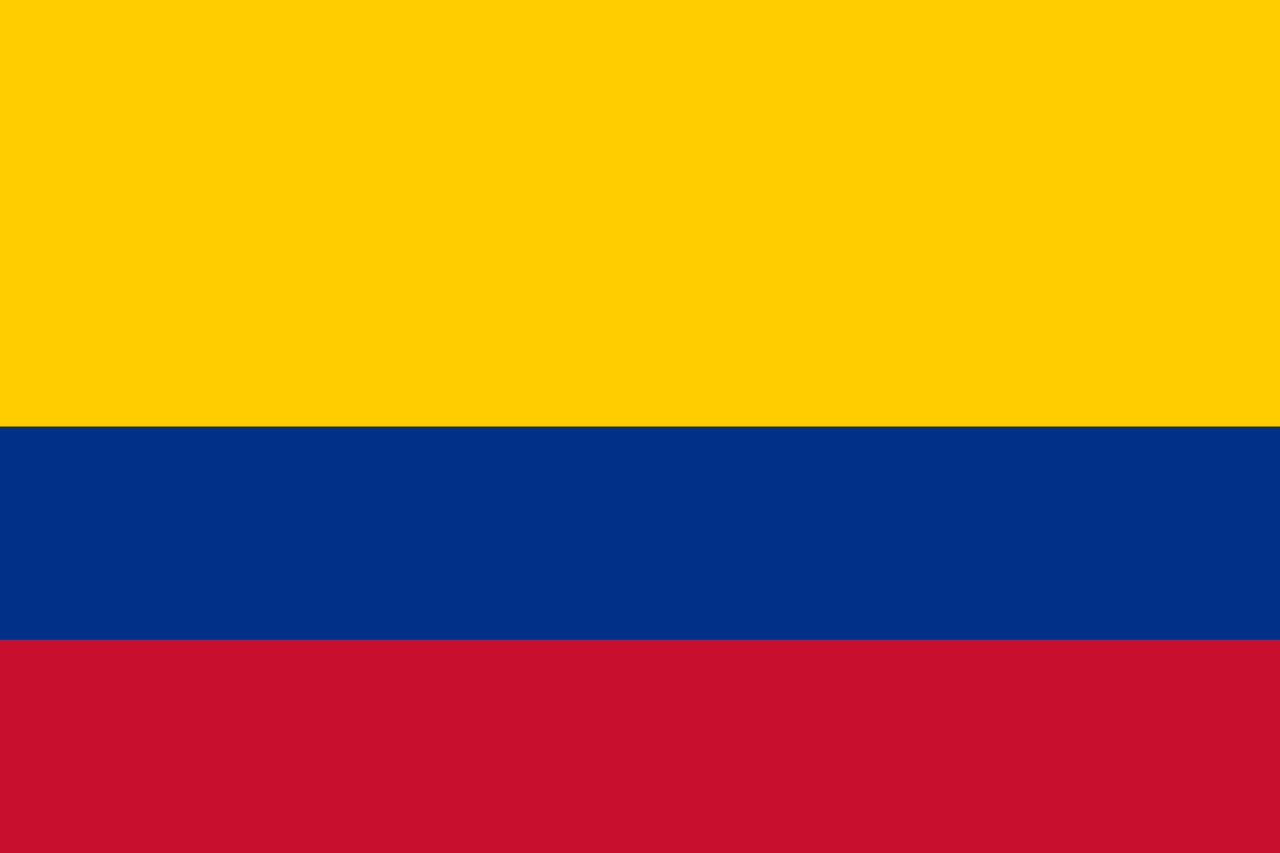
The Food of Colombia: 10 Dishes You Must Try
Colombia is a country rich in diversity, not just in its landscapes and cultures but also in its culinary traditions. From the lush coffee regions to the vibrant Caribbean coast, every region boasts its own unique flavors and cooking styles. When you step into a Colombian kitchen, you're welcomed into a world where the ingredients tell stories of indigenous heritage, Spanish influence, and African roots. The aromas wafting through the air can evoke a sense of nostalgia or stir wanderlust within the heart of any culinary enthusiast. Join me on this delicious journey as we explore ten must-try dishes that capture the essence of Colombia's food culture. One of the first dishes you must savor is **Bandeja Paisa**. Originating from the mountainous Antioquia region, this hearty platter is a feast for the senses. Comprised of grilled steak, chorizo, fried egg, avocado, rice, beans, and arepas, every component is cooked to perfection. The blend of flavors is a symphony: the smoky chorizo pairs beautifully with the rich, tender beef, while the creamy avocado provides a cooling contrast. The best place to enjoy Bandeja Paisa is in a traditional restaurant in Medellín, where the locals crowd around tables, relishing this iconic dish. There's a folklore that says this meal was originally created for the hardworking paisas, the people of Antioquia, to provide them with the energy needed to sustain their labor-intensive lifestyle. Next up is **Ajiaco**, a comforting chicken soup that's a staple in Bogotá. With its distinctively rich flavor, Ajiaco is made with three types of potatoes—yellow, white, and red—that create a creamy texture. The soup is seasoned with guascas, a local herb that imparts an aromatic quality, and is typically served with corn on the cob, avocado, and a drizzle of cream. The taste is a delightful combination of earthy and savory notes, with the potatoes breaking down into the broth to create a wonderfully thick consistency. This dish is best enjoyed in a cozy, family-run restaurant in the Candelaria district, where the ambiance feels like home. Legend has it that Ajiaco was favored by the indigenous people of the region and has become a beloved dish passed down through generations. No exploration of Colombian cuisine would be complete without mentioning **Arepas**. These cornmeal cakes are incredibly versatile, with regional variations that offer something for everyone. You can find them grilled, fried, or baked, and filled with everything from cheese and meat to eggs and vegetables. The flavor is subtly sweet, with a slightly crispy exterior and a warm, soft interior. In Colombia, you can find Arepas being sold at street stalls, where vendors serve them up hot and fresh, often paired with a side of hogao, a delicious tomato and onion sauce. Arepas have deep cultural significance, often being enjoyed at breakfast or as a snack throughout the day, making them a beloved staple in Colombian households. Moving to the coast, we encounter **Ceviche de Camarón**, a refreshing dish that embodies the Caribbean spirit. This version of ceviche features succulent shrimp marinated in lime juice, mixed with diced onions, cilantro, and tomatoes. The acidity of the lime brightens the dish, elevating the natural sweetness of the shrimp. Often served with crispy plantain chips or seafood crackers, this dish is a must-try in coastal cities like Cartagena and Santa Marta, where the ocean's bounty is celebrated in every bite. There's a vibrant story behind ceviche in Colombia, as its roots trace back to the indigenous peoples who used local fish and shellfish long before Spanish colonization, creating a harmonious blend of flavors that has evolved into what we enjoy today. Next, let's talk about **Sancocho**, a hearty stew that reflects the diverse cultures of Colombia. Typically made with chicken, beef, or fish, Sancocho is loaded with vegetables like yucca, potatoes, and plantains. The result is a dish that is both nourishing and flavorful, with a rich broth that warms you from the inside out. Each family has its own twist on Sancocho, often passed down through generations, making it a beloved dish for family gatherings and celebrations. You'll find Sancocho served in homes and local eateries across the country, with each region adding its own unique spices and ingredients. The communal aspect of sharing a pot of Sancocho is a testament to Colombia's culture of togetherness and hospitality. Next on our list is **Patacones**, or twice-fried green plantains. This crunchy snack or side dish is a beloved staple in both rural and urban settings. The plantains are sliced, fried until golden, smashed flat, and then fried again to achieve that perfect crispiness. They are often served as a vehicle for toppings like shredded meat, guacamole, or even just sprinkled with salt. The taste is slightly sweet with a savory crunch, making them irresistible. You can find Patacones at roadside stalls, where vendors serve them hot and fresh, often with a side of hogao or a spicy salsa. There's a joyous story associated with Patacones, as they have been a beloved snack for generations, often enjoyed during family gatherings or festive occasions. As we journey further into Colombian cuisine, we cannot overlook **Lechona**. This dish features a whole roasted pig stuffed with rice, peas, and spices, a true showstopper at any celebration. The pork is marinated and slow-cooked until the skin is crunchy and the meat tender and flavorful. The combination of savory rice and succulent pork creates a hearty, comforting meal. Traditionally served during festive occasions, Lechona is a specialty of the Tolima region, where it is often enjoyed during family gatherings or holidays. The process of preparing Lechona is intricate, often requiring the participation of family members, making it a dish that brings people together. Feeling adventurous? Try **Bocadillo**, a sweet treat made from guava paste and often paired with cheese. The guava is cooked down into a thick, sweet paste that is then sliced into cubes. The sweetness of the bocadillo is balanced by the creamy, slightly salty taste of cheese, creating a delightful contrast that dances on the palate. This snack can be found in local markets or street stalls, where vendors sell it freshly made. Bocadillo has a special place in Colombian culture, often enjoyed as an afternoon snack or as a sweet addition to breakfast. There's something nostalgic about this treat, as many Colombians have fond memories of enjoying bocadillo during their childhood. No visit to Colombia would be complete without indulging in **Chocolate Santafereño**, a traditional hot chocolate drink from Bogotá. This isn't your average chocolate; it's made with rich, dark chocolate and often served with cheese and bread on the side. The combination of sweet and savory flavors creates a unique experience. The hot chocolate is rich and comforting, perfect for the cool Bogotá evenings. You can find it in local cafes or markets, especially during the chillier months. There’s a fascinating cultural story behind this beverage, as it has roots in the indigenous communities and has evolved into a beloved drink that captures the warmth of Colombian hospitality. Lastly, we arrive at **Posta Negra Cartagenera**, a succulent beef dish from the coastal city of Cartagena. This dish features slow-cooked beef in a rich sauce made from cola, spices, and sometimes a hint of orange juice, resulting in a deep, complex flavor. The beef is so tender that it practically melts in your mouth, and the sauce is a perfect pairing with rice or fried plantains. You can find Posta Negra in traditional restaurants throughout Cartagena, especially in festive settings where locals gather to celebrate special occasions. The story behind this dish goes back to colonial times when Spanish influences melded with indigenous ingredients, creating a culinary masterpiece that continues to be a favorite today. As you navigate Colombia, the best way to experience its vibrant food scene is to dive into local markets, bustling street stalls, and family-owned restaurants. Places like Bogotá's Paloquemao Market offer fresh ingredients and ready-to-eat delicacies that give you a taste of authentic Colombian cuisine. Street vendors serve up quick bites like empanadas and arepas, making it easy to sample a variety of dishes in one outing. In cities like Medellín and Cartagena, don't hesitate to seek out family-run eateries where recipes have been passed down through generations. The warmth of Colombian hospitality is matched only by the deliciousness of the food, making every meal an experience to cherish. So, whether you're exploring the streets of Medellín, the coasts of Cartagena, or the highlands of Bogotá, immerse yourself in the culinary delights that Colombia has to offer. Each bite tells a story, and every dish is a testament to the country's rich cultural tapestry. Come hungry, leave happy, and allow the food of Colombia to weave its magic around you.
Read full article →The History of Colombia: From Ancient Times to Today
# The History of Colombia: From Ancient Times to Today Nestled at the crossroads of South America, Colombia is a country rich in cultural diversity and historical significance. Its journey from ancient civilizations to modern nationhood has been marked by vibrant cultures, colonization, struggles for independence, and the relentless pursuit of peace and identity. To fully appreciate Colombia's present, we must travel back through the tapestry of its past. ## Ancient and Indigenous History Long before European ships sailed into Caribbean waters, Colombia was home to a wealth of indigenous cultures. Among the earliest inhabitants were the San Agustín and Tierradentro peoples, known for their elaborate stone carvings and burial sites that date back to 1000 BC. Their artistic expressions hint at the rich spiritual and social lives they led, which were steeped in traditions deeply intertwined with their natural surroundings. The Tairona and Quimbaya civilizations flourished in the northern regions, with the Quimbaya being particularly noted for their exquisite goldwork. The legend of the "El Dorado" – a mythical city of gold – originated from the stories surrounding these people. This legend captured the imaginations of European explorers and led to numerous expeditions fueled by dreams of riches. Further down the Andes, the Muisca confederation emerged in the Altiplano Cundiboyacense. The Muisca were known for their advanced agricultural techniques, impressive textile work, and the famous El Dorado ceremony where a chief would cover himself in gold dust and plunge into Lake Guatavita, symbolizing the offering of gold to the gods in a sacred rite. This rich cultural tapestry laid the groundwork for Colombia's identity long before the arrival of the Spanish. ## The Colonial Period The arrival of Spanish explorers in the early 16th century marked a profound shift in Colombia's history. In 1499, Alonso de Ojeda made the first significant European contact, but it was not until 1536 that Gonzalo Jiménez de Quesada founded Bogotá, establishing the New Kingdom of Granada. The Spanish conquest was brutal; indigenous populations suffered extreme violence, enslavement, and diseases brought by the Europeans, leading to catastrophic declines in their numbers. Spain instituted a colonial system that exploited Colombia’s resources, particularly gold and emeralds, which drove further conflicts with indigenous groups. The brutal encomienda system granted Spanish settlers the right to extract labor and tribute from indigenous people, decimating their societies. Yet, amid this turmoil, a syncretic culture began to emerge, blending indigenous traditions with Spanish customs, creating a unique Colombian identity. A significant figure during this colonial era was the Jesuit priest San Pedro Claver, who dedicated his life to the rights of African slaves brought to Colombia. Claver became known as the "Slave of the Slaves," advocating for humane treatment and education, and his legacy remains a symbol of compassion in Colombian history. ## The Struggle for Independence The winds of change began to blow in the late 18th century with the Enlightenment's ideas permeating the colonies. The desire for autonomy grew stronger, fueled by the American and French revolutions. The first call for independence came in 1810, igniting a series of conflicts known as the Colombian War of Independence, which lasted until 1819. Key figures in this struggle included Simón Bolívar, the legendary liberator who dreamed of uniting Latin America into a single confederation. Bolívar, along with his compatriots like Francisco de Miranda and Antonio José de Sucre, led a series of military campaigns that eventually resulted in the liberation of Colombia from Spanish rule. The Battle of Boyacá on August 7, 1819, is often regarded as the turning point in the fight for independence, securing a decisive victory for the patriots. On July 20, 1810, Colombia declared its independence, but the road ahead was fraught with challenges. Bolívar's vision for a united Gran Colombia – which included present-day Venezuela, Ecuador, and Panama – was short-lived, leading to political fragmentation and civil strife. Bolívar himself would eventually become disillusioned with the political chaos, famously stating, “I have plowed the sea.” ## The Modern Formation of Colombia The post-independence era saw Colombia oscillate between periods of relative peace and violent upheaval. By 1821, Colombia had established a new constitution, marking the beginning of a republic; however, internal divisions quickly resurfaced, leading to a series of civil wars throughout the 19th century. The Liberal and Conservative parties emerged as dominant political forces, often clashing over issues of federalism and the role of the Catholic Church in society. This conflict culminated in the devastating War of a Thousand Days (1899-1902), which left the country deeply scarred and economically devastated. The war exemplified the conflicts that would continue to plague Colombia, rooted in deep-seated social and economic inequalities. In the early 20th century, the discovery of rubber and later oil transformed Colombia's economy but also attracted foreign investments, particularly from the United States. The construction of the Panama Canal in 1914 altered the geopolitical landscape and led to Panama’s separation from Colombia. This loss was a significant blow to national pride and further fueled feelings of resentment among Colombians. ## The Rise of Violence and Drug Trade The mid-20th century marked a dark turning point in Colombia’s history. The period known as "La Violencia" began in the late 1940s as partisan violence escalated between Liberals and Conservatives, leading to a cycle of retribution and civil unrest. The assassination of Liberal leader Jorge Eliécer Gaitán in 1948 sparked riots and an escalation of violence that continued for a decade. As the 1960s approached, a new source of conflict emerged: the rise of guerrilla groups, most notably the FARC (Revolutionary Armed Forces of Colombia) and the ELN (National Liberation Army). These groups initially emerged as responses to social injustices and sought to address the plight of the rural poor. However, their tactics soon devolved into violence, leading to decades of armed conflict that would engulf the nation. The latter part of the 20th century saw the emergence of the drug trade, with Colombia becoming a significant producer of cocaine. Drug cartels, particularly under the leadership of Pablo Escobar, wielded immense power, leading to widespread corruption, violence, and instability. Escobar, once lauded as a Robin Hood figure, became synonymous with the chaos of the narcotraficante era. His reign ended in 1993, but the violence associated with the drug trade continued to plague Colombia for years. ## The Path Towards Peace Despite the pervasive violence, the late 20th and early 21st centuries witnessed a resilient push towards peace and reconciliation. The Colombian government began to pursue negotiations with guerrilla groups, culminating in a historic peace agreement with the FARC in 2016. This agreement, though met with skepticism, marked a significant step towards ending over five decades of conflict. Key figures in this peace process included President Juan Manuel Santos, who was awarded the Nobel Peace Prize for his efforts. Santos' administration faced numerous challenges in implementing the peace deal, but it signified a transformative moment in Colombian history, reflecting the country’s desire for healing and progress. Today, Colombia is a nation in transition. With a vibrant culture, stunning landscapes, and a rich heritage, it continues to grapple with its complex history while forging a new identity. Cities like Bogotá, Medellín, and Cartagena are experiencing revitalization and growth, showcasing the resilience of the Colombian people. ## Colombia Today: A Nation Reborn Colombia stands today as a testament to the indomitable spirit of its people. While the shadows of its past still linger, a new generation is emerging, eager to redefine their country's narrative. The arts flourish, from the rhythms of cumbia and vallenato to the vibrant expressions of literature and visual arts. Colombian cuisine, a reflection of its diverse cultures, is gaining international recognition, with dishes like arepas and bandeja paisa capturing the hearts and palates of food lovers worldwide. In recent years, Colombia has become a popular destination for travelers seeking adventure, culture, and natural beauty. The breathtaking landscapes, from the Amazon rainforest to the Andes mountains, along with the warmth of its people, are drawing visitors from across the globe. However, challenges remain. Issues related to poverty, inequality, and the remnants of violence are still present. The ongoing efforts to integrate former combatants into society and address the needs of displaced populations are crucial in ensuring a lasting peace. As Colombia forges ahead, it does so with the lessons of its past in mind. The country is embracing its diversity, celebrating its culture, and striving for unity. Perhaps the most significant aspect of Colombia’s history is the ability of its people to rise above adversity, demonstrating resilience and hope. In conclusion, the history of Colombia is a rich tapestry woven from the threads of ancient civilizations, colonial struggles, and modern challenges. It is a story of triumph and tragedy, of vibrant cultures and resilient communities. As Colombia moves forward, it continues to write its own narrative, one that reflects the enduring spirit of its people and the promise of a brighter future.
Read full article →Hidden Gems of Colombia: Places Most Tourists Miss
Colombia, a land of vibrant colors, rich history, and stunning landscapes, has become increasingly popular among travelers in recent years. However, many tourists often find themselves sticking to the well-trodden paths of major cities like Bogotá, Medellín, and Cartagena. While these destinations boast their own unique charm, the true essence of Colombia often lies in its hidden gems — the lesser-known towns, breathtaking natural landscapes, and authentic cultural experiences that remain largely untouched by mass tourism. For those willing to venture off the beaten path, Colombia offers a treasure trove of rewarding experiences just waiting to be discovered. One such hidden gem is **Barichara**, a quaint village in the Santander department, often dubbed the most beautiful town in Colombia. Nestled in the mountains, Barichara captivates visitors with its cobblestone streets and whitewashed colonial buildings. The town's architecture, dating back to the 18th century, feels like a step back in time. Spend your days wandering through its charming streets, visiting the local artisan workshops, and enjoying panoramic views of the surrounding hills. To reach Barichara, take a bus from Bucaramanga, a journey of approximately three hours. The adventure doesn’t end there; it’s also the starting point for the famous Camino Real trekking route, which leads to the nearby village of Guane, known for its stunning landscapes. Next, we travel to **Minca**, a small village perched in the Sierra Nevada mountains, just a short drive from Santa Marta. Minca is a paradise for nature lovers and those seeking a tranquil escape. The region is famous for its lush coffee farms, cascading waterfalls, and diverse wildlife. Hiking trails abound, offering breathtaking views of the mountains and the Caribbean coast. One of the must-visit spots is the **Pozo Azul**, a series of natural pools perfect for a refreshing dip after a hike. To get to Minca, take a bus or a shared taxi from Santa Marta, which takes about 30 minutes. Once in Minca, consider staying at one of the eco-lodges that dot the hillsides, providing a perfect base for exploring this hidden paradise. If you head south to the **Tatacoa Desert**, you’ll encounter a surreal landscape that feels worlds away from Colombia’s lush jungles and mountains. This semi-arid region is known for its stunning geological formations, red canyons, and starry night skies. Spend your days hiking through the dramatic landscapes, exploring the intricate rock formations, and visiting the small village of Villavieja, which serves as the gateway to the desert. At night, be sure to experience the incredible stargazing opportunities, as the clear skies provide an unobstructed view of the cosmos. The Tatacoa Desert is accessible via bus from Neiva, which takes about an hour and a half. For a truly unique experience, consider camping under the stars, surrounded by the desert’s eerie beauty. Another lesser-known destination is **Guatapé**, a colorful town located about two hours from Medellín. While not entirely off the radar, Guatapé’s vibrant streets and striking views of the neighboring reservoir often get overlooked by the average traveler. The town is famous for its colorful zocalos — decorative tiles that adorn the lower halves of buildings — and the enormous rock formation known as the **Piedra del Peñol**. Climbing the 740 steps to the top of the rock rewards visitors with breathtaking panoramic views of the surrounding landscape. Getting to Guatapé is easy; simply take a bus from Medellín’s North Terminal. Once there, spend a leisurely day exploring the town, sipping coffee at a local café, and soaking in the picturesque scenery. In the heart of the coffee region lies **Salento**, a charming town surrounded by lush green hills and coffee plantations. While many tourists flock to the larger city of Manizales, Salento offers a more intimate experience of Colombia’s coffee culture. The town is the gateway to the stunning **Cocora Valley**, home to the iconic wax palms, the tallest palms in the world. Hike through the valley to witness the breathtaking landscape, and don’t forget to stop at a local coffee farm for a tour and tasting. The best way to reach Salento is by taking a bus from Pereira or Armenia, which takes about an hour and a half. Immerse yourself in the local culture by engaging with the friendly residents and learning about their coffee-growing traditions. For a unique cultural experience, consider visiting **San Basilio de Palenque**, a small village that holds the title of the first free town in the Americas. Founded by escaped slaves in the 17th century, Palenque is rich in Afro-Colombian heritage and traditions. The village is known for its vibrant music, dance, and the unique language of Palenquero, which blends Spanish with African influences. While in Palenque, take part in local festivals, such as the annual **Festival of Music**, where you can enjoy the rhythmic sounds of drums and marimbas. To get to Palenque, travel by bus from Cartagena, which takes about an hour and a half. Engage with the local community, taking the time to learn about their history and culture, making your visit a truly enriching experience. Another hidden gem lies in the **Lost City** or **Ciudad Perdida**, an ancient archaeological site tucked deep in the Sierra Nevada mountains. While trekking to the Lost City requires some effort, the journey itself is part of the adventure. The trek typically takes about four to six days and leads you through stunning jungles, rivers, and indigenous villages. The site itself, believed to be over 1,000 years old, is older than Machu Picchu and offers a glimpse into the fascinating history of the Tayrona civilization. To embark on this journey, book a guided tour from Santa Marta, as independent trekking is not allowed. The experience of hiking through the jungle and discovering this hidden archaeological wonder is well worth the effort. Lastly, make your way to **Cabo de la Vela**, a remote beach destination located in the northeastern part of Colombia, in La Guajira. Unlike the more popular beaches of Santa Marta, Cabo de la Vela offers a more rustic and authentic experience. The stunning landscapes of the **Guajira Desert** meet the Caribbean Sea, creating breathtaking views and unique geological formations. This area is also home to the indigenous Wayuu people, who maintain their unique customs and traditions. Spend your days relaxing on the beach, exploring nearby natural wonders like the **Punta Gallinas** and **Taroa Dunes**, or immersing yourself in the local culture by trying traditional Wayuu dishes. The journey to Cabo de la Vela typically requires a combination of bus and 4x4 transport from Riohacha. Once you arrive, embrace the laid-back atmosphere and the beauty of the surrounding landscape. As you explore these hidden gems of Colombia, remember a few practical tips to enhance your adventure. First, don’t be afraid to venture out of your comfort zone; meeting locals and learning about their way of life can add depth to your travel experience. Brush up on your Spanish, as this will help you connect more authentically with the people you encounter. Additionally, be sure to taste regional dishes, as Colombian cuisine varies greatly from region to region and is an essential part of the cultural experience. Lastly, take your time; the beauty of exploring off the beaten path lies in the moments of spontaneity and the discoveries that await you at every turn. Colombia is filled with hidden gems waiting to be uncovered. By stepping away from the well-trodden tourist routes, you’ll find a world rich in culture, history, and natural beauty, making your Colombian adventure truly unforgettable. So pack your bags, grab your sense of adventure, and set out to discover the authentic spirit of Colombia beyond the ordinary.
Read full article →What It's Really Like to Live in Colombia
What It's Really Like to Live in Colombia When I first arrived in Colombia, I was greeted by a vibrant tapestry of colors, sounds, and smells that encapsulated the essence of everyday life here. From the bustling streets of Bogotá to the tranquil coffee regions and the sultry coasts of the Caribbean, my experiences have been filled with warmth, surprises, and a unique rhythm that is distinctly Colombian. Living in Colombia has not just been an adventure; it’s been a life-changing journey that has reshaped my understanding of community, culture, and even my own identity. Daily life in Colombia is a fascinating blend of tradition and modernity. Mornings often begin with the aroma of fresh arepas sizzling on the stove or the rich, dark scent of brewed coffee permeating the air. Cafeterias are alive with energy as locals gather to enjoy a hearty breakfast. You might find a “bandeja paisa,” a dish that embodies the essence of Colombian flavor with rice, beans, avocado, ground meat, chicharrón, and a fried egg, costing around 12,000 COP (about $3). As you walk the streets, it’s common to hear friendly greetings from vendors and neighbors—“¡Hola, parce!” (Hey, buddy!) is a phrase I’ve grown fond of. The streets are painted with murals showcasing the country’s rich history and artistic spirit, and the vivacious sounds of cumbia or vallenato music often float through the air, giving life to every corner. The cost of living in Colombia is one of the most appealing aspects for newcomers. With a modest salary, you can experience a comfortable lifestyle. Rent for a one-bedroom apartment in the heart of Medellín might set you back around 1,200,000 COP ($300), while outside the city, it could drop to 800,000 COP ($200). Utilities generally hover around 200,000 COP ($50), and internet service is affordable, costing approximately 90,000 COP ($22) monthly. Transportation is another plus; a ride on the TransMilenio system in Bogotá is only 2,500 COP (about $0.60), and taxis are relatively inexpensive compared to many countries. Food culture in Colombia is an experience that truly captivates the senses. Each region boasts its specialties, influenced by its geography and history. In the coast, you’ll savor the freshness of ceviche and coconut rice, while the Andean region invites you to indulge in hearty soups like “ajiaco” or “sancocho.” Street food is a way of life; a simple “perro caliente” (hot dog) can cost as little as 3,000 COP ($0.75), and fruit vendors offer delicious, refreshing slices of mango, pineapple, or guava for just 1,000 COP ($0.25). I’ve learned to appreciate the ritual of sharing a meal with friends or family, often beginning with an “arepa” as an appetizer. It’s not just food; it’s a way of connecting, storytelling, and celebrating. Social gatherings frequently feature “aguardiente,” a local anise-flavored spirit that brings warmth and laughter, and conversations can last for hours, filled with jokes and animated discussions. Social customs in Colombia are deeply rooted in respect and hospitality. It’s customary to greet people with a kiss on the cheek or a firm handshake, and you’ll soon find that Colombians are incredibly friendly and open. In a culture where family is paramount, expect to be invited to family gatherings or local celebrations, where you’ll witness the unyielding bond that families share. Family life is a cornerstone of Colombian society. Most families live close to one another, and it’s common for multiple generations to reside together. Sunday afternoons are often reserved for family meals, where laughter and stories are shared over a table laden with traditional dishes. Children are adored, and there’s a palpable sense of community where neighbors look after one another, a principle captured by the phrase “el que no vive para servir, no sirve para vivir” (those who don’t live to serve, don’t deserve to live). Work culture in Colombia is dynamic yet can be a bit relaxed compared to some Western countries. The typical workweek runs from Monday to Friday, with many offices opening around 8 AM and closing by 5 PM. However, it’s not uncommon for workers to take a long lunch break, often lasting an hour or more. The “siesta” culture is not prevalent, but the pace of life is generally slower, and this is embraced rather than rushed. Colombians have a penchant for socializing, even in the workplace. Coffee breaks are common, and it’s a time to unwind and connect with colleagues. The saying “trabajar para vivir, no vivir para trabajar” (work to live, not live to work) reflects the attitude towards work-life balance here. This cultural approach to work has made my job experiences more enjoyable, as camaraderie is often prioritized, leading to a more cohesive working environment. Weekends in Colombia are vibrant and filled with activity. From Saturday morning markets to lively street fairs, there’s always something happening. In Bogotá, you might wander through the Usaquén flea market, where artisans sell handmade crafts and delicious street food. Many locals enjoy hiking in the nearby mountains, with places like Monserrate offering breathtaking views of the city. The Caribbean coast beckons with its pristine beaches, inviting Colombians to relax and soak up the sun. In cities like Medellín, the thriving nightlife is a testament to the country's resilient spirit. Salsa clubs, bars, and live music venues come alive as the sun sets, attracting locals who want to unwind after a long week. The infectious rhythm of music fills the streets, and I’ve spent countless weekends dancing with friends, letting the music guide my movements. Weather is another key aspect of life in Colombia, as it varies significantly from region to region. The country’s diverse geography means you can experience tropical climates on the coast, temperate weather in the Andes, and cooler temperatures in the highlands. Medellín, for example, is famously known as the “City of Eternal Spring,” with average temperatures hovering around 22°C (72°F) year-round. However, the rainy season can bring downpours that transform the landscape into a lush paradise. The weather significantly shapes daily life and activities. During the rainy season, it’s wise to carry an umbrella, as sudden showers can occur. However, the rain also brings life to the environment, making the countryside even more stunning. It’s common to see locals taking advantage of sunny days, gathering in parks for picnics or hosting barbecues. Of course, life in Colombia comes with its challenges. While major cities have made strides in safety and infrastructure, issues like traffic congestion and occasional crime can be frustrating. However, Colombians have a remarkable ability to adapt. They know how to navigate the complexities of city life, and their resilience is inspiring. What surprises foreigners most about Colombia is the incredible warmth and hospitality of its people. The rich cultural heritage, from indigenous influences to Spanish colonial legacies, creates a unique identity that is both welcoming and vibrant. Despite the challenges that may arise, the sheer joy of life, evident in the laughter of children playing in the streets or the sound of music echoing from a nearby café, is infectious. Living in Colombia has taught me to find beauty in the everyday. It’s about the shared meals, the laughter with friends, the colorful celebrations, and the simple moments that make life rich. The warmth of the people has enveloped me, and I’ve discovered a place where community comes first, where connections are celebrated, and where life is lived with passion. As I reflect on my journey, I am continually grateful for the lessons learned and the friendships forged in this remarkable country. Colombia is not just a destination; it’s a place that invites you to immerse yourself, to embrace the culture, and to revel in the everyday magic that unfolds all around you.
Read full article →Why Visit Colombia
Colombia has undergone one of the most remarkable transformations in travel history. Once synonymous with conflict, it has emerged as one of South America's most exciting destinations — a country of biodiversity, colonial history, vibrant cities, and a warmth of spirit that consistently surprises visitors. Cartagena de Indias on the Caribbean coast is the jewel in Colombia's crown. The walled old city is a UNESCO World Heritage site, its cobblestone streets lined with brightly painted mansions draped in bougainvillea. Horse-drawn carriages clatter past candlelit plazas at dusk. The Caribbean beaches of the Rosario Islands are a short boat ride away, and the buzzing Getsamani neighbourhood has grown into one of South America's most vibrant street art districts. The Coffee Triangle in the Andean interior is the soul of Colombian agriculture. The departments of Quindio, Risaralda, and Caldas produce some of the world's finest arabica coffee, and farm stays let visitors pick beans, tour processing facilities, and understand the full journey from plant to cup. The colonial city of Salento is the most popular base, with wax palms — Colombia's national tree — towering in the nearby Cocora Valley. Medellin was once the world's most dangerous city. Today its transformation into a hub of innovation, architecture, and nightlife is studied globally. The cable cars that connect hilltop barrios to the metro below have become a symbol of urban renewal. The Botanical Garden, the Plaza Botero with its enormous bronze sculptures, and the vibrant El Poblado district make it one of South America's most enjoyable cities. Bogota, the capital at 2,600 metres, rewards those who spend time beyond the initial impression. The Gold Museum holds the world's largest collection of pre-Columbian gold artefacts. La Candelaria's colonial architecture is photogenic and walkable. Colombian cuisine varies dramatically by region — bandeja paisa on the coast, fresh fish with coconut rice, and arepas everywhere. The best time to visit is December to March or July to August, during the dry seasons. Colombia straddles the equator, so temperatures stay relatively consistent year-round depending on altitude.
Read full article →Colombia's Transformation: From Headlines to One of the World's Most Vibrant Countries
Colombia spent decades being defined internationally by its violence. The headlines were real — drug cartels, guerrilla conflict, assassination rates that made the country dangerous to visit and easy to dismiss. What those headlines did not communicate was that behind them, Colombia was a country of extraordinary cultural richness, geographic diversity, and personal warmth that kept being itself through the worst of it. Cumbia is Colombia's foundational popular music — a genre born from the encounter of African rhythms, indigenous flute traditions, and Spanish harmony on the Caribbean coast. From cumbia came vallenato, the accordion-led music of the Caribbean lowlands, declared Intangible Cultural Heritage by UNESCO. From vallenato came Carlos Vives, who took it global. From the Pacific coast came currulao, built on African marimba traditions. Colombia's musical diversity matches its geography. The country contains five distinct climate zones within a few hours of each other. Bogotá sits at 2,600 metres in the Andes, permanently cool, the world's highest capital in the world. Cartagena on the Caribbean coast is perpetually hot. Medellín in the Aburrá Valley has been called the city of eternal spring. The Amazon basin covers about a third of the country. Colombian coffee is grown in the Coffee Triangle — a landscape of volcanic hillsides at precisely the elevation and rainfall that produces the world-recognised Colombian cup. The diversity is not accidental. It is Colombia's entire point.
Read full article →
Why Colombia Is the Country the World Keeps Getting Wrong
For decades, the story told about Colombia from the outside was a narrow one. A country defined by its most difficult decades — the violence, the cartels, the conflict. That story was not untrue. But it was catastrophically incomplete, and the world is only recently beginning to understand what it missed. Colombia is a country of extraordinary biodiversity. It has more bird species than any other country on earth — over 1,900, which represents roughly 20 percent of all known bird species globally. It has Caribbean coastline and Pacific coastline, the Amazon basin, the Andes mountains and the Llanos grasslands all within its borders. The geography alone is staggering. But it is the culture that visitors consistently describe as the real revelation. Colombia has one of the warmest and most exuberant social cultures on the continent. The people are known for a quality called "berraquera" — a word that translates approximately as resilience, but carries connotations of joy in the face of difficulty, pride without arrogance, and a refusal to let hard circumstances define your spirit. The music reflects this. Cumbia, vallenato, salsa Caleña — Colombia's music is essentially a history of the country told through rhythm, and it is relentlessly celebratory. The Barranquilla Carnival, the second largest carnival in the world after Rio, is a five-day festival that has been happening every year for centuries. It is on UNESCO's list. Most people outside Colombia have never heard of it. The food tells the same story — regional, abundant, unpretentious. The coffee tells it too: Colombia produces some of the finest arabica in the world, and a cup of tinto from a street vendor in Bogotá costs less than a dollar. Colombia is not finished rewriting how the world sees it. It is, however, very far along.
Read full article →