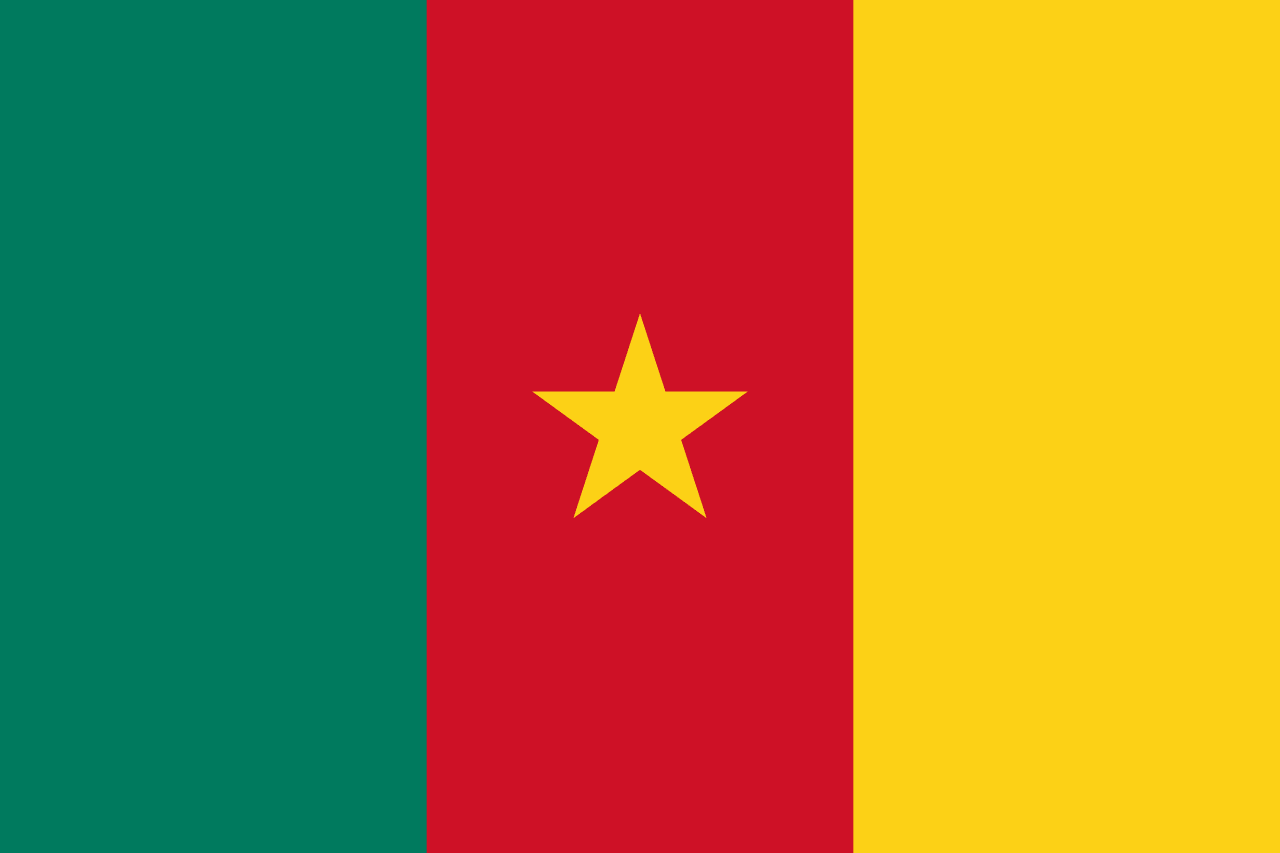
Cameroon
Posts, videos and blogs from Cameroon · Chat with people about Cameroon
Post about CameroonNo messages yet — be the first to share something about Cameroon!
Sign in to join the chat
The Food of Cameroon: 10 Dishes You Must Try
As I wandered through the vibrant streets of Yaoundé, the capital of Cameroon, I was engulfed by an explosion of scents and colors that danced in the air. From the sizzle of savory stews to the fragrant wafts of spices mingling with fresh vegetables, the culinary culture of Cameroon is as diverse and rich as its landscape. With over 250 ethnic groups, each with their own customs, flavors, and cooking techniques, the food of Cameroon is a tapestry woven from its history and culture. Every dish tells a story, every meal is a celebration, and every bite is a journey into the heart of this remarkable country. Let me take you on a delightful adventure through ten must-try dishes that exemplify the essence of Cameroonian cuisine. First on our culinary exploration is **Ndole**, a beloved dish that showcases the rich flavors of the South West region. This hearty stew is made from bitter leaves, often paired with groundnuts (peanuts) and sometimes enriched with shrimp, fish, or beef. The bitterness of the leaves is beautifully balanced by the nutty sweetness of the groundnuts, creating a comforting dish that is a staple in many households. I found myself enjoying Ndole at a bustling local market in Limbe, where it was served with a side of plantains. As I savored each bite, the locals shared stories about how Ndole is often prepared during special occasions, like weddings and family gatherings, making it not just a meal but a symbol of unity and celebration. Next, we venture into the world of **Jollof Rice**, a dish that has become a hallmark of West African cuisine, and Cameroon has its own unique take on this classic. Cameroonian Jollof Rice is typically made with long-grain rice, tomatoes, onions, and a medley of spices that create a punchy, aromatic flavor. The dish is often accompanied by grilled chicken or fried plantains, and the version I tried at a roadside stall in Douala was nothing short of divine. The vibrant red hue of the rice, kissed by the perfect balance of spices, filled the air with a tantalizing scent. Jollof Rice is often a star at celebrations, and as I chatted with the vendor, I learned that the friendly rivalry between families over whose Jollof is the best is a cherished tradition. Moving on, let’s dive into the comforting embrace of **Eru.** This traditional dish is made with Eru leaves (a type of green vegetable) and often cooked with beef or fish, along with a rich blend of spices. The dish has a thick, almost porridge-like consistency and is typically served with fufu, a starchy side made from cassava or plantains. The earthy, slightly nutty flavor of Eru was captivating, and I relished it at a family-run restaurant in Buea, where the owner shared that Eru is often cooked on Sundays as a special family meal, signifying rest and togetherness. Another must-try is **Koki**, a dish that truly represents the resourcefulness of Cameroonian cuisine. Made from steamed ground black-eyed peas, Koki is often flavored with palm oil and spices, giving it a vibrant orange color. The dish is typically shaped into small cakes and served with a variety of accompaniments, like fried fish or spicy sauces. I remember my first bite of Koki at a street food vendor in Yaoundé—each cake was soft, with a delightful texture that melted in my mouth. The vendor proudly explained that Koki is often served at celebrations, and it holds a special place in the hearts of many, reminiscent of Sunday family meals and community gatherings. As we continue our gastronomic journey, we cannot overlook the iconic **Pepper Soup.** This spicy broth comes in various regional variations, with ingredients ranging from fish to chicken, and is always infused with a blend of bold spices like ginger, garlic, and chili. The version I enjoyed in a small eatery in Garoua was made with fresh fish, and the simmering spices created an aromatic steam that enveloped me as I eagerly took my first sip. The warmth and heat of the soup were invigorating, and locals often enjoy it as a remedy during cold weather or when feeling under the weather, making it a comforting staple in many households. Next, we embrace the delightful **Gari Fortor**, a dish that combines fried cassava flour with a rich tomato and onion sauce. The simplicity of Gari Fortor is its beauty, and the textures of the crispy gari combined with the saucy topping create an enjoyable contrast. I discovered Gari Fortor in a bustling market in Bamenda, where it was served with spicy grilled beef. The vendor explained how this dish is often prepared for quick lunches and gatherings, showcasing the ingenuity of turning simple ingredients into an exquisite meal. Let’s not forget **Bongo Chobi**, a traditional dish that is a culinary gem of the Littoral region. This dish features fish cooked with a savory blend of spices, tomatoes, and sometimes even vegetables, and is typically served with rice or plantains. During my stay in Douala, I visited a well-known seafood restaurant where the Bongo Chobi was prepared with freshly caught fish, and each mouthful was a flavor explosion that spoke to the coastal heritage of the area. The dish is often a favorite for special occasions, and chatting with the chef revealed how the recipe has been passed down through generations, preserving the legacy of the coastal communities. Another cherished dish is **Fufu and Ekwang**, a combination that represents the culinary traditions of the Bantu people. Fufu, a starchy side made from cassava or cocoyam, is paired with Ekwang, a rich dish made from grated cocoyam wrapped in leaves and cooked in a spicy, aromatic sauce. I had the pleasure of tasting this dish at a family gathering in a small village, where everyone came together to prepare the meal. Sharing Fufu and Ekwang in such a setting felt like a rite of passage, an experience steeped in cultural significance. As I dipped my pieces of fufu into the vibrant sauce, I marveled at how food can bring people together, transcending language and age. Finally, we arrive at the dessert table with **Miondo**, a popular sweet treat made from steamed cassava dough that is often served with groundnut paste or sugar. I found Miondo at a street vendor in Yaoundé, where the sweet aroma wafted through the air, drawing me in. The soft, pillowy texture combined with the nutty flavor of the groundnuts created a delightful snack that perfectly rounded off my meals. It’s often enjoyed during family gatherings or shared as a snack with friends, and as I took a bite, I couldn't help but smile at the simple joys that food brings to life. As I reflect on my culinary adventure through Cameroon, I can confidently say that the best way to discover the country’s food scene is to immerse yourself in local markets, bustling street stalls, and family-run restaurants. From the vibrant spice markets in Douala to the lively food stalls in Yaoundé, each place offers a unique taste of Cameroonian culture. Whether you’re savoring a steaming bowl of Pepper Soup on a rainy day or sharing Ndole with friends at a family gathering, the warmth, flavor, and passion of Cameroonian cuisine will leave a lasting impression on your palate and heart. So, pack your bags and embark on a journey to savor the incredible flavors of Cameroon—you won’t be disappointed!
Read full article →The History of Cameroon: From Ancient Times to Today
# The History of Cameroon: From Ancient Times to Today Nestled at the crossroads of West and Central Africa, Cameroon is a nation rich in cultural diversity, natural beauty, and historical significance. With its sprawling savannas, dense forests, and towering mountains, the terrain is as varied as the peoples and cultures that have inhabited it over the centuries. To understand Cameroon’s present, one must journey through time, exploring the ancient roots, the rise of empires, colonial struggles, the path to independence, and the modern challenges and triumphs that define this vibrant nation today. ## Ancient and Indigenous History Long before the advent of European explorers, the land that is now Cameroon was inhabited by various indigenous peoples. Archaeological evidence suggests that humans have lived in the region for tens of thousands of years. The oldest known site, found in the town of Nkongsamba, reveals tools and artifacts dating back to the Middle Stone Age. These early inhabitants were mainly hunter-gatherers who utilized the rich resources of the land. As time progressed, complex societies began to emerge. By the first millennium BCE, agricultural practices took root, leading to the establishment of permanent settlements. Cameroon's diverse ethnic groups—such as the Bantu, the Semi-Bantu, the Pygmies, and the Fulani—found ways to thrive in the diverse environments, cultivating crops and engaging in trade. The Bantu migrations, which began around 1000 BCE, played a significant role in this period, as they spread their language and agricultural techniques across sub-Saharan Africa, including Cameroon. ## The Rise of Kingdoms and Empires As the centuries unfolded, various kingdoms and empires began to emerge, each contributing to the rich tapestry of Cameroonian history. One of the most notable was the Kingdom of Bimbia, which rose to prominence in the 15th century. Located near the coastal area of Limbe, Bimbia became a major center of trade, especially in slaves, palm oil, and other goods. Its strategic position made it a vital hub in the transatlantic trade routes, connecting Africans with European merchants. Moving inward, the Kingdom of Bamum, established in the 14th century, was another significant power that showcased the artistic and political sophistication of the region. Under King Njoya, who reigned from 1896 to 1933, Bamum developed a rich cultural legacy that included an innovative writing system known as "Aka," as well as remarkable achievements in art and architecture. The Bamum Palace, with its intricate designs and richly decorated facades, is a testament to the kingdom's historical significance and cultural wealth. Meanwhile, the Fulani Empire expanded into northern Cameroon during the 19th century, led by the charismatic leaders like Usman dan Fodio and his followers. The Fulani jihad transformed the socio-political landscape, bringing Islam to the region and establishing new trade routes. This period marked an era of both cultural exchange and conflict, as the new Islamic state sought to impose its influence over existing local systems. ## The Colonial Period The arrival of Europeans in Cameroon in the late 15th century marked the beginning of a new chapter in its history. Portuguese sailors were the first to land, naming the Wouri River “Rio dos Camarões” (River of Prawns), which would eventually evolve into Cameroon. However, it wasn’t until the late 19th century that colonization truly took hold. In the 1880s, following the Berlin Conference, Germany established its colonial ambitions in Cameroon. The territory was declared a protectorate in 1884, and soon after, German settlers moved in, exploiting the land's resources and introducing cash crops like cocoa and coffee. However, the German colonial regime faced resistance from various ethnic groups, leading to the brutal suppression of revolts, notably the 1904-1907 Mungaka Uprising. The Germans ruled until World War I, after which Cameroon transitioned to Allied control. By 1916, British and French forces had occupied the territory, leading to a division that would shape the future of the country. The League of Nations mandates in 1922 formalized this division into French Cameroon and British Cameroon, further complicating the region's identity. ## The Path to Independence As the 20th century progressed, the seeds of nationalism began to take root among Cameroonians. Inspired by global decolonization movements, local leaders emerged to challenge colonial rule. The formation of political parties, such as the Cameroon People's Democratic Movement (CPDM) in the 1940s, marked the beginning of organized resistance against colonial administrations. In 1955, the French government, facing mounting pressure, began to introduce reforms that led to limited self-governance. However, the fight for true independence was not easy. The Union of the Peoples of Cameroon (UPC), led by Ruben Um Nyobé, became a prominent force advocating for national liberation. The French response was brutal, with violent crackdowns on UPC supporters, leading to significant loss of life. By 1960, French Cameroon achieved full independence on January 1st, becoming the Republic of Cameroon. Ahmadou Ahidjo became the nation's first president, initiating a period marked by efforts to unify the country and establish a centralized government. Meanwhile, British Cameroon underwent a plebiscite in 1961, ultimately choosing to join either Nigeria or reunite with French Cameroon, leading to the creation of the Federal Republic of Cameroon. ## Modern Cameroon The post-independence era for Cameroon has been a complex tapestry of political evolution, economic challenges, and cultural renaissance. President Ahidjo, who ruled until 1982, focused on economic development but maintained an authoritarian grip on power, stifling political dissent. When Paul Biya succeeded him, he promised reforms, yet his administration has faced criticism for human rights abuses and political repression. Despite these challenges, Cameroon has made strides in various sectors, especially in education and health. The country is often celebrated for its cultural diversity, with over 250 ethnic groups and languages spoken. Traditional music, art, and dance continue to flourish, with festivals celebrating cultural heritage drawing visitors from around the world. However, the country is not without its struggles. In recent years, Cameroon has faced significant challenges, including the Anglophone crisis, where tensions between the English-speaking regions and the Francophone majority have escalated into violent confrontations. Additionally, the nation has grappled with issues related to governance, corruption, and economic disparities, causing unrest and dissatisfaction among the populace. ## Conclusion From its ancient roots and the rise of powerful kingdoms to the struggles for independence and the challenges of modern governance, Cameroon’s history is a rich narrative woven from diverse threads. It is a story of resilience, cultural richness, and the enduring spirit of its people. As Cameroon continues to navigate its complexities, the lessons of its past will undoubtedly shape its future, reminding us that history is not merely a collection of dates and events, but a living, breathing testament to the journeys of its people. As we reflect on Cameroon’s history, we see a nation poised at the intersection of tradition and modernity, a cultural mosaic that offers a glimpse into the heart of Africa. The story of Cameroon is ongoing, and with each chapter, it invites us to explore, understand, and appreciate the intricate tapestry of its past and present.
Read full article →Hidden Gems of Cameroon: Places Most Tourists Miss
When most people think of Cameroon, their minds often drift to its iconic wildlife, lush rainforests, and the majestic peaks of Mount Cameroon. While these are undoubtedly stunning attractions, they only scratch the surface of what this vibrant and diverse country has to offer. Many tourists tend to stick to popular routes—visiting the bustling capital of Yaoundé, the picturesque town of Limbe, or the historic sites in Douala—missing the hidden gems that lie just off the beaten path. If you’re willing to venture deeper into this enchanting land, a treasure trove of experiences awaits, from remote villages steeped in tradition to breathtaking natural wonders. Join me as we explore some of the lesser-known places and experiences in Cameroon that are well worth your time and curiosity. One such hidden gem is the quaint village of Bafut, nestled in the Northwest Region of Cameroon, just a short drive from the city of Bamenda. Bafut is famous for its rich history and unique cultural heritage, particularly the Bafut Palace, which houses the royal lineage of the Bafut people. This vibrant village is alive with the sounds of traditional music and dance, especially during the annual Ngong festival, where locals don colorful attire and engage in spirited cultural displays. The experience of wandering through Bafut’s scenic landscapes, dotted with terraced farms and lush greenery, is nothing short of a magical journey back in time. To reach Bafut, travel by road from Bamenda, which is easily accessible via car or bus from major cities. Another captivating destination is the breathtaking Fako Mountains, located in the Southwest Region of Cameroon. These mountains are often overshadowed by the more renowned Mount Cameroon, yet they offer equally stunning views and adventure opportunities. The Fako Mountains are home to rich biodiversity, with pine forests and endemic species that thrive in the cooler climates. Exploring the lesser-known trails here is a fantastic way to experience Cameroon’s natural beauty without the crowds. Adventurers can embark on hikes that lead to hidden waterfalls, such as the enchanting Ekom-Nkam Waterfalls, where the sound of cascading water creates a serene atmosphere perfect for reflection and relaxation. To access the Fako Mountains, head to Limbe and hire a local guide who can take you on the trails less trodden. For those seeking an immersive cultural experience, the village of Mankon should be on your radar. Located just outside Bamenda, Mankon is known for its vibrant craft scene, producing exquisite textiles, masks, and pottery. The friendly locals are eager to share their artistic skills, and workshops are often available for visitors looking to learn the intricate techniques used in traditional craft-making. The annual Mankon Cultural Festival, held in October, showcases local dances, music, and culinary delights, providing an authentic glimpse into the rich tapestry of Mankon life. To visit Mankon, take a short taxi ride from Bamenda and keep an eye out for local workshops where you can engage with artisans and take home a piece of their creativity. If you venture south of Yaoundé, you will discover the lush, tranquil region of the Dja Faunal Reserve. Often overlooked by tourists, this UNESCO World Heritage site is a sanctuary for diverse wildlife, including endangered species such as the forest elephant and the western lowland gorilla. The reserve is characterized by its dense rainforest, winding rivers, and vast biodiversity, making it a paradise for nature lovers and wildlife enthusiasts. Guided treks through the reserve can introduce you to the cacophony of sounds that define the rainforest: the calls of birds, the rustling of leaves, and the distant sounds of wildlife. To get there, take a bus from Yaoundé to the small town of Lomié, where you can arrange for guided tours into the reserve. Another lesser-known experience is the vibrant city of Foumban, often hailed as the cultural capital of Cameroon. Located in the West Region, Foumban is famous for its rich artistic heritage, particularly in traditional craftsmanship and art. The Royal Palace of the Sultan of Foumban offers a deep dive into the region’s history and culture, with a museum that showcases intricate artifacts, textiles, and wood carvings. The annual Nguon Festival, held in July, celebrates the local culture with colorful parades, traditional dance, and music that fills the streets with life. While in Foumban, be sure to wander through the local markets, where you can find unique handcrafted items to take home as souvenirs. You can reach Foumban by taking a bus from Dschang or Bafoussam, both of which are well-connected by road. For a truly off-the-beaten-path experience, consider exploring the coastal village of Kribi. While many travelers flock to this area for its stunning beaches, few take the time to venture inland to discover the lush rainforests that lie just beyond the shoreline. The Lobé Waterfalls, where the river cascades directly into the ocean, offer a striking contrast to the tranquil beach setting. These falls are often less crowded than other tourist spots, allowing visitors to enjoy a peaceful picnic or swim in the natural pools. To reach Kribi, you can take a bus from Douala, and once there, local taxis and motorbikes can help you navigate to the waterfalls. In the far north of Cameroon lies the mesmerizing Waza National Park, a haven for wildlife enthusiasts seeking a more off-the-map safari experience. While parks like Mefou and Kahuzi-Biega attract the spotlight, Waza remains one of Africa’s best-kept secrets. The park is home to an abundance of wildlife, including elephants, lions, and a variety of antelope species that roam the savannah landscape. Unlike more commercialized safari parks, Waza offers a sense of untouched wilderness, where you can witness animals in their natural habitat without the noise of tourism. To make your way to Waza, fly to Maroua or take a long bus ride from Yaoundé, followed by a short trip to the park entrance. As you traverse the rich landscapes of Cameroon, don't miss the unique experience of attending a local festival. The Ngwa Festival, celebrated by the Ngwa people in the Littoral Region, showcases the vibrant culture of the community through dance, music, and traditional rituals. This event takes place in December and is a joyous occasion for locals and visitors alike, filled with colorful costumes and lively performances that highlight the cultural heritage of the area. To immerse yourself in this celebration, plan your visit during the festival dates, and consider staying with a local family for an authentic experience of Cameroonian hospitality. Finally, for those with a keen interest in history, a visit to the ancient rock engravings of the Bafut area is a must. These engravings, believed to date back thousands of years, offer a fascinating glimpse into the past and the lives of Cameroon’s early inhabitants. The intricate designs carved into the rocks reflect the cultural and spiritual beliefs of the people who once inhabited the region. Accessing the engravings requires a local guide, who can provide context and stories that bring these ancient artworks to life. To visit, travel to Bafut from Bamenda and arrange a guided tour through the village. In conclusion, Cameroon is a land rich with hidden gems waiting to be discovered. From the vibrant cultures of its villages to the breathtaking natural beauty of its landscapes, the experiences you’ll find off the beaten path are truly unparalleled. As you plan your journey, consider stepping away from the typical tourist routes to embrace the warmth and authenticity of the local people and the stunning environments they inhabit. Practical tips for your adventure include learning a few phrases in French or local languages, as this will endear you to the locals and greatly enhance your experience. Traveling with a local guide can also enrich your understanding of the regions you visit, offering insights that guidebooks may overlook. Lastly, be sure to pack properly for varying climates—Cameroon’s diverse geography means you’ll encounter everything from humid rainforests to arid savannahs. So grab your backpack, open your heart to new experiences, and get ready to explore the hidden gems of Cameroon—the places where memories are made, cultures are celebrated, and every corner holds a story waiting to be uncovered.
Read full article →What It's Really Like to Live in Cameroon
What It's Really Like to Live in Cameroon Nestled in Central Africa, Cameroon is often referred to as “Africa in miniature” due to its diverse geography, cultures, and peoples. Having lived in this vibrant country for a few years, I can attest that everyday life here is a rich tapestry woven with traditions, challenges, and moments of joy. Let’s take a walk through what it’s really like to experience life in Cameroon. Morning in Cameroon starts with the unmistakable aroma of freshly brewed coffee or the tantalizing scent of street food wafting through the air. In cities like Yaoundé and Douala, mornings kick off early. The sun rises around 6 AM, and you can expect to see vendors setting up their stalls by the roadside. My mornings often began with a stroll through the neighborhood market, where I would pick up a warm baguette for about 150 CFA francs (around 25 cents) and some ripe bananas for a few hundred CFA. The vibrancy of the market, full of colorful fruit and lively chatter, always set the tone for the day. Cost of living in Cameroon can be quite affordable compared to Western standards. Rent for a modest one-bedroom apartment in Yaoundé can range from 100,000 to 250,000 CFA francs (approximately $150 to $375). Utilities, including electricity and water, can add another 30,000 to 70,000 CFA francs ($50 to $110) to monthly bills, depending on usage. This allows a comfortable lifestyle if you’re careful with budgeting. For groceries, local markets offer fresh produce at reasonable prices, while imported goods can be more expensive. A meal at a local restaurant costs around 2,000 to 5,000 CFA francs ($3 to $8), making it easy to enjoy the culinary delights without breaking the bank. Food culture in Cameroon is one of the most fascinating aspects of daily life. The cuisine is as diverse as the country itself, influenced by the many ethnic groups that make up its population. You’ll often find dishes like plantains, cassava, and yam, paired with stews made from chicken, fish, or beef. One of my favorites is “ndolé,” a rich stew made with bitter leaves, peanuts, and either fish or meat, served with rice or plantains. Street food is also a staple; “suya,” spicy grilled meat skewers, and “akara,” deep-fried bean cakes, are popular snacks that can be found at roadside stalls for just a few hundred CFA. Social customs in Cameroon are deeply rooted in respect and hospitality. Greeting one another is an essential part of daily interactions. When meeting someone, you often engage in a short conversation to inquire about their well-being and family. Phrases like “Nka yo?” (How are you?) or “Mabuh?” (How’s your family?) are common. It’s not unusual to spend several minutes exchanging pleasantries before moving on to other topics. This emphasis on connection fosters a strong sense of community, where relationships are valued over time. Family life holds a central place in Cameroonian society. Extended families often live together or in close proximity, creating a network of support that is unparalleled. Family gatherings are frequent, especially during weekends or holidays. Children are generally raised with communal values; it’s common for neighbors to help each other out with childcare or household responsibilities. This sense of unity is heartwarming and creates a feeling of belonging. Work culture in Cameroon can vary significantly depending on the sector. In urban centers, you’ll find a mix of formal and informal work environments. The standard workweek is typically Monday to Friday, with many offices operating from 8 AM to 5 PM. However, punctuality can sometimes be flexible, and it’s not uncommon for meetings to start later than scheduled. The informal economy also thrives here, with many people engaging in trade or small businesses. I’ve met countless individuals who have turned their passions into profitable enterprises, from selling handmade crafts to running local eateries. Weekends in Cameroon are a vibrant affair. Most people take the opportunity to relax, socialize, and spend time with family. Markets are bustling as vendors offer their freshest produce, and families often gather for picnics or outings. Music and dance are integral parts of weekend life; the sound of Afrobeats, makossa, or bikutsi can be heard from many homes and streets. Festivals celebrating local traditions or religious events often draw large crowds, showcasing traditional dances and music. It’s always heartening to see how the community comes together in celebration, regardless of differences. The weather in Cameroon is as diverse as its culture. The country experiences a tropical climate with a rainy season from May to October and a dry season from November to April. The weather greatly influences daily life; during the rainy season, streets can become rivers, making transport challenging. However, this season also brings lush greenery and abundant harvests. In contrast, the dry season offers a reprieve from the rain, allowing for outdoor activities and gatherings. Regardless of the weather, festivals tied to agricultural cycles are celebrated, bringing communities together. Living in Cameroon does come with its challenges. Infrastructure can be lacking, especially outside major cities. Roads may be poorly maintained, and public transportation can be unpredictable. However, the resilience of the people shines through. Cameroonians are adaptable, and you often find creative solutions to daily challenges, whether it’s a makeshift repair to a vehicle or a communal effort to fix a road. Additionally, while access to healthcare has improved, it can still be inconsistent, particularly in rural areas. Despite the hurdles, there are numerous positives to living here. The warmth of the locals is unmatched. Strangers often greet you with smiles and friendly chatter, making you feel welcome. The cultural diversity offers a rich tapestry of experiences, from traditional ceremonies to culinary delights. I’ve had the privilege of attending weddings and ceremonies where age-old customs are beautifully preserved, and the sense of community is palpable. Foreigners living in Cameroon often find themselves fascinated by the cultural nuances. One surprise is the level of informality in social interactions. In many Western countries, one might expect a more formal approach, but here, even with elders, conversations can be free-flowing and relaxed, marked by laughter and humor. Another common surprise is the local emphasis on communal living. While individualism is celebrated in many parts of the world, here, the collective well-being takes precedence, and you truly feel a part of something larger. Additionally, the concept of “African time” can be an adjustment for newcomers. Events might start later than scheduled, which can be frustrating at first. However, embracing this relaxed approach can also be liberating, as it encourages you to slow down and enjoy the moment. In conclusion, life in Cameroon is a beautiful blend of challenges and joys. It’s a place where community thrives, traditions are cherished, and every day offers a new adventure. The warmth and resilience of its people create a tapestry of experiences that are rich with culture, connection, and love. Whether you are wandering through bustling markets, sharing meals with family, or dancing to the rhythms of local music, you are bound to find a vibrant life waiting for you in Cameroon.
Read full article →Why Visit Cameroon
Cameroon is called Africa in miniature — and the description is apt. This central-west African nation bordered by Nigeria, Chad, the Central African Republic, the Republic of Congo, Gabon, and Equatorial Guinea, and opening onto the Gulf of Guinea in the west, compresses within its borders a diversity of landscape, climate, culture, and wildlife that in most continents would span an entire subcontinent. From the Sahel in the north to the Atlantic coast in the west, from the Adamawa plateau in the centre to the Congo Basin rainforest in the south, Cameroon encompasses virtually every African ecosystem. The northwest of the country is dominated by Mount Cameroon — at 4,095 metres the highest peak in sub-Saharan West Africa, an active volcano that rises directly from the coast near Buea. The annual mountain race, held in February, draws competitors who climb and descend 4,000 metres in under five hours. The volcano's last major eruption was in 1999, and the lava fields on its lower slopes are a raw geological landscape of striking power. The coast here, where the rainforest runs to black volcanic sand beaches, is unlike anything else in Africa. The Baka forest people of the southern Congo Basin rainforest maintain a hunter-gatherer tradition of deep ecological knowledge, with communities that have lived in the forest for thousands of years. The Campo Ma'an National Park in the south protects forest elephants, western lowland gorillas, chimpanzees, and forest buffalo in primary rainforest of genuine density and wildness. The Dja Faunal Reserve, a UNESCO World Heritage Site in the southeast, contains a vast protected area where the Dja River loops around a still almost entirely intact rainforest. In the north, the Waza National Park on the edge of the Sahel savanna offers dry-season wildlife viewing — elephant herds, giraffe, lion, and the extraordinary congregation of waterbirds that gathers at Waza's seasonal floodplains. The ancient walled city of Ngaoundéré on the Adamawa plateau, reachable by the overnight train from Yaoundé, is a centre of Islamic Fulani culture with a traditional lamido palace and a Friday mosque of genuine antiquity. Yaoundé, the capital, and Douala, the commercial port city, both have their own energies. Cameroon's street food features ndolé (a bitter leaf stew with peanuts and fish or meat), plantain, and puff-puff fried dough. November through February is the best season in the north; the south is accessible year-round. Cameroon is the full breadth of Africa in a single country.
Read full article →Cameroon: Africa in Miniature and the Lions That Defined a Continent
Cameroon is called Africa in miniature because its geography encompasses almost every major landscape on the continent: rainforest in the south, savannah in the north, volcanic highlands in the west, Sahel scrubland approaching Lake Chad in the far north, and 360 kilometres of Atlantic coastline. It also has more than 250 ethnic groups and two official languages — French and English — a consequence of being divided between British and French colonial administration after World War One. The Indomitable Lions — Cameroon's national football team — produced one of the most dramatic moments in World Cup history when, at the 1990 tournament in Italy, they became the first African team to reach the quarterfinals. Roger Milla, who celebrated his goals by dancing at the corner flag at the age of 38, became one of football's great late-career stories. Cameroon's relationship with football is intense in a way that makes match days feel like national events regardless of what is actually at stake. Cameroonian food varies dramatically by region but is unified by a preference for bold, complex flavour. Ndolé — a stew of bitter leaf, peanuts, and meat or shrimp — is considered the national dish. Egusi soup, made from ground melon seeds, appears across the country in regional variations. Palm wine, tapped fresh from palm trees and drunk within a day before it ferments further into something more aggressively alcoholic, is the social drink of village life across much of the country.
Read full article →