No messages yet — be the first to share something about Bolivia!
Sign in to join the chat
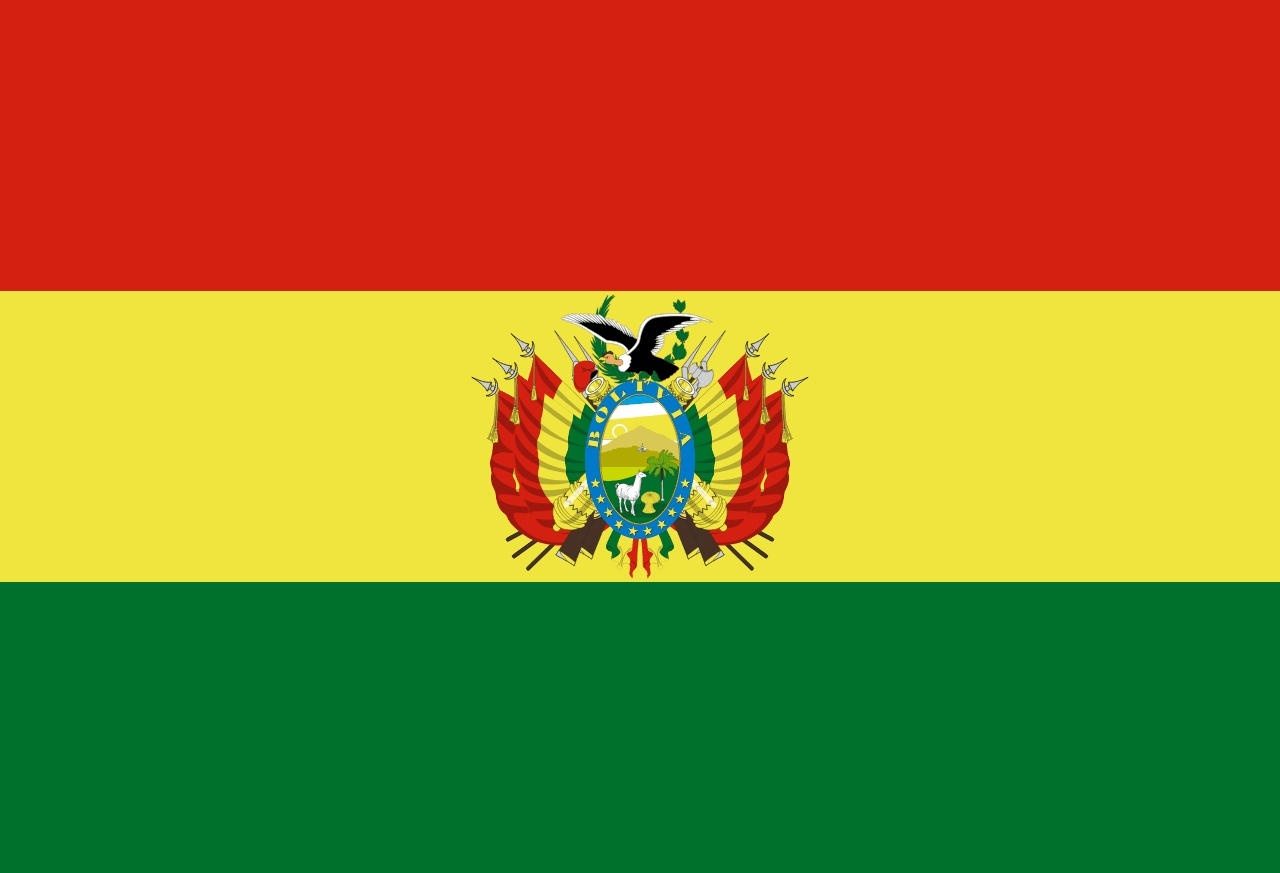
The Food of Bolivia: 10 Dishes You Must Try
Nestled in the heart of South America, Bolivia is a land of breathtaking landscapes and rich cultural heritage. Its culinary scene is an intricate tapestry woven from indigenous traditions, Spanish colonial influences, and regional flavors that vary dramatically from the high-altitude altiplano to the lush Amazon basin. As I wandered through the bustling markets of La Paz and the charming streets of Sucre, the aroma of spices, the vibrant colors of fresh produce, and the warmth of local eateries beckoned me to explore the heart of Bolivian cuisine. This gastronomic adventure revealed a treasure trove of flavors and stories, each dish offering a glimpse into the country's history and the diverse cultures that inhabit it. Here are ten must-try Bolivian dishes that will tantalize your taste buds and leave you yearning for more. First on my list is Salteña, a beloved snack that can be found in every corner of Bolivia. These savory pastries are stuffed with a mixture of spiced meat—usually beef, chicken, or pork—along with potatoes, peas, and hard-boiled eggs. The crust is slightly sweet and delightfully flaky, creating a perfect contrast to the juicy filling. As I sank my teeth into a hot Salteña from a street stall in La Paz, the explosion of flavors left me craving another. Traditionally enjoyed as a mid-morning snack, they are often paired with aji, a spicy sauce that adds an extra kick. The story goes that Salteñas originated from the city of Potosí, where they were created as a portable meal for miners. Today, they represent the vibrant spirit of Bolivian cuisine. Next up is Pique Macho, a hearty dish that offers a taste of Bolivian comfort food. This plate features a generous serving of tender beef, cut into strips and sautéed with onions, bell peppers, and spices. It's topped with fried eggs and served over a bed of crispy French fries. The combination of flavors is robust and satisfying, a meal that warms both the body and soul. I found myself in a small family-run restaurant in Cochabamba, where the owners proudly shared that Pique Macho was often enjoyed during celebrations or family gatherings. The name translates to "tough guy," a nod to the dish's hearty appetite and its reputation as a man's meal. Yet, I found it utterly delightful, proving that this dish transcends gendered boundaries! Next, I encountered the delightful Sopa de Maní, a peanut soup that’s a staple in Bolivian households. The base of this dish is made from pureed peanuts, which lend a rich, creamy texture. The soup is typically loaded with vegetables, potatoes, and sometimes chunks of meat, creating a comforting bowl that’s perfect for any occasion. I sampled this dish at an open-air market in Tarija, where vendors were serving steaming bowls to chilly visitors. The robust nuttiness paired beautifully with the fresh herbs sprinkled on top, making each spoonful a celebration of flavor. Sopa de Maní is often associated with the indigenous Aymara culture, who have long cherished peanuts for their nutritional value and versatility. As I continued my culinary journey, I stumbled upon the iconic Llama meat, specifically in the form of Llama a la Parrilla. This grilled delicacy is celebrated for its lean, tender meat, often marinated with a blend of spices and herbs before being grilled to perfection. At a local parrilla in La Paz, I watched as the chef expertly grilled the llama meat over an open flame, filling the air with an irresistible aroma. The first bite was a revelation: the meat was juicy and flavorful, with a hint of smokiness that paired perfectly with a side of chimichurri sauce. Llama has been an integral part of Bolivian culture for centuries, revered not only as a source of sustenance but also as a symbol of the Andean way of life. No journey through Bolivian cuisine would be complete without tasting the famous Tanta Wawa, a traditional bread shaped like a baby or doll that is especially popular during the Day of the Dead celebrations. These sweet breads, often adorned with colorful icing, are not just delicious but also culturally significant. I visited a bakery in Sucre where the baker explained that Tanta Wawa represents the souls of deceased children and is often placed on altars alongside offerings of food and drink. The bread itself is soft and slightly sweet, and I savored each bite while reflecting on the rich cultural significance behind this festive treat. Moving on to something lighter, I discovered Api, a traditional Bolivian drink made from corn. This thick, warm beverage is often served with pastries or empanadas and is particularly popular for breakfast. I found myself enjoying a steaming cup of Api in a cozy café in La Paz, where the sweet aroma of cinnamon and cloves wafted through the air. The drink is made from a blend of purple corn, sugar, and spices, giving it a comforting, earthy flavor. It’s a drink steeped in tradition, representing the indigenous agricultural practices that have sustained Bolivian communities for generations. As I continued my culinary exploration, I was drawn to the hearty dish known as Chairo, a traditional soup from the Altiplano region. This warming dish consists of lamb or beef, potatoes, vegetables, and a base of quinoa, creating a nutritious and filling meal that is perfect for the cold climate. I tried Chairo in a small town nestled in the mountains, where the locals would often gather for a hearty meal after a long day. The soup's rich, complex flavors were comforting and provided a sense of home, showcasing the resourcefulness of Bolivian cooks who utilize local ingredients to create sustenance that nourishes both body and spirit. Another must-try dish is the Bolivian version of the classic tamale, known as Huminta. This delicious treat, made from fresh corn, cheese, and spices, is wrapped in corn husks and steamed to perfection. The texture is wonderfully soft and slightly sweet, making it a delightful snack or side dish. I had the pleasure of tasting Huminta at a local festival in Santa Cruz, where vendors showcased their culinary skills, and families gathered to celebrate their heritage. The warm, cheesy goodness of Huminta is a testament to the importance of corn in Bolivian cuisine, a crop that has sustained the nation for millennia. Finally, I couldn't leave Bolivia without indulging in a refreshing bowl of Quinoa Salad. This dish highlights one of Bolivia's most famous exports: quinoa. Rich in protein and nutrients, quinoa is a staple ingredient in the Bolivian diet. The salad typically includes fresh vegetables, herbs, and a zesty dressing, making it a light yet satisfying meal. I enjoyed a bowl of quinoa salad in a trendy café in La Paz, where the emphasis was on local and sustainable ingredients. The nutty flavor of the quinoa combined with fresh produce made for a perfect summer dish, showcasing the versatility and health benefits of this ancient grain. As I reflect on my Bolivian culinary adventure, I realize that the country's food is more than just sustenance; it's a celebration of culture, history, and community. From street stalls serving piping hot Salteñas to family-owned restaurants dishing out hearty Pique Macho, the warmth and hospitality of the Bolivian people are evident in every bite. If you find yourself in this remarkable country, be sure to explore the vibrant markets, where the colors of fresh produce and the sounds of sizzling meat fill the air. Seek out local eateries, where traditional recipes are passed down through generations, ensuring that the essence of Bolivia's rich culinary heritage remains alive and well. Whether you're taking a leisurely stroll through the streets of La Paz, dining in a small town, or immersing yourself in a bustling festival, Bolivian food offers an unforgettable experience that will linger in your heart long after the last bite.
Read full article →The History of Bolivia: From Ancient Times to Today
# The History of Bolivia: From Ancient Times to Today Nestled in the heart of South America, Bolivia is a land of breathtaking landscapes and rich cultural heritage. From the high peaks of the Andes to the lush expanses of the Amazon rainforest, the country's diverse geography has shaped its history and the lives of its people. The story of Bolivia is one of resilience, transformation, and the enduring spirit of its indigenous populations. This voyage through time will explore the ancient civilizations that laid the foundations of Bolivian society, traverse the colonial era, and culminate in the nation's modern identity. ## A Tapestry of Ancient Civilizations Long before the Spanish arrived, the region that is now Bolivia was home to a myriad of indigenous cultures. The earliest known inhabitants of the area date back over 10,000 years, with archaeological findings suggesting that early hunter-gatherer societies thrived in the region. However, it was the emergence of complex societies that truly marked the dawn of Bolivian history. One of the most notable ancient civilizations was the Tiwanaku culture, which flourished between 300 and 1000 CE near Lake Titicaca. Renowned for its advanced agricultural techniques and impressive architectural achievements, the Tiwanaku society built monumental structures such as the Akapana pyramid and the Gateway of the Sun. These marvels still stand today, testaments to the ingenuity of the Tiwanaku people. They developed a sophisticated understanding of astronomy, which played a crucial role in their agricultural practices, as they aligned their farming cycles with celestial events. The Tiwanaku civilization eventually declined, paving the way for the rise of the Aymara and Quechua cultures. The latter gave birth to the Inca Empire, which emerged in the early 15th century and rapidly expanded into a vast realm that included modern-day Bolivia. The Incas, known for their administrative prowess and military might, integrated the region into their empire, establishing the city of Cusco as their capital. The Incan influence in Bolivia is still palpable today, as many customs, traditions, and languages, such as Quechua and Aymara, continue to thrive. ## The Colonial Era: Conquest and Resistance The arrival of Spanish conquistadors in the 16th century marked a dramatic turning point in Bolivian history. In 1538, the ambitious explorer Francisco Pizarro dispatched his lieutenant, Gonzalo Pizarro, to explore the region. Gonzalo soon encountered the formidable Inca Empire, and after a series of skirmishes, the Spanish managed to claim dominion over the territory by exploiting internal divisions among the indigenous populations. In 1545, the discovery of silver at Potosí initiated a frenzy that would define the colonial economy. Potosí became one of the richest cities in the world, attracting fortune-seekers from across Europe. The Spanish established a brutal system of forced labor known as the mita, exploiting indigenous peoples and African slaves to extract vast quantities of silver. The wealth generated from Potosí fueled the Spanish crown, while the indigenous population suffered significant decline due to overwork, disease, and social upheaval. Despite the oppression, resistance simmered beneath the surface. Indigenous leaders such as Túpac Katari and Bartolina Sisa emerged as symbols of defiance, rallying the oppressed against colonial rule. Túpac Katari’s uprising in 1781, which sought to liberate the indigenous population from Spanish control, was one of the largest revolts in colonial history. Though ultimately crushed, it ignited a sense of identity and unity among the diverse groups in Bolivia. ## The Road to Independence The winds of change began to blow across the continent in the early 19th century as revolutionary ideas of liberty and equality spread. The Napoleonic Wars in Europe weakened Spanish authority, providing a ripe opportunity for Bolivians to pursue independence. The struggle for freedom was marked by several uprisings, with prominent figures like Simón Bolívar and Antonio José de Sucre emerging as key leaders in the quest for liberation. On August 6, 1825, after years of conflict, Bolivia finally declared its independence from Spanish rule, marking the birth of a new nation. The country was named after Simón Bolívar, who dreamed of a united Latin America free from colonial shackles. Sucre, a close ally of Bolívar, became the first president of the newly formed republic. However, the young nation faced immediate challenges, including social inequality, regional divisions, and a struggle to define its identity in a post-colonial world. The 19th century was characterized by political instability and a series of revolutions, reflecting the growing pains of a nation still grappling with the legacy of colonialism. Power shifted from one military leader to another, often leading to civil wars. The Battle of La Paz in 1898, for instance, was a significant turning point in Bolivian history, as it marked an intense moment of conflict between rival factions vying for control. ## The Modern Era: Struggles and Progress The early 20th century ushered in a series of social, economic, and political transformations. The 1952 Bolivian National Revolution was a watershed moment that aimed to address the deep-rooted inequalities entrenched in society. Led by the Revolutionary Nationalist Movement (MNR), the revolution brought sweeping reforms, including land redistribution, nationalization of key industries, and the extension of voting rights to indigenous peoples. Despite these advancements, Bolivia’s path was not without obstacles. The country faced significant challenges throughout the latter half of the 20th century, including economic instability, military coups, and social unrest. The “Cochabamba Water War” of 2000 was a pivotal moment in Bolivian history, as citizens protested against the privatization of water resources, leading to significant political and social ramifications. The election of Evo Morales in 2005 marked a new chapter in Bolivia's history, as he became the first indigenous president in Latin America. Morales's presidency was characterized by a focus on social justice, economic nationalization, and the empowerment of indigenous communities. He sought to redress historical grievances and promote a sense of national identity that embraced Bolivia's rich indigenous heritage. However, Morales's tenure was also marked by controversy, particularly regarding his attempts to extend presidential term limits. This led to widespread protests and political fragmentation. In 2019, amid allegations of electoral fraud, Morales fled the country, setting off a wave of political turmoil that resulted in a transitional government. ## Bolivia Today: A Nation in Transition As of 2023, Bolivia stands at a crossroads, grappling with the complexities of its past while navigating the challenges of contemporary governance. The Bolivian society is a tapestry woven with diverse threads of indigenous heritage, colonial history, and modern aspirations. The struggle for social justice continues, as various indigenous groups seek representation and rights within a system that has often marginalized them. Bolivia's economy, heavily reliant on natural gas and mineral exports, faces pressures from global markets and the need for sustainable development. The country is rich in biodiversity, and with the ongoing threat of climate change, there is a growing movement towards environmental stewardship and the preservation of indigenous territories. Culturally, Bolivia has seen a resurgence in the celebration of its indigenous roots, with festivals, traditional music, and art reclaiming spaces in the national narrative. The annual Carnaval de Oruro, recognized by UNESCO as a Masterpiece of the Oral and Intangible Heritage of Humanity, showcases the vibrant blend of indigenous and Spanish influences that define Bolivian culture today. In recent years, Bolivia has also made strides in education and healthcare, with efforts to improve access to services for its rural and marginalized populations. The country’s youth are increasingly engaged in social and political movements, advocating for a more equitable and inclusive future. ## Conclusion: A Legacy of Resilience The history of Bolivia is a testament to the resilience of its people. From ancient civilizations to the struggles against colonial oppression, and through the trials of modernity, Bolivians have continually sought to assert their identity and rights. Today, the nation stands as a vibrant mosaic, a testament to its past and a beacon of hope for the future. As Bolivia navigates the complexities of its modern identity, the spirit of its ancestors continues to inspire. The legacy of the Tiwanaku, the resistance of Túpac Katari, and the dreams of Simón Bolívar remind us that the journey toward justice and equality is one that requires perseverance, unity, and a deep respect for the diverse cultures that make Bolivia a unique and extraordinary nation. As it moves forward, Bolivia remains a living testament to the enduring power of history and the strength of its people.
Read full article →Hidden Gems of Bolivia: Places Most Tourists Miss
Bolivia, a landlocked jewel nestled in the heart of South America, is often overshadowed by its more famous neighbors like Peru and Chile. While tourists flock to well-known sites like the breathtaking Salar de Uyuni and the ancient ruins of Tiwanaku, many of Bolivia's hidden gems remain largely untouched, waiting to be discovered by the more adventurous traveler. If you yearn to experience the true essence of this vibrant country, it’s time to venture off the beaten path. In this blog post, we will explore some of Bolivia's lesser-known regions, villages, and experiences that reveal the country's rich culture and stunning landscapes, creating unforgettable memories far from the typical tourist trails. Let’s begin with the quaint village of Copacabana, a charming spot tucked away on the shores of Lake Titicaca, the highest navigable lake in the world. While many tourists come to experience the lake's more popular islands, few take the time to appreciate the serene beauty of this small town. With its picturesque waterfront and vibrant market selling local handicrafts, Copacabana is the perfect base for adventures on the lake. The stunning Basilica of Our Lady of Copacabana is a must-visit for its intricate architecture and spiritual significance. To reach Copacabana, you can take a bus from La Paz or Puno, Peru, which offers beautiful views of the lake along the way. Just a short boat ride away lies Isla del Sol, a mystical island steeped in Incan mythology. Fewer tourists wander here compared to the more frequented Isla de la Luna or the nearby floating islands of Uros. Often described as a place where the sun was born, Isla del Sol is adorned with ancient ruins, terraced hillsides, and stunning vistas of the shimmering lake. Hike along the island’s trails, exploring sites like the Inca Steps and the Sacred Fountain, where tradition holds that drinking the water will grant you eternal love. To get to Isla del Sol, you can hop on a boat from Copacabana, and don’t forget to spend at least a night to soak in the island's magical atmosphere. Next, we venture into the heart of Bolivia’s countryside to discover the enchanting town of Tarija. Known for its wine production, Tarija is often overlooked by travelers who miss out on its scenic vineyards and lush valleys. The region’s unique climate, characterized by sunny days and cool nights, creates perfect conditions for winemaking. Join a wine tour to sample local varieties such as the aromatic Torrontés or the robust Tannat. The town itself is charming, with cobblestone streets, colonial architecture, and a lively plaza where you can mingle with locals. To reach Tarija, take a flight from La Paz or a bus from Sucre, enjoying the scenic drive through Bolivia's picturesque landscapes. A little further off the tourist radar is the tiny village of Samaipata, known for its archaeological site, El Fuerte. It’s an excellent destination for those interested in ancient cultures. The site, which dates back to the Incas and pre-Inca civilizations, features impressive stone carvings and terraces that blend seamlessly with the surrounding landscape. The village itself is surrounded by lush forests and rolling hills, perfect for hiking and exploring the natural beauty of the area. A visit to the nearby Amboró National Park will reward you with stunning biodiversity and opportunities to spot exotic wildlife. You can reach Samaipata by bus from Santa Cruz, making it an easy day trip or a perfect overnight getaway. If you’re looking to dive even deeper into Bolivia’s cultural tapestry, the town of Potosí should be on your radar. Known historically for its silver mines, Potosí is one of the highest cities in the world and offers a unique glimpse into the country’s colonial past. While many visitors come to explore the mines, fewer take the time to appreciate the rich architectural heritage of the town, including the stunning Casa de la Moneda, a former mint that now houses a museum showcasing the history of currency in Bolivia. The town’s bustling markets and local eateries offer a chance to savor traditional Bolivian cuisine, like salteñas and pique a lo macho. Potosí is accessible via bus from Sucre or La Paz, and spending a few days here provides a fascinating insight into Bolivia's complex history. For those seeking natural wonders, the stunning landscape of the Yungas region will leave you breathless. Known for its lush rainforests, waterfalls, and diverse wildlife, the Yungas is a paradise for nature lovers and hikers. The famous "Death Road," once considered one of the most dangerous roads in the world, runs through the region and offers exhilarating biking opportunities for thrill-seekers. Explore the small town of Coroico, where you can take in panoramic views of the lush valleys below. The best way to reach the Yungas is to take a bus from La Paz, or if you’re feeling adventurous, rent a bike and experience the thrilling descent down the Death Road. Another hidden gem is the town of Sucre, Bolivia’s constitutional capital. While many tourists pass through on their way to Potosí or Tarija, Sucre’s charming colonial architecture and vibrant cultural scene deserve more attention. The city is a UNESCO World Heritage Site, with beautiful streets lined with whitewashed buildings and ornate churches. Visit the stunning Casa de la Libertad, where the country’s independence was declared, and immerse yourself in the local culture by attending a festival or traditional dance performance. Sucre is easily accessible by bus from La Paz or Santa Cruz, and spending a few days here allows you to soak in the rich history and vibrant atmosphere of the city. One of Bolivia’s most enchanting experiences takes place in the remote village of Challapata, where the annual Festival of the Virgin of Socavón draws visitors from across the country. Celebrated in August, this colorful festival showcases traditional music, dance, and feasting in honor of the Virgin. Participating in this lively celebration provides a unique opportunity to immerse yourself in local culture, as you join in the vibrant festivities alongside the warm-hearted locals. To reach Challapata, you can take a bus from Oruro, making sure to check the festival dates in advance to maximize your experience. Finally, no journey through Bolivia would be complete without a visit to the stunning Eduardo Avaroa National Park, located in the southwest of the country. While many tourists flock to the famous Laguna Colorada and the surreal landscapes of the Altiplano, few venture deeper into the park's many wonders. Trekking through the park allows you to encounter surreal rock formations, hidden lagoons, and an abundance of wildlife, including flamingos, llamas, and unique Andean birds. Camp under the stars in this remote wilderness, where the silence is only broken by the sounds of nature. Getting to Eduardo Avaroa National Park usually requires a tour from Uyuni, but it’s well worth the effort to uncover one of Bolivia’s most breathtaking natural treasures. As you plan your trip to Bolivia, remember that the country’s hidden gems often require a little extra effort to reach but reward you with genuine experiences and unforgettable encounters. Here are some practical tips to make your journey more enjoyable: 1. **Travel Off-Peak**: To avoid crowds and connect with locals, consider traveling during the shoulder seasons (April-May and September-October). The weather is still pleasant, and you’ll have a more authentic experience. 2. **Learn Basic Spanish**: While many Bolivians in tourist areas speak English, knowing a few basic phrases can enhance your interactions and help you navigate more remote areas. 3. **Pack for Varying Climates**: Bolivia's diverse landscapes mean that temperatures can vary dramatically. Layering is key, especially when transitioning from the high-altitude areas to the warmer lowlands. 4. **Prioritize Sustainable Travel**: Many of the hidden gems are surrounded by delicate ecosystems. Be mindful of your impact on the environment by following Leave No Trace principles and supporting local businesses. 5. **Embrace Local Cuisine**: Don’t shy away from trying street food and local delicacies! From salteñas to anticuchos, Bolivia’s culinary scene is as diverse as its landscapes. 6. **Be Open-Minded**: Embrace the unexpected. Some of the best experiences come from unplanned adventures and interactions with locals. Bolivia is a treasure trove of hidden gems waiting to be explored. By stepping off the well-trodden paths, you’ll discover the rich culture, stunning landscapes, and heartfelt hospitality that make this country so unique. Whether you’re wandering through the charming streets of Sucre, hiking the enchanting trails of Isla del Sol, or celebrating with locals at a vibrant festival, each of these lesser-known destinations offers a glimpse into the heart of Bolivia — a journey you will cherish for a lifetime. So pack your bags, venture beyond the usual tourist hotspots, and prepare for an adventure that will leave you with unforgettable memories and a deeper appreciation for this incredible country.
Read full article →What It's Really Like to Live in Bolivia
What It's Really Like to Live in Bolivia As the sun rises over the Andes, casting a golden hue across the rugged mountains and bustling streets, I often find myself reflecting on what everyday life is truly like in Bolivia. Having lived in this vibrant and diverse country for several years, I have come to appreciate the complex tapestry of culture, tradition, and modernity that defines Bolivian life. From the daily routines to the culinary delights, social customs, and the unique rhythms of family and work, Bolivia has gifted me with experiences that are both enriching and enlightening. Life in Bolivia generally starts early. The sun rises around six in the morning, and you can hear the sounds of the city waking up. In La Paz, for instance, the streets begin to fill with vendors setting up their stalls, selling everything from fresh fruits and vegetables to handmade textiles. The cost of living in Bolivia is remarkably affordable compared to many other countries, particularly if you embrace the local lifestyle. Rent for a modest apartment in La Paz can range from $200 to $400 per month, while a hearty lunch at a local "almuerzo" spot typically costs between $2 to $5. One of the aspects I adore about Bolivian life is its deep-rooted food culture. Lunch is the main meal of the day, and it’s common for families and workers to indulge in a multi-course feast. Traditional dishes include salteñas (savory pastries filled with meat, vegetables, and spices) and pique a lo macho (a vibrant mix of meat, sausage, potatoes, and peppers). Markets are a food-lover’s paradise, bursting with fresh produce and local specialties. When I first arrived, I was struck by the variety of potatoes available—over 1,000 different types, all native to the Andean region. Each has its unique flavor and texture, making every meal an exploration of taste. Dining is not just about nourishment; it’s an integral part of social life. Sharing a meal is a way to connect with family and friends, and it often comes with lively conversation. Meals in Bolivia are often accompanied by a cup of mate de coca, a herbal tea made from coca leaves that is deeply ingrained in the culture. It’s known for its stimulating properties and is a common sight at gatherings and family meals. When someone offers you “¿Quieres un mate?” (Do you want some mate?), it's not just about the drink; it's an invitation to bond. Social customs in Bolivia reflect a rich blend of indigenous traditions and Spanish influence. Greetings are warm and genuine, often accompanied by a handshake or a hug. It's customary to greet everyone in the room, and you’ll hear the phrase “buen día” (good day) frequently. When attending social gatherings, it’s also customary to bring a small gift, such as sweets or a bottle of wine, as a sign of appreciation for the host. Family life in Bolivia tends to be close-knit, with extended families often living together or in close proximity. Family gatherings are frequent, and Sundays are typically reserved for spending time with loved ones. A typical Sunday might involve a family picnic in one of the many beautiful parks, where you’ll find families grilling meat, playing games, and enjoying each other’s company. Children are cherished and often doted on by their grandparents, which fosters a strong sense of identity and belonging. Work culture in Bolivia varies widely depending on the industry and location. In urban areas like La Paz and Santa Cruz, the pace can be fast, especially in sectors like commerce and tourism. The workweek typically runs from Monday to Friday, with many offices operating from 8 AM to 5 PM. However, in rural areas, life moves at a slower pace, deeply intertwined with agricultural cycles. Many people work in fields or artisanal crafts and maintain a traditional lifestyle that honors age-old practices. Weekends in Bolivia are a vibrant affair. Most people look forward to relaxing and unwinding after a long week. Markets are bustling on Saturdays, where locals shop for fresh produce, textiles, and handicrafts. You’ll often see families enjoying a leisurely stroll, sampling street food, or listening to live music. Football (soccer) is a national passion, and during the weekends, you’ll find people gathered around screens in cafés, cheering for their favorite teams, or playing in local parks. The weather in Bolivia can be remarkably diverse due to its varied geography. In La Paz, which sits at an altitude of over 11,000 feet, the climate is cool and dry, while in the lowland areas of Santa Cruz, it’s tropical and humid. The high altitude can be challenging for newcomers, often leading to altitude sickness, but locals have adapted to the thinner air. I remember my first week in La Paz, feeling light-headed and breathless, but with time, I learned the importance of staying hydrated and drinking mate de coca to help acclimate. Living in Bolivia also comes with its challenges. The political landscape can be tumultuous, with protests and strikes common occurrences. Public transportation, while incredibly affordable, can be chaotic; buses and micros (small buses) often seem to have no set schedule, leading to long waits. However, these challenges are offset by the richness of Bolivian culture and the warmth of its people. There’s an undeniable spirit of resilience among locals, a “vivir bien” (to live well) ethos that transcends difficulties and celebrates community and connection. One of the most surprising aspects for foreigners is the sense of community and the importance of social ties. Unlike in many Western cultures where independence is heavily emphasized, Bolivians often prioritize collective well-being. Neighbors look out for one another, and it’s common for locals to help each other with tasks, whether it’s sharing tools or watching each other’s children. This spirit of collaboration extends to celebrations, where communal feasts and festivals bring people together in joyous unity. Bolivia is a land of contrasts, where ancient traditions coexist alongside modern advancements. Festivals like Carnaval or Todos Santos showcase the vibrant culture, drawing in locals and tourists alike. During these celebrations, you can witness colorful parades, traditional music, and dance that reflect the country’s rich indigenous heritage. I remember being mesmerized by the colorful costumes of dancers during Carnaval in Oruro, where the rhythm of the music echoed through the streets, inviting everyone to join in the festivities. As I look back on my time in Bolivia, I realize that the essence of everyday life here is defined by connection—whether it’s through shared meals, the warmth of a greeting, or the communal spirit during festivals. The challenges faced are often overshadowed by the beauty found in daily interactions and the rich tapestry of experiences that shape the lives of Bolivians. Living in Bolivia has opened my eyes to a world where community, culture, and resilience intertwine. It’s a place that may initially seem foreign, but once you embrace its quirks and unique customs, you’ll find it holds a special place in your heart. So, if you ever find yourself wandering the colorful streets of La Paz or the lush landscapes of the Amazon, take a moment to immerse yourself in the rhythm of Bolivian life—you might just find yourself enchanted by its beauty and warmth.
Read full article →Why Visit Bolivia
Bolivia is South America's most geographically dramatic country — a landlocked nation of extremes that contains within its borders the world's highest navigable lake, the world's largest salt flat, a portion of the Amazon basin, temperate valleys, and the altiplano plateau sitting at an average elevation of 3,750 metres. Bordered by Peru, Brazil, Paraguay, Argentina, and Chile, Bolivia is the continent's poorest country by many measures and one of its most visually extraordinary. The Salar de Uyuni in southwestern Bolivia is the world's largest salt flat at 10,582 square kilometres. During the dry season it is a blinding white expanse of hexagonal salt crystals stretching to distant volcanoes under an infinite sky. During the rainy season a shallow film of water transforms it into the world's largest natural mirror, reflecting clouds and sky in a perfect optical illusion that makes the horizon disappear entirely. Flamingos feed on the red algae of the highland lagoons nearby, and the bizarre rock formations of Valle de Rocas and the geysers of Sol de Mañana rise from the surrounding altiplano in a landscape of geological theatre. Lake Titicaca, shared with Peru at 3,812 metres above sea level, is the highest navigable lake in the world. The Bolivian side, centred on the town of Copacabana, contains the sacred Isla del Sol — the Island of the Sun — where Inca legend says the sun god Inti was born. The island's Inca ruins, its walking trails between terraced hillsides, and its views across the deep blue lake to the snow peaks of the Cordillera Real are profoundly moving. La Paz, the administrative capital and the world's highest capital city at 3,640 metres, sits in a dramatic canyon surrounded by the altiplano. The Mi Teleférico cable car system connects its hillside neighbourhoods in an engineering achievement that also happens to provide spectacular aerial views. The Witches' Market sells dried llama foetuses, herbs, and amulets beside modern pharmacies and electronics shops. Bolivian cuisine features quinoa soups, saltenas (empanadas with spiced filling), salteñas de pollo, and the beloved api morado — a thick purple corn drink drunk warm with pastries at breakfast. May through October is the dry season and best for travel. Bolivia rewards those who adjust to altitude with some of the most singular landscapes on earth.
Read full article →Bolivia: Cholitas, Salt Flats and the World's Highest Capital City
La Paz is the world's highest administrative capital, sitting at 3,640 metres above sea level in a canyon carved into the altiplano — the high plateau that runs across the Andes through Bolivia and Peru. Arriving by air, visitors often feel the altitude before they leave the airport: shortness of breath, headache, a general sense that the body is negotiating something. Locals drink coca tea. It helps. The cholitas — Aymara and Quechua women in their traditional dress of layered skirts, embroidered blouses, and distinctive bowler hats tilted at precise angles — are one of Bolivia's most vivid cultural images. The bowler hat arrived in Bolivia in the 1920s, imported from Europe for railway workers. According to the most popular story, a shipment arrived too small for the European men and was sold to indigenous women instead. They adopted it and made it their own. Today the hat's tilt signals marital status: straight means married, tilted to the side means available. The cholitas have also taken up wrestling — cholita wrestling, performed in full traditional dress, has become a genuine entertainment tradition in El Alto. The Salar de Uyuni is the world's largest salt flat: 10,000 square kilometres of blinding white at 3,656 metres altitude. In the rainy season, a shallow layer of water turns it into the world's largest mirror, reflecting the sky so perfectly that the horizon disappears. It is one of the most disorienting and beautiful landscapes on earth.
Read full article →