No messages yet — be the first to share something about Belize!
Sign in to join the chat
The Food of Belize: 10 Dishes You Must Try
As I stepped off the plane into the tropical embrace of Belize, my senses were immediately awakened by the aromas wafting through the air. The salty scent of the ocean mingled with the earthy notes of fresh produce and spices, creating a tantalizing prelude to my culinary adventure. Belize is a mosaic of cultures, with influences from the Maya, Garifuna, Creole, and Mestizo communities all contributing to a vibrant and diverse food scene. Each dish tells a story, revealing the rich history and traditions of this beautiful Central American nation. Join me as I explore ten must-try dishes that capture the essence of Belizean cuisine, each bite a passport to understanding the heart of this nation. First on my list is **Rice and Beans**, a dish beloved by locals and a staple at any Belizean table. Known locally as "rice and beans," this dish is made from long-grain white rice cooked with red kidney beans, flavored with coconut milk, and served alongside stewed chicken or fish. The creamy, slightly sweet coconut melds beautifully with the savory beans, creating a dish that's both comforting and satisfying. Traditionally, you’ll find it served at family gatherings or Sunday lunches, where it acts as the centerpiece of the meal. I enjoyed my first plate at a small roadside eatery in San Ignacio, where the owner proudly shared that her grandmother had passed down the recipe, infusing it with love and history. Next up is **Tamales**, a dish that showcases the blending of cultures in Belizean cuisine. Though originally a staple from the ancient Maya civilization, these wrapped delights have been embraced and adapted by all Belizeans. A typical Belizean tamale is made from corn dough filled with seasoned meat—usually chicken or pork—wrapped in banana leaves, and steamed to perfection. The first bite reveals a soft, moist texture with a burst of savory flavors that are enhanced by the spices used in the meat. I stumbled upon a small market in Belize City, where a friendly vendor offered me a freshly steamed tamale. She explained that tamales are often enjoyed during special occasions and family gatherings, symbolizing togetherness and celebration. Another classic dish that deserves a mention is **Baleadas**. Hailing from the Garifuna culture, these flour tortillas are filled with a variety of ingredients, but the most popular version includes refried beans, scrambled eggs, and cheese, often garnished with hot sauce or avocado. The combination creates a delightful explosion of flavors and textures—soft tortillas contrasted with creamy beans and a bit of spice. The best place to indulge in this dish is at any street stall in Dangriga, where you can watch the vendors expertly flip tortillas on a hot griddle. Each bite feels like a warm hug from the Garifuna community, rich in flavor and heritage. Next, I was eager to try **Sere**, a traditional soup that captures the essence of Belize’s coastal bounty. Sere is a hearty dish made from fresh fish, coconut milk, and a medley of vegetables such as carrots, bell peppers, and okra. The broth is imbued with the flavors of the sea, creamy coconut, and a hint of spice, making it both comforting and invigorating. I enjoyed a steaming bowl of sere while sitting on the beach in Placencia, where the waves gently lapped at the shore. The warmth of the sun on my skin was mirrored by the warmth from the soup, and I learned from the local chef that sere is often made to celebrate special occasions, bringing families together over a shared love for the ocean's bounty. Moving on to **Fried Jacks**, a breakfast favorite that I quickly fell in love with! These golden, deep-fried dough pieces are often served with eggs, beans, or cheese, making for a hearty and satisfying start to the day. The crispy exterior gives way to a fluffy interior, and paired with fresh salsa or a drizzle of hot sauce, it becomes irresistible. I visited a quaint diner in Belize City that is famous for its homemade fried jacks. As I bit into one, I could hear the sizzling sound from the kitchen, and the laughter of locals enjoying their morning ritual filled the air. The owner shared that fried jacks are traditionally consumed on weekends, a time for families to gather and share a hearty breakfast. For those with a taste for the ocean, **Ceviche** is a must-try. This refreshing dish features fresh fish marinated in lime juice, mixed with diced onions, peppers, and cilantro. The tangy citrus not only cooks the fish but also brightens the dish, making it an ideal appetizer on a hot Belizean day. I discovered a little beach shack in Ambergris Caye where the ceviche was served in a coconut shell, bursting with flavor and freshness. The owner explained that ceviche is often enjoyed during celebrations, especially around the holidays, where it’s shared among friends and family while sipping on cold beers. No journey through Belize would be complete without sampling **Conch Fritters**. This dish is a testament to Belize's maritime culture, featuring battered and deep-fried conch meat mixed with spices and vegetables. The fritters are crispy on the outside, tender on the inside, and brimming with the unmistakable flavor of the sea. I found myself at a vibrant food festival in San Pedro, where vendors were showcasing their takes on this iconic dish. Each bite was a delightful crunch, followed by the soft, chewy conch, and I learned that conch fritters are often served at celebrations and parties, making them a culinary symbol of joy and festivity. As I continued my culinary exploration, I couldn’t resist trying **Pork Panades**, a savory pastry that embodies the Creole influence in Belizean cuisine. These deep-fried dough pockets are filled with seasoned pork, beans, or chicken and are often served with a spicy sauce for dipping. The first bite revealed a crispy exterior and a burst of flavorful, well-seasoned meat inside. I stumbled upon a local food fair in Belize City, where a friendly vendor explained that panades are often served during festivals and gatherings, bringing together the community to enjoy good food and good company. Next, I was introduced to **Baked Chicken**, a dish that reflects the simplicity and heartiness of Belizean cooking. The chicken is marinated with a blend of spices and herbs, then baked until tender and juicy. Served alongside rice and beans or potato salad, this dish is a family favorite and a common sight at gatherings. I was fortunate to be invited to a local’s home in Orange Walk for dinner, where the hostess shared her secret marinade recipe, passed down through generations. As I savored the flavors, I felt the warmth of the Belizean culture envelop me, as food often does when shared among loved ones. Last but not least, I had to try **Coco Loco**—a refreshing coconut cocktail that captures the essence of the Caribbean lifestyle. Made from coconut water, rum, and a splash of fruit juice, this drink is served in a fresh coconut, making it the perfect companion for relaxing on the beach. During my visit to a beach bar in Caye Caulker, I watched the bartender skillfully craft the drink, and with each sip, I felt the island’s laid-back spirit wash over me. Coco Loco is more than just a drink; it’s a celebration of life and the beauty of Belize’s coastal culture. As I reflect on my culinary journey through Belize, I can’t help but feel a deep appreciation for the rich tapestry of flavors and traditions that are woven into each dish. The food is more than sustenance; it’s a reflection of the people and their stories, a testament to their heritage, and a celebration of togetherness. If you're looking for the best places to experience these delicious dishes, you’ll find them in bustling markets, vibrant street stalls, and cozy family-run restaurants throughout the country. Places like the San Pedro Food Festival, the Belize City Market, and even the humble vendors along the roadside are where you’ll discover the true heart of Belizean cuisine. Each meal is an invitation to connect with the local culture and savor the flavors that tell the story of this remarkable nation. So come hungry, and prepare to indulge your senses in the delightful food of Belize!
Read full article →The History of Belize: From Ancient Times to Today
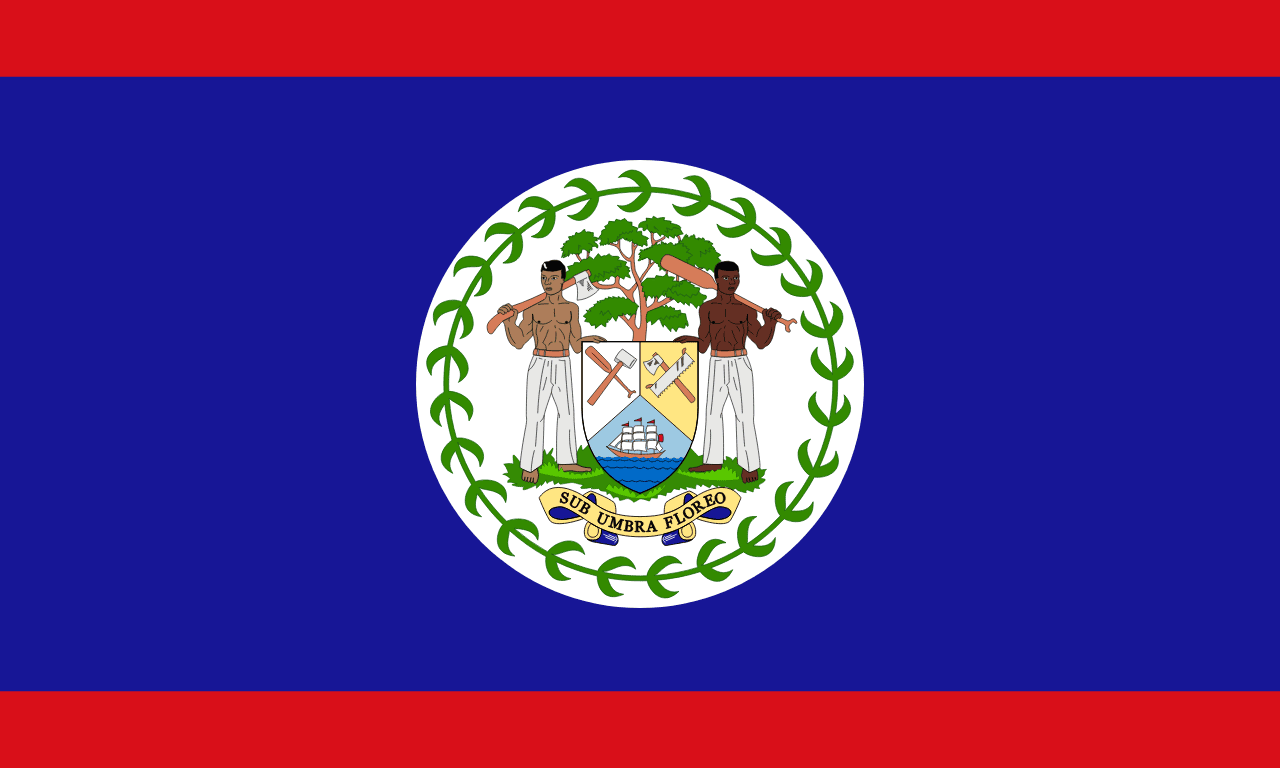
# The History of Belize: From Ancient Times to Today Nestled on the eastern coast of Central America, Belize is a gem of rich biodiversity, ancient ruins, and vibrant culture. The story of this small nation is woven from the threads of ancient civilizations, colonial endeavors, and a quest for independence that has shaped its identity over centuries. To truly appreciate Belize's allure today, we must journey back in time, exploring its past from ancient indigenous settlements to its modern-day status as a sovereign nation. ## Ancient Times: The Land of the Maya Long before the arrival of Europeans, the land that is now Belize was home to the ancient Maya civilization. Starting around 1500 BC, the Maya began their ascent as one of the most sophisticated cultures in the Americas. They thrived in the region, constructing magnificent cities, developing intricate trade networks, and creating a complex social and political hierarchy. One of the most significant Maya sites in Belize is Caracol, which flourished between AD 250 and 900. It was a sprawling metropolis, boasting impressive structures such as the Caana, or "Sky Palace," which still stands as a towering reminder of the Maya’s architectural prowess. The site was not just a center for governance but also a hub for trade and agriculture. The Maya, skilled in cultivating maize, beans, and squash, utilized advanced techniques such as terracing and irrigation, demonstrating their deep understanding of the land. Another remarkable site is Xunantunich, which translates to "Stone Woman." This ceremonial center reached its peak between AD 600 and 900. The iconic El Castillo pyramid dominates the landscape, revealing the Maya’s astrological knowledge through its alignment with celestial events. These cities, now enveloped by the lush jungles of Belize, whisper tales of the past through their crumbling ruins, inviting modern explorers to uncover the secrets of a civilization that once thrived. However, the decline of the Maya civilization began around the 10th century. Factors contributing to this decline included environmental changes, warfare, and resource depletion. Yet, small groups of Maya persisted, maintaining their cultural practices, languages, and traditions, which continue to influence Belizean identity today. ## The Arrival of the Europeans The timeline of Belize’s history took a dramatic turn in the early 16th century when European explorers began to arrive in Central America. The Spanish were among the first, driven by their desire for wealth and land. In 1506, Christopher Columbus made his way to the northern coast of Central America, landing in Honduras but leaving a lasting impact on the entire region. However, the Spanish did not establish a stronghold in Belize initially, as they focused their efforts on the more lucrative areas of Mexico and Peru. It wasn’t until the late 17th century that the British began to take an interest in the region. The British sought to exploit the abundant resources of the area, particularly its mahogany, which was highly valued in Europe. Pirates and loggers from Britain started to settle in Belize, establishing what became known as British Honduras. This period marked a significant transition, as the indigenous peoples were largely marginalized, and the European settlers began to claim the land. By the 18th century, the British presence in Belize had solidified, leading to a series of conflicts with the Spanish, who sought to reclaim their lost territories. The most notable was the Battle of St. George’s Caye in 1798, where a diverse fleet of British settlers, enslaved Africans, and indigenous peoples successfully defended their territory against Spanish forces. This battle is celebrated each year on September 10th, a national holiday commemorating Belize’s resilience and the birth of a new identity. ## The Colonial Era: Struggles and Development As the 19th century dawned, British Honduras continued to develop under colonial rule. Logwood and mahogany became the mainstays of the economy, leading to an influx of labor, including enslaved Africans. The abolition of slavery in 1838 prompted significant social changes, as former slaves were integrated into the society as free men and women. However, many continued to work in the logging industry, facing difficult conditions and limited rights. The British colonial administration began to introduce governance structures, leading to the establishment of the Legislative Council in 1884. This marked the beginning of a political awakening, as local leaders began to voice concerns over their rights and representation. Figures like George Price, who would later become a key figure in Belizean independence, emerged during this time, advocating for greater autonomy and democratic representation. The early 20th century saw Belize grappling with the effects of global events such as World War I and the Great Depression. Economic hardships intensified, leading to widespread discontent. The labor movement gained momentum, with workers demanding better wages and conditions. In 1949, the first general strike in Belize’s history took place, leading to considerable social and political changes. The voice of the people began to echo louder, and the call for independence grew stronger. ## Towards Independence: A New Dawn The post-World War II period served as a catalyst for decolonization across the globe, and Belize was no exception. In 1950, the People’s United Party (PUP), led by George Price, emerged as a significant political force, advocating for self-governance. The PUP’s platform resonated with the people, emphasizing national pride and the need for change. In 1964, British Honduras was granted self-government, which allowed Belizeans to elect their own representatives for the Legislative Assembly. This was a crucial turning point, as it marked the beginning of a new era in Belizean politics. Over the next decade, fervent discussions about independence ensued, with various factions playing a role in the negotiation process. The question of territorial integrity also loomed large during this period. Guatemala, a neighboring country, laid claim to Belizean territory, complicating the country’s path to independence. However, Belizeans remained resolute, and the international community, including the United Nations, began to support their right to self-determination. On September 21, 1981, Belize finally attained independence from British rule. The moment was marked by joy and celebration, as the Belizean flag was raised, symbolizing newfound freedom. George Price, the Father of the Nation, became the first Prime Minister, ushering in a new era of governance and national identity. ## Belize Today: A Fusion of Cultures Present-day Belize is a vibrant tapestry woven from its rich history, diverse cultures, and stunning landscapes. The country’s population is a mix of Mestizo, Creole, Garifuna, and Maya peoples, among others. This cultural diversity is reflected in Belize's music, dance, and culinary traditions, creating a unique identity that draws visitors from around the globe. Belize is renowned for its breathtaking natural landscapes, including the Belize Barrier Reef, a UNESCO World Heritage Site, which is the second-largest barrier reef in the world. The country also boasts lush jungles, ancient ruins, and picturesque beaches, making it a haven for eco-tourism and adventure seekers. Despite its beauty and cultural richness, Belize faces challenges such as economic inequality, environmental degradation, and the impact of climate change. The government and NGOs are working towards sustainable development while preserving the country’s natural and cultural heritage. As Belize continues to navigate the complexities of the modern world, its historical journey serves as a testament to the resilience of its people. From the ancient Maya who once ruled the land to the modern Belizeans who cherish their identity, the story of Belize is one of survival, adaptation, and hope. ## Conclusion The history of Belize is a captivating tale of ancient civilizations, colonial struggles, and the quest for identity. As we reflect on this journey, it becomes clear that the spirit of the Belizean people is deeply rooted in their rich heritage. From the majestic ruins of the Maya to the vibrant streets of Belize City, the echoes of the past resonate through the lives of those who call this beautiful country home. Today, Belize stands not just as a destination, but as a living history that continues to evolve, inviting us all to explore its depths and embrace its future.
Read full article →Hidden Gems of Belize: Places Most Tourists Miss
When we talk about Belize, the conversation often gravitates toward its stunning beaches, vibrant coral reefs, and famous ancient Mayan ruins. While these attractions are undeniably captivating, they only scratch the surface of what this diverse and enchanting Central American country has to offer. For those travelers willing to wander a little further from the popular tourist paths, Belize reveals a treasure trove of hidden gems just waiting to be explored. Here, we’ll dive into some of these lesser-known places, where authentic culture, breathtaking landscapes, and unique experiences await. One such gem is the village of **Santa Teresa**, located in the southern part of Belize, near the border with Guatemala. With its sandy streets, warm smiles from locals, and an atmosphere steeped in tranquility, Santa Teresa feels like a step back in time. Here, the pace slows down, and you can truly savor the essence of Belizean life. What makes Santa Teresa special is its agricultural richness; the village is surrounded by lush land where farmers cultivate a variety of crops, including corn, beans, and the famous Belizean chocolate. Visitors can engage with local farmers, participate in harvest festivals, or simply enjoy a homemade meal prepared by friendly locals. To get there, travelers can take a bus from Punta Gorda, which is about an hour away, or arrange a local taxi for a more personalized journey. Next, we venture to **Cacao Creek**, a lesser-known spot that’s a haven for chocolate lovers and nature enthusiasts alike. Nestled in the foothills of the Maya Mountains, this charming eco-lodge doubles as a cocoa farm, allowing visitors to immerse themselves in the fascinating world of chocolate production. Guests can partake in hands-on workshops, learning the traditional process of transforming cacao beans into delicious chocolate bars. Beyond the delicious treats, the surrounding rainforest offers breathtaking hiking trails and opportunities for birdwatching. To reach Cacao Creek, head toward the town of San Ignacio and take a short drive into the countryside, where the lush landscape will invite you to explore further. For those looking for a deeper cultural experience, **Corozal Town** on the northern coast is a must-visit. This quaint town is often overlooked by tourists flocking to Belize City or Ambergris Caye. Corozal is rich in history and offers a unique blend of Caribbean and Mexican cultures. The charming waterfront promenade is perfect for leisurely strolls, and local eateries serve up delectable dishes infused with spices from nearby Mexico. Don’t miss the chance to visit the nearby **Cerros Mayan Ruins**, where you can explore ancient temples and enjoy stunning views of the surrounding landscape. Corozal is just a two-hour drive from Belize City, making it an easily accessible destination for those willing to venture beyond the usual hotspots. Another hidden treasure lies in the heart of the jungle at **Bacalar Chico National Park**. This UNESCO World Heritage site is an ecological marvel, boasting pristine beaches, coral reefs, and a diverse array of wildlife. Unlike the bustling Barrier Reef, Bacalar Chico remains relatively untouched by mass tourism. Here, visitors can kayak through mangroves, snorkel in crystal-clear waters, or simply bask in the serenity of nature. The park is also home to the ancient Mayan site of **San Pedro**, which offers a glimpse into the region’s rich heritage. To visit Bacalar Chico, take a boat from San Pedro on Ambergris Caye or arrange a guided tour for a more immersive experience. Heading toward the interior, **Pueblo Viejo** stands out as a vibrant and authentic village that encapsulates the heart of Belizean culture. This hidden gem is renowned for its lively festivals, where locals come together to celebrate music, dance, and traditional foods. The annual **Coconut Festival** is a highlight, featuring everything coconut—from drinks to desserts—alongside vibrant parades and cultural performances. The best way to experience Pueblo Viejo is to coincide your visit with one of these festivities, providing a unique opportunity to connect with locals and understand their customs. To reach Pueblo Viejo, travelers can take a bus from Belize City to the nearby town of Orange Walk and then arrange local transport into the village. Unbeknownst to many, **Glover’s Reef Atoll** presents an extraordinary experience for those seeking off-the-beaten-path adventure. While not entirely unknown, it remains quieter than other diving hotspots in Belize. This stunning atoll is a paradise for scuba divers and snorkelers, offering vibrant coral formations teeming with marine life. The lack of crowds means you can immerse yourself in the underwater world, spotting everything from colorful fish to majestic sea turtles. Accommodations are rustic, often in the form of eco-friendly lodges, adding to the authenticity of the experience. To get to Glover’s Reef, travelers typically take a boat from Dangriga, embarking on a scenic journey that sets the tone for the adventure ahead. Not far from Glover’s, the **Maya Biosphere Reserve** is another hidden gem that showcases Belize's extraordinary biodiversity. With vast expanses of rainforest, rivers, and ancient ruins, this reserve is a nature lover’s dream. Visitors can explore the ancient Mayan cities hidden in the jungle, such as **Tikal**, which is just over the border in Guatemala, and enjoy guided tours that delve into the historical significance of these sites. The reserve is also home to an impressive array of wildlife, including jaguars, howler monkeys, and exotic birds. To access the Maya Biosphere Reserve, travelers can fly into Flores, Guatemala, and then arrange a guided tour that encompasses both Belize and Tikal. For a unique local experience, try to make your way to **Belmopan** during its annual **Cultural Festival**. This small capital city rarely makes it into tourists’ itineraries, yet it bursts with local life and culture. The festival, typically held in September, celebrates the rich tapestry of Belizean cultures, featuring music, dance, art, and delicious local food. It’s an excellent opportunity to mingle with locals, learn about their traditions, and taste mouthwatering dishes from different ethnic groups. Getting to Belmopan is straightforward, with regular bus services from Belize City making the journey easy and affordable. Finally, we arrive at **The Blue Hole National Park**, home to one of Belize’s most enchanting natural formations, the Blue Hole itself. While the iconic Blue Hole dive site is well-known, the national park surrounding it is often overlooked. This area offers tranquil hiking trails, lush greenery, and opportunities for birdwatching. The park also features a stunning swimming hole, perfect for cooling off after a hike. The Blue Hole National Park is located about an hour from Belize City, making it an easy day trip for those looking to escape the bustling crowds. As you plan your adventure to Belize, let these hidden gems guide you toward a richer, more authentic experience. Whether you find joy in village festivals, breathtaking natural wonders, or immersing yourself in local culture, the off-the-beaten-path destinations of Belize promise to leave you with unforgettable memories. Before you set off, here are some practical tips to enhance your travel experience in Belize. Firstly, consider traveling during the shoulder seasons (late fall or early spring) to avoid the crowds and enjoy more affordable accommodations. Secondly, renting a car can offer you the freedom to explore at your own pace, though public transportation is also reliable and a great way to mingle with locals. Lastly, always respect the customs and traditions of the places you visit, as engaging with local communities respectfully can lead to deeper connections and richer experiences. In the end, the hidden gems of Belize beckon adventurous souls to step beyond the well-trodden paths and embrace the extraordinary. So pack your bags, don your explorer’s hat, and get ready to uncover the magic of Belize that lies just beneath the surface.
Read full article →What It's Really Like to Live in Belize
Living in Belize is like stepping into a vibrant postcard, where every day unfolds with the warm embrace of tropical sunshine and the gentle rustle of palm trees. Having spent several years in this beautiful Central American country, I’ve had the privilege of immersing myself in its rich culture, picturesque landscapes, and the daily rhythms of life. From the way locals greet each other to the delicious flavors of the food, Belizean life is a blend of simplicity and warmth that captivates both residents and visitors. Each day in Belize often begins with the sun rising early, painting the sky in hues of orange and pink. Depending on where you live—be it the bustling streets of Belize City, the tranquil shores of Ambergris Caye, or the lush jungles of Cayo District—your morning routine may vary. In the city, you might hear the sounds of vendors setting up their stalls, calling out to passersby to come try their fresh fruits and local snacks. A popular breakfast option is a hearty plate of fry jacks accompanied by refried beans and scrambled eggs, often paired with a cup of rich, locally brewed coffee. You can enjoy this comforting meal at a roadside café for just around $2-3 Belizean dollars. Cost of living in Belize is generally lower than in many Western countries, though it can vary widely depending on where you live and your lifestyle. In urban areas, rent can range from $300 to $800 for a modest two-bedroom apartment, while rural areas may present more affordable options. Groceries are reasonably priced; staples like rice, beans, and chicken are inexpensive, but imported goods can carry a higher price tag. A gallon of milk might set you back $5, while a loaf of bread is about $1.50. Food culture in Belize is a reflection of its diverse heritage, a delightful fusion of Maya, Garifuna, Creole, and Mestizo influences. Meal times are social occasions, where family and friends gather to share stories over food. Traditional dishes like rice and beans, stewed chicken, and tamales are staples, and you can find street vendors selling delicious tacos or garnaches—crispy tortillas topped with beans, cheese, and salsa. Every Saturday morning, the local farmers’ market buzzes with life as vendors sell fresh produce, spices, and homemade delicacies. It’s a community affair, where laughter and conversation flow as freely as the fresh coconut water many enjoy. Social customs in Belize are deeply rooted in respect and community. Greetings are essential, and you will often hear “How ya di?” from friends and acquaintances. The warmth of the Belizean people is one of the first things that strikes newcomers – friendly smiles and open conversations are the norm. Family gatherings are a cornerstone of life here, where everyone, from grandparents to grandchildren, comes together for celebrations, birthdays, and Sunday lunches. You’ll likely find a lively game of dominoes or a round of cards being played, with laughter echoing through the air. Work culture in Belize tends to be more relaxed than in many Western nations. The typical 9-to-5 workday is common, but punctuality is viewed more flexibly; a 15-minute delay is often met with understanding rather than annoyance. The job market can be competitive, especially in tourism and hospitality, which are key sectors of the economy. Many expatriates find opportunities in teaching, real estate, or starting their own businesses. The average salary can range from $400 to $800 a month, depending on the industry and experience. As the weekend approaches, the pace of life in Belize shifts noticeably. Friday nights are often reserved for socializing; families and friends gather to enjoy live music at local bars or restaurants, where you can hear the rhythmic beats of reggae, punta, or soca. On Saturdays, the beach becomes a popular destination, particularly in coastal towns like San Pedro, where locals and tourists alike partake in barbecues, volleyball games, or simply relax by the turquoise waters. Sundays are traditionally reserved for family time; many Belizians attend church services in the morning, which can range from traditional Christian ceremonies to lively Garifuna celebrations. Afterward, it’s common to enjoy a leisurely meal with family, often featuring dishes such as escabeche (chicken soup) or panades (fish pies). The weather in Belize plays a significant role in shaping daily life. With a tropical climate, residents enjoy warm temperatures year-round, typically ranging from 70°F to 90°F. The rainy season from June to November can be intense, with heavy downpours that often clear quickly, leaving the air fresh and rejuvenated. This weather pattern influences daily activities; outdoor markets and beach outings are best planned for the dry season, while indoor gatherings become more common during the rains. Living in Belize comes with its unique set of challenges and delights. One of the most notable challenges is the lack of certain amenities that many may take for granted. While urban areas offer basic services, access to healthcare and education can be limited in more remote regions. Additionally, infrastructure improvements are ongoing, with some rural roads still in need of attention. Internet connectivity can also be spotty, particularly in less populated areas, which can be frustrating for those accustomed to high-speed access. On the positive side, the sense of community and slower pace of life that Belize offers can be incredibly rewarding. Life here encourages you to appreciate the little things – a sunset stroll on the beach, a spontaneous gathering with friends, or the simple pleasure of fresh fruit from the local market. The laid-back lifestyle fosters deeper connections with neighbors and friends, making it easy to feel at home regardless of where you come from. Foreigners often find themselves surprised by several aspects of Belizean life. One of the most common surprises is the diversity of languages spoken throughout the country. While English is the official language, Spanish and Kriol are widely used, alongside various Mayan and Garifuna dialects. It’s not uncommon to hear a mix of these languages in conversation, creating a rich tapestry of communication that reflects the nation’s history. Another surprise is the relaxed attitude toward time. Many newcomers find themselves adjusting to the “Belizean time” concept, where schedules are more fluid and less rigidly adhered to. Ultimately, living in Belize is an adventure that weaves together the threads of culture, community, and natural beauty. It’s a place where you can explore ancient Maya ruins, snorkel in the Great Blue Hole, or simply enjoy a sunset on the beach with friends. The daily life here is filled with warmth, laughter, and the joy of connecting with others. Whether you’re savoring a plate of rice and beans, chatting with a neighbor, or watching the waves crash along the shore, Belize invites you to slow down, embrace the moment, and savor life in all its colorful glory.
Read full article →Why Visit Belize
Belize is a small Central American nation with an outsized natural richness — a country where ancient Maya ruins rise from jungle canopy, the longest barrier reef in the western hemisphere fringes a turquoise sea, and jaguars, tapirs, and scarlet macaws move through protected wilderness that covers more than forty percent of the land area. Bordered by Mexico to the north, Guatemala to the west and south, and the Caribbean Sea to the east, Belize is English-speaking and culturally distinct from its Spanish-speaking neighbours, blending Caribbean, Maya, Garifuna, Mennonite, and Creole traditions into a society of genuine warmth and colour. The Belize Barrier Reef, part of the Mesoamerican Reef System and a UNESCO World Heritage Site, offers some of the finest diving and snorkelling in the Americas. The Great Blue Hole — a circular marine sinkhole 300 metres wide and 125 metres deep, visible from space — has become one of the most iconic dive sites in the world. Its deep blue interior is patrolled by reef sharks, Caribbean reef sharks, and nurse sharks, with stalactites from ancient cave systems hanging from the walls at depth. The cayes — small coral islands off the coast — offer excellent snorkelling directly from the shore, with rich reef life at accessible depths. On the mainland, the Maya ruins of Caracol deep in the Chiquibul Forest were once one of the most powerful cities in the Maya world, with a pyramid complex that exceeds Belize's tallest modern building. Xunantunich, overlooking the Mopan River on the Guatemalan border, offers extraordinary views from its carved frieze-decorated temple. The ATM Cave — Actun Tunichil Muknal — is a river cave where Maya ceremonial artefacts and crystallised human remains have been preserved in perfect darkness for over a thousand years. It ranks among the most extraordinary Maya sites in Central America. Belize's Garifuna communities along the southern coast maintain their African-Amerindian cultural heritage through music, dance, and food with remarkable vitality. Garifuna Settlement Day in November is a national celebration of arrival and identity. Hudut, a fish and coconut milk stew served with mashed plantains, is the Garifuna national dish. November through April is the dry season. Belize offers an intensity of natural and cultural experience, both above and below water, that is genuinely difficult to match at this scale.
Read full article →Belize: Maya Ruins, Coral Reefs and the Caribbean's Best Kept Secret
Belize is the only Central American country where English is the official language, a consequence of its history as British Honduras. This linguistic quirk gives it an identity quite distinct from its Spanish-speaking neighbours — more Caribbean in character, more relaxed in pace, with a cultural mix that includes Maya, Garifuna, Creole, Mestizo, Mennonite, and East Indian communities in a country of fewer than 500,000 people. The Belize Barrier Reef is the second largest in the world, stretching nearly 300 kilometres along the coast. The Great Blue Hole — a circular marine sinkhole 300 metres wide and 125 metres deep, visible from space — is one of the world's most recognisable dive sites. The reef system supports extraordinary marine biodiversity: whale sharks congregate seasonally at Gladden Spit, manatees graze in the lagoons, and the underwater topography of limestone caves and coral walls makes every dive an exploration. On land, Belize contains more Maya archaeological sites than it has towns. Caracol, in the Chiquibul Forest, was once larger than modern Belize City. Xunantunich, Lamanai, and Cahal Pech are accessible and striking. The Maya communities in the south — the Toledo District — maintain living connections to this heritage through language, agriculture, and ceremony. Belize is a country where two great ancient civilisations — Maya on land, ocean cultures at sea — built things that are still very much present.
Read full article →