No messages yet — be the first to share something about Belarus!
Sign in to join the chat
The Food of Belarus: 10 Dishes You Must Try
As I stepped into the vibrant heart of Belarus, the intoxicating aroma of freshly baked bread and simmering stews enveloped me like a warm embrace. Belarus, a hidden gem in Eastern Europe, boasts a culinary culture that reflects its rich history and diverse influences. From the rustic countryside to the bustling cities, food is not just sustenance here—it's an experience steeped in tradition and hospitality. As I wandered through charming villages and lively markets, I quickly learned that the flavors of Belarus are as hearty and welcoming as its people. Join me on this delicious journey as I explore ten must-try dishes that will leave you craving more. One of the first dishes that graced my palate was draniki, or potato pancakes. These golden, crispy delights are made primarily from grated potatoes mixed with onion, eggs, and a sprinkle of salt. The first bite was a delightful crunch, revealing a tender inside that melted in my mouth. Draniki are often served with a dollop of sour cream, which adds a tangy contrast to the earthiness of the potatoes. I first encountered them in a cozy family-owned restaurant in Minsk, where the owners took pride in their recipe passed down through generations. The atmosphere was warm and inviting, and as I savored each bite, I could feel the love and care that went into this timeless dish. Next on my culinary adventure was machanka, a rich pork stew that is often considered the national dish of Belarus. This hearty dish features tender chunks of meat simmered in a thick, flavorful gravy made from flour and sour cream. The combination of spices creates a savory explosion that warms the soul, especially on chilly days. I had the pleasure of enjoying machanka in a rustic tavern just outside of Brest, where the owner insisted that it was best paired with homemade bread. As I tore into the crusty loaf, I could hardly contain my enthusiasm for the comforting flavors dancing on my tongue. The story behind machanka is just as rich as its taste; it is traditionally served during festive occasions, making it a symbol of celebration and togetherness. As I continued my tasting journey, I encountered kholodets, a unique dish that can be a bit of an acquired taste. This jellied meat dish is made by simmering meat (often pork or beef) with spices until it becomes tender, then chilling it in its own broth until it sets into a gelatinous form. The result is a savory, cold dish that is often served with horseradish or mustard. I remember the moment vividly—sitting at a lively family gathering, surrounded by laughter and animated conversations, as my host presented kholodets with pride. Although the texture was unexpected, the flavors were surprisingly delightful, and I found myself enjoying the communal experience of sharing a dish steeped in history and tradition. Babka, a sweet potato dish, quickly became another favorite of mine. Not to be confused with the Eastern European sweet bread, Belarusian babka is a savory cake made from grated potatoes, eggs, and sometimes bacon or onion. Baked until golden brown, it boasts a crispy exterior that gives way to a soft, fluffy inside. The flavor is subtly sweet from the potatoes, complemented by the smoky notes of bacon. I stumbled upon a charming café in Grodno where babka was served as a side dish to a hearty meat platter. As I took my first bite, I was transported back to my grandmother’s kitchen, where comfort food reigned supreme. No exploration of Belarusian cuisine would be complete without mentioning borscht, a beetroot soup that has earned its place as a beloved staple across Eastern Europe. The Belarusian version is usually lighter and less sour than its Ukrainian counterpart; it features beets, cabbage, carrots, and sometimes meat, all simmered together to create a vibrant, ruby-red dish. Served hot with a generous dollop of sour cream, the first spoonful was a symphony of flavors—earthy, sweet, and savory all at once. I savored borscht in a quaint restaurant in Minsk, where the ambiance was adorned with traditional Belarusian decor, and the locals happily shared stories about their love for this comforting soup, particularly during the cold winter months. Then there’s the delightful kolduny, which are Belarusian dumplings that can be filled with a variety of ingredients, though the classic version includes minced meat. The dough is soft and pliable, and each dumpling is a little pocket of flavor. I had the pleasure of enjoying kolduny at a bustling street food stall in the heart of Vitebsk. Watching the vendor skillfully craft each dumpling was a show in itself, and when I took my first bite—steaming hot and bursting with flavor—I could see why these dumplings have a special place in the hearts of Belarusians. Each koldun tells a story of family gatherings, shared meals, and the warmth of home. A dish that truly showcases the agricultural roots of Belarus is zeppelins, or cepelinai, large potato dumplings typically stuffed with minced meat. Shaped like zeppelins (hence the name), these dumplings are often served with a generous topping of sour cream and crispy fried onions. On a chilly day in Polotsk, I was lucky enough to stumble upon a local eatery that specializes in traditional Belarusian dishes. The first bite was a revelation: the dumpling was soft, almost pillowy, and the meat filling was savory, creating a delightful contrast with the tangy sour cream on top. Eating zeppelins felt like a rite of passage, an experience that connected me to the heart and soul of Belarusian cuisine. The next dish I encountered was a delightful dessert: syrniki, or cottage cheese pancakes. These fluffy pancakes are made from fresh curds mixed with flour and eggs, then pan-fried until golden brown. The texture is light and slightly tangy, making them perfect for breakfast or dessert. I found myself at a quaint café in Brest, where syrniki were served warm, drizzled with honey and a side of fresh berries. Taking my first bite was like discovering a slice of heaven; they were sweet yet subtly savory, and I could hardly resist gobbling up the entire plate while chatting with fellow travelers about our favorite Belarusian treats. Another must-try is the traditional Belarusian rye bread, or khleb. Made from whole-grain rye flour, this bread is dense, hearty, and packed with flavor. The process of making khleb is an art form in itself, often involving a long fermentation process that gives it a distinct sour flavor. I enjoyed this bread at a local market, where vendors sliced it fresh for eager customers. The first bite was a revelation; it had a robust taste that paired perfectly with cheese, meats, or simply enjoyed on its own. The cultural significance of khleb is profound, often symbolizing life and sustenance in Belarusian society. Breaking bread together is a cherished tradition, and I felt honored to partake in it. Finally, I must mention kvass, a traditional fermented beverage made from rye bread. This slightly fizzy drink has a mildly sweet, tangy flavor and is often enjoyed as a refreshing thirst quencher, especially on hot summer days. I discovered kvass at a lively outdoor festival in Minsk, where colorful stalls showcased a variety of local foods and drinks. Sipping on this fermented delight, I could taste the essence of Belarusian culture—a beverage that has been enjoyed for centuries, bringing people together in celebration and camaraderie. As I reflect on my culinary journey through Belarus, I can’t help but marvel at the depth and diversity of its cuisine. Each dish tells a story, often rooted in tradition and shared experiences, connecting generations of Belarusians to their past. If you ever find yourself in this enchanting country, I highly recommend seeking out these dishes and immersing yourself in the warmth of Belarusian hospitality. For the best food experiences, be sure to explore local markets, street stalls, and family-run restaurants. The vibrant atmosphere of the markets will envelop you as you sample fresh produce, homemade cheeses, and artisanal breads. Street stalls offer generous portions of hearty dishes, while cozy restaurants invite you to sit down and enjoy a meal that feels like a warm hug. Embrace the flavors of Belarus, and you’ll leave with a full belly and a heart warmed by the culinary magic that this country has to offer.
Read full article →The History of Belarus: From Ancient Times to Today
# The History of Belarus: From Ancient Times to Today Belarus, a landlocked country in Eastern Europe, boasts a rich and intricate history that stretches from ancient tribes to modern statehood. Nestled between Russia to the east, Poland to the west, and Lithuania to the north, this nation has been a crossroads of cultures, peoples, and empires, making its history as vibrant as its lush landscapes. To truly appreciate Belarus, we must embark on a journey through time, exploring its ancient roots, the rise and fall of kingdoms, the trials of colonization, the struggle for independence, and the complexities of contemporary governance. ## Ancient and Indigenous History Long before the name "Belarus" came into existence, the region was inhabited by various tribes. The earliest known peoples in this area were the Balts and the Slavs, who settled around the 6th century AD. The territory of modern-day Belarus was characterized by dense forests and abundant rivers, making it an ideal habitat for these early communities. The Dnieper and Western Dvina rivers were vital lifelines, facilitating trade and communication between tribes and with external cultures. As the centuries passed, the Slavic tribes began to unite, and by the 9th century, the area became part of the expansive Kievan Rus’, a federation of Slavic tribes that reached its zenith under the reign of Prince Vladimir the Great. This period witnessed the Christianization of the region, a significant turning point that not only introduced new religious beliefs but also paved the way for the rise of written language and literature. The influence of Kievan Rus’ laid the foundation for Belarusian cultural identity, intertwining language, religion, and traditions. ## The Grand Duchy of Lithuania The decline of Kievan Rus’ in the 13th century due to Mongol invasions marked a pivotal moment in Belarusian history. The region gradually fell under the influence of neighboring powers, notably the Grand Duchy of Lithuania, which emerged as a significant political entity in the 13th century. This duchy was characterized by its remarkable diversity, incorporating various ethnic groups, including Lithuanians, Poles, and Ruthenians, all living under a shared governance. During the 15th and 16th centuries, the Grand Duchy of Lithuania reached its height, becoming one of the largest countries in Europe. The Lithuanian Statutes, a series of laws codified in the 16th century, represented a significant legal advancement and embodied the region's commitment to maintaining its autonomy. Notably, the Union of Krewo in 1385, which united Poland and Lithuania under a single crown, marked a remarkable shift in political dynamics, further entwining Belarus with its western neighbors. This era also saw the flourishing of Belarusian culture, with the emergence of notable figures like Francysk Skaryna, who became one of the first to print in the Belarusian language. Skaryna's publishing endeavors in the early 16th century heralded the beginning of a literary tradition that would continue to evolve. ## The Polish-Lithuanian Commonwealth In the late 16th century, the Grand Duchy of Lithuania and the Kingdom of Poland formally united to form the Polish-Lithuanian Commonwealth. This political alliance had profound implications for Belarus, which became a battleground for various political and military conflicts. The Commonwealth was marked by a flourishing of the arts and sciences, but it also brought challenges, particularly as it struggled with internal conflicts and external threats. During this period, Belarus experienced significant cultural exchanges and artistic developments. The Renaissance and Baroque influences permeated the region, seen in the architecture of churches and the grand manors of the nobility. However, the Commonwealth's dominance also meant the imposition of Polish culture and language, leading to tensions among the Belarusian populace, who sought to preserve their own identity and traditions. The 17th century, however, was not kind to the Commonwealth. The catastrophic wars with Sweden and Russia, alongside internal strife, weakened its grip on Belarus. The Cossack uprisings and the subsequent Treaty of Pereyaslav in 1654 marked another critical juncture, as Belarus became increasingly entangled in the conflicts between Russia and Poland. ## The Russian Empire and the 19th Century The late 18th century ushered in a dark chapter for Belarus as the Polish-Lithuanian Commonwealth disintegrated, leading to the partitions of Poland. By the late 1700s, much of Belarus had fallen under Russian control, marking the beginning of a long period of Russian domination. The imposition of Russian language and culture, coupled with the suppression of local customs, triggered a struggle for national identity. The 19th century was a time of awakening for Belarusian nationalism, as intellectuals and writers began to advocate for the recognition of Belarusian culture and language. The November Uprising of 1830-31 and the January Uprising of 1863 against Russian rule saw many Belarusians participating in the fight for freedom. Although these uprisings failed, they ignited a sense of national consciousness that would simmer beneath the surface for decades. Notably, figures like Uladzimir Karatkevich emerged during this period, whose literary contributions would shape the modern Belarusian identity. He and others laid the groundwork for a cultural renaissance that sought to reclaim Belarus's historical narrative and assert its unique identity against the backdrop of imperial forces. ## The 20th Century: Wars and Independence The tumultuous events of the early 20th century would forever alter Belarus’s trajectory. The First World War brought devastation to the region, with battles fought on Belarusian soil and widespread suffering among civilians. The chaos of war also paved the way for revolutionary ideas to take root, leading to the establishment of the Belarusian People's Republic in 1918, a brief attempt at independence that was short-lived due to the ensuing Polish-Soviet War. By the 1920s, Belarus was consolidated into the Soviet Union, officially becoming the Byelorussian Soviet Socialist Republic. Under Soviet rule, the nation suffered through immense hardship, particularly during the Great Purge of the late 1930s and World War II. Belarus was one of the frontline territories in the Nazi invasion beginning in 1941. The war brought unimaginable suffering; cities were razed, and a significant portion of the population was lost. Following the war, Belarus was rebuilt, but the scars of conflict shaped its future. The Soviet regime imposed collectivization and industrialization, which transformed the economy but also led to widespread dislocation and suffering. Despite the hardships, Belarusian culture and identity persisted, with the arts, literature, and education playing crucial roles in this preservation. ## The Struggle for Sovereignty In the late 20th century, the winds of change swept across Eastern Europe. The fall of the Soviet Union in 1991 provided an unprecedented opportunity for Belarus to assert its independence. On August 25, 1991, the country declared its sovereignty, and a new era began. However, the transition from Soviet rule to independence was fraught with challenges, as Belarus struggled to establish a stable government and economy. Alexander Lukashenko emerged as a prominent political figure, winning the presidency in 1994. Initially, many viewed him as a stabilizing force, but over the years, his authoritarian tendencies became increasingly apparent. The government cracked down on dissent, restricted freedom of the press, and curbed opposition movements. This led to a complex and often fraught relationship with both Russia and the West, as Belarus navigated its post-Soviet identity. ## Belarus Today: A Complex Tapestry Today, Belarus stands at a crossroads, grappling with its past and contemplating its future. The country is marked by a unique blend of Eastern and Western influences, reflected in its architecture, language, and customs. While the nation has made strides in education and healthcare, the political landscape remains contentious, with widespread protests erupting following contested elections in 2020. The protests were met with a harsh crackdown by the government, leading to international condemnation and renewed discussions about human rights and democracy. Yet, the resilience of the Belarusian people remains palpable, as they continue to advocate for their rights and seek a voice in their governance. Despite the challenges, Belarus's rich cultural heritage thrives. Festivals celebrating folk traditions, music, and art showcase the country's vibrant identity. The Belarusian language, once suppressed, is experiencing a revival, and a new generation of artists and activists is emerging to shape the nation's narrative. In conclusion, the history of Belarus is a testament to the resilience of its people and their enduring quest for identity and autonomy. From ancient tribes to modern struggles for democracy, Belarus embodies a complex tapestry of cultures, languages, and histories. As the country faces the future, it does so with the knowledge of its rich past, a past that continues to inform its journey toward self-determination and prosperity. The story of Belarus is far from over, and it is one that deserves to be told and remembered.
Read full article →Hidden Gems of Belarus: Places Most Tourists Miss
When most travelers think of Belarus, their minds tend to wander towards the capital city, Minsk, with its Soviet-era architecture, bustling streets, and vibrant nightlife. While there’s no denying the charm of the capital, those who venture beyond the well-trodden paths are in for a treat. Belarus is a land of hidden gems, brimming with stunning landscapes, rich history, and a deep-rooted culture that is often overlooked. This Eastern European country offers a wealth of experiences that are just waiting to be discovered—places that tell stories, reveal the beauty of nature, and provide a glimpse into the day-to-day lives of its people. If you're ready to explore the authentic side of Belarus, join me as we uncover some of the country’s best-kept secrets. One of the first hidden treasures is the village of Mir, home to the UNESCO World Heritage-listed Mir Castle. Nestled in the Grodno region, this majestic fortress dates back to the 16th century and showcases a unique blend of Gothic, Renaissance, and Baroque architectural styles. Unlike the bustling tourist spots, Mir offers a tranquil setting where visitors can stroll the grounds, admire the intricate details of the castle, and learn about its fascinating history. The village itself is charming, with traditional wooden houses and a slower pace of life that invites you to relax and soak in the atmosphere. To get there, take a train or bus from Minsk to the town of Mir, then enjoy a leisurely walk to the castle—it's about a 20-minute stroll. Next on our journey is the picturesque town of Brest, known for more than just its border crossing with Poland. The Brest Hero-Fortress is a monumental site that commemorates the heroism of soldiers during World War II. While many tourists might rush through, the fortress complex has a haunting beauty that deserves a deeper exploration. The massive structures, memorials, and the evocative sound of the bells create an atmosphere that resonates with history. Don't miss the impressive "Courage" monument, which stands as a tribute to the defenders of the fortress. Getting to Brest is simple; trains run frequently from Minsk, making it an ideal destination for a day trip or an extended stay. For those seeking nature's embrace, the Braslav Lakes National Park is a paradise of untouched beauty. Located in the northern part of Belarus, this area boasts over 30 shimmering lakes, dense forests, and a diverse array of wildlife. It’s perfect for hiking, birdwatching, or simply unwinding by the water. The park is relatively unknown to foreign tourists, giving it an unspoiled, serene feel. Camping, kayaking, or just picnicking by the lakeside are popular activities here. To reach Braslav, take a train from Minsk to the nearby town of Braslav and explore the park either on foot or by renting a bike. Another hidden gem is the small village of Zaslavl, which is just a short drive from Minsk but feels worlds away from the city’s hustle. This charming village is steeped in history, with remnants of ancient fortifications and beautiful Orthodox churches. One of the highlights is the Zaslavl Museum of History and Local Lore, where you can delve into the area’s past and learn more about its cultural heritage. The village is particularly enchanting during the summer months when local festivals celebrate traditional Belarusian culture, complete with folk music, dance, and delicious local cuisine. To get there, consider renting a bicycle for a day trip from Minsk or taking a local bus. If you’re looking for a unique cultural experience, the town of Polotsk in the Vitebsk region is a must-visit. Often overshadowed by larger cities, Polotsk is one of the oldest towns in Belarus and is known for its rich religious and cultural heritage. The Saint Sophia Cathedral, with its stunning architecture and impressive history, is a highlight, as is the nearby Polotsk Museum of Art, which showcases both local and international works. Explore the quaint streets lined with charming houses and take in the peaceful ambiance of this lesser-known gem. To reach Polotsk, take a train from Minsk, which takes about 4-5 hours, making it an excellent destination for a weekend getaway. For those who love the outdoors, the Belovezhskaya Pushcha National Park is an absolute marvel. This UNESCO World Heritage site is one of the last and largest remaining parts of the primeval forest that once covered much of Europe. Home to the European bison, the park offers stunning hiking trails, wildlife spotting opportunities, and a chance to reconnect with nature. The ancient trees and diverse ecosystems create a magical landscape that feels untouched by time. To experience the park, take a train or bus to the nearby town of Kamenets, and from there, local transport can take you to the park entrance. Don’t forget to stop by the park’s visitor center to learn about the flora and fauna that call this forest home. Another off-the-beaten-path experience awaits in the village of Khatyn, a poignant memorial to the victims of World War II. The village was destroyed during the conflict, and today, it stands as a tribute to the resilience of the Belarusian people. The memorial features symbolic sculptures, a tranquil pond, and an eternal flame that honors those who lost their lives. Visiting Khatyn is not just a historical lesson; it’s a deeply moving experience that resonates with visitors long after they leave. It’s located about 50 kilometers from Minsk, and the easiest way to get there is by car or taxi, allowing you to reflect on the significance of this site during your journey. For a taste of local life, don’t miss the chance to visit the village of Dudutki, often dubbed the “Museum of Old Belarusian Culture.” This open-air museum celebrates the traditional crafts, agriculture, and lifestyle of Belarusian villagers. Here, you can witness artisans at work, try your hand at pottery, and sample homemade cheeses, breads, and meads. The friendly locals are eager to share their knowledge, and the atmosphere is one of warmth and hospitality. Located about 40 kilometers from Minsk, Dudutki is accessible by a short train or bus ride followed by a quick taxi or bike ride to the museum. Lastly, if your visit happens to coincide with the Kupalle Festival, you’re in for a treat. This ancient pagan celebration of summer solstice is held in various locations across Belarus, with the largest festivities taking place near the village of Vitebsk. The festival includes bonfires, traditional songs, dances, and the making of flower wreaths. It’s a vibrant celebration that brings together locals and visitors alike to enjoy Belarusian culture at its finest. To join in the festivities, check local listings to find the main events, as they typically occur around the end of June. Vitebsk is easily reachable by train from Minsk, making it an accessible option for an unforgettable cultural experience. As you explore these hidden gems of Belarus, you'll find that each destination holds a unique charm and a story waiting to be uncovered. The beauty of venturing off the beaten path is that you can connect with the local culture, meet friendly people, and create memories that will last a lifetime. Belarus is not just a country to visit; it’s a place to experience—the scents of its forests, the sounds of its festivals, and the warmth of its people will leave an indelible mark on your heart. Before you set off on your adventure, here are some practical tips to enhance your experience in Belarus: 1. **Learn a few basic phrases in Belarusian or Russian**; while many locals speak English, a little effort in their language goes a long way in building connections. 2. **Consider local transport options**, such as buses and trains, which are reliable and budget-friendly ways to explore the country. 3. **Plan your itinerary** around local festivals or events, as they can provide unique insights into the culture and traditions of Belarus. 4. **Try the local cuisine**, including dishes like draniki (potato pancakes) and borscht; don’t hesitate to ask locals for their favorite eateries. 5. **Stay open-minded and curious**; the best experiences often come from spontaneous encounters or getting lost in a new place. Belarus is a treasure trove of experiences waiting to be discovered. By stepping off the beaten path, you’ll find not only hidden gems but also a deeper understanding of this beautiful country and its people. So pack your bags, set your spirit of adventure free, and get ready to explore the lesser-known wonders of Belarus.
Read full article →What It's Really Like to Live in Belarus
What It's Really Like to Live in Belarus As someone who has spent several years living in Belarus, I can succinctly say that the experience is as layered and complex as the country itself. Often overshadowed by its neighbors in Europe, Belarus possesses a unique charm and a rich tapestry of history, culture, and daily life that is both fascinating and enlightening. Here, I will share what everyday life is like in this Eastern European nation, encompassing daily routines, the cost of living, food culture, social customs, family life, work culture, how locals spend weekends, the weather's influence, and the surprises that often greet newcomers. To understand Belarusian life, one must start with the rhythm of daily life. Mornings in Minsk, the capital, are surprisingly vibrant. The sound of bus engines and chatter in the streets fills the air as people pour out of their apartments, heading to work or school. Public transport is efficient and affordable; I often took the metro, where a single ride costs around 0.65 Belarusian rubles (roughly $0.25). The public transport system is extensive, and if you find yourself lost, a friendly local is never hesitant to help, often accompanied by a smile and the phrase “Не бойся, я помогу!” (Don’t be afraid, I’ll help you!). In Belarus, the cost of living is remarkably low compared to many Western countries. A decent meal in a mid-range restaurant can set you back about 15 rubles ($6), while a hearty home-cooked meal is an everyday occurrence for many families. Grocery shopping at local markets is a favorite pastime; prices for fresh produce are surprisingly low. A kilogram of potatoes may cost around 1 ruble, while seasonal fruits like apples or berries can be found for about 2 to 3 rubles per kilo. This affordability allows locals to enjoy a variety of foods without breaking the bank. Speaking of food, the Belarusian food culture is hearty and comfort-driven. Traditional dishes often center around potatoes, meat, and dairy. One can’t live in Belarus without trying draniki (potato pancakes), which are often served with sour cream and can be found in nearly every family kitchen. Another staple is borscht, a beetroot soup that warms the soul, especially during the cold winters. When dining out, you may encounter café menus laden with choices ranging from hearty stews to sweet desserts like syrniki, which are cottage cheese pancakes that melt in your mouth. Social customs in Belarus are steeped in nostalgia and tradition. Family is at the heart of social life, and gatherings are often centered around food. It’s common for families to host Sunday dinners where everyone brings a dish to share. When invited to someone’s home, it’s customary to bring a small gift, such as flowers or sweets, to express gratitude. Punctuality is valued, but don’t be alarmed if dinner starts a little later than planned; it’s all part of the warmth of Belarusian hospitality. Work culture in Belarus can be described as both diligent and reserved. The typical workweek is Monday to Friday, with many offices maintaining a more formal atmosphere compared to Western standards. People dress smartly and approach their jobs with a sense of duty. A standard workday usually starts around 9 AM, with lunch breaks stretching to one hour. However, you’ll find a growing trend of people embracing a more laid-back approach, especially among the younger generation, who often work in tech and creative fields, leading to a more relaxed and innovative work environment. Weekends in Belarus are a time for family and leisure. Many locals venture out to parks, especially during the warmer months. Victory Park in Minsk is a popular gathering spot where families can picnic and children can play. The summer offers many outdoor festivals, showcasing Belarusian music, art, and crafts. In winter, the city transforms into a snowy wonderland, with locals flocking to ice skating rinks and Christmas markets. It’s during these weekends that you’ll also see a surge in small exhibitions and performances, reflecting the rich cultural life Belarus has to offer. The weather in Belarus is a defining element of daily life. Winters can be harsh, with temperatures plummeting to -20 degrees Celsius (-4 degrees Fahrenheit) or lower. However, despite the cold, the beauty of a snow-covered landscape is undeniable, and Belarusians embrace winter sports like skiing and snowboarding. During summer, the temperature can soar to 30 degrees Celsius (86 degrees Fahrenheit), and the air fills with the sounds of laughter and chatter in parks and open-air events. The changing seasons encourage a unique rhythm to life: cozy evenings filled with tea during the cold months and vibrant outdoor activities as the flowers bloom. While living in Belarus comes with its challenges, it also has its positives. One challenge many expatriates face is the language barrier. While Russian is the predominant language, Belarusian is also an official language and is spoken more frequently in rural areas. Learning basic phrases, such as “Дзякуй” (thank you) and “Добры дзень” (good day), can go a long way in fostering connections with locals. English is not widely spoken outside of major cities, which can lead to moments of frustration but also opportunities for deep cultural exchanges. Despite these hurdles, life in Belarus has so many positives. The sense of community is palpable; neighbors often know each other and come together for local events. The healthcare system is another significant advantage, as it offers affordable services and, in many cases, quality care. Public amenities, such as parks and libraries, are well-maintained and accessible, allowing people of all ages to enjoy communal spaces. One of the most surprising aspects for foreigners is how modernity coexists with tradition. Minsk, for example, boasts impressive Soviet-era architecture alongside contemporary buildings and a burgeoning nightlife scene. Coffee shops with hipster vibes and co-working spaces are popping up, attracting young professionals and creative minds. The juxtaposition of old and new is both striking and refreshing, giving the capital a unique character. Another surprise often lies in the resilience and optimism of the people. Despite historical challenges, Belarusians are known for their resourcefulness and ability to find joy in everyday life. This mindset is often embodied in the phrase “Жыць трэба з усмешкай” (One must live with a smile). It’s a reminder that, no matter the circumstances, maintaining a positive outlook is essential. In conclusion, living in Belarus is an enriching experience that offers a glimpse into a culture that values tradition while embracing change. From daily routines filled with hearty meals and familial bonds to the resilience of its people, Belarus is a land that has much to offer. While challenges exist, the warmth of its community, the beauty of its landscapes, and the depth of its history shine through every day. For anyone considering a visit or a longer stay, Belarus promises a journey filled with discovery, connection, and, above all, a sense of belonging.
Read full article →Why Visit Belarus
Belarus is a landlocked nation at the geographical heart of Europe — a country of deep forests, slow rivers, and a complex twentieth-century history that has left it largely off the tourist trail even as its neighbours Poland and Lithuania attract growing numbers of visitors. Bordered by Russia to the north and east, Ukraine to the south, Poland to the west, and Lithuania and Latvia to the northwest, Belarus occupies the flat, heavily wooded plain of the Eastern European lowlands. The country's most extraordinary natural asset is the Belovezhskaya Pushcha National Park, one of the last and largest fragments of the primeval forest that once stretched across the entire European plain. Shared with Poland as a UNESCO World Heritage Site, it is home to the European bison — the heaviest land animal on the continent, driven to extinction in the wild and re-introduced from captivity in the 1950s. Walking through this ancient forest, where oaks stand a thousand years old and dawn mist sits in the clearings, is an experience of rare ecological significance. Minsk, the capital, is an unusual city — almost entirely rebuilt after its near-total destruction in the Second World War, its wide Stalinist boulevards, monumental architecture, and green parks have an austere grandeur that gives it a character quite unlike any other European capital. Victory Square, Oktyabrskaya Square, and the Avenue of Independence are showpieces of Soviet urban planning that have found new appreciation among visitors interested in mid-twentieth-century architecture. Beneath the austere surface, the city has a lively café, arts, and music scene. The historic cities of Grodno and Mir reward those who venture beyond the capital. Grodno, near the Polish border, preserves a genuinely old European townscape with baroque churches, a sixteenth-century castle, and centuries of Polish-Jewish-Belarusian coexistence written into its streets. Mir Castle Complex, a UNESCO World Heritage Site, is a magnificent sixteenth-century Gothic-Renaissance fortress reflected in a lake, surrounded by the pastoral Belarusian countryside. Belarusian cuisine is rooted in the potato — draniki (potato pancakes served with sour cream), kalduny (potato dumplings stuffed with meat), and machanka (thick pork gravy served with pancakes) are beloved staples. Rye bread, sour cream, pickled vegetables, and bison grass vodka complete the table. May through September offers the most comfortable weather for exploring. Belarus is a country whose quiet authenticity and natural richness reveal themselves slowly to those who seek them out.
Read full article →Belarus: Draniki, Dense Forests and a Culture That Refuses to Disappear
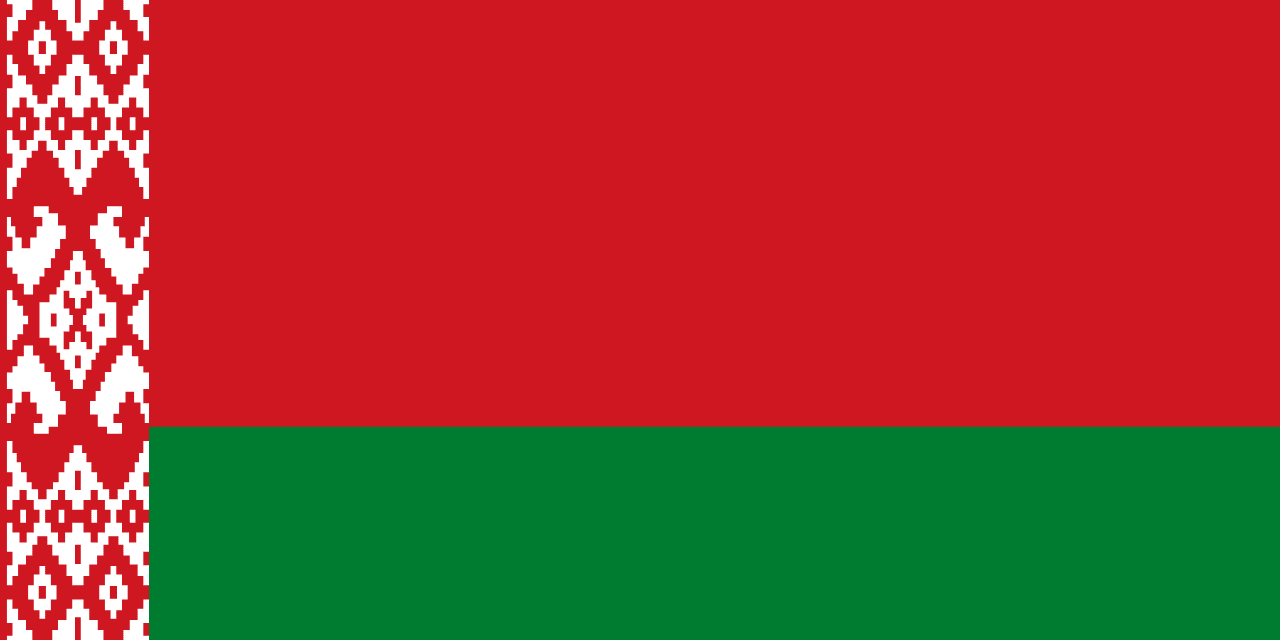
Belarus is one of Europe's least visited countries and one of its most misunderstood. Landlocked between Russia, Poland, Ukraine, Lithuania, and Latvia, it spent most of the 20th century as a Soviet republic and bears the physical marks of that era — broad boulevards, Stalinist architecture, immaculate public spaces. But underneath the Soviet surface lies a Belarusian culture with its own language, folk traditions, and identity that decades of Russification did not erase. The Belarusian forest is one of the country's defining realities. The Białowieża Forest, which straddles the border with Poland, is the last and largest remnant of the primeval forest that once covered the European plain. European bison — hunted to extinction in the wild by 1927 — were reintroduced here and now number in the thousands. The forest is old, genuinely old, and walking through it feels like walking into a time that Europe mostly lost. Draniki — potato pancakes fried until crisp and served with sour cream — are the national dish, a reflection of Belarus's agricultural heart. The potato arrived in the 18th century and transformed Belarusian cooking so completely that it became impossible to imagine the cuisine without it. Belarusian folk embroidery, with its distinctive red-and-white geometric patterns, adorns the national costume and has been officially listed as Intangible Cultural Heritage — a thread of identity that even the most turbulent political history could not cut.
Read full article →